
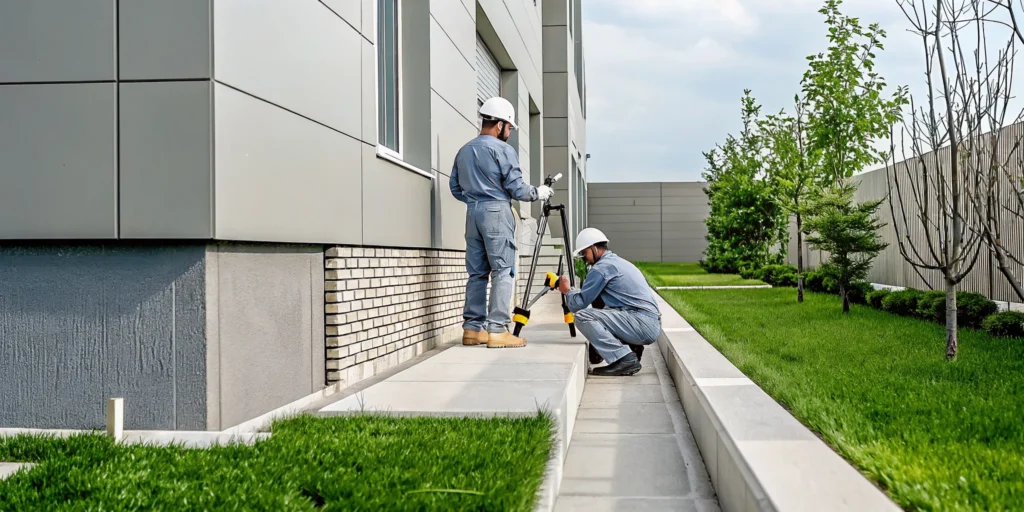
If you live in the Dallas area, you know our soil is unique. The expansive clay beneath our homes swells with rain and shrinks in the Texas heat, putting constant stress on foundations. This is why seeing signs of foundation movement is so common for North Texas homeowners. It’s not a matter of if, but when, you might need to address it. Understanding this local reality is the first step toward protecting your property. This article will serve as your guide to the specific challenges we face here, explaining the most effective solutions and how to choose the right foundation repair services for our region.
Key Takeaways
- Listen to your home’s warning signs: Pay attention to clues like cracks in the drywall, sticking doors, or gaps around your foundation. Because North Texas soil is so reactive, addressing these issues early is the most effective way to prevent small problems from becoming major structural damage.
- Understand that repairs are not one-size-fits-all: The right solution depends entirely on the root cause of the issue. A professional will determine if your home needs piers for stabilization, slab leveling for uneven concrete, or drainage solutions to manage soil moisture.
- Choose your repair partner carefully: Protect your investment by hiring a licensed and insured contractor with deep experience in the Dallas area. Always ask for a detailed estimate, inquire about warranties, and be cautious of any company that uses high-pressure sales tactics.
What Is Foundation Repair?
Foundation repair is the process of fixing the structural issues that compromise your home’s base. Think of it as getting to the root of the problem, not just patching up surface-level symptoms like cracks in the drywall or sticking doors. When your foundation settles, sinks, or shifts, it can cause a chain reaction of damage throughout your entire house. The goal of professional foundation repair is to stabilize your home, correct any existing damage, and prevent the problems from getting worse. It’s about making your home solid and secure again.
This isn’t just about appearances; it’s a crucial investment in your property’s health and safety. Professional foundation repair offers significant long-term benefits, including restoring structural stability, increasing your property value, and preventing future costly damage. By addressing the core issue, you protect your home from the ground up. It provides peace of mind, knowing that the structure supporting everything else is secure. A stable foundation ensures your home remains a safe and valuable asset for years to come, protecting your family and your investment. Ignoring foundation problems won’t make them go away; in fact, they almost always worsen over time, leading to more complex and expensive issues down the road.
Common Foundation Problems in North Texas
If you’re a homeowner in the Dallas area, you’ve probably heard neighbors talk about foundation issues. It’s not just talk; it’s a widespread reality here. Homes in the Dallas area often have foundation problems due to the movement of our expansive clay soils. This type of soil acts like a sponge, swelling dramatically when it absorbs water during rainy seasons and shrinking just as much when it dries out in the Texas heat.
This constant cycle of expansion and contraction puts immense pressure on your home’s foundation. Due to the aggressive movement of the soil, most Dallas homes will experience some type of foundation movement over their lifetime. This movement can lead to settling, cracks, and other structural problems that require professional attention. Understanding this local soil condition is the first step in recognizing why your home might be showing signs of distress.
An Overview of Repair Solutions
When you notice a potential foundation issue, it’s natural to feel a little overwhelmed. The good news is that there are proven, effective solutions available. The specific repair method depends entirely on the root cause of the problem and the type of foundation you have. Solutions can range from installing support piers to stabilize a sinking foundation to implementing drainage systems that manage soil moisture around your home.
The most important thing to remember is that early action is your best defense. Identifying and addressing foundation issues in their early stages minimizes repair costs and helps preserve the home’s structural integrity. Waiting can allow a small problem to escalate, leading to more extensive and expensive damage throughout your home. Proper foundation repair can save you money in the long run by preventing these costly secondary repairs.
Signs You Need Foundation Repair
Your home communicates with you, and sometimes, it’s trying to tell you that its foundation is in trouble. Because North Texas soil expands and contracts so much with the changing seasons, foundation movement is a common issue for homeowners in the Dallas area. The key is to catch the signs early before a small problem becomes a major, expensive repair. Paying attention to subtle shifts and changes inside and outside your home can help you protect your biggest investment.
Warning Signs Inside Your Home
The earliest clues often appear inside your house. You might notice cracks spreading across your drywall or in your basement walls. These aren’t just cosmetic issues; they can signal that your foundation is under stress. Another common sign is having doors and windows that suddenly stick or won’t close properly. This happens when the frames get twisted out of alignment by a shifting foundation. Take a look at your floors, too. If they seem to be sagging, slanted, or uneven, it’s a clear indicator that the structure supporting them is moving. Don’t ignore these signs, as they point to a need for professional foundation repair.
Warning Signs Outside Your Home
Take a walk around your property and look closely at your home’s exterior. Large cracks in the brick or concrete walls are a serious red flag. You should also check the area where the house meets the ground. If you see gaps forming between the soil and your foundation, it means the soil is pulling away, leaving your foundation unsupported. Pay attention to how water behaves around your home after it rains. If you notice water pooling near the foundation, it could be eroding the soil and creating pressure against your foundation walls. These exterior signs are your home’s way of telling you it needs help from the outside in.
Subtle Signs You Shouldn’t Ignore
It’s easy to dismiss a small crack or a slightly sticky door, but ignoring these early warnings can lead to much bigger headaches down the road. Foundation problems don’t fix themselves; they only get worse. Over time, what started as a minor issue can cause significant structural damage, plumbing leaks, and a decrease in your home’s value. Addressing foundation issues as soon as you spot them is the best way to minimize repair costs and protect your home’s integrity. If you see any of these signs, don’t wait. The best first step is to get a professional opinion to understand what’s really going on.
Exploring Your Foundation Repair Options
When you discover a foundation problem, it’s natural to wonder what the fix will look like. The truth is, there’s no single solution for every home. The best repair method depends entirely on your home’s specific issue, its foundation type, and the soil conditions on your property. A professional assessment is the only way to know for sure, but understanding the main types of repairs can help you feel more prepared. Most solutions fall into three categories: strengthening the foundation, leveling concrete slabs, and managing water with drainage.
Strengthening Your Foundation with Piers
If your foundation is settling, the goal is to give it a new, stable base to rest on. This is where foundation piers come in. Think of them as underground stilts that transfer the weight of your home from the unstable topsoil to solid, load-bearing soil or bedrock deep underground. Professionals use a few different types, including driven piles, which are strong steel poles pushed into the ground, and helical piles, which are screwed into the earth like giant anchors. Installing piers is a permanent foundation repair solution that stabilizes your home and can often lift it back toward its original position, providing lasting peace of mind.
Leveling Slabs with Mudjacking and Foam Injection
Have you noticed a sunken driveway, an uneven patio, or a cracked garage floor? These issues are often caused by soil shifting or washing out from beneath the concrete slab. Luckily, you don’t always have to replace the whole thing. Slab leveling techniques can lift the concrete back into place. A traditional method is mudjacking, where a professional pumps a grout-like mixture under the slab to raise it. A more modern approach uses expanding polyurethane foam, which is lighter and cures much faster. Both are effective concrete repair methods for restoring safety and appearance to your property without the cost and hassle of a full replacement.
Protecting Your Home with Drainage Solutions
In North Texas, water is often the primary cause of foundation trouble. The clay soil here expands when it gets wet and shrinks dramatically when it dries out. This constant movement puts immense stress on your foundation. That’s why managing water around your home is so important. Effective drainage solutions are designed to keep soil moisture levels consistent. This can involve installing French drains to redirect groundwater, grading the yard so water flows away from the house, or adding surface drains to prevent pooling. A proper drainage system is one of the best ways to protect your foundation from future damage. If you suspect water is the issue, you can contact us for an evaluation.
What Will Foundation Repair Cost?
Let’s talk about the number one question on every homeowner’s mind: the cost. It’s completely understandable to be concerned about the budget for a project of this scale. The truth is, there’s no single price tag for foundation repair because every home and every situation is unique. The final cost can range from a few hundred dollars for minor crack repairs to a much larger investment for extensive structural work.
The price depends entirely on what your home needs to be safe and stable for the long haul. To give you a clearer picture, let’s break down the key elements that determine the cost, address some common myths about pricing, and explore the payment options that can make this essential repair more manageable for your family.
Factors That Influence the Price
Several key factors determine the final cost of your foundation repair. The most significant is the extent of the damage. A few small cracks will naturally cost less to fix than a foundation that has settled several inches. We also consider the type of soil under your home, as North Texas soil has unique properties that can affect the repair method. The accessibility of the damaged area plays a role, too. If we have to work around extensive landscaping or on a sloped lot, it can add to the project’s complexity. Finally, the specific solution required, whether it’s installing piers or improving drainage, will be a major factor in the overall price.
Common Misconceptions About Repair Costs
Many homeowners put off calling a professional because they assume foundation repair is always incredibly expensive. This is one of the biggest myths out there. While it is a significant investment, ignoring the problem will only lead to more severe, widespread, and costly damage down the road. Another common misconception is that a DIY patch job is a sufficient fix. Unfortunately, these temporary solutions rarely address the root cause and can sometimes make the problem worse. Viewing a professional repair as a crucial investment in your home’s safety and value is the best way to protect your property for years to come.
Understanding Your Payment and Financing Options
We know that foundation repair is often an unexpected expense, and coming up with the funds can feel overwhelming. That’s why it’s important to know that you have options. Many homeowners aren’t aware that reputable companies offer resources to make the cost more manageable. At Solid Base, we provide straightforward financing options to help you get the necessary repairs without delay. The first step is always to get a clear, detailed estimate so you know exactly what to expect. A professional assessment will give you a precise quote and the peace of mind that comes with a permanent solution.
How to Choose the Right Foundation Repair Company
Finding a foundation repair company can feel overwhelming, but you’re not just hiring a crew; you’re choosing a partner to protect your home. The right team will give you peace of mind and a lasting solution. Taking the time to vet your options ensures your home is in capable hands and that the job gets done right the first time. It’s about finding a contractor you can trust with one of your biggest investments.
What to Look For in a Contractor
Start by looking for a contractor with deep roots in your local area. North Texas soil has its own set of challenges, so you want a team that understands them inside and out. Check their service area to confirm they have experience near you. A reputable company will also be transparent about its past projects. Ask to see examples of their work and read online reviews to get a sense of their quality and customer service. Finally, make sure they are fully licensed and insured. This protects you and your property. A professional team will use proven methods and stand by their expertise.
Key Questions to Ask During Your Estimate
Your initial estimate is the perfect time to get clear answers. Don’t be shy about asking questions to make sure you’re comfortable with the plan. Here are a few key things to cover:
- What specific foundation repair methods do you recommend for my home, and why are they the best fit?
- What kind of warranty do you offer on your work and the materials used?
- Can you provide a detailed timeline for the project from start to finish?
- What can I expect during the repair process in terms of noise, crew access, and cleanup?
A trustworthy contractor will be happy to walk you through every detail, ensuring you feel confident in the process.
Red Flags to Avoid When Hiring
Just as important as knowing what to look for is knowing what to avoid. Be cautious of any contractor who uses high-pressure tactics or pushes you to make a decision on the spot. Another red flag is an unusually low bid that lacks detail; a proper estimate should clearly outline all costs. You should also be wary of anyone who asks for the full payment upfront. While a deposit is standard, paying for the entire job before it starts is risky. If a company is vague, avoids your questions, or won’t provide a written contract, it’s best to keep looking for a more professional team.
The Foundation Repair Process: What to Expect
Facing a foundation repair can feel overwhelming, but knowing what to expect can make the entire experience much smoother. From the initial phone call to the final inspection, a professional team will guide you through every step. Here’s a look at what the process typically involves when you work with a trusted foundation repair specialist.
Your Initial Assessment and Free Estimate
The first step is always a detailed evaluation. If you’ve noticed cracks in your walls or floors, it’s best to act quickly. When you contact us, we’ll schedule a time for one of our experts to visit your home. They will perform a thorough inspection of your property, identify the root cause of the problem, and walk you through the specific foundation repair solutions needed to secure your home. After the assessment, you’ll receive a clear, detailed estimate for the project, completely free of charge. This gives you all the information you need to make a confident decision without any pressure.
During the Repair: The Project Timeline
Once you approve the plan, our crew gets to work. We understand that having work done on your home can be disruptive, so we aim to be as efficient and respectful as possible. Most foundation repairs take between one and five days to complete, though more extensive projects might take a bit longer. Our team will keep you informed throughout the process, explaining what’s happening each day. You can see examples of our team in action by viewing our work on previous projects. Our main goal is to restore your foundation’s stability with minimal interruption to your daily life.
After the Work Is Done: Warranties and Long-Term Care
Our commitment to you doesn’t end when we pack up our tools. A quality repair should come with a solid warranty, which is our promise that we stand behind our work for the long haul. We believe in providing lasting solutions that protect your most valuable asset. Investing in professional foundation repair safeguards your property against future damage and helps maintain its value. You can rest easy knowing your home is on a solid, stable footing for years to come. Our reputation is built on trust and quality, something our entire team is proud of.
Related Articles
Frequently Asked Questions
How long will the repair take? Most foundation repair projects are completed in just a few days. The exact timeline depends on the solution your home needs. For example, installing support piers might take a bit longer than a straightforward slab leveling job. A professional team will always give you a clear schedule before they begin so you know exactly what to expect and for how long.
Will fixing my foundation also fix the cracks in my walls? Stabilizing your foundation stops the movement that causes issues like drywall cracks and sticking doors. Once the foundation is secure, these problems won’t get any worse. While lifting the foundation can sometimes close cracks, you may still need to handle minor cosmetic touch-ups, like patching and painting, after the structural work is complete.
Is foundation repair covered by my homeowner’s insurance? This really depends on your specific policy and what caused the foundation damage. Coverage often hinges on whether the problem resulted from a covered peril, like a plumbing leak. It typically does not cover issues from normal soil settlement. The best course of action is to review your policy documents or speak directly with your insurance agent to understand what is included.
Can I stay in my home while the work is being done? Yes, in almost all cases, you can live in your home during the repair process. Professional crews are accustomed to working on occupied properties and do their best to minimize disruption to your daily routine. While there will be some noise and activity, the work is primarily focused on the exterior of your home, so you can continue your life as usual.
What happens if I ignore a small crack or a sticky door? It’s tempting to overlook what seems like a minor issue, but foundation problems almost never resolve themselves. A small crack is often an early sign of soil movement that will continue over time. By waiting, you risk the problem becoming more severe, which can lead to more extensive and costly structural damage throughout your home. Addressing it early is the most effective way to protect your property.