
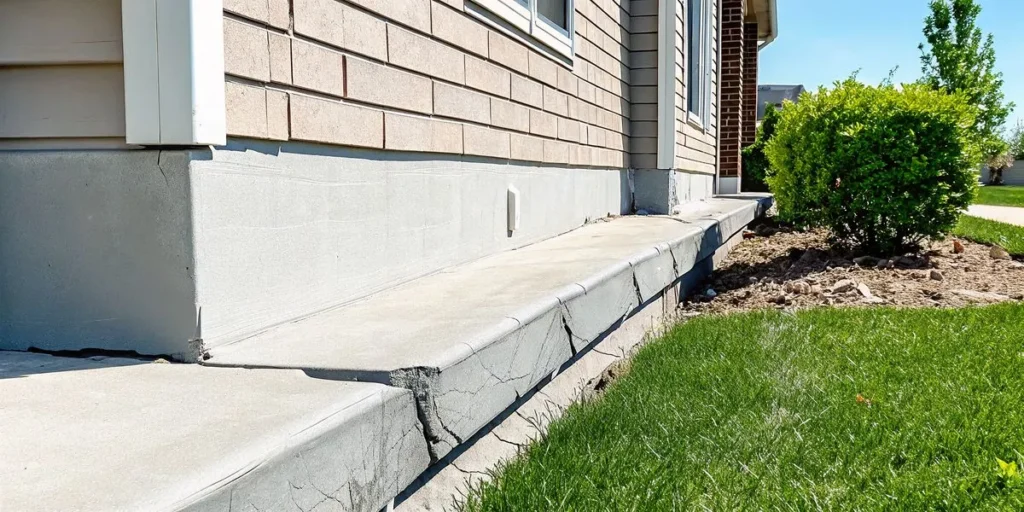
Inward movement in a foundation wall is a clear warning sign of serious structural stress. When your basement or crawl space walls begin to curve, they threaten the safety of your entire home. Catching these changes early is the best way to prevent total wall failure and protect your property value.
Get a Free Foundation Repair Estimate
The professionals at Solid Base Foundations have been providing expert foundation repair services in the Greater Dallas area since 2008. Call (940) 365-4221 for your free estimate today!
In North Texas, bowing foundation walls are primarily caused by the pressure of expansive clay soil that swells and shrinks significantly with moisture changes. When heavy rains saturate this clay, the soil expands and exerts massive lateral force against your underground support walls. This lateral pressure eventually exceeds the strength of the concrete or masonry, pushing the center of the walls inward. According to the Texas Real Estate Commission, environmental factors like poor drainage and loss of soil compaction also negatively affect foundation stability over time. To stop this structural movement, professional repair solutions like engineered wall anchor systems are required to secure the foundation and prevent further inward displacement.
To protect your home, it is vital to understand why this shifting happens in our local soil. Discovering the root cause is the first step toward finding a permanent repair solution. The path begins with looking at What Causes Foundation Walls to Bow in North Texas?
What Causes Foundation Walls to Bow in North Texas?
If you notice bowing foundation walls in your home, the root cause is almost always hidden in the dirt around your house. North Texas sits on expansive clay soil that undergoes extreme changes throughout the year. When this clay soil absorbs water, it swells up and pushes hard against your home. When the weather dries out, the soil shrinks and leaves empty gaps. This constant movement places a heavy strain on your structural support.
The Force of Expansive Clay Soil
Our regional soil behaves like a giant sponge. According to guidelines from the Texas Real Estate Commission, clay soil expands and contracts with changes in moisture levels. This clay soil puts intense lateral pressure on your walls. When the soil is saturated with water, the weight increases dramatically. In fact, a wall with eight feet of wet soil against it can face up to 2,880 pounds of force per foot. Over time, this constant push makes the walls bend inward.
How Poor Drainage Creeps In
Water must flow away from your home to keep the soil stable. But poor drainage, broken gutters, or plumbing leaks can cause water to pool near your foundation. When water gathers in one spot, the soil gets heavy and wet. This build-up of water creates hydrostatic pressure that pushes against your basement or crawl space walls. If you do not fix these water issues, the soil pressure will continue to warp your foundation.
Loss of Compaction and Soil Gaps
During dry summer months, North Texas clay shrinks and pulls away from your walls. This shrinkage creates deep gaps in the earth. When heavy rains finally arrive, water fills these empty gaps instead of running off. The water saturates the loose dirt and causes sudden, massive pressure. This cycle of soil compaction loss and moisture level fluctuations ruins the soil stability. If you want to protect your home, you may need professional foundation repair services to stabilize the walls before they crack or fail.
Warning Signs of Bowing Foundation Walls
Identifying foundation issues early can save your home from severe structural distress. When expansive clay soils put lateral pressure on your basement or cellar, the structural integrity of your home is compromised. Recognizing the early warning signs of bowing foundation walls allows you to seek help before the damage spreads.
Recognizing Wall Cracks and Movement
Soil movement in North Texas puts immense stress on home structures. The Texas Real Estate Commission warns that moisture changes can cause adverse foundation performance, leading to visible damage in your living spaces. According to TREC guidelines, wall and ceiling cracks are common indications of structural distress that homeowners must watch for closely.
Because bowing foundation walls do not self-correct, they require a professional assessment to determine the best method for structural stabilization. Watching for secondary changes throughout your home can help you spot wall issues early. Below are the key indicators of shifting foundation walls.
Five Warning Signs of Shifting Walls
- Visible horizontal or stair-step cracks: Horizontal cracks along mortar joints are the most common sign of bowing foundation walls. Stair-step cracks in brick or concrete blocks also indicate intense lateral pressure from the surrounding soil.
- Doors that stick or bind: If doors become hard to open, out-of-square, or fail to latch properly, it often means the shifting walls are warping the door frames.
- Sloping or uneven floors: When foundation walls lean inward, they disrupt the support beams of the home, which can cause floors above to slope, sag, or feel uneven.
- Gaps between walls and ceiling or floor: As a wall begins to bow, it pulls away from the horizontal framing of the house, creating visible gaps along the ceiling, floor, or corner joints.
- Windows that stick or will not close: Wall movement distorts the window openings in your home, making windows bind in their tracks, stick, or refuse to lock.
If you notice any of these signs, you should monitor them and read our foundation health blog to learn more about how regional soils behave. Taking action early is the best way to prevent costly structural failures.
How Serious Is a Bowing Foundation Wall?
Every home moves a small amount over time. This movement is common in areas like Texas where clay soils dominate. The local clay soil expands and contracts with changes in moisture levels, which can cause normal settling. But when walls start to bend or lean, you are no longer dealing with simple settling. Recognizing the shift from normal movement to structural distress is vital to keeping your home safe.
Spotting the Signs of Stress
Simple soil movement often causes small hairline cracks. These tiny cracks are usually harmless and easy to patch. But differential settlement occurs when one part of the foundation settles more than another. This uneven movement leads to real structural damage, including cracks and wall misalignment. When a wall begins to bow, the force of the soil is pushing the wall past its structural limits.
Normal Movement vs. Structural Distress
To keep your home safe, you must know what signs are normal and what signs require quick action. If you notice signs of structural distress, you can browse our foundation health blog to learn more about how clay soils affect your home. You can also use the comparison table below to check your basement or crawl space walls.
| Feature | Normal Movement | Structural Distress |
|---|---|---|
| Crack Type | Fine hairline cracks | Horizontal or stair-step cracks |
| Wall Alignment | Straight and plumb | Leaning, curving, or bowing inward |
| Floor Levelness | Flat or barely sloped | Sloping, sagging, or uneven floors |
| Doors and Windows | Open and close smoothly | Doors and windows stick or bind |
| Urgency | Monitor over time | Requires professional assessment |
The Risks of Delay
A bowed wall is a major structural failure that will not fix itself. As soil pressure increases, the bowing will worsen and can lead to a total collapse of the wall. This movement can also tear apart your home plumbing and damage the upper framing. If you see horizontal cracks or curved walls, getting a professional evaluation is the best way to prevent more costly damage down the road.
Professional Repair Options for Bowing Foundation Walls
When you find bowing foundation walls in your home, you must act quickly to keep your house safe. Heavy soil pressure pushes these walls inward over time. Seeking help from a trained specialist is the best way to choose the right fix. A professional team can check the damage and set up a lasting system to stabilize the structure.
Wall Anchor Systems
Wall anchor systems are the standard engineering solution to stabilize bowing foundation walls. These systems use heavy plates placed inside your basement wall. Steel rods run from these plates through the soil to a second set of anchors buried deep in your yard. The tension in the steel rods helps hold the wall in place. Over time, a specialist can tighten these rods to help pull the wall back toward its straight position. You can read more about how specialists use these tools on our professional foundation repair services page.
Carbon Fiber Reinforcement
For walls with minor bowing or small cracks, carbon fiber strips are a fast and strong fix. A technician glues these high-strength strips directly to the inside face of the concrete. The carbon fiber has immense strength and stops the wall from moving any further inward. This option is low-profile, meaning you can easily paint over the strips or cover them with drywall. Because this method requires no digging in your yard, it is a clean and simple way to keep your home safe.
Pier Systems and PolyLevel Technology
Some bowing walls also suffer from downward settling. In these cases, deep pier systems can help lift and hold the foundation. Our heavy-duty piers come with a 25-year manufacturer warranty to give you peace of mind. For sinking concrete slabs near the wall, we also use PolyLevel concrete leveling. This method uses a light foam that cures 96 times faster than old mudjacking methods. It is 95 percent lighter than mud, so it does not add heavy weight to the weak soil near your home. To see more tips on home care, visit our foundation health blog.
Why Drainage Matters in Preventing Future Wall Movement
Even the best wall repairs can fail if you do not fix the water issues around your home. Excess moisture in the soil is the main cause of bowing foundation walls. When you control how water moves near your home, you protect your walls from future damage.
The Threat of Hydrostatic Pressure
Poor drainage lets water collect in the ground next to your house. This extra water makes the soil swell and creates heavy outward pressure against your basement or crawl space walls. According to the Texas Real Estate Commission, moisture level fluctuations and poor drainage are key environmental factors that harm foundation stability. Over time, this constant force pushes the middle of your concrete or block walls inward.
Managing Gutters and Yard Grading
To stop this pressure, you must direct water away from your home. Keep your gutters clear so rain does not spill over the sides directly onto your foundation. Extend your downspouts at least five feet out from your house to dump water in a safe spot. Your yard should slope away from your foundation walls at a drop of six inches over the first ten feet. This slope stops water from pooling near the foundation and soaking into the clay.
Landscaping and Tree Placement
Trees and large plants also play a big part in soil moisture levels. Large root systems close to your home can pull water from the soil, causing it to shrink. When it rains, that dry soil swells up again and puts uneven force on your home. The Texas Real Estate Commission notes that tree roots or large plants near a foundation can alter soil moisture and hurt foundation performance. Keeping soil moisture levels constant is the most important step to prevent wall movement.
When to Call a Foundation Professional
Living in North Texas means dealing with the unique challenges of the local geology. Because our region sits on highly active, expansive clay soil that undergoes intense shrink-swell cycles with every weather change, structural shifts are a common concern for homeowners. While minor settling is normal over a home’s lifespan. Bowing or caving foundation walls are a critical warning sign that requires a professional assessment to determine the appropriate method for structural stabilization.
Recognizing the Need for Immediate Intervention
Bowing or leaning walls represent a level of structural distress that goes far beyond standard cosmetic issues. This type of damage occurs when the lateral hydrostatic pressure exerted by saturated clay soil exceeds the load-bearing capacity of your basement or crawl space walls. If you notice any inward curvature, visible leaning, or severe diagonal cracking along your foundation walls, it is time to bring in an experienced specialist. Delaying an inspection only allows the active soil pressure to push the structural integrity of your home closer to a critical failure point.
Bowing Walls Do Not Self-Correct
It is easy to hope that structural issues will stabilize on their own once the hot, dry Texas summer shrinks the soil back down. However, bowing foundation walls do not self-correct and usually require professional intervention to prevent further inward displacement. The seasonal cycle of soil swelling during heavy rains followed by deep shrinkage during droughts continuously weakens the foundation. Each cycle places cumulative stress on the masonry, meaning the inward bowing will steadily progress and worsen over time. Seeking an early, professional evaluation is the most effective way to address the root cause and protect your property from costly, compounding structural damage.
FAQ: Common Questions About Bowing Foundation Walls
What causes bowing foundation walls?
Expansive clay soil in North Texas is the primary cause of bowing foundation walls. This heavy clay soil shrinks and swells significantly with moisture changes. When the soil absorbs water, it expands and exerts massive lateral pressure against your foundation. Poor drainage, plumbing leaks, and loss of soil compaction also increase this pressure, eventually pushing the walls inward.
How to fix a bowed foundation wall?
Professionals standardly stabilize and fix bowing walls using specialized wall anchor systems. These anchors lock into the stable soil outside your foundation to hold the wall secure and pull it back toward its original position. Other common structural repair methods include heavy carbon fiber straps or steel I-beams. Correcting gutter drainage issues also helps prevent future soil pressure from damaging the walls again.
How much foundation bowing is acceptable?
No amount of foundation wall bowing is acceptable. While some slight, uniform settling is normal in Texas clay soils, inward wall movement indicates a serious structural distress. Any visible bowing, caving, or leaning means the wall is failing under excessive lateral pressure. You should schedule a professional structural assessment immediately if you notice even minor wall displacement.
Should I buy a house with bowing basement walls?
You can buy a home with bowing walls, but you must get a professional foundation inspection first. Bowing walls do not self-correct and will require professional repairs to prevent further inward movement. You can often use the cost estimate of these structural repairs to negotiate a lower purchase price or ask the seller to complete the stabilization before closing.
Get a Free Foundation Repair Estimate
The professionals at Solid Base Foundations have been providing expert foundation repair services in the Greater Dallas area since 2008. Call (940) 365-4221 for your free estimate today!
Our experienced specialists serve residential and commercial property owners across the Greater Dallas area and North Texas. We utilize premium, industry-leading products that feature a 25-year manufacturer’s warranty on pier and structural systems, backed by our own robust Solid Base in-house warranty. To help make your structural repairs as manageable as possible, we also offer flexible financing options tailored to your budget.
Do not wait for soil pressure to cause further damage to your home’s structure. Contact Solid Base Foundations today at (940) 365-4221 or visit our website to request your free, no-obligation inspection and estimate. Let us deliver the solid base of support your home deserves.