
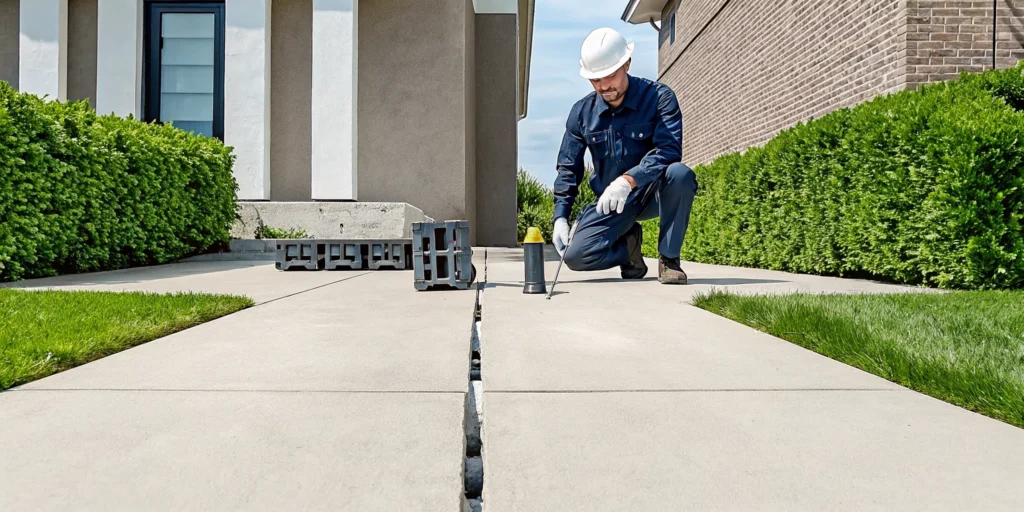
Living in the Dallas area means dealing with our unique clay soil, which expands and contracts with the weather. This constant movement is often the hidden culprit behind those unsettling cracks in your concrete. Simply filling a crack without understanding its root cause is like putting a bandage on a broken arm. It doesn’t solve the real problem. That’s why finding the best concrete crack repair service involves more than just technical skill; it requires deep local expertise. This article will show you how to identify a company that truly understands North Texas soil and can provide a permanent solution, not just a temporary fix, ensuring your home remains on solid ground.
Key Takeaways
- Look for Proof of Quality and Accountability: A trustworthy contractor will readily provide their license and insurance, share customer reviews, and offer a solid warranty. These elements demonstrate their commitment to high-quality, lasting work.
- Insist on a Root Cause Analysis: A simple patch often fails because it ignores the real problem. Ensure your contractor performs a thorough assessment to identify underlying issues like soil shifting or poor drainage for a solution that actually lasts.
- Prioritize Value and Explore Financial Flexibility: While the lowest bid can be tempting, it often leads to costlier repairs later. Seek the best long-term value and ask about free estimates and financing options to make a professional repair fit your budget.
What Makes a Concrete Repair Service Stand Out?
When you notice cracks in your driveway, patio, or foundation, it’s easy to feel overwhelmed by the number of repair companies out there. They all seem to promise the same thing, but the quality of their work can vary dramatically. So, how do you find a service that will actually solve your problem for good, not just offer a temporary patch? The best companies distinguish themselves in a few key areas. It’s not just about filling a crack; it’s about understanding why it happened in the first place. A standout service combines deep experience with the right credentials, uses high-quality materials, and takes the time to conduct a thorough assessment of the damage. These are the pillars of a reliable repair that will protect your home’s value and give you peace of mind. Looking for these specific qualities will help you filter out the noise and choose a contractor you can trust to get the job done right.
Proven Experience and Expertise
Experience is more than just the number of years a company has been in business. It’s about the specific types of projects they’ve successfully completed. A contractor with a long history of fixing concrete issues in the Dallas area will understand the unique challenges posed by our local soil and climate. When you’re evaluating a company, ask to see examples of their past projects. A team with proven expertise can accurately diagnose the root cause of a crack, whether it’s from soil settlement, water damage, or something else entirely. This diagnostic skill is crucial because it ensures the proposed solution will actually last, saving you from repeat repairs and bigger headaches down the road.
Proper Licensing and Insurance
This might seem like a boring detail, but it’s one of the most important. A professional concrete repair company will always be fully licensed and insured. Licensing confirms they meet state and local requirements to perform the work, while insurance protects you, the homeowner, from any liability in case of an accident on your property. Don’t be afraid to ask for proof of both. A reputable company will be happy to provide it. This transparency is a sign that they operate professionally and care about their clients’ safety and security. You can often find this information on a company’s about page, which shows they are proud of their credentials and committed to accountability.
Quality Materials and Repair Methods
The effectiveness of a concrete repair depends heavily on the products and techniques used. A top-tier service doesn’t just use a generic crack filler from a big-box store. They use industry-leading, proven materials designed for long-term durability. The right materials, combined with proper surface preparation, are critical for a lasting fix. A standout contractor will be able to explain exactly what they’re using and why it’s the best choice for your specific situation. Whether it’s a flexible sealant for a cosmetic crack or a high-strength epoxy for a structural issue, their choice of materials reflects their commitment to quality concrete repair.
A Thorough Approach to Damage Assessment
A quick glance at a crack isn’t enough to understand the real problem. A truly professional service will conduct a detailed assessment to identify the underlying cause of the damage. They’ll check for signs of foundation settlement, drainage issues, or soil erosion that might be putting stress on your concrete. This comprehensive evaluation is what separates a quick fix from a permanent solution. By understanding the root cause, they can recommend a repair that addresses the entire problem. This process should start with a free, no-obligation inspection where they walk you through their findings and explain their proposed plan. You can schedule an estimate to see this thorough approach for yourself.
How Professionals Fix Different Types of Concrete Cracks
Not all concrete cracks are created equal. A hairline crack on your patio is very different from a wide, uneven crack in your garage floor. That’s why a professional approach to concrete repair begins with a thorough diagnosis. An expert will identify the type and cause of the crack to determine the right repair method. Using the wrong technique can be a waste of money or, even worse, cover up a serious structural problem. Let’s walk through some of the proven solutions that professionals use to fix different kinds of concrete damage for good.
Filling and Sealing Techniques
For smaller, non-structural cracks, the most common solution is filling and sealing. Think of those minor cracks you see on a sidewalk or driveway. While they might not seem like a big deal, they can let water seep into the concrete. This moisture can cause bigger problems down the line, especially when it freezes and expands. A professional uses a high-quality, flexible sealant to fill the crack completely. This technique stops water infiltration in its tracks and prevents the crack from getting worse over time. It’s a straightforward but crucial step in maintaining the health and longevity of your concrete surfaces.
Injections for Structural Cracks
When a crack is structural, meaning it affects the stability of your foundation or slab, a simple sealant won’t cut it. For these more serious issues, professionals turn to epoxy or polyurethane injections. This method involves injecting a specialized resin directly into the crack under pressure. The material fills the entire void, bonding the concrete back together and restoring its original strength and integrity. This is a highly effective technique for repairing cracks in basement walls or foundations, as it doesn’t just cover up the problem. It structurally mends the concrete, which is a key part of any lasting foundation repair.
Patching and Resurfacing Solutions
Sometimes the damage is more than just a crack. You might have larger holes, chunks of missing concrete, or areas where the surface is flaking and crumbling, a problem known as spalling. In these cases, patching or resurfacing is the answer. Patching involves filling the damaged area with a durable concrete mix, creating a seamless repair. For more widespread surface damage, resurfacing provides a brand-new top layer over the existing slab. This not only fixes the damage but also improves the appearance and durability of the entire surface. You can see examples of these clean, effective repairs in our work across the Dallas area.
The Difference Between Polyurethane and Epoxy
You might hear professionals talk about using either polyurethane or epoxy, and it’s helpful to know the difference. Think of polyurethane as a strong but flexible sealant. It can move with the concrete as it naturally expands and contracts with temperature changes, which makes it ideal for sealing joints and active cracks. Epoxy, on the other hand, is more like a super-strong, rigid glue. It’s incredibly effective at bonding concrete together, which is why it’s often the top choice for structural repairs where restoring the slab’s original strength is the main goal. A true expert knows exactly which material to use for which situation to ensure a permanent, reliable repair.
How to Vet a Concrete Crack Repair Company
Finding the right contractor can feel like a big task, but knowing what to look for makes all the difference. You want a team that not only fixes the problem but also gives you confidence in the solution. Vetting a company properly means looking beyond the sales pitch and digging into the details of their experience, processes, and customer satisfaction. It’s about asking the right questions and checking for key indicators of quality and reliability. Here’s a straightforward guide to help you choose a concrete repair service you can trust.
Look for Free Estimates and Clear Pricing
A reputable company won’t charge you just to assess the damage. Look for contractors who offer a free estimate on their work. This initial inspection is a great opportunity to meet the team, ask questions, and get a feel for their professionalism without any financial commitment. Once you receive the quote, it should be clear, detailed, and easy to understand. Vague pricing or hidden fees are red flags. A trustworthy contractor will provide an itemized breakdown of costs, including labor and materials, so you know exactly what you’re paying for. This transparency is the first sign of a company that values honesty and customer satisfaction.
Ask About Warranties and Guarantees
A warranty is more than just a piece of paper; it’s a promise that the company stands behind its work. Before you sign any contract, ask detailed questions about the warranties they offer on both materials and labor. A strong guarantee shows that the contractor is confident in the durability of their repair solutions and is committed to providing a long-lasting fix. Companies that use high-quality, proven products are usually happy to back them up. This gives you peace of mind knowing that if any issues arise after the job is done, you’re covered. Don’t hesitate to get the warranty details in writing.
Check Their Local Reputation and Reviews
What past customers have to say is one of the most reliable indicators of a company’s quality. Spend some time reading online reviews on platforms like Google, Yelp, and the Better Business Bureau. Look for patterns in the feedback. Are customers consistently praising their professionalism, timeliness, and the quality of the repair? You can also ask the company for references or to see examples of their past projects. A contractor with a strong local reputation and a portfolio of successful repairs in your area is a much safer bet than an unknown entity. Positive reviews show that they consistently meet or exceed customer expectations.
Confirm They Offer the Right Solutions
Concrete cracks aren’t a one-size-fits-all problem. The right repair method depends on the cause, location, and severity of the crack. A top-tier company will have a range of concrete repair techniques at their disposal, from epoxy injections for structural issues to flexible sealants for cosmetic cracks. During the initial assessment, the specialist should explain the root cause of the damage and recommend a specific solution tailored to your situation. Be wary of any contractor who suggests the same fix for every problem. True expertise lies in diagnosing the issue correctly and applying the most effective, lasting repair.
What to Look for in Customer Reviews
Customer reviews are your secret weapon for vetting a concrete repair company. They offer a behind-the-scenes look at what it’s really like to work with a contractor, straight from other homeowners. But reading reviews is more than just looking at star ratings. You need to know how to read between the lines to understand what the feedback truly means for your project. A handful of glowing five-star reviews with no details isn’t as helpful as a detailed four-star review that explains exactly what the company did well.
When you start digging into testimonials, you’ll see patterns emerge. These patterns, both good and bad, are the most reliable indicators of the quality of service you can expect. Paying attention to specifics about communication, timeliness, and the quality of the finished product will help you build a clear picture of the company’s strengths and weaknesses. This is where you can separate the truly great contractors from the merely average ones.
Positive Signs in Customer Feedback
When you’re scanning reviews, look for consistent praise that goes beyond a simple “great job.” The best testimonials often highlight a company’s professionalism and communication. Happy customers will mention things like the crew showing up on time, keeping them updated throughout the project, and maintaining a clean worksite. One contractor’s reviews point out how they “[explain] things clearly, finish work on time, [and] offer fair prices.” These details signal a company that respects your time and property. Seeing comments about a team’s ability to manage a project well and communicate clearly is a huge green flag. It shows they have a process that leads to successful concrete repair and happy clients.
Common Complaints and Warning Signs
On the flip side, be alert for recurring complaints. While one-off negative reviews can happen to any business, a pattern of similar issues is a major warning sign. Pay close attention to any mention of poor workmanship. Because concrete work is difficult to reverse, a shoddy repair can lead to more cracking, sinking, or drainage problems down the road. If you see multiple reviews mentioning that the repair didn’t last or that new issues appeared shortly after the job was done, it’s best to steer clear. These are often signs of a company that cuts corners or lacks the expertise to do the job right the first time.
Red Flags to Spot in Testimonials
Some of the biggest red flags are subtle and point to a contractor’s lack of thoroughness. For example, a major mistake in concrete repair is “treating the symptom instead of the source.” A review might not use these exact words, but it could describe a crack that was filled only to reappear a few months later. This often means the contractor didn’t address the underlying cause, like an unstable foundation. Another red flag is a lack of proper preparation. Effective repairs require a surface to be completely clean before new materials are applied. If a review mentions a messy or rushed process, it could indicate the company is skipping this critical step.
Mistakes to Avoid When Choosing a Repair Service
Finding the right team for your concrete repair is a big decision. To get a lasting solution, it helps to know what common pitfalls to sidestep. An informed choice means you won’t just fix the crack you see today; you’ll protect your property for years to come. Here are a few key mistakes to avoid.
Choosing on Price Alone
It’s tempting to go with the lowest bid, but a cheap fix can be the most expensive mistake. Poor workmanship often leads to bigger issues, like worsening cracks or drainage problems that require a complete do-over. Instead of focusing only on price, consider the overall value. A quality contractor uses superior materials and proven techniques for a durable solution. A slightly higher upfront cost for a professional concrete repair often saves you from much larger expenses and headaches in the future.
Overlooking Credentials and Insurance
Before hiring anyone, verify their credentials. Are they properly licensed and do they carry both liability insurance and worker’s compensation? This isn’t just red tape; it’s your protection. Liability insurance covers damage to your property, while worker’s comp protects you if a crew member gets injured on the job. A reputable company will gladly provide proof of their credentials. This step ensures you’re working with a legitimate business that stands behind its team of professionals.
Getting Only One Estimate
Don’t settle for the first quote. Getting a few different estimates is a smart move, and not just for comparing prices. It’s about comparing the proposed solutions. A common mistake is treating the symptom instead of the source, and different contractors may offer different diagnoses. Hearing a few expert opinions helps you understand the root cause of the damage and choose the most effective repair plan. Take the time to request a few estimates to find a partner you trust.
Skipping the Research Phase
A great estimate is just one piece of the puzzle. It’s crucial to do more homework before making your final decision. Look up online reviews and testimonials to see what past customers have to say. Ask the company for a portfolio of their previous projects or for local references. This extra step helps you verify their quality and customer service. A contractor who cuts corners can leave you with recurring problems. Seeing examples of their work will give you confidence in your choice.
What Does Professional Concrete Repair Cost?
One of the first questions on any homeowner’s mind is, “How much is this going to set me back?” When it comes to concrete repair, the answer isn’t a simple number. The final price depends on the extent of the damage, the underlying cause, and the specific repair method needed to fix it for good. While a full replacement is the most expensive option, the good news is that professional concrete repair is often much more budget-friendly. For instance, leveling a sunken slab can cost 50% to 80% less than tearing it all out and pouring new concrete. A professional assessment is the only way to know exactly what your project will entail.
Factors That Influence Pricing
The price tag for your concrete repair is shaped by a few key factors. The most significant is the type and amount of damage. A few minor surface cracks will be on the lower end of the cost spectrum, while deep, structural cracks or severely sunken slabs will require more labor and specialized materials. The repair method itself also plays a big role, as simple crack fillers are less expensive than polyurethane injections. The total square footage that needs work will also be factored into the final quote.
How to Get an Accurate Estimate
The best way to understand the cost for your specific situation is to get a professional opinion. An experienced technician can do more than just look at a crack; they can diagnose the root cause of the problem. This step is critical because a repair that doesn’t address the underlying issue, like poor drainage or shifting soil, won’t last. At Solid Base, we provide a thorough inspection to give you a clear and accurate picture of the work needed. You can get a reliable price by scheduling a free estimate with our team.
Deciding Between Repair and Replacement
Figuring out whether to repair or replace your concrete can feel like a big decision, but a professional can make it straightforward. In many cases, repair is a practical and cost-effective solution. If your slab is structurally sound but has some cracks or has settled, techniques like sealing or lifting can restore it. However, if the concrete is crumbling or has widespread, severe damage, replacement might be the only long-term option. We can help you weigh the pros and cons and explore financing options if a larger project is necessary.
Why Hire a Professional Instead of DIY?
When you spot a crack in your driveway or patio, your first thought might be to grab a patching kit from the hardware store. While the DIY spirit is admirable, concrete repair is one of those jobs where professional expertise makes a world of difference. A quick fix might look okay for a little while, but it often fails to address the underlying problem, leading to more significant and expensive issues down the road. Hiring a professional ensures the job is done right the first time, giving you a lasting solution and peace of mind.
The Durability of a Professional Repair
A professional concrete repair is designed to last. Experts don’t just cover up a crack; they use proven methods and materials to create a permanent fix that integrates with the existing concrete. This comprehensive approach ensures the repair can withstand weather, temperature changes, and daily wear and tear. While a DIY patch might crumble or separate after a season, a professional job restores the strength and integrity of your concrete surface. In the long run, investing in a durable, professional repair saves you the time, money, and frustration of having to redo the work yourself.
Access to Better Materials and Equipment
The products available at a local home improvement store are rarely the same quality as what professionals use. A reputable repair service has access to commercial-grade sealants, epoxies, and polyurethane foams that offer superior flexibility and strength. More importantly, they know exactly which material is right for your specific type of crack and concrete. Proper surface preparation is also key for a lasting bond, and professionals have the specialized equipment to clean, grind, and prepare the area correctly. This combination of high-quality materials and the right tools is something a typical DIY project just can’t match.
A Correct Diagnosis of the Root Cause
One of the biggest mistakes in concrete repair is treating the symptom instead of the source. That crack in your slab could be a simple sign of aging, or it could be a red flag for a much deeper problem, like soil erosion or a shifting foundation. A professional technician can accurately diagnose the root cause of the damage. By understanding why the crack appeared in the first place, they can recommend a solution that not only fixes the visible crack but also addresses the underlying issue. This prevents the problem from returning and protects the structural integrity of your entire property.
Are There Ways to Make Repairs More Affordable?
Let’s be honest, seeing a crack in your concrete can immediately make you think about the cost. It’s a valid concern, and the good news is that a professional concrete repair doesn’t have to break the bank. While you should never choose a contractor based on price alone, there are several practical ways to manage the expense without sacrificing the quality of the work. A reputable company understands that this is a significant investment for homeowners and will often have processes in place to make it more manageable. It’s all about knowing what to ask for and where to look for potential savings.
The key is to be a proactive and informed customer. By taking a few simple steps, you can get a clear picture of the costs and find a solution that fits your budget. This starts with getting a professional assessment to understand exactly what you’re dealing with. From there, you can explore different payment structures and potential savings. It’s not about cutting corners on the repair itself, but rather about finding smart financial approaches. Let’s walk through a few strategies that can make your concrete repair project much more affordable, from getting a no-cost evaluation to breaking down the final bill into smaller payments.
Starting with a Free Inspection
The first step toward an affordable repair is knowing exactly what you’re up against, and you shouldn’t have to pay for that information. Many professional concrete repair services, including our team at Solid Base, offer a free inspection to assess the damage. This initial assessment is your chance to get an expert opinion on the extent of the repairs needed without any upfront cost or commitment. It provides a clear, detailed estimate so you can understand the scope of the project and the associated costs. This no-obligation approach empowers you to make an informed decision for your home and your budget.
Asking About Current Promotions
It never hurts to ask. Before you sign a contract, make it a point to inquire about any current promotions or discounts the company might be offering. Reputable contractors sometimes provide special offers that can help reduce the overall cost of your repair project. This isn’t about haggling; it’s about being a savvy homeowner. A simple question can sometimes lead to significant savings, making a necessary repair feel much more manageable. Think of it as one final check to ensure you’re getting the best possible value for the high-quality work your home deserves.
Exploring Financing Options
Even with a great price, a major concrete repair can be a large, one-time expense. If the upfront cost is a concern, talk to your contractor about their payment options. Many established companies understand that homeowners need flexibility and are willing to work with you to find a solution. Discussing financing options can help you manage the cost effectively by breaking it down into a series of smaller, more predictable payments. This allows you to address critical structural issues right away without having to drain your savings, ensuring your home stays safe and secure on a timeline that works for your budget.
Related Articles
Frequently Asked Questions
What happens if I just ignore a small crack in my concrete? Ignoring a small crack is like ignoring a small leak; it almost always gets worse. Even a tiny opening allows water to seep underneath the slab, which can erode the soil and lead to bigger problems. In the winter, that trapped water can freeze and expand, forcing the crack to widen. What starts as a simple fix can become a much more complex and expensive issue involving structural damage if it’s not addressed.
Is it always more affordable to repair concrete than to replace it? In most situations, yes. Professional repair techniques, like lifting a sunken slab, can cost significantly less than tearing out the old concrete and pouring a new one. Repair is an excellent, budget-friendly option when the slab itself is still in decent condition. A thorough inspection will determine if your concrete is a good candidate for a lasting repair or if the damage is so extensive that replacement is the better long-term investment.
Why can’t I just use a DIY kit from the hardware store? While DIY kits can seem like a quick fix, they typically only address the surface of the problem. They often fail to bond properly and can’t fix the underlying issue that caused the crack in the first place, like shifting soil. Professionals use commercial-grade materials and equipment to prepare the surface correctly and apply a solution that restores the concrete’s strength and durability for a truly permanent repair.
With so many companies out there, what’s the most important factor in choosing one? Beyond checking for licenses and good reviews, the most important factor is a company’s commitment to a thorough diagnosis. A standout contractor won’t just measure the crack and give you a price. They will investigate to determine the root cause of the damage, whether it’s a drainage problem or a foundation issue, and then propose a solution that solves the entire problem, not just the symptom.
How do you know which repair method is right for my specific crack? The right method is always tailored to the specific type and cause of the crack. A professional assessment is key to making this determination. For instance, a flexible sealant might be perfect for a non-structural crack on a driveway to prevent water intrusion. For a crack in a foundation wall that threatens stability, a high-strength epoxy injection would be used to structurally bond the concrete back together.