
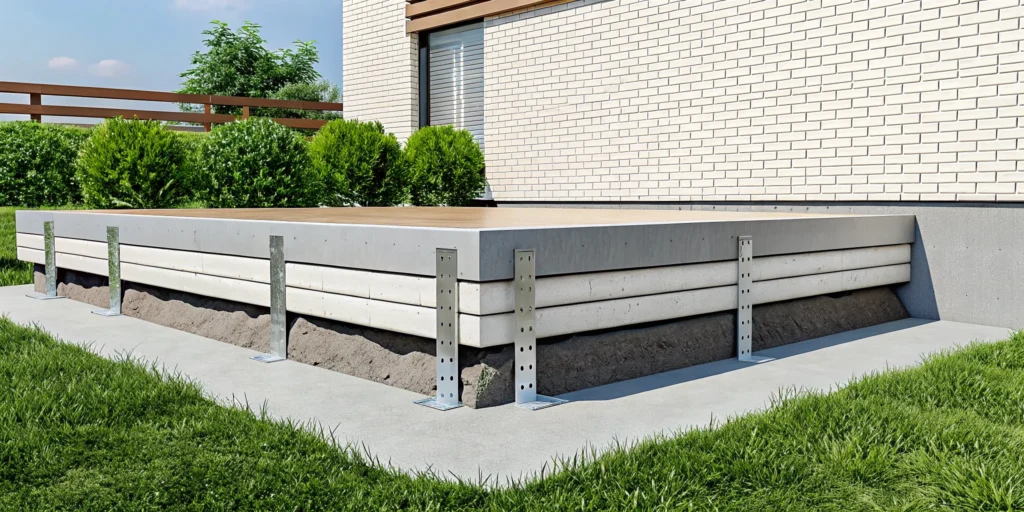
Living in the Dallas area means dealing with our unique and challenging soil. The expansive clay beneath our homes swells with moisture and shrinks dramatically when it’s dry, putting constant stress on our foundations. This is why a one-size-fits-all approach to repairs simply doesn’t work here. A solution that’s effective in another part of the country might fail completely in North Texas. To protect your home, you need a strategy tailored to our local conditions. We’ll explore the different foundation repair options that are specifically designed to counteract the effects of our volatile soil, ensuring you choose a permanent fix, not a temporary patch.
Key Takeaways
- Get a Professional Diagnosis First: The best repair method is determined by the specific damage, your foundation type, and the unique challenges of Dallas clay soil, making an expert assessment the most critical first step.
- Match the Solution to the Problem: Effective repairs are highly specific, ranging from installing deep piers for a settling foundation to injecting foam to level a concrete slab or adding drainage to manage soil moisture.
- Act Early to Protect Your Investment: Addressing warning signs like wall cracks or sticking doors right away prevents more extensive damage, and hiring a qualified contractor with proven solutions is key to preserving your home’s value.
What Are the Go-To Methods for Foundation Repair?
When you notice a crack in your wall or a door that won’t close, it’s easy to feel overwhelmed. But foundation issues are solvable, and professionals have a whole toolkit of methods to address them. The best approach depends entirely on what’s causing the problem, the type of foundation you have, and the soil your home is built on. Think of it less like a one-size-fits-all fix and more like a custom treatment plan for your home. Let’s walk through some of the most common and effective foundation repair solutions so you can feel more prepared.
Pier and Piling Systems
This is one of the most reliable long-term fixes for a settling foundation. The basic idea is to give your home a new, more stable leg to stand on. Professionals install strong supports, called piers or pilings, deep into the ground until they reach solid bedrock or a stable soil layer. These supports then hold the weight of your foundation, preventing further sinking and often allowing the home to be lifted back to its original position. There are several types, including steel piers and concrete pilings, each suited for different situations. It’s a robust solution that provides lasting peace of mind by addressing the root of the stability problem.
Slab Jacking and Mudjacking
If you have a concrete slab that’s sinking or uneven, like a patio, driveway, or even the slab foundation of your home, slab jacking is a common solution. Also known as mudjacking, this process involves drilling small, strategic holes into the sunken concrete. A specialized grout mixture, typically made of soil, cement, and other materials, is then pumped through the holes. This slurry fills any empty spaces beneath the slab, gradually lifting it back into place. It’s a less invasive and more affordable alternative to completely replacing the concrete, making it a popular choice for concrete repair.
Polyurethane Foam Injection
Think of this as the modern, high-tech version of mudjacking. Polyurethane foam injection also lifts and levels sunken concrete, but it uses a different material. Instead of a cement slurry, a lightweight, structural-grade polymer foam is injected through small holes drilled in the slab. The foam expands rapidly, filling voids, stabilizing the soil, and gently lifting the concrete. This method is incredibly precise, the holes are smaller, and the foam cures quickly, so you can use the area almost immediately. It’s an excellent, long-lasting option for everything from sidewalks to garage floors.
Crack Sealing
Seeing a crack in your foundation can be alarming, but not all cracks signal a major structural crisis. For smaller, non-structural cracks, sealing is often the first line of defense. The process involves cleaning out the crack and filling it with a strong, flexible sealant like epoxy or polyurethane. This not only patches the cosmetic issue but, more importantly, prevents water from seeping into the crack and causing bigger problems down the road, like moisture damage or widening the gap during freeze-thaw cycles. It’s a crucial step in maintaining your foundation’s integrity and preventing minor issues from becoming major headaches.
Drainage Solutions
Sometimes, the problem isn’t your foundation itself but the water around it. In the Dallas area, expansive clay soil swells when it’s wet and shrinks when it’s dry, putting immense pressure on your foundation. Poor drainage is a major cause of this cycle. Effective drainage solutions are designed to manage water and direct it away from your home. This can involve installing French drains, surface drains, or regrading the soil around your house. By controlling moisture levels in the soil, you can prevent the dramatic shifts that lead to foundation settlement, cracks, and other structural damage, protecting your home for the long term.
How Does Local Soil Affect Your Repair Options?
The ground beneath your home is more than just dirt; it’s an active, shifting environment that plays a huge role in your foundation’s health. Here in the Dallas area, our local soil has a unique personality, and understanding it is the first step toward a lasting repair. The type of soil your house sits on directly influences which repair methods will be effective and which will be a waste of money. It’s not about finding the “best” repair option in general, but about finding the best one for your specific situation.
Different soil compositions react to moisture and pressure in very different ways. What works for a home built on sandy loam might be completely wrong for a house on expansive clay. That’s why a professional assessment always starts from the ground up. By identifying your soil type and understanding how it behaves throughout the seasons, a foundation specialist can design a targeted foundation repair plan that addresses the root cause of the problem, ensuring a stable future for your home.
The Challenge with Dallas Clay Soil
If you live in North Texas, you’re likely familiar with our infamous clay soil. This type of soil is known for being “expansive,” which means it swells up like a sponge when it absorbs water and shrinks dramatically when it dries out. This constant cycle of expansion and contraction puts enormous stress on your foundation, causing it to shift, settle, or crack over time. Because of this volatility, standard, shallow repair methods often aren’t enough. For homes on expansive clay, solutions often involve piers that are driven deep into the ground, past the active clay layer, to rest on more stable soil or bedrock. This provides the stable support your foundation needs to resist the soil’s movement.
What to Know About Sandy Soil
While clay is the main culprit in our area, some properties may deal with sandy or loamy soils. Unlike clay, sandy soil doesn’t expand and contract with moisture changes. However, it presents its own set of challenges. Sandy soil is looser and more prone to erosion and compaction over time, which can cause your foundation to settle unevenly. For lighter structures on this type of ground, a different approach is needed. Methods like helical steel piers, which are screwed into the earth like giant anchors, can provide the necessary stability without relying on the soil’s density for support. They are an excellent tool when other piering methods aren’t suitable for the soil conditions.
How Moisture Changes Ground Stability
Moisture is the trigger for most soil-related foundation problems. Too much water from heavy rains, plumbing leaks, or poor drainage can oversaturate the soil around and under your home. In our clay soil, this leads to heaving, where parts of your foundation are pushed upward. On the other hand, during our hot, dry summers, the soil loses moisture and shrinks, causing the foundation to settle or sink. This is why you might notice cracks appearing or growing during a drought. Effective, long-term foundation solutions almost always include a plan for managing water and ensuring proper drainage around your property to keep soil moisture levels as consistent as possible.
Matching Repair Methods to Your Soil Type
Ultimately, there is no single best way to repair a foundation. The right method is always tailored to your home’s specific circumstances. A professional evaluation will consider several key factors before recommending a course of action: your local soil conditions, the type and extent of the damage, and your long-term goals for the property. Choosing the right repair is about creating a permanent solution, not just a temporary fix. By accurately diagnosing the interplay between your foundation and the soil beneath it, a specialist can recommend a repair that provides lasting stability. Getting a professional assessment is the most important step toward protecting your investment.
What Factors Help You Choose the Best Repair Option?
Choosing the right foundation repair method isn’t a one-size-fits-all decision. The best solution for your home depends on a unique combination of factors, from the specific type of damage you’re seeing to the ground beneath your feet. A hairline crack in the concrete might need a simple fix, while a sinking corner of your house requires a more robust approach. Understanding these key elements will help you have a more informed conversation with a foundation specialist and feel confident in the repair plan you choose. It’s about finding a lasting solution that protects your home for years to come, and it starts with a clear diagnosis of the problem.
The Type and Severity of the Damage
First, we need to look at the problem itself. Are you dealing with a few small cracks in your walls, or are your doors and windows sticking? The extent of the damage is the primary guide for any repair strategy. Minor issues might be solved with epoxy injections or sealing, but significant settling or shifting points to a deeper problem. A professional assessment will determine the root cause, whether it’s soil movement, water issues, or something else. This diagnosis is crucial because the right foundation repair method directly targets the source of the issue, ensuring the fix is effective and not just a temporary patch.
Your Area’s Climate and Environment
Here in the Dallas area, our soil has a mind of its own. The expansive clay soil is notorious for swelling when it’s wet and shrinking dramatically when it’s dry. This constant cycle of expansion and contraction puts immense pressure on your foundation, causing it to shift, settle, and crack over time. An effective repair plan must account for these local conditions. Solutions that work in sandy, stable soil might not hold up here. That’s why working with a local expert who understands the challenges of our service area is so important. They can recommend methods designed to withstand North Texas’s unique environmental pressures.
Your Home’s Foundation Type
Not all foundations are built the same, and the type you have will influence the repair options available. Most homes in our area have either a concrete slab-on-grade foundation or a pier and beam system. Each has its own set of common problems and corresponding repair techniques. For example, lifting a sinking slab is very different from shoring up the piers of a crawl space foundation. A qualified contractor will identify your foundation type during their initial inspection and explain which methods are most suitable. Getting a free estimate is the best way to get a clear picture of what your specific foundation needs to be stable and secure again.
Long-Term Effectiveness and Warranties
When you invest in foundation repair, you want a solution that lasts. Some methods offer a temporary fix, while others are designed to be permanent. For example, steel piers are often recommended for their strength and ability to reach deep, stable soil, providing a long-term solution to settling. It’s important to ask about the durability of any proposed repair and the warranties that come with it. A reputable company stands behind its work. At Solid Base, we use patented, proven products because we believe in providing a permanent fix. Learning about us and our commitment to quality can give you peace of mind that you’re making a sound investment.
Impact on Your Property’s Value
Your home is likely your biggest asset, and a stable foundation is critical to its value. Ignoring foundation problems can scare off potential buyers and lead to much costlier repairs down the road. On the other hand, addressing issues promptly with professional repairs protects your investment. A foundation that has been properly fixed, with documentation and a transferable warranty, can be a strong selling point. It shows that the home has been well-maintained. You can see examples of how we’ve restored structural integrity and protected home values in our work gallery. Think of foundation repair not as a cost, but as a crucial step in preserving your property’s worth.
How Much Does Foundation Repair Cost?
Talking about foundation repair costs can feel overwhelming, but knowing the numbers helps you plan and make the best decision for your home. The final price depends on the specific repair method, the extent of the damage, and your home’s unique needs. While a professional inspection is the only way to get an exact quote, understanding the general price ranges for common solutions can give you a solid starting point.
Think of foundation repair as an investment in your home’s safety and value. Addressing issues early on almost always saves you money and stress compared to waiting until the problem gets worse. Let’s break down the costs associated with some of the most common repair methods so you can get a clearer picture of what to expect.
The Price of Pier Installation
When your foundation needs serious support, piers are often the answer. These are installed deep into the ground to stabilize your home. Because they provide a permanent solution, piers typically come with a lifetime warranty, giving you long-term peace of mind. You can expect each pier to cost between $2,200 and $2,500. An average home might need around eight piers, putting the total for a pier-based foundation repair project at about $18,000. It’s a significant investment, but it’s one that protects the structural integrity of your entire home for years to come.
Costs for Slab Repair and Lifting
If you have a slab foundation, you might see cracks or uneven floors. These issues are often caused by the shifting soil common in the Dallas area. The repair process usually starts with installing piers to support the house from below. After the foundation is stabilized, a technique like PolyLevel injection might be used to lift and level the interior concrete slab. Combining these methods ensures your entire foundation is secure. When you add slab lifting to a pier installation, the average total cost can increase to around $21,000, depending on how much of the slab needs to be addressed.
Pricing for Crack Sealing and Minor Repairs
Not every crack signals a major disaster. For smaller, non-structural cracks, a simple sealing process might be all you need. This type of concrete repair involves filling the cracks with strong materials like epoxy or polyurethane to prevent water from getting in and causing more damage. This is by far the most affordable fix, and it’s a great example of how proactive maintenance can save you from bigger bills later. If you spot small cracks in your foundation walls or floors, getting them sealed quickly is a smart, budget-friendly move.
Expenses for Drainage Systems
Water is one of the biggest enemies of a healthy foundation. Poor drainage can lead to soil swelling and shrinking, which puts immense pressure on your home’s structure. Installing a proper drainage system directs water away from your foundation, preventing these issues before they start. While it’s an additional expense, think of it as a crucial preventative measure. The cost of a drainage solution is a small price to pay compared to the extensive and expensive repairs needed to fix water-related foundation failure. It’s an investment in keeping your foundation dry and stable.
Budgeting Tips and Financing Options
When you first notice signs of foundation trouble, the best thing you can do is act quickly. Getting a professional inspection right away can stop a small problem from becoming a major, costly one. Minor repairs might range from $4,500 to $8,000, but if the damage is severe, costs can climb to $15,000 or even $35,000. We understand that this can be a significant and often unexpected expense for homeowners. That’s why we offer straightforward financing options to help you manage the cost without delay. Don’t let budget concerns stop you from protecting your home.
How Can You Select the Right Repair Solution?
Choosing the right foundation repair method can feel overwhelming, but it doesn’t have to be. The key is to approach it methodically, starting with identifying the problem and ending with a confident decision. Think of it as a step-by-step process to protect your home. By understanding what to look for, who to call, and what questions to ask, you can find a solution that fits your home’s specific needs and gives you lasting peace of mind. Let’s walk through the essential steps to find the best fix for your foundation.
Spotting the Warning Signs of Foundation Issues
Your home often gives you subtle clues when something is wrong with its foundation. The first step is learning to recognize them. Have you noticed cracks spreading across your interior walls or floors? Do certain doors or windows suddenly stick or refuse to close properly? These are classic indicators of foundation movement. You might also see warped walls or find unexpected mold and mildew, which can point to moisture issues related to foundation problems. Paying attention to these signs is crucial because catching them early can prevent more extensive and costly damage down the road. Think of it as a routine health checkup for your home.
Getting a Professional Assessment
Once you’ve spotted potential warning signs, the next move is to get an expert opinion. While it’s tempting to self-diagnose, a professional assessment is the only way to uncover the root cause of the issue. A foundation repair specialist can determine exactly what’s happening beneath your home, from soil shifting to water damage. They have the tools and experience to provide an accurate diagnosis and recommend the most effective foundation repair solution for your specific situation. This step is non-negotiable for a successful repair. We offer a free, no-obligation estimate to help you understand the problem and explore your options without any pressure.
Choosing a Qualified Foundation Contractor
With a professional diagnosis in hand, your next task is to find the right team for the job. Not all contractors are created equal, so it’s important to look for a company with a proven track record. A qualified contractor should have a team of skilled professionals who are experienced with the specific challenges of our local Dallas-area soil. Check to see examples of our work and ask about the products and techniques they use. A reputable company will be transparent about their process, use proven repair solutions, and stand behind their work with solid warranties, ensuring your investment is protected for years to come.
Making Your Final Decision
Making the final call comes down to weighing a few key factors. The best repair method for your home will depend on the type of damage, your local soil conditions, and your long-term goals for the property. A good contractor will discuss whether a solution is a short-term patch or a permanent fix. You should also consider the cost and available financing options to ensure the plan fits your budget. Ultimately, the right choice is a durable, effective solution from a trusted contractor that addresses the core problem and restores your home’s structural integrity.
Related Articles
Frequently Asked Questions
How long does a typical foundation repair project take? The timeline really depends on the solution your home needs. Simpler jobs, like sealing minor cracks, can be done very quickly. More involved projects, such as installing a full set of piers, usually take just a few days from start to finish. A professional team works efficiently to get the job done right without unnecessary delays. During your initial assessment, the specialist will give you a clear and realistic schedule for your specific project.
Why is a professional assessment so important if I can already see the cracks? Seeing a crack is like noticing a symptom; it tells you something is wrong, but it doesn’t tell you the cause. A professional assessment goes deeper to diagnose the root of the problem, whether it’s the expansive clay soil, poor drainage, or another issue. Without an accurate diagnosis, you might choose a repair that only patches the symptom, leading to more problems later. The assessment ensures the solution is tailored to the actual cause, providing a stable, long-term fix.
What’s the real difference between mudjacking and polyurethane foam injection? Both methods lift sunken concrete, but they use different materials and processes. Mudjacking pumps a heavy cement-based slurry under the slab, which is effective but also adds significant weight. Polyurethane foam injection uses a lightweight, high-density polymer that expands to fill voids and lift the concrete. The foam is stronger, requires smaller drill holes, and cures much faster, allowing you to use the surface almost immediately. It’s a more modern and precise approach to leveling concrete.
Will the repair work be messy and damage my landscaping? It’s natural to worry about your property during a construction project. A professional foundation repair company takes great care to be as minimally invasive as possible. The team will work carefully to protect your home, garden, and landscaping from damage. While some digging is often necessary for methods like pier installation, the crew will make every effort to preserve your yard and will clean up the site thoroughly once the job is complete.
Is foundation repair a permanent fix? The goal of professional foundation repair is always to provide a permanent solution, not a temporary patch. Methods like installing steel piers are designed to stabilize your home for the long haul by anchoring it to solid, stable ground far below the volatile topsoil. When you choose a reputable company that uses proven products and techniques, the repair should last for the life of your home. That’s why strong, transferable warranties are so important; they represent a company’s confidence in the durability of their work.