
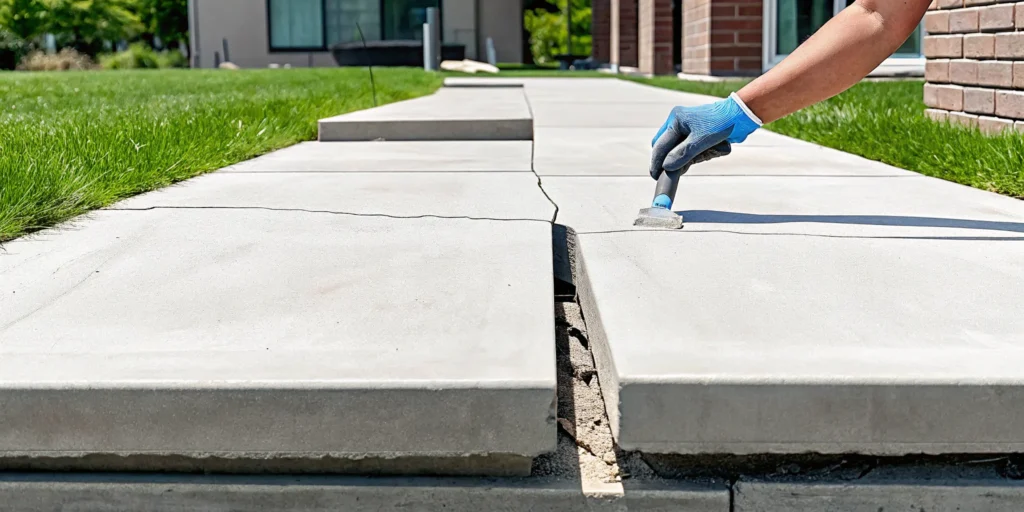
Ignoring a large crack in your concrete is like ignoring a small leak in your roof. It might not seem like a big deal now, but it will only get worse, leading to more extensive damage and a much bigger bill later on. Water will seep in, the soil underneath will erode, and that small crack will become a major problem. Taking action now is the smartest move for your home and your wallet. This step-by-step guide will show you how to fill large cracks in concrete effectively, so you only have to do the job once. We’ll cover the essential techniques for a lasting concrete repair that prevents further damage and keeps your property safe and stable.
Key Takeaways
- Look beyond the surface crack: A lasting fix means addressing the root cause, which is often poor drainage or the shifting clay soil common in the Dallas area. Managing water flow around your property is crucial for preventing future damage.
- Preparation is everything for a DIY repair: A successful patch depends on more than just filler. You need to thoroughly clean the crack, create clean edges for a strong bond, and use a backer rod for deep gaps to ensure the repair holds up over time.
- Know when to call a professional: If cracks keep returning or you see other warning signs like uneven floors and sticky doors, it signals a deeper foundation issue. A simple patch won’t solve the problem, so an expert evaluation is necessary to protect your home.
Why Is My Concrete Cracking?
Seeing a crack spiderweb across your driveway or patio can be unsettling. You start wondering if it’s just a cosmetic issue or a sign of something more serious. Most of the time, concrete cracks because of forces that push, pull, or press on it. Understanding these forces is the first step to a lasting fix. The main culprits are usually water, weather, and the very ground your home is built on. Getting to the root cause helps ensure your concrete repair isn’t just a temporary patch.
How Water and Weather Cause Damage
Water is surprisingly powerful, especially when it comes to concrete. When rain or sprinkler water seeps into tiny gaps, it can cause big problems. In colder weather, that trapped water freezes and expands, forcing the crack to widen. This freeze-thaw cycle can turn a hairline fracture into a significant gap over time. But it’s not just the cold. The intense Texas heat also plays a role. According to experts at CHRYSO, large temperature differences between the air and the concrete surface create stress, which can lead to cracking. Your concrete is constantly expanding in the heat and contracting in the cool, and that movement can eventually cause it to break.
Shifting Soil and Foundation Problems
Here in the Dallas area, we have a unique challenge: our soil. The ground beneath our homes is often unstable, expanding when it’s wet and shrinking when it’s dry. As noted by local experts at G.L. Hunt, this constant movement is a primary factor in most Dallas-area foundation issues. When the soil shifts, it can no longer evenly support the concrete slab above it, leading to stress and cracks. This is why a simple crack in your driveway could be a red flag for a bigger foundation repair need. Other factors like invasive tree roots seeking water or hidden plumbing leaks can also wash away or disturb the soil, creating voids that cause the concrete to settle and crack.
The Trouble with Poor Drainage
Proper drainage is your concrete’s best friend. When water is allowed to pool near your foundation or on your concrete surfaces, it saturates the soil underneath, leading to the shifting we just talked about. As one guide to preventing cracks explains, water should always be carried away from concrete surfaces. If your gutters are clogged or your yard slopes toward your house, you’re creating the perfect conditions for water damage. Additionally, too much water in the initial concrete mix can cause problems from day one. It leads to higher shrinkage as the concrete cures, making it much more prone to cracking down the road.
What You’ll Need for Concrete Crack Repair
Before you roll up your sleeves, let’s talk tools. Having the right supplies on hand makes any DIY project go smoother, and concrete repair is no exception. A quick trip to the hardware store is all it takes to gather everything you need for a clean, durable fix. Think of this as your shopping list for a successful repair. We’ll break it down into three categories: what you need for cleaning, what you need for filling, and the tools you’ll use for application and safety.
For Cleaning and Prep
You can’t get a lasting repair without a clean slate. Start by clearing out any dirt, weeds, or loose concrete bits from the crack using a stiff wire brush. For stubborn debris, you might need a screwdriver or chisel to gently break it away. Once you’ve loosened everything, use a shop vacuum to get the crack completely clean. A pressure washer also works for deep cleaning, but the concrete must be completely dry before you move on. Any moisture left behind can compromise the bond, so give it plenty of time to air out.
For Filling and Sealing
Now for the main event: the filler. For deep cracks, you’ll need a foam backer rod. This flexible foam rope fills most of the gap, so you use less sealant and create a more durable, flexible joint. For the actual filling, a high-quality, flexible polyurethane sealant applied with a caulking gun is usually the best choice for driveways and sidewalks. If you’re dealing with a very wide gap, a concrete mortar patch mix might be a better fit. Choosing the right product is crucial for a repair that stands up to Dallas weather, so always read the label to match it to your specific concrete repair needs.
For Application and Safety
Finally, let’s get you geared up for the job. Safety first: always wear heavy-duty gloves and safety glasses to protect yourself from chemicals and debris. For applying the filler, you’ll need a caulking gun for sealant tubes or a trowel for mortar patches. A putty knife is also handy for smoothing the surface for a clean finish. To get the strongest bond, many pros use a hammer and chisel to carefully widen the base of the crack, creating an inverted ‘V’ shape. This simple trick gives the filler more surface area to grip, making your repair much stronger.
How to Prep Large Cracks for Repair
Before you even think about mixing up your filler, let’s talk about prep work. I know it’s the least exciting part, but trust me, this is where a good repair is made or broken. Taking the time to properly prepare the crack ensures your new filler will bond correctly and last for years, saving you from having to do this all over again next season. A clean, well-prepped surface is the foundation for a successful fix. We’ll walk through three key steps to get your concrete ready for its makeover.
Clean Out Debris
First up, you need to get that crack completely clean. Any dirt, weeds, old sealant, or loose bits of concrete will prevent the new filler from sticking properly. Start by using a wire brush and a screwdriver or chisel to scrape out any stubborn debris and break away any crumbling edges. For a really deep clean, a pressure washer can work wonders. Once you’ve cleared out the larger pieces, grab a shop vacuum and thoroughly suck out all the remaining dust and small particles. You want the inside of that crack to be spotless before you move on.
Assess the Crack’s Size
Now that the crack is clean, take a good look at its width and depth. This isn’t just about being curious; it helps you use your materials efficiently. For deep cracks, you’ll want to insert a foam backer rod. This flexible rod fills the void so you don’t waste expensive filler on the bottom of the crack where it isn’t needed. It also provides a solid base for the filler to rest on. If you’re dealing with a gap wider than an inch, here’s a great tip: you can use a pool noodle as a budget-friendly alternative to a backer rod. Just trim it to size and press it into the crack.
Prep the Edges for a Stronger Bond
This last prep step is a pro move that makes a huge difference in how long your repair lasts. For the strongest possible bond, you want to give the filler something to really grab onto. Take a hammer and chisel and carefully chip away at the edges of the crack to create an inverted ‘V’ shape. This means the crack should be slightly wider at the bottom than it is at the surface. This technique, called undercutting, creates a mechanical lock, anchoring the repair material firmly in place and preventing it from popping out later. It’s a bit of extra work, but it’s key to a durable, professional-quality concrete repair.
Your Step-by-Step Guide to Filling Concrete Cracks
Step 1: Install a Backer Rod for Deep Cracks
For cracks deeper than half an inch, a backer rod is your best friend. Think of it as a flexible foam filler that you press into the crack before adding the sealant. This simple step does two important things: it saves you from using an entire tube of expensive sealant on one crack, and it creates the ideal shape for the sealant to work effectively. Gently push the backer rod into the crack until it’s about a half-inch below the surface. This creates a space for the sealant to adhere to the sides of the crack, not the bottom, allowing it to stretch and flex with the concrete’s natural movement.
Step 2: Mix and Apply the Filler
With your backer rod in place, you’re ready for the filler. A high-quality, flexible polyurethane sealant is an excellent choice for most repairs because it can handle the expansion and contraction that comes with Dallas weather. Using a caulking gun, apply a steady bead of sealant into the crack, slightly overfilling it to ensure complete coverage. If you’re dealing with a very wide gap, a cement-based patching compound might be a better fit. Always read the manufacturer’s instructions carefully to make sure you’re mixing and applying the product correctly for a strong, durable bond. This is a key part of any successful concrete repair job.
Step 3: Smooth and Finish the Surface
Now it’s time to create that smooth, professional finish. Before the filler starts to set, take a putty knife or a small trowel and smooth the surface, making it level with the surrounding concrete. You want to press down firmly enough to work the sealant into any small crevices along the edges of the crack. If you chose a self-leveling sealant, it will do most of this work for you. The goal is to create a seamless repair that not only looks good but also prevents water and debris from getting back into the crack. A clean finish is the final touch that makes your hard work pay off.
How to Get Professional-Looking Results
After all your hard work, the last thing you want is a repair that sticks out like a sore thumb. Getting that smooth, barely-there finish is what separates a quick fix from a lasting solution. With a few extra tricks, you can make your DIY repair look clean and professional, ensuring it blends right in with the rest of your concrete surface.
Work in the Right Weather
Timing your repair with the weather is one of the most important steps for getting great results. Concrete fillers and sealants are sensitive to temperature and moisture. For the best outcome, plan your project for a dry, sunny day when the temperature is expected to stay between 50°F and 100°F. This ideal range helps the sealant cure correctly, creating a strong bond with the existing concrete. Working in extreme heat, cold, or rain can compromise the material, leading to a weak patch that will likely crack again. Always check the forecast before you start.
Texture and Blend for a Seamless Look
To help your repair blend in, you can add a little texture. After you’ve applied the sealant and smoothed the surface, let it sit for about 10 minutes. Then, sprinkle a light layer of sand over the wet material. The sand helps mimic the slightly gritty texture of the surrounding concrete, making the repair much less noticeable once it dries. This simple step also prevents leaves, dirt, and other debris from sticking to the sealant as it cures. You can see examples of seamless professional repairs that blend perfectly with the original surface.
Avoid Common Application Mistakes
A couple of small mistakes can make your repair stand out for all the wrong reasons. First, avoid the temptation to overfill the crack. You only need enough sealant to fill the void and make it level with the surface. Too much material will create a noticeable bump. Second, if you’re using a backer rod, make sure it fits snugly inside the crack with no gaps. If there are open spaces, the sealant can leak through, wasting material and creating a mess underneath. Getting these details right is key to a durable, professional-looking fix for your concrete repair project.
Making Your Concrete Repair Last
You’ve put in the work to fill that ugly crack, and it looks great. But the job isn’t quite finished. To make sure your repair holds up for years to come, you need to focus on what happens next. Protecting your freshly patched concrete from the elements and ensuring it hardens correctly is just as important as the repair itself. Think of it as the final, crucial step to safeguarding your hard work. A little patience and the right finishing touches will prevent you from having to do this all over again next season. These next steps will help your repair withstand Dallas weather and daily wear and tear, keeping your driveway, patio, or walkway looking smooth and solid.
Give It Time to Cure Properly
Patience is key when it comes to concrete. Your repair needs time to cure, which is different from just drying. Curing is a chemical process where the concrete forms strong bonds and reaches its full strength. Rushing this can lead to a weak patch that shrinks and cracks again. To help it cure correctly, you need to manage the temperature and moisture. For the first few days, try to keep the repair damp by lightly misting it with water. You can also cover it with a plastic sheet to trap moisture. This simple step is one of the most effective ways to ensure a durable, long-lasting concrete repair.
Choose the Right Sealant for Dallas Weather
Once your repair has fully cured, the next step is to protect it with a good sealant. A quality concrete sealant acts like a shield, blocking out water, UV rays, and oil that can damage the surface. Here in the Dallas area, we get everything from scorching sun to the occasional freeze, so you need a product that can handle those temperature swings. Applying a sealant will not only protect your patch but will also help it blend in with the surrounding concrete. When you’re choosing a sealant, look for one designed for our climate. Using the right materials is a big part of what makes professional concrete repair services so effective.
Test the Repair Before Using It
Before you park your car on that newly fixed driveway or place heavy patio furniture on the patch, make sure it’s completely ready. The repaired area should feel hard and solid, not soft or crumbly. Give it a gentle press with a screwdriver to see if you can make an indentation; if you can, it needs more time. Once it’s fully hardened, take a look at the drainage around the concrete. Water should flow away from the slab, not pool around it. Proper drainage is vital for preventing future cracks, as standing water can seep underneath and cause the soil to shift.
Common DIY Mistakes to Avoid
Even the most carefully planned DIY project can hit a snag. When it comes to concrete, a few common missteps can turn a simple fix into a recurring headache. Knowing what to watch out for before you start can save you time, money, and frustration down the road. Here are the most frequent mistakes homeowners make and how you can steer clear of them for a successful, long-lasting repair.
Skipping the Prep Work
It’s tempting to jump straight to filling the crack, but proper preparation is the most critical step for a durable repair. If you apply filler over dirt, loose gravel, or plant debris, it won’t be able to form a strong bond with the old concrete. This weak adhesion means your patch is likely to crumble or pop out over time. Before you mix anything, take the time to thoroughly clean the crack with a wire brush and a shop vacuum. Chisel away any loose or crumbling edges to create a solid surface for the new material to grip onto.
Using the Wrong Filler for the Job
Not all concrete fillers are created equal. Grabbing the first tube you see at the hardware store can lead to a failed repair. A flexible sealant designed for a small joint won’t hold up in a wide, deep crack, and a rigid mortar patch might crack again if the slab needs to expand and contract. Assess the size and location of the crack to determine the right product. For very large gaps, you may need a specific concrete mortar patch or even a two-part epoxy. Reading the product label carefully ensures you’re using a material designed for your specific situation.
Ignoring the Weather Forecast
Concrete repair materials are sensitive to temperature and moisture. Applying filler on a scorching Dallas summer day or right before a rainstorm can ruin your hard work. Most products have an ideal temperature range for application, typically between 50 and 90 degrees Fahrenheit. If it’s too hot, the filler can dry too quickly and crack. If it’s too cold or wet, it may never cure properly, leaving you with a soft, weak patch. Always check the forecast and plan your concrete repair for a clear, mild day to give the material the best chance to set correctly.
Forgetting About Expansion Joints
Concrete naturally expands and contracts with temperature changes. Expansion joints are the planned gaps that give it room to move without breaking. Sometimes, what looks like a random crack is actually a failed expansion joint. If you fill this gap with a rigid material, you’re essentially gluing the slabs together. The pressure will build up until the concrete cracks again, often right next to your new patch. For these types of cracks, you need to use a flexible material that allows for movement. This is also a sign that you might be dealing with larger foundation problems caused by shifting soil.
When Is It Time to Call a Professional?
While tackling a DIY project can be incredibly satisfying, some jobs are simply too big or complex to handle on your own. When it comes to concrete cracks, what looks like a simple surface issue can sometimes be a red flag for a much deeper problem. Ignoring these signs can lead to more extensive and costly damage down the road. If you’re patching the same areas over and over or noticing other concerning changes around your property, it’s probably time to put down the tools and get a professional opinion.
An expert can accurately diagnose the root cause of the cracking, which is something a tube of filler can’t do. In the Dallas area, our shifting clay soil is often the culprit behind serious structural issues. A professional assessment will determine if the cracks are simple cosmetic flaws or symptoms of an unstable foundation. They have the right tools and experience to see what’s happening beneath the surface and recommend a solution that actually lasts. Getting it right from the start saves you time, money, and a lot of future headaches. If you’re on the fence, remember that a free estimate from a qualified team can give you the clarity you need to protect your home without any commitment.
You Spot Signs of a Bigger Foundation Issue
A crack in your driveway or patio might not seem related to the sticky door you’ve been dealing with inside, but they can be connected. Your home’s foundation relies on stable ground, and the expansive clay soil here in Dallas is anything but. It swells when it’s wet and shrinks when it’s dry, putting constant stress on your foundation.
If you see large cracks in your concrete accompanied by other warning signs, you’re likely looking at a bigger problem. Look for gaps forming around window frames or where your walls meet the ceiling. Are your floors starting to slope or feel uneven? These are classic indicators that your foundation is shifting. When you notice these issues, it’s time to call for a professional foundation repair assessment to address the underlying cause.
The Same Cracks Keep Coming Back
Have you found yourself repairing the same crack in your concrete every year? If a crack reappears or gets worse after you’ve filled it, that’s a clear sign that a surface-level fix isn’t enough. Simply patching deep cracks is often a temporary solution because it doesn’t solve what’s happening underneath. The ground is likely still settling or shifting, and the crack will just open up again.
Ignoring these recurring cracks can lead to more significant structural damage and water intrusion. Instead of wasting more time and money on temporary patches, this is your cue to bring in an expert. A professional can evaluate the situation and recommend a lasting concrete repair solution that stabilizes the area and prevents the crack from returning for good.
How to Prevent Future Concrete Cracks
After you’ve put in the effort to fix a crack, the last thing you want is to see new ones pop up. Taking a few preventative steps can make a huge difference in the health and longevity of your concrete surfaces. Think of it as protecting your investment. A little maintenance now can save you from bigger headaches and more extensive concrete repair projects down the road. By paying attention to your property’s needs, you can keep your driveway, patio, and walkways stable and looking their best for years to come. These simple strategies focus on managing water, performing regular checks, and understanding what goes into a quality concrete job from the very beginning.
Create a Sealing and Inspection Routine
One of the easiest ways to prevent large problems is to catch them when they’re small. Make it a habit to walk around your property a few times a year, maybe as the seasons change, and look for any new hairline cracks. Sealing these tiny cracks as soon as you spot them stops water from getting in and making them worse. For both new and repaired concrete, applying a quality waterproof sealant every few years provides a protective barrier against moisture and the wear and tear of Dallas weather. This simple routine is your first line of defense in keeping your concrete strong.
Improve Your Property’s Drainage
Water is the number one enemy of concrete. When water pools near or on your concrete slabs, it can seep underneath and wash away the soil that supports it. This erosion leads to sinking, settling, and eventually, cracking. You can improve drainage by ensuring your gutters are clean and that downspouts direct water far away from your foundation. Also, check that the ground around your home slopes away from the concrete. Even small adjustments, like not overwatering landscaping right next to a walkway, can help protect the slab’s integrity and prevent serious foundation problems.
Ensure Proper Installation from the Start
While you can’t go back in time, knowing what makes a good installation is crucial for any future projects. The longevity of concrete is largely determined by how it was poured. A proper installation includes a well-compacted base, the correct concrete mix for our climate, and strategically placed control joints. These joints are planned grooves that encourage the concrete to crack in a straight, predictable line if it’s going to crack at all. Proper curing, which is the process of letting the concrete harden correctly, is also essential. Seeing quality work from the start ensures you won’t be dealing with premature cracks.
Related Articles
Frequently Asked Questions
Is a small crack in my driveway a sign of a serious problem? Not always, but it’s smart to pay attention. A hairline crack could just be a cosmetic issue from the concrete curing. However, here in the Dallas area, our expansive clay soil often causes the ground to shift. That small crack could be an early warning sign of soil movement or poor drainage. Keep an eye on it. If the crack widens, or if you notice other signs like uneven floors or sticky doors inside your home, it’s a good idea to get a professional opinion.
What’s the single most common mistake people make when fixing concrete cracks? Hands down, it’s skipping the prep work. It’s easy to get impatient and just squeeze filler into a crack, but if you don’t thoroughly clean out all the dirt, weeds, and crumbling bits first, the new material has nothing to bond to. A repair on a dirty surface is guaranteed to fail, often within a single season. Taking the time to clean, dry, and properly prep the crack is the most important step for a fix that actually lasts.
How do I know if I should fix a crack myself or call a professional? A good rule of thumb is to consider the crack’s behavior and look for other symptoms. If you’re dealing with a small, stable crack and you feel confident with the tools, a DIY repair is often fine. However, if the crack keeps coming back, is wider than a half-inch, or if one side is higher than the other, it’s time to call an expert. These are signs that the underlying soil is unstable, and a simple patch won’t solve the root problem.
My last DIY repair didn’t last. What did I do wrong? There are a few likely reasons for a failed repair. You might have used the wrong type of filler for the job; a flexible sealant is needed for joints that move, while a rigid patch is better for other areas. Another common issue is the weather. Applying filler in extreme heat or cold can prevent it from curing correctly. Finally, you may not have given the patch enough time to fully harden before walking or driving on it, which weakens the bond from the start.
Besides fixing existing cracks, what can I do to protect my concrete? Prevention is all about managing water. Make sure your gutters are clean and your downspouts direct water far away from your concrete slabs and foundation. The ground should slope away from your home, not toward it. Also, get into the habit of sealing your concrete every few years. A quality sealant provides a protective barrier that stops water from seeping into the pores, which helps prevent the freeze-thaw damage that creates cracks in the first place.