
That door that suddenly sticks, the hairline crack above a window, or the slight slope you’ve noticed in the hallway—these aren’t just quirky features of your home. They are often the first quiet warnings that your foundation is shifting. Ignoring these subtle clues is one of the costliest mistakes a homeowner can make, as small issues can quickly escalate into major structural damage. This guide will help you learn to read the signs your house is giving you. We’ll explain the forces at work beneath your feet and outline the professional solutions for foundation settlement repair that can stop the damage and secure your home for the long term.
Key Takeaways
- Know the signs of foundation settlement: Look for common clues like drywall cracks around doors and windows, sticking doors, and exterior brick cracks. These are your home’s way of telling you something is wrong beneath the surface.
- Waiting only makes the problem worse: Small foundation issues can quickly turn into major structural damage, leading to more complex and expensive repairs. Addressing problems early is the smartest way to protect your investment.
- A proper diagnosis is key to a real solution: The right repair method targets the root cause of the problem, not just the visible symptoms. A professional assessment is essential to find a permanent solution that truly stabilizes your home.
What Is Foundation Settlement and What Causes It?
When you notice a crack in your wall, it’s easy to jump to the worst-case scenario. But before you panic, it helps to understand what’s actually happening beneath your home. Foundation settlement is a common issue, especially here in Texas, and knowing the cause is the first step toward finding the right solution. Let’s break down what foundation settlement is and the primary reasons it happens.
What Is Foundation Settlement?
Foundation settlement is just a technical way of saying your house is sinking. It happens when the soil underneath can no longer support the weight of your home, causing the foundation to move downward. A small amount of uniform settling is expected in any structure over time as the ground compacts. The real trouble starts when this settlement is significant or uneven, putting stress on your home’s frame. This can lead to serious structural damage that requires professional foundation repair. Think of it like one leg of a table being shorter than the others; everything on top becomes unstable and tilted.
How Dallas-Area Soil Affects Your Home
If you live in the Dallas area, you’re likely dealing with expansive clay soil. This type of soil is the main culprit behind many foundation problems in our region. It acts like a sponge, swelling up dramatically when it absorbs water during heavy rains and shrinking just as much when it dries out in the Texas heat. This constant cycle of expansion and contraction causes the ground beneath your home to shift continuously. Over time, this movement can cause parts of your foundation to heave upwards or settle downwards, leading to cracks and other structural issues. It’s a unique challenge for homeowners in our service area.
The Impact of Water and Poor Drainage
Water is a foundation’s biggest frenemy. Too much of it can be just as damaging as too little. Poor drainage, from clogged gutters or improper yard grading, can cause water to pool around your foundation. This oversaturates the soil, weakening its ability to support your home and potentially causing it to wash away. On the flip side, a severe drought can cause the soil to shrink and pull away from the foundation, leaving it unsupported. Both scenarios create instability that leads to settlement. Managing water flow around your property is one of the most effective ways to protect your home’s structural integrity.
Construction and Environmental Factors
Sometimes, the cause of settlement dates back to when your home was first built. If the soil wasn’t properly compacted before the foundation was poured, it can compress over time under the house’s weight, leading to sinking. Environmental factors also play a big role. For instance, large, mature trees planted too close to your home can have thirsty root systems that draw massive amounts of moisture from the soil, causing it to shrink and settle. Even a slow plumbing leak under your slab can introduce excess water, softening the soil. Identifying the exact cause requires a professional eye, which is why you should contact us for a free assessment to get clarity and a path forward.
How to Tell If Your Foundation Is Settling
Noticing changes around your home can be unsettling, but knowing what to look for is the first step toward a solution. Your house will often give you clear clues that its foundation is shifting. By paying attention to signs both inside and out, you can catch potential problems early before they become major headaches.
Warning Signs Inside Your Home
You might first notice something is off from the comfort of your living room. Look for cracks appearing in your drywall, especially spreading from the corners of doors and windows. Maybe your bedroom door suddenly refuses to latch properly, or windows become difficult to open and close. These are common signs that the frame is being warped by a shifting foundation. You might also spot gaps where your walls meet the ceiling or floor. Floors that sag, slope, or feel bouncy underfoot are another key indicator. These issues are often the first signs you need professional foundation repair.
Structural Clues on the Outside
Take a walk around the exterior of your home to check for more serious clues. One of the most obvious signs of settlement is stair-step cracks running through your exterior brick or stonework. A chimney that is tilting or separating from the house is a major warning sign that requires immediate attention. Also, inspect the visible part of your concrete slab for any new or widening cracks. Just like on the inside, gaps around your exterior window and door frames can point to foundation movement. Seeing these types of issues can be concerning, but they are fixable with the right expertise.
When to Take Foundation Signs Seriously
It’s tempting to dismiss a small crack or a sticky door, but these are often early symptoms of a bigger issue. The most important thing to remember is that foundation problems don’t fix themselves; they only get worse. Ignoring the signs of a settling foundation allows the problem to worsen, leading to more significant structural damage that is far more expensive to fix down the road. If you notice any of these red flags, the best next step is to get a professional opinion. You can contact us to schedule a free, no-obligation assessment to understand what’s happening with your home.
What Happens If You Ignore Foundation Settlement?
It’s tempting to put off dealing with a few hairline cracks or a door that’s suddenly hard to close. We all have busy lives, and foundation repair sounds like a huge, expensive headache. But when it comes to your home’s foundation, waiting is one of the worst things you can do. Ignoring the early signs of settlement allows small, manageable issues to spiral into complex and costly structural problems. What starts as a minor annoyance can eventually compromise the safety and stability of your entire home. Think of it like a small cavity in a tooth: if you catch it early, it’s a simple filling. If you wait, you could be looking at a root canal. Your foundation works the same way, and addressing problems proactively is always the smartest move.
How Small Problems Turn into Major Damage
That tiny crack in your drywall might seem harmless, but it’s often a symptom of a bigger issue happening below your feet. As a foundation settles, it puts immense stress on your home’s frame. This can lead to a cascade of problems that worsen over time. You might notice your floors becoming uneven or sloped, windows and doors that stick or won’t close properly, and cracks spreading across your walls and ceilings. These aren’t just cosmetic flaws; they are clear signs that your home’s structural integrity is at risk. A comprehensive foundation repair plan can stop this damage in its tracks, securing your home before these issues become irreversible.
The Financial and Safety Risks of Waiting
Procrastinating on foundation repairs almost always leads to a bigger bill down the road. A problem that might have been solved with a straightforward fix can evolve into a major project requiring extensive work and a much larger budget. Especially here in the Dallas area, our expansive clay soils can make foundation issues escalate quickly. Beyond the financial strain, there’s a serious safety concern. A shifting foundation can lead to plumbing leaks, electrical problems, and in severe cases, make the structure unsafe to live in. Addressing settlement early not only protects your wallet but also ensures your home remains a safe place for your family. We offer financing options to help make immediate repairs more manageable.
How Settlement Affects Your Property Value
Your home is one of your biggest investments, and a faulty foundation can seriously hurt its value. When it comes time to sell, you are legally required to disclose any known foundation problems, which can scare off potential buyers or lead to lowball offers. Most buyers want a move-in-ready home, not one that comes with a massive repair project. By addressing settlement issues head-on, you protect your investment and maintain your property’s market value. Having a professional assessment and a record of completed repairs can even become a selling point, giving future buyers peace of mind. If you’re worried, a free estimate can give you a clear picture of what’s going on.
Your Foundation Settlement Repair Options
Once you know your foundation is settling, the next step is figuring out the best way to fix it. There isn’t a single solution for every home; the right approach depends on your home’s construction, the soil underneath it, and the specific cause of the problem. A professional assessment is key to identifying the most effective and permanent foundation repair solution. Let’s walk through some of the most common and reliable methods used today.
Steel Push Piers and Helical Piers
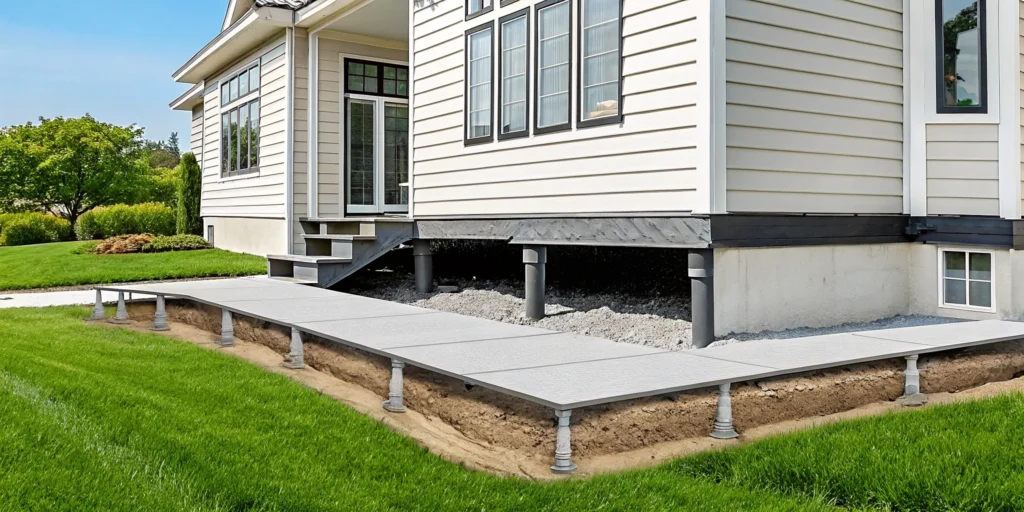
When your home needs serious support, steel piers are a go-to solution. Think of them as underground stilts for your foundation. Steel push piers are ideal for heavier structures. We drive these strong steel pipes deep into the ground until they hit solid bedrock or a stable soil layer, creating an unshakeable support system. For lighter structures, like porches or additions, helical piers are a great choice. These look like giant screws and are twisted into the ground to anchor and lift the foundation. Both provide powerful, long-lasting stability, and an expert can determine which type is the right fit for your home’s specific needs.
Underpinning and Concrete Pressed Piles
Underpinning is the general term for strengthening your home’s foundation by adding support underneath it. One of the most popular methods, especially here in Texas, is using concrete pressed piles. This technique involves hydraulically driving pre-cast concrete cylinders into the ground one on top of the other until they reach a point of resistance. This creates a solid column that supports and stabilizes the foundation. Concrete piles are a cost-effective and reliable solution that works exceptionally well with the expansive clay soils common in the Dallas area. They are a proven method for stopping settlement and restoring your home’s structural integrity.
Mudjacking and Slab Jacking
If you’ve noticed a sunken sidewalk, driveway, or patio, the issue might not be with your home’s core foundation. For these lighter, non-structural concrete slabs, a method called mudjacking or slab jacking is often the perfect fix. This process involves drilling small, strategic holes in the sunken slab and pumping a specialized grout mixture or polyurethane foam underneath. This material fills the empty spaces, carefully lifting the concrete back to its original level. It’s a much faster and more affordable alternative to tearing out and replacing the entire slab. This type of concrete repair can quickly restore the safety and appearance of your property.
Choose the Right Repair Method for Your Home
Selecting the right repair method is the most critical step in protecting your investment. The best approach always targets the root cause of the settlement, ensuring the fix is permanent, not just a temporary patch. A solution that works for a sinking concrete patio won’t be the right choice for a settling structural wall. This is why a thorough, professional evaluation is so important. An expert can analyze the signs, assess the soil conditions, and recommend a tailored solution for your home. To make an informed decision, you can contact us for a free, no-obligation assessment to understand your options clearly.
Common Myths About Foundation Repair
When you notice a crack in your wall, it’s easy to fall down a rabbit hole of online advice. Unfortunately, much of that advice is based on myths that can lead to bigger, more expensive problems. When it comes to your home’s structural integrity, separating fact from fiction is crucial. Let’s clear up a few common misconceptions about foundation repair so you can make the best decision for your home.
Why DIY Repairs Aren’t the Answer
The temptation to fix things yourself is understandable. A quick trip to the hardware store for some epoxy seems like an easy solution for a foundation crack. While this might hide the cosmetic issue, it doesn’t solve the underlying problem. Foundation issues are rarely surface-deep; they’re often caused by shifting soil or drainage problems that need a professional diagnosis. Simply patching a crack is like putting a bandage on a broken arm. It covers the damage but does nothing to fix the actual break, which will only get worse without proper foundation repair.
The Truth About Temporary Fixes
Some methods are often presented as quick, affordable solutions, but they don’t always last. Techniques like mud jacking, which pumps a slurry under a slab to lift it, can work for a sidewalk or patio. For a settling home foundation, however, it often fails to address the root cause. If the soil beneath your home is unstable, that temporary lift won’t hold. Lasting solutions anchor the foundation to solid ground. Focusing only on surface symptoms means you’ll likely be dealing with the same concrete repair issues again in the future.
Professional vs. Amateur Repair Solutions
The most important step in fixing a foundation is correctly identifying the cause. An amateur might see a crack and just fill it, but a professional investigates why it appeared. Is it poor soil compaction, a plumbing leak, or improper drainage? A qualified foundation repair contractor has the tools and expertise to diagnose the problem and recommend a permanent solution for your home. Professionals use proven, engineered systems like steel piers to provide a stable, long-term fix. Don’t leave your home’s stability to guesswork; contact an expert for a proper assessment.
How to Prevent Future Foundation Settlement
After you’ve addressed any existing issues, the last thing you want is for them to come back. The good news is that you can take proactive steps to protect your home’s foundation from future settlement. By focusing on a few key areas of home maintenance, you can manage the conditions that often lead to foundation problems in the first place. It all comes down to controlling moisture, being smart about your landscaping, and catching small issues before they become big ones. Taking these steps can help you maintain a stable and secure home for years to come.
Manage Drainage and Water Runoff
Water is the biggest enemy of a stable foundation. The expansive clay soil common in the Dallas area swells when it’s wet and shrinks when it dries, causing the ground under your home to shift. Proper drainage is your first line of defense. Make sure your gutters are clean and your downspouts direct water at least five feet away from your foundation. For properties with significant water issues, installing a French drain can be a game-changer. These systems help prevent soil saturation and erosion right next to your home, which is crucial for avoiding future foundation repair needs and protecting your home’s structural integrity.
Use Smart Landscaping to Protect Your Foundation
Your yard can either help or hurt your foundation. The goal is to maintain a consistent moisture level in the soil surrounding your home. During dry spells, the soil can shrink and pull away from the foundation, creating gaps that lead to settlement. You can prevent this by watering the soil around your foundation regularly. Also, be mindful of what you plant. Large trees with extensive root systems can draw a massive amount of water from the soil, causing it to dry out and shrink. As a general rule, it’s best to make landscaping choices that keep large trees a safe distance from your home.
Schedule Regular Foundation Inspections
Even with the best preventive measures, it’s smart to have a professional check on your foundation periodically. A trained expert can spot the early warning signs of settlement that are easy for homeowners to overlook. Regular inspections are essential for early detection, allowing you to address a small crack or minor shift before it escalates into a major structural problem. Think of it as a routine check-up for your home’s most important feature. A professional assessment can diagnose the root cause of any potential issues and give you peace of mind. If you have any concerns, it’s always best to schedule a free assessment and get an expert opinion.
When to Call a Foundation Repair Professional
Knowing when to move from “watching and waiting” to making a call can feel like a big step. But when it comes to your home’s foundation, being proactive is always the right move. If you’ve noticed any of the warning signs we’ve discussed, it’s time to bring in an expert. A professional assessment doesn’t just confirm if there’s a problem; it gives you a clear path forward. Ignoring these signs won’t make them disappear. In fact, waiting often leads to more extensive and costly damage down the road. Getting an expert opinion is the best way to protect your investment and your peace of mind.
Red Flags That Require an Expert’s Opinion
If you spot certain issues, don’t hesitate to call for a professional opinion. Look for stair-step cracks in your exterior brickwork, large cracks in your drywall, or a chimney that has started to tilt or pull away from the house. Are your doors and windows suddenly sticking or refusing to close properly? These are classic signs that your foundation may have shifted. While a tiny hairline crack might not be an emergency, a combination of these symptoms points to a bigger issue. Acting quickly can make a huge difference, as small problems can become much more serious and expensive to fix if left unaddressed. A professional can assess the situation and determine the best course for foundation repair.
What to Expect During a Free Foundation Assessment
Scheduling a foundation assessment can feel intimidating, but it’s a straightforward and informative process. When a specialist from Solid Base visits your home, they will conduct a thorough visual inspection of your property, both inside and out. They’ll look for the red flags we’ve mentioned, take measurements, and assess the overall condition of your foundation. The goal is to identify the root cause of the problem, not just the symptoms. After the inspection, they will walk you through their findings, explain what’s happening with your foundation, and recommend specific solutions. This is your opportunity to ask questions and get a clear understanding of the next steps, all with no obligation. You can contact us today to schedule your free estimate.
Understanding Repair Costs and Financing
It’s natural to worry about the cost of foundation repair, but understanding the factors involved can help. The final price depends entirely on the extent of the damage and the specific repair method needed for your home. A minor issue will cost significantly less than a major structural problem requiring extensive work. During your assessment, you’ll receive a detailed quote outlining all the costs. While the investment can be significant, think of it as protecting your home’s long-term value. To make the process more manageable, many companies offer flexible financing options. This allows you to address critical repairs now and pay over time, ensuring your home remains safe and stable without straining your budget.
Related Articles
- Ultimate Guide to Foundation Repair Options
- Foundation Repair Cost: The Ultimate 2026 Guide
- A Homeowner’s Guide to Foundation Repair Services
- Foundation Repair – Solid Base
- Blog – Solid Base
Local foundation repair resources: If settlement symptoms are showing up in your area, compare Solid Base foundation repair services, Denton foundation repair, Lewisville foundation repair, and Allen foundation repair.
Frequently Asked Questions
Is every crack I see a sign of a major foundation problem? Not necessarily. It’s normal for a house to settle a tiny bit over time, which can cause small, thin hairline cracks. The time to be concerned is when you see specific types of cracks, for example, those that are wider than a quarter-inch, run in a stair-step pattern in brick, or appear alongside other signs like sticking doors and uneven floors. A combination of symptoms is usually the real indicator that you should get a professional opinion.
Why are foundation issues so common around Dallas? The main reason is our soil. Much of the Dallas-Fort Worth area is built on expansive clay soil, which behaves like a sponge. It swells up significantly when it gets wet and shrinks dramatically when it dries out. This constant cycle of expansion and contraction creates unstable ground beneath your home, leading to the frequent foundation movement and settlement issues we see in the region.
Will the repair process make a huge mess of my yard? We understand that your landscaping is an important part of your home, and our teams work hard to be as minimally disruptive as possible. While some digging is usually necessary to install piers or piles, professionals take care to protect your property. They often lay down protective coverings and are careful with any plants or shrubs that need to be temporarily moved. The goal is always to leave your yard looking as neat as it was when they arrived.
How do I know which repair method is right for my home? You don’t have to figure that out on your own; that’s what a professional assessment is for. The best solution depends on many factors, including your home’s weight, the type of foundation you have, and the specific soil conditions on your property. An expert will analyze the root cause of the settlement and recommend a specific, engineered solution, like steel piers for a heavy home or concrete piles for our local soil, to provide a permanent fix.
I’ve heard I should water my foundation. Can that fix existing settlement? Watering your foundation is an excellent preventive maintenance step, especially during our hot Texas summers. It helps keep the moisture in the clay soil around your home consistent, which can prevent it from shrinking and pulling away from the foundation. However, watering cannot reverse existing structural damage. If your home has already settled, it will not lift it back into place. It’s a great practice for prevention, but it is not a solution for an existing problem.