
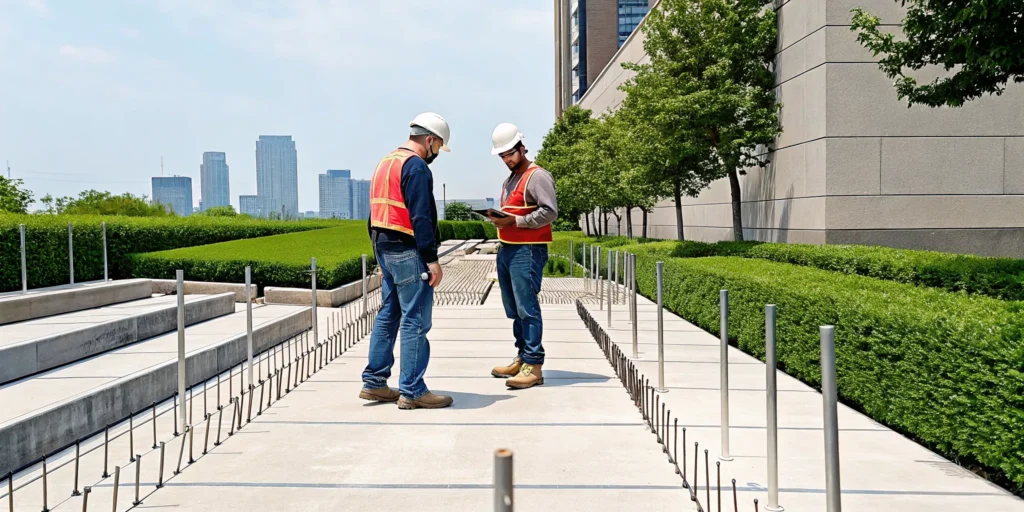
The topic of foundation repair is often surrounded by myths and misinformation, which can make a stressful situation even more confusing for a property owner. You might worry that repairs will be impossibly expensive, that your business will have to shut down for weeks, or that a new building should be immune to these problems. We’re here to set the record straight. This guide cuts through the noise to give you clear, honest answers about the realities of foundation maintenance and repair. We will debunk common myths and provide a transparent look at the process of commercial foundation repair in Dallas Fort Worth, empowering you to make informed, confident decisions for your property.
Key Takeaways
- Master Your Property’s Water and Soil: The biggest threats to your commercial foundation in DFW are expansive clay soil and water. You can fight back by improving drainage, keeping soil moisture consistent during dry spells, and scheduling routine professional inspections to catch issues before they become costly.
- Hire for Commercial, Not Residential, Experience: Repairing a commercial foundation is a different league than a residential job due to heavier loads, stricter building codes, and the need to minimize business disruption. Ensure your chosen company has a proven track record with commercial projects and can explain the specific methods that are right for your building.
- View Repair as a Financial Strategy: Putting off foundation work is the most expensive choice you can make. Instead, get a transparent estimate, ask about financing to make immediate repairs possible, and insist on a lifetime transferable warranty; this not only fixes the problem but also protects your property’s value for the future.
Why Are DFW Commercial Properties Prone to Foundation Issues?
If you own commercial property in the Dallas-Fort Worth area, you’re likely aware that our local environment can be tough on buildings. It’s not just your imagination. Commercial properties here face a unique set of challenges thanks to a combination of our infamous soil, dramatic weather patterns, and the sheer size of the structures themselves. This trio of factors creates a perfect storm, making foundation problems a matter of “when,” not “if,” for many property owners. Understanding these root causes is the first step toward protecting your investment.
The Problem with DFW’s Expansive Clay Soil
The ground beneath our feet is the primary culprit behind many foundation issues in North Texas. Much of the DFW area is built on expansive clay soil. Think of this soil like a sponge: it swells up and expands when it absorbs moisture, and it shrinks, cracks, and hardens when it dries out. This constant cycle of expansion and contraction creates powerful forces that push and pull on your building’s foundation. Over time, this relentless movement can cause parts of the foundation to heave upward or settle downward, leading to significant structural stress and damage. It’s this unstable ground that makes professional foundation repair a common need for local property owners.
How Texas Weather Cycles Impact Your Foundation
Our region’s weather takes the problem of expansive clay soil and makes it much worse. DFW is known for its cycles of prolonged, dry heat followed by periods of heavy rainfall. During long, hot summers, the clay soil loses moisture and shrinks away from your foundation, creating gaps. Then, when the rains finally arrive, water floods into these gaps, causing the soil to swell rapidly and unevenly. This puts immense, unpredictable stress on the concrete slab. In fact, the shifting soil in DFW is so problematic that it ranks among the worst in the country for foundation issues. This is why it’s crucial to work with experts who understand our specific service area and its challenges.
The Role of Building Weight and Structural Stress
While soil and weather create an unstable environment, the weight of the commercial building itself is the final piece of the puzzle. Commercial properties are significantly larger and heavier than residential homes. They carry massive loads from multiple stories, heavy-duty equipment, and extensive concrete or steel structures. When you place this immense weight onto soil that is constantly moving, the foundation is put under incredible strain. The structural integrity of commercial properties is particularly vulnerable to these stresses. Even minor soil shifts can translate into major problems for a heavy building, making it essential to have any issues addressed by a team experienced with large-scale commercial projects.
Is Your Commercial Foundation Failing? Key Warning Signs
As a business owner, you have enough on your plate without worrying about the ground beneath your building. But in the Dallas-Fort Worth area, our unique soil and weather patterns make foundation problems a reality for many commercial properties. Spotting the early warning signs can be the difference between a straightforward repair and a costly, business-disrupting overhaul.
The good news is that your building will often give you clues long before a major failure occurs. These signs can start small, a hairline crack here or a sticky door there, but they almost always point to an underlying issue with the foundation. Paying attention to these details and understanding what they mean is the first step toward protecting your investment. Below are the key indicators that your property might need professional foundation repair. If you notice one or more of these signs, it’s time to call in an expert for a thorough evaluation.
Cracks in Walls, Floors, or Ceilings
Cracks are often the first thing people notice, and for good reason. While a tiny hairline crack might just be from paint settling, you should pay close attention to cracks that are wider than a quarter-inch, run in a zigzag pattern across brick or concrete blocks, or appear horizontally along your walls. These types of fractures suggest the foundation is shifting and causing stress on your building’s structure. You might see them on interior drywall, exterior brickwork, or across your concrete floors. If you spot growing or significant cracks, it’s a clear signal that you need a professional assessment for your concrete repair needs.
Gaps Around Windows and Door Frames
Have you noticed a space opening up between your window frame and the wall? This is a classic sign of foundation settlement. As the foundation sinks or shifts, it pulls the building’s entire frame out of alignment. This movement creates gaps and separations that weren’t there before. You might see caulk pulling away from the frame or find that the trim is separating from the wall. These gaps are more than just a cosmetic issue or a draft source; they are a visible symptom of structural movement that is actively affecting your property and needs to be addressed.
Uneven or Sloping Floors
When you walk across a room in your building, does it feel like you’re walking slightly uphill? Do you notice a visible slope or a bouncy feeling underfoot? Uneven floors are a serious red flag. This happens when one part of your foundation has sunk lower than the rest, creating an unlevel surface throughout the structure. For a commercial property, this is not only a sign of a major foundation problem but also a potential liability and safety hazard for your employees and customers. You can see examples of how we correct these issues by looking at our work on similar properties.
Doors That Stick or Won’t Latch
If doors that once opened smoothly now stick, drag on the floor, or refuse to latch properly, your foundation might be the culprit. Just as foundation movement creates gaps around frames, it can also twist them out of their original square shape. This distortion causes the door to no longer fit correctly, leading to friction and alignment problems. While a single sticky door could be due to humidity, a pattern of difficult doors throughout your building is a strong indicator that the entire structure is shifting. This is a problem that will only get worse without intervention.
Water Pooling Near the Foundation
Take a walk around your property after it rains. Do you see water collecting in puddles right next to the building? This is a major warning sign. Poor drainage and water pooling create excess moisture in the soil around your foundation. In our region’s expansive clay soil, this can cause the ground to swell and push against your foundation (heaving) or erode the soil and cause it to sink (settling). This constant cycle of saturation and drying puts immense stress on your foundation. If you see standing water, it’s important to contact us for an evaluation, as correcting drainage is a critical part of any long-term foundation solution.
Your Guide to Commercial Foundation Repair Methods
When you notice signs of foundation trouble at your commercial property, it’s easy to feel overwhelmed. The good news is that for every type of foundation issue, there’s a proven repair solution. The key is matching the right method to the specific problem your building is facing. A professional assessment is the only way to know for sure, but understanding the available options can help you feel more prepared. Commercial properties in Dallas-Fort Worth face unique challenges, from the expansive clay soil that shifts with moisture to the immense weight of the structures themselves. These factors mean that a one-size-fits-all approach simply doesn’t work.
Effective commercial foundation repair requires a tailored strategy that considers the building’s construction, the soil conditions, and the specific cause of the failure. Whether your property is experiencing minor settling or significant structural distress, a range of advanced techniques can restore its stability and safety. These methods are designed not just to fix the visible symptoms, like cracks or uneven floors, but to address the underlying problem and provide a lasting solution. Below, we’ll walk through some of the most common and effective repair methods used for commercial buildings in our area, so you can have a more informed conversation with your foundation specialist.
Steel Piers and Helical Piles
For significant settling caused by DFW’s tricky expansive clay soils, steel piers and helical piles are the gold standard. These are some of the strongest and most reliable solutions available for commercial properties. The process involves driving heavy-duty steel posts deep into the ground, past the unstable soil, until they reach solid bedrock or a stable load-bearing stratum. Hydraulic jacks then lift the foundation back toward its original position, and the structure is secured to the piers. This method provides a permanent, deep-seated support system that stabilizes your building for the long haul, essentially giving it a new, stronger foundation to rest on.
Polyurethane Foam Injection
If you’re dealing with sunken or uneven concrete slabs, polyurethane foam injection is a fast and minimally invasive solution. This modern approach to concrete repair is perfect for leveling warehouse floors, sidewalks, or parking lots with minimal disruption to your business operations. A technician drills small, discreet holes into the affected slab and injects a high-density, two-part polymer foam. The foam expands beneath the slab, filling any voids in the soil and gently lifting the concrete back into place. It cures within minutes, creating a dense, waterproof, and stable base that can support heavy loads almost immediately.
Slab Jacking and Mudjacking
Slab jacking, often called mudjacking, is a more traditional method for lifting and stabilizing settled concrete. While polyurethane foam uses a chemical reaction to lift the slab, mudjacking uses hydraulic pressure. The process involves pumping a slurry, typically made of soil, cement, and water, into holes drilled through the concrete slab. This mixture fills the empty spaces underneath and forces the slab upward until it’s level again. It’s an effective and often budget-friendly technique for addressing uneven surfaces on commercial properties. While it can be more disruptive than foam injection, it remains a trusted method for many concrete leveling applications.
Wall Stabilization and Anchoring
Foundation problems don’t just appear under your feet; they can also show up in your walls. Bowing, leaning, or cracking basement or retaining walls are serious structural concerns that require immediate attention. Wall stabilization methods are designed to correct this. Depending on the situation, a repair team might install heavy-duty wall anchors that extend into stable soil outside the building, using a steel plate to pull the wall back into place. Another option is using carbon fiber straps, which are bonded to the interior of the wall to reinforce it against external pressure and prevent further movement, securing the building’s structural integrity.
Drainage Correction Solutions
Often, the best offense is a good defense. Many foundation issues in the Dallas area are caused by poor water management around the property. Excess moisture oversaturates the clay soil, causing it to swell, while dry periods cause it to shrink, leading to constant foundation movement. Effective drainage correction is crucial for preventing this cycle. Solutions can include installing French drains to capture and redirect subsurface water, regrading the landscape to ensure water flows away from the building, or adding surface drains and catch basins. By managing water flow, you address the root cause of many foundation problems and protect your investment.
How Much Does Commercial Foundation Repair Cost in Dallas-Fort Worth?
When you’re facing foundation issues at your commercial property, one of the first questions you’ll have is about the cost. It’s a practical and important concern. While I can’t give you a precise number without seeing the property, I can walk you through the typical price ranges, the factors that influence the final cost, and why addressing problems sooner rather than later is the most budget-friendly approach.
Understanding the potential investment helps you plan, and the good news is that a professional assessment can give you a clear and detailed breakdown. The goal is always to find a permanent solution that protects your property’s value, and that starts with understanding the financial side of the repair process. Remember, a reliable repair is an investment in your building’s future and your own peace of mind.
Typical Price Ranges for Common Repairs
Let’s talk numbers. For many commercial properties in the Dallas-Fort Worth area, foundation repair costs often fall between $5,000 and $8,500. Think of this as a general ballpark figure for common repairs. However, commercial projects can be larger and more complex than residential ones, so costs can sometimes go beyond this range depending on the building’s size and the extent of the damage.
The only way to get an accurate price for your specific situation is to have a professional come out and take a look. A thorough inspection will reveal the root cause of the problem and determine the exact solution needed. You can get a free, no-obligation estimate to get a precise quote tailored to your property.
What Factors Influence the Final Cost?
The final price on your estimate is determined by several key factors, because no two foundation problems are exactly alike. The most significant factor is the severity of the damage. A few small cracks will cost less to fix than a severely settled foundation.
The specific foundation repair method also plays a big role. For example, the cost will depend on the number of steel or helical piers required to stabilize the building; the more piers needed, the higher the cost. Other variables include the size of your property and how easy it is to access the damaged areas. A straightforward job with easy access will be more cost-effective than one in a tight, hard-to-reach space.
Why Acting Early Saves You Money
It might feel tempting to put off a repair, but when it comes to your foundation, waiting will almost always cost you more in the long run. Fixing foundation problems early is the single best way to save money. That small crack you’ve been watching can easily spread, and a slightly uneven floor can become a major structural hazard if left unaddressed.
Think of it this way: a minor, localized repair is much less expensive than a full-scale stabilization project. By addressing the issue as soon as you spot a warning sign, you prevent further damage to your foundation and the rest of your building. If budget is a concern, remember that many companies offer financing options to make immediate repairs more manageable.
Commercial vs. Residential Foundation Repair: What’s the Difference?
When you notice a crack in a foundation, the immediate goal is simple: get it fixed. But the path to a solution looks very different for a commercial property compared to a single-family home. While the underlying causes, like our tricky Texas soil, might be the same, the scale, regulations, and stakes are on a completely different level. A commercial foundation repair project isn’t just a bigger version of a residential job; it’s a specialized field that demands a unique approach. From the heavy-duty equipment required to support a multi-story office building to the complex logistics of working around business hours, every step requires careful planning and expertise. Understanding these key differences is the first step toward protecting your property and your business, ensuring you partner with a team that can handle the unique pressures of a commercial job.
Managing Larger Scales and Heavier Loads
Commercial properties in Texas face foundation challenges that are very different from those in other regions. The sheer size and weight of a commercial building place immense stress on its foundation. When you factor in DFW’s expansive clay soils and intense heat cycles, you have a recipe for significant structural issues that require specialized repair methods. The equipment and materials used must be engineered to support massive loads, far exceeding what’s needed for a typical house. This means the planning and execution are more complex, requiring a team with proven experience in large-scale commercial projects.
Meeting Stricter Building Codes
When it comes to commercial properties, safety isn’t just a priority; it’s a legal requirement. Foundation repair for commercial buildings must comply with much stricter building codes compared to residential properties. These regulations are in place to protect employees, customers, and the general public. A repair company must have a deep understanding of local and state codes to ensure the work is not only effective but also fully compliant. Choosing a team that is well-versed in these standards, like the professionals at Solid Base, ensures your project will pass inspection and your business remains protected from liability.
Keeping Your Business Open During Repairs
For a homeowner, foundation repairs can be an inconvenience. For a business owner, they can mean lost revenue and frustrated customers. Commercial property owners must consider how repairs will impact their daily operations. The right repair partner understands this and works with you to create a strategy that minimizes disruption. This might involve working after hours, phasing the project to keep parts of your building accessible, or implementing specific safety protocols to protect your staff and clients. The goal is to secure your building’s foundation without shutting down your business, allowing you to contact us for a plan that fits your operational needs.
Debunking Myths About Commercial Foundation Repair
When you’re managing a commercial property, the last thing you want to hear is that you have a foundation problem. It’s a stressful situation, and it’s often surrounded by a lot of misinformation. Let’s clear up some of the most common myths so you can make informed decisions for your property.
Myth: “My Insurance Will Cover It”
It’s a common assumption that your commercial property insurance will automatically cover foundation repairs, but this is rarely the case. Most standard insurance policies specifically exclude damage from soil settlement, shifting, and other gradual earth movements, which are the primary culprits of foundation issues in the Dallas-Fort Worth area. Coverage typically only applies if the damage is a direct result of a covered peril, like a burst pipe or a specific natural disaster. It’s crucial to read your policy documents carefully and speak with your agent to understand your exact coverage. If you find the cost isn’t covered, exploring financing options can make the necessary repairs more manageable.
Myth: “New Buildings Don’t Have Foundation Problems”
You might think a brand-new building is safe from foundation trouble, but that isn’t always true. Even recent constructions can fall victim to foundation issues. The main reason is the volatile Texas soil, which can settle and shift unexpectedly after construction is complete. Poorly compacted soil, inadequate drainage systems, or even construction oversights can also lead to problems down the road. No matter the age of your building, regular inspections are key to catching warning signs early. Proactive monitoring helps protect your investment and ensures the structural integrity of your property for years to come. You can see examples of the different types of properties we service by viewing our work.
Myth: “It’s Too Expensive to Fix Right Now”
Seeing the initial signs of foundation damage can be alarming, and it’s easy to worry about the cost of repairs. However, putting off foundation work is one of the most expensive mistakes a property owner can make. A small crack or a sticking door might seem minor now, but these are symptoms of a larger problem that will only get worse. Delaying repairs allows the damage to spread, leading to more complex and costly structural issues. Addressing foundation problems early is an investment that protects your property’s value and prevents you from facing a much larger bill later. The best first step is to get a clear picture of the issue with a free, transparent estimate.
Myth: “A DIY Fix Is Good Enough”
While a do-it-yourself approach can be great for minor maintenance, foundation repair is not a weekend project. It’s a complex structural job that requires specialized knowledge, commercial-grade materials, and professional equipment. Attempting a DIY fix with cosmetic patches or consumer-grade products often just hides the symptoms without addressing the root cause. This can lead to more significant damage over time and may even make professional repairs more difficult and expensive later. True foundation repair requires an expert diagnosis and a proven solution. Trusting a professional team ensures the job is done right the first time, securing your property and giving you peace of mind.
What to Look for in a Foundation Repair Warranty
A warranty is more than just a document you file away; it’s a promise from the repair company that they stand behind their work. When you’re investing in your commercial property’s structural integrity, the warranty is one of the most important factors to consider. It reflects the company’s confidence in its solutions and provides you with long-term protection. A strong warranty can safeguard your investment, add value to your property, and give you peace of mind. But not all warranties are created equal, so it’s important to know what to look for before you sign a contract.
The Value of a Lifetime Transferable Warranty
A lifetime transferable warranty is the gold standard in the foundation repair industry, and for good reason. This type of warranty offers two major benefits. First, “lifetime” means the repair is guaranteed for the life of your building, not just for a few years. Second, “transferable” means this protection passes to the next owner if you sell the property. This is a powerful selling point that can increase your property’s value and make it more attractive to potential buyers. It shows that a quality, long-lasting foundation repair was performed by a company that is willing to back its work for decades to come, giving both you and future owners confidence.
Understanding What’s Covered (and What’s Not)
It’s a common myth that a standard commercial property insurance policy will cover foundation problems. In reality, most policies exclude issues caused by soil settlement or other common sources of foundation failure. This makes your repair warranty your primary line of defense. It is essential to read the fine print and understand exactly what is covered. Ask specific questions: Does the warranty cover adjustments if the foundation shifts again? Are there any circumstances that could void the warranty? A reputable company will be transparent about its terms. Don’t hesitate to contact us to get clear answers so you can avoid any unexpected costs down the road.
Why Warranties Are Crucial for Commercial Properties
For a commercial property, a foundation repair warranty is a critical financial asset. Foundation problems can seriously affect a building’s valuation, and appraisers, lenders, and buyers know this. When they see that a major repair is backed by a strong, transferable warranty, it serves as an indicator of quality and reliability. This can make it easier to secure financing or reassure a potential buyer during a sale. Essentially, the warranty helps protect not just the physical structure of your building, but also its financial standing. It’s a testament to the quality of the work performed and a key component in maintaining your property’s long-term value.
How to Choose the Right DFW Commercial Foundation Repair Company
Finding the right partner to handle your commercial foundation repair is one of the most important decisions you’ll make for your property. This isn’t just about hiring a contractor; it’s about entrusting your building’s structural integrity to a team of experts. The right company will not only perform the repair correctly but will also make the entire process transparent and manageable. A great foundation repair partner communicates clearly, respects your time and business operations, and stands behind their work with a solid warranty.
When you start vetting companies, you’re looking for a combination of technical skill, proven experience, and professional integrity. It’s crucial to find a team that understands the unique challenges of commercial properties in the Dallas-Fort Worth area, from our expansive clay soil to the demands of larger, heavier structures. Taking the time to carefully evaluate your options will protect your investment and give you peace of mind. To help you make a confident choice, focus on a few key areas: their credentials, their specific experience with commercial projects, their pricing transparency, and the financial options they provide. Our team of professionals is committed to providing this level of service for every project.
Check for Proper Licensing and Insurance
Before you even discuss the details of a repair, your first step should be to confirm that the company is fully licensed and insured. This is non-negotiable. Proper licensing proves the company meets state and local requirements to perform the work, while comprehensive insurance protects you, your property, and the workers from any potential accidents or damages. Think of it as your safety net. Foundation problems can impact a building’s value and stability, so you want a team that operates professionally and by the book. Don’t just take their word for it; ask to see their documentation. A reputable company will have it ready and will be happy to provide it.
Verify Their Commercial Project Experience
Commercial foundation repair is a different ballgame than residential work. The scale is larger, the loads are heavier, and the potential disruption to your business is a major consideration. That’s why you need a company with a proven track record in the commercial sector. Ask potential contractors about their experience with properties similar to yours, whether it’s an office building, a retail center, or an apartment complex. A team that understands the specific challenges of commercial foundation repair in Texas will be better equipped to create an effective, long-lasting solution. You can also ask to see a portfolio of their past jobs to get a clear picture of their capabilities and the quality of their work.
Ask for a Transparent, Honest Estimate
A trustworthy foundation repair company will provide a clear, detailed, and honest estimate. Vague quotes with unexplained costs are a red flag. Your estimate should break down the entire scope of the project, outlining the specific repair method being recommended, the materials involved, the labor costs, and the projected timeline. This transparency allows you to understand exactly what you’re paying for and helps you compare different offers accurately. Whether the solution is installing piers or using a concrete repair method like polyurethane foam injection, every step should be clearly defined. Don’t hesitate to ask questions until you feel completely comfortable with the proposal. A free, no-obligation estimate is standard practice for professional companies.
Explore Your Financing Options
Let’s be honest: commercial foundation repair is a significant but necessary investment. The good news is that you don’t always have to handle the entire cost upfront. Many established foundation repair companies understand the financial pressures property owners face and offer flexible payment solutions to make the project more manageable. When you’re discussing your project, be sure to ask about their financing options. Having the ability to spread the cost over time can make it possible to address critical foundation issues immediately, preventing them from becoming more severe and expensive down the road. A company that provides financing shows that they are invested in helping you find a workable solution for your budget.
How to Protect Your Commercial Foundation
Taking a proactive approach to foundation maintenance is one of the smartest investments you can make in your commercial property. Instead of waiting for a problem to appear, you can take simple, preventative steps to protect your building’s structural integrity for the long term. In the Dallas-Fort Worth area, this often comes down to managing the two things we have in abundance: clay soil and unpredictable weather.
By focusing on a few key areas, you can significantly reduce the risk of costly damage and keep your property on solid ground. Proper water management, consistent soil moisture, and regular professional check-ups are your best defense against foundation failure. These preventative measures not only safeguard your investment but also provide peace of mind, knowing your building is secure from the ground up. Let’s walk through the most effective ways to protect your commercial foundation.
Improve Drainage Around Your Property
Water is a foundation’s biggest enemy, and poor drainage is often the main culprit behind serious issues. When water pools near your building or your gutters are inadequate, the soil can become oversaturated. This causes the expansive clay soil common in DFW to swell, putting immense pressure on your foundation. Over time, this pressure can lead to cracks, settling, and other structural damage.
Take a walk around your property, especially after it rains. Look for areas where water collects. Ensure the ground slopes away from the building and that gutters and downspouts are clear and directing water far from the foundation. Correcting drainage issues is a critical first step in preventing future foundation repair needs and protecting your property.
Monitor Soil Moisture Levels
The cycle of intense heat and sudden downpours in Texas creates a huge challenge for commercial foundations. The expansive clay soil swells when it’s wet and shrinks dramatically when it’s dry. This constant movement can cause your foundation to shift and settle unevenly. The key to preventing this is to maintain consistent moisture levels in the soil surrounding your building.
During prolonged dry spells, the soil can shrink and pull away from the foundation, leaving it unsupported. Consider installing a simple soaker hose system around the perimeter of your building, about 18 to 24 inches away from the wall. Running it periodically during dry weather helps keep the soil from shrinking. Our team of experienced, skilled professionals understands these local conditions and can offer guidance tailored to your property.
Schedule Routine Professional Inspections
While you can spot obvious warning signs, many foundation problems start subtly and are difficult to detect without a trained eye. Identifying issues early is essential to preventing widespread damage and protecting the value of your investment. A small crack or a slightly sticking door might seem minor, but they can be the first indicators of a much larger problem developing beneath the surface.
Scheduling a routine annual inspection with a foundation expert is the most effective way to catch problems before they escalate. A professional can assess your property, identify potential risks, and recommend corrective actions before they turn into expensive, disruptive repairs. If you have any concerns about your property, it’s always best to contact us for a free, honest evaluation.
Partner with DFW’s Commercial Foundation Experts
When you’re responsible for a commercial property in the Dallas-Fort Worth area, you know that foundation issues are more than just a minor headache; they’re a direct threat to your investment. The expansive clay soils across North Texas, combined with our dramatic weather cycles, create a unique challenge for structural integrity. These aren’t problems you can afford to ignore or trust to just any contractor. You need a team that truly understands the specific pressures your building faces every single day.
Choosing the right partner means finding experts who specialize in the complexities of commercial structures. Your property has different needs than a residential home, from managing heavier structural loads to requiring specific repair methods. A true expert will diagnose the root cause of the problem, not just patch over the symptoms. They will assess everything from wall cracks to site drainage to recommend a complete and lasting fix that protects your asset for years to come.
At Solid Base, we’ve built our reputation on being that trusted partner for DFW property owners. Our team brings years of hands-on experience with the specific challenges of our local geology. We don’t use one-size-fits-all solutions. Instead, we use proven, patented products to create a custom foundation repair plan that ensures the long-term stability of your building. You can see the quality and scope of our solutions by reviewing our work on other commercial properties in the area. If you’re seeing the warning signs and want an honest, professional opinion, let’s talk. We offer free, no-obligation estimates to give you a clear path forward. Contact us today to schedule your assessment.
Related Articles
- Foundation Repair Cost: The Ultimate 2026 Guide
- Foundation Repair – Solid Base
- Ultimate Guide to Foundation Repair Options
- Concrete Repair – Solid Base
- What Are Helical Piles? The Ultimate Guide
Frequently Asked Questions
How long will a commercial foundation repair take, and will it disrupt my business? The timeline for a repair depends entirely on the scope of the project. A simple concrete leveling job might take a day, while installing a series of piers could take longer. A professional company understands that you need to keep your doors open. They will work with you to create a schedule that minimizes disruption, often by working in phases or during your off-hours to ensure your operations can continue as smoothly as possible.
Are small cracks really a big deal, or can I wait to fix them? It’s tempting to ignore a small crack, but it’s often the first signal that your foundation is shifting. In the Dallas-Fort Worth area, our soil movement means that a small issue rarely fixes itself; it almost always gets worse. Addressing a problem when it’s small is far less expensive and disruptive than waiting until you have major structural damage. Think of it as preventative care for your building.
My building is only a few years old. Why would it already have foundation issues? Unfortunately, new construction doesn’t make a building immune to foundation problems, especially in North Texas. The expansive clay soil can continue to settle and shift long after construction is finished. Sometimes, the issue stems from how the ground was prepared before the build. No matter the age of your property, the local soil and weather patterns make it vulnerable, which is why regular inspections are so important.
What’s the difference between polyurethane foam injection and mudjacking? Both methods are used to lift sunken concrete, but they work differently. Mudjacking is a traditional technique that pumps a heavy slurry of cement, soil, and water under the slab to force it up. Polyurethane foam injection is a more modern approach that uses a lightweight, high-density polymer. The foam expands to fill voids and lift the concrete, curing in minutes and adding very little weight to the soil beneath.
If I fix my foundation, what stops the problem from happening again? A true foundation repair does more than just fix the current damage; it addresses the root cause. A comprehensive solution often includes stabilizing the foundation with piers driven to stable ground and correcting any drainage problems that contribute to soil movement. This two-part approach, combined with a lifetime transferable warranty, is your best protection against future issues and ensures the solution is permanent.