
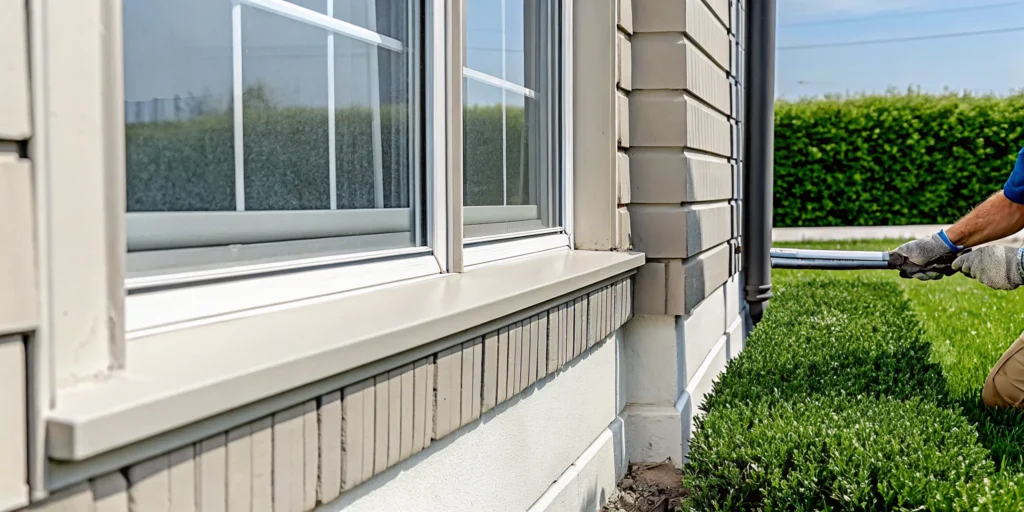
That door that suddenly sticks, the new zigzagging crack in the drywall, and the noticeable gap forming around your living room window—they may seem like separate, unrelated annoyances. In reality, they are often connected symptoms of a single, underlying problem: foundation settlement. Your home is a single, interconnected structure, and when the base it rests on begins to move, it creates a chain reaction of stress throughout the entire frame. These individual signs are your house telling a story. Recognizing this pattern is the first step toward finding a real solution, which often involves expert foundation repair for gaps around windows Dallas to stabilize your home from the ground up.
Key Takeaways
- Look for a Pattern of Clues: A single sticky door might be a fluke, but when you also see gaps around windows and cracks in the drywall, it’s a strong signal that your home’s foundation is shifting.
- Recognize That Our Soil Is the Main Culprit: Most foundation problems in the Dallas area are caused by expansive clay soil that swells with rain and shrinks during droughts, creating an unstable base that puts constant stress on your home.
- Prioritize a Professional Inspection: Waiting allows damage to worsen and repair costs to increase. The most effective first step is a professional evaluation to get a clear diagnosis and a plan to protect your home’s value.
Gaps Around Your Windows? What It Could Mean for Your Foundation
Have you noticed a little daylight peeking around your window frames? Or maybe a door that used to close smoothly now sticks stubbornly in its frame. It’s easy to dismiss these as minor annoyances, perhaps just quirks of an older house. But often, these small signs are your home’s way of telling you something bigger is happening with its foundation. When the ground beneath your house moves, it doesn’t do so evenly. This shifting can cause the entire structure to tilt or settle, putting stress on window and door frames and pulling them out of alignment.
Here in the Dallas area, we have a unique challenge: expansive clay soil. Think of this soil like a sponge. During our rainy seasons, it soaks up water and swells, pushing up against your foundation. Then, during dry spells or droughts, it shrinks and pulls away. This constant cycle of expanding and contracting can cause significant foundation movement over time. If you’re seeing gaps of about a quarter-inch or more, or if your floors have started to feel sloped or bouncy, it’s a strong indicator that this soil movement is affecting your home’s structural integrity.
Ignoring these symptoms won’t make them go away; in fact, the problem is likely to get worse. What starts as a small gap can lead to more significant issues like large drywall cracks, plumbing problems, and even serious structural damage. Addressing the root cause with a professional foundation repair is the best way to protect your home’s value and your peace of mind. By understanding what these signs mean, you’re already taking the first and most important step toward securing your property for the long haul.
What Causes Foundation Problems in Dallas?
If you’re a homeowner in the Dallas area, you’ve probably heard stories about foundation problems. It’s not just bad luck; our region has a unique combination of factors that puts constant stress on our homes. Understanding what’s happening beneath your house is the first step toward finding a lasting solution. The ground under your home is in a constant state of flux due to our soil and weather patterns. When your foundation can no longer handle this movement, you start seeing warning signs like gaps around your windows.
Most foundation issues in North Texas boil down to one thing: dramatic changes in soil moisture. When the soil supporting your foundation swells in one area and shrinks in another, it creates uneven pressure that your concrete slab can’t withstand. This differential movement leads to settling, cracking, and the structural problems that can threaten your home’s integrity and value. It’s a slow process, but over years, the cumulative effect can be significant. The good news is that these issues are solvable. By identifying the root cause, we can implement a targeted repair plan to stabilize your home for the long term. Let’s look at the specific culprits behind these damaging moisture changes.
The Trouble with Expansive Clay Soil
The ground beneath Dallas is the primary source of our foundation woes. Much of Texas sits on highly expansive clay soil, which acts like a sponge. When this soil gets wet, it swells significantly, and when it dries out, it shrinks and cracks. This constant cycle of expansion and contraction puts immense pressure on your home’s foundation.
Imagine your house resting on a surface that is always changing shape. This movement isn’t uniform across your entire foundation, which leads to differential settlement. One corner of your home might sink while another stays put, causing stress that results in cracks and other structural damage. This is why a solid, stable base is so critical, and why professional foundation repair is often necessary to counteract the effects of our challenging soil.
Drastic Moisture Swings from Drought to Downpour
North Texas is known for its extreme weather cycles, from heavy spring rains to long, hot summer droughts. This is the worst possible combination for the expansive clay soil under our homes. The soil can swell by up to 30% when saturated with water and then shrink dramatically during dry spells. This creates an unstable environment for your foundation.
During a drought, the soil pulls away from your foundation, creating gaps and causing parts of your home to sink or settle. Then, when the rains return, the soil swells unevenly, pushing up on the foundation. This constant up-and-down movement is what leads to sticking doors, cracked drywall, and gaps around your window frames. It’s a relentless cycle that, over time, can cause serious structural damage if not addressed.
Poor Drainage Around Your Home
While you can’t change the soil or the weather, you can control how water behaves on your property. In fact, poor drainage is one of the leading controllable causes of foundation damage in the DFW area. When water from rain or sprinklers pools against your foundation, it over-saturates the clay soil in that specific spot. This causes the soil to swell excessively, pushing that part of your foundation upward.
Proper drainage helps ensure that moisture levels in the soil around your home remain as consistent as possible. Check that your gutters are clean and that downspouts direct water several feet away from your house. The ground should also be graded to slope away from your foundation. If you suspect drainage is an issue, a professional inspection can identify problem areas and recommend effective solutions.
Hidden Plumbing Leaks
Another common but often overlooked cause of foundation problems is a plumbing leak. Even a small, slow leak from the pipes running beneath your concrete slab can release a significant amount of water into the soil over time. This creates a localized pocket of constantly saturated, swollen clay soil directly under your home.
This isolated swelling can cause the foundation to heave upward in one area, while the rest of the foundation remains on drier, more stable soil. This differential movement is incredibly stressful for the slab and can lead to major cracks and structural issues. Because these leaks are hidden from view, they can cause extensive damage before you even know they’re there, often requiring professional concrete repair in addition to fixing the foundation itself.
Is It a Foundation Issue? 5 Signs to Look For
It can be tough to tell if that little crack in the wall or that slightly sticky door is just a normal part of a house settling or a sign of something more serious. Your home has its own way of communicating, and learning to spot the early warnings of foundation trouble can save you a lot of stress and money down the road. Foundation settlement doesn’t always announce itself with a big, obvious problem. Instead, it often shows up as a collection of smaller issues throughout your house. If you’re seeing one or more of these signs, it might be time to investigate a potential foundation repair. Let’s walk through five common signs that point to a foundation issue.
Gaps Around Window and Door Frames
Take a close look at the frames around your interior and exterior doors and windows. Do you see any new or widening gaps between the frame and the wall? Gaps appearing around your windows and doors often mean there’s a problem with your home’s foundation. As the foundation shifts or settles, it pulls and twists the entire structure of your home. This movement can cause the wall to separate from the window or door frame, leaving a noticeable space. You might even see daylight peeking through. While some minor separation can be cosmetic, significant gaps are a clear signal that your home’s structure is under stress and needs a professional evaluation.
Windows or Doors That Stick
On the flip side of gaps, you might find that your windows and doors have become difficult to open or close. If they stick, don’t latch properly, or seem to scrape against the frame, it could be another sign of foundation movement. When the foundation settles unevenly, it can warp the frames, throwing them out of square. This isn’t the same as a door swelling from humidity in the summer; this type of sticking is often persistent and may get worse over time. If you have to shove your shoulder into a door to get it to close, your house is trying to tell you something. You can see examples of the kinds of structural issues we fix by looking at our work across the Dallas area.
Cracks Appearing in Your Drywall
Drywall cracks are a common sight in many homes, but the type and location of the crack can tell you a lot. While thin, straight hairline cracks are often just from the house settling normally, zigzagging or diagonal cracks are a red flag. Pay special attention to cracks that run from the corners of window and door frames toward the ceiling or floor. These are classic indicators of foundation stress. You might also spot similar cracks in exterior brickwork or even in your concrete driveway. These cracks happen because the foundation movement is putting so much pressure on the structure that the materials themselves begin to break. If you’re seeing these, a concrete repair expert can help assess the damage.
Sloping or Uneven Floors
Have you ever dropped a pen and watched it roll to one side of the room? Or noticed a slight dip or bounce in the floor as you walk across it? Sloping or uneven floors are one of the most direct signs of a foundation problem. This often happens when the soil beneath your home shrinks or expands unevenly, causing one part of your foundation to sink lower than the rest. This issue can be subtle at first, but over time it can become more pronounced. You might notice furniture leaning slightly or a visible gap appearing between the floor and your baseboards. This is a clear signal that your home needs a professional foundation repair assessment.
Ruling Out Simple Fixes (Like Weatherstripping)
It’s easy to dismiss a single symptom. A drafty window might just need new weatherstripping, and a small crack can be patched and painted. However, when you start seeing several of these signs together, it’s time to consider the bigger picture. A sticky door combined with drywall cracks and gaps around your windows is no longer a coincidence; it’s a pattern. If you’ve tried the simple fixes and the problems persist, or if you’re noticing multiple issues at once, trust your gut. The best next step is to have a professional take a look. You can contact us for a free, no-obligation estimate to get a clear answer and peace of mind.
Why You Shouldn’t Ignore These Warning Signs
It’s easy to dismiss a small gap around your window frame as a simple quirk of an older house. You might even think a little weatherstripping will solve the problem. But often, these gaps are your home’s early warning system, signaling that your foundation is shifting. While it’s tempting to wait and see, ignoring these signs can lead to much bigger headaches down the road. What starts as a cosmetic issue can evolve into a serious threat to your home’s structural integrity.
Here in the Dallas area, our homes face a unique challenge with the region’s notorious expansive clay soil. This type of soil swells dramatically when it absorbs moisture and shrinks just as much when it dries out. This constant cycle of expansion and contraction puts immense pressure on your foundation, causing it to move, settle, and crack over time. A gap around your window today could be followed by sticking doors, drywall cracks, and sloping floors tomorrow.
Letting these issues go unchecked won’t make them disappear. In fact, delaying an inspection almost always allows the damage to worsen, making the eventual fix more complex and more expensive. Addressing potential foundation problems early is the smartest move you can make for your home and your wallet. Getting a professional opinion from a foundation repair expert will give you a clear picture of what’s happening and what it will take to make your home safe and secure again.
What to Expect During the Foundation Repair Process
The idea of foundation repair can sound overwhelming, but knowing what’s involved can make the entire experience feel much more manageable. When you work with a professional team, the process is surprisingly straightforward. It’s all about accurately diagnosing the problem and implementing a precise, lasting solution to secure your home. From the initial assessment to the final cleanup, every step is designed to restore your foundation’s integrity with as little disruption to your life as possible.
The journey begins with a thorough inspection to understand the extent of the movement and what’s causing it. From there, our team develops a custom repair plan tailored to your home’s specific needs. This usually involves installing underground supports to lift and stabilize the structure. We use patented, proven products to ensure the fix is permanent. Our goal is to get your home back on solid ground efficiently so you can have peace of mind. You can see examples of how we transform properties by viewing our work on homes just like yours.
Start with a Professional Inspection
If you’re seeing gaps around your windows or other warning signs, the first step is to call in an expert. A professional evaluation is the only way to know for sure if you have a foundation problem. During our free, no-obligation inspection, one of our specialists will visit your home to perform a complete assessment. We’ll examine the interior and exterior, take elevation measurements, and identify the specific areas of concern.
This isn’t just a quick look; it’s a detailed analysis to pinpoint the root cause of the issue. We’ll explain our findings in plain language and show you exactly what’s happening with your foundation. If repairs are needed, we’ll walk you through a clear, customized plan of action. If not, we’ll tell you that, too. Getting an honest, expert opinion is the most important step you can take, so don’t hesitate to contact us to schedule your evaluation.
How We Lift and Stabilize Your Foundation
Once we’ve identified the problem, the next step is implementing the solution. The most common and effective method for foundation repair involves installing piers. Think of these as underground stilts that extend deep into the ground beneath your home. Their job is to bypass the unstable, expansive clay soil near the surface and transfer the weight of your house onto a solid, stable layer of soil or bedrock.
Our team strategically places these piers around the affected areas of your foundation. We then use hydraulic jacks to gently and uniformly lift the foundation back toward its original position. This process closes up cracks in your brick and drywall and helps realign sticking doors and windows. The piers remain in place permanently, providing the support your home needs to prevent future settlement.
Common Repair Methods Explained
Not all foundations are the same, so the repair method we choose will depend on your home’s specific needs. The most common solutions involve either pressed concrete piers or steel piers. Both are excellent, long-term fixes, and our expert will recommend the best option for your situation based on soil conditions and the structure of your home. The goal is always to provide maximum lift and permanent stability.
The type and severity of the damage are the biggest factors that affect the final foundation repair cost. A home that needs only a few piers in one corner will cost less to repair than one that requires extensive support along multiple walls. During your inspection, we’ll provide a detailed quote that breaks down the recommended work and associated costs, so you’ll know exactly what to expect before we begin.
How Long Will the Repair Take?
Most homeowners are pleasantly surprised to learn that foundation repair is not a long, drawn-out process. While every project is different, many repairs can be completed in just a few days. A smaller job might take one to two days, while a more extensive project could take up to a week. The total time depends on factors like the number of piers we need to install and the accessibility of the work area.
Our crew works efficiently and professionally to complete the job as quickly as possible without cutting any corners. We understand that your time is valuable, and we’ll give you a clear timeline upfront so you can plan accordingly. We coordinate every phase of the project to ensure it runs smoothly from start to finish, minimizing the time your property is an active work site.
Will It Disrupt My Daily Life?
We know your biggest concern might be the mess and noise, but you can rest easy. Modern foundation repair techniques are designed to be minimally invasive, and in almost all cases, you can stay in your home while we work. Our team is respectful of your property and takes great care to protect your home and landscaping. The work is typically confined to small, excavated areas along the outside of your foundation.
While you can expect some noise from the equipment, our experienced professionals work hard to keep disruptions to a minimum. We pride ourselves on maintaining a clean and organized job site. Once the piers are installed and the foundation is lifted, we backfill the excavated areas, tidy up, and leave your property looking great. Our goal is to make the process as stress-free as possible for you and your family.
Understanding the Cost of Foundation Repair in Dallas
Let’s talk about the elephant in the room: the cost. Seeing signs of foundation trouble can be stressful, and it’s natural to worry about what the repair bill will look like. While there’s no single price tag for foundation repair, understanding the factors that influence the cost can help you feel more prepared. The final price depends entirely on the unique needs of your home, which is why a professional inspection is always the first step.
What Determines the Final Price?
In the Dallas area, foundation repair costs can range from a few hundred dollars for minor crack sealing to over $30,000 for extensive work on a severely settled home. Most homeowners find their projects fall somewhere in the $5,000 to $8,500 range. The final price on your estimate is determined by a few key factors, including the severity of the damage, the specific repair method required to fix it, and the type of foundation your home has. A small, accessible issue will cost less than a problem that requires lifting a significant portion of your home. This is why a one-size-fits-all answer is impossible and a detailed, on-site foundation repair assessment is so important.
Explore Your Financing Options
Facing a necessary home repair doesn’t mean you have to come up with a large sum of money all at once. The good news is that you have options. Many homeowners take advantage of flexible payment plans that break down the total cost into manageable monthly payments. Putting off repairs often allows the problem to worsen, leading to more damage and a higher price tag down the road. Understanding your financing options can help you move forward with confidence, knowing you can protect your home’s value without draining your savings. Taking action sooner rather than later is always the most cost-effective approach to securing your foundation.
How to Prevent Future Foundation Problems
After you’ve addressed any existing foundation issues, the last thing you want is a repeat performance. The good news is that you can take proactive steps to protect your home. Because so many foundation problems in the Dallas area are tied to soil and water, managing the environment around your home is the best way to prevent future trouble. By focusing on proper drainage, consistent soil moisture, and regular inspections, you can give your foundation the stable ground it needs to support your home for years to come.
Manage Drainage Around Your Home
Poor drainage is often the primary culprit behind foundation damage in North Texas. When water pools near your home, it over-saturates the expansive clay soil underneath, causing it to swell unevenly and push against your foundation. You can get ahead of this by making sure water flows away from your house, not toward it. Start by cleaning your gutters regularly and ensuring downspouts extend at least five feet from the foundation. Also, check that the ground around your home has a gentle slope away from the walls. If you have persistent drainage issues, addressing them is a key part of any long-term foundation repair strategy.
Maintain Consistent Soil Moisture
The clay soil in our area is famous for its dramatic behavior. It shrinks when it’s dry and swells when it’s wet. These constant shifts can cause your foundation to move up and down, leading to damage over time. Your goal is to keep the moisture level in the soil around your foundation as consistent as possible. During the hot, dry Texas summers, this means watering your foundation. Place a soaker hose about 18 inches from the concrete slab and run it on a low setting for a couple of hours. You’re aiming for damp, not soaked, soil. This simple routine can help prevent the soil from pulling away from your foundation and creating voids that lead to settling.
Schedule Regular Foundation Check-Ups
Even with the best preventive care, it’s smart to keep an eye on your foundation. Catching small changes early can save you from larger, more expensive repairs down the road. A few times a year, walk around your property and look for new cracks in the brick or foundation slab. Inside, watch for signs like sticky doors or fresh drywall cracks. If you notice that floors feel sloped or bouncy, it could be a sign that the foundation is shifting. If anything seems off, it’s always best to get a professional opinion. You can contact our team for a free, no-obligation estimate to get peace of mind.
Ready to Secure Your Home’s Foundation?
If you’ve noticed gaps around your windows and doors, you’re right to be concerned. These seemingly small openings are often one of the first signs that your home’s foundation is shifting. In the Dallas area, this is a common problem thanks to our expansive clay soil, which swells and shrinks with moisture changes. Over time, this movement can create both cosmetic and structural issues for your home, affecting its integrity and value.
Ignoring these signs can lead to more significant problems, like sticking doors, sloping floors, and deep cracks in your drywall. What starts as a minor annoyance can become a much larger and more expensive issue. The cost for foundation repair in the Dallas-Fort Worth area can vary widely depending on the severity of the damage, which is why addressing the problem early is always the best approach. Taking action now can save you from more extensive repairs down the road.
The most important step you can take is to have a professional assess the situation. A trained expert can determine if the gaps around your windows are a simple fix or a symptom of a deeper foundation problem. Our team at Solid Base has years of experience diagnosing and solving foundation issues for homeowners across the Dallas area. We can provide a thorough inspection and a clear explanation of what’s happening beneath your home.
We understand that the thought of foundation repair can be stressful, especially when it comes to cost. That’s why we offer free, no-obligation estimates to give you a complete picture of the work required. We also provide straightforward financing options to help make the process more manageable. Don’t let uncertainty hold you back; contact us today to schedule your inspection and get the answers you need to protect your home.
Related Articles
- Foundation Repair Cost: The Ultimate 2026 Guide
- Pier & Beam Foundation Repair: Signs, Costs & Fixes
- A Homeowner’s Guide to Foundation Repair Services
- Ultimate Guide to Foundation Repair Options
- Foundation Crack Repair: A DIY vs. Pro Guide
Frequently Asked Questions
Are small gaps around my windows always a sign of a serious foundation issue? Not always. A tiny, hairline gap might just be a cosmetic issue from normal house settling. However, you should pay attention when the gaps are wide enough to see daylight, seem to be getting larger, or appear alongside other symptoms. If you also have doors that stick or new cracks in your drywall, the gaps are likely part of a larger pattern pointing to foundation movement.
Why are foundation problems so common in the Dallas area? The main reason is our soil. Much of North Texas is built on expansive clay soil, which acts like a sponge. It swells up significantly when it gets wet from heavy rains and then shrinks and cracks during our hot, dry summers. This constant cycle of expansion and contraction creates an unstable base that puts a lot of stress on a home’s foundation over time.
Besides window gaps, what other signs should I look for? Keep an eye out for a collection of symptoms. The most common red flags include doors that suddenly become difficult to open or close, diagonal cracks running from the corners of door and window frames, and floors that feel sloped or bouncy. You might also notice cracks in your exterior brickwork. Seeing just one of these might not be a major concern, but if you notice two or more, it’s a strong signal to get a professional opinion.
I’m worried about the repair process. Will it be a huge disruption to my life? It’s much less disruptive than most people think. In almost all cases, you can continue living in your home while we work. The repair process is mostly confined to small, targeted areas along the outside of your foundation. Our professional crews are very respectful of your property and landscaping, and we make sure to clean up thoroughly once the job is complete. A typical repair project is often finished in just a few days.
Can I prevent foundation problems from happening in the first place? Yes, you can take steps to protect your foundation. The most important thing you can do is manage the water around your home. This means keeping your gutters clean and ensuring your downspouts direct water far away from the house. During dry spells, using a soaker hose to lightly water the soil around your foundation can prevent it from shrinking and pulling away. The goal is to keep the soil moisture as consistent as possible year-round.