
That creaky spot in the hallway or the door that suddenly refuses to latch properly might seem like minor household quirks. But for homes with a crawl space, these are often the first whispers of a bigger issue happening right under your feet. Your pier and beam foundation is a complex system that supports your entire home, and it’s sensitive to changes in our local soil and moisture levels. Ignoring these small signals can lead to more significant structural problems down the road. We’ll cover the common causes of damage, what to look for inside and outside your home, and what the process of professional pier and beam foundation repair actually involves.
Key Takeaways
- Proactive Water Management is Your Best Defense: Most pier and beam foundation problems are caused by excess moisture. By ensuring proper drainage and keeping your crawl space dry with a vapor barrier, you can prevent the soil shifts and wood rot that lead to damage.
- Address Early Warning Signs to Save Money: Seemingly small issues like uneven floors, sticking doors, or new wall cracks are clear indicators of foundation movement. Acting on these signs right away is the most effective way to avoid more complex and costly structural repairs.
- A Professional Diagnosis is Essential for a Lasting Fix: Foundation issues are often more complex than they appear. A professional inspection identifies the true source of the problem, which is necessary for a correct repair plan that provides a permanent solution, not just a temporary patch.
What Is a Pier and Beam Foundation?
If you live in an older home around Dallas, there’s a good chance it rests on a pier and beam foundation. Unlike a concrete slab that sits directly on the ground, this type of foundation elevates your house, creating a crawl space underneath. This design is especially useful in areas with shifting soil, as it offers more flexibility than a rigid slab. The system uses a series of concrete piers and wooden beams to support the entire structure, providing a sturdy base for your home. Understanding how it works is the first step in identifying potential issues and knowing when to call for a professional foundation repair service.
How It Supports Your Home
The biggest advantage of a pier and beam foundation is the crawl space it creates. This gap between the ground and your home’s floor makes a world of difference when it comes to maintenance. It provides easy access to your plumbing, electrical wiring, and HVAC systems, which means repairs are often simpler and less invasive than with a slab foundation. This elevation also helps manage moisture and protects the wooden structure from ground dampness. This adaptability makes pier and beam foundations a strong and reliable choice for many homes, especially in regions with volatile soil.
The Key Parts: Piers, Beams, and Joists
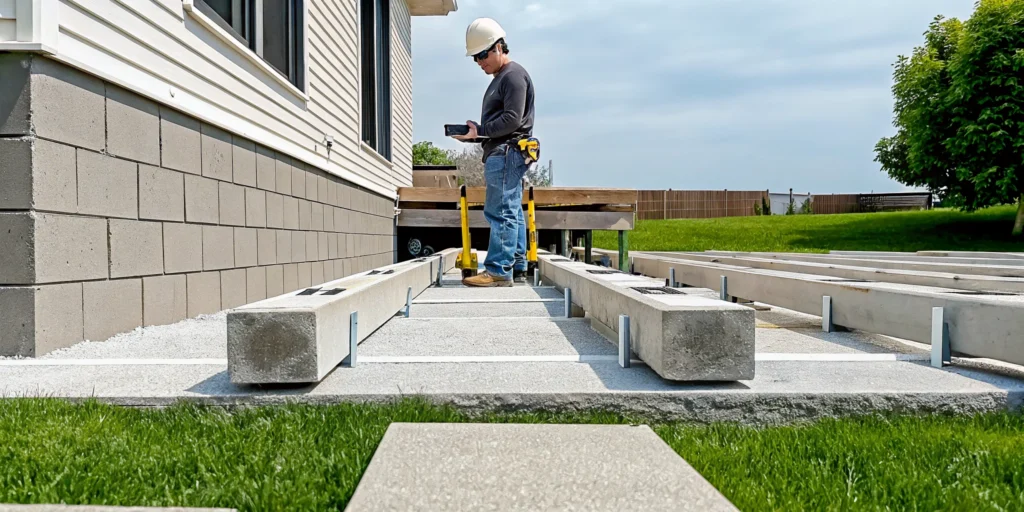
A pier and beam foundation is a team effort between three key components. First, you have the piers, which are concrete blocks or columns that act as the primary support posts. These are anchored in the ground to create a stable footing. Resting on top of the piers are the beams, which are large, heavy pieces of wood or steel that run horizontally. They form a grid that distributes the home’s weight across the piers. Finally, smaller boards called joists are laid across the beams, creating the direct support structure for your subfloor. This interconnected system works together to hold your home level and secure.
What Are the Signs of a Pier and Beam Problem?
Your home has a way of telling you when something is wrong. For houses with pier and beam foundations, those messages often start as small, easy-to-ignore quirks. A door that suddenly sticks or a floor that creaks a little louder might not seem like a big deal, but they can be early warnings of foundation movement. Because these foundations rest on individual piers, they are particularly sensitive to the shifting clay soils common in the Dallas area. When the soil expands or contracts, it can cause the piers to move, leading to a chain reaction that affects your entire home’s structure.
The good news is that these problems leave a trail of clues. By knowing where to look, you can catch issues before they become major headaches. The key is to pay attention to changes happening in three main areas: inside your living space, on your home’s exterior, and down in the crawl space. Spotting these signs early gives you the power to act quickly and protect your home’s stability. If you notice several of these issues, it may be time to schedule a professional foundation repair assessment.
Inside Your Home: Uneven Floors and Wall Cracks
The most common signs of a pier and beam issue show up right where you live. You might notice your floors feel uneven, with noticeable slopes, dips, or soft spots that seem to bounce when you walk on them. This unevenness can cause ceramic or vinyl tiles to crack under the pressure. As the foundation shifts, it puts stress on your home’s frame, which can lead to thin, spidery cracks appearing in the drywall, especially around the corners of doors and windows. A door that used to close smoothly might now stick, or you might see gaps forming between the floor and your baseboards. These are direct signs that the structure supporting your home is no longer level.
Outside Your Home: Exterior Cracks and Gaps
Take a walk around the outside of your house and look closely at the exterior walls. For brick homes, new cracks are a significant red flag. While small hairline cracks can be normal, larger vertical cracks that run up the wall often point to excessive foundation movement. This shifting can also create gaps around your window and door frames. You might notice that your siding is pulling away from the frames or that caulk lines are separating. These exterior signs show that the foundation is settling unevenly, pulling different parts of your home in different directions. If you see these warning signs, you can contact us for a free, no-obligation estimate.
In the Crawl Space: Moisture and Wood Rot
The crawl space is the heart of your pier and beam foundation, and it’s often where problems begin. Excess moisture is the main enemy here. Poor drainage can lead to a damp, humid environment that causes the wooden beams and joists to rot and weaken over time. You might notice a musty smell in your home, which can be a sign of mold or mildew growing on the damp wood below. During an inspection, a professional will look for softened, crumbling, or discolored wood, as these are clear indicators of decay. Since these wooden components are what hold your house up, their condition is critical to your home’s structural integrity.
What Causes Pier and Beam Foundation Damage?
Understanding what causes foundation problems is the first step toward preventing them. For homes with pier and beam foundations, the issues often start from the ground up. The combination of our unique North Texas environment and the specific structure of these foundations creates a few common culprits that every homeowner should be aware of. From the soil beneath your home to the moisture in the air, several factors can put stress on your foundation’s piers, beams, and joists, leading to the warning signs we’ve discussed.
Shifting North Texas Soil
If you live in the Dallas area, you’re likely familiar with our expansive clay soil. This type of soil acts like a sponge, swelling dramatically when it absorbs water and shrinking just as much when it dries out. This constant cycle of expansion and contraction puts immense pressure on your home’s foundation. As the ground moves, it can cause the piers supporting your home to shift, sink, or tilt out of alignment. This movement is a primary reason why foundation problems are so common for local homeowners, leading directly to issues like uneven floors, sticking doors, and cracks in your walls.
Poor Drainage and Excess Moisture
Water is the number one enemy of a healthy foundation, and poor drainage is its accomplice. When rainwater doesn’t flow away from your home properly, it pools in the crawl space or saturates the soil around the piers. This excess moisture accelerates soil shifting and can even erode the ground supporting the piers, causing them to settle. The wooden components of your foundation are also at risk. Pier and beam foundations rely on wooden beams and joists, and a damp, humid crawl space creates the perfect environment for wood rot and mold to develop, weakening the very structure that holds up your home.
Termites and Other Pests
The crawl space that gives you access to your home’s plumbing and electrical systems can also be an open invitation for pests. Termites, in particular, are drawn to the dark, damp wood of a pier and beam foundation. An infestation can cause devastating damage as these pests chew through critical support beams and joists, compromising your home’s structural integrity from below. Because this damage often happens out of sight, it can progress for years before you notice any signs. That’s why having a team of experienced professionals you can trust is so important for regular inspections and maintenance.
How Are Pier and Beam Foundations Repaired?
When you have a pier and beam foundation problem, the right fix depends entirely on the cause. A professional inspection is the first step to creating a targeted repair plan. Think of it like a doctor diagnosing an illness before prescribing medicine. Once we identify the root issue, whether it’s soil movement, water damage, or failing supports, we can apply the right solution. Most foundation repair strategies for pier and beam homes fall into a few key categories, each designed to restore your home’s stability and safety.
The process isn’t a one-size-fits-all approach. For example, a home with minor settling from our shifting Texas clay soils will need a different solution than a home with rotted wooden joists from a plumbing leak. That’s why a thorough assessment of your crawl space is so critical. Our team looks at every component, from the piers and beams to the joists and subfloor, to pinpoint exactly what’s going on. From there, we can recommend a specific, lasting solution. From minor leveling adjustments to replacing compromised wooden components, the goal is always to bring your foundation back to its original, stable position. Below are the most common and effective methods our team uses to repair pier and beam foundations throughout the Dallas area.
Leveling with Shims and Adjustments
If your floors are slightly uneven or bouncy, the cause is often minor settling. In these cases, a straightforward and effective solution is to use shims. Shims are thin, durable pieces of material that technicians place between the piers and the beams to fill small gaps. This process carefully raises the low spots in your floor, making it level again. It’s a precise adjustment that corrects minor settling without requiring major structural changes. Professionals can level a foundation with shims to ensure the home’s weight is evenly distributed across the support system, preventing future stress on your home’s frame.
Replacing Damaged Beams and Joists
The wood components in a crawl space are vulnerable to moisture, rot, and pests like termites. When beams or joists become soft, cracked, or compromised, they can no longer support the weight of your home. The solution is to replace or reinforce them. If the damage is extensive, the entire beam or joist is removed and replaced with new, treated lumber. For less severe damage, we can use a technique called “sistering,” where a new board is securely attached alongside the weakened one. This restores the structural integrity of the foundation and ensures your home is properly supported for years to come. You can see examples of this type of detailed work in our project gallery.
Strengthening with Underpinning and Pier Support
Sometimes, the problem lies with the piers themselves. They might be sinking, cracked, or spaced too far apart to properly support your home’s weight. In these situations, we need to strengthen the core support system. This can involve replacing failing piers with new, reinforced concrete piers or adding new piers to better distribute the load. To do this, a hydraulic jacking system is often used to carefully lift the beams in small, controlled increments. This process raises the foundation back to its correct level without causing structural damage, providing a stable and permanent solution for more significant foundation issues.
How Much Does Pier and Beam Foundation Repair Cost?
When you’re dealing with foundation issues, one of the first questions on your mind is about the cost. The truth is, there’s no single price tag for pier and beam foundation repair. The investment can range from a few hundred dollars for minor adjustments to over $20,000 for a complete overhaul. Most homeowners in the Dallas area find their projects fall somewhere between $3,000 and $12,000.
This range is wide because every home and every foundation problem is unique. The final cost depends entirely on the specific work your home needs to be stable and secure again. Think of it less like buying a product off the shelf and more like commissioning a custom solution tailored to your home’s structure. We understand this can be a significant expense, which is why we offer straightforward financing options to help you protect your home without breaking your budget.
What Factors Affect the Price?
Several key factors determine the final cost of your foundation repair. The biggest variable is the extent of the damage. A few simple shims to level a floor will cost much less than replacing multiple rotten beams and joists. The size of your home and the accessibility of your crawl space also play a major role. A cramped, hard-to-access crawl space requires more time and labor, which accounts for about 75% to 85% of the total project cost. The specific soil conditions under your home can also influence the type of repair needed, affecting the price.
Why Acting Sooner Can Save You Money
It can be tempting to put off foundation repairs, but waiting is one of the most expensive mistakes a homeowner can make. A small crack or a slightly sagging floor might seem like a minor annoyance now, but these are often early warnings of a bigger problem. Ignoring these signs allows the damage to spread, leading to more complex and costly repairs down the road. What could have been a simple adjustment might turn into a major structural project involving extensive beam replacement and underpinning. Addressing foundation issues as soon as you spot them is the best way to protect your home and your wallet.
What to Expect in Your Professional Estimate
The only way to know the precise cost to fix your foundation is to have an expert perform a thorough inspection. During a professional estimate, a specialist will examine your entire foundation system, from the crawl space to the exterior, to identify the root cause and full extent of the problem. They will then create a detailed repair plan outlining the necessary work and the associated costs. This ensures you get an accurate quote with no surprises. At Solid Base, we provide free, no-obligation estimates so you can get a clear picture of your home’s needs. You can contact us today to schedule your inspection.
How to Prevent Future Foundation Damage
After you’ve had your foundation repaired, the last thing you want is a repeat problem. The good news is that you can take proactive steps to protect your home and prevent future damage. A little bit of maintenance goes a long way in keeping your pier and beam foundation stable for years to come. It all comes down to managing water, keeping an eye on your crawl space, and controlling moisture from the ground up. By focusing on these key areas, you can safeguard your investment and ensure your home rests on a solid base.
Manage Your Property’s Drainage
Proper drainage is your foundation’s best friend, especially with the shifting clay soils we have here in North Texas. When water pools around your home, it can cause the soil to expand and contract dramatically, or even wash away the soil supporting your foundation. This erosion can destabilize the entire structure. To prevent this, make sure your gutters are clean and your downspouts extend several feet away from the house. The ground should also slope gently away from your foundation, not toward it. If you consistently see standing water after it rains, you may need a more robust foundation repair and drainage solution to protect your home.
Schedule Regular Crawl Space Inspections
Your crawl space can tell you a lot about your foundation’s health, but it’s an easy area to ignore. Making a point to check it regularly can help you spot trouble before it becomes a major headache. Getting a professional foundation inspection is the best way to know exactly what’s going on, and many fixes are simple if you catch them early. During an inspection, a professional will look for signs of moisture, wood rot, termite damage, and any cracks or shifts in the piers and beams. An annual check-up is a small investment that provides significant peace of mind and can save you a lot of money down the road.
Install a Vapor Barrier
One of the most effective ways to manage moisture in your crawl space is by installing a vapor barrier. This is essentially a thick sheet of plastic that covers the entire dirt floor of your crawl space, stopping moisture from the ground from evaporating into the air. This simple addition is crucial for preventing soil movement and controlling the moisture levels that can wreak havoc on the wooden components of your foundation. A dry crawl space is less inviting to termites and mold and helps protect your beams and joists from rot. It’s a key step in creating a stable, healthy environment beneath your home, as you can see in examples of our work.
Why You Should Hire a Professional
When you spot a crack in the wall or a floor that sags, it’s natural to want to find a quick, inexpensive fix. While the DIY spirit is admirable for many home projects, foundation repair is a different story. Your home’s entire structure rests on its foundation, and a mistake here can have serious, costly consequences. A professional foundation repair ensures the job is done correctly, protecting your investment and giving you security. It’s about getting to the root of the problem, not just patching up the symptoms you can see.
The Risks of a DIY Repair
It’s tempting to think a few shims from the hardware store will solve your uneven floor problem. While some fixes seem simple, DIY attempts can cause more harm and cost more in the long run. Misdiagnosing the issue is the biggest risk. You might fix a sagging joist when the real problem is a sinking pier, allowing the underlying issue to worsen over time. Foundation work requires specialized tools and a deep understanding of structural loads. An incorrect repair can create new stress points, leading to more damage. You can see examples of professional repair solutions to understand the complexity involved in doing the job right.
How to Choose a Dallas Foundation Repair Company
Not all repair companies are created equal, especially in North Texas. It’s crucial to choose a contractor who understands the specific challenges posed by the expansive clay soil and climate in the Dallas area. Look for companies with proven local experience and a specialization in pier and beam foundations. Check for proper licensing and insurance, and read reviews from other homeowners in your community. A trustworthy contractor will provide a detailed, transparent estimate and answer all your questions without pressure. When you’re ready, you can contact us for a free, no-obligation inspection to get a clear picture of your home’s needs.
Why DFW Homeowners Trust Solid Base for Pier and Beam Repair
North Texas clay soil is uniquely punishing on pier and beam structures. The constant shrink-swell cycle beneath older DFW homes creates shifting conditions that accelerate beam deterioration, center pier settlement, and crawl space moisture problems year after year.
At Solid Base Foundations, we’ve spent over 18 years solving exactly these conditions across Dallas, Tarrant, Denton, Collin, and all surrounding counties. Our approach goes beyond patching symptoms — we assess moisture, soil movement, and structural load together to deliver repairs that last.
Financing is available for qualifying homeowners. Explore financing options.
Already seeing cracks elsewhere on your property? Our foundation repair services and concrete repair solutions cover every structural concern under one roof. See the results firsthand on our project gallery.
The Peace of Mind a Stable Foundation Provides
Beyond the technical fixes, professional repair offers something invaluable: peace of mind. Fixing foundation problems as soon as you notice them can save you a lot of money and stress later on. A stable foundation not only protects your home but also enhances its value and safety. You can rest easy knowing that your biggest investment is secure and that your family is safe. No more worrying every time you see a small crack or feel a dip in the floor. Investing in a professional repair is an investment in the long-term health and stability of your home, ensuring it stands strong for years to come.
Related Articles
Frequently Asked Questions
How can I tell if a floor sag or wall crack is a serious foundation issue? A single small crack or a minor creak in the floor isn’t always a cause for panic. The real red flag is a pattern of issues. If you notice that a door is sticking, the floor in that same room feels sloped, and you see new cracks appearing on the nearby wall, it’s a strong signal that the problems are connected to foundation movement. Pay attention to changes that happen together, as that’s your home’s way of telling you to call a professional for an inspection.
Are foundation problems just a normal part of owning an older home in Dallas? While it’s true that our expansive clay soil makes foundation movement very common in North Texas, it’s not something you should consider normal or harmless. The constant swelling and shrinking of the soil puts stress on every foundation, but pier and beam systems are particularly susceptible. Think of it as a known risk that requires proactive attention rather than an inevitable flaw you have to live with.
What does a typical pier and beam repair process look like? The process always starts with a thorough inspection of your crawl space to pinpoint the exact cause of the problem. From there, a specific plan is made. For minor settling, the solution might involve carefully leveling the floor by adding shims between the piers and beams. If moisture has caused wood rot, the damaged beams or joists will be replaced. For more significant sinking, we may need to add or replace concrete piers to provide the stable support your home needs.
Can I prevent foundation problems, or are they inevitable? You have more power than you think. The most effective thing you can do to protect your foundation is to control water around your property. This means keeping your gutters clean and ensuring downspouts direct water far away from your house. You also want to make sure the ground slopes away from your foundation. These steps help keep the soil moisture levels stable, which is the key to preventing the shifts that cause damage.
Why can’t I just patch the drywall cracks and ignore the foundation for a while? Patching a crack is a cosmetic fix that only hides a symptom. It does nothing to solve the underlying issue, which is that your foundation is moving. Ignoring the root cause allows the problem to get worse over time. That small shift can lead to more significant structural damage, turning what might have been a straightforward repair into a much more complex and expensive project down the road.