
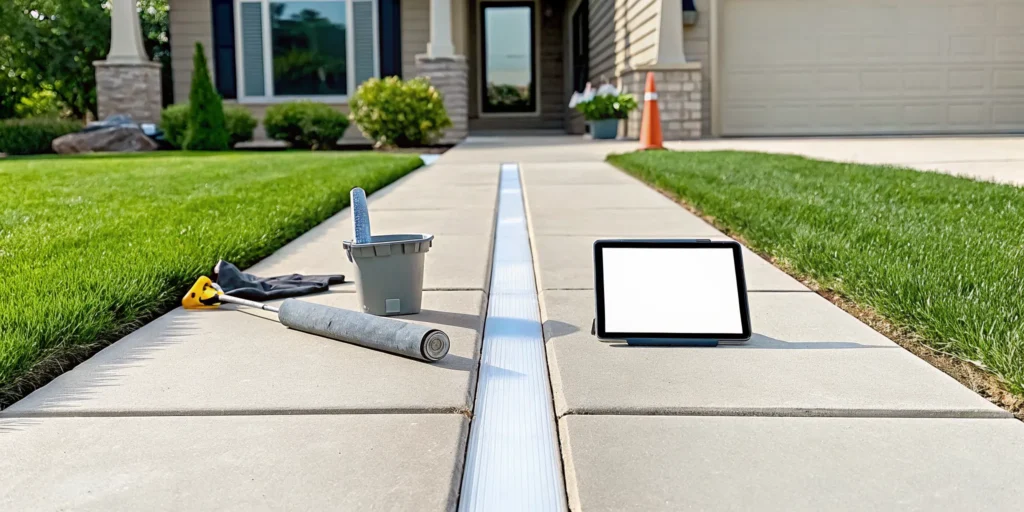
A crack in your driveway is more than just an eyesore; it’s often a symptom of a deeper issue happening beneath the surface. Here in the Dallas area, shifting clay soil is a common culprit. Simply patching the crack without addressing the root cause is a temporary fix at best. A true, lasting repair involves diagnosing why the crack appeared in the first place. This is why the cost to repair cracked concrete driveway can vary so much. It’s not just about filling a gap; it’s about stabilizing the ground underneath to prevent future damage. This guide will explain how underlying problems affect your repair options and overall cost.
Key Takeaways
- Cracks are clues to bigger problems: A crack in your driveway is often a sign of unstable soil or poor drainage beneath the surface. A lasting fix requires addressing this root cause, not just patching the visible damage.
- Repair is often the smarter financial choice: Solutions like concrete leveling and resurfacing can restore your driveway for a fraction of the cost of a full replacement. Reserve replacement for when the slab’s structural integrity is completely compromised.
- Know when to call a professional: While you can seal a tiny hairline crack yourself, issues like sunken slabs, crumbling edges, or wide cracks are signs of structural problems that require an expert diagnosis and repair.
Why Is My Concrete Driveway Cracking?
Seeing a new crack spiderweb across your driveway can be frustrating. You might wonder if you did something wrong or if it’s a sign of a bigger problem. Most of the time, concrete cracks are caused by a handful of common culprits that put stress on the slab. Understanding what’s happening beneath the surface is the first step toward finding the right fix. The main reasons your driveway is cracking usually come down to three things: the weather, the ground it’s sitting on, and how it was installed in the first place.
Weather and Temperature Changes
Here in Texas, we’re no strangers to dramatic temperature swings. Your concrete driveway feels it, too. Concrete naturally expands when it gets hot and contracts when it cools down. This constant movement creates stress within the slab. If the concrete doesn’t have properly placed control joints to manage this movement, cracks will eventually form to relieve the pressure. Water can also make things worse. When rain seeps into tiny pores in the concrete and then the temperature drops, that water freezes and expands, pushing the concrete apart from the inside out and causing cracks to form and grow.
Soil Movement and Poor Drainage
The ground underneath your driveway is just as important as the concrete itself. The Dallas area is known for its expansive clay soil, which swells up like a sponge when it’s wet and shrinks when it dries. This constant shifting creates an unstable base for the heavy concrete slab on top, leading to cracks as the driveway settles unevenly. Poor drainage can accelerate this problem. If water pools around your driveway, it can wash away the soil underneath, creating empty pockets. A small crack could be a symptom of this erosion, and without solid support, the concrete will crack under its own weight. These underlying soil issues are often the root cause of serious foundation problems.
Heavy Loads and Faulty Installation
Your driveway is built to be tough, but it has its limits. Regularly parking very heavy vehicles, like a large work truck or an RV, can put more stress on the concrete than it was designed to handle, causing cracks to appear over time. However, many cracks can be traced back to the day the driveway was poured. A rushed or poorly prepared base is a common mistake that guarantees an uneven, short-lived driveway. If the soil wasn’t compacted correctly, the slab won’t have the stable support it needs. Using the wrong concrete mix or not letting it cure properly can also result in a weaker slab that’s more prone to damage, making professional concrete repair necessary sooner than you’d expect.
How Much Does Concrete Driveway Repair Cost?
Figuring out the budget for a driveway repair can feel overwhelming, but it doesn’t have to be. The good news is that fixing the problem is almost always more affordable than a full replacement. In fact, repairing a concrete driveway can cost 50% to 80% less than tearing it out and starting over. The final price depends on the type of damage and the solution required, but understanding the basics can help you know what to expect.
Comparing Repair Costs by Method
The cost of your concrete repair project will depend entirely on the method used. For minor issues, the fix is simple and budget-friendly. Filling small cracks, for example, typically costs between $1 and $3 per linear foot. If your driveway has small holes or flaking spots, patching is a great option, usually running from $3 to $10 per square foot. For driveways that are structurally sound but have a worn surface, resurfacing can give it a fresh look for about $3 to $5 per square foot. These methods address cosmetic issues and prevent small problems from getting bigger.
Linear Foot vs. Square Foot: How Pricing Works
When you get a quote from a contractor, you’ll likely see prices listed per linear foot or square foot. It’s helpful to know what each one means. Pricing by the linear foot is used for cracks, as it measures the total length of the fissure that needs to be filled and sealed. On the other hand, pricing by the square foot is used for surface-level work that covers a wider area. This includes services like patching, where a specific section is being repaired, or resurfacing, which involves applying a new layer over the entire driveway. Understanding these terms makes it easier to compare quotes and see exactly what you’re paying for.
Repair vs. Replacement: When to Choose Each
Deciding whether to repair or replace your driveway comes down to the extent of the damage. Repairs are perfect for addressing cracks, small potholes, and surface imperfections. However, if your driveway is crumbling, has deep, widespread cracks, or is heaving so much that it’s severely uneven, a replacement is often the smarter long-term investment. A brand-new concrete slab can last for decades. The best way to know for sure is to have a professional take a look. An expert can assess the underlying cause of the damage and give you a clear recommendation. You can always get a free estimate to explore your options without any commitment.
What Are My Concrete Driveway Repair Options?
When you notice cracks or uneven spots on your driveway, it’s easy to jump to the worst-case scenario: a full replacement. But the good news is that many issues can be fixed with targeted repairs that save you time and money. The key is matching the right solution to the specific problem. A hairline crack needs a different approach than a large, sunken slab, and understanding your options helps you make an informed decision to protect your home’s value. Choosing the right repair not only fixes the current damage but also helps prevent future problems, extending the life of your driveway.
From simple crack sealing to more intensive structural fixes, there’s a spectrum of concrete repair services available. Minor surface-level flaws can often be addressed with patching or resurfacing, which restores the look of your driveway and prevents small problems from getting bigger. For more serious issues, like slabs that have shifted or sunk due to soil movement, concrete leveling is the answer. This method addresses the root cause of the problem, restoring both the safety and integrity of your driveway. Below, we’ll explore the most common repair methods, what they involve, and their typical costs so you can find the best fit for your situation.
Filling and Sealing Cracks ($1-$3 per linear foot)
If you have small, hairline cracks spidering across your driveway, filling and sealing is your most straightforward and affordable fix. This process involves cleaning debris from the crack and applying a durable, flexible sealant. The goal is to prevent water from seeping into the crack, freezing, and expanding, which would make the damage much worse over time. Think of it as essential maintenance. While it won’t fix structural problems, it’s a critical step in preserving your driveway’s surface. Most contractors have a minimum charge for this service, usually between $100 and $175, but it’s a small price to pay to stop little cracks from becoming big headaches.
Patching Small Areas ($3-$10 per square foot)
For driveways with localized damage like small holes, chipping, or flaking (known as spalling), patching is an effective solution. A professional will remove the damaged concrete, clean the area, and apply a high-quality patching compound to create a smooth, durable surface that blends with the surrounding concrete. This method is ideal for addressing isolated problem spots before they spread. The cost varies based on the depth and size of the area being repaired, but it’s a great way to handle cosmetic issues and minor deterioration without committing to a larger project. Patching keeps your driveway looking good and functioning safely by eliminating trip hazards from small holes.
Resurfacing the Driveway ($3-$5 per square foot)
If your driveway is structurally sound but covered in stains, discoloration, or a network of fine cracks, resurfacing can give it a complete facelift. This process involves applying a thin concrete overlay to the entire surface, creating a fresh, uniform appearance. It’s like getting a brand-new driveway without the cost and hassle of a full replacement. An average resurfacing project costs around $2,400, making it a cost-effective alternative for widespread surface damage. It’s the perfect option when the underlying foundation is still strong, but the top layer has seen better days. Resurfacing not only improves curb appeal but also adds a new layer of protection against the elements.
Leveling Uneven Concrete Slabs
When you have entire sections of your driveway sinking or tilting, you’re dealing with a problem that goes deeper than the surface. This is usually caused by soil settling or washing out from underneath the slab. Concrete leveling, or slab jacking, corrects this by lifting the sunken slab back into its proper position. We use advanced techniques to inject material beneath the concrete, raising it precisely without needing to replace it. This is a structural repair that eliminates dangerous trip hazards and corrects drainage issues. The cost can range from $500 to $6,000, depending on the size of the area and the extent of the sinking. You can see examples of how we handle these types of projects in our gallery of our work.
What Factors Increase Repair Costs?
When you get a quote for driveway repair, the final number isn’t pulled out of thin air. Several key factors influence the cost, from the size of the cracks to the ground beneath your driveway. Understanding these variables will help you see exactly what you’re paying for and why one quote might differ from another. It’s about more than just patching a crack; it’s about creating a lasting solution.
Size and Severity of the Damage
It makes sense that a few hairline cracks will cost less to fix than a web of deep, wide fissures. The more extensive the damage, the more labor and materials are needed. A small crack might only require a simple filler, while a large, crumbling section could need more intensive work. While the average cost for concrete repair can vary, remember that addressing problems early is almost always more affordable than a full replacement. Getting a professional concrete repair assessment will give you a clear picture of the damage and the most effective way to fix it for good.
Material Quality and Local Labor Rates
The quality of the materials used in your repair plays a big role in both the cost and the longevity of the fix. While basic fillers are cheaper, premium-grade sealants and polymers offer better durability and protection against future damage. Labor costs also vary, especially in the Dallas area, depending on the crew’s experience and the complexity of the job. Hiring experienced professionals might have a higher hourly rate, but their efficiency and expertise often save you money by ensuring the job is done right the first time, preventing costly repeat repairs down the road.
Project Access and Complexity
Not all driveways are created equal. A flat, straight driveway with plenty of room to work is much simpler to repair than one on a steep hill, with sharp curves, or surrounded by delicate landscaping. If your driveway is hard to access with equipment, or if crews have to work around obstacles like retaining walls or fences, the job becomes more complex. This added complexity requires more time and specialized techniques, which can increase the overall cost. A thorough inspection is the only way to account for these unique challenges, which is why getting a free estimate is such an important first step.
Addressing Underlying Problems
Sometimes, a crack in your driveway is just a crack. More often, however, it’s a symptom of a deeper issue. Poor drainage, soil erosion, or shifting ground can all cause concrete to crack under pressure. Simply filling the crack without addressing the root cause is like putting a bandage on a broken arm. The crack will almost certainly reappear. True repair involves diagnosing and fixing what’s happening beneath the surface, which could include correcting underlying foundation issues. This is the most important factor in achieving a permanent solution and protecting your investment.
Should I DIY or Hire a Professional?
It’s the classic homeowner’s dilemma: roll up your sleeves and tackle the repair yourself, or call in an expert? The appeal of saving money with a DIY fix is strong, but concrete repair can be more complex than it looks. A small crack might seem like a simple weekend project, but it could also be a symptom of a much larger issue lurking beneath the surface. Before you head to the hardware store, it’s important to weigh the potential savings against the risk of a repair that doesn’t last or, worse, makes the problem more difficult to fix later on. Let’s break down when a DIY approach makes sense and when it’s time to call for professional help.
The Cost of DIY Repairs
The biggest draw for any DIY project is the potential savings. For a very small, non-structural hairline crack, a DIY repair kit can be a cost-effective option. You can find patching compounds, sealants, and basic tools for under $100. These fixes are designed for cosmetic touch-ups and can prevent water from seeping into small cracks and making them worse over winter. However, if you’re dealing with multiple cracks or larger damaged areas, the material costs can quickly add up. Remember, this price tag doesn’t account for your time or the tools you might need to buy. It also doesn’t include the cost of fixing a mistake, which can sometimes be more than the original professional quote.
Signs It’s Time to Call a Professional
While a tiny crack might be a simple fix, some issues are clear red flags that point to a deeper problem. If you notice any of the following, it’s best to get a professional opinion. A major sign is any crack wider than a quarter of an inch. You should also look for sunken or heaving slabs that create an uneven surface and a tripping hazard. These issues often indicate that the soil underneath your driveway is shifting or eroding. A seemingly small crack could be a symptom of a larger drainage or foundation issue that a simple patch kit won’t solve. A professional concrete repair assessment can diagnose the root cause and ensure a lasting solution.
Common DIY Mistakes to Avoid
If you decide to handle a small repair yourself, be careful to avoid a few common pitfalls that can create bigger headaches down the road. One of the most frequent mistakes is only treating the symptom. Simply filling a crack without understanding why it appeared in the first place is like putting a bandage on a broken arm. The underlying issue, like soil movement, will just cause the crack to reappear. Another common error is mixing the concrete patch material incorrectly. Adding too much water might make the mix easier to work with, but it creates a weak patch that will quickly crumble and fail. Getting a free estimate from an expert can help you understand the true scope of the problem before you begin.
When Should I Replace My Driveway Instead of Repairing It?
Deciding whether to patch up your driveway or tear it out and start fresh can feel like a huge decision. On one hand, repairs are less disruptive and easier on the wallet. On the other, a full replacement might be the only way to solve the problem for good. The right choice comes down to the extent of the damage, your budget, and your long-term goals for your home.
Think of it this way: minor cracks and small sunken spots are often perfect candidates for repair. But if your driveway has deep, widespread issues, a replacement could save you from a cycle of temporary fixes. A professional assessment is the best way to understand the root cause of the damage and get a clear path forward.
Comparing the Cost: Repair vs. Replacement
From a purely financial standpoint, repair is almost always the more affordable option in the short term. A professional concrete repair can often cost 50% to 80% less than a full replacement. For instance, a driveway that would cost $4,000 to replace might only require an $800 to $2,000 repair job. This makes repair an attractive choice for isolated issues like minor cracks or a single sunken slab. However, if the underlying problems aren’t addressed, you could end up paying for more repairs down the line, making a replacement more cost-effective over time.
Warning Signs You Need a Full Replacement
Sometimes, a repair is just a band-aid on a much bigger problem. If you see deep, wide cracks (larger than a quarter-inch), it often points to serious issues with the foundation beneath the slab. While these can be filled, the fix is usually temporary. Other major red flags include crumbling edges, a web of interconnected cracks across the surface, or significant heaving and sinking that slab leveling can’t correct. These are signs that the concrete’s structural integrity is compromised, and a full replacement is likely your best bet. Widespread cracking can also signal deeper issues, so a thorough foundation inspection is a good idea.
Repair vs. Replace: Which Holds More Value?
The best value depends on your driveway’s condition. If the concrete is fundamentally sound with just a few cosmetic flaws, a repair offers excellent value by extending its life and improving its appearance. But if the slab is crumbling or has widespread, severe damage, pouring money into repairs might not be a wise investment. In these cases, replacing the broken sections or the entire driveway is often the only real fix. A new driveway not only solves the problem permanently but also adds significant curb appeal and value to your home, making it a worthwhile long-term investment. You can see examples of both types of projects in our work gallery.
How to Prevent Future Concrete Damage
After investing in repairs, the last thing you want is to see new cracks. A little preventative care goes a long way in keeping your driveway strong for years to come. Protecting your concrete isn’t complicated; it comes down to managing water, being mindful of weight, and catching small issues before they become big headaches. Adopting a few simple habits can extend the life of your driveway and protect your investment.
Ensure Proper Drainage and Maintenance
Water is a major cause of concrete damage, especially with the expansive clay soil in the Dallas area. When water pools near your driveway, it can seep underneath, causing the soil to swell and shrink. This movement puts immense pressure on the concrete, leading to cracks and uneven slabs. You can help by keeping gutters clean and directing downspouts away from your driveway. If you notice water consistently pooling, it might be time to consider a more permanent concrete repair solution, like adding drains or adjusting the slope to guide water away from the foundation.
Manage Weight and Protect Your Driveway
Your driveway is tough, but it has its limits. Residential driveways are built for standard cars, not for extremely heavy loads. Parking heavy equipment like a moving truck, a dumpster, or an RV on your driveway can cause stress fractures, especially near the vulnerable edges. If you must place something heavy on the surface, try distributing the weight with plywood sheets underneath. Being mindful of what you park on your driveway is a simple, no-cost way to prevent damage. Our team of professionals always advises clients to protect their investment by avoiding unnecessary strain.
Inspect Regularly and Act Quickly
One of the best ways to avoid expensive repairs is to catch problems early. Make it a habit to walk your driveway every few months and look for changes. Pay attention to hairline cracks, crumbling edges, or any sinking spots. A tiny crack might not seem like a big deal, but it’s an open invitation for water to get underneath the slab, which can lead to soil erosion and bigger structural issues. Fixing small cracks as soon as you spot them can save you money. If you see a new crack, it’s always best to get a professional opinion.
Related Articles
- How to Fill Large Cracks in Concrete Like a Pro
- Concrete Repair – Solid Base
- Ultimate Guide to Foundation Repair Options
Frequently Asked Questions
Are small, hairline cracks in my driveway really a big deal? It’s easy to dismiss a tiny crack, but you should think of it as an open door for water. Here in Texas, water is the main culprit behind bigger problems. When rain seeps into that small crack and gets into the soil below, it can cause the ground to shift or wash away. In colder weather, that trapped water can freeze and expand, forcing the crack to get wider. Addressing a small crack now is a simple, preventative step that can save you from a much larger, more expensive structural repair later on.
How do I know if my cracked driveway is a sign of a more serious foundation problem? A cracked driveway can sometimes be a red flag for deeper issues, especially if you see similar problems elsewhere. Look for other signs around your home, like cracks in your exterior brick, sticking doors or windows, or gaps around window frames. If your driveway cracks are large, getting wider, or if one section is sinking significantly lower than another, it’s a good idea to have a professional look at the bigger picture. These issues often point to the same root cause: unstable soil affecting both your driveway and your home’s foundation.
Will a repaired patch or crack filler match the color of my existing concrete? This is a common concern, and the honest answer is that a perfect match is very difficult to achieve. New concrete or patching material will have a slightly different color and texture than your original driveway, which has been exposed to weather and wear for years. However, a skilled professional can get very close by using high-quality materials and proper techniques. Over time, as the new patch weathers, the color difference will become much less noticeable.
How long will a concrete driveway repair last? The lifespan of a repair depends entirely on whether the root cause of the damage was fixed. Simply filling a crack caused by unstable soil is a temporary fix; the crack will likely return. A lasting repair involves diagnosing and addressing the underlying issue, such as poor drainage or soil erosion. When the core problem is solved correctly, a professional repair can last for many years, effectively extending the life of your entire driveway.
Why is concrete leveling often better than just replacing a sunken slab? Replacing a sunken slab means demolishing the old concrete, hauling it away, and pouring a new section, which is a disruptive and costly process. Concrete leveling, or slab jacking, is a much less invasive solution. We lift the existing slab back into place by injecting a specialized material underneath it. This method not only corrects the uneven surface but also fills the void beneath the slab, providing solid support to prevent it from sinking again. It’s faster, cleaner, and typically much more affordable than a full replacement.