
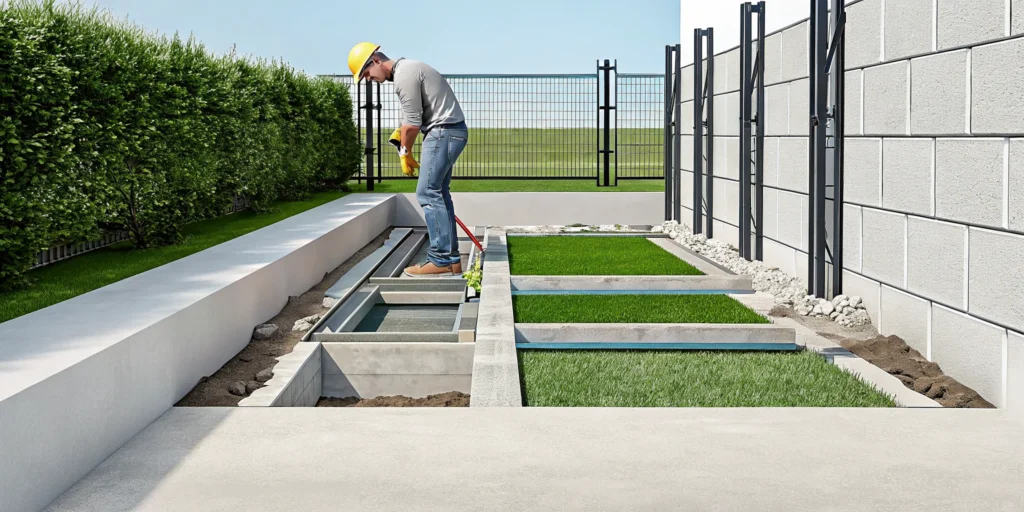
When you hear the term “foundation repair,” you might picture a massive, messy construction project. But what if you could permanently stabilize your home with minimal disruption to your yard and life? That’s the advantage of a push pier system. Think of these piers as underground stilts for your house. They are strong steel tubes that are driven deep into the earth, past the unstable soil, until they hit solid bedrock. This process transfers your home’s weight onto a stable base, providing a lasting solution to settlement. A professional push pier installation is a clean and efficient process that secures your biggest investment.
Key Takeaways
- Push Piers Offer a Permanent Foundation Fix: This method solves settlement issues for good by bypassing weak surface soil and anchoring your home to stable ground deep below. It addresses the root cause of the problem, not just the symptoms you see.
- Recognize the Telltale Signs of Settlement: Be aware of key indicators like stair-step cracks in brick, sloping floors, and doors or windows that suddenly stick. These are important clues that your home’s foundation needs a professional evaluation.
- Expert Installation is Both Efficient and Crucial: The installation process is surprisingly quick and involves minimal disruption to your yard. However, the long-term success of the repair depends entirely on the skill of the installer, making it essential to choose a qualified professional.
What Are Push Piers and How Do They Work?
If you’ve noticed signs of a settling foundation, you might feel a bit overwhelmed by the potential solutions. One of the most reliable and common methods we use is a push pier system. Think of push piers as underground stilts for your home. They are strong, steel pipes that are hydraulically driven through the unstable soil beneath your house until they hit solid, load-bearing ground or bedrock.
Once these piers are firmly in place, they are connected to your foundation with heavy-duty steel brackets. This process effectively transfers the weight of your home off the weak soil that’s causing it to sink and onto the stable piers. The result is a permanently stabilized foundation. In many cases, this system even allows us to lift your home back toward its original position, correcting issues like sticking doors and sloped floors. It’s a powerful and precise method for providing long-term support and giving you peace of mind about your home’s structural integrity. This is a core part of our foundation repair services.
How They Stabilize Your Foundation
Push piers, sometimes called resistance piers, use a straightforward and brilliant concept: they leverage the weight of your house to drive the piers into the ground. During installation, a hydraulic ram is mounted to a bracket attached to your foundation. The ram then pushes the steel pier sections into the earth one by one. Because the ram is pushing against the weight of your home, the piers are driven until they reach soil that is strong enough to support that weight without budging. This process is repeated at multiple points around your foundation, creating a solid, underlying support system that stops settlement in its tracks. The installation is simple and requires minimal heavy equipment, which means less disruption to your yard and daily life.
The Components of a Push Pier System
A push pier system is made up of a few key, high-strength components working together. First, you have the pier sections themselves. These are sections of round, galvanized steel pipe, typically around three inches in diameter, that are driven deep into the ground. Next is the foundation bracket. This is a heavy-duty steel bracket that we securely attach to your home’s concrete footing. It’s the critical link between the pier and your house. Finally, a powerful hydraulic ram is used during the installation process to push the pier sections into the soil. Once the piers are in place, the bracket is used to transfer the load, securing your foundation for good. You can see examples of these systems in photos from our work on homes across the Dallas area.
Signs You Might Need Push Piers
Your home has a way of telling you when something isn’t right. Those subtle shifts and changes you might notice, like a door that suddenly sticks or a new crack in the drywall, can be early warnings of foundation trouble. When your foundation begins to settle, it creates a ripple effect of problems throughout your house, from the floors to the ceilings. This isn’t just about aesthetics; it’s about the long-term stability of your entire home. Recognizing these signs is the first step toward fixing the issue for good and protecting your biggest investment.
Push piers are a proven and effective solution for foundation settlement, designed to transfer your home’s weight from unstable soil to solid, load-bearing ground deep below. But how do you know if they’re the right fix for your situation? It starts with learning to spot the key indicators around your property. Let’s walk through the most common signs that point to a settling foundation and what they really mean for your home’s structural health. These aren’t just cosmetic quirks; they’re important clues that your home’s base needs professional support before minor issues become major repairs.
Telltale Signs of a Settling Foundation
One of the most common red flags is the appearance of new cracks in your walls, especially those that run diagonally or in a stair-step pattern along brick or drywall. You might also notice that your floors have started to slope or feel uneven underfoot. This happens when a portion of your home’s foundation sinks into the soil, pulling the structure down with it. This process, known as foundation settling, can be caused by the expansive clay soils common in the Dallas area. Paying attention to these early clues can help you address the problem before it gets worse.
What Cracks, Gaps, and Sticking Doors Mean
If you’ve been struggling with doors that won’t latch or windows that are suddenly difficult to open, it’s not just an annoyance; it’s a symptom of foundation movement. As your foundation settles unevenly, it twists and strains your home’s frame. This distortion is what causes doors and windows to stick. You might also see gaps forming around window sills or where the walls meet the ceiling. These issues are clear signs that the weight of your house is no longer evenly distributed, putting stress on the entire structure and signaling a deeper problem that requires a professional evaluation.
A Step-by-Step Guide to Push Pier Installation
Seeing your home’s foundation get repaired can feel like a major undertaking, but understanding the process can make it much less intimidating. When you work with a professional team, the installation of push piers is a systematic and efficient process designed to permanently stabilize your home. We handle every detail with care, ensuring the job is done right from start to finish. Let’s walk through the five main steps so you know exactly what to expect when we arrive at your property.
Step 1: Preparing the Site
Before we can install any piers, we need to access your home’s foundation footing. Our crew starts by carefully excavating small, targeted areas right next to your foundation where the piers will be placed. We make sure to keep these sections as neat and contained as possible to minimize disruption to your landscaping and daily life. This preparation creates a clean and safe workspace, allowing us to expose the footing and get it ready for the next step in the foundation repair process. Proper site prep is the literal groundwork for a successful and lasting repair.
Step 2: Attaching the Foundation Brackets
With the footing exposed, we attach heavy-duty steel brackets directly to it. Think of these brackets as the crucial link between your home and the support system we’re about to install. Each bracket is positioned strategically and secured tightly, creating a solid anchor point that won’t budge. This ensures that when the piers are driven into the ground, they are perfectly aligned to transfer the weight of your home. The quality and precise placement of these brackets are essential for the long-term success and stability of the entire pier system.
Step 3: Driving Piers to Stable Ground
Now for the main event. Using a powerful hydraulic ram, we drive high-strength steel pier sections through the foundation bracket and deep into the earth. We continue driving section after section until the piers hit stable, load-bearing soil or bedrock far beneath the unstable surface soil. This is how we bypass the problematic soil that caused the settlement in the first place. Our team monitors the pressure readings throughout this process to confirm when the piers have reached solid ground capable of supporting your home for years to come.
Step 4: Lifting and Securing the Foundation
Once the piers are firmly anchored in stable soil, the weight of your home is carefully transferred from the unstable soil to the pier system. At this point, we can often lift the structure back toward its original position, helping to close cracks in your brick and drywall and realign sticking doors and windows. The lift is performed slowly and methodically to ensure a safe and uniform result across the entire foundation. After the lift and stabilization are complete, the piers are permanently secured to the brackets, locking in the repair.
Step 5: Restoring Your Property
The final step is to clean up and restore your property. Our crew removes all the hydraulic equipment and carefully backfills the soil around the foundation, leaving your yard looking neat and tidy. We take pride in our work and always aim to leave your property in great condition, with the only lasting evidence of our visit being a stable, secure foundation. You can see examples of our clean and professional work on completed projects. We treat your home with the respect it deserves from start to finish.
The Benefits of Using Push Piers
When you discover a problem with your home’s foundation, you want a fix that lasts. You’re not looking for a temporary patch, but a genuine, long-term solution that gives you peace of mind. That’s where push piers come in. This proven method offers a reliable way to stabilize your home for good. Beyond just fixing the problem, the installation process is designed to be as stress-free as possible for you as a homeowner. Let’s walk through some of the biggest advantages of choosing a push pier system for your foundation repair.
Get a Permanent, Stable Solution
One of the best things about push piers is that they offer a permanent solution to foundation settlement. Instead of just addressing the symptoms, they tackle the root cause. Push piers work by transferring the weight of your house from the unstable soil near the surface to solid, stable ground or bedrock deep below. This process effectively bypasses the shifting soils that caused the problem in the first place. By anchoring your home to a reliable load-bearing stratum, push piers provide a lasting fix that prevents future settling and keeps your foundation secure for years to come.
Experience Minimal Disruption to Your Property
The thought of a major construction project at your home can be daunting, but push pier installation is surprisingly low-impact. The process uses small, portable equipment that can fit into tight spaces, so there’s no need for large, destructive machinery tearing up your yard. Installation requires very little digging, and since no concrete is needed, the mess is kept to a minimum. This means your landscaping, patio, and daily routine face minimal disruption. We pride ourselves on leaving your property looking great, as you can see from our work on other homes in the Dallas area.
Solve Deep Foundation Issues Effectively
Some foundation problems are deeper than they appear. The expansive clay soils common in our area can cause issues that shallow repair methods just can’t solve. Push piers are designed to reach deep into the earth, often between 25 to 60 feet, until they hit solid bedrock or stable soil. This depth is key to their effectiveness. By securely anchoring your foundation far below the volatile surface layers, push piers ensure your home’s weight is supported by ground that won’t shift or settle over time. It’s a reliable and powerful solution for even the most challenging foundation issues.
Is a Push Pier System Right for Your Home?
Deciding on the right foundation solution can feel overwhelming, but understanding a few key factors can make the choice much clearer. Push piers are an excellent, long-term fix for many homes, but their effectiveness depends on your property’s specific characteristics. Your home’s weight, the type of soil it sits on, and even the amount of space around your foundation all play a part in determining if push piers are the best fit for you. Let’s walk through what makes a home a good candidate for this reliable repair method.
Factoring in Your Home’s Structure
Push piers are designed as a permanent foundation repair solution for homes that are sinking or settling. The installation process cleverly uses the weight of your house to work. A hydraulic ram presses steel piers deep into the ground, and your home’s own weight provides the necessary force. Because of this, push piers are most effective for heavier structures. If your home has a substantial frame and foundation, it likely has the weight needed to drive the piers to the stable soil or bedrock required for a lasting fix. This makes them a go-to choice for providing permanent stability to a settling home.
How Soil Conditions Play a Role
The soil beneath your home is a huge factor in foundation stability, especially in the Dallas area where expansive clay is common. Push piers are specifically designed to bypass weak or unstable upper soil layers. The steel tubes are driven deep into the earth until they hit a solid, load-bearing stratum, like bedrock or dense, stable soil. They can even push through thin layers of rock to reach a truly solid base underneath. This ensures that your foundation is supported by something that won’t shift or shrink, providing a reliable and permanent solution regardless of the problematic soil near the surface.
Installing Piers in Hard-to-Reach Areas
One of the biggest practical advantages of push piers is their versatility, even on properties with limited space. If your home is close to your neighbor’s, or if you have extensive landscaping you want to preserve, this system is a great option. The installation uses small, portable equipment that can be brought into tight areas without heavy machinery tearing up your yard. The process requires minimal excavation at each pier location and doesn’t involve pouring concrete, which means less mess and disruption to your daily life. You can see examples of our tidy and efficient work in our project gallery.
How Push Piers Compare to Other Methods
When it comes to foundation repair, there isn’t a one-size-fits-all solution. The best method for your home depends on factors like its weight, the soil underneath it, and the specific type of foundation issue you’re facing. Push piers are an excellent, reliable option, but it’s helpful to see how they stack up against other common repair methods. Understanding the differences can help you feel more confident when discussing your options with a professional. Let’s look at how push piers compare to two other popular choices: helical piers and concrete piers.
Push Piers vs. Helical Piers
Think of push piers and helical piers as two different tools for the same job: stabilizing your home. The main difference is how they get into the ground. Push piers are hydraulically driven, or pushed, into the soil using the weight of your house as resistance until they hit solid, stable ground. This makes them incredibly effective for heavier structures. Helical piers, on the other hand, are screwed into the ground like a giant corkscrew. Their screw-like plates give them great grip, making them a versatile choice for lighter structures or trickier soil conditions where pushing isn’t ideal.
Push Piers vs. Concrete Piers
Concrete piers are a more traditional method of foundation repair. This process involves excavating large holes, pouring concrete, and waiting for it to cure before it can support your home. While effective, it’s a more labor-intensive and disruptive process. Push piers offer a more modern approach. They are installed with minimal digging and can be loaded immediately, which means the project is completed much faster and with less mess on your property. We often recommend push piers when the stable, load-bearing soil is very deep, as they can be driven far beneath the unstable surface layers to provide lasting support.
What to Expect During the Installation
When you decide to move forward with foundation repair, it’s natural to wonder what the installation process will look like. You want to know how long it will take and how much it will affect your daily life. We get it. Our goal is to make the repair process as smooth and straightforward as possible, so you can get back to enjoying your home.
Understanding the Project Timeline
One of the first questions homeowners ask is, “How long will this take?” The good news is that push pier installation is a relatively quick process. While every project is unique, most installations are completed in just a few days. The timeline depends on factors like the number of piers needed and the specific conditions of your property. The process involves some minor excavation around your foundation to place each pier. From there, we drive the piers deep into the ground until they reach stable soil. This method provides a reliable and long-lasting solution to settling issues, making the short installation time a fantastic benefit for your foundation repair project.
How We Minimize Disruption to Your Day
We know the thought of heavy equipment and a torn-up yard can be stressful. That’s why we use small, portable equipment that allows us to install push piers quickly, even in tight spaces. Because the process requires minimal digging and no concrete, we can keep the mess to a minimum. Our team takes great care to protect your landscaping and property throughout the installation. We focus on getting the job done efficiently and cleaning up thoroughly afterward, leaving your home secure and your yard looking great. You can see examples of our clean and professional job sites in our work gallery.
How to Choose a Push Pier Installer
Choosing the right contractor for your push pier installation is just as important as the solution itself. Let’s be honest, foundation repair is a significant investment in your home’s safety and value. You want to be sure that investment is protected by hiring a team that gets it right the first time. Since push piers are a permanent fix, the skill of the installer directly determines the long-term success of the project. This isn’t a job for a general handyman; it requires specialized knowledge to ensure the piers are driven correctly and your home is properly stabilized for good.
Here in the Greater Dallas area, our expansive clay soil presents unique challenges. It shrinks and swells dramatically with moisture changes, which is often the root cause of foundation settlement. A qualified contractor will have deep experience working with these specific conditions. They’ll understand how to assess the soil and drive the piers to a stable depth that won’t be affected by seasonal shifts. Think of it this way: the entire weight of your home will rest on these piers. Precision is everything. A professional installer will have the right hydraulic equipment to handle the job efficiently, even in tight spaces, and will conduct a thorough assessment to confirm push piers are the best solution for your home. Making the right choice upfront saves you from the stress and expense of failed repairs down the line.
Why Professional Installation Is Key
When it comes to something as critical as your home’s foundation, professional installation is non-negotiable. A trained crew understands the complexities of foundation repair and knows how to accurately assess your property and the soil beneath it. They begin by excavating small, targeted areas around your foundation, minimizing disruption to your landscaping.
From there, they use hydraulic equipment to drive the steel piers deep into the earth until they hit solid, load-bearing soil or bedrock. This process requires precision and an understanding of engineering principles to ensure each pier can support the weight of your home. An experienced team ensures the job is done safely, correctly, and permanently, giving you confidence that your home is secure for years to come.
Questions to Ask Your Foundation Repair Contractor
Before you sign a contract, it’s smart to have a few key questions ready. The answers will tell you a lot about a company’s experience and approach. Choosing the right team can feel overwhelming, but asking direct questions makes all the difference.
Start with these:
- What is your process for evaluating my home’s specific foundation issues?
- Do you have experience with different types of piers, like helical and push piers, and why is one better for my situation?
- Are you licensed and insured in Texas?
- Can you provide a clear, itemized estimate and explain the costs?
- What kind of warranty do you offer on your work and the materials used?
A trustworthy contractor will be happy to walk you through their process and provide clear answers. When you’re ready, you can ask our team for a free estimate and we’ll gladly answer all your questions.
Related Articles
- Pier & Beam Foundation Repair: Signs, Costs & Fixes
- Ultimate Guide to Foundation Repair Options
- What Are Helical Piles? The Ultimate Guide
- Foundation Repair Cost: The Ultimate 2026 Guide
Frequently Asked Questions
How long will the push pier installation take from start to finish? While every home is different, most push pier projects are completed in just a few days. The exact timeline depends on a couple of factors, like how many piers your home needs for proper support and how easily we can access the foundation. Our team works efficiently to get the job done right so you can get back to your normal routine as quickly as possible.
Will the installation process damage my landscaping or yard? We understand how much your home’s curb appeal matters, and we take great care to protect it. The installation process is designed to be low-impact. We only need to dig small, manageable sections right next to your foundation to place each pier. We use portable equipment that won’t tear up your lawn, and once the job is done, we backfill the excavated areas and clean up the site thoroughly.
Are push piers truly a permanent fix for my foundation? Yes, they are designed to be a permanent solution. The reason they are so effective is that they address the root of the problem. Instead of trying to fix the unstable soil near the surface, push piers bypass it completely. By driving the steel piers deep into the ground until they hit solid bedrock or stable soil, we transfer the weight of your home onto a foundation that will not shift or settle again.
How do I know if push piers are the right choice over something like helical piers? The best solution really depends on your home’s specific situation. Push piers are an excellent choice for heavier homes because the installation process uses the structure’s own weight to drive the piers to stable ground. Helical piers, which are screwed into the ground, are often better suited for lighter structures or new construction. A professional evaluation is the best way to determine which system will provide the most effective, long-term support for your property.
What does the cost of a push pier system depend on? The final cost of a push pier system is based on the unique needs of your home. The primary factors include the total number of piers required to properly stabilize the foundation and the depth we need to drive them to reach solid, load-bearing soil. The accessibility of the work area can also play a role. The best way to get an accurate figure is to schedule a free, no-obligation estimate with our team.