
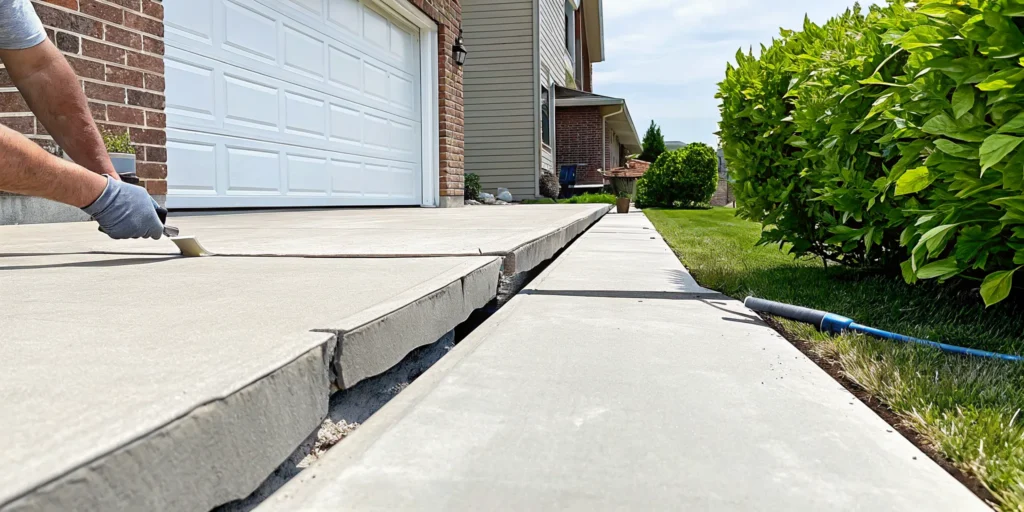
A crack in your driveway is more than just an eyesore; it’s a symptom of an underlying issue. The ground beneath your concrete is constantly affected by factors like water drainage, soil movement, and extreme temperatures. Simply filling the crack without addressing the root cause is like putting a bandage on a broken bone. To achieve a permanent fix, you have to know what you’re up against. We’ll explore the hidden forces that damage driveways and explain how a proper cracked concrete driveway repair addresses these core problems, ensuring a stable and long-lasting solution for your home.
Key Takeaways
- Read the cracks to understand the real problem: The type of crack tells a story about your driveway’s health; fine, web-like cracks are usually surface-level, while wide gaps or uneven slabs are red flags for deeper issues like unstable soil.
- Know when to DIY and when to call for help: You can handle hairline cracks with a simple sealant from the hardware store, but if a crack is wider than a half-inch or the concrete is sinking, it’s time for a professional assessment to fix the underlying cause.
- Proactive maintenance is your best defense: To prevent future damage, focus on simple upkeep. Ensure water drains away from your driveway, inspect it twice a year for new issues, and apply a protective sealer every few years to shield it from the elements.
Why Do Concrete Driveways Crack?
Seeing a crack appear in your concrete driveway can be frustrating, but it’s a surprisingly common issue for homeowners. Concrete is a durable material, but it’s not indestructible. Over time, a combination of environmental factors and physical stress can lead to cracks, ranging from tiny hairline fractures to large, problematic gaps. Understanding what’s causing the damage is the first step toward finding the right solution.
Most driveway cracks don’t happen overnight. They’re usually the result of underlying issues that have been developing for a while. Factors like the intense Texas heat, soil movement, and even the weight of the vehicles you park on it can contribute to the problem. Let’s look at the most common culprits behind a cracked concrete driveway.
How Temperature and Weather Play a Role
Here in the Dallas area, we’re no strangers to extreme temperatures. That constant swing between scorching summer heat and chilly winter days has a direct impact on your driveway. Concrete, like many materials, expands when it gets hot and shrinks when it gets cold. This process is called thermal expansion and contraction. While the movement is tiny, it happens day after day, year after year. This constant, subtle shifting creates stress within the concrete slab. Eventually, that built-up tension has to go somewhere, and it’s often released in the form of a crack. It’s a slow process, but one that almost every driveway faces.
The Impact of Water and Poor Drainage
Water is one of the biggest enemies of a healthy driveway. When your property has poor drainage, rainwater can pool on or around the concrete, leading to trouble. First, water can seep underneath the slab and erode the soil base that supports it. This creates empty pockets, leaving sections of your driveway unsupported and vulnerable to cracking under weight. Second, water can get into existing tiny cracks. During a freeze, that trapped water expands, forcing the crack to become wider and deeper. This freeze-thaw cycle can turn a minor issue into a major problem, which is why effective concrete repair often involves addressing drainage.
When Heavy Loads Are Too Much
Your driveway is designed to handle the weight of typical passenger cars, but it has its limits. Consistently parking very heavy vehicles, like a large work truck, an RV, or a boat, can put too much stress on the concrete slab. The occasional delivery or garbage truck is usually fine, but repeated, concentrated weight can cause stress fractures. This is especially true if the soil base underneath wasn’t compacted properly when the driveway was first installed. The extra weight presses down on unsupported areas, and the concrete is forced to bend until it eventually breaks and cracks.
How Shifting Soil Affects Your Driveway
The ground beneath your driveway is its foundation. If that ground moves, so will the concrete on top of it. In North Texas, we have expansive clay soil that swells up like a sponge when it’s wet and shrinks dramatically when it dries out. This constant cycle of expansion and contraction puts enormous pressure on the rigid concrete slab above, causing it to heave, settle, and crack. This is the same force that can cause serious foundation repair issues for homes in our area. If the soil wasn’t properly prepared and compacted before the concrete was poured, it can also settle over time, leading to a lack of support and inevitable cracking.
How to Identify Different Types of Driveway Cracks
Not all driveway cracks are created equal. Before you can figure out the right fix, you need to play detective and identify what kind of crack you’re dealing with. Some are minor cosmetic flaws that you can easily address, while others are red flags signaling deeper issues with the soil beneath your driveway. Understanding the difference is the key to a lasting repair. A quick visual inspection can tell you a lot about what’s happening with your concrete and whether it’s a simple weekend project or a job for a professional.
Spotting Hairline and Crazing Cracks
Have you noticed a network of fine, shallow cracks that look like a spiderweb on your driveway’s surface? You’re likely looking at crazing or hairline cracks. These are very common and are usually just a surface-level issue, not a sign of a serious structural problem. Think of them as cosmetic imperfections. They often appear as the concrete ages and weathers. While they don’t typically threaten the integrity of your driveway, it’s a good idea to seal them to prevent water from seeping in and making them larger over time, especially during freeze-thaw cycles.
Recognizing Settlement and Heaving Cracks
Settlement and heaving cracks are signs that the ground underneath your driveway is moving. If you see cracks where one side is lower than the other, you’re probably dealing with settlement. This happens when the soil beneath the slab erodes or compacts, causing the concrete to sink and crack under its own weight. Heaving is the opposite: the ground pushes a section of the slab upward. This is often caused by expanding clay soils, which are common in the Dallas area, or invasive tree roots. These cracks are more serious because they point to an unstable base, which could affect your home’s foundation.
Understanding Expansion and Contraction Cracks
Concrete naturally expands in the heat and contracts in the cold. Expansion and contraction cracks are the result of this movement. These cracks are usually uniform in width and tend to run in straight lines, often across the entire width of a concrete slab. You might see them form in the control joints that were cut into the driveway for this exact purpose, but sometimes they appear elsewhere. While they are a normal part of a concrete driveway’s life, it’s important to seal them. An unsealed crack allows water to get underneath the slab, which can wash away the soil and lead to more significant problems.
Dealing with Wide Structural Cracks
If you have cracks in your driveway that are wider than a half-inch, it’s time to pay close attention. These large, deep cracks are often a sign of a significant structural problem. They can be caused by a poorly prepared sub-base, heavy vehicle loads, or serious soil settlement. Ignoring them is not an option, as they will only get worse and can allow a large amount of water to penetrate the base, leading to further erosion and damage. For cracks this severe, a DIY patch job won’t cut it. You’ll need a professional concrete repair expert to assess the underlying cause and recommend the right solution.
What You’ll Need for Concrete Crack Repair
Getting ready for a DIY concrete repair project is a lot like cooking a new recipe. Having all your ingredients and tools laid out before you start makes the whole process smoother and gives you a much better result. Before you begin patching up those cracks, let’s walk through exactly what you’ll need to get the job done right. We’ll cover the best materials for different types of cracks, the essential tools you should have on hand, and how to stay safe while you work. A little preparation goes a long way in achieving a repair that lasts.
Choosing the Right Repair Materials
Picking the right material is the key to a durable fix. You’ll generally be looking for a concrete crack filler, sealant, or patching compound. For flat surfaces like most driveways, a self-leveling sealant is fantastic because it settles into the crack for a smooth finish. If you’re working on a sloped area, you’ll want a non-sag sealant that stays put. For any cracks deeper than half an inch, grab a foam backer rod. You can press this flexible rod into the crack before applying the sealant. It provides a solid base for the filler and saves you from using an entire tube of sealant on one deep crack. Getting the materials right is the first step in effective concrete repair.
Your Essential Tools and Equipment
You don’t need a professional-grade workshop, but a few key tools will make this job much easier. Start with a stiff wire brush and a hammer and chisel to clean out any loose debris and widen hairline cracks slightly so the filler can get in. A caulk gun is a must-have for applying sealant smoothly and evenly. You’ll also want a trowel or putty knife to smooth over the patching compound. For the cleanup stage, a shop vacuum or a leaf blower works wonders for getting rid of dust and small bits of concrete. Having these basic tools ready ensures you can work efficiently and achieve a clean, professional-looking finish, much like the results you can see in our work.
How to Prepare and Stay Safe
Proper prep work is non-negotiable for a repair that holds up. Before you even think about opening a sealant tube, you need to clean the cracks thoroughly. Any dirt, weeds, or loose concrete left behind will prevent the filler from bonding correctly. Use your wire brush to scrub the inside of the crack, then vacuum or blow out all the debris. For stubborn grime, a pressure washer can be very effective. While you’re working, always protect yourself. Wear safety glasses, especially when chipping concrete or pressure washing, to shield your eyes from flying debris. A good pair of work gloves will protect your hands from scrapes and harsh chemicals. If the job feels too big, don’t hesitate to contact us for a free estimate.
A Step-by-Step Guide to Repairing Driveway Cracks
Ready to tackle those smaller driveway cracks yourself? With the right tools and a little patience, you can handle minor repairs and prevent them from turning into bigger problems. This guide will walk you through the process, step by step, so you can feel confident in your work. Before you begin, it’s important to assess the situation. This DIY approach is best for hairline cracks or small, non-structural issues that haven’t caused the concrete slabs to shift or become uneven. Think of it as preventative maintenance to keep small problems from escalating.
If you’re looking at wide, deep cracks, or if one side of the crack is higher than the other, it’s likely a sign of a deeper problem with the soil or foundation beneath. In those cases, simply filling the crack is like putting a bandage on a broken arm; it won’t solve the underlying issue. For these more complex jobs, you’ll need professional concrete repair to ensure the fix is permanent and addresses the root cause. Our team has seen it all and can determine if the issue is simple settlement or something more serious. But for those straightforward fixes you can handle on a weekend, let’s get started.
Step 1: Clean and Prepare the Crack
The first and most important step is to thoroughly clean the crack. A clean surface ensures your repair material will stick properly and create a strong, lasting bond. Start by using a wire brush to scrub out any loose concrete, dirt, weeds, or old sealant. A screwdriver or chisel can help dig out stubborn debris. Once you’ve loosened everything, use a shop vac or a powerful hose nozzle to clear it all out. For a truly clean slate, you can use a concrete cleaner and a stiff brush. If the crack is very deep, fill it with sand, leaving about a quarter-inch of space from the top for the filler.
Step 2: Use a Backer Rod for Deeper Cracks
For cracks that are wider than a quarter-inch and deeper than a half-inch, a foam backer rod is your best friend. This flexible foam rope is designed to be pressed into the crack before you apply the sealant. It serves two key purposes: it creates a solid base for the filler to sit on, and it saves you money by reducing the amount of sealant you need to use. Simply choose a backer rod that’s slightly wider than the crack and use a screwdriver to gently push it into place. You’ll want it to sit about a quarter-inch below the driveway surface to leave room for the sealant.
Step 3: Apply Your Crack Filler or Sealant
Now it’s time to fill the crack. There are many concrete crack fillers and sealants available, so be sure to choose one that’s right for your driveway and climate. Always read and follow the manufacturer’s instructions, as application methods can vary. For most sealants that come in a tube, you’ll use a caulk gun to apply a steady bead into the crack. Fill the crack completely, making sure the sealant makes good contact with both sides. Try to apply just enough to slightly overfill the crack, which will account for any settling as it dries.
Step 4: Smooth and Cure the Repaired Area
With the crack filled, the final step is to create a smooth, seamless finish. Use a small trowel or a putty knife to smooth the surface of the sealant, making it level with the rest of the driveway. For a textured finish that blends in better with the surrounding concrete, you can sprinkle a little sand over the wet sealant. Now comes the hardest part: waiting. The repaired area needs time to cure properly. Check the product label for specific drying times, but plan on keeping foot and vehicle traffic off the driveway for at least 24 to 72 hours. This patience ensures your repair will be durable and long-lasting.
Matching the Repair Method to the Crack Size
Not all concrete cracks are created equal, so it makes sense that they don’t all use the same repair method. The size and depth of the crack in your driveway will determine the best approach and materials for the job. Using the wrong product on the wrong type of crack can lead to a temporary fix that fails quickly, forcing you to do the work all over again.
For small, superficial cracks, a simple sealant might be all you need. As cracks get wider and deeper, you’ll need to move on to more robust patching compounds. And for widespread, significant damage, it’s often a sign of a bigger issue that a simple patch won’t solve. Let’s walk through which repair is right for your situation so you can get it right the first time.
Using Sealant for Hairline Cracks
Hairline cracks are those tiny, shallow fissures that are usually less than a half-inch wide. They’re often the first sign of wear and are perfect for a straightforward DIY repair. To get started, you’ll need to clean all the dirt and debris out of the crack with a wire brush and a cleaner. If the crack is a bit deep, you can fill it with sand until it’s about a quarter-inch from the surface. This helps you use less sealant. From there, apply a flexible concrete crack sealant according to the manufacturer’s directions, adding layers if needed to create a smooth, level surface.
Applying Patching Compound for Wider Cracks
When you’re dealing with cracks that are wider than a half-inch, you’ll need a bit more support. For these larger gaps, it’s a good idea to insert a foam backer rod into the crack first. This flexible rod provides a solid base for the filler and reduces the amount of patching compound you’ll need to use. Once the backer rod is in place, you can apply a concrete patching compound or a heavy-duty sealant. If your driveway is flat, a self-leveling sealant works great because it settles into a smooth finish on its own. For sloped areas, choose a non-sag formula that will stay put.
When to Consider Professional Resurfacing
If you see cracks wider than a half-inch, or if your driveway shows signs of heaving, crumbling, or sinking, it’s time to step back from the DIY aisle. These issues often point to deeper problems, like unstable soil or poor drainage, that a simple filler can’t fix. Attempting to patch major damage might only hide the problem temporarily. In these cases, professional concrete repair is your best bet. An expert can assess the root cause of the damage and determine if resurfacing or another structural solution is needed to ensure a safe, stable, and long-lasting driveway.
When Is It Time to Call a Professional?
While tackling home repairs yourself can be satisfying, some jobs are best left to the experts. When it comes to your driveway, what looks like a simple crack can sometimes be a symptom of a much larger issue. Knowing when to put down the caulk gun and pick up the phone is crucial for protecting your property’s value and safety. If you’re seeing more than just a few minor blemishes on your concrete, it might be time to get a professional opinion.
Think of it this way: a small, isolated crack is like a minor cold, but widespread, deep cracks could be a sign of a more serious condition that needs a specialist. Ignoring these warnings can lead to more extensive and expensive damage down the road. A professional can accurately diagnose the root cause of the problem, ensuring the fix is permanent and not just a temporary patch.
Red Flags That Signal You Need an Expert
Certain signs are clear indicators that your driveway needs more than a simple DIY fix. If you notice cracks wider than half an inch, it’s a major red flag. These larger gaps often point to significant ground movement or water issues beneath the slab that a simple filler can’t solve. Also, pay attention to the number of cracks. A web of interconnected cracks, or cracks that seem to be growing longer or wider, suggest the problem is active and worsening. When you see these issues, it’s time to call for professional concrete repair. An expert can determine the cause and apply a solution that addresses the core problem, not just the surface-level symptom.
Addressing Complex Foundation Issues
Sometimes, your driveway’s problems are actually coming from below. If you see sections of your driveway that are heaving upward, sinking, or crumbling, you’re likely dealing with an unstable foundation. These are not just concrete problems; they are soil problems. The expansive clay soil common in the Dallas area can swell and shrink dramatically, putting immense pressure on the slabs above. This kind of damage requires a specialist who understands how to stabilize the ground. Ignoring these signs can put the structural integrity of your garage and even your home at risk. A thorough evaluation is the only way to know if you need serious foundation repair to solve the issue for good.
Weighing the Costs: DIY vs. Professional Repair
It’s natural to worry about the cost of professional repairs, but it’s important to look at the bigger picture. Patching a few cracks yourself is inexpensive, but it won’t solve an underlying issue. The good news is that professional repair is almost always more cost-effective than a full replacement. Tearing out and repouring an entire driveway can be a massive expense. Investing in a professional repair now can save you from that much larger bill later. Think of it as a smart investment in your home. We can help you understand exactly what you’re facing by providing free estimates that outline the problem and the solution, so you can make an informed decision without any pressure.
How to Prevent Future Driveway Cracks
Once you’ve repaired the cracks in your driveway, the last thing you want is for new ones to appear. A little proactive maintenance can make a huge difference, protecting your investment and keeping your driveway looking great for years. These simple strategies will help you prevent future damage and avoid more extensive repairs down the line.
Manage Water with Proper Drainage
Water is one of the biggest culprits behind driveway cracks. When water seeps underneath the concrete slab, it can erode the soil base, causing the driveway to sink and crack under its own weight. In colder months, any water that gets into tiny pores or existing cracks can freeze, expand, and turn small issues into major problems. To prevent this, take a look at your home’s drainage. Make sure your gutters and downspouts are clear and direct water away from your driveway. The ground around the slab should also slope away from it. If you notice water pooling on or near your driveway after it rains, it might be time to contact us about a professional drainage solution.
Create a Regular Maintenance Schedule
Catching problems early is key to preventing expensive repairs. I recommend inspecting your driveway at least twice a year, maybe in the spring and fall. Walk the entire length and look for any new hairline cracks, crumbling edges, or discoloration. Fixing a tiny crack as soon as you spot it stops water, dirt, and weeds from getting inside and making it worse. This simple habit helps you stay ahead of damage and extends the life of your driveway significantly. If you find a crack that seems to be growing quickly or looks deeper than the surface, it’s a good idea to schedule a professional concrete repair inspection.
Apply a Protective Sealer
Think of a concrete sealer as a shield for your driveway. This protective coating is applied to the entire surface, where it soaks in to block out water, oil, de-icing salts, and other chemicals that can weaken the concrete over time. Applying a quality sealant every few years is one of the most effective ways to prevent surface-level issues like crazing and hairline cracks from forming in the first place. It also makes your driveway easier to clean and helps it resist stains. While it’s a project you can do yourself, professional application ensures even coverage and the use of a high-quality, long-lasting product. You can see the difference it makes in some of our work.
What to Expect When You Hire a Pro
When driveway cracks go beyond a simple DIY fix, calling in a professional is the smartest move you can make. A pro doesn’t just patch the problem; they diagnose the root cause, whether it’s poor drainage, shifting soil, or something more serious. Understanding the process of hiring a contractor can make you feel more confident and in control. From the initial estimate to the final handshake, knowing what’s coming helps you choose the right team for the job.
The goal is to find a partner who will provide a lasting concrete repair solution, not just a temporary fix. A good contractor will walk you through their plan, explain why certain steps are necessary, and answer all your questions without hesitation. They should be transparent about costs, timelines, and the materials they use. This initial phase is all about gathering information so you can make an informed decision for your home.
Factors That Influence Repair Costs
The first question on most homeowners’ minds is, “How much will this cost?” The answer depends on a few key factors. The size and depth of the cracks play a big role; a few hairline fractures will cost less to repair than a driveway with wide, deep structural cracks. The type of repair needed also affects the price. Simple crack filling is less expensive than more intensive methods like slab jacking or a full resurfacing.
The underlying cause of the damage can also influence the final bill. If poor drainage is the culprit, you may need to invest in a drainage solution to prevent the problem from happening again. While this adds to the upfront cost, it saves you money on future repairs. Many companies offer financing options to help manage these expenses.
Your Free Estimate and Consultation
Any reputable concrete contractor will start with a free, no-obligation estimate. This is more than just a price quote; it’s a crucial consultation. During this meeting, an expert will visit your home to inspect the driveway thoroughly. They’ll assess the damage, identify the likely causes, and discuss the best repair methods with you.
This is your opportunity to ask questions and get a feel for the company. A good inspector will explain the proposed solution in clear, simple terms. You should receive a detailed, written estimate that breaks down the costs for labor and materials. This transparency is a hallmark of a trustworthy professional, so be sure to schedule a consultation to get the information you need.
How to Choose the Right Concrete Contractor
Choosing the right contractor is the most important step in ensuring a quality, long-lasting repair. Start by looking for a company with a strong local presence and a proven track record. A contractor familiar with the Greater Dallas area will understand the specific challenges posed by our soil and climate. Check online reviews and ask for references you can contact.
Don’t be shy about looking at their past projects. A confident contractor will be happy to show you examples of their work. Finally, make sure the company is licensed and insured. This protects you and your property throughout the repair process. Taking the time to vet your options will give you peace of mind and a beautifully restored driveway.
Related Articles
- How to Fill Large Cracks in Concrete Like a Pro
- Ultimate Guide to Foundation Repair Options
- Concrete Repair – Solid Base
Frequently Asked Questions
Is a small hairline crack really something I need to worry about? It’s smart to pay attention to even the smallest cracks. While a single hairline crack isn’t a structural emergency, it acts like an open door for water. Water can seep underneath, erode the soil, and eventually lead to bigger problems. Sealing small cracks as soon as you see them is one of the best preventative steps you can take to protect your driveway’s foundation and avoid more costly repairs later.
How can I tell if my driveway cracks are a sign of a bigger foundation issue? The key is to look for signs of movement. If you see cracks where one side is higher or lower than the other, it’s a strong indicator that the ground underneath is shifting. This is often caused by the same expansive clay soils that affect home foundations in our area. Wide cracks, crumbling edges, or sections of the driveway that seem to be sinking or heaving are also red flags that point to a problem that goes deeper than the concrete itself.
Why do so many driveways in the Dallas area seem to crack? Our local soil is a major factor. North Texas is known for its expansive clay soil, which swells up with moisture and shrinks dramatically when it dries out. This constant cycle of movement puts a lot of stress on a rigid concrete slab, causing it to shift, settle, and crack. When you add our intense summer heat, which causes concrete to expand, you have a combination of forces that makes regular maintenance and proper drainage especially important for local homeowners.
Is it more cost-effective to repair my driveway now or just wait to replace the whole thing later? Addressing problems early is almost always the more affordable path. Professional repairs that fix the underlying cause of the cracks can extend the life of your driveway for many years, and they cost significantly less than a full replacement. Tearing out and repouring an entire driveway is a major project and expense. Investing in a proper repair now protects your property and saves you from that much larger bill in the future.
I filled a crack last year, but it came back. What did I do wrong? This is a common frustration, and it usually means the initial repair didn’t address the root cause of the crack. If the ground beneath your driveway is still moving due to soil expansion or water erosion, the concrete will continue to shift and re-crack. A successful, long-term repair involves stabilizing the ground underneath. Simply filling the gap on the surface is often just a temporary cosmetic fix for a deeper structural problem.