
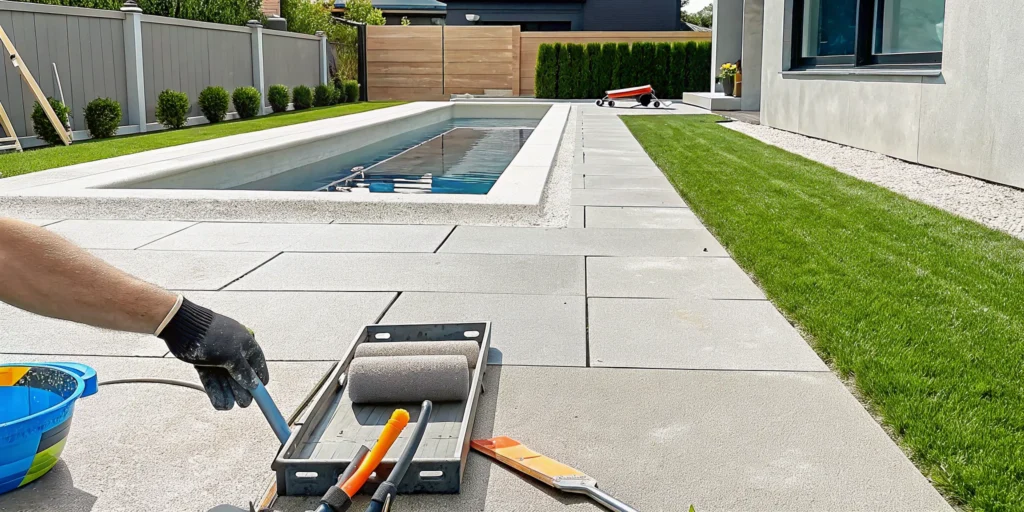
Your backyard should be an oasis, but an old, discolored pool deck can make it feel more like a project than a paradise. You want a space that looks and feels luxurious, but the thought of a massive construction bill is holding you back. This is where concrete resurfacing shines. It’s a transformative process that can give you the look of expensive stone or custom tile without the high-end price tag. You can completely customize the color, texture, and pattern to create your dream outdoor living area. Let’s connect that vision to a realistic budget by exploring the average concrete pool deck resurfacing cost and the factors that create a stunning, affordable result.
Key Takeaways
- Resurfacing is the smart financial choice: For structurally sound decks, this process provides a complete visual upgrade while costing significantly less than a total tear-out and replacement.
- Budget for more than just square footage: The final cost of your project is shaped by your deck’s size, its current condition, and the specific finish you choose, from a simple overlay to decorative stamped patterns.
- Protect your new deck with simple upkeep: Regular cleaning and having the surface resealed every three to five years are the most important steps to preserve its look and prevent damage from the elements.
What Does It Mean to Resurface a Concrete Pool Deck?
Think of concrete resurfacing as a much-needed facelift for your pool deck. It’s a process that revitalizes an old, worn-out surface without the hassle and expense of a complete tear-out and replacement. Instead of starting from scratch, resurfacing adds a new, durable layer right on top of your existing concrete. The process starts with a thorough cleaning and preparation of the old surface. Our team will then address any minor imperfections, like small cracks or spalling, to create a smooth and stable base for the new layer to adhere to properly.
Once the prep work is done, we apply a new overlay. This isn’t just a coat of paint; it’s a specially formulated cement-based coating that bonds directly with the old concrete, creating a brand-new surface that is both beautiful and long-lasting. This new layer can be customized with different colors, textures, and patterns to completely transform the look of your pool area. You can opt for a simple, clean look or go for a decorative stamped finish that mimics stone or brick. The goal is to give you a pool deck that looks brand new, feels safer underfoot, and is ready for many more seasons of summer fun. It’s an effective method of concrete repair that restores both function and style to your outdoor living space.
Why Resurface Your Pool Deck?
Resurfacing your pool deck is a smart investment for several reasons. First and foremost, it’s significantly more cost-effective than a full replacement. As long as the underlying concrete slab is structurally sound, you can achieve a fresh, new look for a fraction of the price of demolition and pouring new concrete. Beyond the savings, resurfacing enhances safety by covering up small cracks that can be trip hazards and allowing for the addition of slip-resistant textures. It also gives you a chance to update an outdated look, which can improve your home’s overall aesthetic and even increase its value. It’s a practical upgrade that delivers a big impact.
Signs It’s Time for an Upgrade
Not sure if your pool deck is a candidate for resurfacing? There are a few clear signs to look for. If your deck is covered in small, hairline cracks but is otherwise stable, resurfacing is an ideal solution. Other indicators include a faded, stained, or discolored surface that no longer looks its best. Perhaps the style is simply outdated and doesn’t match your current taste. As long as the concrete slab itself isn’t heaving, sinking, or showing signs of major structural issues, you can likely resurface it. If you see large, deep cracks or significant settling, you may need to address a deeper foundation issue first.
Budgeting for Your Pool Deck Resurfacing Project
Planning your budget is the first step toward transforming your pool area. While every project is unique, understanding the typical costs can help you set realistic expectations. Resurfacing is a fantastic way to get a fresh, new look without the expense and hassle of a full replacement. The final price tag depends on several factors, including the size of your deck, the materials you choose, and the condition of the existing concrete.
Think of it as an investment in your home’s safety and appeal. A beautifully resurfaced pool deck not only looks great but also fixes cracks and uneven surfaces that can be tripping hazards. At Solid Base, we believe in transparency, which is why we offer free estimates to give you a clear and accurate picture of the costs involved. Let’s break down what you can expect to budget for your project.
Understanding the Cost Per Square Foot
When you start getting quotes, you’ll notice that pricing is almost always calculated per square foot. On average, you can expect pool deck resurfacing to cost between $3 and $14 per square foot. A basic concrete resurfacing job is usually the most affordable option, typically falling in the $3 to $7 per square foot range. If you’re interested in more decorative finishes, like stamped patterns or custom colors, the price can go up, sometimes reaching $25 per square foot for high-end designs. This range gives you the flexibility to find a solution that fits both your style and your budget.
How to Estimate Your Total Cost
To get a rough idea of your total project cost, you’ll need to measure the square footage of your pool deck. For an average-sized deck, homeowners often spend between $2,500 and $10,000. This is a broad range, but it gives you a solid starting point for your financial planning. If your existing concrete is structurally sound with only minor cracks or discoloration, resurfacing is an excellent and cost-effective way to update its look. A professional assessment of your current deck is the best way to determine if you need any underlying concrete repair before the new surface is applied.
Resurfacing vs. Replacing: A Cost Comparison
One of the biggest questions homeowners face is whether to resurface or completely replace their pool deck. From a purely financial standpoint, resurfacing is almost always the winner. It typically costs 30% to 50% less than tearing out the old concrete and pouring a new slab. In fact, as long as the foundation of your deck is stable, resurfacing is the more economical choice in about 90% of cases. This approach not only saves you a significant amount of money but also reduces waste and shortens the project timeline, letting you get back to enjoying your pool sooner.
What Factors Drive the Final Price?
When you request a quote for pool deck resurfacing, the final number depends on several key variables. No two projects are exactly alike, which is why a professional assessment is the best way to get an accurate price. Understanding what goes into the estimate can help you plan your budget and make informed decisions about your project. Here are the main factors that will shape the cost of transforming your pool deck.
The Size and Shape of Your Deck
The most straightforward factor is the size of your pool deck. Pricing is typically calculated per square foot, so a larger deck will naturally require more materials and labor, leading to a higher overall cost. The shape of your deck also plays a role. A simple rectangular deck is easier and faster to work on than one with complex curves, multiple levels, or intricate angles. These unique designs require more detailed work and precision from the installation team, which can influence the final price.
Your Choice of Materials and Finishes
The materials you select for your pool deck resurfacing have a significant impact on the budget. A standard concrete overlay is often the most affordable option, providing a clean and durable surface. However, if you want to add specific colors, textures, or patterns, the cost will adjust accordingly. High-end finishes or specialty coatings designed for extra slip resistance or a cooler surface temperature will also be at a higher price point. During your consultation, we can walk you through the different concrete repair and resurfacing options to find one that fits your vision and budget.
The Current Condition of Your Concrete
Before any new surface can be applied, the existing concrete needs to be in good shape. If your current pool deck has extensive issues like large cracks, spalling, or significant settling, these problems must be addressed first. Proper preparation is key to a long-lasting finish, so our team will thoroughly inspect the slab and perform any necessary repairs. The extent of this prep work will be factored into your quote. A deck that is already in relatively good condition will require less preparation and, therefore, will be less expensive to resurface.
Custom Designs and Decorative Touches
This is where you can really personalize your space. If you’re dreaming of a pool deck that looks like natural stone, brick, or custom tile, stamped and decorative concrete can make it happen. These custom designs involve more artistry and labor, from applying patterns and textures to hand-staining colors for a unique look. While these decorative touches add to the cost, they also create a one-of-a-kind outdoor oasis. The complexity of your chosen design will directly influence the amount of time and materials needed for the job.
Labor and Local Market Rates
The cost of labor is a major component of your resurfacing project. This cost reflects the skill, experience, and time required to properly prepare the surface, apply the materials, and execute the final design. Hiring a team of seasoned professionals ensures the job is done right, preventing costly issues down the road. Labor rates can also vary based on the local market here in the Dallas area. At Solid Base, we pride ourselves on having an experienced team dedicated to delivering high-quality work on every project.
Project Access and Timing
Logistics can sometimes play a part in the overall cost. If your pool deck is difficult to access with equipment and materials, it may require more manual labor, which can increase the price. Additionally, it’s helpful to know that in most situations, resurfacing is a much more cost-effective solution than completely tearing out and replacing your old concrete. Resurfacing is not only lighter on your wallet but is also a faster process, meaning you get to enjoy your beautiful new pool deck much sooner.
Exploring Material Options and Their Price Points
Once you have a handle on the basics, the fun part begins: choosing the look and feel of your new pool deck. The material you select is one of the biggest factors influencing your total project cost. From simple, clean finishes to intricate, custom designs, there’s an option for every style and budget. Understanding the price points and benefits of each can help you make a choice you’ll be happy with for years to come. Let’s walk through some of the most popular choices for resurfacing your concrete pool deck.
Concrete Overlays
If you’re looking for a versatile and budget-friendly refresh, concrete overlays are an excellent choice. An overlay is a thin layer of a cement-based mixture applied over your existing concrete, covering up minor cracks and imperfections while providing a fresh new surface. A basic overlay is very affordable, typically running between $4 and $8 per square foot. If you want to add a bit more personality with colors or simple textures, you can expect the price to be closer to $6 to $12 per square foot. This makes overlays a fantastic way to get a brand-new look without the cost of a full replacement.
Stamped and Decorative Concrete
For homeowners who want a truly custom, high-end finish, stamped concrete is the way to go. This technique involves pressing molds into a fresh concrete overlay to mimic the look of more expensive materials like stone, brick, or wood planking. The design possibilities are nearly endless, with a huge variety of patterns and colors to choose from. Because this process is more labor-intensive and requires a high level of skill, it comes with a higher price tag. The complexity of your chosen design and the size of your deck will determine the final cost, but the stunning visual impact often makes it a worthwhile investment for a one-of-a-kind outdoor space.
Specialty Coatings and Textured Finishes
Beyond traditional overlays, you can also explore specialty coatings that add both style and function. For example, rubberized coatings are becoming a popular choice, especially for families with kids. This type of surface is soft underfoot and provides excellent slip resistance, adding a layer of safety around the pool. These durable coatings can last for 10 to 15 years with proper care. No matter which finish you choose, ensuring the underlying slab is in good shape is key. Professional concrete repair can address any significant cracks or settling before a new coating is applied, creating a solid base for your beautiful new deck.
Resurface or Replace? Making the Call
Deciding between resurfacing your concrete pool deck and a full replacement can feel like a huge decision. On one hand, you want a beautiful, safe surface for your family. On the other, you have a budget and timeline to consider. The good news is that the right choice is usually clear once you know what to look for. It all comes down to the current state of your concrete and your long-term goals for the space.
Think of it this way: is your pool deck just showing its age with some surface-level flaws, or are there deeper, more serious problems at play? Answering that question is the first step to making a call you’ll be happy with for years to come. Let’s walk through how to figure out the best path forward for your pool deck.
When Resurfacing Is the Smart Choice
The best way to start is with an honest assessment of your pool deck. Is it just looking a little tired and dated, or is it structurally compromised? If your issues are mostly cosmetic, like small cracks, stains, or a faded finish, resurfacing is an excellent option. As long as the underlying concrete slab is stable and in good shape, an overlay can completely transform the look and feel of your space. If you’re dealing with major cracks, significant settling, or large crumbling sections, you might be looking at a more involved concrete repair or even a full replacement.
The Advantages of Resurfacing
One of the biggest draws of resurfacing is the cost savings. It’s often significantly more affordable than tearing out the old concrete and pouring a new slab, sometimes saving you 30% to 50%. But the benefits don’t stop at your wallet. A freshly resurfaced pool deck adds real value to your property by improving its overall appearance. Modern resurfacing techniques also allow you to add texture for a non-slip finish, which is a huge safety upgrade. Plus, the new surface is sealed and protected, making it easier to clean and maintain.
Factoring in Time and Convenience
If the thought of a long, drawn-out construction project makes you cringe, you’ll love the timeline for resurfacing. While a full replacement can take weeks to complete, turning your backyard into a no-go zone, most resurfacing projects are finished in just a few days. This means less disruption to your life and more time enjoying your pool. In most cases, it’s simply more practical to work with the concrete you already have. As long as your existing base is solid, resurfacing gives you a brand-new look without the headache and extended timeline of a total replacement.
Planning for Other Potential Costs
When you’re budgeting for a pool deck resurfacing, the price of materials and labor are the main event. But a few other factors can pop up, and it’s always better to plan for them ahead of time. Thinking through the entire scope of the project, from initial prep work to final sign-offs, helps you create a more realistic budget and avoid surprises down the road. A comprehensive quote from a trusted professional will account for these variables, but it’s smart for you, as the homeowner, to understand what they are. This way, you can ask the right questions and feel confident that every angle of your project is covered from the start.
Pre-Work Preparations and Repairs
The current condition of your pool deck is a major factor in the final cost. If your concrete has significant issues like deep cracks, uneven sections, or signs of settling, these problems need to be addressed before any resurfacing can begin. Simply covering them up is a temporary fix that won’t last. A professional will need to perform the necessary concrete repair to create a stable and sound base for the new surface. This ensures your investment looks great and holds up for years to come. During your initial consultation, be sure to ask for a thorough assessment of your existing deck so any required repairs can be included in the estimate.
Necessary Permits and Fees
Depending on where you live in the Dallas area and the scale of your project, you might need a permit from your local city government. Permit requirements and fees can vary quite a bit between municipalities, so it’s not always a straightforward process. This is another area where working with an experienced local contractor pays off. They will be familiar with the specific codes and regulations in your town. A professional team can help you determine if a permit is needed and often manage the application process for you, ensuring everything is done correctly and saving you the headache of navigating the paperwork yourself.
How to Plan for the Unexpected
Even with the most careful planning, unexpected issues can sometimes arise once a project is underway. That’s why it’s a good practice to build a small contingency fund into your budget, typically around 10% of the total project cost. This buffer gives you peace of mind in case any hidden problems are discovered after the work begins. On a positive note, choosing to resurface your deck is already a great way to manage costs. In most cases, resurfacing is significantly more affordable than a full tear-out and replacement. By opting to restore your existing concrete, you’re already making a financially savvy choice that avoids the much higher expense of a complete overhaul.
How to Maintain Your Newly Resurfaced Pool Deck
Your newly resurfaced pool deck is the star of your backyard, and with a little care, you can keep it looking fantastic for years. Maintenance isn’t complicated or time-consuming; it’s just about creating a few simple habits. By staying on top of cleaning and periodic resealing, you protect your investment and ensure your pool area remains a beautiful, safe space for family and friends to enjoy. Think of it as the final step in your resurfacing project, one that keeps paying off season after season.
A well-maintained deck not only looks better but also lasts longer, preventing minor issues from turning into costly problems. The materials used in modern resurfacing are designed for durability, but they still need your help to stand up to the Texas sun, pool chemicals, and everyday foot traffic. Following a straightforward care routine will preserve the color, texture, and integrity of your deck’s new surface, making sure you get the most value out of your upgrade.
Simple Cleaning and Care Tips
Keeping your deck in top shape starts with simple, regular cleaning. Make it a habit to sweep away leaves, dirt, and other debris that can leave stains or become abrasive underfoot. A quick rinse with a garden hose every week or so can wash away pollen and grime. If you have a spill, like from sunscreen, drinks, or barbecue sauce, try to clean it up right away to prevent it from setting. For tougher spots, a gentle cleaner and a soft-bristle brush will usually do the trick. Over time, you might notice a small crack appear. It’s important to address these early, as prompt concrete repair can stop them from growing into a bigger issue.
The Importance of Regular Resealing
Think of the sealer on your pool deck as its shield. It’s a clear topcoat that protects the decorative surface from UV rays, harsh pool chemicals, salt, and moisture. While the materials used for resurfacing are tough, this sealer is what provides that frontline defense. Over time, that shield wears down. To keep your deck protected, it’s crucial to have it resealed every three to five years. This simple, periodic maintenance step restores its protective layer, revitalizes its appearance, and is one of the most effective things you can do to extend the life of your resurfaced deck. It’s a small task that prevents much larger headaches down the road.
Protecting Your Investment for Years to Come
You chose to resurface your pool deck because it’s a fantastic way to get a high-end look without the cost and hassle of a full replacement. Following these simple maintenance guidelines is how you protect that smart investment. A little bit of cleaning and timely resealing ensures your deck continues to add beauty and value to your home for many years. It’s about enjoying your beautiful outdoor space with peace of mind, knowing it’s built to last. When you work with an experienced team, you’re not just getting a new surface; you’re getting a partner dedicated to quality work and long-term results. You can learn more about our commitment to helping Dallas-area homeowners.
Related Articles
Frequently Asked Questions
How long does the resurfacing process usually take? One of the best parts of resurfacing is that it’s a relatively quick project. While a full replacement can disrupt your backyard for weeks, most resurfacing jobs are completed in just a few days. The exact timeline depends on the size of your deck, the amount of prep work needed, and of course, the weather. We work efficiently to give you a beautiful new space with minimal downtime so you can get back to enjoying your pool.
Can resurfacing fix major cracks in my pool deck? Resurfacing is fantastic for covering up hairline cracks and minor surface imperfections. However, it is not a solution for deep, structural cracks or significant settling. Those issues point to a problem with the underlying concrete slab that must be addressed first. Our team will always perform a thorough inspection to identify any necessary concrete repairs to ensure the base is stable before applying a new surface.
How long can I expect my newly resurfaced deck to last? A professionally resurfaced pool deck is a durable, long-term investment. With proper care, you can expect your new surface to last for 10 years or even longer. The key to its longevity is maintenance, which mainly involves regular cleaning and having the surface resealed every three to five years. This simple step protects it from the sun and pool chemicals, keeping it in great condition.
Will a resurfaced deck be slippery when it’s wet? Safety is a top priority around any pool, and we take that very seriously. Many modern resurfacing materials are specifically designed to be slip-resistant. During the application process, we can incorporate textures that provide excellent grip underfoot, even when the surface is wet. This makes a resurfaced deck a much safer option than old, smooth, or worn-out concrete.
Is resurfacing a good option if my concrete is just old and stained, but not cracked? Absolutely. This is one of the most common reasons homeowners choose to resurface their pool decks. If your concrete is structurally sound but looks faded, stained, or just plain dated, resurfacing is the perfect way to give it a complete makeover. It allows you to cover up years of wear and tear and create a fresh, clean, and uniform look for a fraction of the cost of a full replacement.