
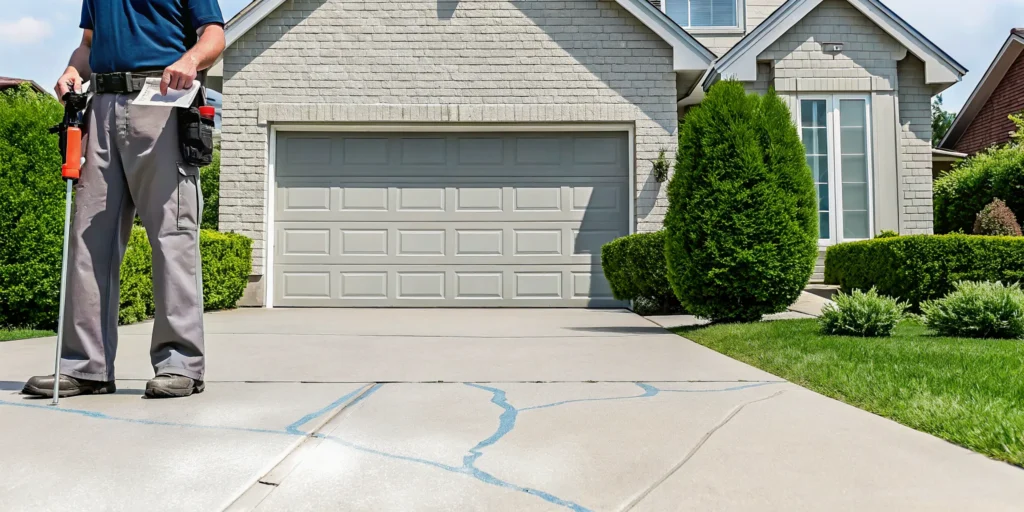
That small crack in your driveway is easy to ignore, but it’s often a sign of bigger problems brewing beneath the surface. While it’s tempting to put off repairs, waiting almost always leads to more extensive and expensive damage later. Acting proactively is the smartest way to protect your investment and your budget. The cost to fix a minor issue today is a fraction of what it will cost to address a sunken or crumbling slab tomorrow. This guide explains the different types of common driveway repairs and their typical costs, helping you understand the financial benefits of early intervention. This information will be your most valuable tool when you decide to get a quote for driveway repair.
Key Takeaways
- Your repair cost isn’t random: The final price depends on key factors like the extent of the damage, your driveway’s size, and the specific materials required for a durable solution.
- Look for value, not just the lowest price: Get detailed quotes from several insured contractors so you can compare them fairly. A quality estimate will break down costs, materials, the project timeline, and warranty details.
- Address problems early to manage your budget: Taking care of small cracks and sinking spots now prevents them from turning into a full replacement project later. Asking about financing or seasonal timing can also make professional repairs more affordable.
What Factors Into Driveway Repair Costs?
When you first spot a crack in your driveway, one of the first questions that comes to mind is, “How much will this cost to fix?” The answer isn’t always straightforward because several key elements influence the final price. Understanding these factors will help you make sense of the quotes you receive and choose the best solution for your home. The total cost depends on the specific damage, the size of your driveway, and even where you live.
From minor surface-level cracks to significant sinking or heaving, the scope of the problem is the biggest driver of cost. A simple crack fill is a much smaller investment than a full resurfacing or leveling job. At Solid Base, we provide a thorough assessment to pinpoint the exact cause of the issue, ensuring the proposed concrete repair solution is both effective and long-lasting. We believe in fixing the problem right the first time, which saves you money and stress down the road. Let’s break down the main components that will shape your repair quote.
The Type and Extent of Damage
The nature of the damage is the most significant factor in your repair cost. Small, hairline cracks are relatively inexpensive to seal, while wide, deep cracks or crumbling sections require more intensive labor and materials. If your driveway has sunken or shifted, you might need concrete lifting, which is a more complex process. Repairing your driveway is almost always more cost-effective than a full replacement. The key is to address issues early before they worsen and require a more expensive fix. You can see examples of various repairs on our page of past projects.
Your Driveway’s Material and Size
The overall size of your driveway, measured in square feet, directly impacts material and labor costs. A larger area will naturally require more product and time to repair. The material itself also plays a role. While we specialize in concrete, it’s helpful to know that concrete and asphalt have different price points for both installation and repair. Concrete driveways, for instance, typically cost more per square foot to install than asphalt but often have a longer lifespan. When getting a quote, the contractor will measure the affected area to calculate the precise amount of materials needed for the job.
Labor Costs in Your Area
Labor is a major component of any repair quote and can vary based on your location. In the Greater Dallas area, costs reflect the local economy and the demand for skilled professionals. While it might be tempting to choose the lowest bid, remember that quality workmanship is crucial for a durable repair. Experienced technicians may have a higher hourly rate, but their efficiency and expertise prevent costly mistakes and future issues. Our team serves a wide service area and brings years of specialized experience to every project, ensuring the job is done correctly.
Site Access and Conditions
Sometimes, factors beyond the driveway itself can affect the price. If your driveway is hard to access with equipment, it could increase labor time and costs. The condition of the ground beneath the slab also matters. Poor soil stability or drainage issues may need to be addressed to ensure the repair holds up over time. A professional contractor will evaluate these conditions during an on-site inspection. Our team of experts always assesses the entire site to identify any underlying issues that could compromise the repair, providing a comprehensive and lasting solution.
How to Get an Accurate Repair Quote
Getting a clear and accurate quote is the first step toward a successful driveway repair. It’s about more than just finding the lowest price; it’s about understanding what you’re paying for and setting clear expectations. A little preparation can help you gather detailed estimates, compare your options fairly, and choose a contractor you can trust to get the job done right. Think of it as a three-step process: preparing your property, finding the right people, and scheduling the evaluations. This approach helps you avoid vague estimates that can lead to unexpected costs later on. When you have detailed, comparable quotes in hand, you can make a decision based on value, not just the bottom-line number. It empowers you to ask the right questions and feel confident that the contractor you choose fully understands the scope of your project. By taking these steps, you put yourself in control of the process and ensure there are no surprises down the road.
Prepare for the Assessment
Before a contractor even steps onto your property, you can do a few things to ensure the assessment is as productive as possible. Start by taking clear photos of the damaged areas from different angles. Make a list of any specific issues you’ve noticed, like water pooling or cracks that seem to be getting worse. This helps you remember everything you want to discuss. For the on-site visit, make sure the driveway is clear of cars, leaves, or other debris so the contractor can get a full view. An accurate quote for concrete repair depends on precise measurements and a thorough evaluation of the existing conditions, so a clean slate is a huge help.
Find and Contact Local Contractors
Once you’re ready for an assessment, it’s time to find a few reliable local companies. A great starting point is asking friends, family, or neighbors for referrals. Personal recommendations can help you find trustworthy contractors with a solid reputation in your community. You can also search online for professionals who serve your specific location. Look for companies with a strong local presence and positive reviews. Aim to get quotes from at least three different contractors. This gives you a better sense of the average cost and helps you spot any estimates that seem unusually high or low.
Schedule On-Site Evaluations
To compare your quotes fairly, you need to make sure every contractor is bidding on the exact same project. When you schedule your on-site evaluations, be consistent with the information you provide. Walk each contractor through the same problem areas and discuss the same desired outcome. This ensures you’re comparing apples to apples. During the evaluation, don’t hesitate to ask questions about their process and the materials they plan to use. A professional will be happy to explain their approach. After the visit, you should receive a detailed, written estimate. This is the perfect time to schedule a free estimate with our team to see how we can help.
Common Driveway Repairs and Their Costs
Driveway repair isn’t a one-size-fits-all project. The right solution depends entirely on the type and severity of the damage you’re facing. A few hairline cracks require a much different approach than a driveway that has sunk several inches on one side. Understanding the common repair methods can help you make sense of the estimates you receive from contractors. From simple crack filling to a complete replacement, each option comes with its own process and price tag.
Generally, the more complex the problem, the more involved the repair will be. Minor surface issues are relatively inexpensive to fix, while structural problems that require lifting the concrete or replacing entire sections will cost more. Let’s look at four common types of concrete repair and what you can generally expect them to cost.
Sealing and Filling Cracks
This is the most basic and affordable type of driveway repair, designed for minor, non-structural cracks. Think of it as a preventative measure to stop small problems from getting bigger. By sealing cracks, you prevent water from seeping underneath the slab, which can freeze, expand, and cause more significant damage over time. While DIY kits are available, a professional can ensure the cracks are properly cleaned and filled with a durable, flexible sealant for a longer-lasting fix. According to Fixr.com, while cracks can be repaired in different materials, sealing them in concrete is a crucial maintenance step to preserve the driveway’s integrity and prevent the need for more costly repairs down the road.
Resurfacing and Overlays
If your driveway has widespread surface damage, like a web of shallow cracks, discoloration, or spalling (flaking or peeling), resurfacing is a great option. This process involves applying a thin layer of a cement-based overlay on top of your existing driveway to create a fresh, new surface. It’s more expensive than simply filling a few cracks but much more affordable than a full replacement. As noted by A1 Concrete, “Professional resurfacing often includes special preparation that helps the repair last longer.” This prep work, which includes deep cleaning and patching, is key to ensuring the new layer bonds correctly and stands up to weather and daily use, giving your driveway a complete facelift.
Lifting and Leveling Concrete
When a section of your driveway has sunk or become uneven, the problem usually lies with the soil beneath it. This is a structural issue that surface repairs can’t fix. Concrete lifting, also known as slab jacking or poly-lifting, addresses this root cause. Professionals drill small, discreet holes in the sunken slab and inject a material (like expanding polyurethane foam) underneath. This foam expands to lift the concrete back into its original, level position. This method is highly effective for correcting tripping hazards and drainage issues. A1 Concrete estimates that professional leveling can range from $500 to over $6,000, depending on the size of the area and the specific method used for the foundation repair.
Full Driveway Replacement
A complete replacement is the most intensive and expensive option, reserved for driveways with severe, widespread structural damage. If your driveway is crumbling, has numerous deep, interconnected cracks, or is heaving due to frost or underlying tree roots, a simple repair might not be enough. A replacement involves tearing out the old concrete, properly grading the area for drainage, and pouring a brand-new slab. While it’s a significant investment, with costs starting around $2,000 and going up to $15,000 or more for an entire driveway, it provides a permanent, long-term solution when the original slab is beyond saving. You can often see examples of this type of extensive project in a contractor’s portfolio of past work.
What Should Your Repair Quote Include?
Once you have a few estimates in hand, you’ll notice they aren’t all created equal. A professional and trustworthy quote is more than just a number at the bottom of a page; it’s a clear and detailed document that outlines the entire scope of your project. This transparency is a great sign that you’re dealing with a reputable contractor who is confident in their process and pricing. A detailed quote protects you from unexpected costs and helps you accurately compare your options, ensuring you know exactly what you’re paying for before any work begins. It’s your roadmap for the repair, so it’s important that it’s clear, comprehensive, and answers more questions than it creates.
A Detailed Cost Breakdown
A good quote won’t just give you a final number; it will show you the math. Look for a line-by-line breakdown that details every aspect of the job. This should include costs calculated by square footage and the specific materials needed for your driveway, which a contractor typically determines during an on-site evaluation. This level of detail is crucial because it helps you understand how the total cost is calculated and what factors contribute to the final price. If a quote is just a single lump sum with no explanation, don’t hesitate to ask for a more thorough breakdown. A transparent contractor will be happy to provide it.
Material and Labor Details
To properly compare quotes, you need to know that each contractor is bidding on the same job with the same quality of materials. The estimate should clearly specify the type and grade of materials being used, whether it’s a certain strength of concrete or a specific sealant. Different materials can significantly impact the durability and cost of your concrete repair, so this isn’t a detail to overlook. Labor should also be listed as a distinct cost. This clarity ensures you’re making an apples-to-apples comparison and choosing a contractor based on value, not just a seemingly low price that might hide subpar materials.
Project Timeline and Warranty Info
Beyond the costs, a comprehensive quote should set clear expectations for the project’s schedule. Look for an estimated start date and a projected timeline for completion. This helps you plan accordingly and understand the contractor’s availability and efficiency. Equally important is the warranty information. A reliable contractor will stand behind their work, and the quote should detail the warranty that covers both materials and labor. Seeing examples of a company’s finished projects can also provide peace of mind about the quality you can expect from their past work. A solid warranty is your assurance that the repair is built to last.
How to Compare Contractor Quotes
Once you have a few quotes in hand, the real work begins. It’s tempting to just pick the one with the lowest price, but that can be a costly mistake. Comparing quotes is about finding the best overall value, which means looking at the contractor’s reputation, the quality of materials they use, and the guarantees they offer. A thorough comparison ensures you’re not just getting a quick fix, but a lasting solution from a team you can trust.
Think of it as hiring a partner for a crucial home project. You want someone who is transparent, skilled, and reliable. Taking the time to carefully review each estimate will help you identify the right professional for the job and protect your investment for years to come. A slightly higher price from a reputable company often means better materials, superior workmanship, and peace of mind.
Look Beyond Price to Find Value
The lowest bid isn’t always the best deal. When a quote comes in significantly lower than the others, it’s a good idea to ask why. Some contractors might use cheaper, lower-quality materials or cut corners on preparation to keep their costs down. This can lead to your driveway cracking or settling again in just a few years, forcing you to pay for more repairs.
To make a true apples-to-apples comparison, make sure each quote details the same scope of work, from the type of materials to the specific repair methods. A detailed quote shows that the contractor has a clear plan for your concrete repair and isn’t hiding extra costs. True value comes from a job done right the first time with durable materials that will stand the test of time.
Check Credentials and Reviews
A contractor’s reputation can tell you a lot about the quality of their work and customer service. Before making a decision, do a little homework. Look up online reviews on sites like Google and the Better Business Bureau to see what past clients have to say. While a few negative reviews aren’t always a dealbreaker, a pattern of complaints about poor communication or shoddy work is a major red flag.
Don’t be afraid to ask contractors for references from recent customers. A confident, professional company will be happy to share them. You can also ask to see a portfolio of their past projects to get a feel for their craftsmanship. Getting a referral from a trusted friend or neighbor is another great way to find a reliable pro.
Understand Warranty and Insurance Policies
A professional contractor will stand behind their work with a solid warranty and carry full insurance coverage. A warranty protects you if the repair fails prematurely due to faulty materials or workmanship. Make sure you get the warranty details in writing, including what’s covered and for how long. This is your assurance that the company is committed to quality.
Equally important is proof of insurance. The contractor should have both general liability insurance and worker’s compensation. Liability insurance protects your property from any accidental damage during the project, while worker’s compensation covers their crew in case of injury. A contractor who can’t provide proof of insurance is not one you want working on your home, as you could be held liable for accidents. A trustworthy company will be transparent about their credentials and coverage.
Key Questions to Ask Your Contractor
Once you have a few quotes in hand, it’s time to dig a little deeper. Choosing the right contractor isn’t just about finding the lowest price; it’s about finding a reliable partner for your home improvement project. Asking smart, specific questions helps you vet their experience, understand the process, and ensure there are no surprises down the road. A professional will welcome your questions and provide clear, confident answers.
Experience and Licensing
First things first, you want to be sure you’re hiring a true expert. Start by asking how long they’ve been in business and about their experience with driveway repairs similar to yours. Don’t be shy about asking for proof of licensing and insurance. This is crucial for your protection. A reputable company will have this information ready to share. It’s also a great idea to ask for a portfolio of our work or for references from past clients in your area. Hearing from other homeowners can give you peace of mind and a real sense of the contractor’s reliability and quality.
Timeline and Payment Terms
Getting a clear picture of the project schedule and costs is essential for a smooth process. Ask for an estimated start date and a realistic timeline for completion. Keep in mind that weather can sometimes cause delays. You should also clarify the payment schedule. Find out how much of a deposit is required upfront and when the final payment is due. A trustworthy contractor will outline all of this in a detailed contract. If you have concerns about the cost, ask if they offer any financing options to make the project more manageable for your budget.
Permits and Prep Work
Depending on where you live and the scope of your project, a permit might be required. Ask your contractor if your repair needs one and who will be responsible for securing it. You should also get a clear understanding of the necessary prep work. Will they need to excavate the area? What kind of base material will they use? This is also a good time to ask about the quality of the materials they plan to use for the concrete repair, as different grades can impact the durability and lifespan of your driveway. A detailed answer shows they’ve thoroughly assessed your property and are planning for a high-quality, lasting repair.
Driveway Repair Cost Myths, Busted
When it comes to driveway repairs, there’s a lot of conflicting advice out there. It can be tough to sort fact from fiction, especially when you’re trying to stick to a budget. You might hear that a DIY patch kit is all you need, or that a single crack means your entire driveway is doomed. Let’s clear up a few common myths so you can make a confident, informed decision for your home.
Understanding the truth about repair costs helps you see the bigger picture. It’s not just about the immediate expense, but about the long-term value and health of your property. From weighing the real cost of a weekend DIY project to knowing when a simple fix is enough, getting the facts straight is the first step toward a lasting solution. We’ll look at the realities of DIY versus professional work, the repair versus replace dilemma, and why a little maintenance now can save you a lot of money later.
The True Cost of DIY vs. Pro Repair
It’s tempting to think a trip to the hardware store is the cheapest way to fix your driveway. For very small jobs, like sealing a hairline crack, a DIY approach can work. However, for anything more significant, the initial savings can be misleading. Without the right tools and expertise, you risk making the problem worse, which leads to more expensive repairs down the road. A professional concrete repair ensures the underlying issue is addressed correctly the first time. While the upfront cost is higher than a bucket of sealant, you’re paying for a permanent solution, not a temporary patch. Think of it as an investment in your home’s safety and curb appeal.
Knowing When to Repair vs. Replace
One of the biggest myths is that a few cracks automatically mean you need a full driveway replacement. This is rarely the case. Most cracks, sinking slabs, and surface damage can be effectively repaired, extending the life of your driveway for years. Timely repairs maintain the structural integrity of the concrete and prevent water from seeping underneath, which can cause much bigger problems. So, when is it time to replace? Look for signs of widespread, deep damage. If you see large, interconnected cracks (often called “alligator cracks”), multiple potholes, or issues with water draining back toward your foundation, a replacement might be the more cost-effective option. A professional can assess the damage and show you examples of what can be saved versus what needs to go.
Factoring in Long-Term Maintenance
Many homeowners treat their driveways as a “set it and forget it” feature, but this is a costly misconception. Concrete, like any other part of your home, requires some upkeep to stay in good shape. Ignoring small problems doesn’t make them go away; it just allows them to grow into bigger, more expensive ones. Investing in quality repairs and regular maintenance is the smartest way to protect your driveway. Sealing cracks and addressing uneven slabs today prevents the need for a complete, and much more expensive, replacement in the future. Getting free estimates can help you plan for these costs and keep your driveway in top condition for the long haul.
Quote Red Flags to Watch For
Getting quotes is a crucial step, but it’s also where you need to be the most discerning. A written estimate is more than just a price; it’s a reflection of a contractor’s professionalism and transparency. While most professionals are honest, knowing how to spot a few warning signs can save you from a major headache down the road. Paying attention to suspiciously low prices, pushy sales tactics, and a lack of proper credentials will help you weed out unreliable contractors and choose a team you can trust with your home.
Estimates That Seem Too Good (or Bad) to Be True
We all love a good deal, but an estimate that’s dramatically lower than all the others should give you pause. This could be a sign that the contractor is cutting corners with low-quality materials, using inexperienced labor, or planning to add surprise fees once the work has started. On the flip side, an unusually high bid without a clear justification for the cost is also a red flag. To accurately compare prices, make sure every contractor is quoting for the same scope of work, from prep and materials to cleanup. A trustworthy company will provide a fair, detailed estimate that reflects the quality of their concrete repair services.
High-Pressure Tactics and Vague Details
Be wary of any contractor who pressures you to sign a contract on the spot. Tactics like “limited-time offers” that expire in 24 hours are designed to rush your decision-making. A true professional will give you the time and space you need to review the quote and feel confident in your choice. Your estimate should also be clear and detailed. If it’s just a single number with no breakdown of costs, ask for more information. You have a right to know what you’re paying for, including labor, materials, and whether the price includes removing the old, damaged driveway. Vague answers are often a sign of inexperience or dishonesty.
No Proof of Licensing or Insurance
This is a non-negotiable red flag. Any contractor working on your property must be able to provide proof of proper licensing and insurance. Licensing shows they meet state and local requirements to perform the work, while insurance protects you from liability if a worker is injured on your property. It also covers any potential damage to your home during the repair process. If a contractor hesitates, makes excuses, or can’t produce these documents, walk away immediately. Working with a fully insured and professional team, like the experts at Solid Base, is the only way to ensure your project and your finances are protected.
Saving Money on Your Driveway Repair
A cracked or uneven driveway is more than just an eyesore; it’s a problem that needs a real solution. While the cost of professional repair is a valid concern, there are smart ways to manage the expense without sacrificing quality. Being proactive can help you secure a fair price for a durable repair. By planning ahead and asking the right questions, you can make this project fit comfortably within your budget.
Look for Promotions and Free Estimates
One of the easiest ways to start saving is by taking advantage of free, no-obligation estimates. Reputable contractors provide these to give you a clear understanding of the work needed and the associated costs before you commit. This is your chance to get an expert opinion on your specific issue, from a few cracks to a sinking slab. We recommend getting quotes from several companies to compare. At Solid Base, we always start with a free estimate so you have all the information you need. Also, keep an eye out for seasonal promotions for additional savings on your concrete repair project.
Ask About Payment Plans and Financing
A major driveway repair can be a significant investment, but you shouldn’t delay it and risk further damage due to upfront costs. Many professional repair companies understand this and offer flexible payment options to help homeowners manage the expense. When discussing your project with a contractor, be sure to ask about their payment policies. Inquiring about financing can make a large project more approachable by breaking the cost into manageable monthly payments. This allows you to address structural issues promptly without draining your savings and protecting your property’s value.
Time Your Repairs for Better Pricing
Did you know the time of year you schedule your driveway repair can impact the cost and quality of the work? Concrete sets best in moderate, stable weather, making spring and fall the ideal seasons for this project. Extreme heat or cold can affect how the material cures, potentially compromising the repair. Since these seasons are popular, scheduling during a contractor’s less busy periods could lead to better pricing or more flexible scheduling. Planning your repair for these optimal times ensures a more durable result and is a strategic way to manage your budget.
Related Articles
Frequently Asked Questions
How do I know if my driveway needs a simple repair or a full replacement? This is a great question, and the answer usually comes down to the extent of the damage. If you’re dealing with a few isolated cracks or a single sunken slab, a targeted repair like sealing or concrete lifting is often the perfect solution. These methods address the specific problem without the cost of a total overhaul. However, if your driveway has deep, interconnected “alligator” cracks across most of its surface, is crumbling apart, or has severe drainage issues, a full replacement might be the more sensible long-term investment.
Are DIY crack fillers a good long-term solution? While it can be tempting to grab a DIY kit for a quick fix, these solutions are typically just temporary patches. They can seal a small crack for a short time, but they don’t address the underlying cause of the problem, like shifting soil. Professional repairs use higher-grade materials and techniques to create a durable, flexible seal or lift the concrete back into place, ensuring the fix lasts for years, not just a season.
What’s the real risk of choosing the cheapest quote? A quote that seems too good to be true often is. An unusually low price can be a red flag for a few things: the contractor might be using subpar materials that won’t last, cutting corners on essential prep work, or they may not be properly insured. While you might save a little money upfront, you could end up paying much more in the long run to fix a failed repair or cover damages. It’s always better to choose a contractor based on value and reputation, not just the bottom line.
How long will I have to stay off my driveway after a repair? The time you’ll need to wait depends on the type of repair. For simple crack sealing, you can often use your driveway within 24 hours. For more involved work like concrete lifting or resurfacing, your contractor will give you specific instructions. Generally, you should plan to keep vehicles off the surface for at least 48 to 72 hours to allow the materials to cure properly and ensure a strong, lasting result.
Why did my driveway crack or sink in the first place? Driveway damage is almost always a symptom of a deeper issue. The most common culprits are water and unstable soil. Water can seep beneath the concrete slab, washing away the soil and creating empty pockets that cause the slab to sink and crack. In the Dallas area, the expansive clay soil is also a major factor, as it swells when wet and shrinks when dry, putting constant stress on the concrete above. A professional assessment will identify this root cause to ensure the repair is permanent.