
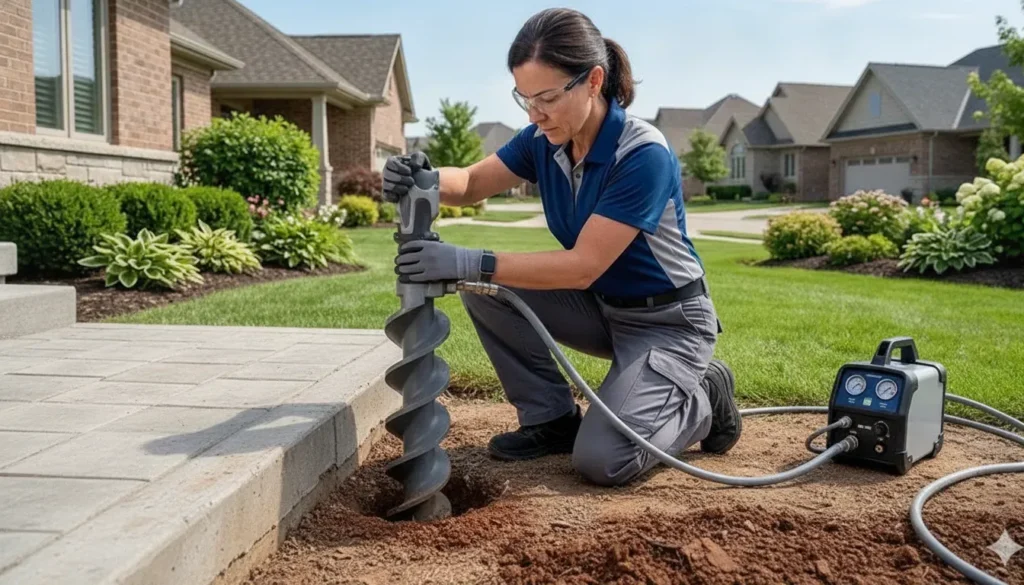
If foundation movement has you wondering whether a pier repair will last, that concern is understandable. In North Texas, expansive blackland prairie clay shifts as moisture levels change, so a durable repair depends on reaching stable soil rather than simply treating the visible crack.
A properly installed push or helical pier system is designed for long-term structural support. And a foundation pier lifespan of 50 years or more is possible when the system reaches stable strata and the installation matches the site’s conditions.
Steel piers can provide deeper reach and strong long-term performance, while the right system depends on your soil and foundation. The written warranty matters, too: Solid Base Foundations provides a 25-year manufacturer’s warranty on push and helical pier systems, along with an in-house performance and installation warranty. Understanding how each pier works helps you evaluate both the repair and the protection behind it.
Schedule a free foundation evaluation in the Dallas-Fort Worth area. Call (940) 365-4221.
How Long Do Push and Helical Piers Last?
When foundation movement has already damaged your home, it is reasonable to ask whether a repair will last or simply postpone the same concern. Properly designed and installed push and helical pier systems are built for long-term structural support. In many applications, their engineered service life reaches the life of the structure. Often extending beyond 50 to 100 years when the system is correctly matched to the soil and load.
That longevity comes from how steel piers transfer weight. Instead of depending on shallow soil that may continue to shift, the pier extends through unstable layers until it reaches a dependable bearing stratum. North Texas presents a specific challenge because expansive blackland prairie clay changes volume as moisture levels rise and fall. A pier system that bypasses those active soil layers can provide a more stable load path for your foundation.
Why steel piers support long-term performance
Steel piers can reach deeper stable soil than many shallower repair methods. Their performance depends on proper engineering, installation depth, corrosion protection, and connection to the foundation, not simply on the presence of steel. That is why the site investigation and installation process matter as much as the product itself. The relevant design should account for your home’s structure, the location of movement, and the soil conditions beneath the affected area.
Push and helical systems serve different installation needs, but both can provide durable support when selected and installed appropriately. If you are comparing options, review how helical pile systems transfer loads and where they fit within a broader repair plan.
How concrete pilings compare
Concrete pilings can also support a foundation, but their effective lifespan varies more directly with soil conditions and design. Industry guidance commonly places concrete piling service life at roughly 20 to 30 years in some applications, while steel piers may last 50 years or more. That does not make every steel installation identical, or every concrete piling unsuitable. Material selection should reflect the soil environment, expected loads, depth requirements, and the repair design.
A long foundation pier lifespan is therefore an engineering outcome, not a promise based on one material alone. Ask for the proposed pier type, design basis, installation records, and written warranty before work begins. Those details give you a clearer way to evaluate whether the repair is intended to support your home for decades.
What Determines a Foundation Pier Lifespan in North Texas?
When you are dealing with cracks, sloping floors, or a shifting foundation, it is reasonable to ask whether a pier repair will hold up for the long term. In North Texas, the answer depends on more than the steel or concrete used in the system. The soil beneath your home, the depth of the installation, and the quality of the work all influence how well the repair performs over time.
North Texas sits on expansive clay soil known as blackland prairie. This clay changes volume as its moisture content rises and falls, creating movement that can contribute to foundation settlement and structural damage. That regional condition is why a pier system must be designed for the site, rather than selected as a one-size-fits-all fix. Professional foundation repair begins with understanding how your property responds to these soil pressures.
Depth to stable soil
A durable pier installation bypasses the shallow soil layers most affected by seasonal moisture changes and transfers the home’s structural load into more stable strata. The required depth varies by property because soil conditions can change from one location to another. A qualified evaluation helps determine where dependable bearing soil begins and which system can reach it.
Steel piers are often selected in expansive clay areas because they can extend deeper into the ground and provide a more reliable load-bearing path than shallower methods. The goal is not simply to install a pier at a convenient depth. It is to anchor the repair where ongoing clay movement has less influence on the supported structure. Source: Solid Base Foundations.
Moisture and soil movement
Even a well-designed repair remains connected to the behavior of the surrounding soil. Rainfall, drainage patterns, plumbing leaks, and extended dry periods can change the moisture profile around a foundation. Those volumetric changes place repeated pressure on expansive clay, so controlling drainage and watching for new movement are important parts of protecting the repair.
Geotechnical guidance identifies soil moisture, expansive clay behavior, and installation quality as critical factors in pier performance. And notes that properly designed helical piers can be built to last beyond 50 years and even approach the life of the structure. Source: Cantsink on the lifespan of helical piles.
Installation quality matters
Correct placement, alignment, load transfer, and verification during installation help a pier system perform as intended. If piers do not reach suitable bearing soil or the installation does not match the engineering plan. The foundation may continue to move even though a repair was completed. Recurring cracks, uneven floors, or sticking doors after prior work warrant a professional inspection rather than an assumption that the original system has failed.
In short, a foundation pier lifespan reflects the interaction of North Texas geology, stable bearing depth, moisture management, and workmanship. A site-specific assessment can show which conditions are affecting your home and what repair approach is appropriate.
Push Piers vs. Helical Piers: Which Lasts Longer?
When you are comparing pier systems, lifespan matters, but the right choice starts with the soil and the structure. In North Texas, expansive clay can shift as moisture levels change. A properly selected pier system is designed to transfer structural loads beyond unstable soil, so the installation method and site conditions matter as much as the steel itself.
Push piers and helical piers can both provide durable structural support when an engineer or qualified foundation specialist matches the system to your property. The distinction is how each system develops support and where each one fits in a repair plan.
| System | How it works | When it is preferred | Long-term durability |
|---|---|---|---|
| Push piers | Sections of steel are hydraulically pressed into the ground. The installation uses structural resistance to help establish support. | Often preferred when the bearing capacity of the subsurface soil is unknown. The installation response helps the contractor evaluate support as the pier advances. | Designed for long-term structural support when installed to suitable bearing strata. Push pier systems include a 25-year written manufacturer warranty. |
| Helical piers | Steel shafts with helical plates are rotated into the soil to develop capacity at planned depths. | Versatile for foundation support and masonry restoration, including repairs where the design calls for a flexible structural anchor. | Designed for long-term structural support when properly specified and installed. Helical pier systems include a 25-year written manufacturer warranty. |
Neither system automatically lasts longer simply because of its name. A sound design accounts for the load, access, depth to stable soil, drainage, and the movement patterns affecting your home. In a clay-heavy Dallas-Fort Worth soil profile, the goal is to bypass the zone most affected by seasonal moisture changes and establish dependable support at an appropriate depth.
Ask for the warranty in writing and confirm what it covers, who supports it, and whether it transfers with the property. You can also review permanent foundation repair systems before discussing which approach fits your home. A site evaluation gives you a more reliable answer than choosing based on a general lifespan estimate.
What the 25-Year Manufacturer’s Warranty Covers
When you invest in foundation repair, the warranty should be as clear as the engineering behind the system. Solid Base Foundations provides a 25-year written manufacturer’s warranty for its push pier and helical pier systems. That documentation helps protect you against covered product defects and supports the long-term structural performance expected from a properly designed and installed pier system.
A written warranty matters because verbal assurances do not give you the same reference point when questions arise later. Before work begins, ask for the manufacturer’s warranty and review what it covers, how to request service, and whether any maintenance or documentation requirements apply. Keep the warranty with your property records, along with the project scope, pier locations, installation details, and any completion paperwork.
Manufacturer coverage and installation protection work together
The manufacturer’s warranty covers the pier system itself. Solid Base Foundations also provides an additional in-house performance and installation warranty. That second layer addresses the quality of the work performed on your property, not just the manufactured components. Together, the two warranties give you a clearer record of both the materials selected and the installation responsibility behind your repair.
This distinction is especially important in North Texas, where expansive blackland prairie clay changes volume as moisture levels shift. A durable repair depends on selecting an appropriate system, reaching stable supporting soil, and installing it correctly. Push piers and helical piers are designed to bypass unstable soil and provide long-term structural support. But the written terms should still identify the parties responsible for the product and the installation.
Transferability can support future property value
Ask whether the warranty transfers to a future owner and what steps the transfer requires. Transferable coverage can give a buyer greater confidence in the home’s structural history and may support the property’s value. Transferability is not automatic on every warranty, so confirm the terms in writing rather than assuming it continues after a sale.
Solid Base Foundations also leverages patented technologies through the Foundation Supportworks network. Those technologies are part of the engineered approach used to improve repair performance and durability. If you are planning a foundation piering project, request the complete warranty package with your proposal. You should be able to see the manufacturer, coverage period, installation warranty, transfer rules, and the documentation you will retain after completion.
How to Spot Signs Your Piers Are Working (or Failing)
It is understandable to feel uncertain after foundation work. You may wonder whether the movement you notice is normal settling or a sign that the repair has not fully stabilized your home. In North Texas, expansive blackland prairie clay can shift as moisture levels change, so a reliable evaluation looks at patterns over time rather than one isolated crack.
What healthy performance looks like
When piers are properly installed and bearing in stable soil, the repaired areas should remain consistent. Cracks should not steadily reopen, floors should not develop new slopes, and doors that once operated normally should not begin sticking again. Keep dated photos of existing cracks and note changes in doors, windows, floors, or trim. This simple record gives an inspector a useful baseline and helps separate seasonal changes from ongoing movement.
Warning signs that deserve attention
Recurring cracks, uneven floors, or sticking doors after a previous repair are warning signs that the structure may still be moving. They can indicate that the original piers were insufficient, that installation did not reach stable depth, or that another area of the foundation is now carrying uneven loads. These symptoms do not prove that a pier has failed, but they do warrant a professional review. The guidance from Solid Base Foundations’ foundation repair service page identifies these recurring symptoms as reasons to investigate further.
Arrange a baseline inspection after installation, then schedule another review every few years. It is also wise to request an inspection after major landscaping, grading, drainage, or plumbing work near the foundation. Those changes can alter how water reaches the expansive clay around your home. An inspection can assess current movement, drainage conditions, visible cracks, and whether the installed system continues to support the structure as intended. Periodic monitoring is recommended for identifying movement early and supporting long-term stability, especially in complex clay soils (source).
Foundation pier installation and service can take place year-round in North Texas. If you notice a pattern rather than a one-time change, request a professional evaluation instead of waiting for the next season to pass. Early attention can clarify whether the existing repair is performing as planned or whether additional stabilization should be considered.
Request your free foundation inspection in the Dallas-Fort Worth area today. Call (940) 365-4221.
Frequently Asked Questions
How long do foundation piers last?
Properly installed steel push and helical pier systems are designed for long-term structural support and often last 50 years or more. Their performance depends on reaching stable soil, using the right system for the site, and completing the installation correctly. In North Texas, piers that bypass expansive clay and transfer loads to stable strata can provide durable support for your home.
Do foundation pier warranties expire?
Yes. Warranty terms vary, so review the written documents before work begins. Solid Base Foundations provides a 25-year written manufacturer’s warranty for push and helical pier systems, along with an in-house performance and installation warranty. Ask whether the warranty is transferable, what it covers, and how to document it for a future property owner.
What factors affect the lifespan of foundation piers?
Soil moisture, expansive clay movement, pier depth, material selection, and installation quality all influence long-term performance. A qualified evaluation should account for how North Texas clay changes volume as moisture conditions change. The pier system should be designed for the property’s structural loads and installed deep enough to provide reliable bearing.
How do I know if my foundation piers are failing?
Watch for cracks that return, uneven floors, or doors that stick after a previous repair. These signs can indicate renewed movement or piers that did not reach stable depth. Schedule an evaluation if symptoms recur, and keep warranty and installation records available for the inspection.
Ready to Schedule Your Foundation Inspection?
If you have questions about pier performance or warranty coverage. A professional inspection can clarify how your foundation is holding up and whether your repair system remains appropriate for North Texas soil conditions. Schedule your free foundation inspection and estimate with Solid Base Foundations. Call (940) 365-4221. Their team can discuss your property, explain the recommended next steps, and provide a clear path forward.