
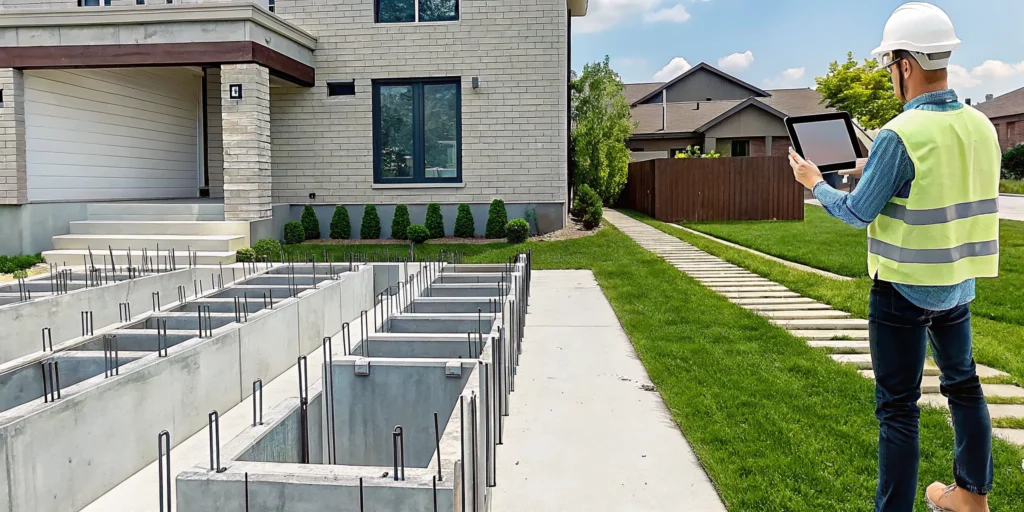
Your home is your biggest investment, and seeing signs of foundation trouble can feel overwhelming. It’s easy to feel powerless when you’re dealing with issues like sloping floors or stair-step cracks in your brick. This guide is here to put you back in control. We’ll arm you with the knowledge you need to understand why your foundation is settling and how a process called piering provides a permanent fix. We will cover the different types of piers, the key questions to ask a contractor, and how to compare estimates. By the end, you’ll know exactly how to get a quote for foundation piering and choose a trusted partner to secure your home’s future.
Key Takeaways
- Piering is a permanent solution, not a patch: It addresses the core problem of unstable soil by transferring your home’s weight to solid ground. Watch for key signs like wall cracks or sticking doors to know when you might need this type of structural repair.
- Vet contractors for local expertise and credibility: Look for a company with a proven history of working with Dallas area soil, positive customer reviews, and proper insurance. Always ask for references and proof of their credentials before signing a contract.
- Focus on the value of the repair, not just the cost: A quality quote is more than a price; it details the number of piers, the type of materials, and includes a strong warranty. Comparing these elements helps you choose the best long-term investment for your home’s stability.
What is Foundation Piering?
When you hear the term “foundation piering,” it might sound complicated, but the concept is pretty straightforward. Think of it as giving your home a stronger, deeper support system. Foundation piers are essentially long, sturdy columns that are driven deep into the ground beneath your home. They bypass the unstable soil near the surface and anchor your foundation to solid, stable ground or bedrock far below. This process, also known as underpinning, transfers the weight of your house onto these piers, stabilizing a sinking or settling foundation and preventing further movement. It can even lift the foundation back toward its original position.
It’s a permanent solution for serious foundation issues. Instead of just patching a crack, piering addresses the root cause of the problem: unstable soil. For homeowners in the Dallas area, where expansive clay soil is common, this method is often the most effective way to secure a home for the long term. The soil here can shrink and swell dramatically with moisture changes, putting immense stress on a foundation. A professional foundation repair service can determine if piering is the right solution for your property and restore its structural integrity. By installing these supports, you’re not just fixing a symptom; you’re giving your home the solid base it needs to stand strong for years to come.
Signs Your Foundation Needs Piering
Your home often gives you subtle (and sometimes not-so-subtle) clues when its foundation is in trouble. If you notice any of these signs, it’s a good idea to pay attention, as they can point to settlement issues that may require piering.
Look for:
- Cracks in Walls or Ceilings: Large, diagonal cracks in your drywall, especially over doorways and windows, are a classic red flag.
- Sticking Doors and Windows: When a foundation shifts, it can warp the frames of your doors and windows, making them difficult to open or close.
- Sloping or Uneven Floors: Do you feel like you’re walking downhill in your own hallway? Uneven floors are a significant indicator of foundation settlement.
- Exterior Brick Cracks: Stair-step cracks in your home’s exterior brick or masonry are a tell-tale sign that part of the foundation is sinking.
If you’re seeing one or more of these issues, it’s best to get a professional opinion. A thorough inspection can confirm the cause and determine the next steps.
Types of Foundation Piers
Not all foundation problems are the same, so there isn’t a one-size-fits-all pier. The type of pier a contractor uses depends on your home’s specific needs, the soil conditions, and the structure itself. Understanding the different options can help you feel more informed during the repair process.
Here are a few common types:
- Steel Push Piers: These are hydraulically driven through unstable soil until they hit a solid layer. They are a very common and reliable choice, especially for the clay soils found around Dallas.
- Helical Piers: These look like giant screws and are twisted into the ground. They are great for lighter structures or when bedrock is very deep, as they provide stability through friction.
- Concrete Piers: These are a more traditional method where concrete columns are poured to support the foundation. They are effective but can be more disruptive to install.
An experienced foundation specialist will assess your property and recommend the best type of pier to provide a lasting solution. You can often see examples of these different repair methods in a contractor’s portfolio of past projects.
How to Find a Reputable Foundation Piering Company
Choosing a contractor for a major home repair can feel like a huge task, but you don’t have to go into it blind. Finding a trustworthy and skilled foundation piering company is all about doing a little homework upfront. A great company will not only have the technical expertise to do the job right but will also communicate clearly and treat your home with respect. By focusing on a few key areas like their experience, reputation, and official credentials, you can confidently find a partner to protect your home’s structural integrity. Let’s walk through exactly what to look for.
Research Credentials and Experience
When it comes to your home’s foundation, experience is non-negotiable. Look for a company that has been in business for a significant amount of time and has a deep understanding of local soil conditions, especially the expansive clay we have here in the Dallas area. A long history in the industry often means the team has encountered and solved a wide range of foundation issues. An experienced company like Solid Base is backed by a national network and uses proven products, which provides an extra layer of assurance. You can learn more about a company’s background and expertise by checking out their About Us page.
Check Reviews and Ask for References
What past customers say is one of the best indicators of a company’s quality and professionalism. Search for online reviews on sites like Google and the Better Business Bureau to get a sense of their reputation. Look for comments that mention honesty, clear communication, and whether they kept the work area clean. Don’t just stop at online reviews; ask the company directly for a list of references you can call. Speaking to a former client can give you firsthand insight into their experience. You can also ask to see a portfolio of their work to get a visual sense of their project quality.
Verify Insurance and Licensing
Before you let any crew start work on your property, it’s essential to confirm they are fully licensed and insured. This protects you from liability in case of accidents or property damage. A reputable contractor will readily provide proof of their general liability insurance and workers’ compensation coverage. They should also be knowledgeable about local building codes and will handle the process of pulling any necessary permits for the job. This isn’t just a formality; it’s a critical step that ensures the work is done to code and saves you from potential headaches down the road. When you contact a company for a quote, make this one of your first questions.
What Goes Into the Cost of Foundation Piering?
When you first notice signs of foundation trouble, one of the biggest questions on your mind is likely, “How much will this cost?” The truth is, there’s no simple, flat-rate price for foundation piering. The final cost is a unique puzzle, with pieces determined by your home’s specific structure, the ground it sits on, and the extent of the damage. Think of it less like buying a product off the shelf and more like commissioning a custom solution tailored to your property’s needs.
Several key factors influence the price of a foundation repair project. Understanding these variables will help you make sense of the estimates you receive and feel more confident in your decisions. From the type of foundation you have to the number of piers required to stabilize your home, each element plays a crucial role in the overall investment. Let’s walk through the main components that foundation repair specialists consider when preparing a quote, so you know exactly what to expect.
Your Foundation Type and Home’s Size
Not all foundations are created equal, and the type your home has is a major factor in the repair cost. Slab foundations, which are common in the Dallas area, are generally the most straightforward and cost-effective to fix. Homes with crawlspaces or pier-and-beam foundations can be more complex, as crews need to work in a tighter, more confined space. Basements often represent the highest cost because the piers must be driven much deeper into the ground, requiring more extensive excavation and labor. The overall size of your home also matters, as a larger footprint may require more support points to ensure stability.
Local Soil Conditions and Site Access
Here in North Texas, we’re known for our expansive clay soil, which shrinks and swells dramatically with moisture changes. This soil is a leading cause of foundation problems and influences the type and depth of piers needed for a lasting fix. A professional assessment will determine the best approach for the specific soil conditions on your property. Additionally, how easily crews can access the work area affects the cost. If your home is surrounded by extensive landscaping, fences, or has narrow side yards, it may require more time and labor to get equipment and materials in place, which can be reflected in the final price.
The Number of Piers Needed
The extent of your foundation settlement directly impacts the number of piers required to stabilize your home. This is one of the most significant cost drivers. During an inspection, a specialist will map out the areas that need support and calculate how many piers are necessary to lift and secure the structure properly. While every project is different, a typical repair often involves installing between seven and ten piers. The total number depends on the severity of the damage and your home’s specific structural needs, which is why a thorough, on-site evaluation is so important for an accurate quote.
Potential for Hidden Issues
Sometimes, the biggest challenges are the ones you can’t see. Underground surprises can pop up once excavation begins, leading to additional work and costs. Common hidden issues include stubborn tree roots that need to be removed, unexpected utility lines that have to be carefully worked around, or even old construction debris buried on your property. While a professional inspector can often identify potential red flags, it’s impossible to know everything that’s lurking beneath the surface. A good contractor will discuss these possibilities with you upfront so you’re aware of how unforeseen obstacles might affect the project.
How to Request an Accurate Quote
Getting a quote for foundation piering shouldn’t feel like a mystery. The key to an accurate and reliable estimate is providing the contractor with clear, detailed information right from the start. Think of it as a partnership: the more you can share about your home and the problems you’ve noticed, the better equipped the expert will be to create a precise repair plan and quote. A trustworthy company will never pressure you, but will instead work with you to understand the full scope of the issue.
Before you even make the call, it helps to gather a few key pieces of information about your property’s history, current condition, and any unique challenges your lot might present. This preparation helps streamline the inspection process and ensures the initial quote reflects the true needs of your home, minimizing surprises down the road. By covering these bases, you can feel confident that you’re getting a quote you can actually count on.
Provide Key Property Details
When you reach out for an estimate, be ready to share some basic facts about your house. Details like the year it was built, the square footage, and the type of foundation (like a concrete slab or a pier and beam system) are incredibly helpful. If you have access to your home’s original blueprints, even better. This information gives the inspector a foundational understanding of your home’s construction before they even arrive. An experienced professional uses these details to start mapping out the most effective foundation repair strategy, ensuring the proposed solution is tailored specifically to your property’s structure and needs.
Note Any Known Issues or Past Repairs
Transparency is your best friend during this process. Make a list of every concern you have, no matter how small it seems. Mention any cracks in the walls or floors you’ve been watching, doors that have started sticking, or windows that are difficult to open. It’s also crucial to tell the contractor about any past repairs, including previous foundation work, plumbing leak repairs under the slab, or any major renovations. Sharing this history helps the inspector connect the dots and understand the full story of your foundation. This proactive approach ensures the quote is comprehensive and addresses both current symptoms and potential underlying causes. You can see examples of complex issues we’ve solved by viewing our work.
Describe Site Access and Soil
The physical layout of your property plays a big role in the piering process. Let the contractor know about anything that could make accessing the foundation difficult. This might include narrow side yards, large decks, extensive landscaping, or a sprinkler system located near the house. These obstacles can add time and labor to the project, so mentioning them upfront helps create a more realistic quote. The expansive clay soil common in the Dallas area is also a major factor. While a professional will assess the site conditions during an inspection, giving them a heads-up allows them to come prepared. To have an expert evaluate your property in person, you can contact us to schedule a free estimate.
The Quoting Process: What to Expect
Once you’ve found a few promising foundation repair companies, the next step is getting a quote. This process is your chance to learn exactly what’s going on with your home, what it will take to fix it, and how much it will cost. A professional company will make this process clear and straightforward, giving you all the information you need without any high-pressure sales tactics. It all starts with a thorough, on-site evaluation of your property.
The goal is to receive a detailed, written estimate that outlines the entire scope of the project. This document is more than just a price tag; it’s a roadmap for your repair. It should explain the proposed solution, the materials that will be used, and the timeline for the work. Understanding what to expect during the quoting process helps you ask the right questions and confidently compare your options. Remember, a trustworthy contractor will be happy to walk you through every detail and ensure you feel comfortable before any work begins. The first step is to schedule a free estimate to get a professional opinion.
The Initial Consultation and Inspection
The quoting process kicks off with an initial consultation and a detailed inspection of your property. When a specialist visits your home, they aren’t just taking a quick look around. They are conducting a comprehensive assessment to diagnose the root cause of the problem. The inspector will examine both the interior and exterior of your home, looking for tell-tale signs like cracks in the drywall or brick, sticking doors and windows, and sloping floors.
This hands-on evaluation is essential for creating an accurate repair plan. The inspector will take measurements, assess your foundation type, and consider factors like soil conditions and property access. This is your opportunity to point out specific areas of concern and share any history of the problem. A professional inspection is the most important step toward a lasting solution, providing the expert insights needed to tailor a foundation repair plan specifically for your home.
Reviewing Your Written Estimate
After the inspection, you will receive a written estimate detailing the proposed work. This document should be clear, itemized, and easy to understand. It will specify the recommended repair method, including the number and type of piers needed to stabilize your home. The estimate should also break down the total cost, covering materials, labor, and any necessary permits. Look for a clear project timeline that explains how long the work is expected to take from start to finish.
While costs can vary widely based on the extent of the damage and the size of your home, a detailed estimate removes the guesswork. It’s also a good time to ask about payment schedules and any available financing options, which can make the project more manageable. Carefully review every line item, and don’t hesitate to ask for clarification on anything you don’t understand.
Smart Questions to Ask the Inspector
Your inspector is a valuable source of information, so come prepared with questions. This will help you fully understand the proposal and feel confident in the solution. Start with the basics: ask them to explain what’s causing the foundation issues and why they are recommending a specific type of pier. A good follow-up is asking how many piers are needed and how they determined that number.
You should also inquire about the team who will be performing the work and their experience. Ask about the warranty that comes with the repair, including what it covers and for how long. Finally, get a clear picture of the logistics. Ask what the workday will look like, how they will protect your property and landscaping, and what the cleanup process involves. The answers you receive will tell you a lot about the company’s professionalism and commitment to customer service.
How to Compare Foundation Piering Quotes
Once you have a few estimates in hand, the real work begins. It’s tempting to just scan for the lowest number and call it a day, but comparing foundation repair quotes is about more than just the price tag. This is a major investment in your home’s structural integrity, so you want to be sure you’re comparing apples to apples and choosing the best long-term solution, not just the cheapest temporary fix.
A thorough quote should be a detailed document that outlines the exact scope of work, the materials to be used, the number of piers proposed, and a clear cost breakdown. Vague, one-line estimates are a red flag. You’re looking for a partner who is transparent and can clearly explain their proposed solution for your home. Taking the time to carefully review each proposal will help you feel confident in your final decision and ensure the job is done right the first time.
Look Beyond the Bottom Line
While your budget is obviously important, the lowest bid isn’t always the best deal. It’s a good idea to get price estimates from a few different companies to get a feel for the average cost. If one quote is significantly lower than the others, ask why. It could mean they’re using lower-quality materials, a less experienced crew, or have misunderstood the scope of the project. A quality repair is designed to last a lifetime, so you want to be sure you’re investing in a permanent solution. Look for a contractor who can show you examples of the quality of their work and stands behind their proposed repair plan.
Compare Warranties and Materials
A warranty is your protection against future issues, and it’s a huge indicator of a company’s confidence in their work. Don’t just check if there is a warranty; find out what it covers and for how long. The best warranties are often lifetime guarantees that are transferable to the next homeowner, which can be a great selling point down the road. Also, ask about the materials being used. Are they industry-standard or patented, proven products? A repair is only as good as the materials and the experienced professionals installing them, so make sure both are top-notch.
Understand the Project Timeline and Payment
A professional quote should include a clear project timeline. Ask each contractor how long the installation will take from start to finish, including cleanup. Knowing the schedule helps you plan accordingly and minimizes disruption to your life. Since foundation repair can be a significant expense, you should also understand the payment terms. Ask for a clear breakdown of the payment schedule and see if the company offers any financing options to make the cost more manageable. A reputable company will be transparent about all costs and help you find a payment solution that works for you.
Choosing the Right Foundation Piering Contractor
You’ve gathered the quotes, asked the right questions, and now it’s time to make a decision. This is a significant investment in your home’s safety and value, so choosing the right partner is the most important step. The best contractor isn’t just the one with the lowest price; it’s the team you can trust to do the job correctly, stand by their work, and communicate clearly from start to finish.
Think of this as hiring an expert for your home’s most critical component. You want a team with a proven track record, transparent processes, and a commitment to quality. Before you sign a contract, take a final moment to review your options and look for the signs of a great contractor versus one that might cause headaches down the road.
Red Flags to Watch For
Your intuition is a powerful tool, so pay attention to any warning signs during the quoting process. A reputable contractor will make you feel confident and informed, not rushed or confused. Be cautious if a company representative dismisses your concerns, especially if you’ve noticed serious issues like widening wall cracks, sloping floors, or doors that no longer close properly. Downplaying significant problems can be a sign of inexperience or dishonesty.
Also, be wary of high-pressure sales tactics. A contractor who pushes you to sign on the spot without giving you time to consider your options may not have your best interests at heart. Professionalism matters. A team that is professional, honest, and committed to high-quality work will provide a detailed, written estimate and patiently answer all your questions. Any hesitation to provide proof of insurance, licensing, or a list of references is a major red flag you shouldn’t ignore.
Making the Final Call
When you’re ready to choose, lay out the detailed estimates side-by-side. A trustworthy contractor will provide a thorough assessment explaining exactly what kind of foundation repair is needed, how many piers are required, and why. Look for a team that demonstrates deep expertise and can clearly articulate their plan for your specific property.
Beyond the technical plan, consider the complete package. Review the warranties offered, the quality of the materials used, and the proposed project timeline. A solid warranty is a promise that the company stands behind its work. Finally, trust the relationship you’ve built. The right team will have made you feel respected and heard throughout the process. When you feel confident in their skills and comfortable with their communication, you’re ready to move forward and get your home back on solid ground.
Related Articles
- Pier & Beam Foundation Repair: Signs, Costs & Fixes
- What Are Helical Piles? The Ultimate Guide
- Ultimate Guide to Foundation Repair Options
Frequently Asked Questions
How long does a typical foundation piering project take? Most foundation piering jobs can be completed in just a few days. The exact timeline depends on the number of piers being installed and how easy it is to access the work areas around your home. A straightforward project might take one to three days, while more complex situations could take a bit longer. Your contractor will give you a specific and reliable timeline in your written estimate.
Is foundation piering a permanent solution for my home? Yes, foundation piering is designed to be a permanent fix. The process works by anchoring your home’s foundation to stable soil or bedrock deep underground, bypassing the problematic, shifting soil near the surface. This provides lasting stability and prevents future settlement in the repaired areas. A quality installation from an experienced team comes with a long-term warranty, giving you confidence in the repair for years to come.
Will the piering process damage my yard and landscaping? A professional crew will do everything possible to minimize disruption to your property. While some excavation is necessary at each pier location, the work is typically confined to small areas right next to your foundation. Experienced teams are skilled at carefully removing and preserving plants or sod when possible and will clean up the site thoroughly once the project is complete.
Can I live in my house while the foundation repair is happening? Absolutely. In almost all cases, you can remain in your home throughout the entire repair process. The work is done from the exterior, so it shouldn’t interfere with your daily life. You might hear some noise from the equipment during the day, but the crew will work to keep the site safe and contained so you can continue your routine with minimal interruption.
Why is foundation piering so common for homes in the Dallas area? The soil in our region is the main reason. North Texas is known for its expansive clay soil, which acts like a sponge. It swells up when it gets wet and shrinks dramatically when it dries out. This constant movement puts a huge amount of stress on a home’s foundation, causing it to shift, settle, and crack over time. Piering provides a stable base by reaching past this volatile clay to support the home on solid ground.