
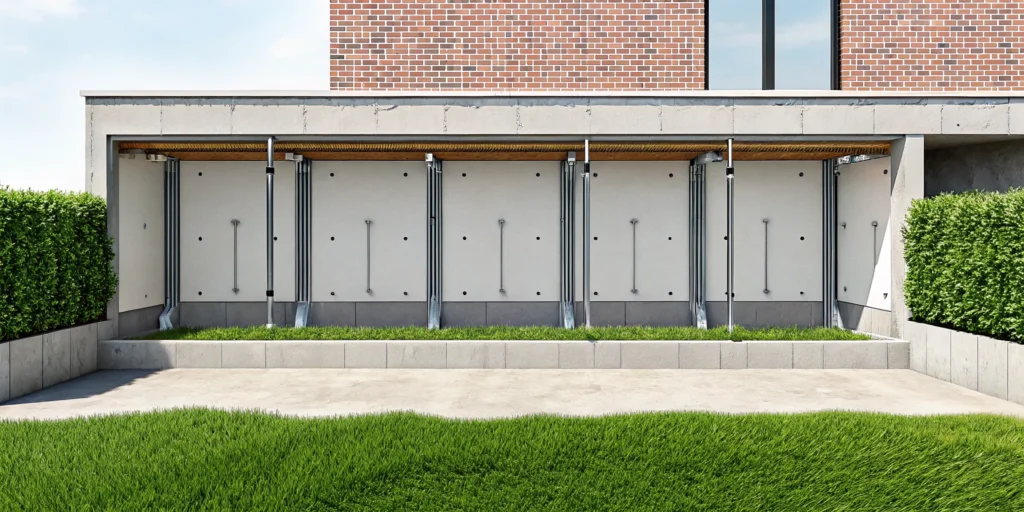
When you notice a horizontal crack spreading across your foundation wall or see it starting to bow inward, it’s a clear sign that your home is under immense pressure. The soil outside is pushing against your foundation with incredible force, and that pressure needs to be stopped before it causes irreversible damage. This is where wall anchors come in. They are an engineered solution designed to permanently stabilize your walls by using the strength of the surrounding soil to brace your home. A professional foundation wall anchor installation doesn’t just patch the problem; it addresses the root cause, providing a lasting fix that secures your home’s structural integrity for years to come.
Key Takeaways
- Know the warning signs of foundation pressure: Horizontal cracks, bowing walls, and sticking doors are clear indicators that your foundation is under stress from outside soil. A wall anchor system is an engineered solution designed to permanently counteract that force.
- Professional installation is non-negotiable: This is not a DIY project. Correctly installing wall anchors requires specialized equipment and an expert assessment of soil conditions to ensure the system is safe, effective, and provides a lasting repair.
- Invest in a permanent structural solution: Wall anchors provide a long-term fix that stabilizes your foundation for good. This protects your home’s structural integrity, preserves its market value, and helps you avoid more extensive and costly repairs down the road.
What Are Foundation Wall Anchors?
If you’ve noticed your foundation walls starting to lean or bow inward, you’re likely dealing with immense pressure from the soil outside your home. Over time, water buildup creates what’s known as hydrostatic pressure, which can force your walls to buckle. Foundation wall anchors are a proven engineering solution designed to permanently stop this inward movement and secure your home’s structural integrity.
Think of them as a bracing system that uses the strength of the surrounding soil to its advantage. Instead of just patching over cracks, wall anchors address the root cause of the problem by counteracting the external pressure. This makes them one of the most reliable and long-lasting methods for foundation repair. By installing a wall anchor system, you can halt further damage and protect your home from the powerful forces working against it. It’s a proactive solution that provides stability for years to come.
How a Wall Anchor System Works
A wall anchor system works by connecting your foundation wall to stable, hard-packed soil further out in your yard. The system has three main parts: an exterior anchor placed deep in the ground, a steel rod that runs from the anchor to the wall, and an interior wall plate. First, a section of earth is removed to place the anchor in undisturbed soil away from your home. Then, the steel rod is driven through a small hole in your foundation wall to connect with the exterior anchor. Finally, a steel plate is placed on the inside of your wall and the entire system is tightened, creating a clamping pressure that stabilizes the wall immediately.
Stabilizing Bowing Foundation Walls
Wall anchors are a targeted and highly effective solution for bowing foundation walls. They are specifically designed to counteract the external pressure that causes walls to lean, crack, or bow. By leveraging the stable soil in your yard, the anchors essentially pull the wall outward, preventing any further inward movement. Over time, the system can often be tightened to help straighten the wall and return it to its original position. This method not only stabilizes your foundation but can also close up existing cracks caused by the bowing. You can see how effective this method is in some of our past projects where we’ve restored strength to compromised walls.
Signs Your Foundation Needs Wall Anchors
Your home has a way of telling you when something isn’t right. When it comes to your foundation, the signs can be subtle at first, but they often point to growing pressure against your foundation walls. This external pressure from the soil can cause walls to bow, lean, and crack, compromising your home’s structural stability. Paying attention to these early warnings is the key to catching problems before they become bigger, more expensive headaches. If you spot any of these issues, it might be time to consider a foundation repair solution like wall anchors to restore your home’s safety and value.
Cracks and Bowing in Your Walls
Cracks in your foundation walls are one of the most obvious red flags. While tiny vertical cracks can be harmless, you should pay close attention to horizontal or stair-step cracks, as they are a direct result of external soil pressure pushing your walls inward. You might also notice your walls starting to bow or lean, which is a clear sign of structural stress. According to foundation experts at Stratum Structural Systems, “cracks in your basement walls are often the first signs that there might be foundation problems.” This bowing happens when the pressure becomes too much for the wall to handle on its own. Ignoring these signs allows the problem to worsen, leading to more significant damage.
Leaks and Moisture Problems
Where there are cracks, water is sure to follow. If you’ve noticed damp spots, water stains, or active leaks on your foundation walls, it’s often linked to the same pressure causing them to crack and bow. This moisture intrusion can lead to mold, mildew, and a persistent musty smell throughout your home. As Vesta Foundation Solutions explains, “installing wall anchors at the first sign of trouble can prevent further movement, reduce water intrusion, and help you avoid the high costs of foundation repair.” Sealing the cracks is only a temporary fix; a wall anchor system addresses the root cause by stabilizing the wall against the external pressure for good.
Sticking Doors and Windows
Have you noticed that certain doors or windows in your home have become difficult to open or close? This isn’t just a random annoyance. When your foundation walls shift or bow, it can distort the entire frame of your house. This movement puts pressure on window and door frames, causing them to stick, jam, or show uneven gaps. According to structural engineers, “significant displacement can compromise the structural integrity of your home.” If you’re struggling with stubborn doors and windows, it’s a strong indicator that your foundation is moving. It’s a good idea to contact a professional for an assessment to see if wall anchors are the right solution for your home.
Common Types of Foundation Wall Anchors
Not all wall anchors are the same. Several systems are designed for different foundation issues, and the best choice for your home depends on factors like soil type, the severity of the bowing, and your property’s layout. It’s all about matching the right solution to the specific problem. Understanding the main options can help you feel more confident when discussing your foundation repair project with a professional. Here are three of the most common and effective types of wall anchors we use to stabilize homes across the Dallas area.
Helical Tie-Back Anchors
Think of a giant steel corkscrew, and you’ll have a good idea of a helical tie-back anchor. These are ideal when exterior digging isn’t an option, perhaps because of a patio, deck, or tight property line. We install them by drilling through the foundation wall from the inside and screwing the anchor deep into stable, undisturbed soil. An interior wall plate is then attached to the rod, securing the wall and halting any further inward movement. This approach provides powerful, lasting stabilization with minimal disruption to your yard and landscaping, making it a great choice for specific situations.
Wall Plate Anchors
Wall plate anchors are a time-tested and highly effective method for straightening bowing walls. This system uses an interior steel plate, an exterior anchor buried in stable soil, and a steel rod to connect them. By tightening the rod, we use the resistance from the exterior anchor to pull the wall back toward its original position over time. This method requires some excavation about 10 feet from the foundation, but it’s a proven and cost-effective solution for long-term stability. You can see examples of this type of repair in our work gallery.
Geo-Lock Wall Anchors
For walls with significant bowing or tilting, the Geo-Lock system is a heavy-duty solution designed for maximum strength. This engineered system is similar to traditional wall plate anchors but uses robust, galvanized steel for superior durability and corrosion resistance. We embed Geo-Lock anchors deep in stable soil away from your home, connecting them to interior wall plates with steel rods. This creates immense holding power that holds the wall securely, stopping movement and allowing for potential straightening over time. As a team that relies on proven products, we trust this system to deliver reliable, long-lasting results.
The Wall Anchor Installation Process, Step-by-Step
Seeing a professional team work on your home’s foundation can feel a little intimidating, but understanding the process can make it much less stressful. Wall anchor installation is a precise, multi-step method designed to permanently stabilize your foundation walls. While every home is unique, the core process follows a proven sequence. Here’s a look at what you can expect when our team arrives to install a wall anchor system and restore your home’s structural integrity.
Preparing the Site
The first step is creating access points for the anchor system. This begins outside, where our crew will dig a small, neat trench in your yard, directly across from the area where the foundation wall is bowing. We take care to minimize disruption to your landscaping. Next, we move inside and drill a small-diameter hole through the foundation wall. This hole is carefully placed to align with the exterior trench. This preparation is the critical groundwork that allows us to connect the interior and exterior components of the anchor system.
Placing the Anchors
With the site prepared, we can place the two key parts of the anchor: the exterior anchor and the interior wall plate. The exterior anchor, a heavy-duty steel plate, is embedded in the trench in stable, undisturbed soil. This piece acts as the immovable brace for the entire system. Back inside, a steel wall plate is positioned against the bowing wall, directly over the hole we drilled. This plate distributes the anchor’s pressure evenly across the wall’s surface to prevent further damage. Our team uses professional-grade equipment, like hammer drills with masonry bits, to ensure every component is placed with precision.
Installing the Rods
Now it’s time to connect the two anchors. We feed a long, high-strength steel rod through the hole in your foundation wall. This rod extends from the interior wall plate all the way out to the exterior anchor in the trench. It’s a crucial component that bears the tension needed to straighten the wall. Once the rod is through, it’s securely fastened to both the interior plate and the exterior anchor. This creates a powerful tie-back system that leverages the stable soil in your yard to hold your foundation wall in place.
Straightening and Securing the Wall
The final step is to apply tension and bring your wall back into alignment. We carefully tighten the connecting rod, which pulls the interior wall plate inward and applies steady, controlled pressure to the bowing wall. This action counteracts the external soil pressure that caused the bowing in the first place. The wall is immediately stabilized and, over time, can often be straightened back to its original position. Once installed, this system provides a permanent foundation repair solution, ensuring your walls stay secure for the long haul.
Why Installation Requires Professional Tools and Expertise
Installing foundation wall anchors is a complex structural repair, not a weekend DIY project. The long-term success of the system depends entirely on precise, correct installation from the very first step. This process requires more than just a standard toolbox and a can-do attitude; it demands industrial-grade equipment and a deep understanding of soil mechanics and structural engineering.
Attempting this work without the right tools or knowledge can lead to further damage to your foundation, or worse, a complete failure of the anchor system. A professional team brings the necessary equipment and, more importantly, the experience to get the job done safely and effectively, ensuring your home is secure for years to come.
Specialized Equipment and Safety Gear
To properly install wall anchors, technicians use heavy-duty equipment that you won’t find in most home garages. The process involves drilling through your concrete foundation wall, which requires powerful hammer drills fitted with specialized masonry bits. Once the holes are created, installing the earth anchors and tensioning the steel rods requires tools like impact wrenches and hydraulic jacks to achieve the precise torque needed to stabilize the wall. Handling this equipment requires training and strict safety protocols to prevent injury and avoid causing accidental damage to your home’s structure. A professional foundation repair team has the right tools and expertise to manage the entire process safely.
Assessing Soil and Site Conditions
A wall anchor system works by using the stable soil in your yard to brace the bowing foundation wall. But what if that soil isn’t stable? This is where professional expertise becomes critical. Here in the Dallas area, we have a lot of expansive clay soil, which shrinks and swells dramatically with moisture changes. An experienced contractor will conduct a thorough site assessment to analyze the soil composition and determine the correct type, depth, and placement for the anchors. They ensure the anchors are placed in stable, load-bearing soil, often far away from the foundation itself. This expert assessment of your property is the key to a permanent solution, not a temporary fix.
DIY vs. Hiring a Pro: What to Consider
When you see a bowing wall, your first instinct might be to look up a DIY fix. It’s tempting to think you can save money by tackling the project yourself, but foundation repair is not the place to cut corners. The structural integrity of your entire home is on the line. Making a mistake doesn’t just mean a sloppy finish; it can lead to more severe damage and far more expensive repairs. Before you pick up a shovel, let’s walk through the key things to consider when deciding between a DIY project and calling in a professional.
The Risks of a DIY Installation
Attempting to install foundation wall anchors yourself comes with significant risks. This isn’t a simple weekend project like painting a room. It requires excavating large amounts of soil, handling heavy equipment, and understanding complex structural engineering principles. An improper installation can do more than just fail to fix the problem; it can actually accelerate foundation deterioration and undermine your home’s safety. Without the right training and tools, you risk personal injury and could potentially worsen the bowing or cracking in your walls. A small issue can quickly become a catastrophic failure, turning a manageable foundation repair into a major structural rebuild. It’s a high-stakes job where experience truly matters.
What Happens When Anchors Are Installed Incorrectly
If wall anchors aren’t installed correctly, they simply won’t work. Improperly installed wall anchors can be ineffective and may not provide the intended stability for your foundation. This means the wall will continue to bow, and the pressure from the surrounding soil will keep damaging your home. Even worse, anchors placed in the wrong spot or tightened with incorrect tension can create new stress points on the wall, causing more cracks and damage. You could end up with a wall that’s even less stable than when you started. You can see examples of correctly completed projects in our work gallery to understand what a professional installation looks like.
Why a Professional Assessment Is Crucial
Before any work begins, you need to know exactly what you’re dealing with. A professional assessment is the most critical step in the entire process. As experts note, “Before installing wall anchors, a licensed professional engineer should evaluate the foundation movement and determine whether structural reinforcement is actually required.” A trained specialist can identify the root cause of the issue, which might be related to expansive clay soil or poor drainage, meaning anchors might not even be the right solution. We often see foundations that need to be re-repaired because the initial fix wasn’t suited for the local soil type. Getting an expert opinion ensures you get the right solution the first time, saving you time, money, and stress. Contact us for a free, no-obligation estimate.
Long-Term Benefits and Maintenance for Wall Anchors
Choosing to install wall anchors is a significant decision, and it’s natural to wonder what happens after the installation crew leaves. The good news is that this solution is designed for the long haul. Wall anchors provide lasting stability for your foundation, protecting your home for years to come. Think of it not as a temporary patch, but as a permanent reinforcement that secures your home’s structural integrity and your peace of mind. Let’s look at the specific benefits you can expect over time.
Securing Your Home’s Structure and Value
Wall anchors are a targeted solution for bowing walls. They work by anchoring the unstable wall to the strong, undisturbed soil in your yard, effectively counteracting the external pressure that caused the bowing in the first place. This isn’t a quick fix; it’s a permanent stabilization of your foundation. By addressing the root cause of the problem, you prevent further damage that could lead to more extensive and expensive repairs down the line. A stable foundation is also a critical factor in your home’s market value. Addressing structural issues with a professional foundation repair solution protects your investment and makes your property more attractive to potential buyers.
What to Expect for Ongoing Maintenance
One of the best features of a wall anchor system is that it requires very little maintenance after a professional installation. Once the anchors are in place and the wall is secured, the system does its job without needing constant attention from you. However, you can take a few simple steps to support the system and prevent future water issues. Ensure your gutters are clean and that the ground around your foundation slopes away from the house. This helps manage water runoff and reduces the hydrostatic pressure on your walls. Our team can provide specific recommendations for your property during the initial assessment.
Understanding the Cost and Return on Investment
The cost of wall anchor installation is an investment in your home’s safety and longevity. Back in 1992, the U.S. Department of Housing and Urban Development recognized wall anchor systems as one of the most effective methods for stabilizing bowing foundation walls. This long-standing endorsement speaks to their reliability. The return on this investment comes from preventing catastrophic wall failure, avoiding costlier future repairs, and preserving your property value. At Solid Base, we provide transparent, free estimates so you know exactly what to expect. We also offer financing options to help make this essential repair more manageable for your budget.
Related Articles
- Ultimate Guide to Foundation Repair Options
- Foundation Repair – Solid Base
- What Are Helical Piles? The Ultimate Guide
Frequently Asked Questions
How long does it take to install wall anchors? Most wall anchor installations are surprisingly quick. For a typical home, our crew can usually complete the entire process in just one or two days. The exact timeline depends on the number of anchors your foundation needs and the specific conditions of your property, but it’s not a project that will drag on for weeks.
Will the installation process destroy my landscaping? We understand how much you care about your yard, and our goal is always to be as minimally disruptive as possible. The process does require some digging outside to place the exterior anchors, but we keep these areas small and contained. Our team works carefully to protect your property, and once the work is done, the excavated spots can be easily backfilled and reseeded.
Can wall anchors make my bowing wall perfectly straight again? The primary job of a wall anchor system is to permanently stabilize the wall and stop any further inward movement. In many cases, the system can be tightened over time to help straighten the wall and guide it back toward its original position. However, a complete return to perfect straightness depends on several factors, including the age and condition of the wall. The most important result is that the wall will be secure and stable.
Are wall anchors covered by homeowner’s insurance? This is a common question, and the answer really depends on your specific insurance policy. Generally, foundation problems caused by gradual soil pressure or natural settling are not covered by standard homeowner’s insurance. It’s always best to contact your insurance agent directly to review your policy and understand what is and isn’t covered.
How do I know if wall anchors are the right solution for my specific problem? Bowing walls can be caused by a few different issues, and wall anchors are just one of several proven repair methods. The only way to know for sure what your home needs is to have a professional conduct a thorough inspection. An expert can assess your foundation, analyze the soil conditions, and determine the root cause of the problem to recommend the most effective and lasting solution.