
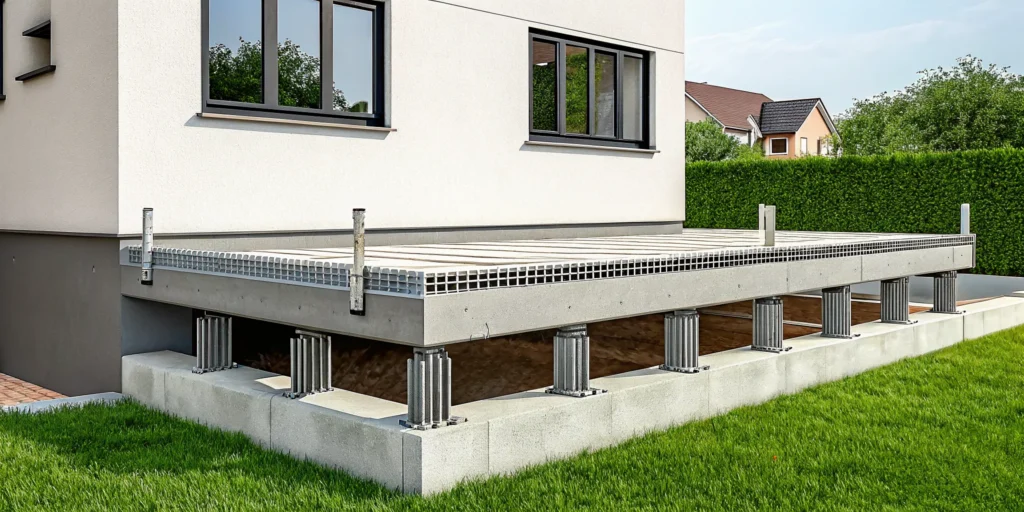
If you live in the Dallas area, you know our soil has a mind of its own. The expansive clay that’s so common here swells with heavy rain and shrinks dramatically during dry spells, putting constant stress on your home’s foundation. This relentless cycle is a leading cause of structural problems, from sloping floors to cracked brickwork. For homeowners in North Texas, understanding foundation underpinning is essential. This isn’t a temporary fix; it’s a strategic repair method that extends your foundation past the volatile topsoil to reach stable ground. It’s the definitive way to stop movement and secure your home against our region’s unique geological challenges, ensuring your property rests on a solid, reliable base for years to come.
Key Takeaways
- Underpinning fixes the root problem: Instead of a temporary patch, this process creates a new, deeper foundation for your home, transferring its weight to stable soil far below the shifting surface.
- Pay attention to your home’s warning signs: Seemingly small issues like sticky doors, uneven floors, or cracks near windows are often the first indicators of foundation movement and should not be ignored.
- Vet your contractor to protect your investment: The success of an underpinning project relies on the expert you hire, so always ask for detailed estimates, check for proper licensing, and inquire about their experience with local soil conditions.
What is Foundation Underpinning?
Think of foundation underpinning as a way to strengthen your home from the ground up. It’s a construction method used to repair and reinforce an existing foundation that is no longer stable enough to support the structure. When the ground beneath your house shifts or the original foundation wasn’t built to handle the current load, underpinning provides a necessary fix. The primary goal is to transfer the weight of your house to a deeper, more stable level of soil or to spread the load across a wider area.
This process is a permanent solution for serious foundation problems. It’s not a temporary patch; it’s a structural enhancement designed to secure your home for the long term. In areas like North Texas, where expansive clay soil can wreak havoc on foundations, underpinning is a common and effective type of foundation repair. By extending the foundation, we can bypass the problematic, shifting soil near the surface and anchor your home to solid ground. Essentially, we are creating a new, deeper foundation underneath the original one. This ensures that the entire structure is supported by soil that isn’t affected by moisture changes. It’s a precise and technical job that requires expertise to execute correctly, but when done right, it ensures your home rests on a secure base, protecting your investment and giving you peace of mind.
What Underpinning Does for Your Home
Underpinning directly addresses the root causes of a failing foundation. Its main purpose is to correct issues like sinking, settling, or cracking that threaten your home’s structural integrity. If you’ve noticed doors that stick or large cracks in your walls, your foundation is likely moving. Underpinning stabilizes the foundation, stopping further movement and preventing the damage from getting worse. It’s particularly important in regions with volatile soil conditions, where cycles of heavy rain and drought cause the ground to swell and shrink. This process gives your home the stable footing it needs to withstand these changes. Underpinning is also used to support additional weight, like when you’re adding a second story to your home.
How the Underpinning Process Works
The underpinning process involves carefully excavating sections beneath your existing foundation and extending it to reach more competent soil. To avoid compromising your home’s stability, this work is done in carefully planned stages. Professionals dig out small sections, or bays, one at a time, install the new support, and allow it to cure before moving to the next section. This methodical approach ensures your house remains safely supported throughout the project. Common techniques involve installing supports like steel piers or concrete footings that transfer the building’s load to stronger ground. You can see examples of these techniques in our work with other homeowners in the Dallas area.
Why Your Foundation Might Need Underpinning
Your home’s foundation is designed to be strong, but it’s not invincible. Over time, various forces can weaken its ability to support your house, making underpinning a necessary solution. Understanding what causes these issues is the first step toward a permanent fix. Most foundation problems can be traced back to three main culprits: the soil beneath your home, changes you’ve made to the structure, or the simple effects of time and weather.
It’s rarely a single event that leads to foundation trouble. More often, it’s a slow, gradual process. The ground might shift subtly for years, or a home renovation might add more weight than the original foundation was built to handle. Sometimes, the initial construction didn’t fully account for the long-term behavior of the local soil. Whatever the reason, recognizing the root cause helps professionals apply the right foundation repair technique. By addressing the underlying problem, underpinning provides a stable, long-lasting base to protect your home for years to come.
Shifting and Unstable Soil
The ground beneath your house isn’t as static as it seems. Here in the Dallas area, we have a lot of expansive clay soil, which acts like a sponge. It swells up when it absorbs water during heavy rains and shrinks dramatically during dry spells. This constant cycle of expansion and contraction puts immense stress on your foundation, causing it to shift, settle, or crack. Sometimes, the problem starts because the soil conditions weren’t correctly assessed when the house was first built. Underpinning extends the foundation down past this volatile topsoil to reach more stable ground, giving your home the solid base it needs.
Changes to Your Home’s Structure
Your foundation was engineered to support the original weight of your house and not much more. When you make significant changes, you can accidentally overload it. Adding a second story is a common example, but other renovations can also add unexpected weight, like installing heavy granite countertops, a large stone fireplace, or even a new wing of the house. If the foundation isn’t reinforced to handle this extra load, it can begin to fail. Underpinning strengthens the existing foundation, allowing it to safely support the new weight and ensuring your home remains structurally sound after your improvements.
Foundation Wear and Tear Over Time
Just like any other part of your home, your foundation is subject to wear and tear. Decades of exposure to the elements, especially the intense Texas weather cycles, can take a toll. Years of soil movement, moisture fluctuations, and even minor seismic activity can lead to gradual deterioration. Materials can degrade, and small cracks can widen over time, compromising the foundation’s integrity. Identifying and addressing these age-related issues early is crucial. Our experienced team can assess the extent of the wear and determine if underpinning is needed to restore your foundation’s strength and prevent more serious damage down the road.
Common Methods for Foundation Underpinning
When it comes to securing your home’s foundation, there isn’t a one-size-fits-all solution. Professionals use several proven methods for underpinning, and the right choice depends on your home’s specific needs, the soil conditions on your property, and the type of foundation you have. Each technique works to transfer your home’s weight to more stable ground, ensuring its long-term stability. Understanding these common approaches can help you feel more confident when discussing your options with a foundation repair expert. Let’s walk through the most common methods so you know what to expect.
Mass Concrete Underpinning
Think of mass concrete underpinning as the original, time-tested method for strengthening a foundation. It’s a straightforward approach where professionals excavate small, manageable sections, or bays, beneath your existing foundation. They then fill these excavated areas with concrete. This process is repeated section by section until a new, solid concrete base is formed underneath the original foundation. This method is most effective for shallow foundations and is often used when the unstable soil isn’t too deep. It’s a reliable technique that essentially gives your home a brand-new footing to rest on, one segment at a time.
Mini-Pile Underpinning
When the stable soil is buried deep beneath your home, mini-pile underpinning is an excellent solution. This method involves driving or drilling slender steel piles deep into the ground, going past the unstable soil until they hit solid bedrock or a stable soil layer. These piles act like stilts, transferring the weight of your house directly to this strong, deep ground. It’s an ideal choice for properties with variable soil conditions or limited access for large equipment. By anchoring your home to a much deeper and more reliable layer of earth, mini-piles provide a powerful and lasting fix for settlement issues.
Beam and Base Underpinning
The beam and base method is a more advanced version of the mass concrete technique. Instead of just pouring a new base, this approach involves constructing a reinforced concrete beam either below or alongside your existing foundation. This beam then distributes your home’s weight across strategically placed concrete bases, or pads. The size and depth of these bases are carefully calculated based on the ground conditions. This method is highly effective because the beam creates a strong, continuous line of support, bridging any weaker spots and ensuring the entire structure is evenly supported by the new concrete pads.
Resin Injection Underpinning
Resin injection is a modern, less invasive method that strengthens the soil itself. Instead of excavating, specialists inject a structural polymer resin into the ground beneath your foundation. This resin expands and hardens, filling any voids, compacting loose soil, and creating a dense, stable mass that can support your home. The process is fast, clean, and causes minimal disruption to your property and landscaping. It’s a fantastic option for re-leveling settled concrete slabs and strengthening weak ground without the need for heavy machinery. This innovative approach to concrete repair offers a precise and controlled way to stabilize your foundation from the ground up.
Signs Your Foundation Needs Underpinning
It’s easy to assume that foundation problems announce themselves with a huge, dramatic crack. But more often, the signs are subtle and can be mistaken for normal wear and tear. Your home might be trying to tell you something is wrong long before the issue becomes a major crisis. The key is knowing what to look for, both inside and out. Catching these problems early can save you a lot of stress and money down the road. A small issue today is much easier to fix than a significant structural problem tomorrow. Let’s walk through the specific clues your house might be giving you.
Warning Signs Inside the House
The first hints of foundation trouble often appear inside your home. Have you noticed a door that suddenly sticks, or a window that’s become difficult to open and close? This isn’t just an annoyance; it can be a sign that the frame is being warped by a shifting foundation. Look for cracks in your drywall, especially diagonal ones that run from the corners of doors and windows. You might also spot gaps where your walls meet the ceiling or floor. Uneven or sloping floors are another major red flag. These issues are symptoms of a deeper problem, and professional foundation repair is often the only way to address the root cause.
Warning Signs Outside the House
Take a walk around the exterior of your home and pay close attention to the foundation itself. Visible cracks in the concrete or brickwork are the most obvious signs of trouble. Look for stair-step cracks in brick walls, which indicate the foundation is settling unevenly. A leaning chimney or gaps appearing around the garage door are also serious warning signs. These problems are often caused by the shifting soil common in the Dallas area, which puts immense pressure on your home’s structure. If you see any of these issues, it’s time to get a professional opinion. You can contact us for a free, no-obligation estimate to understand what’s happening.
The Pros and Cons of Foundation Underpinning
Deciding to underpin your foundation is a big step, and it’s smart to weigh the benefits against the potential drawbacks. The primary advantage is clear: underpinning stabilizes your home, stopping further settlement and preventing more severe structural damage down the road. This process restores your home’s integrity and protects its value. On the other hand, it’s a significant project that involves excavation and construction, which can be disruptive and represents a considerable financial investment.
However, when you’re facing serious foundation issues, the cost of inaction often far outweighs the cost of the repair. Understanding the facts, risks, and long-term rewards will help you make the best choice for your home.
Common Myths About Underpinning
Let’s clear up a few common misconceptions about foundation underpinning. Many homeowners think it’s a last-resort solution only for homes with massive, obvious cracks. In reality, addressing foundation issues early is the best way to prevent them from becoming major problems. Another myth is that a DIY approach is good enough. Foundation work is complex and requires specialized knowledge; an improper repair can cause even more damage.
Finally, there’s the belief that foundation repair is always prohibitively expensive. While it is an investment, catching problems early can keep costs down. Plus, many professional companies offer financing options to make the project more manageable for your budget.
Understanding the Risks
The biggest risk associated with foundation problems isn’t the repair itself, but waiting too long to address them. Minor issues like sticky doors or small cracks can quickly escalate into major structural failures. Ignoring these early warning signs almost always leads to more extensive and costly repairs later. The structural integrity of your entire home is at stake.
Attempting to fix the foundation yourself or hiring an unqualified contractor also poses a significant risk. This is not a weekend project. Professionals use specific tools and have the expertise to diagnose the root cause of the problem and apply the correct solution. Choosing the wrong method or performing a poor repair can worsen the damage, compromise your home’s safety, and ultimately cost you more to fix correctly.
Long-Term Benefits and Protecting Your Investment
Think of foundation underpinning as a long-term investment in your home’s health and safety. By stabilizing the foundation, you’re not just fixing current problems; you’re preventing future ones. This proactive step protects your property value and gives you peace of mind knowing your home is secure. A stable foundation is essential for the overall structural integrity of your house, from the roof to the floors.
When you’re ready to sell, a history of professional foundation repair can be a major selling point for potential buyers. To ensure you get these benefits, it’s critical to work with a reputable contractor. Choosing an experienced team guarantees the job is done right, providing a reliable and lasting solution that protects your most valuable asset.
What Does Foundation Underpinning Cost?
Let’s talk about the question on every homeowner’s mind: how much is this going to cost? When it comes to foundation underpinning, there isn’t a simple, one-size-fits-all price tag. The final cost depends entirely on the unique needs of your home. Think of it like a custom solution, tailored specifically to fix your foundation’s problems for good. Every property has a different size, soil type, and level of damage, so the scope of work can vary quite a bit from one house to the next.
While it’s impossible to give an exact number without a professional assessment, understanding the variables can help you see the full picture. The total investment covers not just materials but also the specialized labor, equipment, and expertise required to secure your home’s structural integrity. It’s an investment in your property’s safety and value. The best way to get a clear and accurate price for your specific situation is to have a professional come out and take a look. You can get a free estimate to understand exactly what your home needs and what the associated costs will be.
Factors That Influence the Price
Several key factors determine the final price of an underpinning project. First is the repair method itself. Simpler techniques may cost less than more complex solutions that require specialized equipment. The size of your home and the type of foundation you have also play a big role; a larger home naturally requires more materials and labor. We also have to consider the soil conditions around your property, as the expansive clay soil common in the Dallas area can make the work more challenging. Finally, site accessibility matters. If your foundation is hard to reach because of landscaping, a deck, or other obstructions, it can add to the labor costs. All these elements are assessed during a Dallas foundation repair inspection.
What to Expect for Project Timelines
Just like the cost, the timeline for an underpinning project can vary. A straightforward repair on a small section of your foundation might only take a few days. However, more complex projects that involve significant structural issues could take several weeks to complete. The timeline begins with a detailed inspection and planning phase, where engineers design the right solution for your home. From there, external factors like weather can cause delays, especially if the work involves excavation. A professional team will always aim to complete the job efficiently while ensuring the quality and safety of their work, keeping you informed every step of the way.
How to Choose the Right Foundation Repair Pro
Finding the right professional for your foundation underpinning project is just as important as the repair method itself. This is a major investment in your home’s structural integrity and long-term value, so you want to be sure it’s done correctly from the start. Taking the time to vet your options will give you peace of mind and ensure the job is handled by a true expert. A reliable contractor will not only fix the existing problem but will also help you understand the cause and how to prevent future issues.
Think of it as building a partnership. You need a team you can trust to be transparent, skilled, and communicative throughout the entire process. From the initial inspection to the final cleanup, the right pro will make you feel confident and informed. Investing time in selecting the right contractor is critical to ensure effective and reliable foundation repairs for your home.
Must-Have Qualifications and Experience
When you start your search, focus on companies with a proven track record. Professionals with the appropriate tools, expertise, and qualifications are essential to diagnose and repair the damage accurately. Look for a contractor who is fully licensed and insured in Texas. This protects you and ensures they meet state requirements. Don’t hesitate to ask about their experience with underpinning specifically. You want a team that has successfully completed projects similar to yours. A company’s history and portfolio of past work can tell you a lot about their quality and reliability.
Questions to Ask Your Contractor
Before you sign any contracts, it’s smart to have a list of questions ready. This helps you compare different companies and make an informed decision. Make sure to ask about their experience with foundation issues like yours and the specific methods they plan to use for the repairs.
Here are a few key questions to get you started:
- Can you provide a detailed, written estimate?
- What kind of warranty or guarantee do you offer on your work?
- How long do you expect the project to take?
- Do you have financing options available?
- Can you share references from previous clients in the Dallas area?
Red Flags to Avoid
Just as you look for good signs, you also need to watch out for red flags. Believing that all foundation repair contractors are the same is a common mistake that can lead to poor results. Be wary of any company that uses high-pressure sales tactics or pushes you to make an immediate decision. Another major red flag is a vague or incomplete contract. Everything should be clearly outlined in writing. If a contractor suggests a DIY solution for significant foundation issues, it’s best to walk away. This is complex work that requires specialized skills and equipment, not a weekend project.
Related Articles
Frequently Asked Questions
Is foundation underpinning a permanent solution? Yes, when it’s done correctly by a professional team, underpinning is designed to be a permanent fix. The entire point of the process is to bypass the unstable soil near the surface and anchor your home to a deeper, more solid ground layer. This addresses the root cause of the foundation settlement, rather than just patching up the symptoms like cracks. It provides a lasting solution that stabilizes your home for the long haul.
Will I need to move out of my home during the underpinning process? For most projects, you can absolutely stay in your home. The work is primarily done on the exterior, and professional crews are very experienced in working efficiently while minimizing disruption to your daily life. They typically work in sections to ensure your home remains safely supported at all times. Your contractor should communicate the plan clearly so you know exactly what to expect.
How can I tell if I need underpinning versus a less intensive repair? This is a great question. Minor, hairline cracks in a concrete slab might not be a cause for alarm. However, if you’re seeing more serious warning signs like doors that stick, floors that slope, or large stair-step cracks in your exterior brick, you are likely dealing with a structural issue. These symptoms suggest the foundation itself is moving, which is exactly what underpinning is designed to correct. The only way to know for sure is to get a professional assessment.
Will the underpinning work damage my landscaping or yard? Because underpinning often involves excavation around your foundation, some temporary disruption to your yard and landscaping is usually unavoidable. A reputable contractor will be upfront about this and will work carefully to minimize the impact. They should discuss the plan with you beforehand, identifying any plants or structures that may need to be moved and explaining how they will restore the area once the project is complete.
Is foundation underpinning covered by my homeowner’s insurance? This really depends on your specific policy and what caused the foundation damage. Generally, standard homeowner’s insurance policies do not cover damage that results from gradual soil settlement or poor construction. However, if the foundation damage was caused by a specific, covered event, like a burst pipe or a sudden sinkhole, you might have coverage. Your best bet is to review your policy documents and speak directly with your insurance agent to understand what is and isn’t included.