
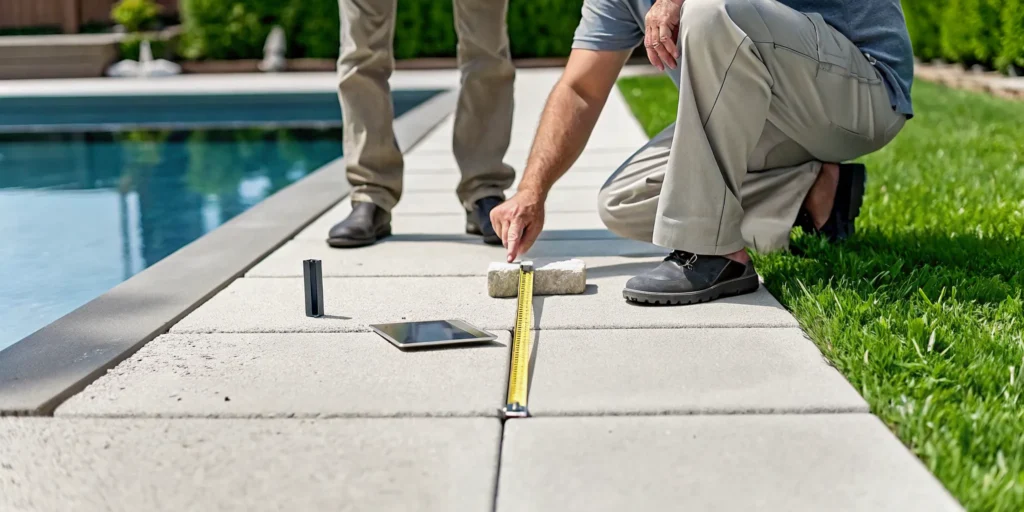
In the Dallas area, our pool decks face a unique set of challenges. The intense Texas sun and our expansive clay soil can lead to serious issues like cracking, heaving, and sinking slabs. These aren’t just cosmetic problems; they often point to deeper issues with the ground beneath your deck. Fixing them correctly requires local expertise from a team that understands our specific climate and soil conditions. This guide is written for North Texas homeowners like you, breaking down the costs and solutions for the most common pool deck problems we see. We’ll explain what to expect when you get a quote for pool deck repair right here in our community.
Key Takeaways
- Understand what shapes your repair cost: The final price depends on the extent of the damage, the materials used for the fix, and local labor rates. Knowing this helps you see why different quotes can vary.
- Vet your contractor thoroughly: Finding a trustworthy professional is the most important step. Always verify they are licensed and insured, read recent customer reviews, and ask for a portfolio of their previous pool deck projects.
- Compare quotes based on value, not just price: A low bid can be a red flag for subpar work. A quality estimate should include a detailed breakdown of costs, a clear project timeline, and a solid warranty.
What Affects Pool Deck Repair Costs?
When you notice cracks or uneven spots on your pool deck, one of the first questions that comes to mind is, “How much will this cost to fix?” The answer isn’t a single number, because the final price depends on a few key factors. Understanding what goes into a repair estimate will help you compare quotes and make a confident decision for your home. From the specific damage you’re dealing with to the materials you choose, here’s a breakdown of what shapes the cost of a pool deck repair.
The type and severity of damage
The biggest factor influencing your repair cost is the nature of the problem itself. A few small, hairline cracks on the surface are a relatively simple fix compared to a deck that is sinking or heaving. More severe issues often point to problems with the soil underneath, which requires a more involved solution than a simple patch. A professional concrete repair will address both the visible damage and its root cause to ensure a lasting fix. The more extensive the damage, the more labor and materials will be needed, which is reflected in the price.
Your choice of materials
The materials used for the repair also play a significant role in the total cost. For a concrete pool deck, a basic patch for a small crack might be quite affordable. However, if you want the repaired area to blend seamlessly with a decorative or stamped finish, the cost will be higher. Resurfacing the entire deck with a new, stylish overlay will naturally cost more than a simple spot treatment. It’s helpful to think about your long-term goals. While some materials have a higher upfront cost, they may offer better durability and aesthetic appeal, adding more value to your home.
Labor costs in your area
Just like with any home service, labor rates are a key component of the final bill. Hiring experienced professionals ensures the job is done correctly and safely. In the Dallas area, skilled masons or concrete specialists typically charge by the hour, and rates can vary based on their expertise and the complexity of the job. While it might be tempting to go with the lowest bidder, remember that quality workmanship prevents future headaches and more expensive repairs down the road. A reputable company will have a team of skilled technicians and be transparent about their labor costs in your specific service area.
Required permits
Depending on where you live and the scope of your project, you may need a permit from your local city government. Simple cosmetic updates or minor crack repairs often don’t require one. However, if the repair involves structural changes to the deck or addresses significant foundation issues, a permit is usually necessary to ensure the work meets safety and building codes. An experienced contractor will know the specific requirements for your city, whether it’s Dallas, Plano, or another nearby community. They will handle the permitting process for you, factoring any associated fees into the overall project quote.
How to Find a Great Pool Deck Repair Contractor
Finding the right contractor is the most important step in ensuring your pool deck is repaired correctly and will last for years. The right team won’t just patch the problem; they’ll identify the underlying cause and provide a durable solution. Taking the time to vet your options will give you peace of mind and protect your investment. A little research now can save you from major headaches and expenses down the road. Here’s how to find a professional you can trust with your project.
Start with local concrete specialists
When your pool deck needs attention, it’s best to look for local professionals who specialize in concrete repair. A general contractor or handyman might offer a quick fix, but a concrete specialist understands the unique challenges of the job, from soil conditions in the Dallas area to the specific materials needed for poolside surfaces. These experts have the right equipment and knowledge to address the root cause of issues like sinking slabs or deep cracks, not just the symptoms. A dedicated concrete repair company will provide a more reliable and long-lasting solution, ensuring your pool deck is safe and stable.
Check their credentials and insurance
Before you hire anyone, make sure they are properly licensed and insured. This is a critical step that protects you from liability if an accident happens on your property. Ask for proof of both general liability insurance and worker’s compensation. A professional company will have this information readily available. Proper licensing also shows that the contractor is familiar with local building codes and regulations, which is essential for ensuring the repair is done correctly and safely. A company’s transparency about its credentials, like the information on our About page, is a great sign of professionalism.
Read reviews and ask for references
What past customers say can tell you a lot about a contractor. Look up online reviews on sites like Google and the Better Business Bureau to get a sense of their reputation. Pay attention to comments about communication, timeliness, and the quality of the finished product. While one or two negative reviews aren’t necessarily a dealbreaker, consistent complaints are a red flag. Don’t hesitate to ask the contractor for references from previous clients with similar pool deck projects. A reputable company will be proud to show you examples of their work and connect you with satisfied customers.
Getting Your Repair Quote: What to Expect
Once you’ve found a few promising contractors, the next step is getting a quote. This part of the process can feel a little intimidating, but it’s really just a conversation to figure out the scope of the work and the cost. A professional company will walk you through their process, answer your questions, and provide a clear, detailed estimate for your pool deck repair. Knowing what to expect can help you feel more confident and prepared as you move forward with your project. Let’s break down what you should do before you call, what a good estimate looks like, and what to anticipate for the project timeline.
What to prepare before you call
Doing a little homework before you reach out for a quote can make the whole process smoother. Start by walking around your pool deck and taking notes on what you see. Are there small hairline cracks or large, deep fissures? Is one section visibly sinking or uneven? Take a few photos of the problem areas from different angles. This information will give the contractor a clearer picture of the issue right from the start. It’s also helpful to jot down any questions you have ahead of time. When you’re ready to schedule your free estimate, you can contact us with a good understanding of your needs, which helps us give you the most accurate assessment possible.
What a good estimate includes
A trustworthy quote is more than just a number. It should be a detailed, written document that breaks down all the costs involved. Look for an itemized list that includes the price of materials, labor, and any necessary permits. The estimate should also clearly describe the proposed repair method. For example, will they be using a polyurethane foam injection or another technique for the concrete repair? Vague estimates can lead to surprise costs later on. It’s a smart practice to get two or three quotes from different companies. This allows you to compare not just the price, but also the proposed solution, materials, and overall professionalism of each contractor.
The project scope and timeline
Along with the cost, your estimate should outline the full scope of the project and provide a realistic timeline. The scope of work should detail exactly what will be repaired and the steps the team will take to complete the job. A reputable contractor will give you a clear start and end date, while also accounting for potential delays like weather. Be wary of anyone who promises an unbelievably fast turnaround. Quality repairs take time. A professional will be transparent about their schedule and keep you informed throughout the process. You can see examples of our completed projects and the quality we deliver by viewing our work.
Common Pool Deck Problems and Repair Costs
Before you can get an accurate quote, it helps to identify what’s actually wrong with your pool deck. Different problems require different solutions, and the costs can vary quite a bit. From minor cosmetic issues to serious structural problems, knowing what to look for will help you have a more productive conversation with a contractor. Let’s walk through some of the most common issues homeowners face with their concrete pool decks and what they might mean for your budget.
Surface cracks
It’s easy to dismiss a few small cracks, but they’re often the first sign of a bigger problem. Surface cracks can pop up from soil settling, temperature swings, or just years of use. While hairline cracks might seem harmless, they allow water to seep into the concrete. Over time, this can lead to wider cracks and weaken the entire slab. For minor issues, a simple sealant might do the trick. However, for more significant cracking, you’ll likely need professional concrete repair to ensure the problem is fixed correctly and doesn’t return. The cost will depend on the length, width, and depth of the cracks.
An uneven or sinking deck
If your pool deck has turned into a tripping hazard, you’re likely dealing with a sinking slab. This usually happens because the soil underneath the concrete settles or washes away, creating voids that cause the deck to become uneven. In the Dallas area, expansive clay soil is often the culprit. A sinking deck isn’t just an eyesore; it can create dangerous conditions and even put stress on your pool’s structure. The modern solution for this is concrete lifting, which involves injecting a structural foam beneath the slab to raise it back to its original position. This method is less invasive and more affordable than completely replacing the concrete.
Poor drainage and pooling water
Do you notice puddles sticking around on your pool deck long after it rains? That’s a classic sign of poor drainage, which often goes hand-in-hand with an uneven or sinking deck. When a concrete slab tilts, it disrupts the original slope designed to carry water away. This pooling water can create slippery spots, accelerate concrete deterioration, and even seep into the ground near your pool’s foundation, causing more problems. Fixing the underlying cause, which is usually an unlevel slab, is the key to restoring proper drainage. Re-leveling the deck will ensure water flows away from your pool and home as it should.
Damage from weather and chemicals
Your pool deck puts up with a lot. The intense Texas sun, constant exposure to pool chemicals like chlorine, and even our occasional winter freezes all take a toll on the concrete’s surface. This can lead to spalling, which looks like flaking or pitting on the surface, as well as discoloration and a rough texture. This type of damage is more than just cosmetic; it weakens the top layer of the concrete, making it more vulnerable to cracking and moisture penetration. A common fix is resurfacing, which involves applying a new overlay to the existing deck. This not only repairs the damage but also gives you a chance to update its look.
How to Compare Pool Deck Repair Quotes
Once you have a few quotes, you can make an informed decision. But comparing them involves more than just looking at the final price. A detailed quote tells a story about the contractor’s professionalism, their materials, and their plan. A lower price can sometimes mean cut corners, so it’s important to look at the complete picture to get the best value. You’re looking for a partner who is transparent, experienced, and committed to doing the job right. Let’s break down how to evaluate each estimate.
Comparing pricing models
When you lay out your estimates, you’ll see differences in how they’re structured. Some contractors offer a flat rate, while others break it down by materials and labor. A detailed breakdown offers more transparency. It’s a good practice to get at least two to three estimates from local professionals to understand the typical market rate for your project. A quote that is significantly higher or lower than the others deserves a closer look. A clear, itemized quote shows the contractor has a solid plan for your concrete repair.
Assessing materials and workmanship
The success of your pool deck repair depends on the quality of the materials and the skill of the team. Your quote should specify the materials being used; a reputable contractor will use durable products designed for the Dallas climate. Always confirm that any contractor you consider is fully licensed and insured. This protects you and ensures they know local building codes. Don’t hesitate to look at examples of their work and ask about their experience. An experienced team has likely handled a wide range of repair challenges and can deliver a better result.
Why you need more than one estimate
Getting multiple quotes is one of the smartest things you can do. It gives you the context to determine what’s a fair price for the work required. If one contractor offers a bid that seems drastically cheaper than the others, it’s worth asking why. A lowball offer can be a red flag, potentially indicating subpar materials, inexperience, or hidden costs down the line. By comparing several detailed estimates, you can confidently choose a contractor who offers a fair price without compromising on the quality your pool deck deserves.
Key Questions to Ask Your Contractor
Once you have a few quotes in hand, it’s time to dig a little deeper. The numbers are important, but so is the team you’ll be working with. Asking the right questions can help you understand a contractor’s process, professionalism, and commitment to quality. Think of it as an interview for a very important job: protecting your home’s value and your family’s safety. A great contractor will welcome your questions and provide clear, confident answers. Use this list to guide your conversation and find the best partner for your pool deck repair.
Their experience with pool decks
Pool decks present unique challenges. They’re constantly exposed to water, pool chemicals, and direct sunlight, which is a different environment than a driveway or patio. That’s why it’s so important to ask about a contractor’s specific experience with concrete repair around pools. You want a team that understands the right materials and techniques for this specific job. Ask them directly: “How many pool decks have you worked on?” and “Can you show me photos of similar projects you’ve completed?” A confident contractor will be happy to share examples of their work and explain their approach.
Warranties and guarantees
A warranty is more than just a piece of paper; it’s a promise that the contractor stands behind their work. A reputable company should always provide a clear warranty on both their labor and the materials they use. Don’t be shy about asking for the details. You should know exactly what is covered, how long the coverage lasts, and what the process is if you ever need to use it. A contractor who is vague about their guarantees or doesn’t offer one at all is a major red flag. This guarantee protects your investment and gives you peace of mind long after the project is finished.
The project schedule and communication plan
Clear communication is the key to a stress-free repair project. Before you sign anything, make sure you understand the entire timeline, from the start date to the estimated completion. Ask how the contractor will keep you updated on their progress and who your main point of contact will be. It’s also wise to discuss how they handle potential delays, like bad weather. Establishing a clear communication plan from the beginning ensures everyone is on the same page and helps prevent misunderstandings down the road. You should feel like a partner in the process, not just a bystander.
Potential hidden costs
A detailed quote is a great start, but you should always ask about what might not be included. Inquire about potential issues that could arise once the work begins and how those would be handled. For example, is the cost of hauling away old, broken concrete included in the price? What happens if they discover more extensive damage underneath the surface? Be cautious of any bid that seems significantly lower than the others. While it might look tempting, it could be a sign of cut corners or a strategy to add on unexpected fees later. A trustworthy contractor provides transparent pricing and can discuss financing options to help you manage the cost.
Contractor Red Flags to Watch For
Choosing the right contractor is the most important step in your pool deck repair project. While most professionals are honest and hardworking, a few bad apples can cause major headaches and budget blowouts. Knowing what to look for can help you steer clear of trouble and find a partner you can trust. Protecting your home and your investment starts with spotting the warning signs early. Here are three major red flags that should make you think twice before signing a contract.
Vague pricing or poor communication
Clear, consistent communication is the foundation of any good working relationship. If a contractor is hard to reach, dodges your questions, or takes days to return a call before you’ve even hired them, imagine what it will be like once the project starts. Be cautious of anyone who provides a vague estimate without a detailed breakdown of costs. A professional should be able to explain every line item. Similarly, if a bid seems drastically lower than all the others, it’s a major red flag. This often means they plan to cut corners on materials or labor, which will only cost you more in the long run. A trustworthy contractor will be transparent and responsive from the very first contact.
Missing licenses or insurance
Never hire a contractor who can’t provide proof of proper licensing and insurance. General liability insurance protects your property from damage, while workers’ compensation covers any injuries that might happen on site. Without this coverage, you could be held financially responsible for accidents. A legitimate business will have these documents ready and won’t hesitate to show you. You should also ask for references from past clients. If a contractor refuses or makes excuses, it’s a clear sign they may not have a history of satisfied customers. A company with a long-standing reputation will be proud to share their credentials and connect you with happy homeowners.
Promises that sound too good to be true
We all love a good deal, but when it comes to home repairs, unbelievable promises usually lead to disappointing results. Be skeptical of contractors who promise to complete the job in an impossibly short timeline or offer a price that’s a fraction of other quotes. These are often tactics to get you to sign a contract quickly without thinking it through. Vague promises about using “the best materials” without specifics can also indicate a lack of expertise or an intention to use subpar products. A great contractor sets realistic expectations and provides a clear, detailed plan for their work. Trust your intuition; if an offer feels too good to be true, it probably is.
Making Your Final Decision
You’ve done your homework and gathered a few quotes. Now it’s time to pick the right contractor for your pool deck repair. This final step is about more than just comparing numbers; you’re choosing a partner who will restore the safety and beauty of your outdoor space. A thoughtful decision ensures you get a durable, high-quality repair that you can enjoy for years to come. Let’s walk through the final checkpoints to help you hire with confidence.
Balancing cost with quality
When you have several quotes, it’s tempting to go with the lowest price. But the cheapest bid isn’t always the best value. A quote that’s significantly lower than others can be a red flag, pointing to subpar materials or rushed work. Instead, get two or three estimates to understand the fair market rate for a quality job. Think of this repair as an investment in your home. Prioritizing quality craftsmanship ensures your pool deck remains a safe and beautiful centerpiece for your backyard, preventing more costly repairs down the road.
Financing and payment options
A professional contractor will be transparent about payment. Before work begins, you should have a clear understanding of the payment schedule and accepted methods. Be cautious of any company that pushes for a large upfront deposit or insists on cash-only payments, as these can be red flags. Reputable companies have straightforward processes and are willing to discuss terms openly. If cost is a concern, ask about available financing options. Many contractors offer plans to help homeowners manage the expense, making it easier to afford the quality work your home deserves.
Reviewing the contract
Never move forward without a signed, written contract. This document is your protection and should clearly detail every aspect of the project: the full scope of work, materials, a timeline, and a payment schedule. Before you sign, double-check that the contractor’s license and insurance information are included. A thorough contract shows the company is professional and accountable, ensuring everyone is on the same page. Choosing a contractor who provides a clear and detailed agreement is the first step toward a smooth and successful repair.
Related Articles
- Concrete Repair – Solid Base
- PolyLevel – Solid Base
- Ultimate Guide to Foundation Repair Options
- Foundation Crack Repair: A DIY vs. Pro Guide
Frequently Asked Questions
Is it better to repair my pool deck or just replace the whole thing? In many cases, repairing your pool deck is the smarter and more cost-effective choice. Modern techniques, like polyurethane concrete lifting for sinking slabs, can restore your deck’s stability and appearance without the mess and high cost of a full replacement. Replacement is usually only necessary when the concrete is severely damaged or has widespread structural issues. A professional assessment can help you determine the most practical solution for your specific situation.
What causes pool decks to sink and crack in the Dallas area? The primary culprit behind sinking and cracking pool decks in our region is the expansive clay soil. This type of soil swells dramatically when it gets wet and shrinks just as much when it dries out. This constant movement can create empty spaces, or voids, beneath your concrete deck. Without proper support, the heavy slab will eventually settle and crack under its own weight.
How long will the repair process take, and can I use my pool? The timeline for a repair depends entirely on the scope of the work. Simple crack repairs might be done in a day, while more complex concrete lifting projects could take a bit longer. For safety reasons, you will likely need to keep the pool area clear while the team is working. A good contractor will give you a clear and realistic schedule before they begin so you know exactly what to expect.
Will the repaired section of my deck look different from the rest? A skilled professional will always aim to make the repair blend as seamlessly as possible. For concrete lifting, the process raises your existing slab, so the surface color and texture remain the same. For crack and surface repairs, the goal is to create a clean, stable fix. While a perfect match on weathered concrete can be challenging, the final result will be far less noticeable than the original damage.
What kind of warranty should I expect for a pool deck repair? A trustworthy contractor will always stand behind their work with a clear, written warranty. This guarantee should cover both the materials used and the labor performed. Before signing a contract, make sure you understand the length of the warranty and exactly what it covers. A solid warranty gives you confidence that you’re making a durable, long-term investment in your home.