
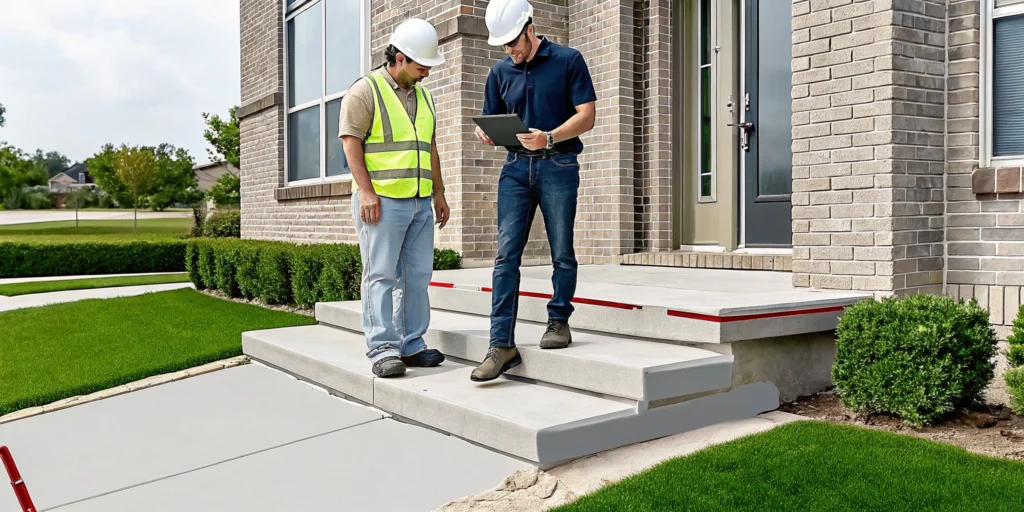
The ground beneath your Denton home has a dramatic personality. Our region is known for its expansive clay soil, which swells with rain and shrinks during dry spells, creating a powerful cycle of push and pull against your foundation. This constant movement is the root cause of sloping floors, cracked walls, and sticking doors. Understanding this unique local challenge is the first step to protecting your biggest investment. We’ll break down exactly what’s happening underground and provide a clear, step-by-step plan for diagnosing the problem and choosing the right foundation repair contractor in Denton TX to secure your home.
Key Takeaways
- Identify Foundation Problems Early: Look for telltale signs like diagonal wall cracks, sticking doors, and uneven floors. Catching these issues early, especially in Denton’s shifting clay soil, is the key to a simpler and less expensive repair.
- Start with an Engineer’s Report: Always hire an independent structural engineer for an unbiased assessment before calling repair companies. This report is your roadmap, ensuring you only pay for necessary work and giving you the power to accurately compare contractor quotes.
- Vet Your Contractor Thoroughly: Hire a licensed, insured contractor who has proven experience with Denton’s soil. Verify their repair methods, check for strong warranties, and always get a detailed, written contract before any work begins.
Is Your Denton Home Showing These Foundation Warning Signs?
Your home’s foundation is easy to ignore, until it starts causing problems. Because foundation issues often begin subtly, it’s tempting to write them off as normal settling or just a quirk of an older house. But here in Denton, our expansive clay soil loves to shrink and swell with the seasons, and those small issues can quickly become major structural problems. Catching them early is the key to a simpler, less expensive fix.
Ignoring these red flags can lead to more extensive damage throughout your home. The good news is that your house will usually tell you when something is wrong; you just have to know what to look for. From hairline cracks that suddenly seem wider to a door that just won’t close right, these clues are your home’s way of asking for help. Let’s walk through the most common warning signs that your foundation needs a professional look. If you spot any of these, it’s time to call in an expert for a proper foundation repair assessment.
Cracks in Your Walls, Floors, or Ceiling
Small, hairline cracks can be a normal part of a home settling, but certain types of cracks are a clear signal of foundation movement. Pay close attention to diagonal cracks that run from the corners of doors and windows, or stairstep cracks in brick or concrete block walls. These often indicate that one part of your foundation is moving differently than another.
You should also be concerned about any cracks in your floors, whether they are in tile, vinyl, or the concrete slab itself. A crack that is wider than a quarter of an inch or is wider on one end than the other is a definite red flag. These aren’t just cosmetic issues; they are signs that the structural integrity of your home could be at risk.
Doors and Windows That Stick or Won’t Close
Is there a door in your house that you have to shove to get it to latch? Or a window that’s nearly impossible to open? While humidity can cause wood to swell, persistent sticking is a classic sign of foundation trouble. When a foundation shifts, it can twist and warp the frames of your doors and windows, causing them to bind. You might also notice that a door no longer hangs straight in its frame or that there are uneven gaps around it when it’s closed. This isn’t something that will fix itself; it’s a symptom of a larger problem that needs to be addressed.
Sloping or Uneven Floors
Have you ever dropped a marble and watched it roll to one side of the room? That’s a simple but effective way to check for sloping floors. You might also feel a sense of unease or a slight dip when walking across certain areas of your home. Uneven floors happen when the supports underneath, whether piers or a slab, have sunk or shifted. This creates low spots in your home’s structure. If you’ve noticed sloping floors or cracks in your concrete slab, it’s a clear sign that your foundation needs professional attention for concrete repair and leveling.
Gaps Around Your Windows and Doors
Take a walk around the outside of your home and look closely at your windows and doors. Do you see gaps opening up between the window frame and the brick or siding? This is a sign that the foundation has shifted enough to pull the walls away from the frames. You might also see caulk that is cracked or pulling away, or exterior trim that is separating at the corners. These gaps not only indicate a structural problem but also create entry points for water and pests. If you see spaces where there shouldn’t be any, it’s time to contact a professional for an evaluation.
How Denton’s Unique Soil Affects Your Foundation
The ground beneath your home has a bigger job than you might think. In Denton, the soil has a unique personality, and its behavior throughout the year can directly impact your home’s structural integrity. Understanding what’s happening underground is the first step to protecting your foundation. Much of North Texas is built on a type of soil that can be particularly tough on houses. This soil expands and contracts dramatically with moisture changes, putting constant stress on the concrete slab or pier and beam system holding up your home. This movement is often the root cause of many common foundation problems.
Understanding Expansive Clay Soil
Denton is known for its expansive clay soil. Think of this soil as a dense, powerful sponge. When it rains, the clay absorbs water and swells, increasing in volume. During the dry, hot Texas summers, it loses that moisture and shrinks, cracking and pulling away from anything it surrounds, including your foundation. This constant cycle of swelling and shrinking puts an immense amount of pressure on your home. Over time, this movement can cause parts of your foundation to shift, settle, or even crack. This is a slow, powerful force that can cause significant damage and often leads to the need for professional foundation repair.
The Impact of Seasonal Moisture Shifts
The dramatic Texas weather patterns make the effects of expansive clay soil even more pronounced. We’re all familiar with the cycle: long periods of drought followed by sudden, heavy downpours. During a dry spell, the clay soil contracts, which can cause the ground to pull away from your foundation. This loss of support can lead to settling and create gaps. When the rains finally arrive, the soil quickly becomes saturated and expands, pushing upward against your foundation with incredible force. This constant push-and-pull can lead to uneven movement, causing issues like sloping floors, sticking doors, and visible cracks in your walls and concrete slabs.
Why Local Expertise Is Key
Because of these specific soil and climate conditions, foundation repair in Denton isn’t a one-size-fits-all job. A contractor who isn’t familiar with the behavior of expansive clay soil might recommend a solution that doesn’t hold up over the long term. This is why local expertise is so important. A team that works in the Denton area every day understands the unique challenges your home faces. They can accurately diagnose the problem and recommend a repair plan tailored to our region’s soil. Choosing a company with deep roots in the community ensures you’re getting a solution designed to last through every Texas season. The Solid Base team has the local experience to get the job done right.
Your First Step: Get an Independent Engineer’s Report
Before you pick up the phone to call a foundation repair company, there’s one crucial step you should take: hire an independent structural engineer. Think of this as getting a diagnosis from a doctor before you go to a surgeon. An engineer provides an unbiased, expert assessment of your home’s foundation. This report is your roadmap, giving you the power to make informed decisions and ensuring you only pay for the work you actually need. It’s the single best way to protect yourself and your investment as you begin the repair process.
How an Engineer’s Report Protects You
An engineer’s report is your best defense against unnecessary or incomplete repairs. For a cost of around $400 to $450, a licensed structural engineer will evaluate your property and tell you definitively if you need foundation repair and exactly where support piers should be installed. Since the engineer isn’t selling you the repair service, their opinion is completely impartial. This report also becomes a valuable asset if you ever decide to sell your home, as you’ll need to include it in your disclosure documents. As a bonus, some foundation companies may even agree to deduct the cost of the report from your final bill if you choose to work with them.
What to Look for in the Report
Beyond just confirming the problem, a good engineering report educates you about your home’s specific situation. It will detail what to watch for in the future and explain how to manage the challenges of Denton’s expansive clay soil, which can shift dramatically with the seasons. This insight is invaluable for understanding the long-term stability of your foundation. The report gives you a clear picture of the underlying causes of the damage, so you’re not just fixing a symptom. This knowledge empowers you to have more productive conversations with contractors because you understand exactly what your home needs and why.
Using the Report to Compare Quotes
Here’s a pro tip: get estimates from several foundation repair companies before you show them your engineer’s report. This strategy allows you to see if a contractor’s recommendations match the independent findings. It’s a simple way to test their honesty and expertise. For example, one homeowner who got three estimates found that one company completely missed a side of the house that needed piers. Once you have a few quotes in hand, you can use the report to compare them accurately and identify the contractor who offers the most thorough solution. This approach helps you find a team you can trust to contact for the job.
What Can a Denton Foundation Repair Contractor Do for You?
Once you have an engineer’s report in hand, you can start talking to contractors about the specific solutions for your home. A professional foundation repair contractor does more than just patch up cracks. They offer a suite of services designed to address the root cause of the problem, restore your home’s structural integrity, and prevent future issues. From lifting a sinking slab to managing the moisture in the soil around your home, their work is all about creating long-term stability.
Slab Foundation Repair
Most homes in Denton are built on concrete slab foundations, which can settle or crack over time due to our shifting clay soil. If you’ve noticed sloping floors or cracks spreading across your concrete, a contractor can help. They use specialized, patented systems to address these issues head-on. The process often involves installing piers underneath the slab to lift it back to its original position and provide permanent support. This method of foundation repair is designed to be a lasting solution that protects your home’s structure and value for years to come.
Pier and Beam Foundation Repair
Older homes in Denton sometimes have a pier and beam foundation, which creates a crawl space underneath the house. While this design has its benefits, it’s also prone to its own set of problems, like shifting piers, sagging floor joists, or moisture damage. A foundation repair expert will start by doing a thorough survey of the crawl space to pinpoint the exact cause of the problem. From there, they can make targeted repairs, like shimming or replacing beams and adding new supports, to ensure your home is stable, secure, and properly leveled once again.
Concrete Repair and Leveling
Foundation problems don’t just affect your house; they can also show up in your driveway, patio, or pool deck. Sunken or cracked concrete isn’t just an eyesore, it can also be a serious trip hazard. Instead of tearing out and replacing the entire slab, a contractor can often lift and level it. Using modern techniques like injecting a high-density polyurethane foam, they can raise the concrete back into place. This type of concrete repair is less disruptive, faster, and more affordable than a full replacement, giving you a smooth, safe surface again.
Drainage Correction and Waterproofing
In North Texas, the real culprit behind most foundation issues is water, or a lack of it. The expansive clay soil swells when it’s wet and shrinks when it’s dry, putting immense pressure on your foundation. A good contractor knows that a repair is only half the battle; preventing future damage is just as important. They can recommend and install drainage solutions, like French drains or surface drains, to channel excess water away from your foundation. This helps maintain a more consistent moisture level in the soil, reducing the cycle of swelling and shrinking that causes damage.
Post-Repair Inspections
A professional contractor’s job isn’t finished when the repair is done. They also manage the final administrative steps to ensure everything is up to code. In Denton, a “Building Final” inspection is required after the work is completed. Your contractor should handle scheduling this inspection and provide the city with all the necessary documents, including the final report from the structural engineer. This ensures the repair is officially signed off on, giving you peace of mind and the proper documentation you’ll need if you ever decide to sell your home.
What’s the Cost of Foundation Repair in Denton?
Let’s get straight to the point: foundation repair is a significant investment in your home’s health and safety. While every project is different, understanding the potential costs can help you plan and make informed decisions without the sticker shock. Nationally, homeowners can expect to pay anywhere from $2,200 to over $8,000 for typical repairs. Here in Texas, where our expansive clay soil keeps foundation companies busy, the costs are very similar. The final price tag depends entirely on what’s happening underneath your home, but getting a clear, detailed estimate is the first step toward a solution.
Understanding the Average Costs
Talking about “average” costs can be tricky, but it helps to have a ballpark figure in mind. Most foundation repair projects in the Denton area land somewhere between $3,300 and $7,000. Minor crack repairs might be on the lower end of that spectrum, while more extensive work involving significant leveling or numerous piers will be on the higher end. Think of this range as a starting point. The only way to know for sure what your home needs is to have a professional come out, assess the damage, and provide a detailed quote based on their findings.
Factors That Influence the Final Price
So, what causes that wide price range? Several key factors determine your final cost. The biggest one is the extent of the damage; a few hairline cracks are a much simpler fix than a severely settled corner of your house. The size of your home and the specific foundation repair method required also play a major role. For example, installing steel piers is a different process with different material costs than injecting polyurethane foam. Finally, accessibility matters. If crews have a hard time reaching the problem area, it can add to the labor time and overall expense.
Why the Cheapest Quote Isn’t Always the Best
When you’re looking at multiple quotes, it’s tempting to go with the lowest number. But a suspiciously cheap bid can be a red flag. It might signal a contractor who is cutting corners, using subpar materials, or isn’t properly licensed and insured. A quality repair is a permanent solution, not a temporary patch. Choosing a reputable company that uses proven products and backs their work with a strong warranty protects your investment for the long haul. Catching issues early is the best way to save money, so addressing problems with a trusted expert is always the smartest financial move.
Exploring Your Financing Options
We get it, a foundation repair bill isn’t something most people have saved for. The good news is you don’t have to pay for it all at once. Many reputable foundation repair companies understand that this is a major, and often unexpected, expense for homeowners. Because of this, they offer flexible payment plans to make the project more manageable. At Solid Base, we provide straightforward financing options to help you get the necessary repairs done now, protecting your home’s value without draining your savings. Don’t let cost be a barrier to securing your foundation.
How to Choose the Right Foundation Repair Contractor
Choosing a contractor to work on your home’s foundation is a big decision. This isn’t just another home improvement project; it’s about protecting the structural integrity of your biggest investment. Taking the time to find the right partner for the job will save you from future stress and costly re-dos. A great contractor will not only fix the problem but also give you peace of mind. The goal is to find a team that is experienced, transparent, and stands behind their work. When you’re dealing with something as important as the base of your home, you can’t afford to cut corners or hire the wrong person.
When you start looking for a contractor, you’re looking for a specialist. You need someone who understands the specific challenges of our area and has a proven track record of success. Think of it like hiring any other expert; you want to see their credentials, understand their process, and feel confident in their ability to deliver. It’s about building a relationship based on trust. We’ll walk through the key things to look for so you can hire a contractor with confidence. By the end of this section, you’ll have a clear checklist to help you evaluate your options and choose a company you can trust to get the job done right the first time.
Licensing, Insurance, and Certifications
First things first, let’s talk about the non-negotiables. Any contractor you consider must be fully licensed and insured. This is your first line of defense. Licensing proves they meet state and local requirements to perform the work, while insurance protects you from liability if an accident happens on your property. Don’t just take their word for it; ask to see copies of their licenses and insurance certificates. A reputable company will have this information ready and will be happy to share it. This simple step ensures you’re working with a legitimate professional who takes their business and your safety seriously.
Experience With Denton’s Soil
Here in Denton, we have a unique challenge lurking right under our homes: expansive clay soil. This type of soil acts like a sponge, swelling when it gets wet and shrinking dramatically when it dries out. This constant movement puts immense pressure on your foundation, leading to cracks and settling. That’s why it’s absolutely critical to hire a contractor with specific experience in the Denton area. They will understand the local soil behavior and know which repair methods are most effective for providing a stable, long-term solution, rather than just a temporary fix.
Proven Products and Repair Methods
The tools and techniques used for your repair matter just as much as the team doing the work. Ask potential contractors about the products and methods they use. Look for companies that utilize patented, proven systems for foundation repair. These systems have been engineered and tested to provide reliable, lasting results. A contractor who invests in high-quality, proven products is showing a commitment to the quality and durability of their work. This focus on proven solutions helps protect your home against future foundation problems, ensuring the repair holds up for years to come.
Strong Warranties on All Work
A warranty is more than just a piece of paper; it’s a contractor’s promise to stand behind their work. A trustworthy company will always offer a strong, clear warranty on their repairs. This demonstrates their confidence in the quality of their materials and the skill of their team. Be sure to read the warranty carefully to understand what it covers and for how long. A solid warranty provides you with crucial protection and peace of mind, knowing that if any issues arise after the job is done, the company will be there to make it right. You can often see the quality of their work in a project gallery.
Transparent, Written Contracts
Never proceed with foundation work based on a verbal agreement. A detailed, written contract is essential to protect both you and the contractor. This document should outline the exact scope of work, the materials to be used, the total cost, the payment schedule, and the project timeline. It should also specify that the contractor is responsible for securing all necessary permits. In Denton, a permit is mandatory for foundation repair, so make sure your contractor handles this process. A transparent contract ensures everyone is on the same page and leaves no room for surprises.
How to Vet Your Contractor Before You Hire
Choosing a foundation repair contractor is a big decision, and you want to feel confident you’re hiring the right team. Once you have a few quotes in hand, it’s time to do your homework. Taking a little extra time to vet your top contenders can save you from major headaches down the road. It’s about more than just the price; it’s about finding a trustworthy partner who will do the job right and stand by their work. Think of this as the final interview stage, where you confirm that a company’s practices and reputation align with their promises.
Check Reviews and References
Start by seeing what past customers have to say. Websites like Angi and Yelp are great resources for reading firsthand accounts of other homeowners’ experiences. Look for patterns in the feedback. Are customers consistently praising the company’s communication and professionalism? Do they mention the crew showing up on time and cleaning up afterward? Don’t be afraid to ask the contractor for a list of recent references you can call. Speaking directly with a former customer can give you insights you won’t find in an online review and help you get a feel for the company’s process from start to finish.
Spotting the Red Flags
While you’re looking for good signs, it’s just as important to watch out for red flags. A few negative reviews aren’t necessarily a dealbreaker, but a pattern of complaints about the same issue, like poor workmanship or surprise costs, should make you pause. Be wary of any contractor who uses high-pressure sales tactics or pushes you to sign a contract on the spot. You can also check local community forums, like the Denton subreddit, to see if residents have shared their own experiences. Unfiltered feedback from your neighbors can be incredibly valuable when you’re trying to spot potential problems before you hire.
Key Questions to Ask During the Estimate
Your on-site estimate is the perfect opportunity to interview a potential contractor. Use this time to ask specific questions that demonstrate their expertise, especially regarding Denton’s unique soil conditions. A knowledgeable contractor should be able to explain their recommended repair method and why it’s the best solution for your specific problem.
Here are a few key questions to ask:
- How long have you been repairing foundations in the Denton area?
- Why are you recommending this particular repair method for my home?
- Can you provide an itemized quote that breaks down all the costs?
- What kind of warranty do you offer on your work, and what does it cover?
Finding the Right Foundation Repair Team in Denton
Now that you know what to look for in a contractor, it’s time to start your research. Finding the right team can feel like a huge task, but you’re already on the right track. Denton is home to several experienced foundation repair companies, and your goal is to find the one that best fits your specific needs, budget, and communication style. The best way to do this is to get estimates from a few highly-rated professionals.
Comparing quotes gives you a clearer picture of the scope of work and the potential costs. It also lets you meet the people you might be working with and ask them critical questions about their process, warranties, and experience with homes like yours. To help you get started, we’ve compiled a list of trusted foundation repair specialists who serve the Denton area. Use this as a starting point for your own vetting process to find a partner you can count on to protect your home.
Solid Base Foundations
With over 18 years of experience serving homeowners across the Dallas-Fort Worth Metroplex, our team at Solid Base Foundations knows Denton’s soil and its challenges inside and out. We handle everything from settling slab foundations to pier and beam failures, using patented, proven products to ensure a lasting fix. We believe in getting the job done right the first time, which is why we offer a free estimate on every project. Our goal is to provide an accurate diagnosis and a durable foundation repair solution that gives you peace of mind for years to come.
Other Reputable Local Contractors
As you gather quotes, it’s smart to explore a few different options. Denton has several other well-regarded companies with a strong track record. According to customer reviews on sites like Yelp and Angi, some of the top-rated foundation repair contractors in the area include Pinnacle Foundation Repair, Olshan Foundation Repair, and Perma Pier Foundation Repair. Homeowners often praise these companies for their professionalism and thorough evaluations. When looking at reviews, pay attention to comments about clear communication, respect for property, and how well the company honored its warranties, as these details can tell you a lot about the customer experience.
Should You Repair Your Foundation or Sell As-Is?
Deciding whether to fix a known foundation issue or sell your home as-is is a major crossroads for any homeowner. While selling as-is might seem like the easier path, it often comes with significant financial trade-offs. Understanding how buyers perceive foundation problems can help you make the best decision for your situation.
How Foundation Issues Affect Your Home’s Value
It’s tempting to let the next owner deal with a foundation problem, but this approach can seriously impact your bottom line. Foundation issues aren’t just cosmetic; they affect the structural integrity of the entire house, making them a huge red flag for potential buyers. A home with a known foundation problem will likely sell for much less than its market value, often at a discount greater than the cost of the repair itself. Plus, these problems tend to get worse over time, leading to more extensive damage and even higher repair bills. Taking care of foundation repair is a direct way to protect your home’s value and make it a sound investment for a future buyer.
The Financial Benefits of Repairing Before You Sell
Fixing your foundation before you sell is often a wise financial decision. A home with a repaired foundation, especially one with a transferable warranty, gives buyers confidence and peace of mind. This can lead to a faster sale and a higher closing price. In Texas, you are legally required to disclose known defects to buyers. An unrepaired foundation issue gives a buyer powerful leverage to negotiate your price down or walk away from the deal entirely. Because this is a specialized job, most buyers are unwilling to take on such a large and uncertain project. By handling the repairs yourself, you remove that major obstacle. Many contractors offer financing options to help manage the cost, allowing you to protect your equity and get the best possible price for your home.
Related Articles
- Foundation Repair Cost: The Ultimate 2026 Guide
- Pier & Beam Foundation Repair: Signs, Costs & Fixes
- A Homeowner’s Guide to Foundation Repair Services
- Ultimate Guide to Foundation Repair Options
- Foundation Crack Repair: A DIY vs. Pro Guide
Frequently Asked Questions
Are all wall cracks a sign of a serious foundation problem? Not necessarily. Tiny, hairline cracks can be part of a house’s normal settling process. The cracks you need to pay attention to are the ones that show signs of movement. Look for diagonal cracks running from the corners of doors and windows, stairstep cracks in brickwork, or any crack that seems to be getting wider. If you notice these, especially along with other signs like sticking doors or uneven floors, it’s a good signal that your foundation is shifting and needs a professional evaluation.
Do I really need to hire an engineer before calling a repair company? Think of it this way: an engineer gives you an impartial diagnosis, while a contractor provides the treatment plan. Hiring an independent structural engineer first is a smart move that protects you. Their report will tell you exactly what, if any, repairs are needed. This gives you a clear, unbiased blueprint you can use to compare quotes from different companies, ensuring you only pay for the work that is truly necessary for your home.
Is foundation repair a really messy and disruptive process? It’s definitely a major project, but professional crews are very experienced at managing the process to keep disruption to a minimum. The exact timeline depends on the scope of the work, but many repairs can be completed within a few days. The team will handle all the heavy lifting and excavation, and a good contractor will make sure to clean up the site thoroughly once the job is done. Your main priority will just be clearing the work areas inside and outside your home.
Once the repair is done, will I have to worry about this happening again? A high-quality foundation repair is designed to be a permanent solution. By using methods like installing steel piers that reach stable soil deep underground, the repair addresses the root cause of the settling. The goal is to provide lasting support that isn’t affected by the shrinking and swelling of the clay soil near the surface. Combining the repair with proper drainage solutions is also key, as it helps maintain more consistent moisture levels around your home and prevents future movement.
My foundation issues seem minor. Can I just wait and see what happens? It’s tempting to take a “wait and see” approach, but foundation problems almost never get better on their own. In fact, they tend to get worse over time. A small amount of settling today can lead to more significant structural damage throughout your home later, resulting in a much more complex and expensive repair. Addressing the issue early is the most effective way to protect your home’s value and keep the cost and scope of the repair manageable.