
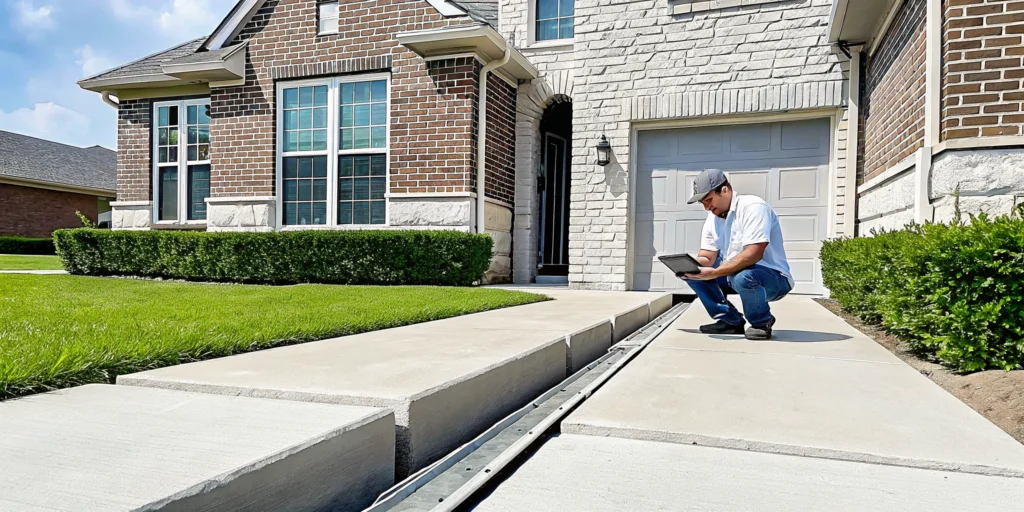
Your home has a way of telling you when something is wrong. A door that refuses to latch, a window that’s become difficult to open, or a new gap along the baseboards are all subtle messages. These aren’t just random annoyances; they are often the earliest signs of a shifting foundation. Learning to recognize these clues can save you from much larger and more expensive problems down the road. Think of this as your guide to understanding your home’s language. We’ll cover what to look for and what your options are for the foundation repair Dallas soil makes so necessary.
Key Takeaways
- Pay attention to your home’s warning signs: Common issues like doors that stick, cracks in your walls or tile, and gaps around windows are often the first signals of a shifting foundation. Addressing these signs early is the best way to prevent more extensive and costly damage.
- Understand the root cause of the problem: Foundation issues in Dallas are typically caused by our expansive clay soil, not poor construction. Effective, long-term solutions involve professional repairs like installing piers or managing drainage, not just cosmetic fixes like caulking cracks.
- Choose a trustworthy partner for the repair: Always select a licensed and insured contractor with proven experience in the Dallas area. Get a detailed written estimate before work begins, and ask about financing options to make this essential investment in your home more manageable.
Warning Signs of Foundation Problems in Your Dallas Home
Living in the Dallas area means dealing with our unique clay soil, which can be tough on a home’s foundation. It expands when wet and shrinks when dry, causing the ground beneath your house to shift. While that sounds a little unsettling, the good news is that your home will usually give you clear signals if there’s a problem. The key is knowing what to look for. Spotting these warning signs early can save you a lot of stress and money down the road. Think of it as a regular health checkup for your home; paying attention to the little things can help you catch bigger issues before they start.
Cracks in Your Walls, Floors, or Foundation
Finding a crack in your wall can be alarming, but not every crack signals a disaster. It’s a fact that more than half of all homes in North Texas will experience some foundation movement. Small, hairline cracks are often just a sign of normal settling. The ones you need to watch for are the more dramatic cracks: zigzag or diagonal lines spreading from the corners of doors and windows, or cracks in your floor tiles or the foundation itself. A professional evaluation will look at the amount of differential settlement (how unevenly the house has moved) and the pattern of damage to determine if you need foundation repair.
Doors That Stick and Gaps Around Windows
Have you noticed a bedroom door that suddenly won’t latch, or a window that’s a struggle to open? These aren’t just random annoyances; they’re classic signs of a shifting foundation. When your foundation moves, it can twist the frame of your house, putting pressure on door and window frames. You might also see new gaps forming between your walls and the ceiling or floor, or around your window frames. It’s your house’s way of telling you that things are out of alignment. If you’re constantly fighting with your doors or notice daylight peeking through where it shouldn’t be, it’s a good time to get an expert opinion.
Exterior Clues: What to Look for Outside
Some of the most telling signs of foundation trouble are found on the outside of your home. Take a walk around your property and look closely at the visible part of your foundation and the exterior walls. Are there cracks in the brick or concrete? As with interior walls, diagonal cracks are a major red flag. You should also check for a chimney that has started to lean or separate from the house. Another clue can be found in your garage; look for walls pulling away from the ceiling or gaps where the garage door meets the pavement. Seeing examples of these issues can help you identify what to look for on your own property.
Your Guide to Foundation Repair Services in Dallas
Once you’ve spotted the warning signs, the next step is understanding what can be done to fix them. Foundation repair isn’t a one-size-fits-all solution. The right approach depends entirely on your home’s construction, the soil underneath it, and the specific issues you’re facing. For homeowners in the Dallas area, this usually involves one of three main categories: repairing a concrete slab, securing a pier and beam structure, or addressing underlying water problems with drainage solutions.
Think of it like visiting a doctor. You wouldn’t want a prescription without a proper diagnosis, and the same goes for your home. A professional assessment is the only way to pinpoint the root cause of the problem and map out the most effective, long-lasting repair plan. A trustworthy contractor will walk you through their findings and explain exactly which services your home needs and why. This ensures you’re not just patching a symptom but are truly fixing the core issue to protect your property for years to come. We’ll break down the most common services you’re likely to encounter.
Repairing Concrete Slab Foundations
Most homes in the Dallas area sit on a concrete slab foundation. It’s a solid, reliable base, but our expansive clay soil can cause it to shift, settle, and crack over time. If you’ve noticed cracks spreading across your floors or walls, or your floors have become uneven, you’re likely seeing the effects of a struggling slab. The goal of concrete repair is to stabilize the foundation and, in many cases, lift it back to its original position. Professionals achieve this by installing steel or concrete piers deep into the ground beneath the slab, anchoring your home to more stable soil and preventing further movement.
Securing Pier and Beam Foundations
Older homes in Dallas often have pier and beam foundations, which create a crawl space between the ground and the house. This style has its own unique set of potential problems, like sagging floors that feel bouncy or wooden beams that have started to rot from moisture. Securing a pier and beam foundation might involve replacing damaged wood, adding shims to level the floor joists, or installing new piers to provide better support. A thorough inspection of the crawl space is the first step to identify weak spots and create a plan to reinforce your home’s entire support structure, ensuring it’s safe and stable.
Solving Water Issues with Drainage Solutions
Believe it or not, the biggest threat to your foundation is often water. Too much moisture saturates the clay soil, causing it to swell and push against your foundation. When the soil dries, it shrinks and pulls away, leaving gaps that cause your foundation to settle. This constant cycle is what leads to major structural damage. Effective drainage solutions are your first line of defense. Systems like French drains, surface drains, and sump pumps are designed to channel water away from your home, keeping the soil around your foundation stable. It’s a proactive step that protects your home and your investment in any repairs.
How to Choose the Best Foundation Repair Company in Dallas
Finding the right team to handle your foundation repair can feel like a huge task, but it doesn’t have to be. Knowing what to look for and which questions to ask will help you find a trustworthy contractor who can get the job done right. Your home is your biggest investment, so it’s worth taking the time to find a company that will protect it. Let’s walk through how to identify a great partner and spot the red flags that tell you to walk away.
What to Look for in a Top-Notch Contractor
A great foundation repair company is built on more than just concrete. First, confirm they have all the necessary licenses and insurance. This protects you from liability and ensures they meet professional standards. Next, look for deep local expertise. Dallas soil is notoriously expansive, so you need a team that understands the specific challenges in our area. Check their reputation by reading recent reviews and asking for references. A company that is proud of its work will be happy to share it. Look for experienced, skilled professionals who are transparent about their process and have a long history of successful projects in North Texas.
Key Questions to Ask Before You Hire
When a contractor comes to your home, you should be ready with a few key questions. This helps you compare companies and make an informed choice. Start by asking, “What specific repair method do you recommend for my home, and why?” A good contractor will explain their reasoning clearly. Always ask, “Are you licensed and insured?” and ask to see proof. Finally, find out about the initial process by asking, “Do you offer a free estimate or inspection?” Reputable companies will assess the situation thoroughly before giving you a quote, ensuring there are no surprises down the line.
Red Flags to Watch Out For
Just as important as knowing what to look for is knowing what to avoid. Be wary of any contractor who refuses to provide a written contract detailing the scope of work, timeline, and costs. A major red flag is a demand for full payment upfront, especially in cash. Most professionals require a reasonable deposit with a clear payment schedule. Also, check for a legitimate local presence. If a company has no local address or phone number, or seems to have appeared overnight, it’s best to be cautious. A trustworthy company will have a portfolio of their work and an established reputation in your community.
What to Expect for Foundation Repair Costs in Dallas
Let’s talk about one of the biggest questions on every homeowner’s mind: the cost. When you’re facing a potential foundation issue, it’s natural to worry about the budget. The truth is, there’s no single price tag for foundation repair. The final cost depends entirely on your home’s specific situation.
Think of it like a custom solution for a unique problem. The price is tailored to the extent of the damage, the type of foundation you have, and the specific repair method needed to make your home safe and secure again. Understanding the variables can help you feel more prepared for the investment and confident in your decisions. We’ll walk through the main factors that determine the cost, what to expect from your insurance, and how to manage the expense.
Factors That Influence the Final Price
The final price for your foundation repair can vary quite a bit, and it’s helpful to know why. The biggest factor is the extent of the damage. A few minor cracks will require a less intensive fix than a foundation that has settled several inches. The size of your home and the type of foundation, whether it’s a concrete slab or a pier and beam system, also play a major role. In Dallas, our expansive clay soil is often the culprit, and the specific solution needed to counteract its effects will influence the cost. A professional assessment will determine the exact method required, from installing piers to addressing underlying water issues.
Does Texas Homeowners Insurance Cover Foundation Repair?
This is a common question, and the answer can be tricky. In Texas, a standard homeowners insurance policy might cover foundation damage, but only if it’s the result of a specific, sudden event listed in your policy, like a burst pipe or an unexpected fire. Unfortunately, most foundation problems in our area are caused by the gradual shifting and settling of soil, poor drainage, or long-term wear. These issues are typically not covered by standard insurance. It’s always a good idea to pull out your policy and review the details or call your agent to get a clear understanding of what your specific plan covers.
Getting a Clear Estimate and Finding Financing
Before any work begins, you should always get a detailed, written estimate. This document is your roadmap. It should clearly outline the proposed scope of work, the materials that will be used, and the total cost, leaving no room for surprises. This transparency is a hallmark of a trustworthy contractor. We know that foundation repair is a significant investment, which is why many reputable companies offer financing options to help you manage the cost without financial strain. This allows you to break down the total into more manageable monthly payments, so you don’t have to put off essential repairs that protect your home’s value and safety.
Why Dallas Clay Soil Is Tough on Foundations
If you live in the Dallas area, you’ve probably heard neighbors talk about foundation problems. It’s a common topic for a reason, and it has everything to do with the ground your home is built on. The soil here isn’t just dirt; it’s a specific type of expansive clay that can be incredibly tough on structures. Understanding how this soil behaves is the first step in protecting your biggest investment.
More than half of all homes in North Texas will experience some foundation movement in their lifetime. While that sounds alarming, it doesn’t have to be a crisis. Many homeowners delay repairs because they hear conflicting advice or myths from neighbors, but the truth is that being informed is your best defense. Knowing what you’re up against and taking a few proactive steps can make all the difference in keeping your foundation stable and secure for years to come. The key isn’t to worry, but to know what to look for and when to act.
The Problem with Expansive Clay Soil
The soil throughout the Dallas-Fort Worth area is rich in expansive clay. Think of this clay like a dense sponge. During our wet seasons, it absorbs a massive amount of water and swells, pushing up against your foundation. Then, during the hot, dry Texas summers, it loses that moisture and shrinks, pulling away from the concrete. This constant cycle of swelling and shrinking creates significant pressure and movement under your home. This is what leads to common foundation problems. When the soil shrinks, parts of your foundation can lose support and begin to settle or sink, causing cracks. When it swells, it can lift sections of the foundation, a process called upheaval. This relentless movement is why professional foundation repair is such a common need in our region.
Proactive Tips to Protect Your Foundation
While you can’t change the soil, you can manage its impact. The key is to maintain consistent moisture levels around your home’s perimeter. During dry spells, use a soaker hose to lightly water the soil about 18 inches away from your foundation. This prevents the clay from shrinking excessively. Conversely, ensure your gutters and downspouts direct rainwater away from the house to prevent oversaturation and swelling. Keep an eye out for early warning signs. Diagonal cracks extending from the corners of doors and windows are a classic red flag for foundation settlement. You might also notice doors that stick or gaps forming around window frames. If you see these issues, don’t wait. Small problems can become much larger and more expensive to fix over time. Getting a professional assessment can give you peace of mind and a clear plan. You can always contact us for a free estimate.
What to Expect During the Foundation Repair Process
Thinking about foundation repair can feel overwhelming, but knowing what’s ahead makes the entire experience much smoother. When you partner with an experienced team, you’ll find it’s a well-organized process designed to permanently solve your foundation issues and give you back your peace of mind. The journey to a stable home generally unfolds in three clear stages: a detailed inspection, the hands-on repair work, and finally, the long-term care that keeps your home secure for years to come.
A professional crew will guide you through every step, ensuring you understand what’s happening and why. From the initial assessment to the final cleanup, the focus is on providing a lasting solution with minimal disruption to your life. The goal of any foundation repair project is not just to fix the visible symptoms like cracks and sticking doors, but to address the underlying cause. This ensures your home is resting on a stable, secure base once again. Let’s walk through what you can expect at each stage.
The First Step: Inspection and Assessment
Everything begins with a thorough inspection. This isn’t just a quick walk-around; it’s a detailed evaluation to diagnose the root cause of your foundation problems. A trained specialist will visit your home to analyze several key factors. They will measure how much your foundation has moved (known as differential settlement), identify the direction of the movement, and assess the condition of the Dallas-area clay soil around your home. They’ll also examine the pattern of damage both inside and outside, from wall cracks to misaligned doors. This information helps create a complete picture of your home’s structural health and allows us to design a precise, effective repair plan. You can start this process by scheduling a free, no-obligation estimate to get a clear and honest assessment.
The Repair Phase: What Happens on a Job Site
Once you approve the repair plan, our professional crew gets to work. We understand that your home is your sanctuary, so we treat it with the utmost respect. The team will begin by preparing the area, which may involve carefully excavating small sections around your foundation. If you have delicate landscaping, we’ll advise you on how to protect it. Then, our skilled technicians will install the patented, proven products needed to lift and stabilize your foundation. You can see examples of what our job sites look like by viewing our work on other homes in the Dallas area. Throughout the process, we keep you informed and work efficiently to minimize disruption before cleaning up the site completely.
After the Fix: Long-Term Care and Follow-Up
Our commitment to you doesn’t end when the repair is finished. After your foundation is stabilized, you can rest easy knowing it’s secure for the long haul. In some cases, lifting the foundation may close up old cracks, leaving minor cosmetic touch-ups for you to handle. Most importantly, a reputable company stands behind its solutions. As a team of experienced professionals backed by a national network, we are proud of our commitment to lasting quality. We’ll also provide you with tips for long-term care, such as maintaining proper drainage, to help protect your investment and prevent future issues. Your home is back on solid ground.
Debunking Common Myths About Foundation Repair
When you’re worried about your home’s foundation, the last thing you need is bad advice. There’s a lot of misinformation floating around that can cause homeowners to either panic or, even worse, ignore a problem until it becomes a major headache. Let’s clear up a few common myths so you can feel confident about the next steps you take to protect your home. Understanding the truth helps you make smart, timely decisions for your property’s long-term health.
Myth: A little caulk is all you need to fix foundation cracks.
It’s tempting to think that a simple tube of caulk can solve a crack in your foundation or brickwork. After all, it covers the problem, right? Unfortunately, this is just a cosmetic fix that does nothing to address the root cause. Think of it as putting a small bandage on a deep wound. The underlying issue, whether it’s soil movement or water pressure, is still happening. Those forces will continue to stress your foundation, and that small crack will likely reappear or worsen. Proper concrete repair involves stabilizing the foundation to stop the movement, not just hiding the evidence.
Myth: Only poorly built homes have foundation problems.
This is one of the most persistent myths, and it’s simply not true, especially here in North Texas. The reality is that our expansive clay soil is the primary culprit. This type of soil swells dramatically when it’s wet and shrinks just as much when it’s dry, putting immense pressure on everything built on top of it. In fact, more than half of all homes in our area will experience noticeable foundation movement at some point, regardless of how well they were constructed. So, if you see warning signs, don’t assume it’s a reflection of your home’s quality; it’s likely just a normal part of homeownership in Dallas that requires professional foundation repair.
Myth: Foundation repairs are always too expensive to handle.
The fear of a massive bill causes many homeowners to delay getting an inspection. While foundation repair is a significant investment, ignoring the problem is almost always more expensive in the long run. A small issue left untreated can lead to widespread damage, including broken plumbing lines, warped door frames, and severe wall cracks, which are far costlier to fix. The best approach is to get a clear picture of what you’re dealing with. Many professional companies offer free estimates to assess the damage. Plus, options like financing can make the cost much more manageable, allowing you to protect your home’s value without draining your savings.
Related Articles
- Foundation Repair Cost: The Ultimate 2026 Guide
- How to Fill Large Cracks in Concrete Like a Pro
- Pier & Beam Foundation Repair: Signs, Costs & Fixes
- Ultimate Guide to Foundation Repair Options
Frequently Asked Questions
How can I tell the difference between a serious foundation crack and normal house settling? This is a great question, and it’s one I hear all the time. Small, hairline cracks, especially in the drywall above door frames, are often just your home settling naturally. The signs that point to a bigger issue are more dramatic. Look for diagonal or zigzag cracks that spread out from the corners of windows and doors, cracks in your floor tiles, or any crack in the exterior brick or concrete foundation itself. If a crack is wide enough to fit a coin into or seems to be getting larger over time, it’s a clear signal to get a professional opinion.
Will the foundation repair process destroy my landscaping? It’s completely understandable to worry about your yard and garden. A professional and respectful crew knows your landscaping is part of your home. They will take great care to minimize any disruption. The process often involves digging small, targeted holes around the foundation, and the team will be strategic about where they work. If any of your prized plants are in the immediate work area, the crew leader will typically discuss a plan with you beforehand, which might involve carefully moving them so they can be replanted after the job is done.
How long does a typical foundation repair project take? The timeline for a repair really depends on the scope of the work. A straightforward job addressing a specific, localized issue might only take one or two days to complete. However, a more extensive project that requires installing numerous piers around a larger home could take a week or more. A trustworthy contractor will give you a clear and detailed timeline along with your written estimate, so you will know exactly what to expect before any work begins.
What happens if I just ignore the warning signs for a while? It can be tempting to put off dealing with foundation issues, but unfortunately, they don’t fix themselves. Ignoring warning signs like sticking doors or growing cracks allows the underlying problem, which is usually soil movement, to continue. Over time, this can lead to more severe and costly damage, such as broken plumbing pipes beneath the slab, warped window and door frames, and even significant structural instability. Addressing the issue early is always the most effective and affordable approach.
Is watering my foundation actually effective, and how do I do it right? Yes, maintaining consistent moisture in the soil around your home is one of the best proactive steps you can take in the Dallas area. The goal is to prevent the extreme shrinking and swelling of our clay soil. The best way to do this is with a soaker hose placed about 12 to 18 inches away from the foundation. During dry periods, run it on a low setting for a short time to keep the soil lightly and consistently damp, not muddy or saturated. This simple routine helps reduce the stress on your foundation.