
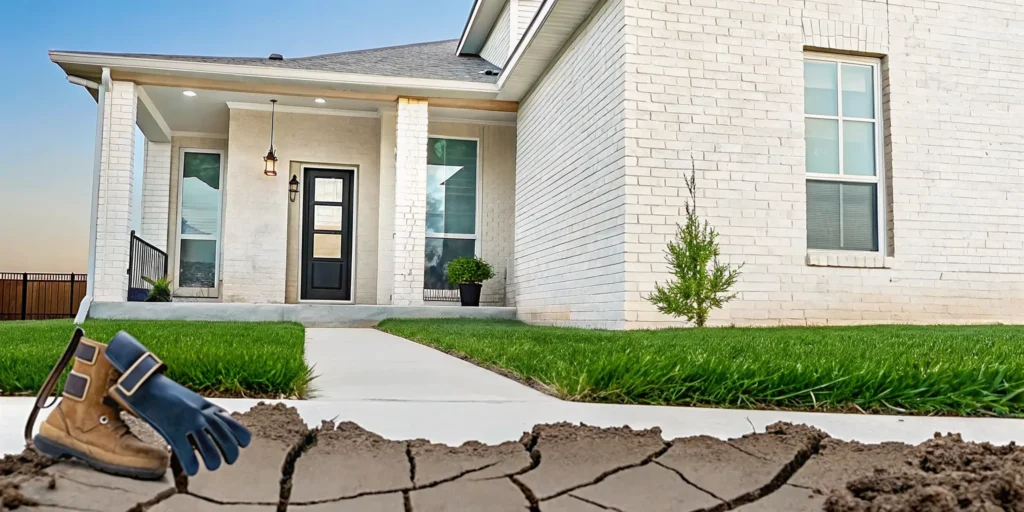
That hairline crack in the brick you’ve been watching just got a little wider. It’s a common story for homeowners around Dallas, especially after a long, hot summer. The culprit is almost always the same: our expansive clay soil shrinking during a drought. This soil movement causes your foundation to shift and settle, putting stress on your entire home. What starts as a small cosmetic issue can quickly evolve into a major structural problem if left unaddressed. This guide is designed to give you clarity and confidence. We’ll cover the essential preventative measures you can take and explain why professional foundation repair for drought damage North Texas is the only way to secure your home for the long term.
Key Takeaways
- Maintain Consistent Soil Moisture: The clay soil in North Texas shrinks when it dries out, which can cause your foundation to settle. You can prevent this by using soaker hoses to keep the ground around your home from pulling away, providing a more stable base for your foundation.
- Watch for Key Warning Signs: Your home will signal trouble with specific clues. Look for new cracks in brick or drywall, doors and windows that begin to stick, and gaps appearing between walls and ceilings, as these are common indicators of foundation movement.
- Address Problems Early to Avoid Higher Costs: Foundation issues worsen over time, leading to more complex and expensive repairs. If you spot a problem, document it and schedule a professional inspection right away to get a clear diagnosis and prevent minor issues from becoming major ones.
How Drought Damages Your Home’s Foundation
Living in North Texas means enjoying sunny days, but those long, dry spells can be tough on our homes. A drought doesn’t just mean a brown lawn; it can cause significant and costly damage to your home’s foundation. Understanding how this happens is the first step to protecting your property. It all comes down to the ground your house is built on.
It Starts with Our Expansive Clay Soil
The ground beneath our feet in the Greater Dallas area has a unique characteristic: it’s full of expansive clay. Think of this soil like a sponge. When it’s saturated with water, it swells up and expands. But during a drought, the opposite happens. As the clay soil loses moisture, it shrinks dramatically, much more than other types of soil. This shrinking causes the ground to pull away from your foundation, leaving gaps and creating an unstable base for the heavy structure of your home. It’s this specific soil composition that makes our region particularly vulnerable to foundation problems during dry weather.
How the Shrink-Swell Cycle Affects Your Home
This constant expanding and contracting is known as the shrink-swell cycle, and it puts your foundation under incredible stress. During a drought, the shrinking soil can cause parts of your foundation to sink or settle into the newly formed gaps. This uneven movement is what leads to cracks and structural shifts. Then, when the rains finally return, the soil doesn’t absorb moisture evenly. Some areas might swell faster than others, pushing upward on the foundation and making existing problems even worse. This cycle of sinking and heaving is a primary cause of serious foundation damage that requires professional attention.
Why Your North Texas Home Is at Risk
Many homeowners don’t realize the threat a drought poses until the damage is already done. Those extended periods of dryness cause the soil to lose the essential moisture it needs to support your home, leading to shifting, cracking, and sinking. Because your foundation is designed to be a rigid, stable base, it can’t flex with the moving ground beneath it. Instead, it cracks under the pressure. Seeing our past work shows just how common this issue is for homes in our community. Being aware of this risk is key to catching problems early and preventing small issues from turning into major structural repairs.
Spot the Warning Signs of Foundation Damage
Your home gives you subtle (and not-so-subtle) clues when its foundation is in trouble. While minor settling is normal for any structure, the expansive clay soil here in North Texas makes our homes particularly vulnerable during a drought. When the soil dries out and shrinks, it can pull away from your foundation, causing it to shift and settle unevenly. Catching these problems early can save you a lot of stress and money down the road. It’s all about knowing what to look for.
Think of it as a regular health checkup for your home. The signs of foundation damage often start small and can be easy to dismiss as simple cosmetic issues or quirks of an older house. However, these indicators are your home’s way of telling you something is wrong with its underlying support system. By keeping an eye out for these common warning signs, you can address issues before they become major structural headaches that are far more complex and costly to fix. Let’s walk through the key indicators that tell you it’s time to call in a professional.
Interior and Exterior Cracks
Cracks are one of the most visible signs of foundation distress. On the outside of your home, look for stair-step or zigzag cracks in brick or masonry. Inside, you might see cracks running from the corners of door and window frames or along drywall seams. While a tiny hairline crack might not be a cause for alarm, you should pay attention to cracks that are wider than a quarter-inch, are growing, or have one side that is higher than the other. These are often signs that your foundation is settling unevenly, putting stress on your home’s frame. A professional foundation repair can stabilize your home and prevent these cracks from getting worse.
Sticking Doors and Windows
Do you suddenly have a bedroom door that won’t latch or a window that’s a struggle to open? When a foundation settles, it can twist and warp the frames of your doors and windows. This distortion prevents them from opening and closing smoothly. If you notice this happening with multiple doors or windows throughout your house, it’s a strong signal that the problem isn’t just the hardware, but the structure itself. Don’t just write it off as an old house quirk, especially if it’s a new development. It’s a clear sign that your home’s frame is out of alignment due to foundation movement.
Gaps Separating Walls, Floors, or Ceilings
Take a walk through your home and look closely at where the walls meet the ceiling and the floor. Do you see any gaps or separation? This is a telltale sign that your foundation is shifting. You might also notice your kitchen cabinets or countertops pulling away from the wall. These gaps appear because as the foundation sinks or moves, it pulls parts of your home’s structure with it. Seeing these separations can be alarming, but they provide clear evidence that your foundation needs attention. You can see examples of how we address these kinds of structural issues in our work gallery.
Sloping or Uneven Floors
If you feel like you’re walking downhill in your own hallway, you’re not imagining things. Sloping or uneven floors are a serious indicator of foundation settlement. An easy way to check is to place a ball or a marble on the floor and see if it rolls on its own. You might also notice a bouncy or spongy feeling underfoot. This happens when the supports under your floor have shifted or sunk along with the foundation. Uneven floors are more than just a nuisance; they point to significant structural movement that needs to be evaluated by an expert as soon as possible.
Cracked Patios, Sidewalks, or Driveways
Don’t forget to check the concrete outside your home. While some minor cracking over time is expected, large, new, or expanding cracks in your patio, sidewalks, or driveway can be a red flag. These concrete slabs often sit on the same soil as your home’s foundation, so they are susceptible to the same shrink-swell cycle during a drought. If you see significant cracking or sections of concrete that have become uneven, it’s a good sign that the soil is unstable. Addressing this often requires professional concrete repair to level the slabs and prevent further damage or tripping hazards.
Protect Your Foundation from Drought Damage
Living in North Texas, we’re no strangers to long, hot summers and periods of drought. While we’re busy trying to keep ourselves and our gardens from wilting, our home’s foundation is also under stress. The expansive clay soil common in our area shrinks dramatically when it dries out, pulling away from your foundation and causing it to shift and settle. This movement can lead to cracks in your walls, sticking doors, and serious structural issues.
The good news is you don’t have to sit back and wait for damage to happen. Taking a few proactive steps to protect your foundation can save you a lot of stress and money down the road. Think of it as preventative care for your home. By managing the moisture levels around your property and paying attention to a few key areas, you can help your foundation withstand even the driest Texas summer. These simple maintenance tasks can make all the difference in avoiding the need for extensive foundation repair.
Maintain Consistent Soil Moisture
The key to a happy foundation in our climate is consistency. You want to prevent the soil from going through extreme cycles of shrinking when dry and swelling when wet. During a drought, your goal is to provide just enough water to keep the soil around your foundation from pulling away. A soaker hose system is a great way to do this. Place the hoses about 18 to 24 inches from your foundation and run them on a low setting for a couple of hours. This allows the water to soak in slowly and deeply, maintaining a stable level of moisture without oversaturating the ground.
Add Mulch to Retain Water
One of the easiest ways to help your soil retain moisture is by adding a layer of mulch. Think of mulch as a protective blanket for the ground around your home. Applying a two- to three-inch layer of wood chips or shredded bark in your flower beds and around any landscaping near the foundation helps to slow down evaporation. This keeps the soil cooler and more consistently moist, which is exactly what your foundation needs during a hot, dry spell. It’s a simple weekend project that can have a big impact on your home’s stability.
Check Your Soil’s Moisture Levels
How do you know if your watering efforts are working? Take a walk around your house and look for visible gaps between the soil and your foundation slab. If you see the ground pulling away, that’s a clear sign the soil is too dry. You can also use a simple screwdriver to test the moisture. If you can’t easily push it six inches into the ground, the soil needs more water. Regularly checking these conditions helps you fine-tune your watering schedule and address dryness before it leads to cracks in your concrete slab.
Manage Nearby Trees and Shrubs
We all love our big, shady trees, but their roots can be a major problem for foundations. Large trees, especially, have extensive root systems that draw a massive amount of water from the soil. If a large tree is too close to your house, its roots can pull moisture from underneath your foundation, causing that section of the house to settle. When planting new trees, make sure to place them a safe distance away. For existing trees, a root barrier can sometimes be installed to prevent their roots from growing toward your home.
Ensure Proper Yard Drainage
While we focus a lot on dryness during a drought, it’s just as important to manage water when we do get rain. You want to make sure your yard has proper grading, meaning it slopes away from your house. This prevents water from pooling around your foundation, which can cause the soil to become oversaturated and expand rapidly. If you notice water flowing toward your home during a storm, you may need to look into drainage solutions. Proper drainage ensures that water is a friend, not a foe, to your foundation.
Keep Gutters and Downspouts Clear
Your gutters play a crucial role in protecting your foundation. If they become clogged with leaves and debris, rainwater can overflow and pour directly onto the ground next to your house. This concentrated flow of water can quickly oversaturate the soil in one spot, creating uneven pressure on your foundation. Make it a habit to clean your gutters regularly, especially in the spring and fall. Also, check that your downspouts are directing water at least four to six feet away from your home’s base. If you need help identifying potential issues, you can always contact us for an assessment.
Found a Problem? Here’s What to Do Next
Discovering a crack in your wall or a door that suddenly won’t close can be unsettling. It’s easy to jump to worst-case scenarios, but don’t panic. Finding a potential issue is the first step toward solving it. By taking a few proactive measures, you can get a clear picture of what’s happening with your home and create a solid plan for moving forward. Think of this as your action plan for turning worry into answers. These steps will help you assess the situation, take immediate supportive action, and know when to call for an expert opinion.
Step 1: Document the Damage
Before you do anything else, grab your phone and become a home detective. Walk through your home and around the exterior, taking clear photos and videos of anything that looks off. Be on the lookout for hairline or zigzag cracks in your drywall, brick, or the foundation slab itself. Check if doors and windows are sticking or have uneven gaps around their frames. Note any sloping floors or separation between walls and ceilings. This evidence is incredibly valuable. Having a detailed record helps you track changes over time and gives a professional a complete picture of the problem when they arrive.
Step 2: Water Your Foundation
If the soil around your home is pulling away from the foundation, it’s a clear sign it’s too dry. You can provide some temporary relief by watering your foundation. The best way to do this is with a soaker hose placed about 12 to 18 inches away from the foundation wall. Run it for a couple of hours a day, either early in the morning or in the evening, to allow the water to soak deep into the soil without evaporating. The goal is to reintroduce moisture slowly and consistently, which helps the clay soil expand gently and reduces further stress on your home’s foundation.
Step 3: Schedule a Professional Inspection
While documenting damage and watering are helpful first steps, they don’t replace a professional diagnosis. The only way to truly understand the extent of the problem and the right way to fix it is to have an expert take a look. A trained specialist can identify the root cause of the issue, whether it’s drought-related soil movement or something else entirely. At Solid Base, we provide homeowners with free estimates to give you a clear, no-obligation assessment of your foundation’s health and a detailed plan for any necessary repairs.
Step 4: Temporarily Seal Small Cracks
If you’ve found small cracks, you might be tempted to seal them up immediately. While this can be a decent temporary measure to keep moisture or pests out, it’s important to know that it’s purely cosmetic. You can find flexible sealants or waterproofing materials at a local hardware store to fill minor gaps in your drywall or exterior. However, this is not a structural fix. Think of it as a bandage. It covers the symptom but doesn’t cure the underlying issue causing the crack in the first place. Avoid any major DIY repairs until you have a professional opinion.
Step 5: Address the Source, Not Just the Symptoms
Patching a drywall crack or shaving down a sticky door might seem like a quick fix, but if the foundation is still moving, these problems will just come back. It’s crucial to address the root cause of the issue first. True, lasting solutions involve stabilizing the foundation itself. Once your home is on solid ground, you can confidently repair the cosmetic symptoms knowing they won’t reappear. Investing in professional foundation repair saves you time, money, and the frustration of making the same cosmetic fixes over and over again.
How We Repair Drought-Damaged Foundations
Discovering foundation damage can feel overwhelming, but the good news is that there are proven, permanent solutions. At Solid Base, we specialize in addressing the unique challenges posed by North Texas’s expansive clay soil, especially after a drought. The right fix depends entirely on your home’s specific needs, including its foundation type and the extent of the damage. Our first step is always a thorough inspection to get a clear picture of what’s happening beneath your home.
Based on our findings, we’ll recommend a specific repair plan. We use several industry-leading methods to restore your home’s structural integrity and give you lasting peace of mind. Our team will walk you through the entire process, explaining which solution is best for your situation and why. Whether your home sits on a slab or an older pier and beam system, our goal is to provide a stable, secure foundation repair that stands the test of time. Below, we’ll cover some of the most effective methods we use to correct drought-related foundation issues.
Pier and Beam Systems
Many older homes in North Texas have pier and beam foundations, which are particularly susceptible to our region’s extreme temperature swings and shifting clay soil. During a drought, the soil shrinks away from the piers, causing the beams to sag and your floors to become uneven. Our repair process involves a detailed inspection of the entire system. We then reinforce the structure by shimming or replacing damaged components to restore strength and stability. This method ensures your home is properly supported and safe from further movement, bringing it back to a level and secure state.
Concrete Pressed Pilings
Concrete pressed pilings are one of the most common and reliable methods for stabilizing foundations affected by drought. This technique involves hydraulically driving pre-cast concrete cylinders deep into the ground, one on top of the other, until they reach a stable soil layer that isn’t affected by moisture changes. These pilings effectively create a new, solid base underneath your foundation. By transferring the weight of your home to this stable soil, we can prevent the structure from shifting or settling any further, even during future dry spells. This is a trusted solution for many of our concrete repair projects.
Steel Push Piers
For homes experiencing significant settlement, steel push piers offer a powerful and permanent solution. These piers are hydraulically driven through unstable soil until they hit solid bedrock or a load-bearing stratum deep underground. Because steel piers go deeper than other methods, they provide unmatched stability for your foundation. This approach is ideal for correcting severe issues caused by the dramatic shrink-swell cycle of our local clay soil. Once the piers are in place, we can lift the foundation back toward its original position, providing a robust fix that you can count on for years to come.
What to Expect for Foundation Repair Costs
Okay, let’s talk about the elephant in the room: the cost. Thinking about foundation repair expenses can be stressful, but knowing what to expect helps you plan and make the best decision for your home. The final price tag can vary quite a bit, depending on what your foundation needs. The important thing to remember is that this is an investment in your home’s structural integrity and long-term value. We believe in transparency, which is why we offer free, no-obligation estimates to give you a clear picture from the start.
Average Cost of Repairs
The cost of foundation repair really depends on the scale of the problem. A minor fix, like sealing a single foundation crack, might run between $400 and $800. More involved work, such as stabilizing a section of your foundation, often falls in the $1,000 to $3,000 range. However, the extensive damage caused by recent Texas droughts has pushed typical job costs higher, often between $8,000 and $15,000. In the most severe cases, repairs can exceed $100,000. We understand this is a significant expense, which is why we provide clear explanations of the work needed and offer flexible financing options to help manage the cost.
What Influences the Final Cost?
Several key factors determine the final price of your repair. The biggest one is the extent of the damage. Are we looking at a few hairline cracks or a foundation that has significantly shifted? The drought’s effect on the clay soil around your home is a major variable. When soil shrinks, it can cause widespread settling that requires a more comprehensive solution. The type of repair method needed, whether it’s concrete pressed pilings or steel push piers, also plays a role. Finally, your home’s specific construction and the accessibility of the damaged areas can influence the labor and time involved in the project.
Why Waiting Costs You More
When it comes to foundation issues, time is not on your side. A small crack or a slightly sticking door might seem like a minor annoyance now, but these are often early warnings of a bigger problem developing beneath your home. Foundation damage doesn’t fix itself; it only gets worse. That small crack can widen, letting in moisture and pests, while a shifting foundation can lead to serious structural failures. Addressing problems as soon as you spot them is the best way to prevent them from becoming more complex and much more expensive to fix. An early inspection can save you thousands in the long run, so please don’t hesitate to contact us for a professional assessment.
Secure Your Foundation with a Team You Can Trust
Discovering a crack in your wall or a door that suddenly won’t close can be unsettling. It’s natural to feel a wave of anxiety, but the most important thing you can do is take a deep breath and call a professional. While it might be tempting to wait and see if the problem gets worse, recognizing the signs of foundation damage early and taking quick action is the best way to protect your home’s structure and value.
A professional assessment is the only way to truly understand what’s happening beneath your home. An expert can diagnose the root cause of the issue, determine the extent of the damage, and recommend the right repair solution. This is especially critical in North Texas, where our expansive clay soil reacts dramatically to drought and heavy rain. You need a team that understands these unique local conditions.
We know that the thought of repair costs can be daunting. Foundation repairs are a significant investment, and unfortunately, they are often not covered by standard homeowner’s insurance. That’s why it’s so important to choose a company that gets the job done right the first time. At Solid Base, we provide clear, upfront estimates and offer flexible financing options to help manage the cost.
Choosing a repair partner is about more than just fixing a crack; it’s about restoring your peace of mind. Our team of skilled professionals uses proven, patented products to deliver lasting solutions tailored to your home’s specific needs. By addressing the problem with the right expertise and tools, you can prevent minor issues from turning into major structural failures, saving you significant stress and expense down the road.
Related Articles
- Foundation Repair Cost: The Ultimate 2026 Guide
- A Homeowner’s Guide to Foundation Repair Services
- Ultimate Guide to Foundation Repair Options
- Pier & Beam Foundation Repair: Signs, Costs & Fixes
- Foundation Crack Repair: A DIY vs. Pro Guide
Frequently Asked Questions
How do I know if a crack in my wall is a serious foundation issue? A good rule of thumb is to look at the crack’s size, shape, and location. If you see stair-step cracks in exterior brick, cracks that run from the corners of door or window frames, or any crack wider than a quarter-inch, it’s time to pay attention. Another key sign is if one side of the crack is higher than the other. While tiny hairline cracks can be cosmetic, these more distinct types often point to foundation movement that needs a professional look.
Can I just water my foundation to fix the problem? Watering your foundation is an excellent preventative step to keep the soil from drying out and shrinking, but it is not a repair for existing damage. Once your foundation has already settled and caused issues like sticking doors or cracks, watering alone will not lift it back into place. Think of it as a supportive measure to prevent things from getting worse while you arrange for a professional inspection to address the actual structural problem.
Will my homeowner’s insurance pay for foundation repairs? Unfortunately, most standard homeowner’s insurance policies do not cover damage caused by soil movement, settling, or drought. These issues are typically considered a maintenance-related concern. It is always a good idea to review your specific policy documents, but it is wise to plan for the repair to be an out-of-pocket expense. This is why we offer financing options to help make the cost more manageable for homeowners.
My house is new. Should I still be worried about foundation problems? Yes, even new homes in North Texas are at risk. The issue isn’t the age of the house but the expansive clay soil it’s built on. This soil shrinks and swells dramatically with moisture changes, putting stress on any foundation, new or old. In fact, sometimes problems appear in the first few years as the new construction settles into this volatile soil. Watching for the warning signs is important for every homeowner in our area.
How long does a typical foundation repair project take? The timeline really depends on the extent of the damage and the specific repair method your home needs. A smaller, more straightforward job using pressed pilings might take just a couple of days. More extensive projects, especially those requiring steel piers or work in hard-to-reach areas, could take a week or longer. After our initial inspection, we can give you a much more precise timeline based on your home’s unique situation.