
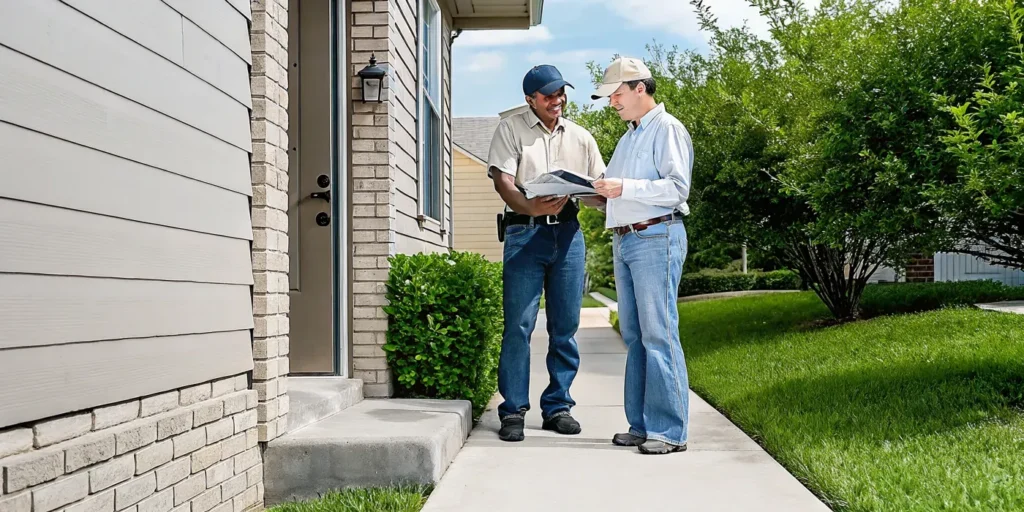
Cracks and sticking doors do not pause while a Texas homeowner builds a repair fund. Financing can make prompt structural repairs manageable without draining your savings all at once.
Request a free foundation repair estimate from Solid Base Foundations – no obligation, no pressure.
Foundation repair financing helps Texas homeowners split necessary structural repair costs into manageable payments, rather than cover one large expense while damage continues. Options may include bank loans, credit-union loans, or specialized home-improvement programs, each with different rates, fees, credit requirements, approval standards, and repayment periods. North Texas clay soils make many foundation problems more than cosmetic, so prompt action can protect structural stability and property value, according to Solid Base Foundations. A free, no-obligation on-site assessment establishes the repair scope and accurate estimate before you compare plans and discuss suitable terms with confidence. During the financing conversation, ask about monthly payments, total repayment cost, interest, fees, approval requirements, and whether early payoff carries a penalty.
Before choosing a payment plan, you need to know what will be repaired, what it will cost, and which terms fit your budget. Next, we will explain What foundation repair financing means for Texas homeowners, then show how a free estimate starts the financing conversation. The path begins with:
What foundation repair financing means for Texas homeowners
Quick answer: Foundation repair financing lets homeowners plan payments around a defined repair scope after an inspection and written estimate.
Foundation repair financing is a way to spread the cost of needed structural work over time. It helps Dallas and North Texas homeowners plan around a large, unexpected expense. Financing does not make the repair less urgent or replace a sound inspection.
A payment plan for a defined repair
The process should begin with a professional inspection and a clear estimate. That first step defines the problem, the proposed repair, and its cost. Only then can a homeowner compare foundation repair financing options against the household budget.
In practical terms, financing turns one project cost into scheduled payments under agreed terms. The loan or payment plan may help work begin sooner when paying the full amount at once is difficult. Homeowners should review the total cost, payment schedule, interest, fees, and approval terms before accepting an offer.
- The inspection shows what needs repair.
- The written estimate sets the project scope and price.
- The financing terms explain how and when the balance is repaid.
- The repair plan sets expectations for the work itself.
A clear starting point
With 18+ years serving Greater Dallas homeowners, Solid Base starts with a free, no-obligation estimate, not a financing application. This gives the homeowner useful facts before making a payment decision. You can request a free foundation repair estimate to learn whether repairs are needed and what they may involve.
An estimate also helps separate signs of movement from the actual cause and repair scope. Cracks, sticking doors, and uneven floors may raise concern, but they do not set the repair plan alone. A site visit gives the contractor a better basis for discussing next steps.
Why financing should support timely action
Expansive clay soil is common across North Texas. It can swell when wet and shrink as it dries, placing stress on a home over time. This local soil pattern is why foundation concerns should receive prompt attention rather than wait for a more convenient season.
Financing is meant to support a needed repair after the scope is known. It should not become a reason to postpone an inspection or ignore growing signs. Research on ground modification and structural resin injection explains how soil improvement can help foundations perform under working loads.
Each home, soil condition, and repair plan is different. A clear estimate lets homeowners discuss timing and payment choices with the real project in view. That makes foundation repair financing a planning tool, not a substitute for professional advice.

Why delaying foundation repairs can cost more
Quick answer: Waiting can let soil movement, cracks, uneven floors, and related damage expand before a contractor confirms the right repair plan.
A small wall crack or sticking door may seem easy to watch for a few more months. Yet these signs can point to movement below the home. Waiting gives that movement more time to affect nearby floors, walls, doors, and windows.
Small signs can spread
Foundation movement rarely stays limited to one visible crack. As parts of a home shift, cracks may widen and floors may become less even. Doors and windows can also become harder to open or close.
North Texas clay soil can change as moisture levels rise and fall. Those changes may place uneven pressure on a foundation. Research on ground repair explains that ground modification can improve foundation soil performance under normal loads.
- Cracks may extend across drywall, brick, tile, or concrete.
- Uneven floors can place added strain on interior finishes.
- Door and window openings may move farther out of square.
- Drainage issues can keep stressing soil near the foundation.
Repair scope may grow
Early action does not always mean a major repair. It starts with finding the cause and measuring the movement. If damage keeps spreading, the final plan may need to address more parts of the home.
A broader repair scope can require more labor, materials, and work around finished areas. That can make budgeting harder for a homeowner. A guide to foundation repair financing options can help explain the factors that shape the total cost.
Do not assume every crack means foundation failure. Still, repeated or growing signs deserve a professional review. An on-site assessment can separate minor cosmetic damage from movement that calls for repair.
Clear answers support better planning
Waiting for visible damage to become severe can limit your choices. An early inspection gives you a clearer view of the problem and possible repair scope. It also gives you time to compare payment choices without rushing.
If the work is necessary, foundation repair financing can help spread the cost over time. The right plan depends on the approved repair scope and available terms. Homeowners can request a free foundation repair estimate before deciding how to fund the work.
An estimate creates a useful starting point for the decision. It shows which signs matter, what needs attention, and whether monitoring is still reasonable. That information helps prevent a small concern from becoming an open-ended repair project.
Common ways homeowners pay for foundation repair
Quick answer: Homeowners often compare savings, bank or credit-union loans, home-improvement financing, and contractor-supported options based on total cost and monthly payment.
Foundation repair financing can take several forms. The right path depends on the quoted repair cost, available cash, credit profile, and preferred payoff pace. Start with a written scope because the repair method can affect the amount needed. Research supports expandable polyurethane resin as a method for settlement compensation and foundation lifting.
Payment options at a glance
Homeowners often compare savings with loans from banks, credit unions, or home improvement lenders. Some contractors can also explain lender programs tied to the project. Promotional plans may include same-as-cash terms when available, but these offers still require close review.
| Payment path | Potential fit | Strengths | Watch-outs |
|---|---|---|---|
| Savings | Homeowners with enough cash after keeping an emergency reserve | No loan application or interest charges | Can reduce cash available for other urgent needs |
| Home improvement loan | Borrowers seeking a loan made for property projects | May offer a fixed payment schedule | Rates, fees, and approval rules vary by lender |
| Bank or credit union loan | Homeowners who want to compare a familiar lender | Direct access to loan staff and written terms | Funding speed and collateral rules may differ |
| Contractor financing conversation | Homeowners who want payment choices discussed with the repair scope | Convenient way to learn which programs may be available | The lender, not the contractor, sets approval and terms |
| Same-as-cash or promotional plan | Qualified borrowers able to meet the promotion deadline | May reduce interest if every condition is met | Missed deadlines or payments may trigger added costs |
Questions to ask before applying
Compare the total amount repaid, not just the monthly payment. Ask whether the rate is fixed, which fees apply, and when the first payment is due. Also check for prepayment penalties, late-payment rules, and any collateral requirement. These details make different offers easier to compare.
For a promotional plan, ask what happens if a balance remains after the offer ends. Confirm whether interest starts then or can apply from the purchase date. Get each answer in writing before signing. Approval, rates, and terms depend on the lender and applicant.
Match financing to the repair scope
A firm repair estimate gives lenders and homeowners a useful planning number. It also helps prevent borrowing too little or adding unrelated costs. Review the proposed work through a detailed foundation repair cost guide. Then compare payment paths for that specific scope.
Discuss timing, deposit needs, and payment milestones with the contractor before choosing a plan. Homeowners can also request a free foundation repair estimate to clarify the work and start a financing conversation. A clear scope and written terms help keep the payment choice tied to the repair itself.
How the financing conversation works after your estimate
Quick answer: The financing discussion should happen after the inspection, because the estimate defines the scope, price, and timing of the repair.
Foundation repair financing becomes easier to discuss after an inspection defines the work. You can compare payment choices against a clear repair scope, not a rough guess. Solid Base’s experienced professionals explain what they found before you decide how to move forward.
From inspection to a clear repair plan
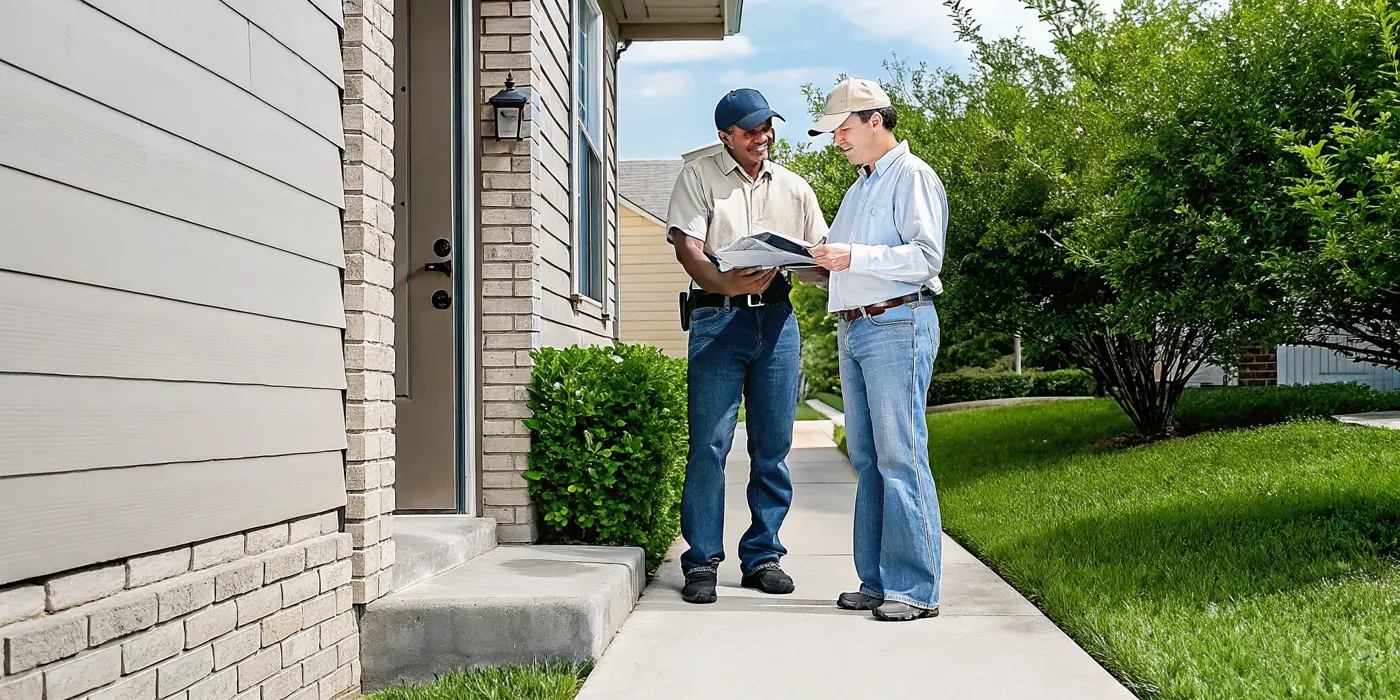
The process starts when you request a free foundation repair estimate. A professional visits the property, checks signs of settlement, and looks for likely causes. The inspection gives the team the details needed to recommend a repair plan.
Those recommendations may include pier systems or another method that fits the issue. For context, research shows that expandable polyurethane resin can help lift and strengthen foundations in some settings. The published foundation repair research also stresses that each site’s soil and load conditions matter.
The five-step conversation
Once the findings are ready, the conversation follows a simple order. Each step helps separate the repair decision from the payment decision. That way, you know what the proposed work includes before reviewing foundation repair financing.
- Schedule the free inspection. Share the symptoms you have noticed, such as wall cracks or sticking doors. The professional then inspects the property and documents the problem areas.
- Review the repair recommendations. Ask why each part of the plan is needed and which system is proposed. If pier systems are recommended, discuss Foundation Supportworks products and the applicable 25-year manufacturer warranty.
- Confirm scope and timing. Review the work areas, expected schedule, site access, and any steps you must take before installation. Ask what could change once work begins.
- Discuss payment questions. Compare paying directly with available financing choices. Ask about approval needs, payment timing, loan terms, and any fees before applying.
- Choose a path before work starts. Approve the scope only after you understand the repair plan and payment terms. Keep copies of the estimate, agreement, warranty details, and financing documents.
Questions to ask before approval
A useful financing conversation should focus on the full cost and your responsibilities. Ask whether the estimate could change, when payments begin, and whether early payoff has a fee. You can also review the company’s guide to foundation repair financing options before discussing terms.
Also ask who provides the financing and who handles questions after approval. Confirm that the payment schedule fits the planned work dates. Do not sign until the repair scope, financing terms, and warranty coverage are clear in writing.
What to ask before choosing a financing option
Quick answer: Ask about total repayment cost, interest, fees, approval requirements, monthly payment, early payoff terms, and whether the repair should be completed in phases.
Foundation repair financing can make a needed project easier to manage, but a low monthly payment tells only part of the story. Ask for the full written terms, then compare each option against the same repair scope and budget. Review those terms with the lender or financing provider before you sign.
What will the financing cost in total?
Start with the monthly payment, interest rate, loan length, fees, and total amount repaid. Ask whether the rate stays fixed and when the first payment is due. A longer term may lower the payment while raising the total repayment cost.
If an offer includes a promotional period, ask what happens when it ends. Confirm whether unpaid interest is added later and whether a missed payment changes the offer. Compare these details with the expected project cost in a foundation repair financing options discussion.
- What is the annual percentage rate, including lender fees?
- What is the total amount I will repay under the proposed schedule?
- Does the promotional rate expire, and what rate applies next?
- Is there a penalty for paying the balance early?
How will the application affect credit?
Ask whether checking an estimated rate uses a soft credit inquiry or a hard credit inquiry. Also ask when a hard inquiry occurs and whether applying with another borrower changes the offered terms. Do not assume that a rate-check tool and a full application have the same credit effect.
Request a copy of the offer before accepting it. Check the approved amount, payment schedule, fees, and any conditions tied to the contractor or repair plan. For information about available programs, review the company’s foundation repair financing options before speaking with the financing provider.
Should the repair scope be staged?
Ask the foundation contractor which work addresses the cause, which work protects safety, and which items can wait. The financing plan should follow a sound repair scope, not set it. Research shows that expandable polyurethane resin can support settlement compensation, lifting, and foundation strengthening in suitable cases, according to a published foundation repair study.
Staging may help with cash flow, but it is not right for every property or repair method. Ask whether delaying one part could affect another part, the warranty, or the final cost. Get the scope and estimate in writing, then ask the lender how staged invoices would affect funding and payments.
Which repairs may affect your budget?
Quick answer: Repair budgets depend on the type of foundation or concrete problem, the products needed, site conditions, drainage concerns, and installation scope.
Your repair budget should follow the cause of the damage, not just the most visible symptom. An inspection helps separate structural settlement from sunken concrete, poor drainage, and surface cracks. That scope gives you a sound basis for comparing estimates and choosing foundation repair financing.
Pier systems for settlement
When part of a foundation settles, the repair plan may call for piers beneath the affected area. The number and placement of piers depend on the movement found during the inspection. Access around the home and the depth needed for stable support can also shape the final estimate. A broader area of settlement often means a larger repair scope.
Settlement may also call for soil treatment in certain cases. Research shows that expandable polyurethane resin injection can help compensate for settlement, lift structures, and strengthen foundations. Your inspection should show which method fits the problem and why. It should also explain whether repairs can be phased or must happen together.
Concrete lifting and crack repair
Sunken driveways, patios, walkways, and other concrete slabs need a different plan than a settling home. Concrete lifting with PolyLevel raises low areas by placing expanding material below the slab. Solid Base Foundations is an exclusive PolyLevel dealer, and the material has a 15-minute cure time. That short cure time applies to suitable concrete lifting work, not every foundation repair.
Cracks may need sealing or a related concrete repair after the cause is clear. A crack alone does not show whether the slab is still moving. The inspection should connect each recommended repair to the damage it addresses. For more detail on cost drivers, review this foundation repair cost guide.
Drainage and the full repair scope
Drainage improvements may be part of the budget when water collects near the foundation or washes out supporting soil. The plan might include grading changes, drains, or downspout adjustments. These items can support the structural work by reducing the moisture problems found on site. Their cost depends on the water source, site layout, and work area.
Ask for an estimate that lists structural repairs, concrete work, drainage changes, and crack treatment as separate items. This makes priorities easier to see and helps prevent surprises. A free foundation repair estimate can clarify the real scope before you compare payment options.
When should you request a free estimate?
Quick answer: Request a free estimate when cracks, sticking doors, uneven floors, sinking concrete, or drainage issues suggest movement around the home.
Request a free estimate as soon as you notice a possible foundation warning sign. You do not need to know the cause or choose a repair plan first. An on-site assessment gives you a clear starting point before repair concerns or money questions become harder to manage.
Signs that call for an estimate
Watch for new wall cracks, sticking doors, uneven floors, or gaps around windows and exterior trim. Changes that seem small can still justify a professional look, especially when several appear together. A trained inspector can review the full property and explain which areas need attention.
The right repair approach depends on what is moving and why. For example, research shows that expandable polyurethane resin can help compensate for settlement and lift existing structures. This research on foundation settlement shows why a close review of the site matters before planning repairs.
Before making financing decisions
Request an estimate before comparing loans, payment plans, or other funding choices. Lenders and homeowners need a realistic project scope, not a guess based on a crack or sloping floor. The estimate helps you compare foundation repair financing options against the work your home may need.
You can also ask which repairs should happen first and whether the project can be planned in stages. Bring questions about payment timing, available terms, and approval steps to the estimate visit. This keeps the financing talk tied to a clear repair plan.
Scheduling across the Dallas area
Homeowners in Dallas, Plano, Frisco, Allen, McKinney, and nearby communities can request an on-site assessment when warning signs appear. Schedule sooner if changes are growing, several rooms are affected, or you plan to sell or refinance. You can request a free foundation repair estimate to learn what the inspection will cover.
A free estimate is also useful when you are unsure whether a change points to foundation trouble. The visit gives you a chance to explain what you have seen and when it began. You can then review the findings, likely work, and financing questions without committing to a repair on the spot.
Frequently Asked Questions
What are the common financing options for foundation repair?
Common options include personal loans from banks or credit unions and specialized home improvement financing. Some plans use promotional interest periods, same-as-cash terms, or longer repayment schedules. Compare the APR, total repayment amount, fees, payment timing, and early-payment rules before choosing. A contractor’s estimate gives lenders and homeowners a clear project amount for comparing available offers.
Does foundation repair financing require a credit check?
Most foundation repair financing programs require credit approval before final terms are offered. However, some lenders let applicants check a potential rate using a soft inquiry that does not affect their credit score. Ask whether the initial check is soft or hard, when a hard inquiry occurs, and whether adding a co-borrower changes the offered terms.
Are there interest-free financing plans available for foundation repairs?
Interest-free plans may be available, but eligibility and terms vary by lender and credit profile. A 0% or same-as-cash offer usually applies only during a stated promotional period. Review what happens if the balance remains after that period, including any deferred interest. Confirm the payment schedule and total cost in writing before accepting an offer.
Why should I not delay foundation repair?
Foundation damage can worsen as soil movement and other conditions continue to stress the structure. Waiting may expand the repair scope, raise costs, and increase safety or property-value concerns. In North Texas, expansive clay soils are a major cause of foundation movement. Schedule an assessment when warning signs appear, then use the findings to decide whether repair and financing are needed.
How do I request a free estimate for foundation repair?
Start by requesting a free, no-obligation on-site assessment. A foundation professional can inspect visible concerns, determine the likely repair scope, and prepare a project estimate. Then discuss available financing, expected monthly payments, approval requirements, and repayment terms. Solid Base Foundations recommends an on-site assessment to establish an accurate cost and review suitable financing options.
Ready to Start Your Foundation Repair Plan?
Waiting to address foundation concerns can allow damage to worsen, narrow your repair choices, and place more pressure on your household budget. Starting the conversation now gives you time to understand the recommended work, compare financing paths, and plan around your needs without rushing. A free estimate can help you define the scope, ask practical payment questions, and set a clear timeline for protecting your Texas home.
Ready to take the first step? Contact Solid Base Foundations to request a free foundation repair estimate and discuss the repair process, possible financing, and a schedule that works for you. You can use that visit to understand your options and decide on the next step with better information.