
Summer Foundation Maintenance Tips for Texas Homes
Texas summer heat can pull moisture from North Texas clay before homeowners notice foundation movement. A few steady habits can limit uneven soil changes and reveal trouble before it spreads.
Ready to protect your foundation this summer? Request a free no-obligation estimate from Solid Base Foundations.
Summer foundation maintenance tips help Texas homeowners keep moisture around expansive clay soil more consistent and catch signs of movement before small changes worsen. During dry spells, water soil evenly without soaking it, keep gutters clear, extend downspouts, and maintain grading that carries runoff away from the house. Water trees at their canopy edge, where roots absorb moisture, and watch foundation cracks, sticking doors, uneven floors, or new gaps around windows. The Texas A&M Forest Service recommends watering mature trees every two to three weeks during extreme drought, which can help reduce sudden moisture loss. If several warning signs appear or cracks grow, schedule a professional foundation assessment instead of waiting for cooler weather.
The key question is not whether summer changes the ground, but how those changes place uneven pressure beneath your home. Why Texas summer heat is hard on foundations explains that pressure first, then the maintenance steps become easier to use.
Why Texas summer heat is hard on foundations
Clay soil and summer drying
Summer heat does not directly melt, weaken, or damage a concrete foundation. The main concern is the soil beneath and around it. Across Greater Dallas, many homes sit on expansive clay soil that changes as its moisture level changes.
North Texas clay can shrink as it dries, then swell when water returns. This movement may reduce support beneath part of a slab or push against another part. Over time, that shifting can contribute to the foundation settlement causes that homeowners often notice indoors.
Why uneven moisture matters
A foundation handles soil movement better when moisture conditions stay fairly even around its perimeter. Trouble can start when one side dries faster than another. Full sun, shade, drainage patterns, and nearby plants can all affect how quickly the soil loses moisture.
For example, a shaded side may hold moisture while a sunny side becomes dry and firm. Trees can also draw water from soil near the home during drought. Texas A&M advises watering trees near the canopy edge, rather than at the trunk, because that is where many active roots grow.
The goal is not to keep the ground soaked. Sudden heavy watering after a dry spell can also create a sharp moisture change. Instead, think in terms of steady conditions and small corrections before the soil pulls away from the foundation edge.
Practical prevention without panic
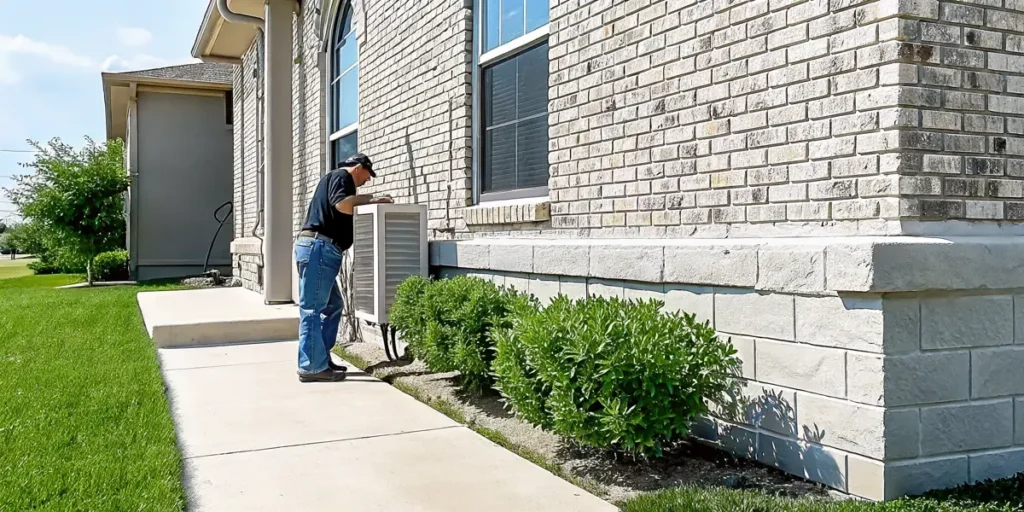
Useful summer foundation maintenance tips begin with a simple walk around the home. Look for dry gaps beside the slab, pooling water, clogged gutters, and downspouts that release water near the house. Check whether one side of the yard looks much drier than the others.
- Keep drainage paths clear so water does not collect beside the foundation.
- Water dry areas in a controlled way, following local watering rules.
- Watch nearby trees and shrubs for drought stress or exposed roots.
- Track new cracks, sticking doors, and changes in floor level.
Plant care also plays a role in soil moisture. During extreme drought, mature trees may need water every two to three weeks, according to Texas A&M Forest Service drought guidance. The same source recommends checking dry soil with a screwdriver before deciding whether to water.
Most small seasonal changes are reasons to observe, not panic. Take dated photos and note whether a crack grows or a door keeps sticking. If several warning signs appear together, a professional foundation assessment can help separate normal movement from a repair concern.
Summer foundation maintenance tips checklist
North Texas summer heat can dry the clay soil around a home unevenly. A steady care routine helps limit sharp swings between dry and wet soil. These summer foundation maintenance tips focus on moisture, drainage, roots, and early warning signs.
Weekly moisture check
Walk the full perimeter each week and look for soil pulling away from the foundation. Check several spots because sunny and shaded sides can dry at different rates. Water slowly enough to dampen the soil without leaving puddles beside the slab.
Use a long screwdriver to check the soil near landscaping. If it will not slide easily into the ground, the soil may need water. The Texas A&M Forest Service soil test checks whether a screwdriver can reach 6 to 8 inches.
Summer maintenance checklist
Use the table during each perimeter walk. The goal is consistent moisture and a clear path for excess water to leave the house. Avoid flooding one dry area because a sudden change can create a new problem.
| Maintenance action | What to check | When to call a pro |
|---|---|---|
| Water consistently | Evenly damp soil with no puddles | Large gaps remain after careful watering |
| Clear gutters and downspouts | Open outlets and runoff moving away | Water keeps pooling beside the foundation |
| Check drainage and grading | Ground slopes away with no low spots | Standing water returns after each storm |
| Watch trees and roots | Dry soil, exposed roots, or nearby growth | Large roots reach the foundation area |
| Inspect soil gaps | Separation between soil and slab edge | Gaps widen or appear on one side |
| Track cracks and movement | New cracks, sticking doors, or uneven floors | Signs grow, spread, or appear together |
Keep gutters clear, confirm downspouts discharge away from the house, and correct low spots that hold water. Check these areas again after a strong storm. Poor drainage can soak one side while sun and nearby plants dry another.
Trees also need attention during dry weather. Water near the canopy edge rather than against the trunk, where active roots can take in moisture. Texas A&M AgriLife explains where to water a tree during summer.
Warning signs to track
Take dated photos of cracks, soil gaps, doors, and floors during each check. Place a ruler beside a crack so later photos show whether it changed. This simple record makes monitoring foundation cracks more useful and helps a repair professional assess the pattern.
Call for an assessment when cracks grow, floors become uneven, or doors begin sticking. Also seek help when soil gaps keep widening or water repeatedly pools beside the home. A professional can separate a minor surface issue from signs of foundation movement.
How should you water around your foundation in summer?
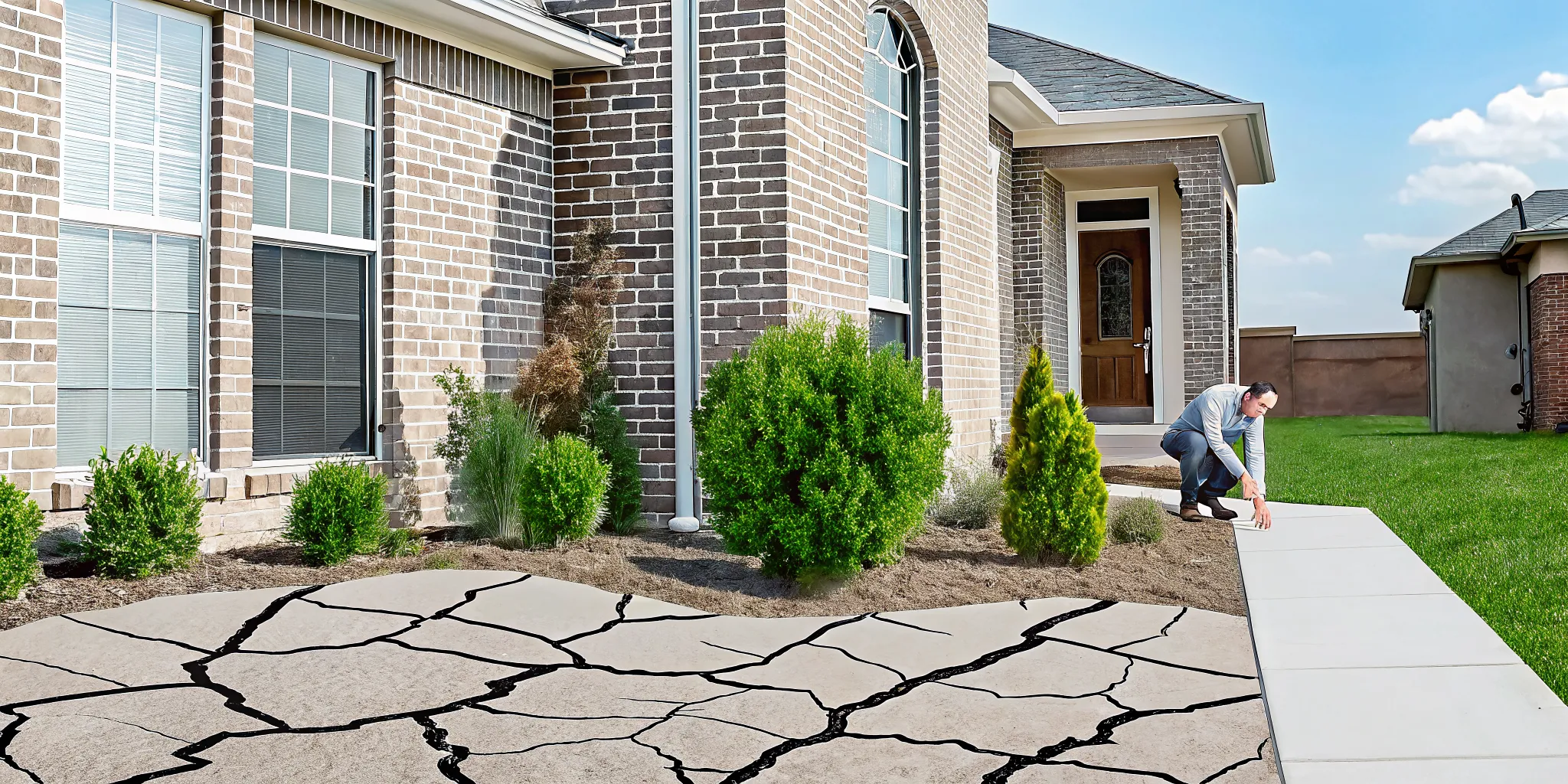
Water around a Texas foundation slowly and evenly, with the goal of keeping nearby soil moisture steady. Do not try to soak dry soil in one session. Instead, watch how the soil responds and adjust for heat, rain, shade, and drainage conditions.
Soaker hose setup
A soaker hose can spread water along the foundation perimeter without the force of a spray nozzle. Set it on the soil near the foundation, but not against the wall. Arrange it so each side receives similar coverage, including dry corners and sunny areas.
Before watering, walk around the home and look for gaps between the soil and foundation. A widening gap can signal that the soil is drying and shrinking. Also note damp patches, runoff paths, and places where water already collects.
A practical watering routine
There is no single watering schedule that fits every Dallas-area property. These summer foundation maintenance tips help you respond to current soil conditions instead of relying on a fixed timer.
- Inspect the full perimeter. Look for soil gaps, hard ground, standing water, and obvious leaks before turning on the hose.
- Check below the surface. The Texas A&M Forest Service screwdriver test suggests watering when a screwdriver will not easily enter six to eight inches.
- Lay out the soaker hose for even coverage. Keep the line clear of downspout discharge and areas that already stay wet.
- Run water at a low flow. Stop if water pools, runs toward the home, or crosses a walkway instead of soaking in.
- Recheck the soil after watering. Adjust the next session based on new gaps, rainfall, and how quickly each area dries.
Make changes in small steps. A dry, sunny side may respond differently than a shaded side, even during the same week. Checking each zone helps prevent sudden swings between parched and saturated soil.
Drainage and warning signs
Do not add more water where poor drainage already causes pooling. Excess water beside the foundation can create a different moisture imbalance. Fix blocked drains, leaking outdoor faucets, and low spots before increasing irrigation in that area.
Nearby trees and shrubs also affect soil moisture. Water trees near the canopy edge rather than at the trunk, as explained in Texas A&M summer watering guidance. This supports roots without placing all the water beside the foundation.
Watering may reduce sharp moisture changes, but it cannot correct active foundation movement. If cracks grow, doors stick, or floors feel uneven, request a professional foundation assessment instead of increasing water blindly.
Drainage, grading, and gutters matter as much as watering
Watering can help keep soil moisture steady during a dry North Texas summer. Yet poor drainage can undo that work after one hard storm. The goal is not simply to add water. It is to keep moisture changes around the full foundation as even as possible.
Clear gutters and working downspouts
Clogged gutters let roof runoff spill beside the house. A loose, crushed, or short downspout can send that water to one small area. This creates a wet spot beside soil that may still be dry. Check the system during dry weather, then watch how it performs during rain.
Remove leaves and other debris from gutters, and make sure each downspout carries water away from the foundation. Look for erosion, soft soil, or standing water near every outlet. These simple checks belong on any list of summer foundation maintenance tips.
Positive grading and pooling water
The ground near the house should guide water away, not hold it against the slab or crawl space. Low spots and negative grading can trap runoff beside the foundation. Soil may settle over time, so a yard that once drained well can develop new trouble areas.
- Walk the home’s full perimeter after rain.
- Note puddles, washed-out soil, and damp areas that last.
- Check whether patios, walks, and beds direct water toward the house.
- Watch for gaps between dry soil and the foundation.
Uneven moisture can play a role in foundation settlement causes. Do not fill a low area until you know where the water comes from and where it should go. A drainage fix should move runoff safely without creating a problem elsewhere.
A whole-property moisture check
Drainage care also includes trees, shrubs, and lawn areas near the home. Roots draw water from the soil, while dense beds may hold water close to the structure. Texas A&M advises using a tree’s canopy edge to find the right watering area. Its summer landscape watering guidance also warns that watering the trunk is ineffective.
Compare conditions on every side of the house instead of judging one easy-to-see spot. If water keeps pooling, drainage paths are unclear, or cracks begin to change, seek a professional foundation assessment. Solid Base Foundations can review the drainage issue alongside the structure, rather than treating each symptom on its own.
Seeing recurring puddles, soil gaps, or new cracks? Schedule a free foundation assessment before summer soil movement spreads.
What should you do about trees and landscaping near the slab?
Tree roots and moisture balance
Trees and large shrubs can compete with nearby soil for water during a hot, dry summer. Their roots may leave one side of a slab drier than the other. The goal is not to remove healthy plants without cause. Instead, watch how the soil and slab respond as conditions change.
Water established trees at the edge of the canopy rather than at the trunk. Texas A&M explains that the canopy edge helps show where to water. Use slow, deep watering when the soil needs it. Avoid frequent shallow watering that keeps only the surface damp.
- Check the soil between large plants and the slab for wide gaps or deep cracks.
- Look for roots lifting walkways, edging, or other hard surfaces near the home.
- Ask an arborist before cutting large roots or removing a mature tree.
Planter beds and mulch
Planter beds should not hold water against the slab after irrigation or rain. Check borders, dense ground cover, and low spots that can trap water. Keep soil and mulch below siding, vents, and weep holes. This leaves those parts visible and helps water move away.
Mulch can slow water loss, but a thick mound against the home can hide pests and drainage trouble. Spread it in a modest layer and leave a clear viewing strip beside the slab. Also check that drip lines do not soak one short area while the rest stays dry.
Soil gaps and warning signs
Soil that pulls away from the slab is a sign that the ground has dried and shrunk. Do not fill the gap with loose soil or send a hard stream of water into it. Review the wider moisture pattern first. Sudden soaking can create another sharp change beside the slab.
Walk the home’s perimeter as part of your summer foundation maintenance tips. Compare the landscaped and unplanted sides for gaps, standing water, and new movement. Note wall cracks, sticking doors, or uneven floors. These signs may relate to foundation settlement causes.
Visible symptoms deserve more than a landscaping change. Photograph the concern, note when it appeared, and arrange a professional foundation assessment. An assessment can help separate a drainage or plant issue from movement that needs repair.
Foundation warning signs to monitor during a hot Texas summer
Summer foundation maintenance tips work best when they include a simple watch list. Heat alone does not prove that a foundation has moved. New damage, widening gaps, or several changes appearing together deserve closer attention. Check the same areas every few weeks so you can spot a pattern instead of relying on memory.
Changes inside the home
Start with doors and windows that once opened with ease. A door that begins dragging or will not latch may show that its frame has shifted. Windows may also stick or leave new gaps around the frame. Check nearby trim for separation from walls, ceilings, or floors.
Look across walls and ceilings in good light. Note new cracks, cracks that grow longer, or cracks that become wider during dry weather. Floors that slope, dip, or feel less level are also worth recording. These signs can have several causes, but they may point to foundation settlement causes below the home.
- Test the same doors and windows each time.
- Check wall corners, ceiling joints, and trim lines.
- Place a small level on floors that seem uneven.
- Watch for gaps between cabinets, counters, and walls.
Exterior cracks and settlement
Walk around the outside after a long dry spell and again after rain. Look for stair-step cracks in brick, gaps near window frames, and separation where walls meet trim. Check the visible foundation edge for fresh cracks. Take a closer look at any crack that changes between inspections.
Also inspect patios, walkways, driveways, and steps near the house. Sunken or tilted concrete can collect water and send it toward the foundation. It may also create a trip risk. Use consistent reference points when monitoring foundation cracks, since random photos make changes harder to judge.
Drainage trouble and useful records
Recurring puddles, washed-out soil, and bare channels near the foundation show that water is not moving as planned. Also watch for soil pulling away from the slab during dry periods. Nearby trees can affect soil moisture as well. Texas A&M advises watering trees near the edge of the tree canopy, rather than at the trunk.
Create a dated photo log for each concern. Include a ruler beside cracks, note which doors stick, and record where water stands after rain. Take each photo from the same angle and distance. This record helps show whether a condition is stable, seasonal, or getting worse.
One small crack may not signal a major issue. Still, do not wait when several warning signs appear or changes keep growing. An early assessment can help separate routine wear from active movement. It also gives a foundation repair professional clearer evidence to inspect before damage spreads.
When should you call Solid Base Foundations?
Summer maintenance can reduce stress on a home, but it cannot diagnose every structural problem. Call Solid Base Foundations when you see symptoms that are new, spreading, or happening in more than one part of the house. A single hairline crack may be worth watching. A crack that widens, runs stair-step through brick, or appears with sticking doors deserves a professional assessment.
Homeowners in the Greater Dallas area should also call when the same problem keeps returning after routine maintenance. If you correct a downspout and water still pools near the slab, the issue may involve grading, drainage, or soil movement. If you fill a concrete crack and it opens again, the slab may still be moving. These patterns are important because North Texas clay soils can shrink during heat and swell after rain, putting uneven pressure on foundations.
Solid Base Foundations has served Greater Dallas homeowners for more than 18 years with foundation repair, concrete repair, and drainage-related structural solutions. The team is part of the Foundation Supportworks network, which gives customers access to engineered repair products and proven installation methods. For homes that need pier support, manufacturer-backed pier systems may include a 25-year warranty. For settled concrete around walkways, driveways, and patios, Solid Base is an exclusive PolyLevel dealer, and PolyLevel can cure in about 15 minutes in many applications.
Use the service pages to match your concern with the right next step. If doors are sticking, floors feel uneven, or wall cracks are spreading, review foundation repair options. If exterior concrete has settled or created trip hazards, compare concrete repair solutions. If you are unsure whether your city is covered, check the service area for Dallas-area communities.
The safest time to ask for help is before a maintenance issue becomes an emergency. A free no-obligation estimate gives you a clearer view of what is normal seasonal movement, what needs monitoring, and what may need repair. If your summer foundation maintenance tips are not keeping cracks, drainage, or settlement under control, call 940-365-4221 or use the contact page to request an assessment.
Frequently asked questions about summer foundation maintenance tips
How should I water my foundation during the summer?
Water slowly and evenly around the home so the soil stays more consistent. A soaker hose can help, but avoid creating muddy areas or standing water near the slab. If the soil is pulling away from the foundation, increase moisture gradually and watch how the ground responds.
Why is summer foundation maintenance important in Texas?
Texas summer heat can dry expansive clay soil quickly. When soil shrinks unevenly, it can leave gaps beside the foundation and create pressure changes under the slab. Maintenance helps keep moisture, drainage, and warning signs under control before movement becomes more serious.
What are the signs of foundation damage to look for in summer?
Watch for new or widening wall cracks, stair-step brick cracks, sticking doors, windows that stop closing cleanly, uneven floors, trim separation, and concrete that appears to be settling. Take photos and dates so a professional can see whether the symptom is changing.
Should I water my foundation year-round or just in summer?
The goal is steady soil moisture, not watering for its own sake. Summer usually needs more attention because heat dries soil faster. During cooler or wet months, focus more on drainage, grading, and avoiding water trapped against the foundation.
Ready to Protect Your Foundation From Summer Heat?
Dry soil, poor drainage, and overlooked cracks can worsen during a long Texas summer and lead to more costly foundation concerns. Acting now gives you time to correct moisture and runoff problems before the next stretch of intense heat. An early assessment can clarify warning signs and help you choose practical steps for protecting your home.
Do not wait for sticking doors, uneven floors, or widening cracks to make the decision more urgent. Reviewing concerns early can help you understand what needs attention and what simply needs continued monitoring. Contact the team today, so you have time to act before seasonal soil movement creates new concerns. Ready to protect your foundation from summer heat? Request a free no-obligation estimate to schedule a professional assessment and build a clear maintenance plan for the months ahead.