
Your home is constantly communicating with you, and a sticking door is one of its clearest signals. While it’s easy to blame humidity, that persistent jam could be pointing to a deeper issue with your foundation. When the ground shifts, it can throw your entire home slightly out of alignment, and door frames are often the first place the strain shows. Instead of just living with the annoyance, you can learn what to look for. This article will help you identify the warning signs and understand when it’s time to call an expert for foundation repair for sticking doors in Dallas.
Key Takeaways
- A Sticking Door Is a Symptom, Not the Problem: A door that sticks is often just one clue. Perform a quick home check for other signs, such as wall cracks, uneven floors, and gaps around windows, to understand if you have a larger foundation issue.
- Dallas Soil Is Uniquely Challenging: The expansive clay soil under most North Texas homes is the main culprit behind foundation movement. This soil swells and shrinks with moisture, putting constant, uneven pressure on your foundation and causing structural stress.
- Early Action Saves Money and Stress: Ignoring potential foundation issues allows them to worsen, leading to more complex and expensive repairs. The most effective first step is to schedule a free assessment with an expert to get a clear diagnosis and a plan before the problem escalates.
Is Your Sticking Door a Red Flag for Your Foundation?
That one door in your house that just won’t close right. We’ve all been there. You have to shove it shut or jiggle the handle just so. While it’s easy to write it off as a simple annoyance, a sticking door can sometimes be your home’s way of telling you something is wrong with its foundation. If you notice your doors are sticking or do not close, that is often an indication that there are issues with the foundation.
The key is learning to spot the difference between a minor, seasonal quirk and a genuine warning sign of a structural problem. A little bit of awareness can help you catch a potential issue early, long before it becomes a major headache. Knowing what to look for is the first step toward protecting your home. Below, we’ll walk through how to tell the difference and what other signs to watch for around your property.
Seasonal Stick vs. Structural Problem: How to Tell the Difference
High humidity, a staple of Texas summers, can cause wood doors and their frames to swell, making them stick. This is a common seasonal issue. If your door only acts up during humid months and seems to correct itself when the weather cools down, it’s likely just a response to moisture. However, if the problem is persistent regardless of the season, or if you see an uneven gap around the door, it’s time to look closer. A door that drags on the floor or a latch that no longer aligns with the strike plate points to the frame itself being out of square. This is a classic sign of foundation movement, an issue that won’t resolve on its own and often requires professional foundation repair.
Beyond Sticking Doors: Other Telltale Warning Signs
A sticking door is rarely an isolated incident when a foundation is shifting. Think of it as one piece of a larger puzzle. Walk around your home and look for other common signs of foundation trouble, which often appear alongside difficult doors and windows. Keep an eye out for cracks in your interior drywall, especially extending from the corners of door and window frames. On the outside, check for zigzagging cracks in your brick or siding. You might also notice sloping floors or gaps appearing between your walls and the ceiling. If you spot several of these signs together, it’s a strong signal that your home’s foundation needs attention. You can see examples of these issues and their solutions in some of the projects we’ve completed in the Dallas area by viewing our work.
How Dallas Soil and Weather Affect Your Foundation
If you’ve ever wondered why foundation issues seem so common around here, you’re not alone. It’s not your imagination. Living in the Dallas area means your home is built on ground that has a mind of its own. The unique combination of our local soil and dramatic weather patterns creates a perfect storm for foundation stress. Understanding these local quirks is the first step in protecting your home from problems like sticking doors, cracked walls, and worse.
The Problem with North Texas’s Expansive Clay Soil
Much of the Dallas–Fort Worth area sits on soil with a high clay content. This isn’t just any dirt; it’s often called expansive clay soil because it acts like a sponge. When it gets wet, it swells up, and when it dries out, it shrinks. This constant cycle of expanding and contracting puts a tremendous amount of uneven pressure on your home’s foundation. Over time, this movement can cause parts of your foundation to heave upward or settle downward, leading to the structural issues that require professional foundation repair. It’s this very instability that makes our local soil a primary culprit behind so many home maintenance headaches.
Why Dallas Seasons Put Your Foundation to the Test
Our unpredictable Texas weather takes the problem of expansive soil and makes it much worse. We all know the routine: long, dry spells followed by sudden, torrential downpours. These extreme weather swings create a dramatic cycle for the soil beneath your home. During a drought, the clay soil can shrink so much that it pulls away from your foundation, creating gaps. Then, heavy rains can quickly saturate the soil, causing it to swell forcefully. This constant, powerful movement is what leads to cracked slabs and settling, which is why a simple sticking door can be a sign of a bigger problem needing concrete repair.
How Poor Drainage and Tree Roots Cause Damage
Poor drainage is one of the biggest controllable factors in foundation damage here in DFW. When water from rain or sprinklers pools near your house, it over-saturates the clay soil in that one spot, causing it to swell unevenly and push your foundation upward. On the flip side, large, thirsty tree roots can also cause trouble. As they draw gallons of water from the soil, they can cause that area to dry out and shrink, creating a void. Both scenarios lead to the kind of differential movement that damages your home. If you suspect drainage or root issues, it’s wise to contact us to assess the situation.
Could Your Foundation Be the Real Problem?
That sticking door might seem like a small annoyance, but it can be your home’s way of telling you something bigger is going on underneath. While it’s easy to blame humidity or a warped door frame, these issues are often just symptoms of a deeper problem. When the ground shifts beneath your home, it can cause the entire structure to move, putting stress on door frames, window frames, and walls. This is especially true here in the Dallas area, where our expansive clay soil can be tough on a home’s base.
So, how do you know if your foundation is the real culprit? The good news is that you don’t have to be an expert to spot some of the most common warning signs. A few minutes of walking around your property can give you a much clearer picture of your home’s health. It’s all about knowing what to look for. Instead of just fixing the door, it’s worth investigating if the door is just a messenger for a more significant issue. Understanding the connection between a simple sticking door and your home’s overall stability is the first step toward a lasting solution, not just a temporary fix.
Your Quick At-Home Foundation Check
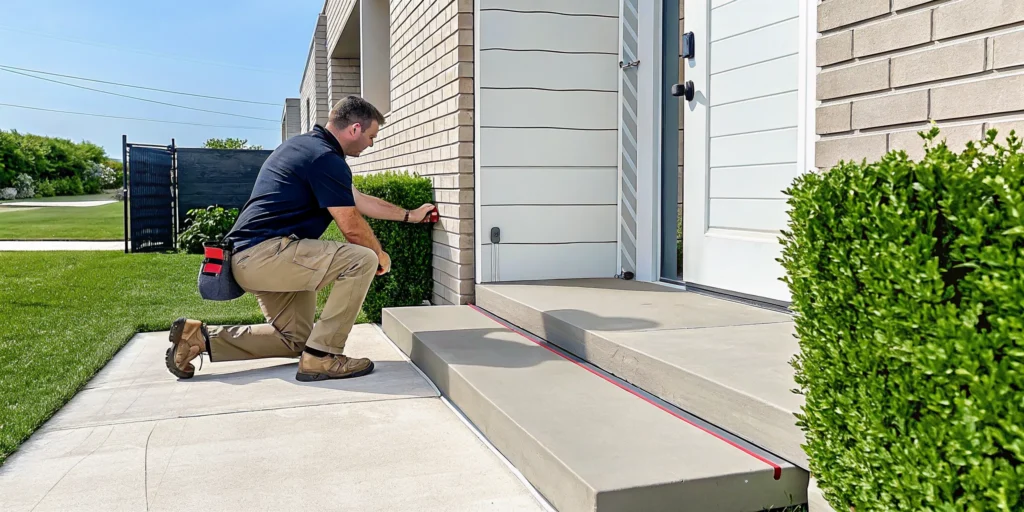
Before you call anyone, you can play detective with a quick walk-through of your home. Start by looking for issues beyond that one tricky door. Do other doors or windows stick or fail to close properly? Look for new or expanding cracks in your interior walls, especially over doorways and where walls meet the ceiling. Next, head outside. Examine your home’s exterior brick or siding for stair-step cracks, as these are classic signs of foundation movement. Also, check for gaps forming around window frames or where the foundation meets the siding. Seeing several of these signs together often points to a need for professional foundation repair.
When to Stop Guessing and Call an Expert
If your at-home check reveals a few of these red flags, it’s time to stop guessing and get a professional opinion. While a DIY inspection is a great starting point, only a trained expert can accurately diagnose the cause and extent of the problem. Trying to ignore these signs won’t make them go away; in fact, it can lead to more significant structural damage and more expensive repairs down the road. Foundation issues can compromise your home’s structural integrity and decrease its value. The best next step is to have a professional take a look. You can get peace of mind and a clear path forward by scheduling a free estimate to understand your options without any commitment.
Common Foundation Issues That Cause Sticking Doors
So, you’ve identified that your sticking door is more than just a nuisance. It’s a signal from your home that something is off balance. More often than not, that imbalance starts deep down in the foundation. The specific way your foundation is failing will determine the best course of action. In the Dallas area, we see a few common culprits behind that stubborn door, each tied to our unique soil and weather patterns. Understanding what’s happening beneath your floors is the first step toward a lasting solution.
When Your Concrete Slab Sinks or Settles
Most homes in North Texas sit on a concrete slab foundation, and our infamous expansive clay soil is its biggest challenge. This soil acts like a sponge, swelling dramatically when it’s wet and shrinking when it’s dry. This constant up-and-down movement can cause parts of your concrete slab to sink or settle unevenly. When one part of your foundation drops even a fraction of an inch, it throws the entire frame of your house out of alignment. That perfectly square door frame you once had is now slightly skewed, causing the door to stick and jam. Addressing this often requires professional concrete repair to lift and stabilize the slab.
Shifts and Slopes in Pier and Beam Foundations
If you live in an older home, you might have a pier and beam foundation. While this style creates a crawl space, it isn’t immune to Dallas’s shifting soils. The same soil movement that affects slabs can cause the individual piers supporting your home to shift, sink, or tilt. As the piers move, the beams they support go with them, creating slopes and sags in your floors. You might even feel a bounce or a dip when you walk across a room. This uneven flooring directly impacts the walls and door frames above, twisting them out of square and making doors difficult to open or close. A proper foundation repair can re-level the structure and secure it against future movement.
How Water and Erosion Undermine Your Home
Poor drainage is the single biggest controllable factor when it comes to foundation damage in our area. When rainwater from your roof or yard doesn’t have a clear path away from your house, it pools against the foundation. This saturates the clay soil, causing it to swell and push your foundation upward with incredible force. Over time, water can also erode the soil from underneath the foundation, creating voids that lead to sinking and settling. Both issues put immense stress on your home’s structure, and a sticking door is often one of the first signs of trouble. Getting an expert opinion on your property’s drainage is a critical step, so don’t hesitate to contact us for an assessment.
What Does Foundation Repair Actually Look Like?
The thought of foundation repair can feel intimidating, but the process is often more straightforward than you might imagine. The right solution depends entirely on what’s causing the problem in the first place. A professional assessment will identify the root cause, whether it’s a settling slab, soil issues, or poor drainage. From there, we can create a targeted plan. The goal is always the same: to stabilize your home for the long term and give you peace of mind. Here’s a look at some of the most common and effective methods we use.
Securing Your Foundation with Piers
If your foundation is settling, one of the most reliable solutions is to install support piers. Think of them as a set of underground stilts that transfer the weight of your home from unstable soil to a deeper, more solid layer of earth or bedrock. The process involves excavating small, targeted areas around your foundation and driving steel or concrete piers deep into the ground. Once they reach a stable stratum, we can carefully lift the foundation, often closing cracks and correcting issues like sticking doors. The specific type and extent of the foundation repair will determine the final approach, but this method provides a permanent solution for a sinking foundation.
Lifting and Leveling Your Concrete Slab
For homes with a concrete slab foundation, uneven settling can cause sections of the floor to sink, leading to sticking doors and cracks in your walls. Instead of a full excavation, we can often perform a more targeted concrete repair to lift the slab back into place. One popular method involves injecting a high-density polyurethane foam beneath the sunken area. The foam expands, filling any voids in the soil and gently raising the slab to its original position. This process is minimally invasive, quick, and incredibly effective. In other cases, underpinning with piers might be the better option. Choosing the right approach ensures we efficiently tackle your specific structural issues.
Correcting Drainage to Protect Your Home
In the Dallas area, poor drainage is the number one controllable cause of foundation damage. The expansive clay in North Texas shrinks and swells dramatically with changes in moisture. When water pools near your foundation, the soil swells and pushes against your home; when it dries out, it shrinks and pulls away, causing the foundation to settle. Any foundation repair is incomplete without addressing the water issue that caused it. Solutions can include installing French drains to divert water, re-grading the landscape to slope away from the house, and ensuring your gutters and downspouts are functioning properly. Managing water is key to protecting your home’s structural integrity.
What to Expect for Foundation Repair Costs in Dallas
Let’s talk about the question on every homeowner’s mind: what is this going to cost? While every home is unique, understanding the factors that go into pricing can help you feel more prepared. Here’s a straightforward breakdown of what to expect for foundation repair costs in the Dallas area.
Factors That Influence the Final Cost
The final price for a foundation repair job isn’t pulled out of a hat. Several key factors determine the scope of the work and, ultimately, the cost. The size and type of your home’s foundation, whether it’s a concrete slab or a pier and beam system, play a big role. We also consider the severity of the damage. Are we looking at a few small cracks or significant settling? Another piece of the puzzle is accessibility. If the problem area is hard for our crew to reach, it can add to the complexity of the job. The specific foundation repair method required to permanently solve your issue is the final major factor in your custom quote.
The Cost Difference: Minor Fixes vs. Major Repairs
So, what do those factors translate to in dollars? While it’s impossible to give an exact number without an inspection, we can look at averages in the Dallas-Fort Worth area. Many homeowners find their repair costs fall somewhere between $2,000 and $10,000. A minor fix might be on the lower end of that spectrum, while a major project involving extensive work could be higher. The average cost often lands around $5,000. We know that foundation repair is a significant investment, which is why we offer straightforward financing options to help manage the expense. The goal is to make your home safe without causing financial strain.
Why You Should Always Start with a Free Estimate
If you’re seeing warning signs like sticking doors or cracks in your walls, the best first step is to take action. Catching foundation issues early is the single best way to keep repair costs down. A small problem is almost always simpler and less expensive to fix than one that’s been ignored for months or years. This is why a professional assessment is so important. It gives you a clear picture of what’s happening under your home without any guesswork. Getting a free, no-obligation estimate isn’t a commitment to repair; it’s an opportunity to get expert answers. You can learn exactly what the problem is, what it will take to fix it, and how much it will cost when you contact us for an evaluation.
What Happens If You Ignore That Sticking Door?
It’s easy to write off a sticking door as a simple annoyance. You might jiggle the handle a little harder or give it an extra shove and move on with your day. But what if that stubborn door is trying to tell you something more serious? Ignoring it might seem like the path of least resistance now, but it could be a costly mistake. That small inconvenience can be an early warning sign of foundation movement, and letting it go unchecked can lead to a cascade of problems that are much harder, and more expensive, to fix.
The Domino Effect: How Small Issues Become Big Problems
Think of a sticking door as the first domino to fall. Foundation problems rarely stay small. Here in North Texas, our homes sit on expansive clay soil that shrinks and swells dramatically with moisture changes. This constant movement can cause your foundation to shift, leading to issues that go far beyond a single sticky door. If left unchecked, these shifts can jeopardize the structural integrity of your entire home. What starts as a cosmetic issue, like a small crack in the wall, can evolve into significant structural damage, turning a manageable fix into a major foundation repair project.
Protecting Your Investment: The Impact on Home Value
Your home is one of the biggest investments you’ll ever make, and a stable foundation is critical to protecting its value. When it comes time to sell, foundation issues are a major red flag for potential buyers. The prospect of complicated and costly repairs can deter even the most interested parties, significantly decreasing your home’s market value. Foundation problems are complex, often stemming from a mix of soil conditions, moisture, and structural stress. Instead of worrying about the unknown, the best first step is to get a clear answer. You can book a free assessment with a professional to understand exactly what’s happening and what it will take to fix it.
How to Choose the Right Foundation Repair Company in Dallas
Okay, you’ve done your homework and you’re pretty sure your sticking door is pointing to a foundation issue. Now comes the big step: finding the right team to fix it. Choosing a foundation repair company can feel overwhelming, especially when the safety and value of your home are on the line. This isn’t a decision to take lightly, but you don’t have to go into it blind. The key is finding a contractor who not only knows their craft but also understands the unique challenges of our Dallas soil. A little preparation will help you confidently pick a pro who will get the job done right and give you peace of mind for years to come. Let’s walk through what to look for and what to ask to make sure you hire the best team for your home.
What to Look For in a Foundation Contractor
First things first, let’s talk about what separates the pros from the rest. You want a team with deep experience and expertise, especially here in North Texas. Foundation problems are complex, and our expansive clay soil adds another layer of difficulty. Look for a company that has been serving the Dallas area for years and has a team of skilled professionals. Their experience means they’ve seen it all and know how to apply the right solution for your specific issue.
Next, check their reputation. What are past customers saying? A reputable company will have a portfolio of their work and positive reviews. Don’t be shy about looking them up online or asking for references. A company that is proud of its past projects will be happy to share them. Finally, ask about warranties. A solid, transferable warranty shows the company stands behind its repairs, protecting your investment for the long haul.
Smart Questions to Ask Before You Hire
Once you have a few potential companies in mind, it’s time to interview them. Having a list of smart questions ready will help you compare them effectively. Start by asking about their specific experience with foundation repair in your neighborhood. Given that expansive clay soil is a major cause of foundation issues across Texas, you want a contractor who is an expert in handling it and can explain how they’ll address it.
Next, ask about the methods they plan to use. A good contractor won’t offer a one-size-fits-all solution. They should explain their proposed foundation repair plan and why it’s the best approach for your home’s specific problem. Also, ask if they can provide references from recent clients. Hearing directly from other homeowners can give you invaluable insight. Finally, don’t forget the practical details. Ask about their timeline, insurance, and what financing options are available.
Get Peace of Mind with a Free Foundation Assessment
If that sticking door has you worried about your foundation, take a deep breath. You don’t have to spiral into guessing games about what’s happening beneath your home. The most direct path to getting answers and easing your mind is to have a professional take a look. The best part? You shouldn’t have to pay for that initial peace of mind. Reputable foundation specialists across Dallas offer free assessments to help homeowners understand what’s really going on. This isn’t about a high-pressure sales pitch; it’s about getting clarity from an experienced team.
A thorough evaluation is more than just a quick glance at a door frame. A true professional will conduct a comprehensive check of your home, looking for all the subtle signs of movement and providing clear, straightforward recommendations based on your specific foundation type. The goal is to give you honest answers and effective solutions, not to sell you on repairs you don’t need. By taking advantage of a free assessment, you gain valuable, expert insight into your foundation’s health. It’s a no-obligation first step that puts you back in control, armed with the information you need to protect your home. If you’re ready to stop wondering and start knowing, you can schedule a free assessment with our team.
Related Articles
- Foundation Repair Cost: The Ultimate 2026 Guide
- A Homeowner’s Guide to Foundation Repair Services
- Ultimate Guide to Foundation Repair Options
- Pier & Beam Foundation Repair: Signs, Costs & Fixes
- Foundation Crack Repair: A DIY vs. Pro Guide
Frequently Asked Questions
My door only sticks in the summer. Is that still a foundation issue? Not necessarily, but it’s smart to pay attention. High humidity can cause wood doors and frames to swell, which often resolves when the weather cools off. However, if that sticking door is accompanied by other signs, like new cracks in the drywall above the frame or an uneven gap around the door, it could be more than just a seasonal quirk. Think of it as one piece of evidence; if you see other clues, it’s time to consider a deeper cause.
Why are foundation problems so common in the Dallas area? The short answer is our soil. Much of North Texas is built on expansive clay soil, which acts like a sponge. It swells up significantly when it gets wet and shrinks when it dries out. Our weather, with its cycles of long droughts followed by heavy rain, makes this problem even worse. This constant expansion and contraction creates powerful, uneven forces that can shift, crack, and settle your home’s foundation over time.
Will foundation repair tear up my entire yard? This is a common worry, but the reality is usually much less disruptive. Modern foundation repair methods are designed to be as targeted and minimally invasive as possible. For example, installing piers involves excavating small, specific areas, and slab-lifting techniques can often be done by injecting material through small holes drilled in the concrete. A professional team will always prioritize preserving your landscaping and leaving your property looking great.
Is it really worth fixing a small issue like a single sticking door? Yes, because foundation problems never get better on their own; they only get worse. That single sticking door is an early warning. Addressing the root cause now, while it’s a relatively small issue, is almost always simpler and less expensive than waiting until you have major cracks and sloping floors. Think of it as preventative care for your home’s structural health and a way to protect its value.
What actually happens during a free foundation assessment? A free assessment is a complete health checkup for your home’s foundation. A trained specialist will walk through your home and around your property, looking for all the key signs of foundation movement, not just the one you called about. They will take measurements to check for settling and then sit down with you to explain what they found in plain language. It’s a no-pressure opportunity to get clear answers and expert recommendations for your specific situation.