
Think of your home’s foundation as its backbone. When it’s strong and stable, everything else stays in alignment. But here in the Dallas area, our notorious clay soil is constantly working against that stability, expanding when it’s wet and shrinking when it’s dry. This movement can lead to sticking doors, uneven floors, and cracks in your brickwork. Catching these issues early is the best way to prevent a small problem from turning into a major structural crisis. This guide will teach you how to perform a simple health checkup on your home, so you can spot the warning signs with confidence. We’ll give you the tools to know when it’s time to call in the local foundation repair experts Dallas homeowners trust.
Key Takeaways
- Become your home’s first line of defense: Regularly look for tell-tale signs of foundation trouble, such as diagonal wall cracks, doors that stick, or gaps around window frames. Catching these issues early is the best way to prevent small problems from becoming major repairs.
- Look for a complete solution, not a quick patch: True foundation repair addresses the root cause, which is often unstable soil or poor drainage. A professional plan should include stabilizing the foundation and managing water around your home to ensure a long-term fix.
- Do your homework before hiring an expert: Take the time to vet any company by getting multiple written estimates, verifying their local experience and insurance, and asking direct questions about their warranty. This due diligence ensures you partner with a trustworthy professional.
Does Your Dallas Home Have Foundation Damage?
Hearing the words “foundation damage” can be intimidating, but identifying a problem early is the best thing you can do for your home. Many foundation issues start small and can be easy to overlook. Since Dallas-area homes are particularly prone to foundation shifts, knowing the warning signs is key. Think of it as a regular health checkup for your house. Paying attention to subtle changes can help you address a small issue before it becomes a major, expensive repair. Here are a few of the most common red flags to watch for.
Spotting Cracks in Walls, Ceilings, or Floors
Cracks are one of the most visible signs of foundation trouble, but not every crack is a crisis. It’s the type and location of the crack that matters. Look for long, diagonal cracks extending from the corners of doors and windows, or stair-step cracks in exterior brickwork. Horizontal cracks in your foundation wall or large cracks in your floors are also serious indicators. While hairline cracks in drywall can be normal as a house settles, you should pay close attention to any that are wider than a quarter of an inch or seem to be growing. If you’re seeing concerning fractures, professional concrete repair might be necessary to address the symptom and its underlying cause.
Dealing with Doors and Windows That Stick
Have you noticed a door that suddenly refuses to latch or a window that you have to force open or shut? This is often more than just an annoyance. When a home’s foundation shifts, it can twist and warp the frames around your doors and windows, causing them to stick or not align properly. This problem might seem to come and go with the weather, often getting worse during very wet or very dry periods. If you’re struggling with doors and windows that used to work perfectly, it’s a strong signal that the ground beneath your home is moving. This is a classic sign that it’s time to look into foundation repair to stabilize your home.
Noticing Uneven or Sloping Floors
The floors in your home should be level. If you feel like you’re walking slightly uphill in your own hallway, your foundation is likely settling unevenly. You might notice a dip in one area or a general slope across an entire room. An easy way to check is to place a ball on the floor and see if it consistently rolls in one direction. Other clues include squeaky floorboards that have recently become noisy or ceramic tiles that have cracked under pressure. These are all signs that the structure supporting your floors is no longer stable and requires a professional assessment to determine the cause.
Finding Gaps Around Window and Door Frames
Along with sticking, you might also see visible gaps forming around your window and door frames. Look for space opening up between the wall and the frame itself, which indicates the house is shifting. You may also spot separation where the walls meet the ceiling or where baseboards are pulling away from the floor. Sometimes, you’ll see caulk that is cracking or pulling away from the seams. These gaps are clear evidence that different parts of your home are moving at different rates. If you’re seeing these signs, the best next step is to have an expert take a look. You can easily contact us to schedule a free, no-obligation estimate.
Why Are Dallas Homes Prone to Foundation Issues?
If it feels like every other neighbor in Dallas is dealing with foundation trouble, you’re not just imagining it. Our homes face a unique set of challenges that start right under our feet. The combination of our local soil, dramatic weather patterns, and how water moves around our properties creates a perfect storm for structural problems. Understanding these core issues is the first step to protecting your home and knowing when to call for help.
It Starts with Our Expansive Clay Soil
Much of the Dallas area is built on expansive clay soil. Think of this soil like a giant sponge beneath your house. When it rains, the clay soaks up water and swells, pushing upward against your foundation. Then, when the hot Texas sun beats down, it shrinks and pulls away from the very structure it’s supposed to support. This constant cycle of expanding and contracting puts immense stress on your home, leading to those tell-tale hairline cracks in your walls or brick. It’s a widespread issue for homeowners throughout our service area, and it’s the primary reason vigilance is so important here.
How Texas Droughts Affect Your Foundation
Our hot, dry summers and periodic droughts add another layer of stress. During these long dry spells, the clay soil can shrink dramatically, creating gaps between the ground and your foundation. When the soil no longer supports the foundation evenly, parts of your home can begin to settle or sink. This settling is what causes doors to stick in their frames and floors to become uneven. While watering your foundation can provide some temporary relief, significant settling often requires professional foundation repair to re-stabilize your home and prevent further damage from occurring.
The Impact of Poor Drainage on Your Home
Just as too little water is a problem, so is too much. If your property doesn’t have proper drainage, rainwater will pool around your foundation. This oversaturates the clay soil in specific spots, causing it to expand unevenly and exert massive pressure on your foundation walls. Effective drainage is your first line of defense. This means ensuring your gutters are clear and that the ground slopes away from your house. When water has nowhere to go, it will find the path of least resistance, which can lead to serious structural issues over time. Addressing these drainage problems is a critical part of any long-term solution for your home’s stability.
What Services Do Foundation Repair Companies Offer?
When you hear “foundation repair,” you might picture a crew simply patching up a few cracks. But professional companies offer a much wider range of services designed to tackle the problem at its source. A reputable expert won’t just address the symptoms; they’ll diagnose the underlying cause of the issue, whether it’s shifting soil, poor drainage, or something else entirely. Their goal is to provide a complete, long-lasting solution that protects your home for years to come.
Think of it like this: you wouldn’t just take a painkiller for a broken bone. You’d want a doctor to set the bone, put it in a cast, and give you a plan for healing. Foundation repair works the same way. Experts use a variety of techniques to stabilize your home, repair related damage, and prevent future problems. From lifting the foundation itself to managing water around your property, they have a whole toolkit to get your home back on solid ground. Let’s walk through some of the most common services you’ll encounter.
Foundation Leveling and Repair
This is the core of what foundation repair companies do. If your home has started to sink or settle, this service is designed to correct it. The primary goal of foundation repair is to lift your home back to its original position and stabilize it to prevent further movement. This process often involves installing steel or concrete piers deep into the ground beneath your foundation. These piers act like stilts, transferring the weight of your home from the unstable clay soil to a more solid layer of earth or bedrock. It’s a precise process that can resolve issues like sloping floors and sticking doors, restoring both the safety and integrity of your home.
Concrete Lifting and Crack Repair
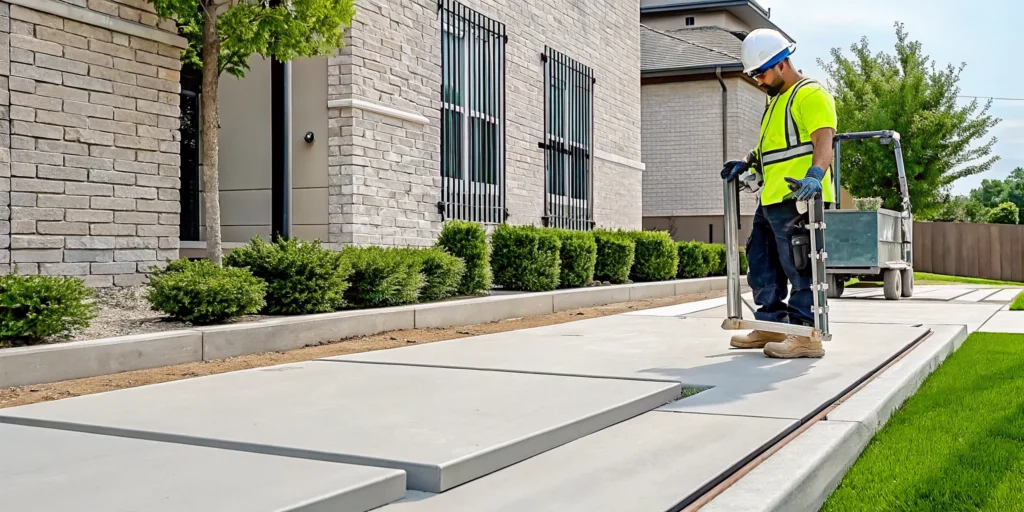
Foundation issues don’t just affect the structure of your house; they can also wreak havoc on your concrete surfaces. You might notice your driveway, patio, or garage floor has become a cracked and uneven mess. Professional concrete repair services address these problems directly. Using techniques like polyurethane foam injection, experts can lift and level sunken concrete slabs, making them safe and even again. They also specialize in sealing cracks to prevent water from seeping underneath and causing more damage. This not only improves the appearance of your property but also eliminates tripping hazards and extends the life of your concrete.
Installing Proper Drainage Solutions
In Texas, water is often the main culprit behind foundation problems. Too much water from heavy rains can oversaturate the soil, causing it to expand, while periods of drought cause it to shrink. This constant cycle puts immense pressure on your foundation. That’s why installing proper drainage is one of the most important preventative services a company can offer. Solutions like French drains, surface drains, and sump pumps are designed to collect excess water and safely channel it away from your home’s foundation. By managing the moisture levels in the soil around your house, you can significantly reduce the risk of future foundation movement.
Basement and Crawl Space Waterproofing
Moisture in your basement or crawl space is a recipe for disaster. It can lead to mold growth, wood rot, pest infestations, and eventually, damage to your home’s structural supports. Waterproofing services are designed to keep these areas dry and healthy. This often involves installing a vapor barrier, a thick sheet of plastic that covers the ground and walls to block moisture from seeping in. In more advanced systems, a process called encapsulation completely seals the crawl space. If you have questions about protecting these vulnerable areas, it’s always a good idea to contact an expert to discuss the best waterproofing options for your home.
Budgeting for Foundation Repair in Dallas
Thinking about the cost of foundation repair can be stressful, but it’s one of the most important investments you can make in your home’s safety and value. The good news is that you have options, and understanding the costs upfront can make the entire process feel much more manageable. Creating a budget starts with knowing what influences the price, what your insurance might cover, and what financing solutions are available to you.
Getting a clear picture of the financial side of things will help you move forward with confidence. Let’s break down what you need to know to plan for your Dallas home’s foundation repair.
What Factors Influence the Final Cost?
There’s no single price tag for foundation repair because every home and situation is unique. The final cost depends on several key factors, starting with the extent of the damage. A few minor cracks will naturally cost less to fix than a foundation that has significantly settled. The type of foundation you have, whether it’s a concrete slab or a pier and beam system, also plays a big role in the repair methods required.
Your home’s size and the infamous expansive clay soil we have here in Dallas will also affect the scope of the project. Because so many variables are at play, the only way to get an accurate number is to have a professional assess the damage. A thorough inspection will determine the precise solution needed to secure your home.
Will Your Homeowners Insurance Cover It?
Many homeowners hope their insurance will foot the bill, but unfortunately, that’s rarely the case. Standard homeowners insurance policies typically do not cover foundation problems that result from soil settlement, natural shifting, or poor construction. These issues are generally considered maintenance-related, which falls outside the scope of most policies.
However, there are exceptions. If the foundation damage is a direct result of a covered peril, like a sudden plumbing leak that washes away soil or damage from a tornado, you may have a valid claim. The best first step is to pull out your policy and read the fine print. Then, call your insurance agent to discuss your specific situation and confirm what your coverage includes.
Exploring Your Financing Options
If paying for the entire repair out-of-pocket isn’t realistic, don’t worry. You have several ways to fund the project without draining your savings. Many reputable foundation repair companies understand this is a significant expense and offer flexible payment solutions to help homeowners manage the cost. At Solid Base, we provide straightforward financing options to ensure you can get the necessary repairs done right away.
Other common choices include a home equity line of credit (HELOC) or a home equity loan, which allow you to borrow against your home’s value. Addressing foundation issues promptly is crucial to prevent them from getting worse and more expensive, and financing makes it possible to protect your investment now.
How to Choose the Right Foundation Repair Company
Choosing a company to work on your home’s foundation can feel overwhelming. It’s a significant investment, and you want to be sure you’re hiring a team you can trust. The right partner will not only fix the problem but also give you peace of mind. To make a confident choice, focus on a few key areas: their credentials, local track record, warranty details, and pricing transparency. Breaking it down this way helps you compare companies fairly and find the best fit for your home. A little homework upfront can save you from major headaches later and ensure the job is done right the first time.
Check for Licensing, Insurance, and Accreditation
Before you even look at a quote, your first step is to verify that any company you consider is properly licensed and fully insured. This is non-negotiable. Licensing proves they meet state and local requirements, while insurance protects you from liability if an accident happens on your property. Think of it as your safety net. A reputable company will have no problem providing you with their license numbers and proof of insurance. This basic due diligence ensures you’re working with a legitimate business that adheres to professional standards and has your best interests in mind. Don’t be shy about asking for these documents; a trustworthy contractor will expect it.
Vet Their Local Experience and Reputation
Foundation issues in the Dallas area are often tied to our unique expansive clay soil and weather patterns. That’s why hiring a company with deep local experience is so important. A team that has spent years working on homes in North Texas will understand these specific challenges better than a national chain without a dedicated local presence. Look for a company that can show you examples of their previous projects in the area. Seeing a portfolio of our work can tell you a lot about their quality and expertise in solving problems just like yours. Reading recent customer reviews can also provide insight into their reputation and service quality.
Understand the Warranty (and the Fine Print)
Many foundation repair companies advertise a “lifetime warranty,” but the details are what truly matter. A warranty is only as good as the company standing behind it, and the fine print can sometimes hide exclusions that make it less valuable than it seems. Before you sign a contract, ask direct questions. What exactly does the warranty cover? What does it exclude? Is it transferable to the next homeowner? Some warranties may become void if you don’t pay for periodic adjustments. Be thorough and make sure you have a clear, written understanding of the terms so there are no surprises down the road.
Insist on Transparent Pricing and Free Estimates
A trustworthy foundation repair company should be upfront about costs and processes. Be wary of any business that charges you just to come out and assess the problem. Reputable experts are confident in their ability to provide value and will offer a free, no-obligation estimate. This initial evaluation gives you a clear picture of the necessary foundation repair and allows you to gather multiple quotes. Also, ask about payment schedules and whether they offer any financing options, as this transparency is a hallmark of a professional and customer-focused business. A detailed, itemized quote is a sign you’re dealing with an honest contractor.
Do You Really Need an Engineer’s Report?
When you first notice a crack in the wall or a door that won’t close, it’s easy to feel a little overwhelmed. As you start researching foundation repair, you might come across advice to hire a structural engineer. This often leads to a big question: is an engineer’s report really necessary? While it’s an extra step and an added cost, getting an independent assessment can be one of the smartest moves you make. Think of it as getting a diagnosis from a specialist before you decide on a treatment plan. It provides clarity and peace of mind, ensuring you only pay for the work your home truly needs.
What an Engineer’s Report Tells You
An engineer’s report is an impartial evaluation of your foundation’s health. Unlike a repair company, a structural engineer doesn’t sell or install repair solutions; their only job is to provide an accurate, unbiased assessment of your property. Homeowners often find that engineers can confirm if work is genuinely needed, giving them confidence in their decisions. The report will identify the specific issues, explain the likely causes (like our tricky Dallas soil), and outline a recommended plan of action. This document serves as your expert guide, detailing the extent of the damage and what it will take to correct it, without any sales pressure.
When It’s Smart to Get One
The ideal time to hire a structural engineer is before you start gathering estimates from repair companies. Bringing in an expert at the beginning of the process equips you with crucial information. With a detailed report in hand, you’ll know exactly what kind of repairs are necessary, if any at all. This step helps you avoid paying for work you don’t need and allows you to compare quotes from different companies on a level playing field. You can provide the report to each contractor and ask for a proposal based on the engineer’s findings. Once you have the report, you can confidently request a free estimate knowing exactly what to discuss.
Common Foundation Repair Myths to Ignore
When you’re dealing with something as important as your home’s foundation, it’s easy to get overwhelmed by information. Unfortunately, a lot of that information is based on myths and misconceptions. Believing these myths can lead to unnecessary stress, costly mistakes, or delayed action when it’s needed most. Let’s clear the air and debunk some of the most common foundation repair myths so you can approach the situation with confidence and clarity.
Myth: Every Crack Is a Sign of Crisis
Finding a crack in your foundation or walls can feel alarming, but it’s not always a reason to panic. It’s true that some cracks signal serious structural problems, but many are perfectly normal. New homes often develop small cracks as they settle into the soil. These are called hairline cracks and are usually just a cosmetic issue. The key is to understand the difference. A professional can assess the size, location, and direction of the cracks to determine if they point to a deeper problem that requires foundation repair.
Myth: A “Lifetime” Warranty Covers Everything Forever
The term “lifetime warranty” sounds reassuring, but it can be misleading. These warranties often come with a lot of fine print that limits what’s actually covered and for how long. For example, a warranty might only apply to a specific part of the repair or become void if the property changes hands. It’s crucial to read the terms and conditions carefully. A reputable company will be transparent about what their warranty includes and excludes. At Solid Base, our team believes in clear communication, ensuring you understand the protection you’re getting.
Myth: DIY Fixes Are a Good Enough Solution
It’s tempting to try and save money with a do-it-yourself fix, but foundation repair isn’t a weekend project. Patching a crack with sealant from the hardware store might hide the problem temporarily, but it won’t address the underlying cause. Foundation issues are complex and often stem from soil movement or drainage problems. Without a proper diagnosis, a DIY fix can fail or even make the situation worse. For a lasting solution, it’s always best to consult with a qualified professional who can accurately assess the damage and recommend the right approach.
Myth: Foundation Repair Is a One-Time Fix
While the goal of any repair is to provide a long-term, stable solution, it’s a myth that your foundation will be immune to future problems. The same forces that caused the initial issue, like the expansive clay soil here in Dallas, are still at play. Professional repair methods are designed to withstand these pressures and provide lasting stability. However, ongoing vigilance is smart. Regular inspections and proper home maintenance, like ensuring good drainage, are key to protecting your investment and catching any new issues before they become major problems.
Your Action Plan for Hiring a Foundation Expert
Finding the right team to handle your foundation repair can feel like a huge task, but breaking it down into a few clear steps makes all the difference. Think of this as your personal checklist for vetting professionals and making a confident choice for your home. With a solid plan, you can move forward knowing you’ve covered all your bases and picked a company you can trust to get the job done right.
Step 1: Get Multiple, Detailed Estimates
Never settle for the first quote you receive. It’s smart to get at least three detailed estimates from different companies. This isn’t just about finding the lowest price; it’s about comparing the proposed solutions, the scope of work, and the materials each company plans to use. A reputable company will provide a thorough, written estimate that clearly explains their findings and recommended repairs. This process helps you understand the different approaches to your problem and gives you a clear sense of the market rate. Make sure you get a free estimate to start the process without any financial commitment.
Step 2: Read Recent Reviews and Check Ratings
A company’s reputation is one of your best tools for making a decision. Spend some time reading recent customer reviews on sites like Google, Yelp, and the Better Business Bureau. Look for patterns in the feedback. Are customers consistently happy with the communication, the crew’s professionalism, and the final results? While a perfect record is rare, you want a company that clearly values customer satisfaction and has a history of quality work. Seeing examples of our work can also give you confidence in a team’s ability to deliver on their promises.
Step 3: Ask These Key Questions Before Signing
Before you sign a contract, make sure you have a clear conversation with your potential contractor. Don’t be afraid to ask direct questions to avoid any misunderstandings down the road. Here are a few essential questions to ask:
- What, exactly, does your warranty cover and for how long?
- What is the estimated timeline for the project from start to finish?
- Will your crew handle the cleanup after the job is done?
- Are you licensed and insured to perform foundation repair in my city? Getting these answers in writing will ensure everyone is on the same page.
A Final Tip: Schedule Regular Inspections
Once your foundation is repaired, the work isn’t completely over. The best way to protect your investment and prevent future issues is through proactive maintenance. Just as you get a regular checkup for your car, your home’s foundation benefits from periodic inspections. A quick walk around your property every few months to look for new cracks or shifts can help you catch small problems before they become major headaches. Partnering with a team you trust means you have experts you can call on for advice and future inspections, ensuring your home remains on solid ground for years to come.
Related Articles
- Foundation Repair Cost: The Ultimate 2026 Guide
- Ultimate Guide to Foundation Repair Options
- Pier & Beam Foundation Repair: Signs, Costs & Fixes
- A Homeowner’s Guide to Foundation Repair Services
- Is Foundation Repair Covered by Insurance? The Answer
Frequently Asked Questions
I see a tiny crack. Should I call for an estimate now or wait and see if it gets worse? It’s smart to be observant, and you’re right that not every tiny crack spells disaster. However, waiting can sometimes allow a small problem to grow. The best approach is to get a professional opinion. Since we offer free, no-obligation estimates, there’s no risk in having an expert take a look. It will give you peace of mind if it’s nothing, or a clear action plan if it’s the start of a bigger issue. It’s always better to know what you’re dealing with sooner rather than later.
How long does a typical foundation repair project take? The timeline for a repair project really depends on the scope of the work your home needs. Many standard jobs, like installing piers to stabilize a section of your home, can often be completed in just a few days. More extensive projects might take longer. When we provide your detailed estimate, we will also give you a clear and realistic timeline from start to finish so you know exactly what to expect.
Will the repair process make a huge mess of my yard and home? This is a common concern, and a valid one. Foundation repair does involve excavation and construction, so there will be some temporary disruption to your landscaping. However, a professional crew works hard to minimize the impact. We are careful to protect your property as much as possible and always prioritize a thorough cleanup after the job is complete, leaving your yard looking as neat as we can.
If my foundation is repaired, will the cracks in my walls and sticking doors fix themselves? Lifting and stabilizing a foundation often corrects many of the cosmetic symptoms you’ve been noticing. As the house returns to a more level position, you’ll likely see gaps close and doors and windows function more smoothly. That said, the repair’s main goal is structural stability. You may still need to do some minor cosmetic work, like patching drywall or repainting, to fully erase the evidence of the previous shifting.
Is it true that I should be watering my foundation? Watering your foundation is a common practice here in Texas, and it can be helpful. The goal is to maintain a consistent moisture level in the expansive clay soil around your home to prevent the extreme shrinking and swelling that causes damage. However, it’s a maintenance task, not a cure for existing problems. If your home has already settled, watering alone won’t fix it, and you’ll need a professional repair to restore stability.