
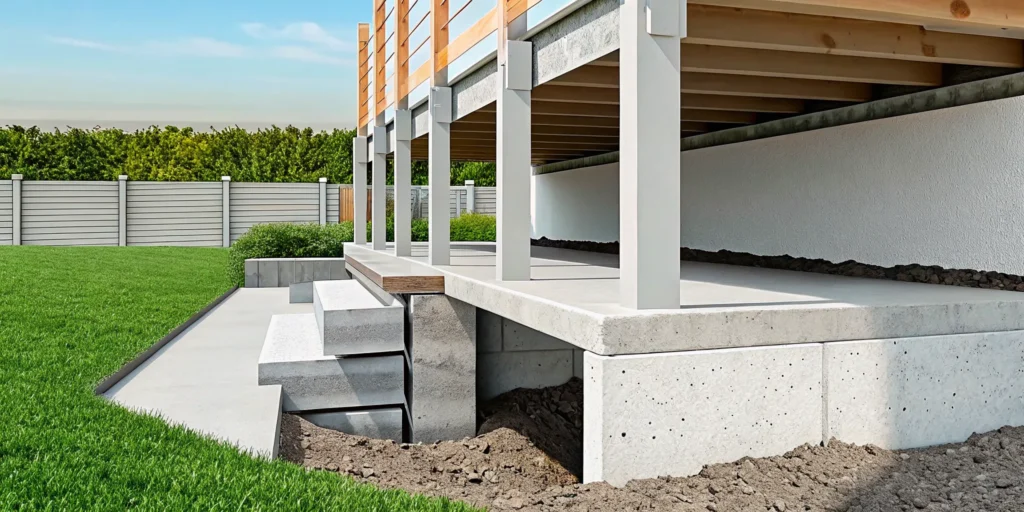
Drought and rain cause North Texas clay soil to shrink and swell with dangerous force. These shifts put immense pressure on every concrete foundation in the Dallas metroplex. Selecting the right fix depends on how your home was built.
Pier and beam vs slab foundation repair choices depend on the design of your home and the unique soil in North Texas. Slab repair usually involves driving steel push piers deep into the earth to reach stable soil and lift the concrete. Pier and beam repair focuses on leveling the wooden frame by adjusting existing piers or adding new supports in the crawl space. While slab homes are common in modern Dallas neighborhoods, older homes often feature the elevated pier and beam style which allows for better utility access. Both foundation types are at risk from the shifting clay soil found across the blackland prairie. Expert foundation repair services in Dallas-Fort Worth use proven tools to fix both types against seasonal soil movements.
Whether you live on a solid concrete base or an elevated wood frame, you must understand your specific design needs before starting any work.
Pier And Beam Vs Slab Foundation Repair: What’s the Difference Between Pier and Beam and Slab Foundations?
If you live in North Texas, you know that the ground beneath your home is rarely still. Most local homes sit on expansive clay soil, also known as blackland prairie clay. This soil is the main reason why homes in the Dallas area face so many structural issues. This type of earth acts like a sponge. It swells when it rains and shrinks during our hot, dry summers. This constant shift puts big pressure on your home. Whether you have a concrete slab or a pier and beam house, learning how these systems work is the first step toward keeping your home safe.
Schedule a free foundation inspection, (940) 365-4221
How Concrete Slab Foundations Work
Concrete slab foundations are the most common type for modern homes in Texas. A slab is a single, solid piece of concrete. It is usually four to six inches thick and sits on a bed of gravel. Builders like this style because it is cheap and easy to set up on flat land. Because the house sits right on the ground, these homes are very tough against pests like termites. But they can crack if the soil under them moves too much. When a slab begins to sink or tilt, you may need foundation repair services in Dallas to fix the damage and keep your house level.
Understanding Pier and Beam Structures
Before the 1960s, many Texas builders used pier and beam foundations. This design lifts the home off the ground with concrete or brick piers. These piers are fixed deep in the earth to give the home a strong base. This lift creates a crawl space under the house. This space gives you easy access to pipes and wires. It makes home repairs much easier than with a slab foundation. The crawl space also lets air flow under the home. This can help keep things cool in the summer. But you must keep the space dry. Moisture can lead to wood rot or pest problems if the area is not airy and clean.
The Dallas Hybrid: Piered Slab Foundations
In the Dallas area, many newer homes use a hybrid way of building called a piered slab. This design joins the pluses of both old styles. It starts with a normal concrete slab, but builders add deep piers beneath it while they build. These piers reach down into stable soil layers. They provide extra support against the shifting clay. This hybrid style is very common in North Texas. It helps the slab resist the heavy swelling and shrinking of the local soil. If your home has this type of base, you still need to watch for signs of shifting. But the deep piers offer a much stronger defense against big damage to your home.
How Expansive Clay Soil Affects Both Foundation Types
Watching your home shift or settle can be a stressful time for any owner. In North Texas, these major changes are often tied to the ground below your feet. The unique soil of our region plays a big role in how your home stands over time. Whether you have a pier and beam or a slab-on-grade base, the local earth will likely affect your foundation.
The North Texas blackland prairie clay
Most foundation problems in the Dallas area stem from a type of earth called blackland prairie clay. This expansive clay soil is the root cause of movement for many homes. The soil acts like a sponge. It soaks up water during wet months and shrinks during dry Texas summers. When the clay swells, it can push up against your home with huge force. When it dries out, the ground pulls away and leaves the house with less support.
This cycle of swelling and shrinking leads to a problem called differential settlement. This happens when one part of your house moves more than another part. Over many years, this constant movement can put a lot of stress on any foundation type. Because our weather has long droughts and heavy rains, the soil never stays the same for long.
Challenges for slab foundations
Concrete slab foundations are very common in newer Texas homes. These slabs are poured as a single piece of concrete over a bed of gravel. While they are strong, they are also stiff. When the clay soil under a slab dries and shrinks, it creates a void or a gap. Without the soil there to hold it up, the weight of the house can cause the slab to crack or sink. This is a primary reason for foundation repair in Dallas and nearby cities.
When a slab cracks, it can lead to bigger issues inside your home. You might see cracks in your drywall or find that your doors no longer close right. A shifting slab can also damage the water lines that run through the concrete. Because the slab is one solid piece, these repairs often need experts to drive steel piers deep into the ground. This helps to lift and level the slab back to its first spot.
Effects on pier and beam structures
Many older homes in our area use a pier and beam system. These foundations raise the house off the ground. This creates a crawl space below the floor. While this design allows for easy access to pipes, it is still at risk from the local soil. The single piers that hold up the beams are often set right into the clay. If the soil shifts, those piers can tilt or sink at different rates. This can lead to bouncy floors or a home that feels unlevel.
The crawl space itself can also cause problems when the weather turns wet. Standing water in a crawl space can make the clay soil swell. This pushes the piers upward. This moisture can also lead to wood rot in the beams or floor joists. To keep these homes stable, it is needed to manage the water around the base. Pier and beam vs slab foundation repair methods differ, but both need a plan that accounts for our local soil. Regular checks can help you find these small shifts before they become big problems.
Pier and Beam vs Slab: Pros and Cons for North Texas Homeowners
Choosing between a pier and beam or a slab foundation depends on many things, like your budget and the local area. In the Greater Dallas region, the unique expansive clay soil often decides which system will work best over time. Learning the pros and cons of each can help you make a good choice for your home’s health.
Why foundation types matter in North Texas
North Texas homeowners face special tasks due to the local land. The expansive clay soil in the area shrinks when dry and swells when wet. This change puts big pressure on any foundation, leading to cracks or shifts. While slab foundations are common in new builds, many older homes in the region use pier and beam setups to deal with these soil moves.
If you see signs of damage like wall cracks or doors that stick, it is key to get help fast. Our foundation repair services in Dallas-Fort Worth can fix issues with both foundation types. We use proven ways to keep your home steady and stop more harm caused by the local air and soil.
Comparing slab and pier and beam foundations
Each style offers a different set of gains for folks in the Dallas-Fort Worth area. Slab foundations are often liked for their low cost and strength against dry times. But pier and beam setups give better access to pipes and wires, which can make future fixes easier. The table below shows how these two systems compare across key points.
| Factor | Slab Foundation | Pier and Beam |
|---|---|---|
| Upfront Cost | Lower build cost | Higher build cost |
| Repair Cost | Often higher due to low access | Can be lower for small fixes |
| Flood Protection | Low; built at ground level | Higher; sits above the ground |
| Utility Access | Hard; pipes are in concrete | Easy through the crawl space |
| Maintenance | Low; needs soil moisture care | Moderate; needs crawl space care |
| Pest/Moisture Risk | Low; concrete blocks pests | Higher risk in crawl space |
| Adaptability to Clay | Weak against soil moves | Better at handling soil shifts |
| Durability in Drought | Very strong if kept moist | Can sink in dry times |
Making the right choice for your property
Picking which foundation is best for you needs a pro to look at it. Things like your home’s age, if it is near flood zones, and the clay in your soil all matter. Whether you need a small fix or big help, our team is here to help you choose. We offer financing options to make needed fixes easier for every homeowner in our North Texas area.
How Slab Foundation Repair Works in North Texas
Fixing a settling slab foundation takes a clear plan to fight local clay soil. When you see cracks or sticking doors, find the main cause before you start any work. It is best to catch these signs early to stop more damage.
Check and Find the Problem
The first step is a full check of your home. Pros look for signs of movement like wall cracks or gaps in window frames. They use tools to find the slope of your floors and see where the slab has moved. This helps them pick the right pier and beam vs slab foundation repair path for your home.
Pick Where the Piers Go
Once the team maps the damage, they decide where to put supports. These spots are usually on the outer edge of the home where the slab is weak. Good spacing is key to make sure the weight of the house rests well on the new piers. This keeps the slab from sinking in other areas later on.
Drive Piers into Deep Soil
Next, the crew puts in piers to reach firm soil deep in the ground. They use two main types based on your soil and home weight. These piers go past the clay that swells and shrinks with the rain.
- Push Piers: These go in next to the footing with a steel bracket. Solid Base uses systems with a special sleeve for more strength.
- Helical Piers: These have plates that screw into the dirt. They work well for light homes or when the soil is very soft.
Both ways help the home stay still. These piers must reach a strong layer of soil to keep the slab from moving again. Using these foundation repair services in Dallas-Fort Worth helps keep your home level. You can also look at data from Perma Pier to see how deep these piers must go in North Texas.
Lift and Finish the Job
After the piers are in, big jacks lift the slab back to its true spot. This part is slow so that no new cracks form. Once the home is level, the team checks the slope one last time. They then give you a paper for your warranty to show the work is done right.
- Check: Pros map the movement and find low spots in the floor.
- Plan: The team marks where each pier will go for the best lift.
- Set Piers: Crews drive steel piers down to soil that does not move.
- Lift: Jacks raise the slab back to where it should be.
- Confirm: A final check shows the house is level and the warranty is safe.
How Pier and Beam Foundation Repair Works
Repairing a pier and beam home is often less complex than slab repair. Most of the work happens in the crawl space under your house. This gap gives our team direct access to the beams and piers. Instead of cutting through your floors, we solve the problem from below. This is a key part of the pier and beam vs slab foundation repair choice for many Texas homeowners.
Dealing with North Texas Clay Soil
North Texas has thick clay soil that causes many foundation issues. This soil grows when wet and shrinks when the ground dries out. This cycle causes the piers under your home to shift over time. When we repair a pier and beam home, we must first find out how much the house has moved. We look for saggy floors and wall cracks to find the spots that need help.
The Leveling Process
We use tools to measure how much your floor has dipped. Once we know the levels, we plan how to use our foundation repair systems to lift the home back to its first spot. Our goal is to make the home level and strong. We use a step-by-step method to fix the damage and stop future movement.
- Crawl Space Inspection. We go under your home to look for wood rot, mold, and bugs. We check the state of your current piers and beams to see which parts need help.
- Floor Height Check. Our team uses digital levels to check the height of your floors. This helps us find the spots where the soil has caused the house to sink.
- New Pier Installation. We put in new support piers. We use steel piers that reach down to deep, firm soil for the best result.
- Lifting the House. We place jacks under the beams. We slowly lift the low spots to level the floor and close wall cracks.
- Beam Fixes. If any wood beams are soft from water or rot, we replace them. We may also add new wood next to old beams to make them strong again.
- Moisture Control. We set up tools to keep the crawl space dry. This can include vapor barriers or better drainage. This stops the clay soil from moving too much.
Why Crawl Space Access Helps
A big plus of a pier and beam home is how easy it is to reach pipes. In a slab home, these are buried in concrete. If a pipe leaks under a slab, you might have to break the floor to fix it. But in a pier and beam house, we reach leaks through the crawl space. This makes repairs fast and keeps your home clean.
Solid Base Foundations knows the tough clay soil in Dallas and Denton. We have fixed foundations for over 18 years and know how to keep your home level. If you see signs of floor sag, call us for an expert check today.
Which Foundation Type Is Right for Your Texas Home?
Deciding between a pier and beam or a concrete slab foundation depends on your home site and your long-term plans. In the Greater Dallas area, the expansive clay soil moves often as moisture levels change. This unique soil behavior is why choosing the right foundation style and repair plan is so vital for local homeowners. Most modern homes in Texas use slab foundations because they are fast to build and cost less, but pier and beam styles offer good perks for some lots.
Consider your soil and terrain
The type of soil on your lot is the biggest factor for foundation health. Pier and beam systems often work well on uneven land or lots with a steep slope. Because the home sits on piers, it is easier to level the house without moving tons of dirt. This design also helps in areas with high flood risk by raising the home off the ground. In contrast, slab foundations sit right on a gravel base and are more common on flat, firm land.
Both types must withstand the heavy pressure from local clay. North Texas soil can swell when wet and shrink during a drought, which leads to cracks or shifting. If you see signs of movement, it is wise to talk to a team with experience in the North Texas service area. Expert help can find the root cause before the damage spreads to your walls or roof.
Think about long-term access
Care is another key point to think about when you compare foundation types. Pier and beam homes have a crawl space that gives you easy access to pipes and wires. This can make plumbing repairs much cheaper because workers do not have to break through a concrete floor to reach a leak. But these crawl spaces need regular checks for wetness and pests to keep the wood beams strong. Slab foundations are very tough and resist pests well, but they can be harder to fix if a pipe breaks deep under the floor.
The cost to keep your home stable also varies by type. While slabs are often cheaper to build, pier and beam homes may save you money on utility repairs over time. No matter which style your home has, you can rely on the 18 years of experience at Solid Base Foundations’ team to keep it level. For a deep look at how we fix these issues, see our full foundation repair services in Dallas-Fort Worth. We use tools like push piers to reach firm soil and stop any more sinking.
The North American foundation repair market is growing fast as more owners invest in their homes. Experts expect the market to reach 20 billion dollars by 2035 according to data from Census.gov. This growth shows how vital it is to choose a repair partner who uses proven, firm methods for the local climate.
Frequently Asked Questions
Is a pier and beam foundation better for North Texas clay soil?
North Texas sits on thick clay soil that swells and shrinks as moisture levels change. While both types work, pier and beam foundations often handle this shifting better. The space beneath the home lets the soil move without putting direct pressure on the floor. For slab homes, we use deep steel or concrete piers to reach stable soil. Based on Advanced Foundation Repair, picking the right support for your local soil helps protect your home value over time.
How much does foundation repair cost in the Dallas area?
The cost for repair work in North Texas depends on the size of the home and the damage. Most local projects range from about 3,300 to 7,000 dollars. Simple fixes might start around 300 dollars, but large jobs can reach 30,000 dollars or more. Factors like soil type and the number of piers needed will change the final price. We offer a free on-site check and a full written quote so you know just what to expect before any work begins.
Do foundation repairs in Texas come with a warranty?
Yes, most expert foundation repairs include a long-term warranty to give you peace of mind. As a member of the Foundation Supportworks network, we provide 25-year maker warranties on our pier systems. This covers the parts and the work done to steady your home. Since the clay soil in the Dallas area moves so much, having a strong warranty is a big part of saving your home. Be sure to ask for a copy of the warranty during your free check.
Can you convert a slab foundation to pier and beam?
While it can be done to change a slab to pier and beam, it is very rare and costly. This process needs a lot of work to lift the house and build a new frame. Most people in Texas choose to fix their current slab with steel or concrete piers instead. This method is much faster and solves the root of the problem without the high price of a full change. Our team can find the best way to fix your home during a free on-site visit.
Ready to schedule a free foundation inspection?
Waiting to fix a shifting foundation often leads to much higher costs as structural damage spreads through the rest of your home. You might notice sticking doors or large cracks in your walls that only grow wider and more costly over time. The clay soil in North Texas moves with every rain and dry spell. This puts constant stress on your slab or pier and beam frame. Acting now stops this settlement before it causes more harm to your property and ruins your peace of mind. You can protect your home and keep it stable for your family by setting up an expert review with our team today. This step helps you find the right fix and plan for the work before the next season brings even more soil shifts. Getting a clear view of your home’s health now will save you stress and money in the long run.