
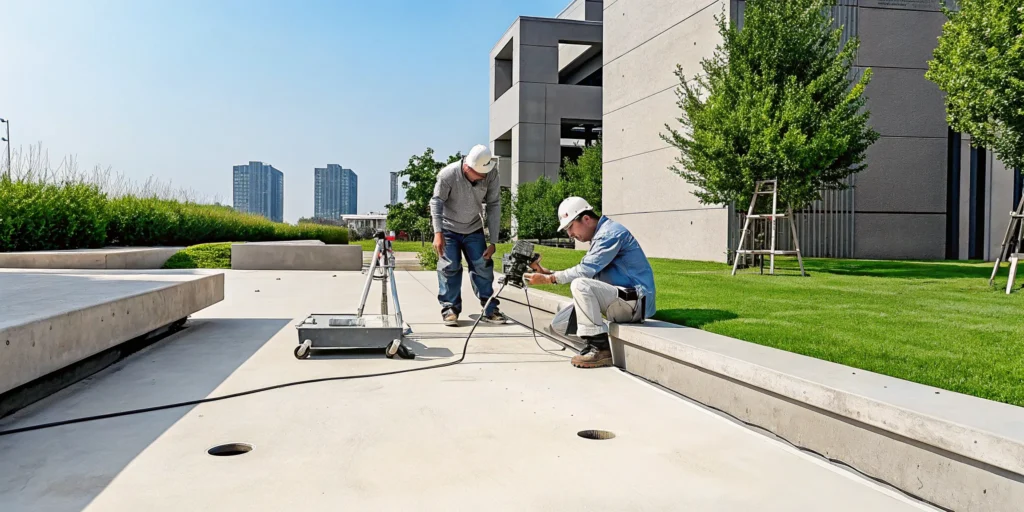
Seeing a sinking sidewalk or a cracked pool deck can immediately bring dollar signs to mind. Many homeowners assume the only option is a full, messy, and expensive replacement project. But what if there was a better way? Before you start budgeting for demolition, you should know about a smarter, more affordable solution. Instead of tearing out your existing concrete, we can often fix the problem from below by addressing the empty space that’s causing it to fail. This guide explains why concrete void filling under slab Dallas TX is the cost-effective choice that saves you time, money, and major disruption while providing a permanent, stable fix for your property.
Key Takeaways
- Identify Voids Early to Prevent Bigger Problems: Voids under your concrete, often caused by Dallas’s clay soil and heavy rain, lead to sinking and cracking. Catching issues like hollow sounds or uneven slabs early allows for a simple repair, helping you avoid a full, expensive replacement.
- Choose Foam Injection for a Superior Repair: Modern polyurethane foam is a better solution than traditional mudjacking. This lightweight material is injected to fill the void and lift the slab, creating a permanent, waterproof base in just a few hours with minimal disruption to your property.
- A Lasting Repair Must Address the Root Cause: A reliable repair goes beyond just filling the void; it also solves the underlying issue, such as poor drainage. When choosing a contractor, look for an experienced team that provides a detailed estimate and a comprehensive plan to ensure the problem doesn’t return.
What Is Concrete Void Filling?
Concrete void filling is a repair method that addresses empty spaces that form underneath concrete slabs. Think of it like filling a cavity in a tooth, but for your driveway, patio, or pool deck. These hidden gaps, or voids, can cause your concrete to crack, sink, and become uneven. In the Dallas area, where our soil is known for shifting, these voids are a common problem for homeowners. The process involves injecting a specialized material to fill the space, which stabilizes the slab and prevents further damage. It’s a crucial step in maintaining the safety and integrity of your property.
Why Voids Under Your Concrete Are a Big Deal for Dallas Homeowners
Ignoring a void under your concrete is like ignoring a small leak in your roof; it will only get worse. These empty spaces leave your concrete slab unsupported, making it vulnerable to cracking and settling under its own weight. Over time, this can lead to serious structural problems that might require a complete and costly replacement of the concrete. For Dallas homeowners, the expansive clay soil makes this issue even more pressing, as seasonal moisture changes can accelerate soil erosion and create larger voids. Promptly addressing these gaps with professional concrete repair is the best way to protect your investment and avoid a much bigger headache down the road.
How to Spot Voids Under Your Concrete Slab
You don’t need special equipment to find potential voids; you just need to know what to look and listen for. Paying attention to changes in your concrete surfaces can help you catch problems early. If you notice any of these red flags, it’s a good idea to have a professional take a look. A thorough inspection can confirm if voids are the culprit behind your concrete issues and determine the best course of action. Here are some of the most common signs that you have a void under your concrete slab:
- A hollow sound when you walk across it
- Visible gaps beneath the slab’s edge
- Slabs that rock or feel unstable
- Sudden cracks, dips, or uneven surfaces
- Concrete pulling away from your home or pool deck
What Causes Voids Under Concrete in Dallas?
If you’ve noticed a hollow sound under your patio or a new crack in your driveway, you might be wondering how that empty space got there. Voids under concrete don’t just happen; they’re a direct result of the ground shifting beneath the slab. Here in the Dallas area, we have a unique set of conditions that make our properties particularly prone to this problem. From our temperamental soil to intense weather, several factors can wash away or cause the soil to collapse, leaving your concrete unsupported and at risk. Understanding these causes is the first step toward a lasting fix.
North Texas’s Expansive Clay Soil
One of the biggest culprits behind concrete voids in our area is the ground itself. Much of North Texas is built on expansive clay soil, which acts like a sponge. When it rains, the clay absorbs water and swells, pushing up against anything above it. Then, during our hot, dry summers, the soil dries out and shrinks, pulling away from your concrete slab. This constant cycle of swelling and shrinking creates instability and can easily form voids. Over time, this movement can lead to significant cracking and settling, often requiring professional foundation repair to correct the underlying issue and stabilize your home.
Heavy Rain, Poor Drainage, and Soil Erosion
Dallas is no stranger to heavy downpours. When all that water has nowhere to go, it can cause serious problems for your concrete. Poor drainage from clogged gutters, downspouts that dump water too close to your foundation, or improper yard grading can channel rainwater directly under your slabs. This concentrated flow of water acts like a power washer, eroding and washing away the soil that supports your driveway, sidewalk, or patio. This erosion creates voids that leave the heavy concrete slab with no support from below, leading to sinking and cracking. A proper concrete repair will not only fill the void but also address the drainage issues causing it.
Weak Soil Compaction During Construction
Sometimes, the problem starts long before you ever move into your home. For a concrete slab to remain stable, the ground beneath it must be tightly packed, or compacted, during construction. If the builder rushed this crucial step, the loose soil will naturally settle over time under the immense weight of the concrete. As the soil compacts on its own, it creates gaps between the ground and the bottom of the slab. This is a common, yet hidden, cause of voids that can take years to become apparent. It’s a reminder that the quality of work done by your original builders has a long-term impact, which is why working with an experienced team like Solid Base is so important for repairs.
Intrusive Tree Roots and Hidden Plumbing Leaks
While soil and water are the most common causes, other hidden issues can also create voids. Large tree roots can grow under a slab, and as they shift or decay, they leave empty spaces behind. Burrowing animals can also create tunnels that compromise the soil. However, one of the most destructive and frequent causes is a hidden plumbing leak. A small, slow leak from a pipe running beneath your slab can go undetected for months, steadily washing away the soil and creating a massive void. If you suspect a leak or see other signs of voids, it’s best to get a professional opinion. You can contact us for a free, thorough estimate.
How Does the Concrete Void Filling Process Work?
If you’re picturing a major construction project with torn-up landscaping and a huge mess, I have some good news for you. Modern concrete void filling is a surprisingly clean and straightforward process. At Solid Base, we use an advanced polyurethane foam injection method to stabilize your concrete slabs from below. This technique is not only highly effective but also minimally invasive, letting you get back to your life quickly. Let’s walk through exactly how it works, from start to finish.
Polyurethane Foam vs. Traditional Mudjacking
For years, the go-to solution for sinking concrete was mudjacking. This method involves pumping a heavy slurry of mud, cement, and water under the slab to lift it. While it can work, it also adds a tremendous amount of weight to soil that is already struggling to provide support. Polyurethane foam is the modern, superior alternative. Instead of a messy slurry, we use a lightweight, high-density structural foam. This material is incredibly strong but adds almost no weight to the soil, addressing the problem without making it worse. It’s a smarter, more durable approach to concrete repair that provides lasting stability.
How Foam Lifts and Supports Your Slab
The magic of polyurethane foam lies in its expansion. Our team starts by drilling a few small, dime-sized holes in the affected concrete slab. We then inject the two-part foam solution through these holes into the void below. As the liquid components mix, they undergo a chemical reaction, expanding to fill every gap and crevice. This expanding foam gently lifts the slab back toward its original position. Once cured, which happens very quickly, the foam hardens into a rigid, waterproof material that bonds the slab and soil together, creating a solid, stable base that will support your concrete for years to come.
What to Expect: A Clean, No-Dig Process
One of the best parts of using polyurethane foam is how little it disrupts your property and your day. The entire process is self-contained, with no need for heavy equipment or excavation that can damage your lawn or landscaping. Our crew works efficiently, and since the injection holes are so small, the repair is nearly invisible once we patch them. You can see examples of our clean and precise work on patios, driveways, and pool decks in our gallery of our work. We pride ourselves on leaving your property looking just as good as we found it, only with stable, secure concrete.
How Long Does the Repair Take?
Unlike concrete replacement, which can take days or even weeks, most void filling projects are completed in just a few hours. The polyurethane foam cures and hardens to 90% of its final strength in about 30 minutes. This means you can walk on the repaired sidewalk or park your car in the driveway almost immediately after we finish the job. There’s no waiting around for concrete to cure or for a construction site to be cleaned up. If you’re ready to fix your sinking concrete without the long wait, you can contact us today for a free, no-obligation estimate.
Void Filling vs. Slab Replacement: Which Is Better?
When you see a crack in your driveway or a sinking patio, your first thought might be a full, messy, and expensive replacement. But that’s not always necessary. For many Dallas homeowners, there’s a much better option. The choice between filling the void under your slab and tearing the whole thing out often comes down to understanding the root of the problem. Making the right decision can save you a significant amount of money, time, and hassle. Let’s walk through the key differences so you can feel confident about your next steps.
Comparing the Costs
Let’s get straight to the point: concrete void filling is almost always more affordable than a full slab replacement. Tearing out and replacing a concrete slab is a major project. It involves demolition, hauling away heavy debris, preparing and compacting the ground all over again, and finally, pouring and curing new concrete. This process is labor-intensive, time-consuming, and carries a hefty price tag.
In contrast, void filling is a targeted repair. Instead of destroying the slab, we fix the problem underneath it. This method is often used alongside concrete repair techniques like lifting and leveling to restore your slab’s stability for the long haul. By addressing the empty space directly, you avoid the massive expense and disruption of a total replacement.
What Affects the Price of Void Filling in Dallas?
While void filling is cost-effective, the final price depends on a few key factors. The primary driver is the size of the void itself. A larger empty space will require more polyurethane foam material to fill and stabilize. The accessibility of the area also plays a part; a straightforward driveway is simpler to work on than a tight space around a pool deck.
The underlying cause of the void can also influence the scope of the work. Voids often form due to issues like soil erosion from poor drainage or improperly compacted soil from the initial construction. A thorough professional estimate will not only quote the filling process but also identify and suggest solutions for these root causes to ensure a lasting fix.
Why Fixing Voids Early Saves You Money
It can be tempting to ignore a small crack or a slightly uneven spot, but waiting is one of the costliest mistakes you can make. A void under your concrete is a sign of instability, and it won’t fix itself. Over time, that empty space will likely grow as more soil erodes, leading to more severe sinking and cracking.
By addressing the void early, you stop the damage in its tracks. Filling the void restores the structural support for the slab, preventing further deterioration and the need for a much more expensive replacement down the road. Think of it as a proactive investment in your property. It’s a cost-effective way to solve the problem now and protect your home’s value for years to come.
Common Myths About Concrete Void Filling
There’s a lot of misinformation out there about concrete repair. Let’s clear up a few common myths so you can make an informed decision.
-
“It’s just a temporary patch.” This is one of the biggest misconceptions. Modern polyurethane foam isn’t a temporary band-aid; it’s a permanent structural repair. The high-density foam is engineered to be incredibly strong, lightweight, and waterproof. Once injected, it expands to fill the void, hardens to support the slab, and resists future soil erosion. Unlike traditional mudjacking material, it won’t wash away, making it a lasting solution.
-
“I can fix it myself.” While the DIY spirit is admirable, concrete void filling is a job for professionals. It requires specialized equipment to inject the foam at the right pressure, plus the expertise to know exactly where and how much to inject. Using the wrong filler or failing to level the slab correctly can make the problem worse and lead to more costly repairs. Our experienced team has the right tools and training to get it right the first time.
-
“Small voids aren’t a problem.” A small void is a big warning sign. That hidden empty space is a direct cause of sinking and cracking concrete. It means the soil supporting your slab is gone, and the problem will only get bigger. Ignoring it allows more water to get in, washing away even more soil and creating a larger void. Addressing the issue when it’s small is the smartest and most affordable way to prevent major structural damage.
How to Choose the Right Concrete Repair Company in Dallas
Finding the right team to handle your concrete repairs is just as important as the repair method itself. You want a company that not only fixes the current problem but also ensures it won’t happen again in a few years. When you’re vetting professionals in the Dallas area, focus on their experience, the thoroughness of their estimates, and their approach to solving the root cause of the issue. A little homework now can save you a lot of headaches later.
Look for Experience and Proven Solutions
When it comes to specialized work like polyurethane foam injection, experience is non-negotiable. This method is highly effective, but it requires skill and a deep understanding of how the foam behaves with North Texas soil. Ask potential contractors about the specific techniques they use and how long they’ve been using them. A reputable company will be transparent about their process and confident in their solutions. You should also ask to see examples of their work to verify their quality. A team with a proven track record will understand the nuances of the job and avoid the common pitfalls that can lead to a failed repair.
What a Professional Estimate Should Include
A professional estimate is much more than just a number on a piece of paper. It should be a clear, detailed document that outlines the full scope of the project. The contractor should explain exactly what they plan to do and why. For instance, they might note that void filling will be performed alongside slab lifting to ensure the concrete is both stable and level for the long term. If an estimate feels vague or the contractor can’t explain their reasoning, consider it a red flag. You deserve to know what you’re paying for, so don’t hesitate to request a free estimate and ask plenty of questions.
Why Drainage Is Key to a Lasting Repair
Since water is a primary cause of voids under concrete, any repair that ignores drainage is only a temporary patch. Voids often form when water from heavy rain or poor grading erodes the soil supporting your slab. A top-tier repair company will investigate the source of the water problem as part of their assessment. They should be able to identify if your property needs better drainage solutions to prevent future soil washout. This holistic approach is the hallmark of a true professional who provides comprehensive concrete repair, not just a quick fix. A lasting solution addresses both the symptom (the void) and the cause (the water).
Related Articles
- Concrete Repair – Solid Base
- PolyLevel – Solid Base
- Polyurethane Slab Jacking: A Homeowner’s Guide
- How to Fill Large Cracks in Concrete Like a Pro
- Foundation Repair – Solid Base
Frequently Asked Questions
How long does a polyurethane foam repair last? This is a permanent solution, not a temporary patch. The high-density polyurethane foam we use is a structural material designed to last. It’s waterproof, so it won’t wash away or erode like soil or traditional mudjacking slurry can. Once it cures, it creates a solid, stable base that bonds with the soil and supports the concrete slab indefinitely, preventing future sinking.
Does void filling also fix the cracks on the surface of my concrete? Void filling addresses the root cause of the problem: the lack of support underneath the slab. By stabilizing the concrete, we prevent existing cracks from getting worse. A complete professional repair often includes sealing the surface cracks after the slab is lifted and stabilized. This final step helps restore the appearance of your concrete and prevents water from seeping through the cracks and causing future erosion.
How do I know if the problem is with my concrete slab or a deeper foundation issue? It can be tricky to tell, as some signs overlap. Generally, if you see sinking or cracking in surfaces separate from your house, like a driveway, patio, or pool deck, it’s likely a slab issue that void filling can correct. If you see cracks in your home’s exterior brick, sticking doors, or cracks in interior drywall, it may point to a problem with your home’s foundation. The best way to know for sure is to have a professional perform a thorough inspection.
Will the repair process damage my landscaping or pool deck? Not at all. One of the biggest advantages of polyurethane foam injection is that it’s a very clean and minimally invasive process. We don’t need to bring in heavy machinery that would tear up your lawn or patio. The entire process is done by drilling a few small, dime-sized holes directly into the concrete slab, so your surrounding landscaping, pool area, and other structures remain untouched.
Can I buy a kit and fill a concrete void myself? While it might seem like a way to save money, concrete void filling is a job best left to trained professionals. The process requires specialized equipment to inject the foam at the correct pressure and volume to properly lift and support the slab. Doing it incorrectly can easily make the problem worse, potentially cracking the slab or creating an uneven surface that is more expensive to fix later.