
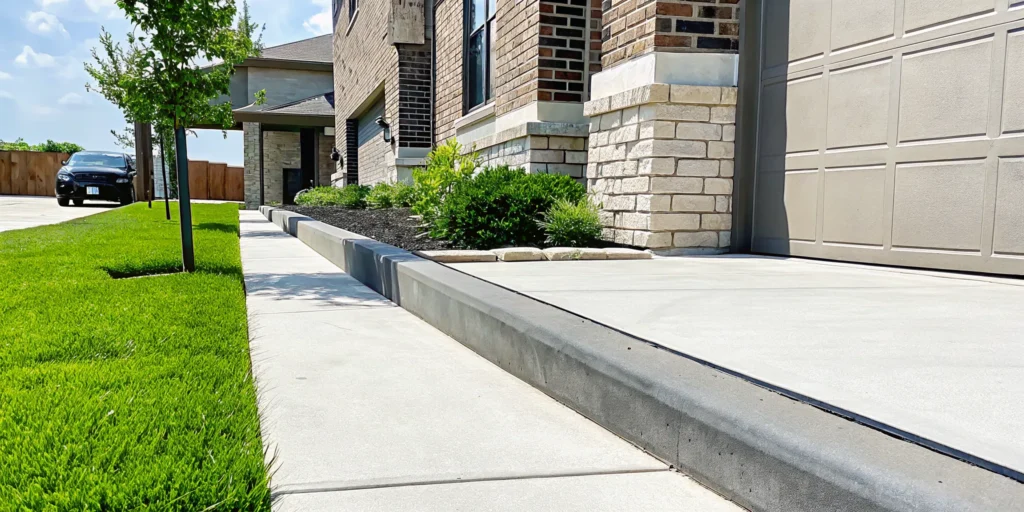
Fixing a sunken driveway used to mean a major construction project. Thankfully, those days are largely behind us. Today, modern solutions like polyurethane foam injection can lift and stabilize your concrete in a matter of hours, not days. This process is clean, surprisingly quiet, and so effective that you can often use your driveway the very same day. It works by filling voids and strengthening the unstable soil beneath the slab, addressing the root cause of the problem. Instead of a temporary patch, you get a long-term fix. We’ll explore how these innovative techniques for driveway drainage sinking concrete repair Dallas work and why they are the superior choice for restoring your driveway’s stability and appearance.
Key Takeaways
- Look Beneath the Surface: A sinking driveway in Dallas isn’t just about the concrete; the problem is usually the expansive clay soil underneath. This soil’s constant shrinking and swelling creates an unstable foundation, leading to cracks and uneven slabs.
- Repair Is Often the Better Choice: Before you consider a full replacement, know that modern repair methods like polyurethane foam injection are highly effective. This approach is faster, more affordable, and fixes the underlying soil issue for a durable, long-lasting solution.
- Proactive Maintenance Is Key: To protect your repaired driveway, focus on water management. Simple actions like sealing cracks, cleaning gutters, and ensuring proper drainage prevent soil erosion and stop problems from returning, safeguarding your investment.
Why Is Your Dallas Driveway Sinking?
Seeing your driveway start to sink or crack can be unsettling. It’s not just about curb appeal; it’s often a signal that something is happening with the ground underneath your home. In the Dallas area, a sinking driveway is a common issue, and the reasons are usually found right in our own backyard. From the unique soil we live on to our dramatic weather patterns, several factors can create an unstable base for a heavy concrete slab. Understanding what’s causing the problem is the first step toward finding a lasting solution.
How Clay Soil Causes Sinking
Much of the Dallas-Fort Worth area is built on expansive clay soil. Think of this soil like a sponge: it swells up when it gets wet and shrinks dramatically when it dries out. During our long, hot summers, the clay soil under your driveway can lose a significant amount of moisture and contract, leaving gaps and voids. Your heavy concrete driveway doesn’t have the support it needs, causing it to sink and crack under its own weight. This constant cycle of swelling and shrinking creates an unstable foundation that can lead to serious and uneven settling over time.
The Impact of Dallas Weather
North Texas weather is a major contributor to soil-related problems. We experience intense cycles of drought followed by heavy downpours. These extreme climate changes put the expansive clay soil into overdrive, causing it to shift constantly. This instability doesn’t just put your driveway at risk; these same forces can harm your home’s foundation. A crack in your driveway could be an early warning sign of broader soil movement on your property. Paying attention to these changes can help you address issues before they become more widespread and costly.
Why Poor Drainage Creates Voids
Water is essential, but it can be destructive when it doesn’t have a proper place to go. Poor drainage is a leading cause of sinking driveways. If your gutters, downspouts, or landscaping allow water to pool around or flow underneath your driveway, it can slowly wash away the soil. This erosion creates empty pockets, or voids, beneath the concrete. Without solid ground to rest on, the heavy slab will eventually collapse into these voids, resulting in sunken sections and significant cracks. This is especially common near garages, where runoff can get trapped.
Hidden Damage from Tree Roots and Erosion
The beautiful, mature trees that give our Dallas neighborhoods character can also cause hidden damage. As large tree roots grow, they can push up against a driveway slab or, more commonly, draw massive amounts of water from the soil beneath it. This can cause the soil to shrink and settle unevenly, creating an unstable base. When you combine aggressive tree roots with soil erosion from poor drainage, you have a recipe for a failing driveway. Addressing these underlying issues is key to any effective concrete repair and ensuring the problem doesn’t come back.
Key Signs Your Driveway Is Sinking
It’s easy to overlook your driveway until something is obviously wrong. But the earliest signs of a sinking slab are often subtle, and catching them early can mean the difference between a simple repair and a full replacement. Your driveway is a large, heavy structure, and paying attention to these key indicators will help you spot trouble before it gets out of hand. Here are the main things to watch for when you inspect your driveway.
Cracks and Uneven Surfaces
Small cracks are often the first red flag. You might see a web of tiny fissures or one long crack that seems to get bigger after every storm. You may also notice the surface feels bumpy or uneven under your feet, creating a trip hazard for your family and guests. While a tiny crack might not seem like a big deal, it’s an open door for water to seep underneath the slab. This moisture weakens the soil, leading to more sinking and even bigger cracks. Addressing these issues with professional concrete repair can stop the damage before it gets worse and restore the safety of your driveway.
Water Pooling After It Rains
Your driveway should be designed to drain water away from your home. If you notice puddles or “bird baths” lingering long after a Dallas rainstorm, that’s a clear sign of trouble. These low spots indicate that a section of your driveway has sunk, creating a basin where water collects. This isn’t just an annoyance; that standing water can saturate the soil underneath, accelerating erosion and causing the slab to sink even further. It’s a cycle that only gets worse over time, so paying attention to how your driveway handles water is crucial for its long-term health.
Sunken Areas and Gaps Near Your Garage
One of the most jarring signs is a noticeable drop-off where your driveway meets your garage. You might feel a significant bump every time you pull your car in. This happens when the soil supporting the driveway slab settles, but the garage foundation stays put. You may also see a gap opening up between your driveway and your home’s foundation or the public sidewalk. This separation is a tell-tale sign that the ground beneath has shifted or washed away. These gaps not only look bad but can also direct water straight toward your home’s foundation, creating a much bigger problem down the road.
How to Fix a Sinking Driveway
Seeing your driveway sink is unsettling, but don’t panic. You likely won’t have to tear everything out and start over. Modern repair methods are incredibly effective and can restore your driveway’s function and appearance without a full replacement. The right approach depends on what’s causing the sinking and how severe it is. Let’s walk through the most common and reliable solutions available for Dallas homeowners.
Polyurethane Foam Injection
Think of this as a minimally invasive lift for your driveway. Polyurethane foam injection is a fast, clean, and cost-effective solution that works wonders on sunken concrete. A technician drills small, discreet holes into the affected slabs and injects a two-part polymer foam. This foam expands beneath the concrete, filling voids, stabilizing the soil, and gently lifting the slab back to its original position. The material is lightweight yet incredibly strong and cures in minutes, meaning you can use your driveway almost immediately after the concrete repair is complete.
Mudjacking and Slabjacking
Mudjacking is a more traditional method for lifting concrete. The process is similar to foam injection, but instead of a polymer foam, a slurry of cement, soil, and water is pumped beneath the slab. This mixture fills the voids and hydraulically lifts the concrete. While it’s one of the common repair techniques that has been used for decades, the material is much heavier than polyurethane foam. This added weight can sometimes be a concern for already weak or unstable soil, but it can still be an effective option in certain situations.
Soil Stabilization
In North Texas, fixing the concrete is often only half the battle. Our expansive clay soil is a major culprit behind sinking driveways, so addressing the ground itself is key to a lasting fix. Unique soil conditions and weather patterns cause the ground to swell and shrink dramatically. Soil stabilization involves injecting special agents into the ground to reduce its ability to absorb water and increase its load-bearing capacity. This creates a more stable base for your driveway, preventing future movement and protecting your investment in foundation repair.
Correcting Drainage to Stop Future Problems
If you don’t control the water, you haven’t solved the problem. Poor drainage is a primary cause of soil erosion and sinking concrete. After lifting and stabilizing your driveway, it’s crucial to ensure water is directed away from it. This might involve simple fixes like cleaning your gutters and adjusting downspouts. For more serious issues, you may need to install drainage solutions like a French drain or regrade the landscape around the driveway. A professional can assess your property and recommend the best way to manage water flow and prevent future sinking.
Repair or Replace? Making the Right Choice for Your Driveway
A sinking or cracked driveway is a headache, and your first thought might be that you need to tear it all out and start over. But that’s not always the case. Deciding between repairing and replacing your driveway comes down to a few key factors: cost, time, and how long the fix will last. Modern concrete repair techniques often provide a fantastic, long-lasting solution without the massive expense and hassle of a full replacement. Let’s walk through what you should consider to make the best decision for your home and your wallet. Understanding these points will help you feel confident when you talk to a professional and choose a path forward.
Compare the Costs
For most homeowners, the budget is the bottom line. The good news is that repairing your driveway is almost always significantly cheaper than replacing it. In fact, professional concrete leveling can save you up to 70% compared to the cost of a full tear-out and replacement. Minor repairs for small cracks or slight sinking might only cost a few hundred dollars. Even more extensive jobs that require lifting and stabilizing the concrete slab are typically far more affordable than the alternative. A full replacement involves demolition, hauling away old material, and pouring brand new concrete, which adds up quickly in both labor and material costs. We even offer financing options to make the process more manageable.
Factor in Time and Convenience
Your time is valuable, and you can’t have your driveway out of commission for weeks. This is where repair methods truly shine. A polyurethane foam injection job, for example, is surprisingly fast. Most projects are completed in just a few hours, and you can often drive on your driveway the very same day. Compare that to a full replacement, which can turn your front yard into a construction zone for days. After the old concrete is removed and the new slab is poured, you still have to wait for it to cure, a process that can keep you from using your driveway for a week or more. Repairing is simply less disruptive to your daily life.
Consider Long-Term Durability
It’s natural to wonder if a repair is just a temporary patch. But modern methods are designed to be a permanent solution. Techniques like polyurethane foam injection do more than just lift the concrete; they address the root of the problem. The foam expands into voids in the soil beneath your driveway, creating a solid, supportive base that stabilizes the ground. This material is incredibly strong, waterproof, and won’t wash away, meaning it can easily support the weight of cars and trucks for years to come. A professional repair not only fixes the existing sinking and cracks but also helps prevent them from returning, giving you a durable, stable surface you can count on.
How to Maintain Your Repaired Driveway
You’ve invested in fixing your driveway, and the last thing you want is to see those same problems reappear. The good news is that with a little proactive care, you can protect your repair and keep your driveway stable and looking great for years to come. Think of it as simple home maintenance, just like cleaning your gutters or checking your smoke detectors. Taking these small steps now can save you from much bigger headaches down the road. It’s all about protecting your investment and ensuring your home’s curb appeal stays intact.
Seal and Clean Your Driveway Regularly
A little cleaning goes a long way. To help your repaired driveway last, it’s smart to clean it regularly and apply a sealant every few years. A simple power wash can remove dirt, oil, and grime that can degrade the concrete over time. After cleaning, applying a quality sealant acts like a shield. It helps prevent water from seeping into the concrete, which is especially important during Dallas’s freeze-thaw cycles. Sealing also protects against stains and daily wear. It’s a straightforward weekend project that provides a powerful layer of protection for your concrete repair investment.
Manage Nearby Water Flow and Drainage
Water is the number one enemy of any concrete slab. If you don’t manage drainage, you’re just inviting problems to return. Look at the area around your driveway. Do your downspouts dump water right next to the slab? Does the landscaping slope toward the concrete? Redirecting water is key. You might need to extend downspouts or adjust the grading of your flower beds. For more persistent issues, you can install drainage solutions like French drains to efficiently divert water away. Properly managing water flow prevents the soil underneath from washing away, which is what causes voids and sinking in the first place. It’s a critical step in protecting both your driveway and your home’s foundation.
Know When to Schedule a Follow-Up
After a repair, keep an eye on your driveway. While our solutions are designed for long-term stability, the soil underneath can still shift. You know your property best, so you’re the first line of defense in spotting new issues. Be on the lookout for any new or worsening cracks, uneven spots where one slab is higher than another, or water that puddles for a long time after it rains. You should also watch for soil washing away from the edges of the concrete. If you notice any of these warning signs, it’s time to schedule a follow-up. Don’t wait for a small issue to become a big problem. A quick inspection can give you peace of mind or catch a new problem early. If you see something, contact us for a free estimate.
Why Dallas Homeowners Trust Solid Base Foundations
When you’re dealing with a sinking driveway, you need a team you can count on to get the job done right. At Solid Base Foundations, we’ve built our reputation on providing reliable solutions and honest service. We understand that your home is your biggest investment, and we’re committed to helping you protect it from the ground up. Our team of skilled professionals combines local expertise with proven, patented products to deliver repairs that last. We’re not just fixing concrete; we’re giving you peace of mind.
Our Proven Repair Methods and Patented Products
We don’t believe in one-size-fits-all fixes. For sinking driveways, we often use a method called deep injection polyurethane foam. This modern approach is a fast, clean, and cost-effective way to lift and stabilize sinking concrete slabs without turning your yard into a major construction zone. Unlike traditional mudjacking, our polyurethane foam injection is a minimally invasive process that addresses the root cause of the problem by strengthening the soil below. Our team uses patented, high-quality products to ensure your driveway is level, stable, and secure for years to come. You can see examples of our concrete repair work and the results we deliver.
Free Estimates, Clear Pricing, and Financing Options
Concerns about cost should never stop you from protecting your home. That’s why we start every project with a free, no-obligation estimate. We’ll come to your property, assess the damage, and explain exactly what needs to be done, providing you with clear, upfront pricing. There are no hidden fees or surprises. We also understand that a major repair can be a significant expense, which is why we offer flexible financing options to fit your budget. With plans that can include 0% interest or long-term payments, we make it easier to get the necessary repairs done now instead of waiting for the problem to get worse.
Proudly Serving Dallas, Plano, Denton, Lewisville, and Allen
As a local company, we have a deep understanding of the challenges that come with North Texas properties. The expansive clay soil and dramatic weather shifts in our area can cause serious issues for foundations and concrete slabs. These problems are often made worse by the unique soil conditions and climate changes common to North Texas. Our team has years of experience working specifically in this environment. Because we live and work here too, we’re dedicated to providing our neighbors in Dallas, Plano, Denton, Lewisville, Allen, and the surrounding communities with solutions tailored to our region. Check our service area to see if we work in your neighborhood.
Related Articles
- Ultimate Guide to Foundation Repair Options
- How to Fill Large Cracks in Concrete Like a Pro
- Concrete Repair – Solid Base
- A Homeowner’s Guide to Foundation Repair Services
- Foundation Crack Repair: A DIY vs. Pro Guide
Frequently Asked Questions
Is a sinking driveway a sign that my house’s foundation is also in trouble? It certainly can be. The same expansive clay soil and drainage issues that cause your driveway to sink can also affect your home’s foundation. Think of a crack in your driveway as a potential warning sign for your entire property. While it doesn’t automatically mean your house has a problem, it’s a good reason to pay attention. The best way to know for sure is to have a professional take a look at the whole picture.
How long does a polyurethane foam repair last? When done correctly, a polyurethane foam repair is a long-term solution. The foam itself is waterproof and incredibly durable; it won’t break down or wash away in the soil. More importantly, it addresses the root of the problem by filling voids and stabilizing the ground beneath the slab. This creates a solid base that prevents future sinking. As long as you also manage major drainage issues on your property, you can expect the repair to last for many years.
Will the repair process make a mess of my yard? Not at all, which is one of the biggest benefits of polyurethane foam injection. The process is very clean and minimally invasive. We drill a few small, dime-sized holes in the concrete, and there’s no need for heavy, loud equipment that tears up your lawn. Once the foam is injected and the slab is lifted, we patch the holes neatly. The whole process is usually done in a few hours, with very little disruption to your property or your day.
My driveway only has a few small cracks. Do I really need to do anything about them? It’s easy to ignore small cracks, but it’s wise to address them sooner rather than later. Those tiny cracks are openings that allow water to seep under the concrete slab. Here in Dallas, that water can cause the clay soil to expand or can wash away the soil, creating the exact voids that lead to sinking. A small crack today can easily become a large, uneven section of your driveway tomorrow. Sealing them or having them looked at is a proactive step that can prevent a much bigger repair down the road.
How much will it cost to fix my driveway? The cost of a repair depends entirely on the size of the sunken area and the amount of material needed to lift and stabilize it. However, repairing a driveway with polyurethane foam is almost always significantly more affordable than a full replacement, often saving you more than half the cost. Because every situation is unique, we provide a free, detailed estimate so you know exactly what to expect before any work begins.