
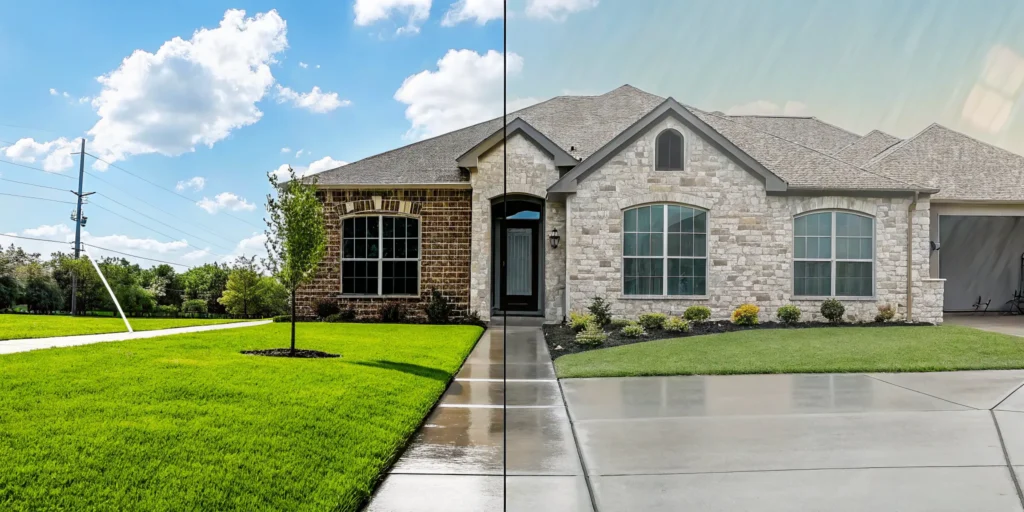
That new crack in your drywall isn’t your fault. The door that suddenly sticks isn’t a sign of a poorly built house. As a homeowner in North Texas, it’s easy to feel anxious when you spot these warning signs, but the truth is, your home is likely fighting a battle against the ground it sits on. The real reason why do Dallas homes have foundation problems has everything to do with our aggressive clay soil and dramatic weather swings. This powerful combination puts constant stress on your home’s structure. Understanding these external forces is the first step toward finding a real solution. Instead of just patching the symptoms, we’ll explain the root cause and show you how professional foundation repair can restore your home’s stability for good.
Key Takeaways
- Dallas Soil Is the Main Culprit: The primary reason for foundation issues in the area is the expansive clay soil. It swells significantly with moisture and shrinks when it dries out, creating constant, powerful movement that stresses your home’s structure.
- Your House Will Show You the Signs: Don’t ignore symptoms like sticking doors, uneven floors, or new zigzag cracks in your walls and brick. These are not just cosmetic flaws; they are clear indicators that your foundation is shifting and needs attention.
- Proactive Maintenance and Professional Help Are Key: You can protect your foundation by managing water with proper drainage and consistent watering during dry spells. If you spot any warning signs, however, calling an expert for an inspection is the most important step toward a lasting solution.
Why Dallas Soil Is a Problem for Foundations
If you’re a homeowner in the Dallas area, you’ve probably heard talk about foundation problems. It’s a common concern, and for good reason. The issue often starts right under your feet, with the ground your house is built on. The unique soil in North Texas is the primary culprit behind many of the structural issues we see in local homes. Understanding what’s happening in the dirt is the first step to protecting your home’s foundation from long-term damage. This soil movement is a slow but powerful force that can affect even the most well-built houses over time.
What makes North Texas clay soil so reactive?
The main reason for foundation trouble in Dallas is our soil. Much of the region sits on a type of earth called expansive clay. Think of this clay soil as a dense, powerful sponge. It has the incredible ability to absorb huge amounts of water, but it also loses that moisture just as dramatically. This reactivity is what makes it so challenging for the structures built on top of it. Because this soil is so widespread across the Dallas-Fort Worth area, it’s a shared challenge for many local homeowners trying to maintain a stable home.
How moisture causes clay soil to expand and shrink
So, what happens when this “sponge” gets wet or dries out? When heavy rains come, the clay soil soaks up the water and swells, pushing upward against your foundation. Then, during our hot, dry summers or a period of drought, the soil loses that moisture and shrinks, pulling away from the foundation. This constant cycle of swelling and shrinking creates powerful forces that cause the ground beneath your home to become unstable. Your foundation is subjected to this push and pull year after year, putting immense stress on the concrete and structure.
How shifting soil damages your foundation over time
This ongoing soil movement might not cause a major issue overnight, but over time, it can lead to serious damage. Each cycle of expansion and contraction can weaken the ground that supports your home, causing parts of the foundation to sink or heave. This is why you might see issues like a cracked concrete slab or notice that your floors are no longer level. Because of this soil behavior, most homes in our area will experience some degree of foundation movement. The key is to address these shifts before they turn into bigger, more expensive problems that require extensive foundation repair.
How Dallas Weather Impacts Your Foundation
If you’ve lived in North Texas for any length of time, you know our weather is anything but predictable. The intense, swinging climate is a big part of what makes Dallas unique, but it’s also a primary cause of foundation trouble. The dramatic shifts from long, dry spells to sudden downpours create a perfect storm for the expansive clay soil beneath our homes. This constant cycle of change forces the ground to move, putting immense stress on your home’s foundation. It’s a relentless push and pull that happens season after season, year after year.
Understanding how these weather patterns affect your property is the first step toward protecting it. The soil doesn’t just sit there; it actively reacts to every heatwave, thunderstorm, and cold snap. This movement, whether it’s shrinking, swelling, or shifting, can lead to significant structural issues over time. If you’ve noticed signs of trouble, like a door that suddenly sticks or a new crack in the drywall, it’s often because the weather has been putting your foundation through a workout. Recognizing these environmental pressures can help you spot problems early and seek the right foundation repair solutions before minor issues become major headaches.
Hot, dry summers and soil shrinkage
Those long, scorching Dallas summers do more than just drive up our air conditioning bills. When the heat is relentless and rain is scarce, the moisture in our clay soil evaporates. As the soil dries out, it begins to shrink and pull away from your foundation. This process can cause parts of your foundation to lose support from the ground underneath. When the soil recedes, it can lead to settling, where sections of your home sink lower than others. This uneven support is a major source of stress that can result in cracks in your walls and floors. Our team of professionals has seen firsthand how a single dry season can create the need for serious repairs.
Heavy rainfall and rapid soil expansion
After a long dry spell, a heavy Texas downpour can feel like a blessing. For your foundation, however, it’s often the other shoe dropping. The expansive clay soil acts like a sponge, soaking up all that new moisture and swelling dramatically. This rapid expansion exerts incredible upward pressure on your foundation, a process known as heaving. This constant cycle of shrinking during droughts and swelling during heavy rains is what weakens your foundation over time. The force can be strong enough to lift sections of your home, causing doors to stick and creating new cracks in your concrete slab and brickwork.
The freeze-thaw cycle
While our winters are milder than in other parts of the country, they still bring occasional freezes that can affect your foundation. When moisture trapped in the soil freezes, it expands, pushing against your foundation. As temperatures rise, the ice thaws and the soil contracts again. This freeze-thaw cycle might not seem as dramatic as summer shrinkage or rainy season swelling, but it adds another layer of stress. Over the years, this repeated expansion and contraction can further weaken the soil and contribute to the gradual shifting of your foundation. If you’re concerned about how these cumulative effects are impacting your home, it’s always a good idea to contact us for a professional assessment.
Other Causes of Foundation Damage
While the Dallas soil and weather are major players in foundation stress, they aren’t the only culprits. Several other factors, often related to your property itself, can create or worsen foundation problems. Understanding these issues can help you spot trouble before it gets out of hand. From how water flows across your yard to the trees you planted years ago, these elements play a significant role in the long-term health of your home’s structure.
Poor drainage and water pooling
One of the biggest and most common issues we see is poor drainage. When your gutters are clogged or your downspouts release water right next to the house, you’re essentially inviting trouble. All that water pools around your foundation, creating a concentrated zone of saturated soil. This causes the clay to swell dramatically in one area while staying dry in another, leading to the uneven movement that cracks concrete. A good rule of thumb is to have your drainage system direct water at least five to ten feet away from your home to keep the soil moisture more consistent.
Invasive tree roots
We all love a shady yard, but large trees planted too close to your home can pose a threat. As trees grow, their root systems expand in search of water, and they are powerful enough to push against your foundation, causing it to shift and crack. Thirsty trees can also draw a significant amount of moisture out of the soil, causing it to shrink away from the foundation and leading to settlement. If you have large, mature trees near your house, it’s wise to keep an eye out for the early warning signs of damage. Addressing these issues often requires professional foundation repair to stabilize your home.
Hidden plumbing leaks
A plumbing leak under your slab is a silent foundation wrecker. You may not even know it’s happening until you see signs of major damage. A slow, steady leak can release gallons of water into the soil directly beneath your home, creating a pocket of super-saturated clay. This causes that section of your foundation to heave upward, while the rest of your home stays put. This differential movement can cause severe cracks and structural instability. If you suspect a leak or are seeing signs of foundation distress with no other obvious cause, it’s crucial to contact us for an inspection.
How to Spot the Warning Signs of Foundation Problems
Your home will often give you subtle (and not-so-subtle) clues when its foundation is in trouble. Because the foundation supports the entire structure, a problem below ground will almost always create symptoms inside your living space. Knowing what to look for is the first step in protecting your home’s value and safety. You might notice a small crack or a door that suddenly starts to stick, and while it’s easy to dismiss these as normal parts of a house settling, they can be early warnings of a more significant issue. Paying attention to these signs can help you address problems before they become more complex and costly. Catching issues early is key to a straightforward foundation repair. Let’s walk through some of the most common red flags you might see around your Dallas home.
Cracks in drywall, brick, or floors
While tiny hairline cracks can be a normal part of a home aging, certain types of cracks are a cause for concern. Keep an eye out for large, diagonal, or zigzag cracks in your interior drywall, especially extending from the corners of doors and windows. On the outside of your home, look for similar stair-step cracks in the brickwork. These patterns often indicate that your foundation is moving or settling unevenly. Cracks in your concrete slab floor are also a major warning sign. If you see these types of fractures, it’s a signal that the structural integrity of your home might be compromised and it’s time to get a professional opinion.
Doors and windows that stick or won’t close
Have you suddenly found yourself fighting to open a bedroom window or struggling to latch the back door? When a foundation shifts, it can twist the frames of your doors and windows out of alignment. This distortion is why they may begin to stick, jam, or not close properly. While humidity can sometimes cause wood to swell, persistent issues that don’t resolve with changing weather are a classic sign of foundation movement. This is often one of the first things homeowners notice because it directly impacts their daily life. Don’t just get used to the inconvenience; it could be your home telling you it needs help.
Uneven or sloping floors
A floor that sags, slopes, or feels bouncy underfoot is a clear indicator of foundation trouble. You might notice it when you walk across a room, or you might see a visible dip. A simple way to check is to place a marble or ball on the floor and see if it rolls on its own. This unevenness happens when parts of your foundation sink, causing the floor above to become unlevel. This is more than just a cosmetic issue; it’s a direct sign of foundation settlement caused by shifting soil. You can see examples of how professionals correct these problems by looking at completed foundation repair projects.
Gaps around window and door frames
Another sign of a shifting foundation is the appearance of new gaps. Look for separation where your walls meet the ceiling or floor. You might also see gaps forming around the frames of your interior doors and windows, where the trim is pulling away from the wall. This happens when the foundation movement causes the walls themselves to shift and pull apart. You might even notice that your cabinets are separating from the wall in your kitchen or bathroom. These gaps are a visual cue that your home’s frame is under stress from a foundation that is no longer stable.
How to Protect Your Foundation
As a homeowner in Dallas, you’re not helpless against foundation problems. Taking a few proactive steps can go a long way in protecting your home and your peace of mind. Think of it as preventative care for your biggest investment. These simple maintenance habits can help you manage the effects of our tricky soil and weather, keeping your foundation stable for years to come. Here’s what you can do to safeguard your home.
Maintain consistent moisture around your home
Keeping the soil around your foundation consistently moist is one of the best things you can do, especially with our reactive clay soil. This soil swells up like a sponge when it’s wet and shrinks dramatically when it dries out. This constant movement puts a huge amount of stress on your foundation, leading to cracks and shifting over time. During our long, dry summers, you can help by using a soaker hose system placed about 18 to 24 inches from your foundation. Running it for a short time a few times a week can help prevent the soil from pulling away from your home, reducing the risk of needing major foundation repair.
Improve your property’s drainage
Just as too little water is a problem, so is too much. When water pools around your foundation, it super-saturates the clay soil, causing it to expand and press against your home. Your first line of defense is your gutter system. Make sure your gutters are clean and that your downspouts direct water at least five to ten feet away from the house. You might need to add extenders to get the job done. Also, check that the ground around your foundation, known as the grade, slopes away from your house. Proper drainage is essential for preventing water from becoming a destructive force against your foundation.
Landscape with your foundation in mind
The beautiful trees that provide shade for our homes can unfortunately pose a threat to our foundations. Large tree roots are thirsty, and they can draw massive amounts of moisture from the soil, causing it to shrink unevenly. They can also grow directly into and under your foundation, causing physical damage. When landscaping, a good rule of thumb is to plant large trees at least 20 feet away from your house. Even shrubs should be planted a few feet away to give the foundation some breathing room. Thoughtful landscaping is a simple way to prevent complex, root-related foundation issues. Our team of experts always recommends considering your landscaping as part of your overall foundation health plan.
Schedule a professional foundation inspection
If you’ve noticed any of the warning signs we’ve talked about, like cracks in the walls or sticky doors, don’t wait for them to get worse. The best thing you can do is schedule a professional inspection. An expert can assess the situation, tell you whether you have a real problem, and explain what needs to be done to fix it. Catching issues early can save you a significant amount of stress and money. At Solid Base, we provide homeowners with an honest evaluation and a clear plan. You can contact us to schedule a free estimate and get the answers you need to protect your home.
Your Foundation Repair Options in Dallas
Discovering a foundation problem can feel overwhelming, but the good news is that there are proven, effective solutions available. The key is to match the right repair method to the specific issue your home is facing. Here in Dallas, professional repair companies use a variety of techniques to stabilize foundations, correct damage, and prevent future problems caused by our reactive clay soil. The best approach for your property will depend on the type and severity of the damage, which is why a professional assessment is so important.
From installing deep piers to support a settling house to lifting a sunken concrete slab, modern foundation repair is precise and effective. Other solutions focus on the root cause, like improving water drainage around your home to stop the cycle of soil expansion and contraction. For homes with bowing or leaning walls, specialized reinforcement methods can restore stability and strength. The first step is always a thorough inspection from a trusted professional who can diagnose the problem accurately. After an assessment, they can recommend a targeted plan to protect your home. Understanding your options can help you feel more in control of the situation and make an informed decision for your property’s long-term health. If you’re concerned about your foundation, you can always contact us for a free estimate.
Steel pier systems
If your home is experiencing significant settling, a steel pier system is one of the most reliable and permanent solutions. This method involves driving strong steel piers deep into the ground beneath your foundation. These piers extend far below the volatile clay soil near the surface, anchoring your home to a more stable layer of soil or bedrock. Once the piers are in place, hydraulic jacks are used to carefully lift the foundation back toward its original position. This process not only corrects existing settlement but also provides lasting support, preventing future sinking and shifting. You can see examples of how this technique provides a solid base for homes in our gallery of our work.
Concrete lifting and slab jacking
Have you noticed a sunken patio, an uneven driveway, or sloping floors inside your home? Concrete lifting, sometimes called slab jacking, is a fantastic solution for these issues. Instead of tearing out and replacing the entire concrete slab, this method is much less invasive. A specialized polyurethane foam is injected through small holes drilled in the concrete. As the foam expands, it fills any voids underneath the slab and gently lifts it back to a level position. This process is quick, clean, and the repaired area is often ready for use the same day. It’s an efficient and cost-effective way to handle concrete repair and restore safety and stability to your property.
Drainage correction
Since excess moisture and poor drainage are primary culprits behind foundation problems in Dallas, addressing water flow around your property is critical. If water pools near your foundation, it causes the clay soil to swell, putting immense pressure on your home. Effective drainage correction redirects water safely away from the structure. This can involve several strategies, such as installing French drains, re-grading the landscape to create a gentle slope, or simply ensuring your gutters and downspouts are clear and functioning properly. By managing water effectively, you address the root cause of soil movement, providing a long-term defense for your foundation.
Wall reinforcement and stabilization
Foundation walls, especially in basements and crawl spaces, can begin to bow inward or lean under the pressure of expanding soil. This is a serious structural issue that requires immediate attention. Wall reinforcement techniques are designed to stabilize these walls and, in many cases, straighten them over time. One common method involves installing heavy-duty wall anchors. These anchors connect the foundation wall to stable soil further out in your yard, using a steel plate and a high-strength rod to counteract the external pressure. This method stops further movement and secures the wall, restoring integrity to your foundation. It’s a specialized job that relies on an experienced, skilled team to get it right.
When to Call a Foundation Repair Professional
It’s tempting to see a small crack in the drywall and add it to the bottom of your to-do list. But when it comes to your home’s foundation, what looks like a minor issue can be a sign of a much bigger problem brewing underground. Ignoring these signals often leads to more extensive damage and costlier repairs down the road. Knowing when to stop watching and start calling a professional is key to protecting your investment.
You should get an expert opinion if you notice any of these tell-tale signs. Look for large, diagonal cracks spreading from the corners of doors and windows, or zigzag cracks in your exterior brick. Pay attention to doors that suddenly stick or won’t latch properly, or windows that become difficult to open and close. If you walk across a room and the floor feels bouncy, sloped, or uneven, that’s another major red flag. These symptoms indicate that your foundation has likely shifted and needs immediate attention.
While a DIY patch might hide a crack, it doesn’t fix the underlying cause. A specialist can diagnose the source of the movement and provide a permanent foundation repair solution. Depending on the problem, this could involve installing steel piers deep into the ground to stabilize and lift your home or injecting material to raise a sunken concrete slab. Seeing examples of our work can help you understand how these proven methods solve even the most serious foundation issues.
If any of these warning signs are present in your home, the best thing you can do is schedule a professional inspection. An expert can assess the situation and give you a clear understanding of what’s happening and what it will take to fix it. We provide free, no-obligation estimates so you can get the answers you need to make an informed decision. Don’t wait for the problem to get worse; contact us to ensure your home is safe and secure.
Related Articles
- Foundation Repair – Solid Base
- Ultimate Guide to Foundation Repair Options
- Pier & Beam Foundation Repair: Signs, Costs & Fixes
- A Homeowner’s Guide to Foundation Repair Services
- How to Fill Large Cracks in Concrete Like a Pro
Frequently Asked Questions
My house is only a few years old. Why am I already seeing cracks? It’s a common misconception that foundation problems only happen to old houses. In North Texas, the issue is less about your home’s age and more about the ground it’s built on. The expansive clay soil here affects every structure, new or old. From the day your home is built, it’s subjected to the stress of this soil swelling and shrinking with the weather. So, seeing warning signs in a newer home isn’t unusual; it’s just an indication that the ground beneath it is active.
Are the small cracks in my drywall really a big deal? While some tiny, hairline cracks can be part of a home’s normal aging process, you should pay close attention to their type and location. Cracks that are wider than a quarter-inch, run diagonally from the corners of doors and windows, or appear in a zigzag pattern on your brick exterior are not just cosmetic. These are often direct symptoms of foundation movement. Think of them as your home’s way of signaling that its underlying support system is under stress.
I’m worried foundation repair will destroy my yard. Is it a huge mess? This is a very common concern, but modern foundation repair is often much less disruptive than people imagine. While some solutions are more involved, many techniques are designed to be efficient and precise. For example, lifting a sunken concrete slab can often be completed in less than a day with minimal impact on your landscaping. A professional will always aim to use the most effective and least invasive method for your specific situation.
Can I prevent foundation problems myself, or are they inevitable in Dallas? You can absolutely take steps to protect your home. The most important thing you can do is manage the moisture level in the soil around your foundation. This means using a soaker hose during our dry summers to keep the soil from shrinking away from your home. It also means ensuring your gutters and yard grading direct rainwater far away from the house to prevent oversaturation. Keeping the soil moisture consistent is your best defense against the movement that causes damage.
What happens during a professional foundation inspection? During an inspection, a specialist will perform a thorough visual assessment of your property, inside and out. They will look for all the common warning signs, like cracks, sticky doors, and gaps around window frames. They will also take precise measurements to determine if your foundation is level and identify exactly where any movement has occurred. This detailed evaluation allows them to diagnose the root cause of the problem and recommend a specific, targeted solution for your home.