
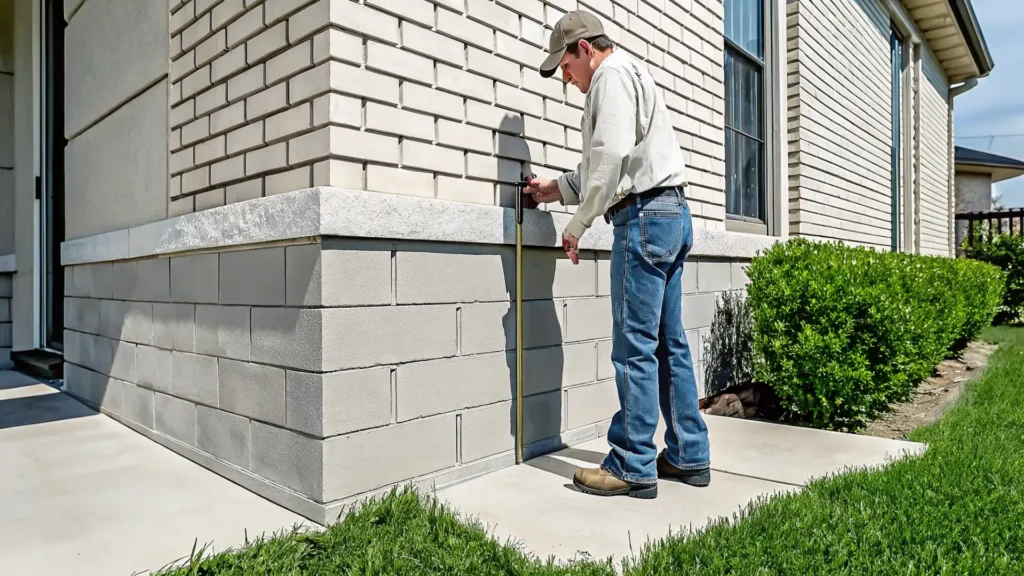
A sticky front door that refuses to latch is often your first warning of shifting Texas clay. When moisture changes cause the ground under your home to swell and shrink, the entire structure suffers.
A foundation inspection Dallas homeowners schedule is a visual check of your property’s structural health, drainage, and soil movement. During this check, a trained specialist looks at your entire home inside and out to find signs of movement like cracking brick and sloping floors. According to Texas guidelines, licensed inspectors must provide a written opinion on how well your foundation performs based on these visible signs of distress. This document details any damage and outlines key causes like moisture changes, plumbing leaks, tree roots, or poor drainage around your home. With this information, you can address the effects of shifting clay soil before minor settling turns into a major and costly safety hazard.
The professionals at Solid Base Foundations have been providing expert foundation inspection and repair services in the Greater Dallas area for over 18 years. Call (940) 365-4221 for your free estimate today!
Knowing what to expect during a professional review can make your next service visit simple and stress-free. You should first understand why Dallas homes need regular foundation inspections so you can protect your property from shifting clay. This process begins below.
Foundation Inspection Dallas: Why Dallas Homes Need Regular Foundation Inspections
Owning a home in North Texas comes with a unique set of challenges, mostly hidden right under your feet. The ground beneath Dallas homes is not static; it is constantly in motion. If you notice doors that stick or new cracks in your brick, it is easy to feel anxious. Understanding how local soils affect your concrete slab can give you peace of mind and help you protect your investment.
The Impact of North Texas Clay Soil
The root cause of most structural movement in the region is the local geology. North Texas is known for its highly expansive clay soil, which acts like a sponge. This clay swells when it gets wet and shrinks when it dries out. These moisture changes cause the ground to shift, which often leads to differential settlement as noted by the Texas Real Estate Commission.
This soil behavior is highly sensitive to the weather. Severe droughts shrink the clay, while heavy spring rains swell it. Other factors also trigger localized movement. For example, a plumbing leak under your slab or poor yard drainage can flood a single spot. Nearby tree roots can also suck dry the soil under one side of your house, causing uneven sinking.
Normal Settling vs. Structural Damage
It is important to remember that some movement over time is normal for any home. Minor cosmetic cracks in drywall can happen as a house ages. Scheduling a regular foundation inspection Dallas experts perform can help you find true structural damage before it spreads. This check helps you know if you should simply monitor a small crack or schedule repairs.
If you notice deep stair-step cracks in your exterior brickwork, it is time to act. These signs often point to major shifts in your slab. Seeking Dallas foundation repair services early can save you thousands of dollars in structural work. Consider scheduling an expert check after major seasonal shifts like summer droughts or heavy winter rains.
How to Prepare for a Foundation Inspection
It is normal to worry when you book a foundation inspection; Dallas owners often fear the worst. But a clear prep plan can ease your mind. This prep work also helps the expert do a fast, precise job on our local clay soil that moves so much. These simple tasks ensure a smooth visit and clear results.
Key prep steps
- Clear the crawl space. Texas law states that an expert does not have to enter if the headroom is under 18 inches or the opening is under 24 inches. Read the state crawl space rules to make sure your space is ready.
- Clear the outer walls. Move wood, toys, and plants away from the home base. This clear view lets the expert spot cracks or buckling in your masonry cladding. Inspectors must report any shifting brickwork as a flaw under state law.
- Clear inside walls. Move large items and boxes away from the walls in every room and closet so the expert can see drywall cracks. The inspector must check all indoor areas to find signs of movement.
- Keep cracks open. Do not paint over or patch any drywall or brick cracks before the check, as doing so hides active movement. Quick paint fixes make it hard for the expert to judge the true rate of settling.
- Get records ready. Gather any past plumbing tests, home care files, or old repair notes to show the inspector when they arrive. These files help the expert pinpoint the root cause of any foundation stress.
Value of clear access
A clean path lets the inspector focus on your home. This clear access saves key time, which helps you get a very clear report. If you need help with next steps, look into Dallas foundation repair services to protect your slab.
What Happens During a Foundation Inspection: Step by Step
A professional Dallas foundation repair services check is a thorough, step-by-step test. A trained expert will check your home from the yard to the roof line. This deep check helps you find small issues before they grow into costly structural failures.
Every trained foundation inspection Dallas process must follow state guidelines. Under state rules, inspectors look for binding doors, out-of-square door frames, sloping floors, and cracks in walls or ceilings. Homeowners should know how these tests work from start to finish. The process uses a clear sequence to check the health of your home.
- The expert walks around the outside walls to spot soil loss, poor yard slope, or cracked brick cladding.
- Inside the home, the expert checks for stuck doors, jammed windows, and cracks in the drywall or ceiling plaster.
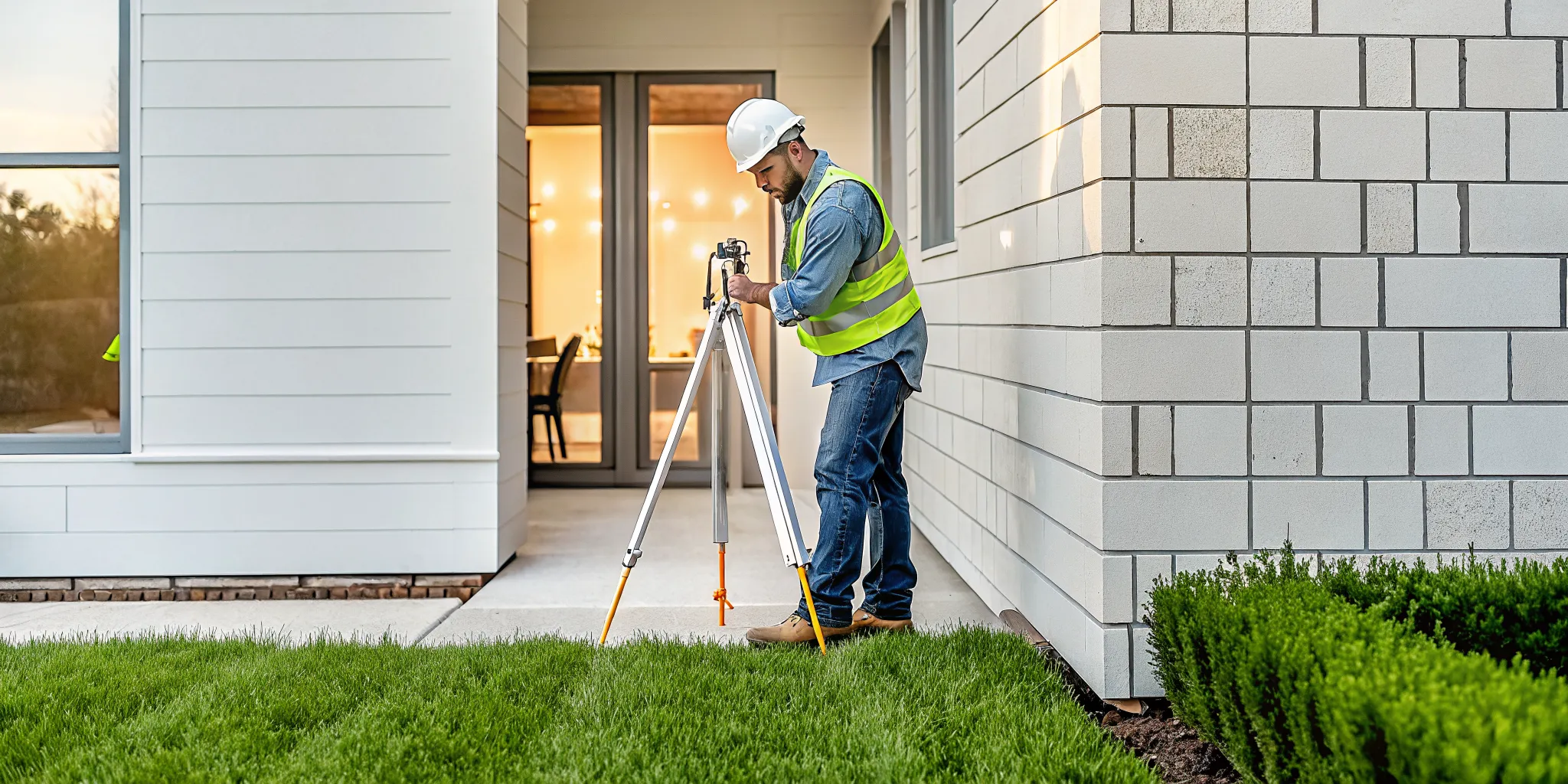
- The inspector uses a precise water level or laser tool to map the slope of your floors.
- The expert crawls under the home to assess beams, piers, and wet soil if your house has a crawlspace.
- The licensed expert writes a full report to explain how your home foundation is working.
Outside Yard Check
The expert starts with a slow walk around the outside of your house. They look at the soil, the yard slope, and the rain gutters. They also check the brick walls for cracking or bowing, which are clear signs of soil movement below.
Inside Room Check
Inside, the expert walks through every room to find signs of wall movement. They check if doors stick or if windows jam in their frames. They look for new cracks in the drywall or spaces where the floor meets the wall. These are key signs of uneven soil settling.
Floor Level Check
The inspector uses a precise tool to measure floor heights. This step maps out where the house slopes. By Texas law, a licensed inspector must give a written opinion on foundation performance.
Warning Signs Inspectors Look For During a Foundation Inspection
When you have a foundation inspection in Dallas, an expert looks for key signs of settlement. Dallas clay soil swells and shrinks with weather changes. This constant movement puts stress on your home. Over time, the soil causes parts of your house to shift. Inspectors look for telltale clues to see how well your slab or pier-and-beam system is holding up.
Cracks in Drywall and Brick
Soil movement causes different parts of a home to settle at different speeds. Inspectors look for vertical wall cracks first. These cracks are common and often show normal settling. But stair-step cracks in your outer brick mean the home is tilting. This uneven movement happens when one side of the house sinks faster than the other. Under Texas rules, inspectors must check for wall, ceiling, and floor cracks. If you see wide horizontal cracks, get help fast because they show severe structural stress.
| Crack Type | Appearance | Severity | What It Means |
|---|---|---|---|
| Vertical | Straight up-and-down line in drywall or brick | Low to moderate | Often normal settling in clay soil; monitor for changes |
| Stair-step | Diagonal pattern following mortar joints in brick | Moderate to high | Differential settlement; one side of the house sinking faster |
| Horizontal | Wide horizontal line in brick or foundation wall | High to urgent | Severe structural stress from soil pressure; needs immediate evaluation |
| Hairline (interior) | Thin, narrow line in drywall near doors or windows | Low | Minor movement; common in new homes as they settle |
Sticky Doors and Uneven Floors
When a foundation shifts, the wooden frame of your home warps. This warping makes doors and windows bind or stick. The Texas Real Estate Commission requires inspectors to look for doors that do not latch. They also check for sloping floors and gaps near the ceiling. When clay soil shrinks during hot summer dry spells, the framing can pull apart. If your floors feel uneven, you may need expert Dallas foundation repair services to level the structure.
Exterior Masonry and Standing Water
The inspection also covers the outside of your home. You should clear bushes and dirt away from the outer walls before the visit. This lets the inspector find problems like buckling, cracking, or rotating brick cladding. Standing water near the base of your home is another warning sign. Excess moisture causes clay soil to swell and push up against the slab. This uneven pressure causes cracks to form and grow. Wet soil weakens the clay beneath your home, which leads to sinking and shifting over time.
What Your Foundation Inspection Report Will Tell You
A thorough foundation inspection Dallas owners receive will show clearly how the structure is handling the shifting North Texas clay soil. This report is a clear guide that shows what is happening under your house. If the inspector finds issues, it helps you choose the right Dallas foundation repair services to protect your home.
Written opinion on performance
The state of Texas has strict rules for home inspections. Under these rules, licensed inspectors must give a written opinion on how well your foundation performs. They base this opinion on clear signs like cracks and sticking doors.
A foundation performs well when it remains mostly flat and level over time. It should not show signs of big movements. Some settling is normal in North Texas because our clay soil shrinks and swells. The report will tell you if this movement has gone too far.
Detailed list of deficiencies
Your report will state the exact type of foundation under your home. If you have a pier and beam home, the report will note the state of each part. Under Texas standards, inspectors must list any flaws in beams, joists, piers, columns, or subfloors.
They will also check crawl space drainage to make sure water is not pooling under your floor. If they find damp soil or standing water, they must mark it as deficient. The report will include clear elevation maps and photos to show you where repairs are needed.
If a foundation repair company runs the check, your report will also include a detailed repair estimate. This plan shows the exact steps and costs to fix any damage. It gives you a clear path to make your home stable again.
Frequently Asked Questions
How long does a foundation inspection take?
A standard inspection usually takes about one to two hours. The exact time depends on the size of your home and its foundation type. For example, homes with a pier and beam foundation might take longer than those with a concrete slab. The inspector must walk the yard, check interior rooms, and look for signs of soil movement.
Does a foundation inspection include a written report?
Yes, you will get a written report after the visit. According to the Texas Real Estate Commission, licensed inspectors must give a written opinion on foundation performance. The document details the foundation type and any issues in your crawl space or floor beams. It helps you see if your home needs professional repair.
How should you prepare for a foundation inspection?
You can get ready by clearing paths around your home. Be sure to trim bushes and move plants away from the exterior walls. Inside, move items that block your walls. If you have a pier and beam home, clear crawl space access points. State rules at Cornell Law School show inspectors need at least eighteen inches of headroom to check these spaces.
When should you schedule a foundation inspection in Dallas?
Consider scheduling an inspection if you notice doors that stick, sloping floors, or cracks in your brickwork. In North Texas, the expansive clay soil swells and shrinks as weather changes. This movement often causes settling. It is wise to check your foundation after severe droughts or long periods of heavy rain.
How much does a professional foundation inspection cost?
Many foundation repair companies offer a free inspection for local homeowners. These visits involve a visual check of your home to find signs of movement. If you hire an independent structural engineer, they will charge a fee of about three hundred to eight hundred dollars. This fee covers an unbiased structural report.
Ready to schedule a foundation inspection in Dallas?
Small foundation cracks can quickly grow into costly structural problems under the constant, heavy shifting of North Texas expansive clay soil. If you wait to fix these warning signs, you risk major structural damage that takes weeks of loud and messy work to repair later. Booking reliable foundation repair services in Dallas today keeps your home safe and ensures that your property keeps its value over time. Our experienced local crew is always ready to give you the clear answers and honest feedback you need to protect your asset.
Ready to schedule? Call (940) 365-4221 to schedule a free foundation inspection with our experts and secure your home today.