
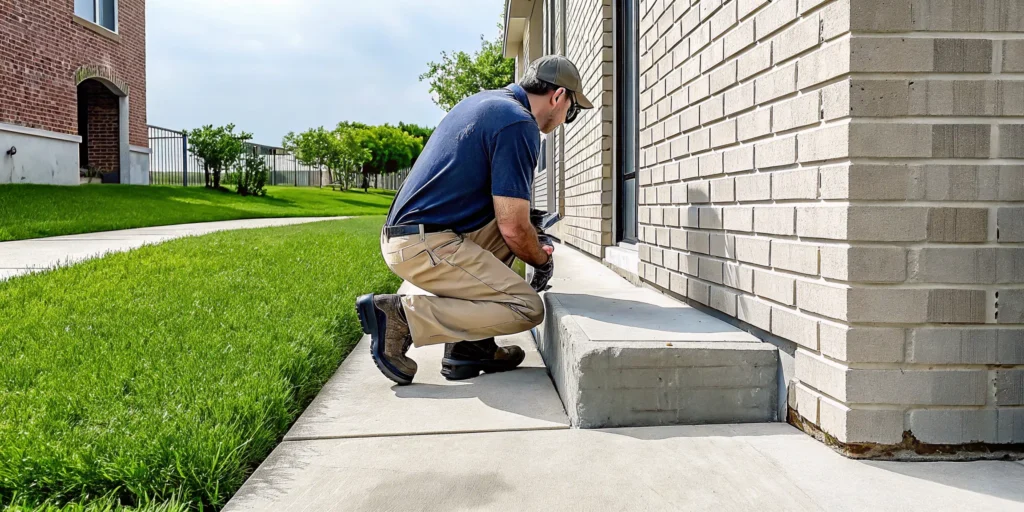
Choosing a foundation repair company means finding a team that truly understands Rockwall’s unique challenges. Our expansive clay soil behaves differently than soil in other regions, so you need a local expert, not a one-size-fits-all solution. A company with years of experience working on homes in our community will know precisely how to diagnose and permanently fix issues caused by our specific environment. They can identify the root cause of the problem, not just patch the symptoms. The process should always start with a detailed, on-site inspection. To connect with a team that knows our area, you can schedule a Rockwall foundation repair free quote and ensure your home is in capable hands.
Key Takeaways
- Know Your Ground: Rockwall’s expansive clay soil is the main culprit behind foundation problems; it acts like a sponge, swelling and shrinking with moisture changes, which puts constant pressure on your home.
- Look for the Telltale Signs: Pay attention to your home’s warning signs, including new cracks over doorways, sticking doors or windows, and sloping floors, as these are clear signals that your foundation may be shifting.
- Choose a Local Expert: Always start with a free, on-site assessment to get a clear diagnosis, and choose a reputable company that provides a detailed estimate, holds proper insurance, and has specific experience with North Texas soil.
What Causes Foundation Problems in Rockwall Homes?
If you live in Rockwall, you’ve probably heard neighbors talk about foundation issues. It’s a common concern in our corner of North Texas, and for good reason. The ground beneath our homes is constantly shifting, putting stress on our foundations. Understanding what causes these problems is the first step toward protecting your property. The two biggest culprits are our unique local soil and the classic Texas weather patterns. When these two factors combine, they can create the perfect storm for foundation damage.
The Problem with Expansive Clay Soil
The primary cause of foundation trouble in Rockwall is the soil itself. Much of the area is built on expansive clay soil, which acts a lot like a sponge. When it gets wet, it swells and expands significantly. When it dries out, it shrinks and cracks. This constant cycle of swelling and shrinking puts incredible pressure on your home’s foundation, pushing it upward and then letting it drop. Over time, this movement can cause parts of your foundation to settle unevenly, leading to cracks and structural instability. It’s this underlying volatility that makes professional foundation repair a common need for local homeowners.
How Texas Weather Affects Your Foundation
Our dramatic Texas weather makes the problem with expansive clay soil even worse. The long, hot summers bake the moisture out of the ground, causing the clay to shrink and pull away from your foundation. This can leave parts of your home unsupported. Then, when the heavy rains finally arrive, the soil becomes oversaturated and swells rapidly. This extreme cycle of drought and deluge puts immense, uneven stress on your foundation slab. Because we are experts in the Rockwall service area, we understand how these specific weather patterns contribute to structural problems and can recommend solutions designed to withstand our climate.
Why Regular Checks Are So Important
You can’t change the soil or stop the rain, but you can be proactive about protecting your home. It’s important to have your foundation checked regularly to find small problems before they become big, expensive ones. An annual inspection can identify early warning signs that you might not notice otherwise. Catching issues like minor settling or hairline cracks early allows for simpler, less invasive repairs. A professional assessment gives you a clear picture of your foundation’s health and peace of mind. If you have any concerns, it’s always best to contact us for a free, no-obligation evaluation from one of our specialists.
Signs Your Rockwall Home Needs Foundation Repair
It’s easy to overlook the subtle hints your home gives you when something is wrong. But when it comes to your foundation, paying attention to the small stuff can prevent major headaches later. Foundation issues often start small and get worse over time, so knowing what to look for is the first step toward protecting your home. These problems are especially common in areas like Rockwall, where expansive clay soil can wreak havoc on a home’s structure. If you spot any of these signs around your property, it’s a good idea to call in a professional for an assessment. Let’s walk through the most common red flags that signal it’s time for a closer look.
Cracks in Your Walls or Brick
Cracks are often the first thing homeowners notice, and they shouldn’t be ignored. Take a walk around your home’s exterior and look for stair-step or vertical cracks in the brick. Inside, check for cracks in the drywall, especially over doorways and windows or where walls meet the ceiling. While a tiny hairline crack might just be from the house settling, larger, more prominent cracks can point to serious structural problems. If you see cracks that are widening or have one side that is higher than the other, it’s a clear sign that your foundation is shifting and needs attention.
Doors and Windows That Stick
Are you suddenly wrestling with a bedroom door that used to glide open? Do your windows feel stuck or refuse to lock properly? When your home’s foundation moves, it can twist and warp the frames of your doors and windows, causing them to stick or separate from the wall. This isn’t just an annoyance; it’s a classic symptom of foundation settlement. You might also notice new gaps around your window frames or doors that don’t hang straight. These are all indicators that you may need foundation repair to stabilize your home and get everything back in alignment.
Floors That Slope or Feel Uneven
That slight dip you feel when you walk across the living room could be more than just a quirk of an older home. Sloping, sagging, or uneven floors are a significant warning sign of foundation trouble. You might notice a ball rolling to one side of the room or see visible cracks in your tile or concrete flooring. These issues happen when parts of your foundation sink, creating an uneven surface throughout your home. Addressing the underlying cause is crucial, as uneven floors can lead to bigger problems, including issues with cracked concrete slabs that compromise your home’s stability.
Gaps Between Walls, Floors, and Ceilings
Look closely where your walls meet the floor and ceiling. Do you see any gaps opening up? This separation is a sign that your foundation is moving, causing parts of your home’s frame to pull apart. You might also spot this on the exterior, where the trim board separates from the brick or siding. These gaps indicate that the structural integrity of your home is at risk. Don’t wait for them to get wider. If you see spaces appearing where there shouldn’t be any, it’s time to schedule a free assessment with a professional who can determine the cause and recommend a solution.
Common Foundation Repair Solutions
When you discover a foundation problem, it’s natural to worry about the repair process. The good news is that there are reliable, long-term solutions for every type of issue. The right fix depends entirely on your home’s specific situation, from the type of foundation you have to the extent of the damage and the soil conditions on your property. In Rockwall and the greater Dallas area, we’re often dealing with the challenges of expansive clay soil, which requires specific expertise to manage correctly. This soil type is notorious for causing movement that can compromise a home’s structural integrity over time.
At Solid Base, we don’t believe in one-size-fits-all answers. Instead, our approach starts with a thorough assessment to pinpoint the exact cause of the problem. From there, we can recommend a targeted strategy that addresses both the symptoms and the source. Most professional foundation repair methods fall into a few key categories, including installing deep piers for support, lifting sunken concrete, and correcting drainage issues to prevent future damage. Our team uses patented, proven products to ensure the solution we implement is not just a patch but a permanent fix designed to give you peace of mind for years to come. We’ll walk you through the options so you feel confident in the plan.
Steel and Concrete Piers
If your home’s foundation is settling, the most common and effective solution is installing piers. Think of them as underground stilts that transfer the weight of your house off the unstable, shifting soil and onto solid, stable ground deep below. We typically use steel or concrete piers, which are hydraulically driven into the earth until they reach bedrock or a load-bearing stratum. This process bypasses the volatile clay soil near the surface that causes so many problems in our area.
Once the piers are in place, your foundation is secured, and the home can be lifted back toward its original position. This method provides incredible strength and permanence, which is why it’s the gold standard for addressing settling foundations. Because steel piers offer such a durable, long-term fix, they often come with a lifetime warranty, ensuring your home remains stable for the long haul.
Drilled Piers and Mudjacking
While steel piers are a fantastic solution for major foundation settlement, other methods are better suited for different situations. Drilled piers, for example, are often used for smaller buildings or additions. They are screwed into the ground, which causes less vibration and disruption to your property during installation. It’s a solid, reliable method for specific applications.
You may also have issues with sunken concrete slabs that aren’t part of your home’s main foundation, like a tilted porch, a cracked driveway, or an uneven patio. For this, we use a technique called mudjacking, which is a type of concrete repair. This process involves injecting a specialized grout mixture through small holes in the slab to lift it back to its proper level. It’s a fast and effective way to fix tripping hazards and restore the look of your property without having to completely replace the concrete.
Drainage Correction and Soil Management
In North Texas, fixing the foundation is only half the battle. If you don’t address the underlying cause of the problem, you’ll likely face issues again down the road. The culprit is almost always water and our region’s expansive clay soil. This type of soil swells dramatically when it gets wet and shrinks just as much when it dries out, creating powerful movement that puts immense pressure on your foundation.
Effective drainage solutions are critical for protecting your home. This might involve installing French drains to redirect subsurface water, regrading your yard to ensure water flows away from the house, or making sure your gutters and downspouts are functioning correctly. By managing the moisture levels in the soil around your home, you stabilize the ground and prevent the cycle of swelling and shrinking that leads to foundation damage in the first place.
What Determines the Cost of Foundation Repair?
Thinking about the cost of foundation repair can be stressful, but it doesn’t have to be a mystery. While every home is unique, the price of a repair project generally comes down to a few key factors. Understanding these variables will help you make sense of the estimate you receive and feel more confident about the process.
The final cost depends on the specific issues your home is facing, the solution required to fix them, and certain characteristics of your property. We’ll walk through the four main elements that determine the price: the severity of the damage, the repair method we use, your property’s soil and accessibility, and any necessary permits.
The Type and Extent of the Damage
It makes sense that a small problem costs less to fix than a big one. Catching foundation issues early is the best way to keep repair costs down. That’s why experts often suggest having your foundation checked once a year to spot minor issues before they become major, expensive headaches. A few hairline cracks might not require immediate action, but significant settling across one side of your house will need a more comprehensive foundation repair plan. The more severe the damage and the larger the affected area, the more labor and materials are needed, which is reflected in the total cost.
The Repair Method Chosen
There is no single solution for every foundation problem. The right repair method depends entirely on what’s happening with your home. For a sinking foundation, we might use steel or concrete piers to lift and stabilize it. For a sunken concrete slab, a process like polyjacking, a modern alternative to mudjacking, might be the best approach for your concrete repair. The type of solution, the number of piers required, and the complexity of the installation all play a significant role in the final price. During your assessment, our specialist will explain which method is best for your property and why.
Your Property’s Soil and Accessibility
Here in Rockwall, we have a lot of expansive clay soil. This type of soil is notorious for swelling up when it’s wet and shrinking dramatically when it’s dry, putting constant stress on your home’s foundation. The specific soil conditions under your home will influence the repair strategy. Beyond the soil, simple logistics matter too. If your home has extensive landscaping, a large deck, or is built very close to your neighbor’s property, it can make accessing the foundation more challenging. This extra work to get to the problem area can also affect the overall cost of the project.
Necessary Permits and Financing
Depending on the scope of the work, your city may require permits and a formal engineering report before we can begin. These are important steps that ensure the repair is done to code and is properly documented, which is crucial if you ever decide to sell your home. The costs for these permits are typically included in your final estimate. We know that foundation repair is a significant investment, which is why we want to make it as manageable as possible. We offer straightforward financing options to help you get the necessary repairs done without delay, protecting your home and your peace of mind.
What to Expect from a Free Foundation Quote
Getting a quote for foundation work might sound a little daunting, but it’s actually a straightforward and empowering first step. Think of it less as a sales pitch and more as a health checkup for your home. A professional, on-site evaluation is the only way to truly understand what’s happening beneath your floors and walls. It’s a chance for you to get clear answers from an expert and understand the exact scope of the issue, all without any obligation.
The process is designed to give you a complete picture. An experienced inspector will visit your property, conduct a thorough assessment, and then provide you with a detailed plan and a transparent estimate. This gives you all the information you need to make a confident decision about your home’s structural health. The goal is clarity, not pressure. When you’re ready, you can contact us to schedule your free, no-hassle assessment and get the peace of mind you deserve.
The On-Site Assessment
The on-site assessment is where the real work begins. This is the first practical step toward identifying and solving any problems with your home’s foundation. When our specialist arrives, they’ll want to listen to your concerns and see the specific issues you’ve noticed, whether it’s a crack you’ve been watching or a door that suddenly won’t close properly.
This visit is a crucial diagnostic phase. The inspector will walk through your property, both inside and out, to gather the information needed for an accurate diagnosis. It’s a collaborative process, so feel free to point things out and ask questions. Our goal is to understand the full story of your home so we can recommend the most effective foundation repair solution.
What Our Inspector Looks For
During the inspection, our team of experienced professionals knows exactly what to look for. They’re like detectives, piecing together clues from around your property to identify the root cause of the problem. They will carefully examine both the interior and exterior of your home for telltale signs of foundation movement.
This includes looking for cracks in drywall, brick, and the concrete slab itself. They’ll also check for doors and windows that stick or have gaps around the frames, as this often indicates the house has shifted. Sloping or uneven floors are another major red flag they’ll investigate. By evaluating all these elements together, the inspector can build a comprehensive picture of your foundation’s condition and pinpoint the source of the instability.
Your Detailed Repair Plan and Estimate
After the assessment is complete, you won’t just be handed a number on a piece of paper. You’ll receive a detailed, easy-to-understand repair plan and a clear, itemized estimate. This document will outline exactly what our inspector found, what’s causing the issue, and the specific solution we recommend to fix it permanently. We believe in total transparency, so you’ll see a full breakdown of the costs involved.
The proposed plan will be tailored to your home’s unique needs, using proven methods and products to ensure a lasting fix. We want you to feel completely confident in the proposed work. We’ll also walk you through the plan and answer any questions you have. And if the cost is a concern, we can discuss the financing options we have available to help make the project more manageable.
How to Prepare for Your Foundation Assessment
Getting a foundation assessment is the first step toward peace of mind, but a little preparation can make the process smoother and more effective. When you know what to expect and how to get ready, you help our specialists get the clearest possible picture of what’s happening with your home. Taking a few simple steps beforehand ensures the assessment is thorough and that all your concerns are addressed. This way, you can be confident that the repair plan we create is tailored specifically to your home’s needs. Think of it like preparing for a doctor’s appointment; the more information you can provide, the more accurate the diagnosis will be. Our team is trained to spot even the most subtle signs of foundation distress, but your firsthand knowledge of your home’s quirks is invaluable. You live there, so you notice the door that started sticking last summer or the new crack that appeared in the drywall. Sharing these details helps us connect the dots between the symptoms you see and the underlying cause. A well-prepared homeowner helps us create a truly comprehensive solution, ensuring we address not just the visible damage but also the root of the problem, giving you a lasting fix.
Clear the Way and Document What You See
To get an accurate assessment, our inspector needs a clear view of your foundation, both inside and out. Before we arrive, please take some time to clear any obstructions. This might mean trimming back shrubs that are close to the house or moving stored items away from the foundation walls in your garage or basement. Inside, try to clear clutter from the base of the walls where you’ve noticed cracks or other issues. While you’re at it, play detective. Take photos or videos of any cracks, gaps, or uneven surfaces you’ve found. This documentation is incredibly helpful for tracking changes over time and ensures you can point out every concern during our inspection.
Check Your Drainage and List Your Questions
Water is a major factor in foundation health, especially with the expansive clay soil here in Texas. Before your assessment, take a walk around your property and observe your drainage. Are your gutters clean and directing water away from the house? Does water pool near your foundation after it rains? Make a note of anything that seems off. At the same time, jot down every question you have for our specialist. There are no bad questions. Whether you’re wondering about the cause of the damage, the different foundation repair methods, or how long the work will take, writing it all down ensures you won’t forget anything important during our visit.
What to Expect on the Day of Your Assessment
When our foundation specialist arrives, they will conduct a thorough, comprehensive inspection of your property. This isn’t just a quick look. They will examine the exterior and interior of your home, take elevation measurements, and identify all signs of foundation movement. This is your time to walk with the inspector, show them the areas you’ve documented, and ask all the questions from your list. Our goal is to understand the complete picture. After the evaluation, our specialist will sit down with you to explain their findings in plain language. They will provide a detailed repair plan and a transparent, easy-to-understand estimate, so you know exactly what to expect. You can contact us today to schedule your free assessment.
How to Get Your Free Foundation Quote in Rockwall
Getting a clear, accurate quote is the first step toward fixing your foundation for good. The process can feel a little overwhelming, but knowing what to expect and how to prepare can make all the difference. A professional assessment will give you a complete picture of your home’s health and a detailed plan for any necessary repairs. At Solid Base, we believe in making this process as straightforward and transparent as possible, starting with a no-cost, no-obligation evaluation right at your Rockwall property.
Information to Have on Hand
When you’re ready to get a quote, being prepared helps ensure you get the most out of the assessment. Before the inspector arrives, take a walk around your property and make a list of all the issues you’ve noticed. Note the location of any wall cracks, sticking doors, or uneven floors. Having this list ready helps you guide the expert to your specific areas of concern. The on-site foundation assessment is the most critical part of the process, as it allows a professional to see the problems firsthand. To get started, you can schedule your free assessment with our team, and we’ll find a time that works for you.
The Value of a Second Opinion
Getting a second (or even third) opinion is always a smart move when it comes to major home repairs. It helps you compare diagnoses, repair plans, and costs, ensuring you feel confident in your final decision. A free inspection is the perfect, no-risk way to gather this information. While some suggest hiring a structural engineer for an initial unbiased report, a reputable foundation repair company will also provide a thorough and honest evaluation. By comparing detailed estimates, you can see which company offers the most effective and transparent proven repair solutions for your home’s specific needs. This empowers you to choose a partner you can truly trust with your property.
How to Choose a Rockwall Foundation Repair Company
Finding the right foundation repair company is just as important as the repair itself. You’re not just hiring a contractor; you’re choosing a partner to protect the structural integrity of your home. With so much at stake, it’s essential to do your homework. Focus on a few key areas to find a reliable, professional team that will get the job done right and give you peace of mind.
Check for Licenses, Insurance, and Warranties
Before you get into the details of repair methods, your first step should always be to verify a company’s credentials. A reputable foundation repair company will be fully licensed and insured, and they should be happy to provide proof. This is non-negotiable, as it protects you from liability and ensures the company meets professional standards. Ask about the warranties they offer on their foundation repair work, too. A strong warranty shows that a company is confident in its solutions and is committed to standing behind its craftsmanship for years to come.
Look for Local Experience and Proven Solutions
Rockwall’s expansive clay soil creates unique challenges for home foundations. That’s why choosing a company with deep local experience is so important. A team that understands the specific soil and weather patterns in the Greater Dallas area is better equipped to provide a lasting solution. A long history in the community is often a great indicator of reliability and expertise. When a company has spent years working on homes just like yours, they’ve seen it all and have developed proven methods to handle the specific issues common to the region.
Insist on Transparent Pricing and Clear Estimates
You should never feel uncertain about what you’re paying for. A trustworthy company will provide a clear, detailed estimate after a thorough on-site assessment. This quote should break down the scope of work, the recommended repair method, and all associated costs, leaving no room for surprise fees later on. This transparency is a hallmark of a professional operation. It allows you to make an informed decision based on a complete understanding of your home’s needs. If a company also offers flexible financing options, it shows they are committed to helping homeowners find a manageable solution.
Schedule Your Free Rockwall Foundation Assessment Today
Taking that first step to address potential foundation issues is the most important one you can make for your home. I know it can feel like a big deal, but getting a professional assessment is the best way to get clarity and peace of mind. Here in Rockwall, we make that step easy and risk-free by offering a completely free foundation assessment. Think of it as a regular check-up for your home’s structural health. A proactive approach helps you discover small problems before they develop into significant, expensive repairs, ensuring the long-term stability of your property.
Our process is straightforward. When you schedule your free assessment, one of our experienced specialists will visit your property to conduct a thorough evaluation. We’ll look at all the signs you’ve noticed, from sticking doors to cracks in the brick, and inspect the key structural components of your home. Afterward, we’ll walk you through our findings in plain language, so you know exactly what’s going on. If your foundation is in great shape, we’ll tell you. If it needs a specific type of foundation repair, we’ll provide a detailed, no-obligation repair plan and a clear estimate. You can get started by calling us or filling out a simple form on our website. Schedule your free quote today to get the answers you need and ensure your home is standing on solid ground.
Related Articles
- Foundation Repair Cost: The Ultimate 2026 Guide
- Foundation Repair – Solid Base
- Ultimate Guide to Foundation Repair Options
- A Homeowner’s Guide to Foundation Repair Services
- Pier & Beam Foundation Repair: Signs, Costs & Fixes
Frequently Asked Questions
How do I know if a crack in my wall is a serious foundation issue or just normal house settling? This is a great question because it gets to the heart of homeowner anxiety. While very small, thin hairline cracks can sometimes be a normal part of a house settling, certain types of cracks are definite red flags. You should pay close attention to stair-step cracks in your exterior brick, cracks that are wider at the top than the bottom, or any cracks appearing over doorways and windows. If a crack is getting wider or you can fit a coin in it, it’s a clear sign you need a professional opinion.
Are foundation repairs a permanent solution, or will I have to do this again in a few years? When done correctly by a professional company, foundation repair is absolutely a permanent solution. Methods like installing steel piers are designed to last a lifetime because they transfer your home’s weight off the unstable clay soil and onto solid, load-bearing ground deep below. The goal is to fix the root cause, not just patch a symptom. A company’s confidence in its work is often reflected in its warranty, so you should always look for a strong, long-term warranty to ensure your investment is protected.
I can’t change the soil, so what can I actually do to prevent foundation problems? You’re right, you can’t change the expansive clay soil we have here in Rockwall, but you can control the moisture around your home, which is the next best thing. The most effective preventative step you can take is to manage water. This means keeping your gutters clean and ensuring downspouts direct water several feet away from your foundation. You should also make sure the ground slopes away from your house. Consistent, careful watering during dry spells can also help, preventing the soil from shrinking too much.
Will foundation repair ruin my landscaping and yard? We understand how much care you put into your yard, and this is a very common concern. While any work that requires accessing your foundation will cause some temporary disturbance, a professional crew will always work to minimize the impact. We are very careful to protect your property and landscaping as much as possible. Any shrubs or plants that need to be moved are handled with care, and our goal is to leave your yard looking neat and tidy once the project is complete.
Why is an on-site assessment necessary to get a price for repairs? An on-site assessment is essential because every home and every foundation issue is unique. A price given over the phone would just be a wild guess. During an in-person evaluation, a specialist can measure the elevation changes in your home, identify the exact cause and extent of the damage, and see any access challenges, like decks or landscaping. This allows us to create a precise, detailed repair plan and provide you with an accurate, transparent estimate with no hidden costs.