
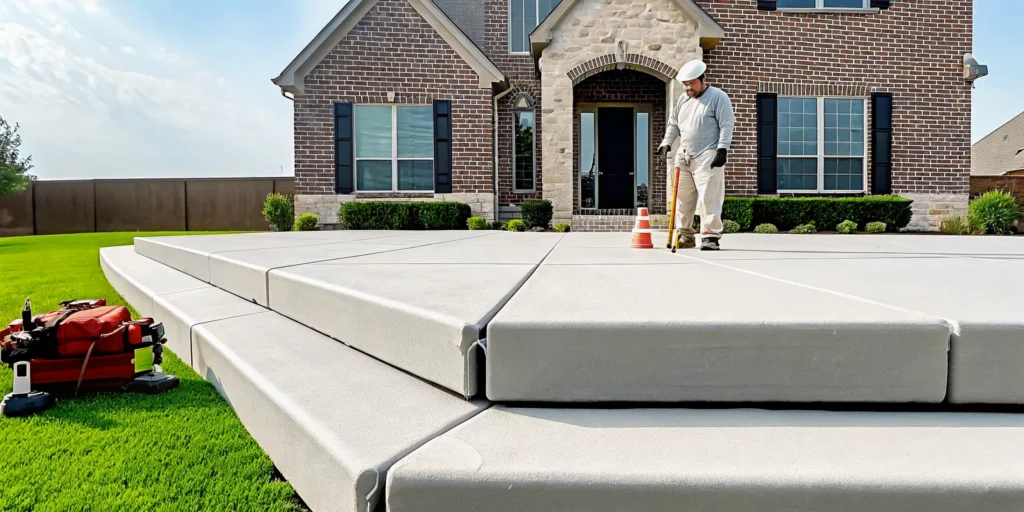
If you live in McKinney, your home is in a constant battle with the ground beneath it. Our region is known for its expansive clay soil, which acts like a sponge: it swells dramatically with rain and shrinks during dry spells. This endless cycle of movement puts immense pressure on your home’s rigid foundation, leading to cracks, uneven floors, and sticking doors. Understanding this local challenge is the first step to protecting your investment. This isn’t about blaming your home’s construction; it’s about finding a solution tailored to our unique environment. We’ll explain why these issues happen and what you can do about them, including how to choose the right McKinney foundation repair contractors who have proven experience with Texas soil.
Key Takeaways
- Know the Signs of Foundation Trouble: Your home communicates problems through symptoms like sticking doors, cracks in the brick, and gaps between walls and floors. Recognizing these early signs is the first step to preventing more significant, costly damage.
- Address the Root Cause, Not Just the Cracks: In North Texas, the problem is often water interacting with expansive clay soil. A permanent fix requires more than just lifting the foundation; it must include a drainage solution to manage moisture and prevent future movement.
- Choose Your Contractor with Care: Protect your investment by selecting a licensed, insured contractor with local expertise. Look for transparency through free estimates, strong warranties, and positive customer reviews to ensure you’re hiring a trustworthy professional.
Does Your McKinney Home Need Foundation Repair?
It can be unsettling to think something might be wrong with your home’s foundation. After all, it’s the base for your entire house. But ignoring the small warning signs won’t make them go away, and catching problems early is the best way to prevent them from becoming bigger, more expensive issues down the road. Your home is always communicating with you; you just need to know what to look and listen for.
Many of the common signs of foundation trouble are easy to mistake for normal settling or quirks of an older house. However, here in North Texas, our expansive clay soil and dramatic weather shifts put extra stress on our homes. Knowing the difference between a minor cosmetic issue and a true red flag is the first step toward protecting your investment. Let’s walk through some of the most common indicators that your McKinney home might need a professional foundation repair assessment.
Look for Cracks in Walls, Floors, or Brick
Cracks are one of the first things homeowners notice, but not all cracks are created equal. Thin, hairline cracks around doors or windows might just be from the house settling. The ones you need to pay attention to are more significant. Look for stair-step cracks running through your exterior brickwork, horizontal cracks along your foundation wall, or long, diagonal cracks spreading across interior drywall. These types of fractures often signal that your foundation is moving or settling unevenly, putting stress on your home’s structure. If you see cracks that are wider at one end than the other, it’s a definite sign to call a professional.
Notice Sticking Doors and Windows
Do you have a door that suddenly refuses to latch or a window that’s a struggle to open and close? While high humidity can cause wood to swell temporarily, persistent sticking is a classic sign of foundation movement. When a foundation shifts, it can twist the frame of your house out of alignment. This warping puts pressure on door and window frames, causing them to jam or swing open on their own. If you’ve noticed this problem getting progressively worse in one or more areas of your home, it’s a strong indicator that the issue is more than just surface-level. It’s worth getting an expert opinion to see what’s really going on.
Spot Gaps or Uneven Floors
Take a walk through your home and look closely where the walls meet the ceiling and the floor. Do you see any gaps forming between the wall and the baseboards or crown molding? This separation happens when one part of your foundation sinks, pulling the wall away with it. You might also feel a slope or dip in your floors. An easy way to check is to place a marble on the floor and see if it rolls on its own. Uneven floors and gaps are clear evidence that your foundation is no longer level. Addressing these issues often involves concrete repair to lift and stabilize the slab, restoring your home to a solid footing.
Why McKinney’s Clay Soil Is Tough on Foundations
If you’ve noticed signs of foundation trouble, it’s easy to assume the worst about your home’s construction. But in McKinney and across North Texas, the real issue is often right under your feet. Foundation problems aren’t always caused by poor construction; they’re frequently the result of our unique soil and dramatic weather patterns. Understanding these environmental factors is the first step to finding a lasting solution for your home.
The Problem with Expansive Clay Soil
Much of North Texas is built on expansive clay soil. Think of this soil like a dense sponge. When it gets wet, it swells and expands. When it dries out, it shrinks and cracks. This constant cycle of expansion and contraction puts incredible stress on your home’s rigid foundation. Over time, this movement can cause sections of your foundation to heave upward or settle downward unevenly.
This is why hairline cracks in drywall or exterior brick are so common in our area. The shifting ground beneath your home is literally pulling it in different directions. While a tiny crack might not seem like a big deal, it can be an early warning sign that the soil is winning the battle against your foundation. A professional evaluation can determine if these small signs point to a larger need for foundation repair.
How Texas Weather Impacts Your Foundation
The expansive nature of our soil wouldn’t be such a problem if we had consistent, gentle rainfall year-round. But as any Texan knows, that’s not our reality. We experience long periods of hot, dry weather followed by sudden, heavy downpours. This weather pattern is what truly activates the shrink-swell cycle of the clay soil.
During a drought, the soil around your foundation can shrink so much that it pulls away, creating gaps between the ground and your concrete slab. This loss of support can cause your foundation to sink or settle. Then, when the rains finally arrive, the parched clay soaks up water and swells dramatically, pushing upward on your foundation with immense force. This constant up-and-down movement from shifting soil and environmental changes is what leads to significant structural damage.
The Importance of Proper Drainage
Since we can’t change the weather or the soil, the next best thing is to control the water around your home. Improper drainage is a major contributor to foundation failure in McKinney. When rainwater from your roof or yard doesn’t have a clear path away from your house, it pools against the foundation. This super-saturates the clay soil in one area, causing it to swell excessively while other areas remain dry.
This differential moisture is what causes one part of your house to heave while another sinks, leading to severe cracks and structural instability. As one expert notes, “Bad Drainage: Too much water around the foundation can cause soil to wash away and cracks to form.” A comprehensive foundation repair plan almost always includes a strategy for improving drainage to ensure water is managed effectively, protecting your home for the long term.
How to Choose the Right Foundation Repair Contractor in McKinney
Choosing a contractor to work on your home’s foundation is a big decision. This isn’t just any repair; it’s about protecting your biggest investment and ensuring your family’s safety. Taking the time to find a qualified, trustworthy professional is the most important step in the entire process. When you start your search, focus on a few key areas to help you separate the experts from the rest.
Verify Licenses, Insurance, and Local Expertise
First things first: any contractor you consider must be fully licensed and insured. This is non-negotiable. Insurance protects you, your property, and the workers in case of an accident. Ask for proof of general liability and workers’ compensation insurance. A reputable company will provide this without hesitation. Beyond the basics, look for a team with deep local expertise. A contractor who understands McKinney’s expansive clay soil and how our Texas weather affects it will provide a more effective, long-lasting foundation repair. They’ll know which solutions work best for our specific environment. A company with a long history in the area is a good sign they have the experience you need.
Ask About Warranties, Free Estimates, and Financing
A trustworthy contractor will be transparent about their process and pricing from the very beginning. Look for a company that offers a free, no-obligation estimate. This allows a professional to assess your specific situation and give you a clear understanding of the work needed without any upfront cost. Ask detailed questions about the proposed solution and make sure it’s tailored to your home’s problem. You should also inquire about warranties. A strong, transferable warranty shows that a company stands behind its work. Finally, since foundation repair can be a significant expense, see if the company offers financing options to make the cost more manageable.
Read Customer Reviews and Know the Red Flags
Before you sign a contract, do a little homework. Look up customer reviews on sites like Google and the Better Business Bureau to see what other homeowners have experienced. While a perfect record is rare, you should see a consistent pattern of professionalism, quality work, and good communication. Pay attention to how the company responds to any negative feedback. You can also ask the contractor to show you examples of their past projects. Be aware of red flags, like a contractor who uses high-pressure sales tactics, asks for a large cash deposit, or can’t provide references. Trust your instincts; if something feels off, it probably is.
What to Expect During the Foundation Repair Process
Thinking about foundation repair can feel overwhelming, but the process is more straightforward than you might imagine when you have the right team on your side. A professional contractor will guide you through every step, from the initial assessment to the final cleanup. The goal is not just to fix the existing damage but to secure your home for the long term. Understanding the key stages can help demystify the experience and give you confidence in the solution.
Common Repair Methods: Piers, Anchors, and Leveling
Once your foundation has been assessed, the repair work can begin. Contractors use specialized tools like foundation piers and wall anchors to stabilize and support your home’s structure. Piers are steel posts that are driven deep into the ground until they reach solid, stable soil or bedrock. They act like stilts, transferring the weight of your home onto a more reliable base. This process is carefully planned, often with an engineer’s review, to ensure the support piers are placed correctly for a lasting foundation repair. This method effectively lifts and levels the foundation, correcting settlement and preventing further movement.
Essential Drainage and Moisture Control Solutions
In McKinney, fixing the foundation is only half the battle; you also have to address the cause of the problem, which is often water. Expansive clay soil swells when wet and shrinks when dry, putting immense pressure on your foundation. To prevent future issues, your repair plan should include drainage solutions to keep water away from your home. Methods like French drains or surface drains collect and divert water before it can saturate the soil around your foundation. Proper moisture control is essential for a permanent fix and protects your investment from future environmental shifts and soil movement.
Debunking Common Myths About Foundation Repair
There are many myths surrounding foundation repair that can cause unnecessary stress. One common misconception is that a standard homeowner’s insurance policy will cover the costs. Unfortunately, most policies do not cover damage from soil settlement. Another myth is that DIY fixes are a good enough solution. Foundation problems are complex structural issues that require professional expertise and specialized equipment to fix correctly. A professional repair is an investment that preserves your home’s value and provides peace of mind. If you have concerns about cost, many companies offer financing options to make the project more manageable.
How Much Does Foundation Repair Cost in McKinney?
Let’s talk about the number one question on every homeowner’s mind: what is this going to cost? Facing a potential foundation repair can feel overwhelming, and the budget is a huge part of that. The truth is, there’s no single price tag for fixing a foundation. The final cost depends entirely on your home’s specific situation, the extent of the damage, and the solution required to make it secure for the long haul.
Think of it less like buying a product off the shelf and more like getting a custom treatment plan. A few small cracks might need a relatively simple fix, while a home with significant settling will require a more comprehensive approach. The goal is to get a permanent solution, not a temporary patch. Understanding the factors that influence the price is the first step toward creating a realistic budget. Below, we’ll break down what goes into the cost, give you a general idea of what to expect in the DFW area, and explore options to make the expense more manageable.
What Factors Influence the Final Price?
The final price on your estimate is determined by a few key factors, starting with the type and severity of the damage. A contractor will assess how much your foundation has settled and how many support piers are needed to stabilize it. The type of foundation you have, whether it’s a concrete slab or a pier and beam system, also plays a role. Foundation problems aren’t always caused by poor construction; they’re often the result of shifting soil and environmental changes common in North Texas. A professional foundation repair is an investment that preserves your home’s value and gives you, and any future buyers, total peace of mind.
Typical Repair Costs in the DFW Area
While every project is unique, it helps to have a general idea of what to expect. Generally, foundation repair costs in the DFW area range from $2,500 to $15,000. A smaller project that only requires a few piers in one corner of your home will fall on the lower end of that spectrum. A larger, more complex job involving extensive stabilization around the entire perimeter of your house will naturally be on the higher end. The only way to know for sure what your home needs is to get a professional evaluation. That’s why we offer a free, no-obligation estimate to give you a clear and accurate quote tailored to your property.
Explore Financing to Manage Your Budget
Hearing those cost ranges can be stressful, but don’t let the numbers stop you from protecting your home. It’s important to know that most home insurance plans in Texas do not cover foundation repair because it’s often caused by natural soil movement. However, that doesn’t mean you have to pay for everything out of pocket at once. Many reputable foundation repair companies understand that this is a significant and often unexpected expense for homeowners. To help, we offer flexible financing options that can break the total cost down into manageable monthly payments. This allows you to get the necessary repairs done now before the problem gets worse, without draining your savings.
Related Articles
- Foundation Repair Cost: The Ultimate 2026 Guide
- Ultimate Guide to Foundation Repair Options
- Pier & Beam Foundation Repair: Signs, Costs & Fixes
- A Homeowner’s Guide to Foundation Repair Services
- How to Fill Large Cracks in Concrete Like a Pro
Frequently Asked Questions
I see a few small cracks in my drywall. Should I be worried? Not necessarily. A few thin, hairline cracks can be a normal part of a house settling over time. The cracks that signal a potential foundation issue are usually more distinct. Pay attention to stair-step cracks in your exterior brick, horizontal cracks in the foundation itself, or long diagonal cracks on interior walls. If you notice cracks that are wider at one end or see gaps forming between your walls and floors, it’s a good idea to get a professional opinion.
Why is foundation repair so important in North Texas specifically? The main reason is our soil. Much of the McKinney area is built on expansive clay soil, which acts like a sponge. It swells dramatically when it rains and shrinks when it’s dry. This constant movement puts a huge amount of stress on a rigid concrete foundation, causing it to shift, settle, and crack. Our weather, with its cycles of drought and heavy rain, makes this problem even worse. Addressing foundation issues here isn’t just a repair; it’s about protecting your home from ongoing environmental pressure.
Will my homeowner’s insurance pay for foundation repair? Unfortunately, in most cases, the answer is no. Standard homeowner’s insurance policies typically do not cover damage caused by natural soil settlement, which is the most common reason for foundation problems in Texas. That’s why it’s so important to find a contractor who offers transparent pricing and flexible financing options. This can help make a necessary, and often unexpected, repair fit into your budget.
Is the repair process going to destroy my yard and landscaping? This is a very common concern, and a professional team will always work to minimize the impact on your property. While some digging is necessary to install support piers and drainage systems, a skilled crew will be as careful as possible. They often lay down protective coverings and work within a contained area. The goal is to leave your home and yard looking as neat as possible once the structural work is complete.
Is foundation repair a permanent solution, or will I have to do this again? A professional repair is designed to be a long-term, permanent solution. The process isn’t just about patching cracks; it’s about stabilizing your home by transferring its weight to solid, stable ground deep below the problematic clay soil. When combined with proper drainage solutions to manage moisture, a quality repair addresses both the symptoms and the root cause. A reputable company will also back their work with a strong, transferable warranty for your peace of mind.