
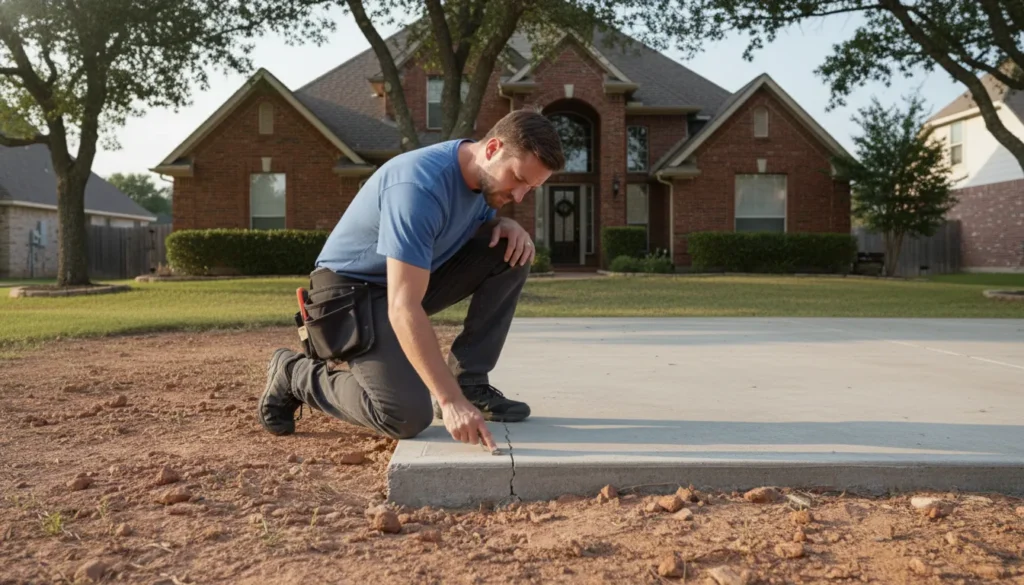
A hairline slab crack and a widening wall crack do not carry the same price. In North Texas, knowing the difference protects both your budget and your home’s stability.
Call Solid Base Foundations at 940-365-4221 or request a free no-obligation estimate before a crack becomes a bigger structural concern.
How much does foundation crack repair cost depends on whether the crack is cosmetic, leaking, or tied to movement. Minor sealing may cost $250 to $800, while injection repair often ranges from $250 to $1,800. Structural movement needs an onsite inspection before pricing.
The first question is cost, but the honest answer begins with what the crack is telling you. In How much does foundation crack repair cost in North Texas?, we break down the ranges, risk signs, and inspection factors that shape a reliable estimate. Here is how.
How much does foundation crack repair cost in North Texas?
In North Texas, minor foundation crack sealing may cost $250 to $800. Injection repair, such as polyurethane or epoxy, may range from $250 to $1,800. The depth, location, access, and reason for the crack all affect the price. These published foundation crack repair cost ranges are a starting point, not a bid for your home.
Solid Base Foundations brings 18+ years of hands-on experience in Greater Dallas foundation repair. So its inspectors understand how local clay soil, drainage, and slab movement change repair decisions. The company is also part of the Foundation Supportworks international dealer network, which gives North Texas homeowners access to patented products, engineering support, and trained installation practices.
Crack repair costs versus structural repair
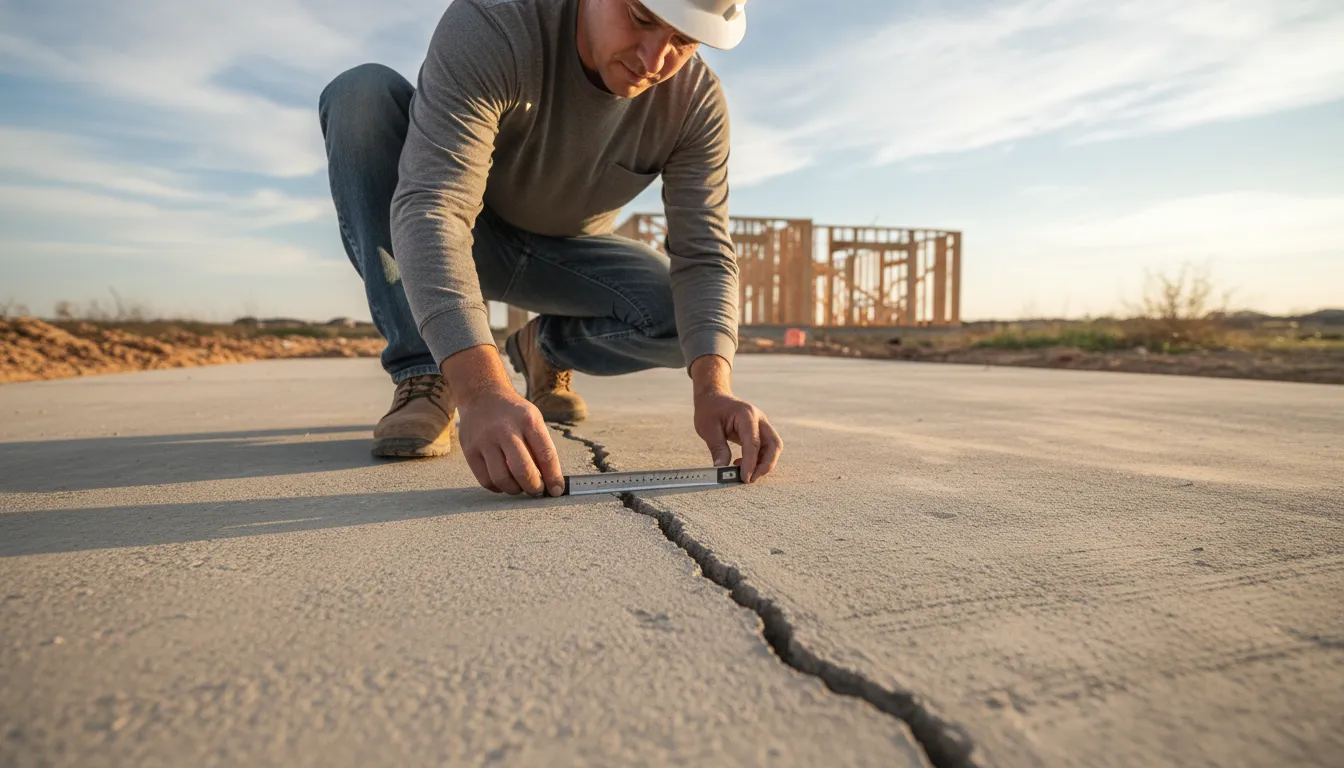
Crack-only repair is meant for a local problem. A contractor may seal or inject a crack to help stop water entry or close a damaged area. That work is not the same as correcting a foundation that has moved. If a slab has settled or shifted, repair may call for piers, stabilizers, or lifting work.
That difference explains why a small visible crack can have a modest repair price, while a movement problem costs more. General foundation repairs in the Dallas area often fall between $3,300 and $7,000. Price may rise when repair covers several areas, hard access, or signs of active movement.
Why North Texas soil matters
North Texas homes sit on soil that can change as moisture changes. Expansive clay swells when wet and shrinks as it dries. That cycle can place stress on slabs, walls, and footings. Texas A&M Transportation Institute reports that expansive soils cause millions of dollars in home damage each year in Texas and other affected states. Its research on expansive Texas soils helps explain why a crack deserves a closer look here.
A crack may be limited to the concrete surface, or it may be one sign of soil-driven movement. Watch for cracks that widen, appear horizontal, allow water through, or occur with sticking doors and uneven floors. These signs do not set the repair price by themselves. They show why the cause should be checked before choosing a repair.
Soil moisture can also change from one side of a house to the other. Drainage, trees, dry weather, and irrigation may shape the pattern. An inspector looks at those site details with the crack itself, instead of treating each line in concrete the same way.
What an inspection confirms
Exact pricing requires an onsite inspection. A trained inspector can review crack shape, width, moisture signs, floor changes, drainage, and the foundation as a whole. This visit separates a sealable crack from a problem that needs structural support. It also prevents paying for a surface repair that leaves the cause in place.
For a North Texas home, start with a professional inspection rather than choosing a fix from price alone. The estimate should state what is damaged, why it happened, which repair is proposed, and what the scope includes. That is the sound way to compare cost and protect the foundation over time.
What factors change how much does foundation crack repair cost?
Severity, location, access, water entry, soil movement, and repair type change foundation crack repair cost. The same visible crack may need simple sealing, injected repair, drainage correction, or structural support depending on what an onsite inspection finds.
The answer to “how much does foundation crack repair cost” starts with the cause, not a flat price. A quote depends on what made the crack form and what work will stop more movement. In North Texas, soil and moisture changes can matter as much as the visible opening.
Crack severity and active movement
Width is one clue, but it is not a full diagnosis. A fine surface mark may call for different work than a gap that keeps spreading. Direction matters too. A stair-step, diagonal, or horizontal pattern can lead the inspector to check for movement before choosing a repair.
Active movement changes the scope of work. If a crack grows, reopens, or shows shifted concrete, sealing the line alone may not solve the problem. The plan may need stabilization that addresses the cause. A surface fix would hide the sign without correcting the source.
Water, access, and crack location
Water intrusion adds another issue to the estimate. A leaking crack may need sealing, while drainage and nearby moisture must also be checked. Recurring seepage or damp soil near the footing can make the plan more involved than treatment of a dry crack.
A slab crack and a foundation wall crack do not always call for the same response. A slab can show lift or settlement. A wall can show sideways pressure. The location helps determine whether the work involves injection, reinforcement, moisture control, or structural support.
Access affects the amount of work needed on site. An exposed garage wall is easier to inspect and treat than a crack behind finished rooms or below a slab. Interior work can also require floor or wall removal before treatment. Restoration after repair can add work to the project.
Soil movement and structural stabilization
Soil conditions can change a crack repair from a local fix to a larger plan. Research from Texas A&M reports that expansive soils in Texas damage homes each year. This issue matters in the Dallas-Fort Worth area, where soil moisture changes can affect foundations.
Guidance on foundation distress from swelling soils notes damage to floor slabs and building frames. Soil may swell after it gets wet and shrink when it dries. When support changes below a slab, a crack can point to a larger movement issue.
If an inspection finds settlement or lost support, repair may involve piers or another stabilization method. That scope differs from filling one stable crack. It is aimed at the movement beneath the visible damage, so the quote will reflect more than crack length.
This is why a quote should follow an onsite review. A professional inspection checks the crack pattern, water entry, access, location, and signs of movement. It also defines whether a slab or wall needs crack repair, stabilization, or both.
How much does foundation crack repair cost by repair method?
The repair method changes the budget because each option solves a different problem. Sealing or injection treats a specific crack. Piers or other stabilization address movement below the structure. Concrete lifting may apply when nearby slab areas have settled.
Why the repair type changes the price
When homeowners ask, “how much does foundation crack repair cost,” the visible crack is only one part of the answer. A narrow, stable crack may need sealing or injection. A crack tied to settlement may need support below the structure. North Texas soil can move as moisture changes. A Texas Transportation Institute report says expansive soils damage homes in Texas and other states where these soils are common.
Planning ranges can help, but they do not choose a repair method. A contractor still needs to assess the crack, nearby water, access, and signs of movement. That review can separate limited crack repair from wider structural work. It can also show if drainage or moisture changes are adding stress near the foundation.
Repair methods at a glance
Each repair method answers a different finding during an inspection. Sealing and injection focus on a crack, while stabilization focuses on movement. Drainage work may be part of a plan when water conditions are linked to the issue. The published planning ranges below apply where a limited crack repair is suitable.
For qualifying concrete settlement around the home, Solid Base Foundations is the exclusive PolyLevel dealer in the Dallas corridor. PolyLevel has a 15-minute cure time, compared with 24 to 72 hours for many traditional methods. When pier systems are needed for structural stabilization, the company can also explain available Foundation Supportworks products and the 25-year manufacturer warranty that may apply to pier systems.
| Method | Typical use | Cost range or pricing basis | Main goal |
|---|---|---|---|
| Crack sealing. | Localized crack or water entry concern. | $250 to $800 for minor sealing. | Seal the affected area. |
| Polyurethane or epoxy injection. | Accessible crack needing injected repair. | $250 to $1,800. | Treat the crack path. |
| Drainage or moisture correction. | Water or changing soil moisture near the slab. | Set after site review. | Reduce moisture stress. |
| Piers or stabilization. | Settlement, shifting, or structural movement. | Set after movement is assessed. | Support the structure. |
| Concrete lifting. | Settled concrete slab areas, when suitable. | Set by area and conditions. | Raise affected concrete. |
Sealing can suit a localized, stable crack or limited water entry. Polyurethane or epoxy injection treats an accessible crack path. Its published planning range runs from $250 to $1,800, based on depth and access. Neither approach is meant to correct a home that is moving.
Moisture correction may include grading or drainage changes around the foundation. Its purpose is to limit uneven wet and dry conditions near soil that can swell or shrink. This work may support a crack plan. Its cost depends on the site layout and the source of water.
Piers or stabilization may be considered when settlement or shifting is linked to the crack. Pricing depends on movement, affected areas, access, and the support plan identified on site. Concrete lifting is a separate fit when settled concrete can be raised in the area being reviewed. It is not a default answer for every foundation crack.
What an inspection must sort out
The first question is not which repair has the lowest line item. It is whether the crack is limited, moisture-related, or tied to structural movement. An inspector looks at direction, width, water entry, and movement across the structure. Horizontal cracks, widening cracks, or moving water should receive careful review.
A homeowner can request a professional inspection to match the work to the condition found. The visit should clarify whether sealing, injection, water management, lifting, or stabilization fits the property. It also provides pricing based on site conditions, rather than a one-size-fits-all repair figure.
Why an onsite inspection matters before you compare estimates
An onsite inspection protects you from comparing incomplete prices. It confirms whether the crack is isolated, leaking, expanding, or tied to foundation movement, so the repair estimate solves the cause instead of only covering the symptom.
A crack is a symptom, not a price tag
A visible crack does not tell a homeowner which repair belongs in an estimate. A thin, stable surface crack may need a different response than a crack tied to water entry or settlement. Before asking how much does foundation crack repair cost, first learn what the crack means.
That distinction matters in North Texas, where clay soil changes as moisture levels change. Research on expansive soil explains that swelling soil can crack floor slabs and harm building framing. The expansive soil guidance also describes the risk to light structures built on these soils.
A bid based on a photo or a brief description may price the visible opening alone. It may miss uneven movement, drainage issues, or another cause beneath it. A trained onsite review gives each estimate the same starting point: the cause, extent, and right scope of work.
What an inspection checks
An inspection is not a sales formality. It is the step that separates crack sealing from work meant to stabilize a moving foundation. Solid Base outlines its professional inspection process for homeowners who need a clear repair path.
-
Review the concern. The inspector starts with the crack location, changes you have noticed, water signs, and any past repair work.
-
Look for related signs. The review considers crack patterns, floors, walls, doors, and exterior conditions that may point to movement.
-
Check water and soil clues. Drainage, grading, and moisture near the foundation can help explain why a crack formed or changed.
-
Match the fix to the cause. The estimate can then address a local crack issue, water entry, or needed structural support.
Call 940-365-4221 or request a free no-obligation estimate from Solid Base Foundations before you compare crack repair prices.
This sequence protects against paying for the wrong fix. Sealing a crack may not help if the structure is still moving. Structural work may not be needed when the concern is limited and stable. An inspection gives the homeowner a sound basis for comparing scope, not just totals.
Compare estimates on the same facts
After an onsite review, compare what each proposal says caused the crack and what it will correct. Ask whether the scope addresses water, movement, or both. Also check access needs, repair method, warranty terms, and what signs should be watched after work is complete.
Solid Base Foundations serves homeowners across the Dallas-Fort Worth area with a free, no-obligation onsite estimate. Homeowners can schedule a free estimate before comparing repair plans. This makes it easier to choose work based on the home’s condition, rather than a guess from the crack alone.
When is a foundation crack a structural concern?
A foundation crack becomes a structural concern when it shows movement, widening, water entry, stair-step masonry cracking, wall bowing, or related interior changes. Those signs can mean the home needs stabilization, not only surface crack repair.
A crack in concrete does not always mean the foundation is failing. Some cracks relate to normal curing or small shifts. Concern rises when the crack shape, size, or nearby changes suggest ongoing movement. In that case, an inspection helps separate a surface repair from structural work.
Crack patterns that need attention
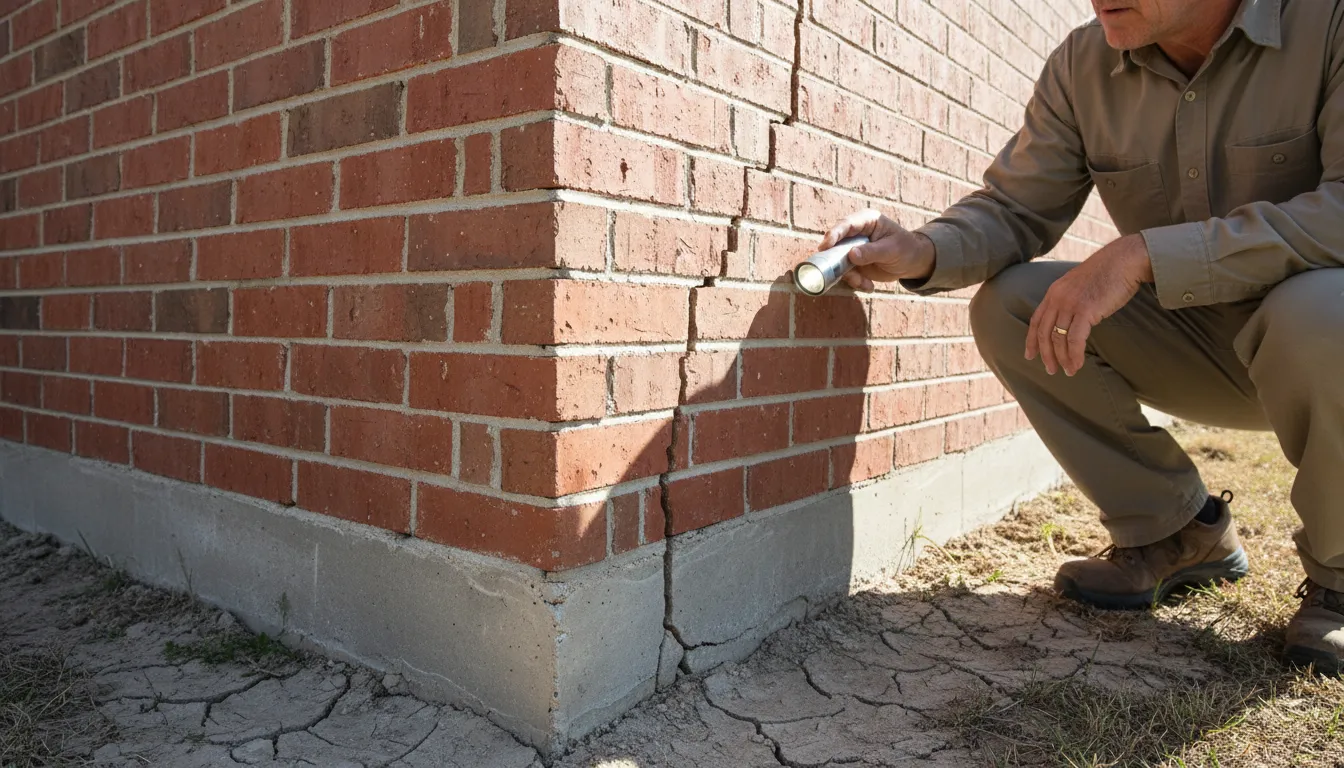
Pay closer attention to horizontal cracks, or cracks wider than one-quarter inch. Active water movement through a crack also calls for review. Solid Base lists these as signs of significant structural issues, not a reason to panic. Document what you see, then seek an assessment.
- Horizontal cracks. These may signal pressure against a wall, especially when the wall bows or leans.
- Stair-step cracks. Masonry step patterns deserve attention when joints open or the pattern grows.
- Wide gaps. A gap wider than one-quarter inch should be checked, even if the room still feels level.
- Water entry. Water crossing a crack can show an open path that needs diagnosis and repair planning.
- Wall movement. Bowing, leaning, or rotation near the crack can point to pressure that sealing will not fix.
- Interior changes. Sticking doors, drywall gaps, or uneven floors can connect the crack to broader foundation movement.
North Texas soil can swell and shrink as moisture changes. Academic guidance on foundation damage from expansive soils explains that swelling soils can crack footings and distress slabs. That is why a crack pattern matters more than appearance alone.
Related changes around the home
A structural concern often shows up in more than one place. Watch for doors that start sticking, floors that slope, or gaps that open between trim, walls, windows, or cabinets. One sign alone may have another cause. Several changes appearing together are a sound reason to schedule an inspection.
- Photograph cracks. Check the same doors and cracks at intervals, using dated photos and simple width notes.
- Watch drainage. Look outdoors for drainage or dry-soil changes near the wall where distress appears.
- Avoid coverups. Do not cover an active crack before its cause is reviewed.
- Track water signs. Note stains, dampness, or recurring water near the same crack after storms.
- Call early. Schedule an inspection when the pattern changes instead of waiting for larger movement.
A trained review should connect visible signs to the foundation and site conditions. A professional inspection can help determine whether the issue needs crack sealing, water control, or stabilization. That decision is more useful than choosing a repair from a photo.
Repair scope and cost
Crack severity changes the repair question. A small, stable crack may involve sealing, while movement can call for foundation stabilization. This is why the answer to how much does foundation crack repair cost starts with cause, location, and active signs.
Until a site review is complete, avoid treating a filled crack as proof the movement has stopped. Monitoring growth, water, and related indoor changes gives the inspector useful context. It also supports a repair plan based on the cause, rather than the surface mark.
Can homeowners keep foundation cracks from getting worse?
Homeowners can reduce risk by managing drainage, keeping soil moisture more consistent, documenting changes, and requesting an inspection when cracks grow or connect with other warning signs. Prevention helps, but active movement still needs professional diagnosis.
Homeowners cannot tell from cost alone whether a crack will stay small or reflect ongoing movement. The useful goal is to reduce avoidable moisture swings, keep records, and have new warning signs checked. This can help protect a North Texas home while the cause of the crack is assessed.
Moisture control around the slab
North Texas clay can change as soil moisture changes. Research on expansive soils in Texas links those soils to home damage in Texas and other affected states. Water control does not repair an existing structural problem, but it can reduce one source of added stress.
Start with roof runoff. Direct each downspout extension well away from the slab, where water will not pool beside the foundation. Check that the soil slopes away from the house, and correct low spots that hold water after a storm. A short outlet that empties at the wall may leave the wet zone in place.
Avoid sharp shifts from soaked soil to parched soil near one side of the home. Look for broken sprinkler heads, leaking hoses, or beds that receive far more water than nearby areas. If watering is needed, aim for an even routine around the foundation perimeter, not a sudden flood near one corner.
Walk the perimeter during a steady rain and again after the soil begins to dry. Look for ponding beside the slab, washed-out soil, or a downspout outlet that has moved. Clear gutters and reset extensions as needed, since overflow can return water to the same problem area.
A useful crack monitoring record
Do not hide a crack with caulk or paint before you know whether it is changing. Take a clear photo with a ruler in view, note the date, and mark the crack ends lightly with a pencil. Repeat the check after rain, dry spells, or a visible change inside the home.
- Width changes. Record changes in width, length, direction, or new branches.
- Related symptoms. Note sticking doors, new drywall gaps, sloped floors, or water at the crack.
- Moisture history. Keep drainage and irrigation changes in the same log.
- Repair history. Save prior repair notes, invoices, and photos so inspectors can compare past and current conditions.
- Inspection timing. Bring the record to the appointment if cracks widen or new symptoms appear.
Use the same view each time you check the crack. Photograph it from a fixed distance, then add a close view with the ruler. Include the wall location, weather notes, and any new signs indoors. Consistent records make small changes easier to spot.
Records give an inspector a clearer timeline than a fresh patch can provide. If a crack changes, a visit can separate surface repair needs from settlement concerns. For an overview of possible next steps, read the foundation repair services guide.
When an inspection is the next step
Schedule an inspection when the crack grows, spreads, admits water, or appears with other changes in the home. Act sooner when a wall crack runs sideways or movement seems active. An on-site review focuses on the cause, so a repair plan addresses the condition rather than its appearance.
The inspection also helps answer the cost question: sealing a stable crack is not the same work as stabilizing movement. Once the scope is clear, homeowners can review financing options if a larger repair fits the home’s needs. Until then, manage water and continue the log instead of relying on a cosmetic patch.
Frequently Asked Questions
What is the average cost to repair a foundation crack?
Minor sealing may cost $250 to $800 in North Texas. Injection repair can cost more, and structural work requires an onsite inspection before pricing.
Does crack severity affect repair cost?
Yes. Width, water entry, movement, access, and location can change the repair method and final estimate.
Why is an onsite inspection necessary?
An inspection confirms whether the crack is cosmetic, leaking, or tied to foundation movement, so the estimate addresses the cause.
Ready to Find the Right Repair for Your Cracks?
Waiting on a foundation crack can leave homeowners facing harder repair decisions if movement continues and damage begins to affect more of the property. Starting now creates time for an onsite inspection, a clear review of crack severity and location, and a repair plan based on your home. You can then plan your next step with clearer information, rather than risk delaying a concern that could become more difficult to manage.
Ready to understand your foundation crack and your repair options? Call Solid Base Foundations at 940-365-4221 or request a free no-obligation estimate to schedule an onsite inspection.
That visit gives you a clear starting point for protecting your home and budget. Contact Solid Base Foundations today so your inspection begins with your home’s actual conditions, not a broad estimate that may not fit.