
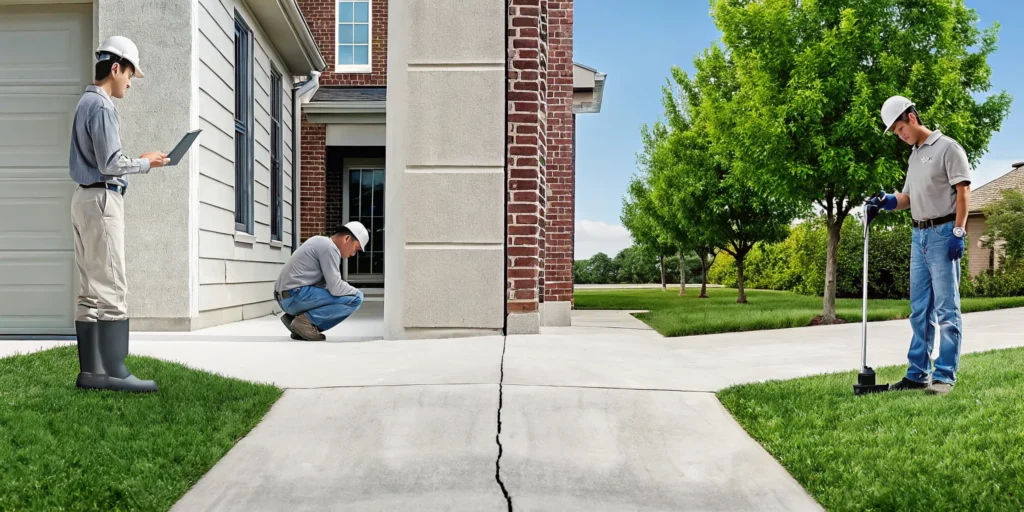
If you live in North Texas, you know our soil has a mind of its own. The expansive clay that sits beneath our homes is the primary culprit behind most local foundation issues. It swells with rain and shrinks in a drought, putting constant, uneven pressure on your home. This isn’t a generic problem, and it can’t be solved with a generic fix. It requires deep local expertise. This guide is specifically for Dallas-area homeowners like you. We’ll explain why our regional conditions are so unique and how to find a foundation repair company in Dallas, TX, that has proven experience solving the specific challenges we face, ensuring you get a solution that lasts.
Key Takeaways
- Connect the symptoms to the source: Common issues like wall cracks, sticking doors, and uneven floors are often direct results of Dallas’s expansive clay soil. Understanding this local cause helps you recognize that these aren’t just old house quirks but signs that require a professional look.
- Vet your contractor thoroughly: Protect yourself by verifying a company’s insurance, reading recent customer reviews, and confirming they have specific experience with the unique soil challenges in North Texas. A low bid can often lead to a failed repair down the road.
- Prioritize long-term value over a quick fix: A reputable company will offer more than just a patch job. Look for a detailed written estimate, flexible financing options, and a transferable lifetime warranty to ensure your repair is a lasting investment in your home’s stability.
Does Your Home Need Foundation Repair? Watch for These Signs
Your home communicates with you. It creaks, groans, and settles over time. While some of these noises are normal, others are subtle warnings that something is wrong at its core. Foundation problems are common in the Dallas area, thanks to our unique soil conditions. Ignoring the early signs can lead to more extensive and costly damage down the road. The key is to know what to look for.
Learning to spot the early indicators of foundation trouble can save you a lot of stress and money. Think of it as a health checkup for your house. You’re looking for symptoms that point to an underlying issue. Most foundation problems start small and worsen over time. If you notice any of the signs we’re about to cover, it doesn’t automatically mean your house is falling down, but it does mean it’s time to get a professional opinion. A thorough inspection can determine the severity of the issue and what kind of foundation repair might be necessary. Catching it early is the best thing you can do for your home and your wallet.
Cracks in walls, floors, and ceilings
Cracks are probably the first thing that comes to mind when you think of foundation issues, and for good reason. While a hairline crack in the drywall might just be a cosmetic issue from the house settling, certain types of cracks are major red flags. Pay close attention to cracks that are wider than a quarter of an inch, run horizontally along your foundation wall, or appear in a zigzag pattern on brick or block walls. These often indicate significant pressure or movement. You should also inspect your floors for cracks. If you have a concrete slab foundation, any cracks that are growing or uneven are a cause for concern and may require concrete repair.
Doors and windows that stick or won’t close
Do you have a door you have to shove to get it to latch? Or a window that’s impossible to open? While humidity can cause wood to swell, persistent sticking is a classic sign of a shifting foundation. When your foundation moves, it warps the frames of your doors and windows, causing them to bind and stick. This isn’t just an annoyance; it’s a clear signal that the structural integrity of your home is compromised. Walk through your house and test several doors and windows. If you find that more than one is difficult to operate, your foundation is likely the culprit.
Uneven or sloping floors
The floors in your home should be level. If you drop a marble and it consistently rolls to one side of the room, you have a problem. Sloping or uneven floors are a very tangible sign that the supports beneath your home are failing. This can happen when parts of your foundation sink into the soil or when expansive clay soil pushes a section upward. You might also notice floors that feel bouncy, soft, or squeaky when you walk on them. Don’t write this off as an old house quirk; it’s a direct message from your foundation that it needs support.
Gaps around window frames and door frames
Look closely at where your walls meet your window and door frames. Do you see any gaps? Foundation movement can cause parts of your home’s frame to pull away from each other, creating noticeable separation. You might see that your window frames are no longer flush with the wall, or you may spot gaps between the wall and the ceiling. On the exterior, this can look like caulk pulling away or trim boards separating at the corners. These gaps are a sign that your house is literally being pulled in different directions. If you see these signs, it’s a good idea to contact us for a free, no-obligation estimate.
The Dallas Soil Problem: Why Local Homes Are at Risk
If you’ve noticed signs of foundation trouble in your home, you’re not alone. Many foundation issues in the Dallas area aren’t caused by poor construction but by something right under your feet: the soil. The ground in North Texas has a unique composition that, when combined with our dramatic weather, creates a perfect storm for foundation problems. Understanding this local challenge is the first step in protecting your home. It’s a regional issue that requires a local expert who knows exactly how to handle the specific soil and climate conditions we face here.
The impact of expansive clay soil
Much of the Dallas-Fort Worth area is built on expansive clay soil. Think of this soil like a dense sponge. When it rains and the soil absorbs water, it swells and expands significantly. Conversely, when the weather is dry, the soil loses moisture and shrinks, sometimes cracking and pulling away from your foundation. This constant cycle of swelling and shrinking puts immense stress on your home’s foundation, causing it to shift, settle, or heave upwards. Over time, this movement can lead to the very cracks and sticking doors you might be noticing, making professional foundation repair a common necessity for local homeowners.
How drought and moisture cycles accelerate damage
The problem with expansive clay soil is made worse by Texas’s extreme weather cycles. We often experience long periods of drought followed by sudden, heavy rainfall. During a drought, the soil shrinks dramatically, which can cause parts of your foundation to lose support and sink. When the rains finally arrive, the soil becomes saturated and swells, but it may not do so evenly. This creates differential movement, where one part of your foundation moves more than another. This uneven shifting is a primary cause of structural damage, leading to everything from sloping floors to cracked concrete slabs and patios.
Core Services to Look For in a Foundation Repair Company
When you start searching for a foundation repair company, you’ll quickly realize that not all are created equal. The best companies offer a range of services because foundation problems rarely have a one-size-fits-all solution. Your home is unique, and its issues require a specific approach. A company that only offers one type of repair might try to sell you on that method, even if it’s not the best fit for your situation.
You want a team that can accurately diagnose the root cause of the problem and has the tools and expertise to fix it correctly the first time. This means looking for a company with a comprehensive skill set, from handling different foundation types to managing water drainage. Seeing examples of a company’s previous projects can give you a great idea of their capabilities and the quality of their work. By knowing what services to look for, you can confidently choose a partner who will protect your home for the long haul.
Pier and beam repair
Many older homes in the Dallas area were built with pier and beam foundations, which elevate the house off the ground. This style requires a completely different repair approach than a concrete slab. Issues can range from rotting wooden posts to shifting support piers. A qualified company must have specific experience in leveling floors, shimming, and replacing beams without causing further damage to your home’s structure. When you’re vetting companies, make sure to ask specifically about their experience with pier and beam systems. A team that specializes in both modern and traditional foundations is a sign you’re dealing with true foundation repair professionals who can handle whatever your home throws at them.
Concrete slab repair
Concrete slab foundations are the standard for most homes built in Dallas over the last few decades. While they are durable, they are also highly susceptible to the shifting clay soils in our region. When the soil expands and contracts, it can cause the slab to crack, heave, or settle unevenly. A top-tier company will offer proven methods for concrete repair, such as installing steel or concrete piers to stabilize the foundation and lift it back into place. They should be able to explain exactly why they recommend a certain method and how it will permanently solve the problem caused by our local soil conditions, not just patch it temporarily.
Drainage solutions
Fixing your foundation is critical, but preventing the problem from happening again is just as important. Water is the number one enemy of foundations in North Texas. Poor drainage allows water to pool around and under your home, oversaturating the soil and causing it to expand, which puts immense pressure on your foundation. A great foundation repair company will also be a drainage expert. They should offer solutions like French drains, surface drains, and proper grading to redirect water away from your home. Addressing drainage is a proactive step that protects your investment and ensures the long-term stability of your foundation repairs.
Free inspections and estimates
You should never have to pay for a company to tell you what’s wrong with your foundation. A reputable contractor will offer a free, no-obligation inspection and a detailed written estimate. This is a standard practice that shows a company is confident in its ability to diagnose issues and provide a fair price. The inspection process is also your first chance to evaluate their professionalism and expertise. A thorough inspector will take the time to examine your entire property, explain their findings clearly, and answer all your questions. If a company wants to charge you just to come out, it’s best to move on and contact a team that prioritizes transparency and customer trust from the start.
Who to Call: A Rundown of Top Dallas Foundation Repair Companies
Okay, you know you have a problem, but who do you actually call? Sifting through dozens of companies can be overwhelming, especially when you’re worried about your home. To make it easier, I’ve pulled together a list of some of the most reputable foundation repair companies serving the Dallas area. Think of this as your starting point. Each company has its own strengths, so take a look and see which one feels like the right fit for your home and your specific foundation issues. Remember to get a few estimates before making a final decision.
Solid Base Foundations
As a local Dallas-area expert, Solid Base Foundations has a strong reputation for solving complex structural problems. They handle everything from cracked concrete slabs to settling foundations, using proven, patented products to ensure a lasting fix. What I appreciate is that they’re backed by a national network of foundation specialists, which means they have access to top-tier training and resources. Their team of skilled professionals provides comprehensive foundation repair services tailored to our unique Texas soil. Plus, they offer free estimates, so you can get a clear picture of the project without any initial financial commitment.
Structured Foundation
Structured Foundation is another name that comes up frequently among Dallas homeowners, often praised for their honesty and straightforward approach. You’ll find many positive reviews online where customers highlight the company’s trustworthiness, which is a huge factor when you’re dealing with something as important as your home’s foundation. They are known for providing clear explanations and fair assessments. Like other top companies, they also offer free estimates, allowing you to understand the scope of your potential repair needs before you have to make any decisions. Their consistent positive feedback makes them a solid contender to consider for your project.
Ram Jack
With over 40 years of experience in North Texas, Ram Jack is a very established player in the Dallas foundation repair scene. Their longevity in the market speaks volumes. They have deep expertise in dealing with the foundation problems caused by our region’s notorious soil movement and moisture fluctuations. Ram Jack offers solutions for both pier and beam and slab foundations, often using steel piles to create strong, reliable support. Their extensive history in the DFW area means they’ve likely seen and solved just about every type of foundation issue imaginable, making them a dependable choice for complex situations.
Advanced Foundation Repair
Advanced Foundation Repair is another company dedicated to serving the Dallas-Fort Worth community. They work on both slab foundations and pier and beam homes, offering a range of solutions to fit different structural needs. One of their most notable offerings is a lifetime warranty on their repairs, which can provide significant peace of mind for homeowners worried about future issues. A transferable warranty can also be a major selling point if you ever decide to sell your home. This commitment to standing behind their work makes them a company worth looking into.
How to Vet a Foundation Repair Company’s Reputation
Choosing a foundation repair company is a big decision, and you want to feel confident you’re hiring a team that is trustworthy, skilled, and reliable. Taking the time to research a company’s reputation can save you from future stress and costly mistakes. Think of it as doing your homework to protect your home, which is one of your biggest investments. A great reputation is built on consistent quality, fair practices, and happy customers. By looking into a few key areas, you can get a clear picture of the company you’re considering and ensure they are the right partner for the job.
Check online reviews and BBB ratings
Online reviews are your first stop for getting honest feedback from previous customers. Check out what people are saying on Google, Yelp, and other local directories. While a single bad review isn’t necessarily a deal-breaker, you should look for consistent patterns. Do customers repeatedly praise the company’s professionalism and the quality of their work? Or are there recurring complaints about missed appointments and poor results? Also, check their standing with the Better Business Bureau (BBB). A company with a high rating and BBB accreditation shows a commitment to resolving customer issues and operating transparently. Seeing a portfolio of our work can also give you a visual confirmation of a company’s quality.
Verify licensing and insurance
This step is absolutely essential for your protection. Any contractor you hire should carry full insurance, including general liability and workers’ compensation. This protects you from being held responsible if an accident happens on your property during the repair process. It’s important to know that Texas does not have a state-sponsored license specifically for foundation repair. This lack of state regulation means the responsibility falls on you, the homeowner, to be extra diligent. Don’t just take their word for it; ask for a certificate of insurance and verify that it’s current. A professional company will have this information ready and will be happy to provide it. This is a hallmark of a team that values professionalism and accountability, which you can learn more about on our about page.
Look for industry certifications and affiliations
Since there isn’t a state license for foundation repair in Texas, industry certifications are a powerful indicator of a company’s expertise. Affiliations with professional organizations like the National Foundation Repair Association (NFRA) or other engineering groups show that a company is serious about its craft. These organizations often have strict membership requirements and promote ongoing education on the latest industry standards and best practices. A company that invests in these certifications is demonstrating a commitment to excellence and is more likely to use proven, effective foundation repair methods. It’s a sign that they hold themselves to a higher standard, which is exactly what you want for a project of this importance.
Assess communication and responsiveness
From your very first phone call or email, pay close attention to how the company communicates. Are they prompt and professional in their responses? Do they listen to your concerns and answer your questions clearly and patiently? A reputable company will never pressure you into making a quick decision. Instead, they will take the time to explain the proposed repairs, the timeline, and the costs involved. If a company is hard to get a hold of or seems dismissive of your questions, consider it a red flag. Good communication is the foundation of good customer service, and how they treat you now is a strong indicator of how they’ll treat you throughout the entire project. If you’re ready to speak with a team that prioritizes clear communication, feel free to contact us.
Breaking Down Foundation Repair Costs in Dallas
Let’s talk about the number one question on every homeowner’s mind: how much is this going to cost? Facing a potential foundation issue is stressful enough without the mystery of a huge, unknown bill. While there’s no single price tag for foundation repair, understanding what goes into the final cost can help you feel more in control. The good news is that a professional inspection can give you a clear, detailed estimate, so you’re not left guessing.
What influences the final cost?
The final price for a foundation repair project depends on several key factors. The biggest one is the extent of the damage; a few small cracks will cost less to fix than a significantly settled portion of your home. The specific repair method used also plays a huge role. Additionally, things like limited access to the work area, the unique soil conditions under your house, and whether you need any finishing services afterward (like drywall repair) can all affect the total. Because of these variables, costs can range from around $2,000 for minor issues to more than $10,000 for severe problems.
Typical costs for common repairs
While every home is different, we can look at some general numbers for the Dallas area. Most residential foundation repairs in major Texas cities fall somewhere in the $3,000 to $7,000 range. A major reason for this is our expansive clay soil, which requires specific and robust repair solutions. One of the most common and effective methods used here is the installation of piers to stabilize the foundation. Seeing examples of our work can give you a better idea of what these common repairs look like in practice. An expert inspection is the only way to know for sure what your home needs and what it will cost.
Financing options to consider
An unexpected foundation repair bill can feel overwhelming, but you don’t have to let it stop you from protecting your home. Many reputable companies understand that this isn’t a planned expense and offer payment solutions to ease the burden. It’s always worth asking about your options. Many contractors provide flexible financing to help make the cost more manageable, with plans that can include things like no interest for 12 months. This allows you to address the problem immediately and secure your home’s structural integrity without having to pay the full amount all at once. Don’t hesitate to ask about these options during your estimate.
Decoding Foundation Repair Warranties
A warranty is more than just a piece of paper; it’s your peace of mind. When you’re investing in a significant home project like foundation repair, the warranty is a promise from the company that they stand behind their work. But not all warranties are created equal, and the fine print can be confusing. Let’s break down what you need to look for to ensure your investment is protected for the long haul. A strong warranty is a key indicator of a company’s confidence in its services and its commitment to you, the homeowner.
Lifetime warranties vs. limited warranties
You’ll often see the term “lifetime warranty,” but it’s crucial to understand what that really means. In foundation repair, a lifetime warranty typically refers to the life of the structure, not your own lifetime. A “Limited Lifetime Transferable Warranty” is a common and excellent option. This means the specific repair is guaranteed for as long as the house stands. In contrast, a limited warranty might only cover the repair for a set number of years or apply only to certain parts or materials. Always ask for clarification on what “lifetime” entails and what, if any, limitations apply.
Transferable warranties and home resale value
A transferable warranty is a powerful asset, especially if you plan on selling your home down the road. This feature allows you to pass the warranty on to the next owner, which can be a major selling point. For a potential buyer, knowing that the foundation has been professionally repaired and is still under warranty provides incredible assurance and removes a huge point of hesitation. This simple piece of paper can make your property more attractive, potentially increasing its resale value and helping it sell faster. It shows you addressed issues correctly with a reputable company.
What a solid warranty should cover
A truly solid warranty is comprehensive. It should clearly outline what is covered, including both the materials used and the labor performed. Look for specifics on what happens if an adjustment is needed in the future. A vague warranty is a red flag. A reputable company is proud of the foundation repair solutions they provide and will have a detailed, transparent warranty to match. It’s a direct reflection of their workmanship and the quality of the patented products they use to solve your home’s structural problems for good.
Foundation Repair Red Flags: What to Avoid
Finding the right foundation repair company is as much about knowing what to look for as it is about knowing what to avoid. When you’re dealing with something as important as your home’s structural integrity, you can’t afford to work with a team that cuts corners. Spotting the warning signs early can save you from costly mistakes, future headaches, and a job that isn’t done right. Keep an eye out for these major red flags that should make you think twice before signing a contract. A trustworthy company will be transparent and professional from the very first conversation.
Unusually low bids and high-pressure sales tactics
It’s tempting to jump on a low bid, especially when you’re facing an expensive repair. But if an estimate seems too good to be true, it probably is. An unusually low price often indicates that a company is using subpar materials, hiring inexperienced labor, or skipping critical steps in the repair process. This can lead to a failed repair that costs you more in the long run.
Equally concerning are high-pressure sales tactics. If a contractor tells you an offer is only good for today or pressures you to sign on the spot, consider it a warning. A reputable company understands this is a big decision. They will provide a detailed estimate and give you the space to review it, ask questions, and seek other opinions. Legitimate companies offer transparent ways to manage costs, like financing options, not just suspiciously low prices.
Vague or misleading warranty language
A lifetime warranty sounds great, but it’s only as reliable as the company that backs it. Some warranties are filled with tricky wording and exclusions that make it nearly impossible to file a successful claim. Before you commit, read the warranty document from start to finish. Ask specific questions: What exactly does the warranty cover? What actions could void it? Is the warranty transferable to a new homeowner if you decide to sell?
A solid warranty should be straightforward and clearly define what is protected. Be wary of any company that is hesitant to provide these details in writing or gives you vague answers. The warranty is meant to give you peace of mind, not to protect the company from standing by its work.
No licenses, insurance, or verifiable business address
The foundation repair industry in Texas doesn’t have a specific state-sponsored licensing board, which makes your own due diligence even more important. While there isn’t a special “foundation repair license,” a legitimate company will have general business licenses and, most importantly, be fully insured. Ask for proof of general liability insurance and workers’ compensation. This protects you from liability if a worker is injured on your property or if your home sustains damage during the repair process.
You should also be able to find a verifiable physical business address, not just a P.O. box. A company with a real, local presence is more accountable. You can usually find this information on their website, like on an about us page, which shows they are an established part of the community.
Poor communication and slow response times
How a company communicates with you before you hire them is a strong indicator of the service you’ll receive during the project. If they are slow to return your calls, don’t answer your questions clearly, or seem disorganized, it’s a sign of what’s to come. It’s frustrating when a company with good online reviews doesn’t even respond to your initial inquiry.
The pre-hire phase should be their best foot forward. A professional team will be responsive, patient, and happy to explain their process in detail. From your first phone call to the final walkthrough, you should feel like a valued client. If you’re already struggling to get in touch, it’s best to move on and contact a company that prioritizes clear and consistent communication.
Your Pre-Hire Checklist: Key Questions for Any Foundation Repair Company
Choosing a contractor to work on your home’s foundation is a big decision. To feel confident in your choice, it helps to have a list of questions ready before you make that first call. Think of it as a simple interview. You’re looking for a partner who is experienced, transparent, and right for the job. Asking the same key questions to each company you consider will help you compare them fairly and identify the best team to protect your home.
How long have you been operating in Dallas?
This question is about more than just years in business; it’s about local expertise. The soil in the Dallas area is notoriously tricky, with expansive clay that swells with moisture and shrinks during droughts. A company with decades of experience here, like our team at Solid Base, understands these specific challenges inside and out. They’ve seen how our climate affects foundations and have a track record of applying solutions that last. A long history in the service area means they have a reputation to uphold and a deep understanding of what North Texas homes need.
What repair methods and products do you use?
Not all foundation problems are the same, so the solutions shouldn’t be either. Ask potential contractors to walk you through their proposed repair method and explain why it’s the right choice for your home. In Texas, pier installation is a common and effective method, but the types of piers can vary. Some companies even use patented products designed for specific soil conditions. You don’t need to be an engineer, but you should feel confident that the company has a clear, logical plan for your foundation repair and isn’t just offering a one-size-fits-all fix.
Do you offer a free inspection and written estimate?
The answer to this should always be yes. A trustworthy company will offer a free, no-obligation inspection to assess the damage to your home. This shows they are confident in their ability to diagnose the problem correctly. Following the inspection, you should receive a detailed, written estimate that breaks down the costs. This document is your protection against surprise fees and vague agreements. It’s a sign of professionalism and transparency, so don’t move forward with any company that is hesitant to provide one. You can contact us to schedule your free estimate today.
Is your warranty transferable if I sell my home?
A foundation repair is an investment in your property, and a good warranty protects that investment. Ask specifically if the warranty is transferable to the next owner if you sell your home. A transferable lifetime warranty is the gold standard. It provides you with lasting peace of mind and becomes a valuable selling point that can increase a buyer’s confidence in your home. Make sure you understand what the warranty covers and get a copy of it in writing. This detail speaks volumes about a company’s commitment to their work.
Should I get multiple estimates before committing?
Absolutely. Getting at least two to three estimates is a smart move for any major home repair. This isn’t just about shopping for the lowest price. Comparing different proposals allows you to see how different experts assess the problem and what solutions they recommend. One company might suggest a different piering method or a more comprehensive drainage solution. Reviewing multiple written estimates helps you make a well-rounded decision based on the best long-term solution for your home, not just the cheapest upfront cost. It also gives you a chance to explore financing options that fit your budget.
Related Articles
- Foundation Repair Cost: The Ultimate 2026 Guide
- A Homeowner’s Guide to Foundation Repair Services
- Ultimate Guide to Foundation Repair Options
- Pier & Beam Foundation Repair: Signs, Costs & Fixes
- Foundation Crack Repair: A DIY vs. Pro Guide
Frequently Asked Questions
I see a few small cracks, but my doors and windows are fine. Should I still be concerned? It’s smart to pay attention even to small cracks. While not every hairline crack signals a disaster, they can be the very first sign that your foundation is responding to soil movement. The key is to watch if they grow, change direction, or if new ones appear. Think of it as an early warning system. Getting a professional opinion before you have bigger problems like sticking doors is the most proactive and cost-effective approach you can take. An expert can tell you if it’s normal settling or the beginning of a larger issue.
What actually happens during a foundation repair? Will my house and yard be a total mess? This is a common worry, but a professional crew works hard to minimize disruption. The process typically involves excavating small, specific areas around your foundation to install support piers. While there will be some digging, it’s usually confined to the immediate work area. A good company will be respectful of your property, protect your landscaping as much as possible, and clean up the site thoroughly once the job is complete. They understand it’s your home, not just a construction site.
How long does a typical foundation repair project take? The timeline really depends on the size of the project and the specific repair method needed. A smaller job might only take a day or two, while a more extensive repair involving many piers could take a week or more. When you get your written estimate, the company should also provide you with a clear project timeline. They will be able to give you a much more accurate schedule after they have completed a full inspection of your property.
Why can’t I just patch the cracks and fix the drainage myself? Patching cosmetic cracks is one thing, but foundation issues, especially in the Dallas area, are rooted in complex soil mechanics. The expansive clay soil here puts unique pressures on your home that a simple patch can’t solve. Likewise, an effective drainage system needs to be designed to handle our specific weather patterns. A professional has the engineering knowledge and equipment to install a permanent solution that stabilizes your home, rather than just applying a temporary fix that will likely fail.
If my foundation is fixed, will the problem just come back later? A proper foundation repair is designed to be a permanent solution. The goal isn’t just to lift your house back into place, but to give it a new, stable base that can withstand the soil’s movement. This is why methods like installing steel or concrete piers are so effective; they transfer the weight of your home to a more stable soil layer deep underground. When combined with proper drainage solutions, a professional repair addresses the root cause of the problem, giving you lasting security.