
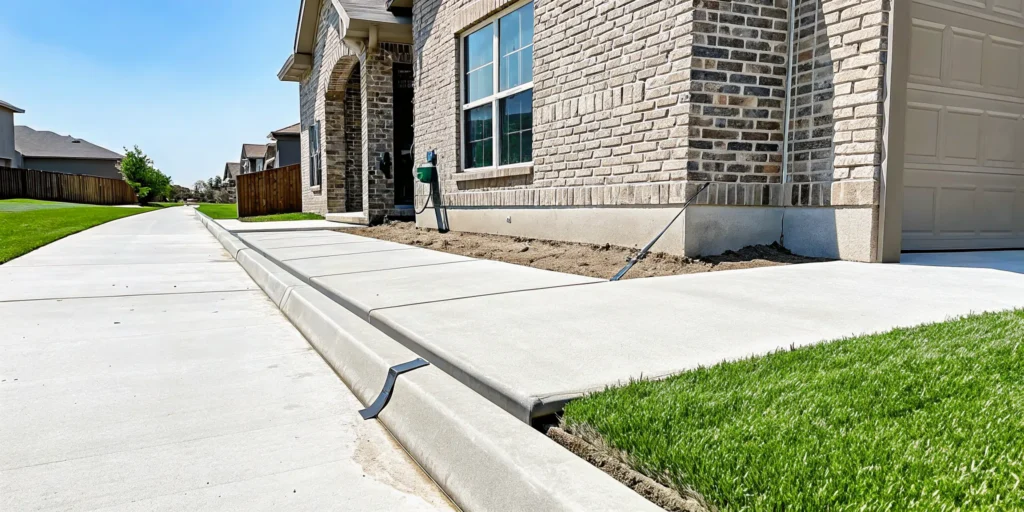
The ground beneath your Dallas-Fort Worth home is constantly in motion. Much of our area is built on expansive clay soil, which acts like a powerful sponge. It swells dramatically when it’s wet and shrinks when it dries out, putting immense, uneven pressure on your foundation. This relentless cycle is what causes floors to slope, doors to jam, and cracks to appear in your brick and drywall. It’s why so many homeowners end up looking for ‘foundation repair near me Dallas Fort Worth’ and why choosing a local expert is non-negotiable. A company that doesn’t understand our soil can’t provide a solution that lasts. Here, we’ll break down exactly what’s happening under your house and the proven methods used to stabilize it for good.
Key Takeaways
- Know the DFW Warning Signs: Common issues like wall cracks, sticking doors, and uneven floors are not just normal settling; they are often direct signs that North Texas’s expansive clay soil is causing your foundation to shift.
- Control Water Around Your Home: Your best defense is managing moisture. Use soaker hoses during dry spells to keep the soil from shrinking, and make sure your gutters and yard slope direct rainwater away from the foundation.
- Insist on a Custom Repair Plan: A lasting fix requires more than a simple patch. Choose a professional who provides a detailed, custom plan that identifies the root cause of the problem and uses proven methods to stabilize your home permanently.
Signs Your DFW Home Needs Foundation Repair
Your home is your sanctuary, but sometimes it sends subtle (and not-so-subtle) signals that something is wrong with its core structure. Foundation problems can feel overwhelming, but knowing what to look for is the first step toward a solution. Because of the expansive clay soil and dramatic weather shifts in the Dallas-Fort Worth area, our homes are particularly prone to foundation movement. Catching these signs early can save you a lot of stress and money down the road. Pay attention to these common indicators that your home might need professional foundation repair.
Cracks in Walls, Floors, or Ceilings
Have you noticed new cracks appearing in your drywall or brickwork? While tiny hairline cracks can be normal as a house settles, certain types are red flags. Be on the lookout for zigzag or stair-step cracks in exterior brick, cracks that run from the corners of doors or windows, or any crack wider than a quarter of an inch. You might also see cracks in your tile or concrete slab floors. These fractures often indicate that your foundation is shifting or settling unevenly, putting stress on your home’s frame. Don’t just paint over them; it’s important to understand what’s causing them first.
Doors and Windows That Stick
If you suddenly have to put your shoulder into opening the back door or find that a window is jammed shut, it’s not your imagination. When a foundation moves, it can warp the frames of your doors and windows, causing them to stick or fail to latch properly. You might notice that a door has an uneven gap at the top when it’s closed or that you can see daylight around a window frame. This is a classic sign that the structure of your house is no longer square, and it’s a clear signal that the foundation is likely the culprit.
Uneven or Sloping Floors
Do you ever feel like you’re walking slightly uphill in your own hallway? Or have you dropped a marble and watched it roll to one side of the room? Uneven or sloping floors are a significant indicator of foundation trouble. This can happen when one part of your foundation settles deeper into the ground than the rest, causing the floor above it to dip or sag. In homes with pier and beam foundations, you might feel soft or bouncy spots underfoot. For slab foundations, this unevenness is a sign that you may need professional concrete repair to level the surface and support the structure.
Gaps Around Window and Door Frames
Along with sticking, you should also look for gaps forming between your walls and the frames of your windows or doors. This separation happens when the foundation shift pulls the wall away from the frame. You might also see this on the exterior of your home, where the brick or siding pulls away from a window, or where the fascia boards separate at the corners. These gaps not only look bad but can also compromise your home’s insulation and create entry points for moisture and pests. It’s a clear visual cue that your home’s structural integrity is being challenged.
Water Pooling Near Your Foundation
While water pooling isn’t a direct sign of existing damage, it is a major warning sign of what’s to come. The soil around your DFW home needs to have a consistent moisture level. If you see water collecting against your foundation after it rains or from sprinkler runoff, it means you have a drainage problem. This excess moisture can oversaturate the clay soil, causing it to expand and put immense pressure on your foundation. Alternatively, it can erode the soil, causing parts of the foundation to sink. Addressing drainage issues promptly is one of the most important things you can do to protect your home.
What Causes Foundation Problems in Dallas-Fort Worth?
If you’re a homeowner in the Dallas-Fort Worth area, you’ve probably heard a thing or two about foundation problems. It’s a common topic of conversation for a reason. Our unique North Texas environment presents some specific challenges that can put a lot of stress on your home’s structure. Understanding what’s happening beneath your house is the first step toward protecting your investment.
From the soil itself to our dramatic weather patterns, several factors can work against your foundation. These issues often develop slowly over time, so knowing the potential causes can help you spot trouble early. Let’s look at the most common culprits behind foundation damage in DFW.
Expansive Clay Soil
The ground beneath our feet is the number one cause of foundation issues in North Texas. Much of the DFW area is built on expansive clay soil. Think of this soil like a dense sponge: when it gets wet, it swells up, and when it dries out, it shrinks. This constant cycle of expansion and contraction puts immense pressure on your foundation, causing it to shift, settle, or crack over time. This movement is rarely uniform, which leads to the uneven floors and sticking doors that are classic signs of trouble. A solid foundation repair plan is designed to counteract this soil movement and stabilize your home for the long term.
Drought and Extreme Heat
Our hot, dry Texas summers do more than just drive up our air conditioning bills. Extended periods of drought and extreme heat bake the moisture out of the expansive clay soil, causing it to shrink away from your foundation. When the soil pulls back, it leaves voids, and the foundation can sink or settle into these empty spaces. This process is a major contributor to foundation settlement. Because our climate swings between drought and heavy rain, the soil is in a near-constant state of flux. Our team has years of experience working with the specific challenges the DFW climate presents, giving us the local expertise needed to provide lasting solutions.
Poor Drainage and Excess Moisture
Just as too little water is a problem, so is too much. If your property has poor drainage, water can pool around and under your foundation. Common sources include clogged gutters, downspouts that release water too close to the house, or landscaping that slopes toward your home. This excess moisture super-saturates the clay soil, causing it to swell and push upward against your foundation, a process called upheaval. This can be just as damaging as settlement and often affects surrounding concrete structures. Proper drainage is a critical part of maintaining a healthy foundation and preventing future concrete repair needs.
Intrusive Tree Roots
Large, beautiful trees can add a lot of value to your property, but their roots can pose a threat to your foundation. As trees mature, their root systems expand in search of water. During dry spells, these roots can draw gallons of moisture from the soil beneath your home, causing that specific area to shrink and your foundation to settle unevenly. In some cases, large roots can grow directly under your foundation, exerting physical pressure that can lift or crack the slab. If you have large trees close to your home, it’s wise to keep an eye out for signs of foundation stress.
Plumbing Leaks
A hidden but serious cause of foundation problems is plumbing leaks, especially those located beneath the slab. A slow, undetected leak can release a steady stream of water into the soil directly under your house. This creates a localized zone of constantly saturated soil, causing that section of your foundation to heave upward while the rest of the house remains stable. This differential movement can cause significant structural damage. Addressing these issues often requires a coordinated effort to fix the plumbing and then repair the foundation, which is why it’s important to see the kind of complex projects a company has handled in its past work.
Common Foundation Repair Methods in DFW
When you discover a foundation problem, the number of potential solutions can feel overwhelming. The good news is that a professional team will pinpoint the exact cause of the issue and recommend a specific, targeted repair plan. The right method always depends on your home’s foundation type, the soil conditions on your property, and the extent of the damage. Here in Dallas-Fort Worth, we rely on a few trusted techniques to restore a home’s structural integrity for the long haul.
Slab Foundation Repair
Most homes in the DFW area have a concrete slab foundation, which is essentially a single, large slab of concrete poured directly onto the ground. While efficient to build, these foundations are highly susceptible to our expansive clay soil, which swells with moisture and shrinks dramatically when it dries. This constant movement can cause parts of the slab to sink or heave, leading to cracks and uneven floors. Slab foundation repair typically involves installing underground piers to support and lift the affected areas. These piers are driven deep into the ground until they reach a stable soil layer, effectively creating new, solid support posts for your home and preventing further settlement.
Pier and Beam Repair
If you live in an older home, you might have a pier and beam foundation. This style features a crawl space between the ground and the floor of your home, with the house resting on a series of concrete piers and wooden beams. Problems here often look like sagging floors, bouncy spots, or doors that no longer latch. Repairing a pier and beam foundation can involve several approaches, from adding shims to level the floor joists to replacing rotted wood beams or deteriorated piers. Sometimes, new piers are added to provide extra support. The great thing about this type of repair is that it’s all handled in the crawl space, causing minimal disruption to your daily life.
Steel, Helical, and Push Piers
For significant foundation settlement, we bring in the heavy hitters: steel, helical, and push piers. These are the industry-leading tools for permanently stabilizing a sinking foundation. Push piers are hydraulically driven through unstable soil using the weight of your home until they hit solid bedrock or a load-bearing stratum. Helical piers, which look like giant screws, are twisted into the ground and are excellent for lighter structures or situations where you need to resist both sinking and upward lift. While the installation of these piers is a major undertaking, they are the most reliable and permanent solution for serious foundation movement, ensuring your home is supported by ground that won’t shift. We use these patented, proven products to guarantee a lasting fix.
Concrete Repair
Sometimes the problem isn’t with your home’s deep foundation but with other concrete surfaces around your property. Over time, driveways, sidewalks, patios, and garage floors can crack, sink, and become uneven hazards. This is where targeted concrete repair comes in. Using techniques like polyurethane foam injection, we can lift and level sunken slabs quickly and without major demolition. For cracks, specialized sealants can restore the surface and prevent water from seeping in and causing more damage. This not only improves the safety and curb appeal of your home but also addresses issues before they can worsen.
Waterproofing and Drainage Solutions
Water is the primary enemy of foundations in North Texas. Poor drainage is often the root cause of the soil movement that leads to structural damage. That’s why a complete repair plan frequently includes waterproofing and drainage solutions. A French drain, for example, is a gravel-filled trench that intercepts and redirects water away from your foundation. Catch basins can be installed in low-lying areas of your yard to collect excess rainwater. For homes with crawl spaces, installing a vapor barrier can prevent ground moisture from causing wood rot and mold. Addressing water management is a proactive step that protects your investment in foundation repair for years to come.
How Much Does Foundation Repair Cost in Dallas-Fort Worth?
Let’s talk about the number one question on every homeowner’s mind: what’s the price tag? The truth is, foundation repair costs in the Dallas-Fort Worth area can vary quite a bit. Think of it like a car repair; a simple fix is one price, while a major overhaul is another. The final cost depends entirely on what’s happening underneath your home. While a professional assessment is the only way to get a precise number, we can break down the typical price ranges to give you a clearer picture of what to expect. The good news is that a reliable company will always start with a free, no-obligation estimate, so you can understand the scope of the work before committing.
Fixing Minor Cracks
If you’ve just spotted a few small, hairline cracks in your foundation slab or basement walls, you can breathe a little easier. These minor issues are on the most affordable end of the repair spectrum. In the DFW area, fixing small cracks can cost as little as $300. This type of repair typically involves using an epoxy injection or other sealants to fill the crack, preventing moisture from getting in and stopping the crack from growing. It’s a quick and effective solution for issues that don’t point to a larger, underlying structural problem. Addressing these early is a smart move that can save you a lot of money later.
Addressing Moderate Damage
When foundation issues go beyond simple cracks, we start looking at moderate damage. This often involves signs like settling, sloping floors, or doors that won’t close properly. The most common solution here is installing piers to support and stabilize the foundation. The cost for this type of foundation repair is usually calculated per pier, ranging from $300 to over $600 for each one. A total job could run anywhere from $2,000 to $25,000 or more, depending on how many piers are needed to secure your home. This is a more involved process, but it’s a permanent solution for stabilizing a settling foundation.
Major Structural Repairs
For homes with extensive foundation damage, the repair costs can be significant. In these cases, you might be looking at a price tag of $30,000 or more. This level of repair is reserved for serious structural problems, such as a foundation that has failed in multiple areas or requires a complete overhaul. While that number can feel intimidating, it’s important to remember that ignoring a major foundation issue will only lead to more severe and costly damage to your entire home. Many companies understand this is a major investment and offer financing options to help homeowners manage the expense without delay.
What Factors Influence the Cost?
So, what causes such a wide range in pricing? Several key factors determine the final cost of your foundation repair. A professional inspector will evaluate each of these during your assessment. The type of foundation you have, whether it’s a concrete slab or a pier and beam system, plays a big role. The severity of the damage is another major factor; more extensive problems require more labor and materials. The unique soil conditions under your home, ease of access to the damaged area, and the specific repair method chosen will all influence the final quote. This is why a custom repair plan from an experienced team is so important.
Does Homeowners Insurance Cover Foundation Repair?
When you’re facing a potential foundation issue, one of the first questions that comes to mind is, “Will my insurance cover this?” It’s a valid question, and the answer, unfortunately, isn’t a simple yes or no. It almost always depends on what caused the damage in the first place.
For most homeowners in the Dallas-Fort Worth area, a standard insurance policy does not cover damage from the most common culprits: expansive clay soil, natural settling, or drought. Because these issues develop over time, insurance providers typically classify them as maintenance-related problems, which fall outside of standard coverage. This can be frustrating, especially since these are the very issues so many of us deal with in North Texas.
However, there are some important exceptions. If your foundation damage is the direct result of a sudden and accidental event, your policy might provide coverage. A classic example is a plumbing leak under your slab. If a pipe bursts and washes away the soil supporting your home, your insurance may help cover the cost of the foundation repair. Other covered events could include things like explosions or damage from a vehicle. The key is that the cause must be unexpected, not a result of gradual wear and tear.
If the damage is from a covered event, the costs would likely fall under your policy’s dwelling coverage, which protects the physical structure of your home. The best first step is always to review your specific policy documents and speak with your insurance agent. Understanding the exact cause of the damage is critical, which is where a professional assessment can give you the clarity you need to move forward.
The Foundation Repair Process: A Step-by-Step Guide
Thinking about foundation repair can feel overwhelming, but a professional team will guide you through a clear and structured process. It’s less about disruption and more about restoring your home’s safety and value. From the first phone call to the final sign-off, you should feel informed and confident in the work being done. A reputable company won’t just show up and start digging; they will walk you through each phase so there are no surprises. The goal is to implement a lasting solution that addresses the root cause of the problem, not just the symptoms you can see. Understanding the steps involved in a professional foundation repair can help you feel prepared and in control. It all starts with a simple evaluation to determine exactly what your home needs.
Step 1: Schedule Your Free Assessment
The first move is always to get an expert opinion. Your journey begins when you schedule your free assessment with a foundation specialist. During this visit, a trained professional will conduct a thorough inspection of your property, both inside and out. They’ll look for key indicators of foundation stress, like cracks in your brick or drywall, sticking doors, and uneven floors. They will also take measurements to determine the extent of any settling or shifting. This initial evaluation is completely on the house and comes with no strings attached, giving you a clear, expert diagnosis of your home’s structural health without any upfront commitment.
Step 2: Review Your Custom Repair Plan
After the assessment, you won’t receive a generic quote. Instead, you’ll get a custom repair plan designed specifically for your home’s unique issues. This detailed proposal outlines the recommended repair method, whether it involves installing piers, performing concrete repair, or implementing a new drainage solution. It will also include a transparent breakdown of the costs and the project timeline. This is your opportunity to ask questions and make sure you understand every aspect of the proposed work. A trustworthy company ensures you know exactly what you’re paying for and why each step is necessary, and our team is always ready to walk you through the details.
Step 3: The Repair Team Gets to Work
Once you approve the plan, the skilled repair crew gets started. Professional teams work efficiently to minimize disruption to your daily life, often completing projects in just a few days. They take care to protect your landscaping and property while they work. The focus is on executing the repair plan with precision, using patented and proven products to ensure the fix is permanent. Whether they are installing steel piers to stabilize a sinking foundation or leveling a concrete slab, the crew’s expertise is key to a successful outcome. You can see the results of this careful work in homes all across the Dallas-Fort Worth area.
Step 4: Final Walk-Through and Follow-Up
The job isn’t finished until you are completely satisfied. After the repairs are complete, the project manager will conduct a final walk-through with you. This is your chance to inspect the work, ask any remaining questions, and confirm that everything has been restored to your satisfaction. A reputable company will also provide a strong, transferable warranty for the work, giving you peace of mind for years to come. This guarantee protects your investment and is a valuable asset if you ever decide to sell your home. We also offer flexible financing options to help make this essential home repair more manageable for your budget.
What Makes a DFW Foundation Repair Company Stand Out?
When you’re dealing with something as important as your home’s foundation, you want to know you’re in good hands. But with so many companies in the Dallas-Fort Worth area, how do you tell the experts from the amateurs? It comes down to a few key qualities that separate a truly reliable foundation repair partner from the rest. A standout company doesn’t just fix the problem; they provide a comprehensive, reassuring experience from start to finish. They understand that this is more than just a construction project, it’s about protecting your family’s biggest investment.
The best companies combine deep local knowledge with cutting-edge, proven repair methods. They know the specific challenges of DFW’s soil and climate and have solutions designed to withstand them. They are also completely transparent. You should expect clear communication, detailed estimates without any hidden fees, and a willingness to answer every question you have. Finally, they stand behind their work with solid, meaningful warranties that give you long-term peace of mind. Choosing a company with these qualities ensures your home receives the best possible care and that your foundation repair is built to last.
Local Expertise and a Proven Track Record
A company that truly understands the DFW area is essential. Our region’s expansive clay soil behaves differently than soil in other parts of the country, shrinking and swelling dramatically with moisture changes. A contractor without this specific local knowledge might apply a one-size-fits-all fix that simply won’t last. Look for a team with years of experience working right here in North Texas. A proven track record means they have a portfolio of successful projects and happy customers in communities like Dallas, Plano, and Allen. You can see the quality of their work and feel confident they’ve solved problems just like yours before.
Patented, Reliable Repair Solutions
The right tools and techniques are just as important as the right team. A top-tier company invests in reliable, engineered repair solutions, not just quick fixes. While a simple patch might seem to solve a crack in the short term, a lasting repair addresses the root cause of the issue. This often involves using patented products and systems specifically designed for foundation and concrete repair. These advanced methods are rigorously tested and proven to provide durable, long-term stability for your home. When a company uses high-quality, patented solutions, it shows they are committed to doing the job right the first time.
Transparent Estimates and Financing Options
Foundation repair can be an unexpected expense, and the last thing you need is a surprise on your bill. A trustworthy company will always start with a free, thorough assessment of your property and provide a detailed, easy-to-understand estimate. There should be no pressure and no hidden fees. This transparency builds trust and allows you to make an informed decision. Furthermore, a company that cares about its customers understands that this can be a significant investment. That’s why many reputable contractors offer flexible financing options to help you manage the cost without delaying essential repairs and risking further damage.
Strong Warranties for Peace of Mind
A warranty is a company’s promise to stand behind its work, and it’s a powerful indicator of their confidence in their repairs. Look for a company that offers a strong, clear warranty on their services. The best warranties are often transferable, meaning if you sell your home, the warranty protection passes to the new owner. This not only protects your investment but can also be a valuable selling point. When a company offers a solid warranty, it tells you they are stable, reliable, and committed to providing a lasting solution. It’s the ultimate peace of mind, knowing your home is protected for years to come.
How to Choose the Right Foundation Repair Company in DFW
Choosing a company to handle your foundation repair is a big decision. The foundation is the most critical part of your home, so you need a team you can trust. With so many options in the Dallas-Fort Worth area, how do you find the right one? Focusing on a few key areas can help you cut through the noise and select a skilled, reliable partner for the job. By verifying their background, understanding their guarantees, comparing repair plans, and checking their reputation, you can feel confident in your choice.
Verify Licensing and Experience
When you’re vetting a company, start with the basics: are they licensed, insured, and experienced? You want a team that has spent years working specifically in the DFW area. Our expansive clay soil creates unique challenges, and a company with a long local history will understand exactly how to handle them. Look for a team that has been in business for decades, not just a few years. This kind of deep experience means they’ve seen it all and have developed proven processes for creating stable, long-term foundation repair solutions. An established presence shows they are committed to the community and aren’t going anywhere.
Ask About Warranties and Patented Solutions
A reputable company will always stand behind its work with a strong warranty. Don’t be shy about asking for the details. Does it cover parts and labor? Is it transferable to a new owner if you sell your home? A lifetime transferable warranty is the gold standard and shows a company’s ultimate confidence in its repair methods. Also, inquire about the products they use. Companies that use patented, proven systems are investing in high-quality, engineered solutions designed for lasting results. This is much better than a generic fix that might not hold up over time, ensuring the work they do is built to last.
Get Multiple Estimates
Getting at least two or three estimates is a smart step for any major home project. Most professional foundation repair companies offer free, no-obligation assessments. This is your chance to meet the team, ask questions, and get a detailed repair plan. However, don’t let price be your only guide. The cheapest bid is often not the best value. Compare each company’s proposed solution, the quality of materials they plan to use, and their project timeline. A thorough proposal that clearly explains the what, why, and how of the repair is a sign of a transparent and professional company.
Check Reviews and References
What are other homeowners saying? Before you sign a contract, do a little digging online. Look at reviews on Google and other third-party sites to get a feel for the company’s reputation. A few negative reviews aren’t necessarily a dealbreaker, but you should look for a consistent pattern of positive feedback regarding communication, professionalism, and quality. For even more peace of mind, ask the company for references from recent customers in your area. Hearing directly from someone who has been through the process can give you invaluable insight and help you trust the team you hire.
How to Prevent Foundation Damage in DFW
Living in the Dallas-Fort Worth area means dealing with unique challenges when it comes to home maintenance, especially for your foundation. The good news is that you can take proactive steps to protect your home and avoid costly repairs down the road. A little prevention goes a long way in keeping your foundation stable and secure. By focusing on a few key areas around your property, you can manage the factors that most often lead to foundation problems in North Texas. Here are the most effective ways to prevent foundation damage.
Manage Moisture Levels Around Your Home
The clay soil here in DFW is notorious for its dramatic behavior. It swells up like a sponge when it’s wet and shrinks significantly when it dries out. This constant cycle of expansion and contraction puts immense stress on your foundation, causing it to shift and crack over time. The key to prevention is consistency. During our hot, dry summers, you can help maintain stable moisture levels by using a soaker hose system around your foundation’s perimeter. This simple step prevents the soil from pulling away from your home, reducing the risk of settling. Consistent moisture management is one of the best defenses against future foundation repair needs.
Maintain Proper Drainage
Just as too little water is a problem, too much water concentrated in one area can be disastrous. Poor drainage is a major contributor to foundation issues. When water pools near your home, it oversaturates the soil, causing it to expand unevenly and push against your foundation. Make it a habit to clean your gutters regularly and ensure your downspouts extend at least five feet away from the house. You should also check that the ground around your foundation slopes away from it, not towards it. If you constantly see puddles near your home after it rains, it’s a sign you may need a better drainage solution to prevent serious concrete repair problems.
Monitor Trees Near Your Foundation
Large, beautiful trees are a wonderful part of any Texas landscape, but their roots can pose a threat to your foundation. As trees grow, their roots spread out in search of water and nutrients. During dry periods, these roots can draw massive amounts of moisture from the soil beneath your home, causing it to shrink and your foundation to settle unevenly. If you have large trees close to your house, it’s wise to monitor them. Consider installing a root barrier to redirect growth away from your foundation. When planting new trees, choose a location that gives them plenty of room to grow without interfering with your home’s structure. Our team of experts understands how local landscaping can impact your home’s stability.
Schedule Regular Foundation Inspections
Even with the best preventative care, it’s smart to have your foundation checked periodically. Foundation problems rarely get better on their own; they tend to worsen over time, becoming more complex and expensive to fix. Catching issues early is the key to a simpler, more affordable solution. You can perform your own visual inspections by walking around your home and looking for new cracks or shifts. If you notice sticking doors, uneven floors, or cracks in your drywall, don’t wait for them to get worse. A professional assessment can give you peace of mind or a clear plan of action. We offer a free, no-obligation estimate to help you understand the health of your foundation.
Related Articles
- Foundation Repair Cost: The Ultimate 2026 Guide
- Ultimate Guide to Foundation Repair Options
- A Homeowner’s Guide to Foundation Repair Services
- Pier & Beam Foundation Repair: Signs, Costs & Fixes
- Foundation Crack Repair: A DIY vs. Pro Guide
Frequently Asked Questions
How long does a typical foundation repair project take? The timeline really depends on the specific repair plan for your home. Many standard projects, like installing piers to stabilize a section of your house, can often be completed in just a few days. More complex jobs will naturally take longer. A professional company will give you a clear and detailed project timeline as part of your custom repair plan, so you’ll know exactly what to expect before any work begins.
Will the repair process make a huge mess of my yard and home? This is a common concern, and a professional crew works hard to keep disruptions to a minimum. They are very respectful of your property. Any landscaping that needs to be moved to access the foundation is carefully set aside and then put back in place once the work is done. The goal is always to leave your home and yard looking as neat as they found it, ensuring the only lasting sign of their visit is a stable, secure foundation.
Is foundation repair a permanent solution, or will I have to do this again? The goal of professional foundation repair is to provide a permanent, long-term solution. The methods used, like driving steel piers deep into stable soil, are designed to address the root cause of the problem, not just the symptoms. By creating a new, solid base for your home that isn’t affected by shifting clay soil, these repairs are built to last. That’s why reputable companies are confident enough to offer strong, transferable warranties on their work.
I only see one small crack. Can I just wait and see what happens? It’s tempting to watch and wait, but it’s not the best strategy. That small crack could be a simple sign of normal settling, or it could be the first indicator of a larger issue developing under your home. Foundation problems almost never fix themselves; they tend to get worse and more expensive to repair over time. Getting a professional opinion early is the smartest move. A free assessment can give you peace of mind or a simple plan to fix a small problem before it becomes a big one.
Do I have to be home while the repair work is being done? For most foundation repair projects, the work is done entirely on the exterior of the house, so you don’t need to be home. Professional crews are self-sufficient and can complete the job without needing access to your home’s interior. Of course, the project manager will keep you updated on the progress and will schedule a final walk-through with you once the work is complete to ensure you are fully satisfied with the results.