
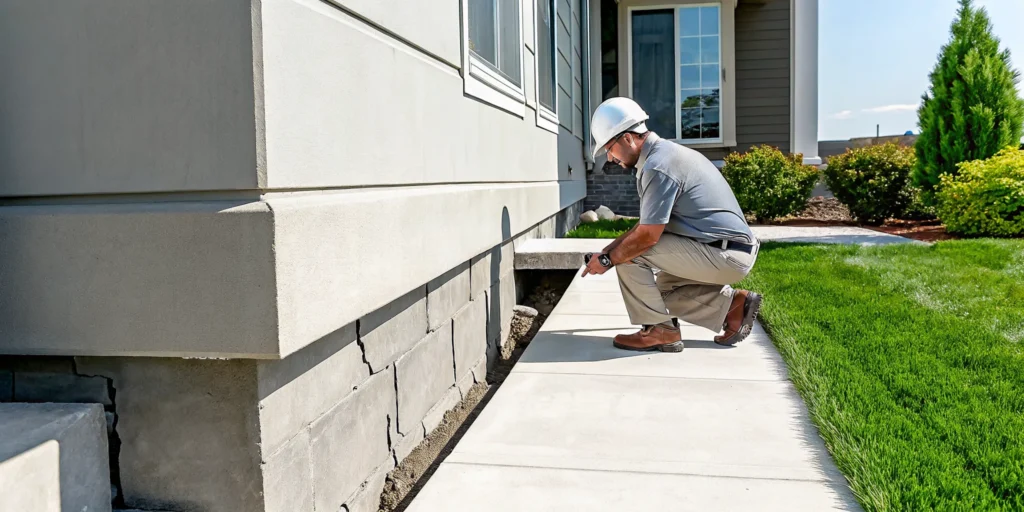
That sinking feeling you get when you spot a stair-step crack in your brick is completely normal, especially when you have a “For Sale” sign ready for the yard. The uncertainty can be overwhelming, leaving you with one big question: “should I repair foundation cracks before selling my house?” It’s tempting to ignore it and hope for the best, but that approach often leads to more stress down the line when inspectors flag the issue and buyers walk away. This guide is here to give you a clear path forward. We’ll break down the problem, the solutions, and the impact on your sale, helping you move past the panic and make an informed, confident decision.
Key Takeaways
- Selling as-is often costs more than the repair: Listing your home with foundation issues shrinks your buyer pool and typically leads to price reductions that are much larger than the actual cost to fix the problem.
- Repairing before you list is a smart investment: A completed repair with a transferable warranty helps you sell for full market value, attracts a wider range of buyers, and makes the entire closing process smoother.
- A professional estimate is your best tool: Texas law requires you to disclose foundation problems, so getting an expert inspection and a clear estimate empowers you to be transparent, negotiate effectively, and make a confident decision.
How to Spot a Serious Foundation Crack
Finding a crack in your foundation can feel like a major setback, especially when you’re getting ready to sell your home. But before you panic, it’s important to know that not all cracks signal a disaster. Some are perfectly normal, while others are your home’s way of telling you it needs help. The key is learning to tell the difference. By paying attention to a few specific signs inside and outside your house, you can get a much clearer picture of what you’re dealing with and decide on your next steps.
Minor vs. Major: What’s the Difference?
At a glance, one crack can look a lot like another, but there are huge differences between a minor cosmetic issue and a sign of structural trouble. Small, thin cracks (less than 1/4 inch wide) in a concrete slab or wall are often just shrinkage cracks from the concrete curing. They’re usually not a cause for concern. The red flags are cracks that are wide, growing, or running in specific patterns. Horizontal cracks in a foundation wall or stair-step cracks in brickwork are much more likely to indicate serious problems with foundation movement. The location matters, too. A crack that runs across the ceiling and down a wall is more worrisome than one isolated in a corner.
Warning Signs Inside Your Home
Sometimes the most obvious signs of foundation trouble aren’t in the foundation at all. Your home’s entire structure rests on its foundation, so when something shifts below, you’ll see the effects throughout the house. Pay attention to doors and windows that suddenly stick or won’t close properly; this can happen when the frames are twisted out of square. Look for new or expanding cracks in your drywall, especially over doorways and windows. Sloping floors, gaps between the wall and the ceiling, or cracked tiles on a hard floor are also common indicators. These are all clues that your home’s frame is under stress from a shifting foundation, and you can see how we’ve addressed these issues in our work.
Warning Signs Outside Your Home
Take a walk around your property and look closely at the exterior. Are there visible cracks in the exterior brick or foundation wall? Again, pay attention to the direction: horizontal or stair-step cracks are the most concerning. You might also notice your chimney is leaning away from the house or that your foundation walls appear to be bowing inward or outward. These are signs of pressure building up against your foundation, often from soil expansion and poor drainage. Something as simple as water pooling near your foundation can create immense pressure over time, so it’s a critical area to inspect. If you see these signs, it’s a strong signal that your foundation is experiencing movement.
When to Call a Professional
If you’ve spotted any of the major warning signs, it’s time to stop guessing and bring in an expert. While it’s great to be informed, only a trained professional can accurately diagnose the cause and severity of a foundation issue. Trying to DIY a fix or ignoring the problem will only lead to more significant and expensive damage down the road, which can complicate a home sale. A professional inspection will give you a clear understanding of what’s happening beneath your home. If you’re in the Dallas area and have concerns, the best first step is to get a free, no-obligation estimate from our team. We can assess the situation and give you a straightforward plan for any necessary repairs.
How Foundation Issues Impact Your Home Sale
Selling a home is a big undertaking, and discovering a foundation problem can feel like a major setback. It’s more than just a cosmetic flaw; it’s a structural issue that can have a ripple effect on your entire home sale process. From the initial listing price to the final closing, foundation damage can create significant hurdles. Understanding these impacts ahead of time helps you make a clear-headed decision about how to proceed. It affects your home’s value, how buyers perceive your property, and even whether they can secure a loan to buy it.
The Financial Hit: How Cracks Affect Your Closing Price
Let’s talk numbers. Selling a home with known foundation problems almost always means taking a financial hit. Because many mortgage lenders are hesitant to finance a home with structural defects, your pool of potential buyers shrinks dramatically. You’re often left with cash buyers who know they have the upper hand and will expect a deep discount for taking on the risk and cost of repairs. Buyers may negotiate for a price reduction of anywhere from 10% to 30% or more, which can be a much larger amount than the actual cost of the repair itself.
How Buyers React to Foundation Problems
Put yourself in a buyer’s shoes. They’re looking for a safe, stable place to call home, not a major construction project. The words “foundation issues” can be terrifying and may cause even interested buyers to walk away. Most people want a home where the problems are already solved, especially something as critical as the foundation. Offering a home with a completed repair and a transferable warranty gives buyers peace of mind and helps them feel confident in their purchase. An unrepaired foundation, on the other hand, creates uncertainty and can overshadow all the other wonderful features of your home.
Why Lenders Dislike Unrepaired Foundations
It’s not just buyers who get nervous about foundation damage; lenders do, too. A mortgage lender is investing in your property, and they want to protect that investment. A home with a compromised foundation is seen as a high-risk asset. Financing can be harder to secure because the property may not pass the lender’s appraisal or inspection requirements. Many banks will simply refuse to issue a loan for a home with significant, unaddressed foundation issues, which circles back to why your buyer pool becomes so limited. This makes fixing the problem beforehand a much safer bet for a smooth transaction.
The Risks of Selling a Home with Foundation Issues
Selling a home is a big undertaking, and discovering a foundation issue can feel like a major setback. It’s tempting to list the house as-is, but this approach comes with significant risks. From scaring off potential buyers to taking a major financial hit, unresolved foundation problems can complicate your sale. Understanding these potential hurdles is the first step toward making a smart, strategic decision about how to handle repairs before you put that “For Sale” sign in the yard.
Facing Inspections and Appraisals
When you sell your home, you can expect an inspection and an appraisal. A professional inspector will spot foundation issues, and they are required to report them. This report goes straight to the buyer and their lender. Here’s the problem: many banks will not approve a mortgage for a home with significant structural defects. This dramatically shrinks your pool of potential buyers, leaving you with only those who can pay in cash. Suddenly, your home is off-limits to a huge portion of the market, making a quick and profitable sale much more difficult. A known need for foundation repair can stop a deal in its tracks before it even gets started.
Why Your Home Might Sit on the Market Longer
A home with known foundation issues often takes much longer to sell. Buyers and their agents can see how long a property has been listed, and a long “days on market” number is a red flag. It suggests that other potential buyers have seen the property and walked away, likely scared off by the prospect of expensive and complicated repairs. This stigma can be hard to shake. Even if you price the home lower, buyers may assume the problem is worse than it is. Your home could languish on the market, forcing you to consider further price drops just to attract any interest. Seeing examples of our work can show how manageable these problems are when handled by professionals.
Losing Your Negotiation Power
If you choose to sell with existing foundation damage, you hand over a powerful bargaining chip to the buyer. They know you’re in a tough spot and will likely use the issue to negotiate a much lower price. It’s common for buyers to ask for a price reduction that is significantly more than the actual repair cost, sometimes by 30% or more, to cover the perceived risk and inconvenience. You lose control of the negotiation and may end up accepting a lowball offer out of desperation. Getting a free estimate before you list allows you to contact us and negotiate from a position of knowledge, not fear.
What to Expect from Foundation Repair: Methods and Costs
Foundation repair can feel like a huge, mysterious expense, but it doesn’t have to be. Understanding the common methods and what influences the cost will help you make a clear-headed decision for your home. The right approach depends entirely on your home’s specific issue, which is why a professional evaluation is the best first step. Here’s a breakdown of what you can expect.
Sealing Cracks and Repairing Slabs
When you spot small cracks in your concrete slab, this is often the first line of defense. The process typically involves injecting a strong epoxy or polyurethane foam into the cracks. This not only seals them to prevent water from seeping in but also bonds the concrete back together, stopping the cracks from spreading. It’s a relatively quick and less invasive method of concrete repair that can prevent minor issues from turning into major headaches. This is a great solution for hairline fractures or small settlement cracks that aren’t threatening the overall structure of your home.
Pier and Beam Solutions
If your home is showing signs of major settling, like sloping floors or doors that stick, piering is a powerful solution. This method involves strategically placing steel or concrete piers deep into the ground beneath your foundation until they reach stable soil or bedrock. Hydraulic jacks then lift the foundation back to its original level, and the piers provide permanent support. This is a more involved type of foundation repair, but it addresses the root cause of settlement, ensuring a long-term fix for more serious structural problems.
Using Carbon Fiber for Reinforcement
When you see basement or retaining walls starting to bow or show horizontal cracks, it’s a sign of pressure from the surrounding soil. Carbon fiber reinforcement is a modern and highly effective way to counteract this. In this process, ultra-strong, lightweight carbon fiber straps are bonded to the interior of the wall. These straps stabilize the wall, preventing any further inward movement and reinforcing its structural integrity. It’s a fantastic, low-profile way to add incredible strength back to your walls without the need for major excavation.
Improving Drainage and Grading
Believe it or not, one of the most critical aspects of foundation health happens outside your home. Water is the number one enemy of foundations, and poor drainage is often the culprit behind many issues. Improving the grading so that the soil slopes away from your house, installing French drains, or simply extending your downspouts can make a world of difference. Directing water away prevents the soil from becoming oversaturated and expanding, which puts immense pressure on your foundation and can undermine other repairs.
Factors That Influence Repair Costs
There’s no single price tag for foundation repair because every home is unique. The final cost depends on several key things: the extent of the damage, how easy it is to access the problem area, your home’s foundation type, and the specific repair method required. A few small cracks will cost less to fix than a sinking corner that requires multiple piers. This is why getting a detailed, on-site evaluation is so important. A professional can assess the situation and explain your options, allowing you to get a clear picture of the investment. Many companies offer free estimates to help you understand the scope of the work.
Should You Repair Foundation Cracks Before Selling?
Deciding whether to fix foundation issues before putting your house on the market is one of the biggest financial questions you’ll face as a seller. It’s a choice between investing in a repair now or potentially taking a significant hit on your sale price later. There’s no single right answer for everyone, but understanding the pros and cons can help you make the best decision for your situation. Let’s walk through what you need to consider.
The Pros of Repairing Before You List
Tackling foundation repair before you list your home is almost always a smart financial move. A repaired foundation helps you get the full market value for your property. When buyers see evidence of foundation problems, they see risk and dollar signs. More importantly, their lenders see it too. Most banks are hesitant to finance a home with known structural issues, which can shrink your pool of potential buyers down to cash investors who will expect a major discount. By fixing the problem, you present a solid, move-in-ready home that appeals to a wider audience and allows you to command a higher asking price.
The Cons of Repairing Before You List
The two biggest hurdles to repairing your foundation before a sale are time and money. A repair project can delay your listing, and it does require an upfront investment. While the cost varies depending on the extent of the damage, it’s a significant expense to plan for. However, it’s crucial to weigh this cost against the potential loss in your home’s value. The discount a buyer will demand for an unrepaired foundation is often much greater than the actual cost of the repair. If the upfront expense is a concern, exploring financing options can make the repair manageable without sacrificing your home’s equity.
When It Might Make Sense to Sell As-Is
Selling your home “as-is” might be your only option if you absolutely cannot afford the repair. If you go this route, you need to be prepared for the financial consequences. You will have to lower your asking price, and not just by the amount of the repair estimate. Buyers will want an additional discount to compensate for the time, effort, and uncertainty of managing the repair themselves. Selling as-is usually means a longer time on the market and a much lower final sale price. Before you decide, it’s wise to get a professional estimate so you know exactly what numbers you’re working with. You can contact us for a free, no-obligation assessment.
What Are Your Options as a Seller?
Discovering a foundation problem right before you plan to sell can feel overwhelming, but you have a few solid paths forward. The choice you make will depend on your financial situation, your timeline, and how you want to position your home in the market. Let’s walk through your main choices so you can decide which one is the right fit for you.
Option 1: Repair Before Listing
Fixing the foundation before your home hits the market is often the most straightforward approach. When you handle the foundation repair upfront, you can list your home for its full market value. This removes a major point of friction for potential buyers, who overwhelmingly prefer a home that’s move-in ready.
A completed repair, especially one that comes with a transferable warranty, is a powerful selling point. It gives buyers peace of mind and shows that you’ve been a responsible homeowner. Instead of seeing a problem, they see a home that has been properly maintained. This can lead to more offers, a faster sale, and a much smoother closing process.
Option 2: Sell As-Is and Adjust the Price
Selling your home “as-is” means you won’t perform any repairs, and the buyer accepts the property in its current condition. While this lets you avoid the upfront cost and effort of repairs, it almost always comes with a significant financial hit. Buyers who are willing to take on a major project like foundation repair expect a deep discount for the risk and hassle.
You can expect buyers to negotiate the price down by 10% to 50%, an amount that is often much higher than the actual repair cost. This option also shrinks your pool of potential buyers, as many will be deterred by the uncertainty or unable to secure a loan for a home with known structural issues. To understand the potential price drop, you can get a free estimate for the needed work.
Option 3: Offer a Credit at Closing
If you don’t have the cash on hand to pay for repairs before selling, offering a credit at closing can be a good middle ground. With this strategy, you get a professional repair estimate from a reputable company and offer that amount to the buyer as a credit. The buyer can then use those funds to handle the repair after they take ownership.
This shows good faith and removes the cost barrier for the buyer. However, it doesn’t completely remove the hassle factor. Some buyers may still be hesitant to manage the repair process themselves. While it’s a better option than simply selling as-is, it may not be as appealing as a fully repaired home with a warranty already in place. It’s a practical alternative if upfront financing for the repair isn’t an option for you.
Do You Have to Disclose Foundation Issues in Texas?
If you’re getting ready to sell your home, you might be wondering what you legally have to share about its history, especially when it comes to foundation problems. The short answer is yes, you absolutely have to disclose them. In Texas, transparency isn’t just good practice; it’s the law. Being upfront about foundation issues protects you from future legal headaches and helps build trust with potential buyers from the very start. It shows you’re an honest seller, which can make the entire sales process smoother for everyone involved.
Understanding Texas Disclosure Laws
Texas law requires sellers to provide a “Seller’s Disclosure Notice” to potential buyers. This document is your formal opportunity to list any known defects or issues with the property, and that includes foundation problems. Whether you had a crack repaired five years ago or you’ve just noticed doors starting to stick, you must report it. This applies to any problem, past or present, that you are aware of. The goal is to give the buyer a complete picture of the home’s condition. While it might feel counterintuitive to point out flaws, disclosing a known issue and having a plan for foundation repair is much better than hiding it.
The Consequences of Non-Disclosure
Trying to hide a foundation problem is a risky move that can have serious legal and financial fallout. If a buyer discovers an issue after the sale that you knew about but didn’t disclose, they can sue you. The court could order you to pay for the full cost of the repairs, cover the buyer’s legal fees, or in some cases, even void the sale entirely. Beyond the legal trouble, your reputation is on the line. Word travels fast in real estate, and you don’t want to be known as a dishonest seller. It’s always better to be transparent and work with a reputable company that stands by its work, which is a core part of our company philosophy.
How to Talk to Buyers About Foundation Repairs
When you disclose foundation issues, the best approach is complete honesty. Don’t just check a box on a form; provide buyers with all the information you have. Start by getting a professional evaluation. We can provide a detailed report outlining the problem and a clear estimate for the necessary repairs. Share this documentation with potential buyers. If you’ve already completed the repairs, give them copies of the work order, the payment receipt, and most importantly, the transferable warranty. This paperwork transforms a potential problem into a resolved issue, giving buyers peace of mind and showing them the home has been properly maintained. Ready to get started? You can contact us for a free, no-obligation estimate.
How to Choose the Right Foundation Repair Company
Choosing a foundation repair contractor is a big decision, especially with a potential home sale on the line. You’re not just hiring someone to fix a problem; you’re entrusting them with your home’s structural integrity and, ultimately, its value. The right partner will provide a lasting solution and the documentation you need for a smooth sale. The wrong one can create even bigger headaches. Taking the time to vet your options carefully will give you confidence in the repair and peace of mind when you list your home.
What to Look For in a Contractor
When you start your search, focus on finding a contractor with a proven track record. Look for a company that is fully licensed and insured to work in your area. This protects you from liability and ensures they meet professional standards. Experience is also critical, particularly with the unique soil conditions we have here in the Dallas area. You want experienced, skilled professionals who have seen it all and know which repair methods work best locally. Check online reviews and ask for references to get a feel for their reputation. A trustworthy company will be transparent about their process and use patented, proven products to ensure the repair lasts.
Key Questions to Ask Before You Hire
Before you sign any contracts, it’s smart to get written estimates from a few different companies. This helps you compare not just the price, but the proposed solution. Don’t hesitate to ask detailed questions to make sure you’re comfortable with their plan. A good contractor will be happy to explain everything.
Here are a few key questions to ask:
- What repair method do you recommend for my foundation, and why is it the best choice?
- Can you provide a detailed, written estimate for the project?
- How long will the repair take, and what does the process involve?
- What kind of warranty do you offer, and is it transferable to a new homeowner?
Asking these questions helps you find a reliable partner and lets you get a free estimate with a full understanding of the work ahead.
Why Warranties and Paperwork Matter for the Sale
Once the repair is complete, the paperwork becomes one of your most valuable assets. A transferable warranty is a powerful selling point that offers potential buyers significant peace of mind. It shows that a professional company stands behind its work, which can ease concerns and make your home more attractive than a property with a questionable repair history. Be sure to keep all documentation, including the initial assessment, the contract, and the final warranty information. This file provides clear proof of the completed work and helps you justify your asking price. When you can show buyers that the foundation issue was handled correctly by experts, it removes a major hurdle in negotiations.
Make an Informed Decision Before You List
Deciding whether to fix foundation cracks before putting your house on the market is a big question, and the answer can seriously affect your bottom line. While it might seem easier to sell as-is, it’s important to understand how foundation issues can impact your sale.
Here’s the reality: most banks are hesitant to finance a home with known structural problems. This often shrinks your pool of potential buyers down to just those who can pay in cash. When you’re only dealing with cash buyers, you give up a lot of negotiating power, which almost always leads to a lower sale price. Buyers know they have the upper hand and will likely use the foundation damage to negotiate a steep discount, sometimes asking for 10% to 50% off your asking price.
To get a clear picture of your situation, a great first step is to get a professional opinion. An expert can inspect the damage and give you a detailed report on the necessary foundation repairs. This isn’t just about knowing the cost; it’s about having facts you can use. Many companies, including ours, offer a free estimate so you can understand the scope of the work without any initial investment. Having this report shows potential buyers you’ve addressed the issue head-on, which builds trust and transparency.
Ultimately, investing in repairs before you list can make your home more attractive to a wider range of buyers, prevent lowball offers, and help you avoid major financial hits at the closing table. Think of it as taking control of the narrative so you can sell your home faster and for a better price.
Related Articles
- Foundation Repair Cost: The Ultimate 2026 Guide
- Foundation Repair – Solid Base
- Foundation Crack Repair: A DIY vs. Pro Guide
- A Homeowner’s Guide to Foundation Repair Services
- Ultimate Guide to Foundation Repair Options
Frequently Asked Questions
I found a crack in my foundation. Does this mean my house has a major problem? Not necessarily. Many homes have small, thin cracks that are a normal part of the concrete curing process and aren’t a cause for alarm. The cracks that signal a potential issue are typically wider than a quarter-inch, run horizontally, or appear in a stair-step pattern in brick. The best way to know for sure is to have a professional take a look. An expert can tell you if it’s a simple cosmetic issue or a sign of something that needs attention.
Is it really worth the cost to repair my foundation before selling? In most cases, yes. While it is an upfront investment, the discount a buyer will demand for an unrepaired foundation is often much greater than the actual cost of the repair. Fixing the issue beforehand allows you to list your home for its full market value, attract a wider range of buyers (including those who need a mortgage), and avoid stressful, lowball negotiations. A completed repair with a warranty is a strong selling point that gives buyers confidence.
What if I can’t afford the upfront cost of a repair? This is a common concern, and you still have good options. One strategy is to get a professional repair estimate and offer that amount as a credit to the buyer at closing. This shows you’re acting in good faith, though some buyers may still be hesitant to manage the project themselves. It’s also worth looking into financing options for the repair, which can make the cost more manageable and allow you to secure a higher sale price for your home.
Do I legally have to tell potential buyers about past or present foundation issues? Yes, in Texas, you are legally required to disclose any known defects, including foundation problems, on the Seller’s Disclosure Notice. Being transparent is not only the law, but it also protects you from potential lawsuits after the sale. More importantly, it builds trust. When you disclose an issue and provide documentation showing it was professionally repaired, you turn a potential negative into a positive feature that demonstrates you’ve cared for the home.
How long does a typical foundation repair take? The timeline depends entirely on the type and extent of the repair. Sealing minor cracks can often be done in less than a day. More significant work, like installing piers to stabilize a settling foundation, might take a few days to a week. While it does require a short-term project, this is often much faster and less stressful than having your home sit on the market for months because buyers are scared off by an unresolved structural issue.