
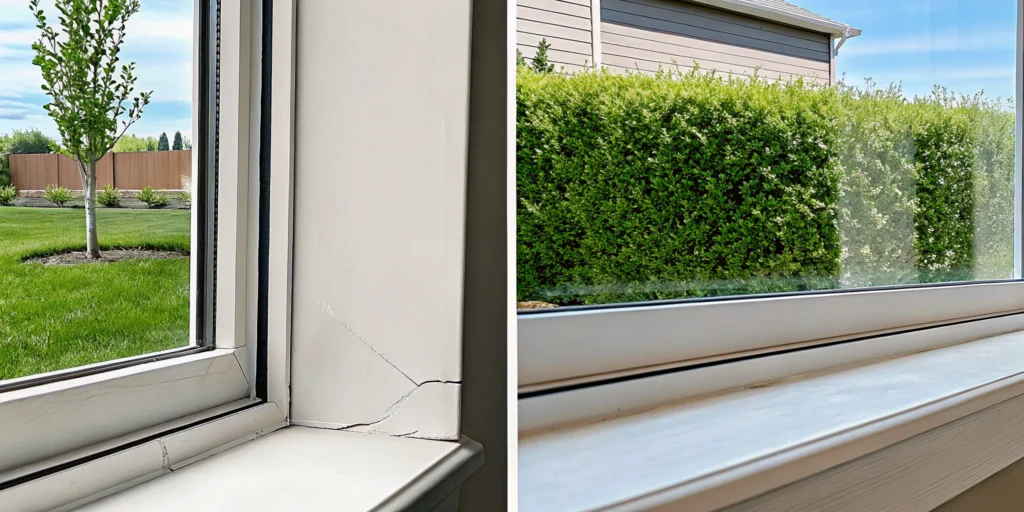
Think of the gaps around your windows as a fever for your house. They are not the illness itself, but a clear symptom that something is wrong internally. The actual problem is often a shifting or settling foundation, which throws your home’s entire structure out of alignment. This pressure warps the window frames, creating those visible openings. Simply filling the gap won’t cure the problem. The real question you should be asking is, can foundation repair fix gaps around windows by treating the underlying cause? The answer is a definitive yes, as it realigns the structure from the ground up.
Key Takeaways
- Look Beyond the Gap: Spaces between your window and the wall are rarely just a window problem; they are often a clear warning sign of foundation movement, especially in the Dallas area where expansive clay soil is common.
- Don’t Just Cover the Problem: Using caulk to fill a structural gap is only a temporary cosmetic fix. It does nothing to address the underlying foundation shift, which allows the real issue to become more severe and costly over time.
- Take Action to Prevent Bigger Issues: When you notice warning signs, the best approach is to document the issues, schedule a professional inspection, and get a clear estimate. Addressing foundation problems early is always more manageable and protects your home’s long-term value.
What’s Causing the Gaps Around Your Windows?
Seeing a gap form between your window frame and the wall can be unsettling. You might also notice your windows are suddenly harder to open and close. It’s easy to wonder if this is just a normal quirk of an aging house or a sign of something more serious brewing beneath the surface. While a little settling is normal for any home, significant gaps often point to an underlying issue with your home’s foundation. Understanding the cause is the first step toward finding the right solution and getting peace of mind.
Normal Settling vs. a Foundation Problem
Every house settles over time. This might create tiny, hairline cracks in the drywall, but it shouldn’t cause noticeable gaps around your windows. When you see space opening up where the wall meets the frame, it’s often a signal that your foundation is moving or sinking unevenly. These gaps are more than just an eyesore; they can let in drafts and water, leading to higher energy bills and potential moisture damage. Many homeowners hesitate to investigate, worried about the cost and hassle of a major repair. But ignoring the signs of a foundation problem won’t make it go away, and finding out for sure is the only way to protect your home.
How Dallas-Area Clay Soil Complicates Things
Here in the Dallas area, our homes sit on expansive clay soil, which is a major factor in foundation issues. This type of soil acts like a sponge, swelling dramatically when it absorbs water and shrinking just as much when it dries out. This constant cycle of expansion and contraction puts incredible stress on your foundation. It’s a common myth that only older homes are at risk; this soil movement affects new construction just as much. As the ground shifts, it can cause your foundation to move, throwing the entire structure of your home out of alignment. This is what creates those visible gaps around windows and doors, a clear sign that your home is responding to the unstable ground it sits on. As local experts, we understand the unique challenges our service area faces.
How Foundation Issues Create Window Gaps
Think of your home’s foundation as the sturdy base for everything built on top of it. When that base moves, it doesn’t happen in isolation. The entire structure of your house, from the floors to the roof, is connected. So, when the ground beneath your home shifts, the effects can ripple upward, often showing up in the most rigid parts of your walls: the window and door frames. Those frustrating gaps you’re seeing aren’t just a problem with the window itself; they are often a direct symptom of a deeper issue happening below your feet. Understanding this connection is the first step toward finding a real, lasting solution.
The Link Between a Shifting Foundation and Warped Frames
Your home’s frame is designed to be square and level. When your foundation experiences uneven settling, it puts immense stress on this frame, forcing it to twist and contort. Window and door frames are particularly vulnerable to this pressure. As the house shifts, the openings for your windows can become distorted, pulling the frame away from the wall and creating visible gaps. These gaps do more than just look bad; they create drafts that make your HVAC system work overtime, leading to higher energy bills. They also break the seal that keeps moisture and pests out of your home. A proper foundation repair can address the source of the movement and help prevent these issues from getting worse.
Other Telltale Signs of Foundation Trouble
Gaps around your windows rarely appear alone. They are usually part of a larger pattern of symptoms that point to foundation movement. Take a walk around your home and see if you notice any other red flags. Are your doors suddenly difficult to latch or open? Do you see new cracks in your drywall, especially over doorways or where walls meet the ceiling? Other common signs include sloping floors that feel uneven underfoot or cracks appearing in your exterior brickwork. If your window gaps are accompanied by one or more of these issues, it’s a strong indicator that your foundation is the root cause.
Is Caulk a Real Solution for Window Gaps?
When you spot a gap between your window frame and the wall, it’s tempting to reach for a tube of caulk. It seems like a quick, easy, and cheap fix. And while caulk has its place, it’s important to understand what it can and can’t do. Using it to fill a gap caused by a shifting foundation is like putting a bandage on a broken bone. It might cover the problem for a little while, but it does absolutely nothing to heal the underlying injury.
The truth is, if your home’s foundation is moving, that gap is a symptom of a much larger issue. Simply filling it with caulk won’t stop the movement. Before you know it, that caulk line will crack, the gap will reappear (and likely be bigger), and you’ll be right back where you started, only with a foundation problem that has had more time to get worse.
The Truth About Caulk and Other Temporary Fixes
Let’s be clear: caulk and weather stripping are great for sealing small drafts around windows and doors that are otherwise structurally sound. They are designed to improve energy efficiency by closing tiny openings. However, they are only temporary fixes when the gap is a sign of movement. If you can fit a pencil in the gap or notice the frame is no longer square, caulk is not the answer. It’s a cosmetic patch that hides the visual evidence without addressing the structural stress your home is under. The pressure causing that gap will continue, and the temporary seal will eventually fail.
The Hidden Dangers of Masking the Real Problem
Covering up a window gap with caulk might give you temporary peace of mind, but it allows the real problem to grow unnoticed. Those visible gaps are often a clear signal that your foundation is shifting. By masking this warning sign, you lose the ability to monitor the issue. Meanwhile, the foundation movement continues, potentially leading to more severe problems like cracked walls, uneven floors, and doors that won’t close properly. Ignoring the root cause only ensures that the eventual foundation repair will be more extensive and costly. It’s always better to address the source of the problem instead of just hiding the symptoms.
Can Foundation Repair Correct Gaps Around Windows?
Yes, absolutely. In fact, correcting those frustrating gaps around your windows and doors is one of the most satisfying results of a professional foundation repair. When you see a gap forming, it’s a clear signal that your home’s frame is being pulled out of alignment by a shifting foundation. Simply caulking the gap is like putting a bandage on a broken bone; it hides the symptom without addressing the actual problem.
True foundation repair goes to the source. By stabilizing and correcting the foundation itself, the entire structure of your home can be realigned. This process allows window and door frames to return to their proper positions, often closing the gaps completely. It’s not magic, it’s just good engineering. Let’s walk through how it works and what you can expect from a lasting solution.
How Professional Repair Realigns Your Home
When your foundation settles or shifts, it doesn’t move in isolation. It takes the entire frame of your house with it. This movement puts immense stress on your walls, floors, and ceilings, causing window and door frames to warp and pull away from the structure. That’s why you see those gaps appear. Professional foundation repair works by lifting and securing the settled parts of your foundation. As the foundation is carefully returned to a more level position, the strain on your home’s frame is relieved. This allows the structure to settle back into its intended alignment, effectively closing the gaps around your windows and doors.
Proven Methods for a Lasting Solution
Ignoring foundation issues is a recipe for bigger, more expensive problems down the road. A professional inspection can identify the specific cause of the movement and determine the best course of action. At Solid Base, we use patented, proven products and techniques like underpinning with steel piers to provide a permanent solution. These methods involve driving piers deep into the ground until they reach stable soil or bedrock. Hydraulic jacks then lift the foundation, and the structure is secured. This isn’t a temporary patch; it’s a lasting fix that stabilizes your home for the long haul.
What to Expect After Your Foundation Is Repaired
Once your foundation is stabilized, you’ll notice immediate improvements. Those sticky doors should swing freely again, and the gaps around your windows will shrink or disappear entirely. While the primary goal is to secure the structure, these cosmetic fixes are a welcome bonus. The repair addresses the root cause, ensuring your home remains strong and steady. You can finally have peace of mind knowing the problem is solved, not just covered up. If you’re ready to see what a real solution looks like, you can schedule a free estimate to have an expert assess your home.
What Happens If You Ignore Gaps Around Windows?
It’s tempting to see a gap around a window frame and think, “I’ll get to that later.” A little caulk, a bit of paint, and it’s out of sight, out of mind. But those gaps are often your home’s way of telling you something much bigger is going on beneath the surface. Ignoring them doesn’t just postpone a small cosmetic fix; it allows a potentially serious and expensive problem to grow. When your foundation is the root cause, putting off repairs can lead to a cascade of issues that affect your home’s safety, your wallet, and its overall value.
The Risk of Water Damage, Mold, and Higher Bills
Those small gaps around your windows are open invitations for trouble. When the foundation moves, it can create openings that let in air and water. Here in the Dallas area, we get our fair share of heavy rain, and that moisture will find its way inside. This can lead to serious water damage and mold growth inside your walls, which is not only damaging to your home’s structure but also a health risk for your family. On top of that, those same gaps compromise your home’s insulation. Your air conditioner has to work overtime to keep your home cool in the summer, and your heater runs constantly in the winter, all leading to noticeably higher energy bills month after month.
How Minor Issues Become Major Structural Damage
Many people believe foundation problems will sort themselves out, but that’s unfortunately not the case. The reality is that ignoring foundation issues only makes them worse, leading to much higher repair costs down the road. What starts as a hairline crack or a small window gap can evolve into major structural damage. Over time, you might see doors that won’t close, sloping floors, and large, sprawling cracks in your walls or ceilings. Addressing a problem when it’s small is always more manageable and affordable than waiting until it becomes a crisis. You can see examples of the kinds of extensive problems we fix on our past projects page.
The Impact on Your Home’s Value
Your home is one of your biggest investments, and foundation problems directly threaten its value. Gaps around windows and doors are major red flags for potential buyers and home inspectors. These visible signs of trouble suggest that expensive, underlying issues are present, which can scare buyers away or lead to lowball offers. Even if you’re not planning to sell soon, these problems can ultimately affect your home’s value by a significant amount. Investing in a proper foundation repair isn’t just an expense; it’s a crucial step in protecting your property’s long-term worth. We even offer financing options to help make this essential work more accessible.
When Is It Time to Call a Professional?
It can be tricky to know if that little crack or sticky window is just a normal part of your house settling or a sign of something more serious. Most homes shift a bit over time, but certain symptoms point directly to foundation trouble that needs an expert eye. The key is learning to spot the difference. Paying attention to these warning signs and acting on them early can save you a lot of stress and money down the road.
If you’re seeing changes around your home, especially in the Dallas area where clay soil can cause so much movement, it’s always better to be safe than sorry. A small issue left alone can quickly grow into a major structural problem. Knowing when to stop wondering and start calling a professional is the first step toward protecting your home’s stability and value.
How to Assess the Gaps
Take a close look at the gaps around your windows and doors. Are they new? Are they getting wider? Visible gaps between the wall and the frame are a classic sign that your foundation is shifting. You might notice that a window that used to close smoothly now sticks, or you can see daylight peeking through the side of an exterior door. These gaps aren’t just an eyesore; they can let in drafts and moisture, leading to higher energy bills and potential water damage. If the gaps are uneven or more pronounced on one side, it’s a strong signal that part of your foundation is moving differently than the rest.
Other Red Flags to Watch For
Gaps around windows rarely appear alone. Walk through your home and look for other clues that point to a foundation issue. Do you have doors that jam or don’t latch properly anymore? Have you noticed cracks spreading across your drywall, especially over doorways or where walls meet the ceiling? Outside, check for cracks in your brick or concrete slab. Uneven or sloping floors are another major red flag. If you feel like you’re walking slightly uphill in your own hallway, it’s a clear indication that your home’s structure is no longer level and needs professional foundation repair.
Why Waiting Only Costs You More
It’s tempting to ignore small signs and hope they go away, but with foundation issues, waiting is the worst thing you can do. A small shift today can lead to significant structural failure over time. Ignoring the problem only allows the damage to worsen, which means the eventual repair will be more complex and expensive. What starts as a simple window gap can lead to serious water intrusion, mold growth, and even pest infestations. A professional inspection can identify the root cause of the problem early, preventing minor issues from becoming major catastrophes. Getting an expert opinion is the most effective way to protect your investment and ensure your home is safe.
Suspect Foundation Issues? Here’s What to Do Next.
Seeing gaps around your windows or cracks in your walls can be unsettling. It’s easy to feel overwhelmed, but taking a calm, step-by-step approach will help you find the right solution. Instead of worrying, you can take control by gathering information and calling in the right help. Here’s a simple, three-step plan to follow if you think your home’s foundation might be in trouble.
Step 1: Document the Cracks and Other Symptoms
Before you pick up the phone, take a walk around your property and become a detective in your own home. Grab your phone and take clear pictures of the gaps around your windows, any wall cracks you see, or doors that no longer latch properly. Make a note of where these issues are and when you first noticed them. Having this detailed record provides valuable information when you discuss the necessary foundation repair with a professional. This simple step ensures you have a productive conversation and can point an expert directly to your areas of concern.
Step 2: Schedule a Professional Foundation Inspection
Once you have your notes and photos, it’s time to bring in an expert. While your documentation is helpful, only a trained professional can accurately diagnose the root cause of the problem. An experienced inspector can tell the difference between minor, cosmetic settling and a significant structural issue that needs attention. They have the tools and knowledge to assess the entire situation, from the soil around your home to the integrity of the structure itself. Scheduling an inspection is a proactive step that replaces uncertainty with facts. Our team of experienced professionals can give you the peace of mind that comes from knowing exactly what you’re dealing with.
Step 3: Get Your Free Estimate from Solid Base Foundations
After a thorough inspection, the final step is to get a clear, detailed plan of action. A professional estimate should outline the specific problem, the recommended solution, and the exact cost. At Solid Base, we provide free, no-obligation estimates so you can make an informed decision without any pressure. This transparent process helps you understand the scope of the work. We know that cost is a concern, which is why we also offer straightforward financing options. Don’t let fear of the unknown stop you from protecting your home. Contact us today to get your free estimate and take the first step toward a secure, stable foundation.
Related Articles
- How to Fill Large Cracks in Concrete Like a Pro
- Foundation Crack Repair: A DIY vs. Pro Guide
- Foundation Repair Cost: The Ultimate 2026 Guide
- Pier & Beam Foundation Repair: Signs, Costs & Fixes
- Ultimate Guide to Foundation Repair Options
Frequently Asked Questions
Are small cracks around my windows always a sign of a foundation problem? Not always. Tiny, hairline cracks can sometimes be a result of your house settling naturally over time or even from changes in humidity. The real cause for concern is when you see a pattern. Look for cracks that are getting longer or wider, cracks that are diagonal, or gaps that appear between the window frame and the wall. If that small crack is joined by a window that’s suddenly hard to open, it’s a strong hint that the issue is more than just cosmetic.
My house is brand new. Can it still have foundation issues causing these gaps? Yes, it absolutely can. It’s a common misconception that foundation problems only happen to older homes. Here in the Dallas area, the expansive clay soil is the main culprit. This soil swells and shrinks dramatically with moisture changes, putting stress on any foundation, regardless of its age. This movement can cause a new home’s structure to shift, leading to those telltale gaps around windows and doors.
If foundation repair closes the window gaps, will I still need to do other repairs? Foundation repair is designed to address the root cause by stabilizing your home’s structure. As the foundation is lifted and secured, you will likely see gaps around windows and doors close significantly. However, the primary goal is structural stability. You may still need to do some minor cosmetic work afterward, like patching small drywall cracks that appeared or touching up paint. The good news is that the repair stops the problem from getting worse, so your cosmetic fixes will actually last.
What if I only have one sticky window but no other signs? Should I still be concerned? One sticky window on its own might not be a five-alarm fire, but it’s definitely something to keep an eye on. Foundation problems often start small and develop slowly. That single sticky window could be the very first sign that part of your foundation is beginning to shift. The best approach is to be proactive. Note its location and check for other subtle clues, like minor cracks or a door that doesn’t latch as easily as it used to. If you’re worried, a professional inspection is the only way to know for sure.
How can I tell if a window gap is from foundation movement or just a bad window installation? This is a great question. A poor installation might cause a window to be drafty or not operate smoothly, but the problem will be isolated to that specific window. When foundation movement is the cause, you’ll usually see other symptoms around the house. Look for cracks in the drywall over that window or other doors, doors that stick in different rooms, or floors that feel uneven. A foundation issue affects the entire structure, so the evidence is rarely confined to just one spot.