
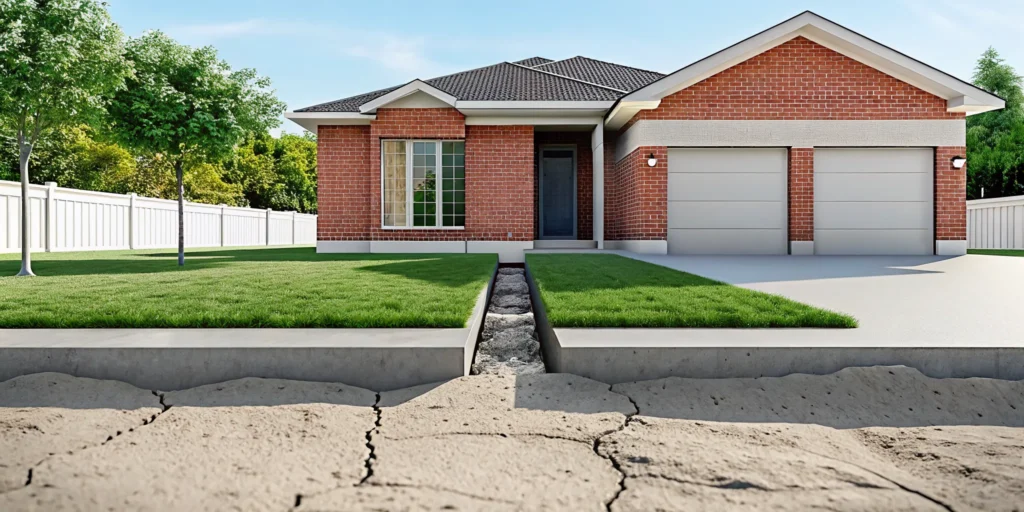
That new crack zig-zagging up your brick wall or the bedroom door that now sticks for no reason can feel unsettling. Your home is your sanctuary, and these little changes can make it feel like something is seriously wrong. These aren’t just random quirks of an aging house; they are often signals that your foundation is under stress. In North Texas, the culprit is almost always the aggressive clay soil beneath us. Many homeowners ask, can clay soil cause foundation damage in DFW that leads to these specific problems? Absolutely. This soil is constantly moving, and your home’s rigid foundation is caught in the middle. We’ll help you decode these warning signs and understand what your house is trying to tell you.
Key Takeaways
- Understand the soil’s behavior: The expansive clay soil in DFW is the root of the problem, swelling when wet and shrinking when dry. This constant movement puts immense, uneven stress on your home’s rigid foundation.
- Control the water around your home: Maintaining consistent soil moisture is the most effective way to protect your foundation. Use soaker hoses during droughts and improve drainage with clean gutters to prevent the extreme shrink-swell cycle.
- Don’t ignore the warning signs: Cracks in brick, sticking doors, and uneven floors are your home’s way of signaling a problem. Addressing these signs early by calling a professional can save you significant stress and money on future repairs.
Why Is DFW Clay Soil So Damaging?
If you’re a homeowner in the Dallas-Fort Worth area, you’ve likely heard that our local soil is the source of many foundation headaches. It’s not just a myth; the ground beneath our feet has unique properties that make it particularly challenging for building structures. This soil is the primary reason so many homes in North Texas experience foundation problems over time. Understanding what makes our soil so aggressive is the first step in protecting your home from potential damage. The issue isn’t the quality of your home’s construction but the powerful, natural forces at work in the earth itself.
The Science Behind Expansive Clay
Much of North Texas sits on a type of soil known as Vertisol, often called Blackland Prairie clay. What makes this soil so problematic is a specific mineral it contains called montmorillonite. You can think of this mineral as a tiny, powerful sponge. When it gets wet, it absorbs a massive amount of water relative to its size, causing the entire soil volume to swell. This characteristic is why geologists and foundation experts refer to it as expansive clay soil. This natural tendency to expand when wet and shrink when dry is the root cause of the constant pressure exerted on your home’s foundation.
How Much Can Clay Soil Expand and Contract?
The change in soil volume isn’t just a minor shift. Expansive clay can swell by up to 30% when fully saturated and shrink by the same amount during the dry, hot Texas summers. This dramatic cycle of swelling and shrinking creates immense and relentless pressure on your foundation. When the soil swells, it can lift parts of your foundation upwards. When it dries and contracts, it can pull away, leaving sections of your foundation unsupported and causing them to sink or settle. Over time, this constant movement can lead to cracks and instability, requiring professional foundation repair to restore your home’s structural integrity.
How the Shrink-Swell Cycle Harms Your Foundation
Think of the clay soil under your home as a massive, unpredictable sponge. The expansive clay common in the Dallas-Fort Worth area is constantly changing volume based on how much water it holds. This endless cycle of swelling when wet and shrinking when dry puts incredible stress on your home’s rigid foundation. Over time, this movement can lead to significant structural problems that require professional attention. Understanding how this process works is the first step to protecting your home.
What Happens During Heavy Rain
When heavy rains soak North Texas, our clay soil goes into expansion mode. This soil contains a mineral called montmorillonite, which is exceptionally good at absorbing water. As the soil soaks up moisture, it can swell dramatically, pushing upward against your foundation with immense force. This pressure is rarely uniform across the entire slab. Water often collects in certain spots, like near downspouts or in low-lying areas of your yard, causing those sections of your foundation to be pushed up more than others. This uneven upward movement is called upheaval, and it’s a primary cause of foundation stress.
What Happens During a Drought
During our hot, dry summers, the opposite occurs. The Texas sun bakes the moisture out of the clay soil, causing it to shrink and harden. As the soil contracts, it pulls away from the edges and underside of your foundation, creating gaps. This leaves parts of your foundation without the support it needs to carry the weight of your home. When the ground supporting your house disappears, gravity takes over, and the foundation can begin to sink or settle into these newly formed voids. This settling process is what leads to many of the classic signs of foundation trouble.
Why the DFW Climate Worsens the Problem
The Dallas-Fort Worth climate creates a perfect storm for foundation issues. We experience periods of intense rainfall followed by long stretches of hot, dry weather. This pattern forces the soil through extreme shrink-swell cycles year after year. The constant push and pull on your home is relentless. The foundation is lifted during the wet season and then drops during the dry season. This perpetual motion is what ultimately causes concrete to crack and structural integrity to weaken. If you’re noticing the effects of this cycle, it may be time to look into professional foundation repair to stabilize your home.
Warning Signs of Foundation Damage
Your home often gives you subtle hints before a big problem becomes obvious. When it comes to your foundation, the first clues usually appear inside your house, not in the ground beneath it. Paying attention to these early warning signs can save you a lot of stress and money down the road. Think of it as a routine health checkup for your home. If you notice any of the following issues, it doesn’t automatically mean disaster. It just means it’s time to take a closer look and figure out what your house is trying to tell you.
Cracks in Walls, Ceilings, or Brick
Small, hairline cracks can be a normal part of a house settling, but certain types of cracks are a red flag for foundation movement. Take a walk through your home and look for cracks in the drywall, especially those extending from the corners of door and window frames. On the outside, check your brick or stone for “stair-step” cracks that follow the mortar lines. These specific patterns often indicate that the foundation is shifting or settling unevenly, putting stress on your home’s structure. Noticing them early is the first step toward addressing the root cause.
Doors and Windows That Stick
We’ve all dealt with a wooden door that swells and sticks on a humid day. But if your doors or windows are suddenly difficult to open and close year-round, your foundation might be the culprit. When the foundation moves, it can warp the frames of your doors and windows, causing them to jam or not latch properly. You might also notice that a door swings open or closed on its own. If a door that once fit perfectly now has uneven gaps around the edges, it’s a strong sign that something has shifted and a professional foundation repair evaluation is a good idea.
Uneven or Sloping Floors
Do you ever feel like you’re walking slightly uphill in your own hallway? Or have you noticed a marble or a toy rolling to one side of the room on its own? Uneven or sloping floors are a classic symptom of foundation problems. This happens when a section of your foundation either sinks (settles) or pushes upward (heaves) due to the expansion and contraction of our Texas clay soil. This can create low spots, high spots, or a general slope across a room. It’s a strange sensation, but it’s also a clear signal that your foundation needs attention.
Gaps Between Walls and Ceilings
Another telltale sign is when things that should be flush start pulling apart. Look for gaps forming between your walls and the ceiling, or between your floor and the baseboards. You might see your crown molding separating from the ceiling or notice that you can see daylight under a baseboard. These gaps appear when foundation movement causes the frame of your house to flex and shift. It’s a sign that different parts of your home are moving at different rates, and the structure is being pulled in different directions. These gaps often show up alongside other issues, like cracks and sticky doors.
Know Your Foundation’s Risk Factors
While the expansive clay soil is the underlying issue for most DFW homes, certain conditions can significantly increase your risk of foundation damage. Think of the shrink-swell cycle as the main problem, and these factors as things that make it much worse. The good news is that by understanding these risks, you can be more proactive in protecting your home. Some of these issues are easier to manage than others, but being aware of all of them is the first step toward keeping your foundation stable for years to come.
Poor Drainage
If you notice water pooling around your foundation after it rains, you have a drainage problem. This is one of the most common and damaging risk factors for a home sitting on clay soil. When water doesn’t drain away properly, it saturates the ground in specific areas. This causes the clay soil to swell up dramatically, pushing upward on that section of your foundation with immense force. While other parts of your foundation sit on drier, less-swollen soil, this uneven pressure can easily lead to cracks and settlement. Correcting poor drainage is often one of the most effective ways to prevent future foundation repair.
Trees Too Close to the House
We all love the shade from a beautiful, mature oak or pecan tree, but their powerful root systems can be a major threat to your foundation. Large trees are incredibly thirsty, drawing huge amounts of water from the soil. When a big tree is planted too close to your house, its roots can suck the moisture from underneath your foundation, causing the clay soil to shrink and crack. This creates a mini-drought under one part of your home, leading to uneven settling. The result is often the same as having poor drainage: one part of your foundation sinks while the rest stays put, causing serious structural stress.
Hidden Plumbing Leaks
A plumbing leak under your foundation slab is a silent but serious problem. You might not even know it’s happening until you see cracks in your walls. These hidden leaks create a constant source of moisture in one concentrated spot. This can cause two major issues. First, the water can oversaturate the clay soil, causing it to swell and heave upward. Second, a more significant leak can actually wash away the soil supporting your foundation, creating a void. Either way, the result is a loss of stable support, which can quickly lead to significant damage. If your water bill suddenly spikes for no reason, a hidden leak could be the culprit.
Extreme Moisture Changes
The North Texas climate itself is a major risk factor. Our weather patterns, with heavy spring rains followed by long, hot, and dry summers, are the perfect recipe for foundation trouble. This constant cycle of drenching and baking the ground forces the clay soil through extreme shifts. The soil swells dramatically during the wet season and then shrinks and pulls away from the foundation during droughts. This relentless back-and-forth movement puts constant stress on your home’s foundation. It’s this cycle that makes homes in our service area particularly vulnerable to foundation problems over time.
How to Protect Your Foundation
Living with clay soil doesn’t mean foundation problems are inevitable. Taking a few proactive steps can protect your home from the damaging shrink-swell cycle. Think of it as a simple home maintenance routine that can save you from costly repairs down the road. By managing water and being mindful of your landscaping, you can give your foundation the stable environment it needs to stay strong. Here are four key strategies you can implement to safeguard your biggest investment.
Maintain Consistent Soil Moisture
The main goal here is to keep the moisture level in the soil around your foundation as steady as possible all year. When the Texas heat sets in, the clay soil dries out and shrinks, pulling away from your foundation. You can prevent this by watering the soil during dry spells. The best way to do this is with soaker hoses placed about 18 to 24 inches away from your foundation’s edge. Water slowly and deeply to allow the moisture to penetrate without causing runoff. This simple habit helps prevent the soil from shrinking and creating gaps that can lead to foundation settlement.
Improve Your Yard’s Drainage
Just as you want to add water during a drought, you need to manage excess water during heavy rains. The key is to ensure water flows away from your home, not toward it. Check that the ground around your foundation slopes downward, guiding rainwater away. It’s also crucial to keep your gutters clean and free of debris. Clogged gutters can cause water to overflow and pool right next to your foundation, saturating the clay soil. Adding downspout extensions can direct that water several feet away, preventing the soil from swelling and putting pressure on your foundation walls. Proper drainage is a critical part of any foundation repair prevention plan.
Landscape Strategically
The trees and shrubs that make your yard beautiful can sometimes be a hidden threat to your foundation. Large plants, especially those with extensive root systems, draw a significant amount of moisture from the soil. If they are planted too close to your house, their roots can dry out the soil under your foundation, causing it to shrink and settle unevenly. As a general rule, avoid planting large trees near your home. If you already have mature trees nearby, a professional can install a root barrier to stop the roots from growing under your foundation and disrupting the soil’s moisture content.
Schedule a Professional Inspection
Even with diligent maintenance, it’s important to keep an eye out for trouble. If you start noticing warning signs like cracks in your brick, sticking doors, or sloping floors, it’s time to call in an expert. A professional inspection can identify the root cause of the problem and determine the best course of action. An experienced team that understands DFW’s unique clay soil can provide an accurate assessment and recommend the right solutions. Don’t wait for a small issue to become a major problem; getting a professional opinion is the best way to ensure your home is on solid ground. You can contact us for a free estimate.
When to Call a Foundation Repair Pro
Even if you’ve been diligent with your watering schedule and drainage maintenance, DFW’s clay soil can still cause trouble. The key is to act as soon as you spot a problem. If you notice any of the warning signs we’ve talked about, like new cracks in your drywall, doors that suddenly stick, or floors that feel sloped, it’s time to call in a professional.
It’s tempting to wait and see if the problem gets worse, but with foundations, that’s a risky gamble. Small issues can quickly become major, expensive repairs. Addressing foundation problems early is almost always the more affordable and less disruptive path. Getting a professional foundation repair expert to take a look sooner rather than later can save you a lot of stress and money down the road.
An experienced team can give you a clear picture of what’s happening beneath your home. A professional inspection is about more than just spotting a crack; it’s about understanding the root cause, especially with our region’s tricky expansive clay soil. Experts can diagnose the extent of the issue and recommend the right solutions to secure your home for the long term.
If you’re seeing any of these red flags, don’t hesitate. A small concern is always worth checking out. Our team at Solid Base has seen it all when it comes to DFW foundations. We can provide a thorough inspection and a free, no-obligation estimate to give you peace of mind. When in doubt, it’s always best to contact us and let an expert take a look.
Related Articles
- Ultimate Guide to Foundation Repair Options
- Foundation Repair Cost: The Ultimate 2026 Guide
- Foundation Repair – Solid Base
- How to Fill Large Cracks in Concrete Like a Pro
- A Homeowner’s Guide to Foundation Repair Services
Frequently Asked Questions
Are small cracks in my walls always a sign of a major foundation problem? Not necessarily. Tiny, hairline cracks can be part of a home’s normal settling process. The cracks that signal a potential foundation issue are usually more distinct. Look for cracks that run diagonally from the corners of doors and windows, or “stair-step” cracks in your exterior brick. These specific patterns suggest the house’s frame is under stress from uneven movement, which is a good reason to get a professional opinion.
My house is brand new. Can it still have foundation issues? Unfortunately, yes. The age of your home has less to do with foundation risk than the ground it’s built on. Here in DFW, every structure sits on the same expansive clay soil. The shrink-swell cycle begins affecting a foundation from the moment construction is finished. While builders take precautions, the powerful forces of our local soil can still cause problems for new and old homes alike.
If I water my foundation during a drought, won’t that just make the clay swell and cause more problems? That’s a great question, and it gets to the heart of the issue. The goal of watering isn’t to saturate the ground but to maintain a consistent moisture level. During a drought, the soil shrinks and pulls away, leaving your foundation unsupported. By using soaker hoses to apply a small, steady amount of water, you are simply preventing that shrinkage. It’s about keeping the soil stable, not causing it to swell.
Can I just patch the cracks in my drywall and call it a day? You can, but it’s usually a temporary fix for a deeper problem. Patching a crack is a cosmetic repair that only hides the symptom. It doesn’t address the foundation movement that caused the crack in the first place. If the foundation continues to shift, that crack will likely reappear, or new ones will form elsewhere. It’s always better to address the root cause to prevent further damage.
Once a foundation is repaired, is it a permanent fix? A professional foundation repair is designed to be a long-term solution. The goal isn’t just to lift the house back into place but to stabilize it by addressing the interaction between the foundation and the soil. Methods like installing piers transfer the weight of your home to a more stable soil layer or bedrock, bypassing the volatile clay near the surface. This provides lasting support and prevents that section of the foundation from moving again.