
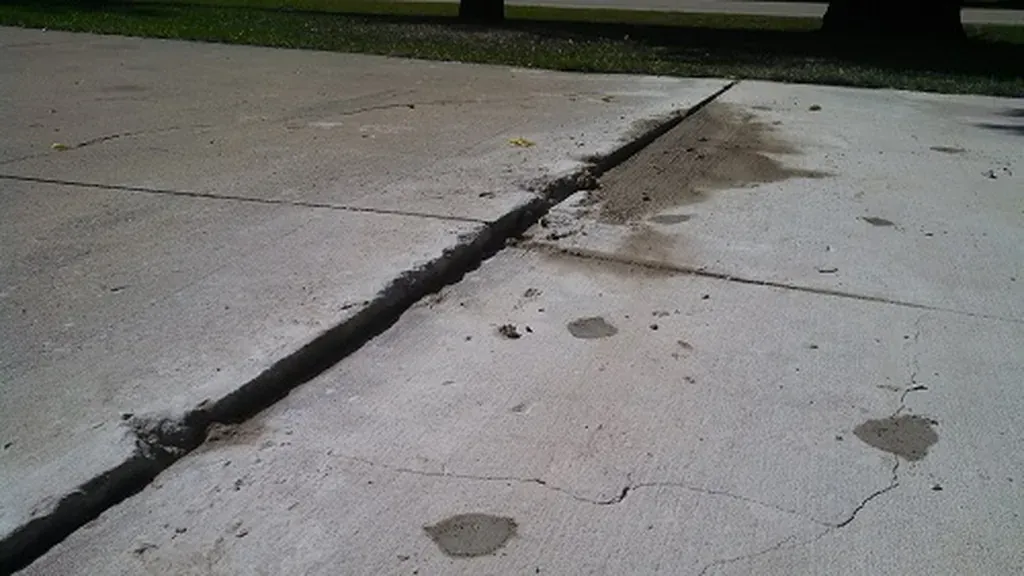
Concrete Leveling Cost in Dallas-Fort Worth
A sunken driveway panel, uneven sidewalk edge, or low patio slab can raise the same urgent question: what does concrete leveling cost in Dallas-Fort Worth? The honest answer starts with the slab, not a generic national price range. North Texas clay soil, drainage, hidden voids, access, concrete condition, and the amount of lift needed all shape a trustworthy estimate.
Request a free no-obligation concrete leveling estimate from Solid Base Foundations, or call 940-365-4221 to discuss a driveway, sidewalk, patio, pool deck, or slab concern.
Solid Base Foundations serves Greater Dallas homeowners with concrete repair guidance built around the actual site conditions, not one-size-fits-all pricing. This guide explains why concrete leveling estimates vary, how PolyLevel foam lifting compares with replacement and mudjacking. What homeowners should ask during an inspection, and when a slab may need a different repair path.
What does concrete leveling cost depend on in DFW?
Concrete leveling cost depends on how much support, lift, access, and repair planning the settled slab needs. In Dallas-Fort Worth, the same visible trip edge can reflect very different soil, drainage, and void conditions below the concrete. That is why an on-site estimate matters more than a generic price chart.
Concrete leveling cost is shaped by how much work is needed below and around the slab, not simply by the number of visible cracks. A short sidewalk section with a deep unsupported void can require more stabilization effort than a larger panel with minor settlement. That is why a responsible estimate starts with site conditions.
- Size of the settled area: Driveways, patios, walkways, pool decks, and garage-adjacent slabs each have different access and lift requirements.
- Depth and spread of voids: More empty space beneath the concrete can require more material to support the slab after lifting.
- Amount of lift needed: A slight trip edge is different from a slab that has settled enough to redirect water toward the home.
- Concrete condition: Leveling works best when the slab remains structurally sound enough to lift. Severely broken or crumbling sections may call for another solution.
- Drainage and soil behavior: North Texas clay soils shrink during dry periods and swell after rain. Water movement around the slab can worsen settlement and affect the repair plan.
- Site access: Tight side yards, fenced pool areas, landscaping, or other obstacles can affect how crews reach the work zone.
- Related concrete repair needs: Crack sealing or joint concerns may be reviewed separately from the lift itself.
This is also why Solid Base uses a free estimate model. A project-specific assessment produces a more useful cost conversation than a broad price promise that ignores the slab in front of you.
Homeowners should be cautious with any concrete leveling cost estimate that appears before the provider knows whether the slab is a compact walkway. A wide driveway panel, a pool-adjacent area with restricted access, or a surface affected by ongoing water flow. The visible dip tells only part of the story. The repair plan has to address what is no longer supporting the concrete.
Why North Texas soil changes the estimate
North Texas clay soil changes concrete leveling cost because it can shrink during dry stretches and swell again after rainfall. Those shifts can reduce support below slabs, worsen drainage patterns, and make two nearby concrete problems behave differently. A useful estimate connects the visible settlement to the local soil conditions around it.
Dallas-Fort Worth homeowners deal with concrete settlement in a region known for expansive clay soil. When that soil dries, it can contract and leave areas of reduced support. When moisture returns, it can swell unevenly. Over time, those changes may contribute to slabs that sink, tilt, or collect water in low spots.
Concrete leveling is not just a cosmetic fix. It can help restore safer transitions, improve surface drainage, and preserve slabs that are still good candidates for lifting. However, the estimate should account for what caused the movement. A quote that ignores drainage patterns, soil movement, or unsupported voids may not answer the homeowner’s real concern.
For broader repair context, Solid Base explains service options on its concrete repair page and details its foam lifting approach on the PolyLevel concrete leveling page.
Concrete leveling vs. replacement: which cost is smarter?
Concrete leveling and replacement solve different problems, so the smarter cost choice starts with slab condition. Leveling may fit settled concrete that remains liftable and worth preserving. Replacement is more appropriate when the slab itself is too deteriorated, broken, or unsuitable for a reliable lift.
Replacement and leveling solve different problems. Replacement removes and repours concrete. Leveling attempts to raise and support the existing slab when it is still a suitable candidate. The right choice depends on slab condition, safety concerns, drainage, and the long-term goal for the area.
| Decision point | Concrete leveling | Concrete replacement |
|---|---|---|
| Best fit | Settled but liftable slabs that need support and elevation correction | Concrete that is badly deteriorated, extensively broken, or otherwise not a good lift candidate |
| Disruption | Uses targeted access points and keeps the existing slab in place | Requires demolition, disposal, site prep, and new concrete placement |
| Return to use | PolyLevel can cure in about 15 minutes, according to Solid Base’s service guidance | New concrete generally requires a longer curing window before normal use |
| Cost conversation | Driven by voids, lift amount, slab access, and material needs | Driven by demolition, hauling, base prep, formwork, concrete volume, and finishing |
If the slab is still structurally sound, leveling may preserve what is already there with less disruption. If the concrete is failing as a material, replacement may be the more realistic path. The estimate should distinguish those cases instead of forcing every project into the same bucket.
How PolyLevel affects concrete leveling cost and value
PolyLevel affects the cost conversation by pairing slab lifting with a lightweight polyurethane foam designed to fill voids and help support settled concrete. For many Dallas-area homeowners, the value question is not only price. It is also disruption, return-to-use timing, and whether the repair method matches the slab.
Solid Base Foundations uses PolyLevel, a polyurethane foam injection method designed to lift and stabilize settled concrete. The material is injected beneath the slab, expands to fill voids, and helps raise the surface toward a more usable position. Solid Base notes that PolyLevel uses smaller injection holes than traditional mudjacking and cures in about 15 minutes, helping many concrete areas return to service quickly.
The material choice influences value as well as price. PolyLevel is designed to be lightweight and waterproof, which matters when homeowners are comparing it with heavier fill-based approaches. That does not mean every slab has the same cost or that every project is a leveling candidate. It means the estimate should explain why a chosen method fits the specific slab and site conditions.
See how Solid Base uses PolyLevel for concrete leveling in Greater Dallas if you want the repair-method details before scheduling an inspection.
What areas of a property are commonly leveled?
Concrete leveling estimates commonly involve driveways, sidewalks, patios, pool decks, and other settled slabs that affect daily use. These surfaces may look similar from above, but each can have different access needs, drainage concerns, and safety priorities. That is why contractors review the exact area before defining the scope.
Homeowners usually start asking about concrete leveling cost after noticing a safety issue, drainage issue, or curb appeal problem in a high-use area. During an estimate, the contractor may review one or more of these surfaces:
- Driveways: Settled panels can create uncomfortable vehicle transitions, uneven seams, or drainage concerns.
- Sidewalks and front walks: Raised or sunken edges can become trip hazards near entrances and pedestrian paths.
- Patios: Settlement can make outdoor furniture unstable or encourage water to pond near living areas.
- Pool decks: Uneven sections near pools deserve careful review because safety and water management both matter.
- Concrete slabs near the home: When surfaces move near foundations, homeowners often want the contractor to explain whether the concern is isolated concrete settlement or part of a larger structural issue.
If your concrete concern sits close to the house, it can also be useful to review Solid Base’s foundation repair services so you understand the distinction between slab lifting and structural foundation work.
What should a concrete leveling estimate include?
A strong concrete leveling estimate explains the slab symptoms, likely contributing conditions, recommended repair method, and realistic outcome. It should help a homeowner compare complete scopes of work instead of comparing isolated bottom-line numbers. Clear estimate details make the next decision more informed and less reactive.
A strong estimate helps homeowners compare repair plans, not just numbers. Before approving work, ask whether the proposal clearly addresses the settled area, likely cause, method, scope, and any related risks. Useful estimate details include:
- Observed symptoms: Which slabs are low, tilted, cracked, or holding water?
- Recommended method: Why is leveling, PolyLevel, replacement, or another concrete repair path being recommended?
- Scope boundaries: Which panels or surfaces are included, and which areas are excluded?
- Site factors: Did the inspection note drainage, voids, access concerns, or nearby structures?
- Expected outcome: What improvement is reasonable, and what cannot be promised because of slab condition?
- Scheduling and use: How soon can the area return to normal use after the repair?
- Next-step questions: If the slab is not a leveling candidate, what alternative is recommended?
This checklist keeps the conversation grounded. It also helps homeowners avoid comparing an incomplete quote with a more thorough one as if they cover the same work.
Can financing matter when comparing repair options?
Financing can matter when the recommended repair solves a real safety, drainage, or usability issue but competes with other household priorities. It does not replace a clear project estimate. Instead, it may help a homeowner understand timing and scope after the repair path itself has been explained.
Concrete work can compete with many other home priorities, especially when settlement affects a large driveway, a pool deck, or multiple hardscape areas at once. Solid Base lists financing as an available resource for qualifying projects, which may help some homeowners evaluate timing and scope more comfortably.
Financing should not replace a clear estimate, but it can be part of the decision if the recommended repair solves a real safety, drainage, or usability concern. Review the available information on the financing page, then ask how it may apply to your project during the estimate process.
When is leveling not the right answer?
Concrete leveling is not the right answer when the concrete is too deteriorated to lift reliably. When the visible symptom points to a separate drainage concern, or when movement near the home deserves a broader structural review. A responsible recommendation identifies those limits instead of forcing every slab into one repair category.
Concrete leveling is useful, but it is not a universal fix. A contractor may recommend another route when the concrete is too damaged to lift reliably, when the surface has significant material failure. Or when the visible slab issue points to a separate foundation or drainage concern that needs attention first.
Watch for cases where:
- Large sections are broken into unstable pieces rather than settled as intact panels.
- Concrete has severe deterioration that lifting will not correct.
- The main problem is active water management rather than slab elevation alone.
- Movement near the structure raises questions better answered through a broader foundation assessment.
Request a free estimate or call 940-365-4221 when you want a local review of whether your slab is a leveling candidate, a replacement candidate, or part of a larger repair concern.
How to prepare for a concrete leveling appointment
Preparing for a concrete leveling appointment does not require a diagnosis. A homeowner can make the visit more useful by noting where settlement appears, where water gathers after rain. When the concern became noticeable, and which surfaces create the biggest safety or use issue.
You do not need to diagnose the problem before calling, but a few details can make the inspection more productive. Note where water collects after rain, when you first noticed the settlement, whether the slab has changed recently, and which areas create the biggest safety or use concern. If multiple surfaces are affected, point them out together so the estimator can view the pattern.
It also helps to ask direct questions:
- What appears to be driving the settlement?
- Why is this method a fit for my slab?
- What does the estimate include?
- What should I expect on repair day?
- What signs would suggest a different concrete or foundation solution?
Solid Base serves homeowners across its Greater Dallas service area, including communities where clay soil movement and seasonal moisture swings are familiar concerns.
Concrete leveling cost FAQs
Why can two concrete leveling quotes look very different?
They may not cover the same scope. One quote may address a smaller area, use a different method, ignore related drainage concerns, or assume less void-filling material. Compare the repair plan, not just the bottom-line number.
Is concrete leveling always cheaper than replacement?
Not always, because the right option depends on slab condition and project goals. When the slab is a suitable lift candidate, leveling can often reduce demolition and disruption. If the slab itself is too deteriorated, replacement may be the more appropriate recommendation.
Does PolyLevel work for driveways, sidewalks, patios, and pool decks?
Solid Base presents PolyLevel as a concrete lifting solution for common settled residential surfaces, including driveways, walkways, patios, pool decks, and slabs. A site inspection confirms whether a specific surface is a good candidate.
How fast can repaired concrete be used again?
Solid Base states that PolyLevel can cure in about 15 minutes. Exact job timing and return-to-use guidance should still be confirmed during the estimate and repair process.
Can I get a concrete leveling cost without an inspection?
You can ask general questions, but a reliable project quote requires looking at the slab. The amount of settlement, site access, and what is happening beneath or around the concrete. Solid Base offers free no-obligation estimates for that reason.
Get a Dallas-Fort Worth concrete leveling estimate
The best way to understand concrete leveling cost is to connect the price to the actual repair scope. In Dallas-Fort Worth, that means accounting for slab condition, clay-soil behavior, drainage, voids, access, and the method selected for the work. A clear estimate should explain what will be repaired, why the method fits, and what outcome is realistic.
Contact Solid Base Foundations for a free concrete leveling estimate, or call 940-365-4221 to discuss the settled concrete around your home.