
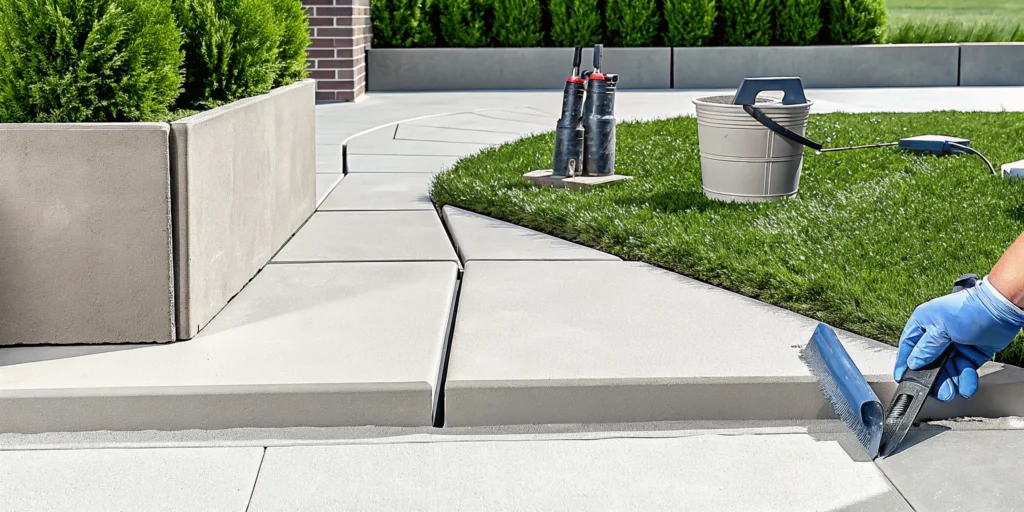
Living in North Texas means dealing with unique challenges, and our expansive clay soil is at the top of the list for homeowners. This soil swells with rain and shrinks dramatically in the heat, putting immense stress on everything built on top of it. This constant movement is a primary reason we see so much cracked concrete on driveways, sidewalks, and foundations across the Dallas area. This guide is written specifically for you, the local homeowner. We’ll explain how our environment affects your property, what to look for in a crack, and the most effective ways to fix it for good.
Key Takeaways
- Identify the Cause First: Before you fix a crack, understand why it happened. Common culprits include natural shrinkage as concrete cures, expansion from Texas heat, and shifting soil, each requiring a different approach.
- Size and Level Matter: A crack’s width and evenness are your best clues to its severity. Thin, surface-level cracks are often just cosmetic, while wide, deep, or uneven cracks signal a more serious issue that needs a professional look.
- Know Your Limits: You can repair minor hairline cracks yourself, but attempting to fix a structural problem can make it worse. If a crack is wide, uneven, or growing, calling a professional is the smartest move to protect your property.
Why Does Concrete Crack?
Seeing a crack snake across your once-perfect driveway or patio can be frustrating. You might wonder if you did something wrong, but the truth is, concrete cracks for many reasons, and most of them have nothing to do with you. From the day it’s poured, concrete is subject to forces like weather, ground movement, and natural changes within the material itself. Understanding what causes these cracks is the first step in figuring out how to handle them.
The Curing Process and Shrinkage
Believe it or not, concrete starts changing the moment it’s mixed. As it hardens, a process called curing, the water inside begins to evaporate. This causes the concrete to shrink slightly. If the slab can’t move freely to accommodate this shrinkage, tension builds up and can create small, web-like cracks on the surface. These are often called shrinkage cracks and are a very common, and often cosmetic, part of concrete’s life cycle. While they might not look great, they are a natural result of how the material settles and dries.
Texas Heat and Temperature Swings
Here in Texas, we know all about intense heat. Concrete feels it, too. When the sun beats down, concrete expands. As temperatures drop overnight, it contracts. This constant cycle of expansion and contraction puts a huge amount of stress on the material. Over time, this thermal stress can weaken the concrete and lead to cracking, especially if the slab doesn’t have proper joints to absorb the movement. While other climates worry about freeze-thaw cycles, our primary concern is the relentless swing from hot to cool, which can be just as damaging.
Shifting Soil and Ground Movement
The ground beneath your concrete slab is its foundation. If that ground isn’t stable, your concrete won’t be either. The Dallas area is known for its expansive clay soils, which act like a sponge. They swell up with moisture when it rains and shrink dramatically during dry spells. This constant soil movement can cause the slab above to shift, settle unevenly, and ultimately crack under the pressure. This is one of the most common causes of significant structural cracks and a leading reason homeowners need foundation repair.
Too Much Weight and Heavy Loads
Concrete is strong, but it has its limits. Every slab is designed to support a certain amount of weight, known as its load-bearing capacity. If you place something too heavy on it, like a large delivery truck or a heavy-duty RV on a standard residential driveway, you can exceed that limit. The immense pressure can cause the concrete to fracture. This is why it’s important to know what your concrete was designed for. If you notice cracks appearing after placing a heavy object on the surface, you may need professional concrete repair to restore its integrity.
What Kind of Crack Is It? A Quick Guide
Not all cracks are created equal. Before you can decide on a fix, you need to play detective and figure out what kind of crack you’re looking at. Is it a simple cosmetic flaw or a sign of a deeper issue lurking beneath the surface? Understanding the difference is the first step toward a lasting solution. Let’s walk through the most common types you might find in your driveway, patio, or garage floor. Each one tells a different story about what’s happening with your concrete and the ground it sits on.
Hairline Cracks
These are the super-thin, web-like cracks you might see on the surface of your concrete. As the name suggests, they are often as fine as a strand of hair. Hairline cracks are usually caused by the concrete shrinking as it cures and dries. While they can be an eyesore, they typically aren’t a structural concern right away. You should keep an eye on them, though. If they start to widen, collect a lot of dirt, or become a tripping hazard, it’s a good idea to seal them to prevent moisture from getting in and causing more problems down the road.
Structural Cracks
If you see a crack that’s wider than a credit card, you’re likely looking at a structural crack. These are the more serious kind. They often run through the entire depth of the concrete slab and can be a sign of significant stress or foundation movement. You might see that one side of the crack is higher than the other, which is a major red flag. Ignoring a structural crack is not a good idea, as it can lead to further damage and more expensive fixes. This is the point where a professional concrete repair is your best bet to address the root cause.
Settlement Cracks
Settlement cracks appear when the ground underneath your concrete slab gives way. This happens when the soil wasn’t compacted properly before the concrete was poured, or when soil erosion washes away the support. As part of the ground sinks, the concrete slab above it cracks under its own weight. These cracks often appear in a diagonal pattern and can be accompanied by a noticeable dip or unevenness in the surface. Because this issue is tied to the stability of the ground, it can sometimes point to a larger foundation repair problem that needs an expert assessment.
Heaving Cracks
Heaving is the opposite of settling. Instead of sinking, the ground pushes the concrete slab upward, causing it to crack. In Texas, this is often caused by the expansion of clay soils as they absorb moisture during our rainy seasons. Tree roots growing under a slab can also cause heaving. The result is a raised area of concrete, almost like a mini-hill, with cracks radiating outward. Heaving can create serious trip hazards and put a lot of stress on your concrete, so it’s important to address the underlying cause of the upward pressure.
Is This Crack a Big Deal?
Finding a crack in your concrete can feel a little stressful. Your mind might jump to the worst-case scenario, but take a breath. Not all cracks signal a major disaster. Some are perfectly normal, while others are your foundation’s way of telling you it needs help. The trick is learning how to tell the difference. By looking closely at the crack’s size, shape, and location, you can get a pretty good idea of whether you’re dealing with a simple cosmetic flaw or a symptom of a deeper issue. Let’s walk through what to look for so you can assess the situation with confidence.
When It’s Just a Cosmetic Issue
It’s common for new concrete to develop small, thin cracks as it cures. These are called hairline cracks, and they usually happen as the concrete dries, hardens, and shrinks. Think of them as stretch marks. These tiny cracks are often just on the surface and don’t mean there’s a structural problem. While they aren’t a major threat, it’s still a good idea to seal them to prevent water from seeping in and making them larger over time. A simple sealant can keep a small issue from growing, and our team can help you with professional-grade concrete repair to make that surface look new again.
Red Flags That Point to a Bigger Problem
On the other hand, some cracks are clear warning signs. If you see a crack that’s wider than a credit card, it’s time to pay attention. Cracks that run deep through the entire slab, or where one side of the crack is higher than the other, are definite red flags. This unevenness, called displacement, often indicates the ground underneath is shifting and the slab is no longer supported properly. If you notice a crack is getting longer or wider over time, that’s another sign of an active, ongoing problem. These types of issues rarely fix themselves and often point to underlying foundation repair needs.
What to Check: Width, Depth, and Location
Grab a quarter. If a crack is wider than 1/8 of an inch (about the thickness of two quarters stacked together), it’s wide enough to let a significant amount of water in. Here in Texas, that water can cause the soil to expand and contract, making the crack worse. Also, consider the depth. A shallow, surface-level crack is less concerning than one that appears to go all the way through the concrete. Finally, look at the location. Cracks in the middle of a slab are more worrisome than cracks that follow the control joints, which were put there specifically to guide cracking. If your inspection reveals wide, deep, or uneven cracks, it’s best to get a professional opinion. You can contact us for a free, no-obligation estimate.
Your Step-by-Step Guide to DIY Concrete Crack Repair
Seeing a crack in your concrete can be a little alarming, but many small cracks are something you can handle yourself with a trip to the hardware store and a bit of patience. This guide will walk you through fixing those minor, cosmetic cracks in your driveway, patio, or garage floor. Think of it as a weekend project that can make a big difference in the look and longevity of your concrete surfaces. This advice is for small, non-structural cracks that are mostly an eyesore.
Before you start, it’s important to know what you’re looking at. If you’re dealing with a large, wide crack, or if one side of the crack is higher than the other, that’s a sign of a deeper issue. In those cases, it’s best to skip the DIY and get a professional assessment to protect your property. For everything else, let’s get started on your repair.
Gather Your Tools and Materials
Before you begin, it’s best to have everything you need laid out and ready to go. A little preparation makes the whole process smoother. You’ll want to grab some safety glasses and work gloves first. Then, gather a wire brush, a hammer and chisel (or a grinder with a V-shaped wheel), a shop vacuum or stiff brush, a standard caulk gun, and a putty knife. For materials, you’ll need your chosen concrete filler and, if you’re using a polyurethane product, some acetone for cleanup. Having everything within arm’s reach means you won’t have to stop mid-project to search for a tool.
Step 1: Prep the Crack
This is the most important step for a repair that lasts, so don’t rush it. First, use your wire brush to clean out any dirt, loose concrete, or debris from inside the crack. A shop vacuum is great for getting every last bit of dust out. Next, you’ll want to widen the base of the crack slightly to create a V-shape. You can do this with a hammer and chisel. This technique, called “keying,” gives the filler more surface area to grab onto, creating a much stronger bond. A clean, well-prepped crack is the foundation for a successful repair.
Step 2: Pick the Right Filler
Not all fillers are created equal, and the right one depends on the size and location of your crack. For small, hairline cracks (less than 1/4-inch wide), a flexible concrete caulk or a latex-based repair compound is usually perfect. For anything larger, you’ll need something with more body, like a polyurethane-based sealant or a cement-based mortar mix. Also, consider the location. For flat surfaces like a garage floor, a self-leveling sealant works wonders by filling the crack and creating a smooth finish on its own. For vertical surfaces or sloped driveways, you’ll need a non-sag formula that will stay put.
Step 3: Fill and Seal the Crack
With your crack prepped and your filler chosen, it’s time for the main event. If you’re using a caulk tube, load it into your caulk gun and apply a steady bead of the sealant deep into the crack. You want to fill it from the bottom up to avoid air bubbles. Don’t underfill it, but don’t overfill it either. Apply just enough so the filler is flush with or slightly above the concrete surface. Then, use your putty knife to smooth the filler and scrape away any excess for a clean, professional-looking finish.
Step 4: Let It Cure
Patience is a virtue, especially when it comes to concrete repair. Your freshly filled crack needs time to cure and harden properly. Most products need at least 24 hours before they can handle foot traffic, and you should wait even longer before driving a car over the area. The specific curing time depends on the product, temperature, and humidity, so always read the manufacturer’s instructions on the label. Resisting the urge to test it too soon will ensure your hard work pays off with a durable, long-lasting repair.
Common DIY Mistakes to Avoid
Two common missteps can turn a simple repair into a recurring headache. The first is skimping on prep work. If you don’t thoroughly clean the crack, the new filler won’t adhere properly. Any remaining dust or debris will create a weak spot, and it’s only a matter of time before the repair fails and the crack reappears. The second mistake is using the wrong product. Applying a simple caulk to a wide, deep crack is like putting a bandage on a broken bone; it’s just not strong enough to do the job, and the crack will quickly return.
Know When to Call for Backup
Knowing your limits is the smartest thing you can do as a homeowner. If a crack is wider than a quarter-inch, continues to grow, or has one side that is higher than the other, it’s a sign of a potential structural issue. These aren’t just cosmetic problems; they could point to shifting soil or foundation settlement. Trying to DIY a fix for a structural problem can often do more harm than good. If you notice any of these red flags, it’s time to put down the caulk gun and get a professional opinion. Our team specializes in concrete repair and can diagnose the root cause to ensure your home is on solid ground.
How to Prevent Concrete Cracks in the First Place
An ounce of prevention is worth a pound of cure, especially when it comes to your home’s concrete surfaces. While we can fix almost any crack, it’s always better to avoid them from the start. If you’re planning a new patio, driveway, or walkway, paying close attention to a few key details during the installation process can save you a lot of headaches and money down the road. These steps are crucial for ensuring your concrete stays strong, stable, and smooth for years to come, giving you a solid return on your investment. Taking the time to do it right the first time means you get to enjoy your beautiful new concrete without worrying about premature damage. From the ground underneath to the final finishing touches, every step plays a part in creating a surface that can withstand Texas weather and daily use. Let’s walk through the key preventative measures that make all the difference between a slab that lasts a few years and one that lasts for decades.
Start with a Solid Base
The name of our company says it all. A strong concrete slab needs an equally strong foundation beneath it. Before any concrete is poured, the ground must be properly compacted and prepared for our local soil types here in the Dallas area. Loose or poorly prepared ground can shift and settle over time, putting uneven stress on the slab above and causing it to crack under the pressure. Ensuring the ground is firm, level, and graded correctly is the first and most critical step in creating durable, long-lasting concrete work. Our team of professionals has deep experience with Texas soil and understands exactly how to prepare the ground to provide a stable base that will stand the test of time.
Use Control and Expansion Joints
You’ve probably seen those straight lines cut into sidewalks and large driveways. Those are control joints, and they serve a very important purpose. Concrete naturally shrinks as it cures, and these planned grooves give it a designated, weakened place to crack. This controls the location of the crack, keeping it in a straight, clean line instead of letting it spiderweb across the surface. A good rule of thumb is to space joints 2 to 3 feet apart for every inch of concrete thickness. Expansion joints are also vital, creating a small gap between a new slab and an existing structure (like your house foundation) to allow both to expand and contract with temperature changes without damaging each other.
Manage Water and Drainage
Water is both a friend and foe to concrete. During the mixing phase, it’s tempting to add extra water to make the concrete easier to pour, but this is a major mistake. Too much water significantly weakens the final product. As all that excess water evaporates, the slab shrinks more than it should, pulling itself apart and causing a web of cracks. It’s also vital to manage water around the slab after it’s poured. Proper grading and drainage systems prevent water from pooling or eroding the soil underneath the concrete, which can cause it to sink and crack. If you suspect water issues are causing problems, our concrete repair services can help diagnose and fix the source.
Pour Concrete in the Right Conditions
Here in Texas, we know a thing or two about intense heat. Pouring concrete on a scorching hot, dry, or windy day is a recipe for trouble. These conditions cause the water on the surface to evaporate far too quickly. This rapid drying doesn’t give the concrete enough time to cure properly and gain strength, leading to shrinkage cracks before the slab has even fully hardened. The ideal time to pour is on a cooler, calmer, and more overcast day. This allows the concrete to cure slowly and evenly, a process that is essential for it to reach its maximum strength and long-term durability. Waiting for the right weather window makes a huge difference.
Seal Your Concrete Regularly
Think of concrete sealer as a protective shield for your driveway, patio, or pool deck. Applying a quality sealer every few years is one of the best and easiest ways to maintain your concrete. It works by penetrating the surface and blocking the pores, which prevents water, oil, and other chemicals from soaking in and causing damage from within. Sealing also protects against UV rays and makes the surface easier to clean. This simple, proactive maintenance step can prevent small hairline cracks from forming and turning into bigger problems. If you have questions about the right sealer for your surface or want a professional to handle it, feel free to contact us for advice.
When Is It Time to Call a Pro?
While tackling a DIY project can be satisfying, some concrete cracks are more than just a cosmetic issue. They can be symptoms of a deeper problem that a simple patch job won’t fix. Calling a professional isn’t admitting defeat; it’s making a smart decision to protect your property’s value and safety. An expert can diagnose the root cause of the crack, whether it’s shifting soil, water issues, or something else entirely. This ensures you get a lasting solution instead of a temporary fix that you’ll have to deal with again in a few months.
Think of it this way: you could spend your weekend trying to patch a crack, only to see it return. Or, you could have a specialist take a look and give you a clear path forward, along with the peace of mind that the job is done right. For significant cracks, a professional assessment is the first step toward a permanent repair. It saves you time, prevents potential headaches, and addresses the actual problem, not just the visible crack.
Signs Your Crack Needs an Expert
It can be tricky to know when a crack is a simple fix or a sign of trouble. Here are a few clear indicators that it’s time to put down the DIY tools and call a professional. If the crack is wider than a credit card, it suggests a more serious issue than simple shrinkage. You should also be concerned if one side of the crack is higher than the other. This unevenness points to shifting or settling that needs to be addressed. If you notice the crack is actively growing or water is seeping through, it’s a clear signal that the problem could worsen and potentially lead to more significant foundation repair.
What to Expect During a Professional Assessment
When you call a professional, they’ll do more than just glance at the crack. A thorough assessment involves looking at the bigger picture to understand why the crack appeared in the first place. An expert will examine the crack’s size, depth, and location, and check the surrounding area for other signs of stress or movement. They will identify the root cause, whether it’s soil settlement, water drainage problems, or structural strain. Based on this evaluation, they can recommend a targeted, long-term solution. For a comprehensive look at your property, you can schedule a free estimate to get a clear understanding of the issue and the steps needed to fix it correctly.
How We Handle Concrete Repair in the Dallas Area
In the Dallas area, we know that our unique soil and weather conditions demand a specific approach. We don’t just fill a crack; we provide a complete solution. Our process starts with identifying and addressing the underlying cause to prevent the crack from returning. We then prepare the crack and use high-quality, flexible materials to seal it. This method ensures the repair can withstand temperature changes and ground movement without failing. Our goal is to restore the integrity and appearance of your concrete, providing a durable fix that stands up to the challenges of North Texas. Our team has the experience to handle all types of concrete repair and restore your peace of mind.
Related Articles
Frequently Asked Questions
I just noticed a tiny, thin crack in my new driveway. Should I be worried? Probably not. It’s very common for new concrete to develop small, hairline cracks as it cures and settles. This happens as water evaporates from the mix and the slab shrinks slightly. While you should keep an eye on it to make sure it doesn’t get wider, a tiny, stable crack is usually just a cosmetic issue and a normal part of the concrete’s life.
You mention Texas soil a lot. Why is it so bad for concrete? The soil in the Dallas area, which is mostly expansive clay, acts like a sponge. When it rains, the soil soaks up moisture and swells significantly. Then, during our hot, dry periods, it shrinks and cracks. This constant cycle of expansion and contraction creates powerful movement in the ground, which can lift, drop, and put immense stress on the concrete slabs above, leading to significant cracks and settlement.
How can I tell if a crack is a simple cosmetic issue or a serious structural problem? A good rule of thumb is to look at the width and any height difference. If a crack is thinner than a credit card and both sides are level, it’s likely cosmetic. However, if the crack is wide enough to fit a quarter, is getting longer over time, or if one side of the crack is higher than the other, you are likely looking at a structural problem that needs a professional assessment.
Can I just use a DIY kit to fix a crack that’s getting wider? While DIY kits are great for sealing small, stable hairline cracks, they are not a solution for a crack that is actively growing. A widening crack is a symptom of an ongoing issue, like unstable soil. Simply filling it with a patch product is like putting a bandage on a problem that needs stitches; it covers the issue temporarily but doesn’t fix the root cause, and the crack will almost certainly reappear.
If my patio has a major crack, does that mean my house’s foundation is also at risk? Not necessarily, but it is a valid concern. Your patio and your home’s foundation are likely sitting on the same unstable soil. A significant crack in your patio is a clear sign that the ground is shifting, and those same forces could be affecting your home’s foundation, even if you don’t see signs yet. It’s wise to have a professional evaluate the situation to ensure both your concrete surfaces and your home’s foundation are secure.