
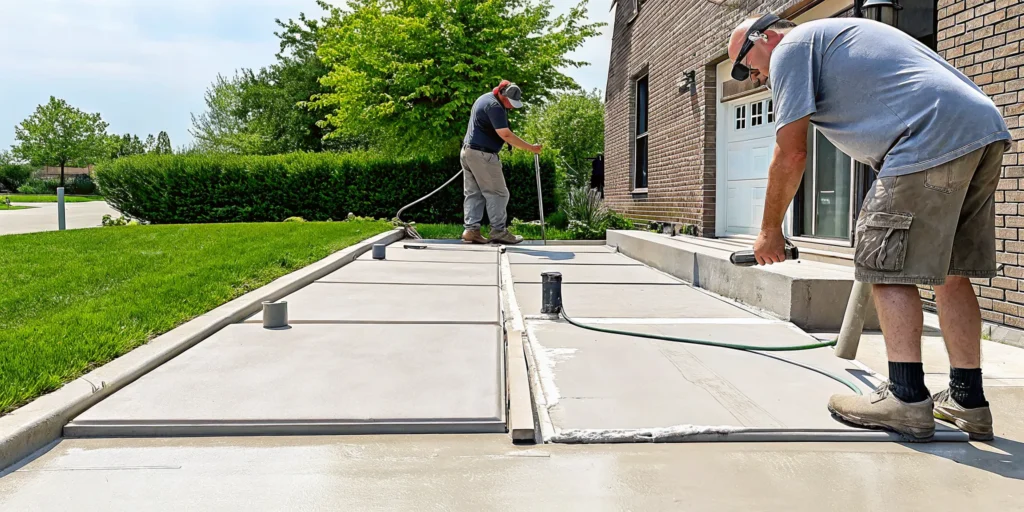
Let’s talk about the cost of home repairs. Seeing a section of your sidewalk dip or your pool deck become uneven can be stressful, especially when you start thinking about the price tag of a full replacement. The good news is that you don’t have to drain your savings to fix the problem. Concrete raising is a powerful alternative that can save you 50% to 80% compared to the cost of tearing out and repouring a new slab. This isn’t a cheap, temporary patch; it’s a durable, long-term solution that restores your concrete on a stable foundation. It’s a financially savvy choice that protects your property’s value and safety without the sticker shock.
Key Takeaways
- Repair, Don’t Replace: Concrete raising offers a cost-effective and minimally invasive fix for sunken slabs, saving you significant time and money compared to a full replacement.
- Know When to Raise It: Leveling is the perfect solution for slabs that are uneven or causing drainage problems but are still in one piece; if your concrete is shattered or crumbling, replacement is the necessary route.
- Choose Your Pro Wisely: A lasting repair depends on the contractor, so prioritize professionals who use high-density polyurethane foam and provide a strong warranty to ensure the unstable soil beneath the slab is properly addressed.
What Is Concrete Raising?
If you’ve noticed your driveway, sidewalk, or patio starting to sink and become uneven, your first thought might be a costly and disruptive tear-out and replacement. But there’s often a much better way. Concrete raising, also known as concrete leveling or slabjacking, is a process that lifts sunken concrete slabs back to their original position. It’s an effective solution for restoring safety and appearance without the headache of a full replacement.
The general idea is simple but effective. A professional team drills small, strategic holes into the sunken slab. Then, a specialized material is injected into the void that has formed underneath. This material fills the space and gently lifts the concrete back into place. Once the slab is level, the small drill holes are patched, leaving you with a smooth, stable surface. This method is a fantastic option for addressing issues caused by soil settlement or erosion, which are common problems for homeowners. The result is a fast, affordable, and less invasive concrete repair that restores your property’s function and curb appeal.
Mudjacking vs. Polyurethane Foam Injection
When it comes to raising concrete, there are two main methods: mudjacking and polyurethane foam injection. Mudjacking is the traditional approach, using a heavy slurry made of mud, sand, and cement. While it can get the job done, the material itself is very heavy, adding more weight to already unstable soil. This slurry can also erode or wash away over time, potentially causing the slab to sink again.
Polyurethane foam injection is the modern, more durable solution. This method uses a lightweight, high-density polymer foam that expands to fill the void beneath the slab. The foam is waterproof, so it won’t wash away, and it’s incredibly strong without adding significant weight to the soil. The injection holes are also smaller and less noticeable than those used for mudjacking. Because of its longevity and stability, polyurethane foam is the preferred method for a lasting repair you can count on.
Which Method Is Right for You?
Deciding whether to raise or replace your concrete depends on the condition of the slab. Concrete raising is an excellent choice for slabs that are structurally sound but have sunk over time. If you’re dealing with uneven sections that create trip hazards, small to medium-sized cracks, or sunken spots on your patio or driveway, leveling is likely the perfect fix. It addresses the root problem of unstable soil by filling the void underneath, providing a stable base for years to come.
However, if your concrete is severely damaged, shattered into many pieces, or has widespread, deep cracks, replacement might be the only option. The best way to know for sure is to have a professional take a look. An expert can assess the damage, identify the cause of the sinking, and recommend the most effective solution for your specific situation. You can get a clear picture of your options by scheduling a free estimate with an experienced team.
Can Your Concrete Be Raised?
Seeing a section of your driveway or patio sink is disheartening. Your first thought might be of a messy, expensive demolition and replacement project. But in many cases, there’s a much better way. Concrete raising, also known as concrete leveling, is a modern repair method that can restore your sunken slabs without the headache of a total tear-out. The process involves lifting the concrete back to its original, level position, fixing the problem at its source. This technique is a fantastic solution for sunken driveways, uneven sidewalks, dipping pool decks, and patios that have settled over time.
The core idea is simple: instead of replacing the slab, we restore it. This approach is not only more affordable but also significantly faster, allowing you to use your space again in a matter of hours, not days. However, concrete raising isn’t a one-size-fits-all fix. Its success depends on the condition of your concrete and the stability of the soil beneath it. If a slab is severely cracked or crumbling, lifting it might not be an option. Understanding the difference between a slab that can be saved and one that needs to be replaced is the first step. A professional assessment is the best way to determine if concrete repair is the right path for your property.
Signs Your Concrete Needs Leveling
Noticing the early signs of sinking concrete can save you a lot of trouble down the road. Walk around your property and look for the telltale clues. Do you see sections of your sidewalk or patio that are no longer flush with each other, creating a new tripping hazard? Have you noticed water pooling on your driveway after it rains in places it never used to? These are classic indicators that the soil underneath has shifted, causing the slab to settle. Addressing these issues early on is crucial. As one expert notes, leveling concrete can prevent small cracks from growing into bigger problems, making the repair simpler and more effective.
Uneven Surfaces and Sinking Slabs
The most obvious sign that you need concrete leveling is a visible dip or uneven surface. This often happens when one slab sinks while the one next to it stays put, creating a dangerous and unsightly ledge. You might see it where your driveway meets your garage floor or between sections of your walkway. This sinking is typically caused by soil erosion or compaction beneath the slab, which creates a void that the heavy concrete settles into. Concrete leveling is a way to lift sunken concrete slabs back to their original position, eliminating the trip hazard and restoring your property’s curb appeal.
Water Pooling and Drainage Problems
Your concrete surfaces were designed to direct water away from your home. When a slab sinks, it can disrupt this careful grading, causing water to pool or, even worse, flow back toward your foundation. A puddle on your patio might seem like a small annoyance, but it’s a sign of a bigger issue. This standing water can accelerate soil erosion under the slab and contribute to moisture-related foundation problems over time. Leveling the concrete restores the proper slope, ensuring water drains away as it should. This not only fixes the immediate issue but also helps protect your home from potential water damage in the future.
When Replacement Is the Better Option
Concrete raising is a powerful tool, but it has its limits. If your concrete slab is too damaged, replacement may be the only solution. Signs that a slab is beyond repair include extensive, web-like cracks, crumbling edges, or surfaces that are severely broken apart. If the concrete has lost its structural integrity, attempting to lift it will likely cause it to break further. As experts advise, you might need to replace concrete if it has big, serious cracks or if the ground beneath is extremely unstable. This is why it’s so important to address the problem early. The longer you wait, the more likely it is that a simple repair will turn into a full replacement project. The best way to know for sure is to get a free estimate from a professional who can assess the damage.
Why Raise Concrete Instead of Replacing It?
When you see a sunken driveway or a cracked patio, your first thought might be to rip it all out and start over. A total replacement seems like the only permanent fix, right? Not necessarily. In many cases, raising the existing concrete slab is a smarter, more efficient solution. It addresses the root of the problem, which is often unstable soil, without the massive headache and expense of a full demolition. Before you commit to a huge project, it’s worth understanding why lifting your concrete might be the better call.
Save Time and Money on Repairs
Tearing out and repouring concrete is a major undertaking, and the costs add up quickly. You’re not just paying for new concrete; you’re also paying for demolition, removal, and disposal of the old slab. Concrete raising, on the other hand, is a much more budget-friendly option. By working with the slab you already have, you eliminate a huge chunk of the material and labor expenses, making it up to 70% cheaper than a full replacement. This makes it an attractive choice for getting your property back in shape without breaking the bank. If you’re weighing the costs, exploring financing options can also help make the repair more manageable.
Get Faster Results with Less Disruption
A full concrete replacement can turn your yard into a construction zone for days, or even weeks. The process involves noisy demolition, framing, pouring, and then waiting for the new concrete to cure. Concrete raising is a much faster and cleaner alternative. Our professional team can often complete a concrete repair job in just a few hours. With polyurethane foam injection, the slab is ready for use almost immediately after the repair is finished, a key advantage of this modern leveling method. There’s no heavy machinery tearing up your lawn and no long waiting periods. You get a safe, level surface with minimal disruption to your home and your life.
Choose a More Eco-Friendly Solution
If you’re looking for a greener way to handle your concrete problems, raising is the clear winner. Replacing a concrete slab generates a significant amount of waste that gets hauled off to a landfill. By choosing to raise your concrete, you are reusing the existing slab and preventing it from becoming debris. The process itself is also less impactful. We use a method that requires small holes and no heavy machines, which keeps your landscaping intact. The polyurethane foam we use is inert and waterproof, so it won’t break down or release chemicals into the surrounding soil. You can see examples of our clean, efficient process in our gallery of past projects.
How Long Does Concrete Raising Last?
When you invest in a home repair, you want it to last. The good news is that concrete raising isn’t a temporary patch; it’s a durable, long-term solution. When performed correctly by experienced professionals, a raised concrete slab can remain stable for the life of the concrete itself. Think of it as turning back the clock on your slab, restoring it to its original, level position on solid ground. This process addresses both the symptom, which is the sunken slab, and the root cause, which is the unstable soil beneath it.
The longevity of the repair, however, depends on a few key variables. The primary one is addressing the initial problem that caused the concrete to sink in the first place. Was it soil erosion from a leaky pipe or poor drainage? Or was it the natural settling and shifting of the soil common in our area? A successful repair doesn’t just lift the slab; it creates a stable environment underneath it to prevent future issues. By understanding what makes a concrete raising job last, you can feel confident that you’re making a smart, lasting investment in your property. We’ll walk through the main factors that determine how long your newly leveled concrete will stay put.
Factors That Affect Longevity
With proper care and a professional installation, concrete leveling can last for decades. The key is to address the conditions that led to the sinking. One of the most important factors is water management. If downspouts, poor grading, or leaks are directing water under your concrete slab, that issue needs to be fixed. Otherwise, the soil will continue to erode, and your slab could sink again. The quality of the material used for the lift also matters. Modern polyurethane foam is waterproof and incredibly strong, so it won’t break down or wash away over time. A professional team will ensure these factors are handled, giving you a repair that stands the test of time.
The Importance of Stable Soil
The success of any concrete raising project hinges on the ground beneath it. In the Dallas area, we have a lot of expansive clay soil that shrinks and swells dramatically with changes in moisture. This constant movement is often the root cause of sinking slabs and even foundation problems. A key benefit of using polyurethane foam injection is that it not only lifts the concrete but also compacts the loose soil underneath, creating a stronger, more stable base. This process helps prevent future settlement by addressing the soil instability directly, ensuring the repair lasts.
What to Do About Cracks After Leveling
It’s important to have clear expectations about what concrete raising can and can’t do. The process is designed to lift and level the slab, but it won’t magically make existing cracks disappear. After the slab is back in its proper position, you will still see the cracks that were there before. The next step is to have them sealed. Filling these cracks is crucial because it prevents water from seeping under the newly leveled slab and causing the soil to wash out again. A comprehensive concrete repair service should include both lifting the slab and sealing the cracks to ensure a complete and lasting solution.
How Much Does Concrete Raising Cost?
Let’s talk about the numbers. When you see a sinking driveway or a cracked patio, it’s easy to assume the only fix is a costly and disruptive replacement. The good news is that concrete raising is a much more budget-friendly alternative. For most homeowners, choosing to raise and level existing concrete is significantly less expensive than tearing it out and pouring a new slab. In fact, you can often expect to pay 50% to 80% less for a professional concrete repair than you would for a full replacement.
This makes concrete raising a smart financial decision for maintaining your property’s safety and curb appeal. Uneven surfaces are not just an eyesore; they can be a serious trip hazard for your family and guests. By addressing the problem proactively, you’re not only restoring the look of your property but also making it safer. Instead of draining your savings on a massive overhaul, you can get a durable, long-lasting solution for a fraction of the price. It’s an effective way to address uneven concrete without the sticker shock of a brand-new installation, allowing you to protect your investment in your home without breaking the bank. The final price will depend on a few key details about your specific project.
What Influences the Final Price
No two concrete repair jobs are exactly alike, so the cost can vary. The final price of your project is influenced by a few primary factors. The most significant are the size of the concrete slab you need lifted and the extent of the sinking, or how much it needs to be raised. Beyond that, the complexity of the job plays a big role. If the area is difficult for our team and equipment to access, that can affect the cost. The same goes for slabs that have numerous cracks or require special saw cutting to complete the job properly.
Project Size, Accessibility, and Lift Needs
When you get a quote, remember that larger projects often have a lower cost per square foot. This is because fixed costs, like travel and equipment setup, are spread out over a bigger area. Think of it as an economy of scale. On the other hand, a very small job might have a higher cost per square foot. Accessibility is another key point; a patio in an open backyard is easier to work on than a narrow walkway tucked behind a gate. The specific lift needs also matter, as a slab that has sunk several inches will require more material and time than one that has only dropped slightly.
Explore Your Financing Options
Choosing concrete leveling isn’t just a financially savvy choice that can save you up to 70% compared to replacement; it’s also incredibly efficient. Most jobs are completed in just a few hours, so you can use your driveway or patio again the same day. We understand that even with the significant savings, a home repair can be an unexpected expense. That’s why it’s helpful to explore your financing options. Flexible payment plans can make the cost more manageable, allowing you to get the necessary repairs done now without having to wait.
How to Choose a Concrete Raising Professional
Choosing the right contractor is the most important step in your concrete repair project. The right team will not only fix the problem but also give you a lasting solution and peace of mind. When you start looking for a professional, focus on their experience, the materials they use, and the guarantee they offer on their work. These factors separate the experts from the rest and ensure your investment is protected for years to come.
Experience, Reputation, and Reviews
A contractor’s track record tells you a lot about the quality you can expect. Look for a company that has been in business for several years and specializes in concrete raising. Check their website to see examples of their past projects and read online reviews on platforms like Google and the Better Business Bureau. A reputable company should have a strong portfolio and positive feedback from homeowners in your area. Don’t hesitate to ask for local references. A confident, experienced contractor will be happy to connect you with satisfied customers. They should be able to clearly explain why raising concrete is often a better option than a full replacement.
Technology and Materials Used
The method and materials used in concrete raising are critical for a durable repair. The most advanced and reliable method today is polyurethane foam injection. Ask potential contractors what material they use. You want to hear that they use a high-density, structural-grade polyurethane foam specifically designed for lifting and supporting concrete. Be cautious if a contractor is vague about their materials or suggests using cheaper alternatives like a simple sand or cement slurry. These older methods, often called mudjacking, don’t provide the same long-term stability and can lead to future settling. A professional will use the best materials for the job.
Warranty Coverage
A solid warranty is a sign that a company stands behind its work. Ask about the warranty coverage before you sign a contract. A reliable contractor should offer a warranty that lasts for more than just a year or two, protecting you against future settling or material failure. Make sure you read the terms and understand exactly what is covered and for how long. Reputable companies are confident in their materials and installation process, and their warranty will reflect that. This is a key indicator that you’re working with a professional team that values quality and customer satisfaction.
Red Flags to Watch For
While you search for a contractor, keep an eye out for a few warning signs. Be skeptical of extremely low bids. While everyone loves a good deal, quality materials and skilled labor come at a cost. An unusually low price might mean the contractor is cutting corners, is uninsured, or is using subpar materials. Another red flag is high-pressure sales tactics. A professional will give you a detailed estimate and the space to make an informed decision, not push you into signing a contract on the spot. You can also compare concrete leveling methods or get a concrete leveling quote before scheduling work. If a company can’t provide proof of insurance or a clear warranty, it’s best to walk away. Good work isn’t always cheap, but many companies offer financing options to make the project more manageable.
Find Concrete Raising Services in the Dallas Area
For homeowners in the Dallas area, including Plano, Allen, and Lewisville, choosing a local expert is key. Concrete raising can save you up to 70% compared to the cost and hassle of a full replacement. It’s an ideal solution for driveways, patios, sidewalks, and pool decks that have settled over time. If you’re dealing with uneven or sinking concrete, the team at Solid Base has the experience and technology to restore your surfaces correctly. As a trusted local company, we use a proven polyurethane foam injection process to deliver lasting results. If you’re ready to fix your concrete for good, get a free estimate from our team today.
Related Articles
Frequently Asked Questions
Is concrete raising a permanent fix, or will I have to do it again? Think of concrete raising as a long-term solution, not a temporary patch. When done correctly with high-quality polyurethane foam, the repair can last for the entire lifespan of the concrete slab itself. The process works because it addresses the problem at its source by filling voids and stabilizing the soil underneath. As long as the original cause of the sinking, like a major drainage issue, is also managed, you shouldn’t have to worry about that slab sinking again.
My concrete has some cracks. Can it still be raised? Yes, in many cases, it can. Concrete raising is perfect for slabs that are structurally sound but have settled, even if they have a few cracks. The process will lift the entire slab back into its correct position. While leveling won’t make the cracks disappear, it puts them back into alignment. After the lift, it’s important to seal those cracks to prevent water from getting underneath the slab and causing future problems. However, if your concrete is shattered into many pieces or crumbling apart, replacement is likely the better route.
How soon can I use my driveway or patio after it’s been raised? This is one of the best parts about modern concrete raising. Because we use a fast-curing polyurethane foam, you can get back to your routine with minimal downtime. Most surfaces, like patios and sidewalks, are ready for foot traffic almost immediately after the job is done. For a driveway, you can typically park your car on it within a few hours. This is a huge advantage over replacement, which requires you to wait days for new concrete to cure.
What causes concrete to sink, and does raising it actually solve the problem? Concrete slabs usually sink because the soil underneath them has washed away, compacted, or shifted. Here in the Dallas area, our expansive clay soil is a common culprit, as it shrinks and swells with moisture changes, creating unstable ground. Concrete raising with polyurethane foam directly solves this problem. As the foam is injected, it expands to fill any empty space, and in the process, it compacts loose soil to create a solid, stable base. It doesn’t just lift the slab; it re-establishes the strong ground support it needs to stay put.
My slab is only slightly uneven. Is it worth fixing now, or should I wait? It’s always better to address the issue sooner rather than later. Even a small, uneven ledge can be a serious trip hazard for your family and guests. Plus, that slight dip is a sign that the soil underneath is no longer stable. If you wait, water can continue to seep into that area, causing more erosion and making the problem worse. An issue that could be a simple, affordable fix today might grow into a more complex and expensive repair down the road.