
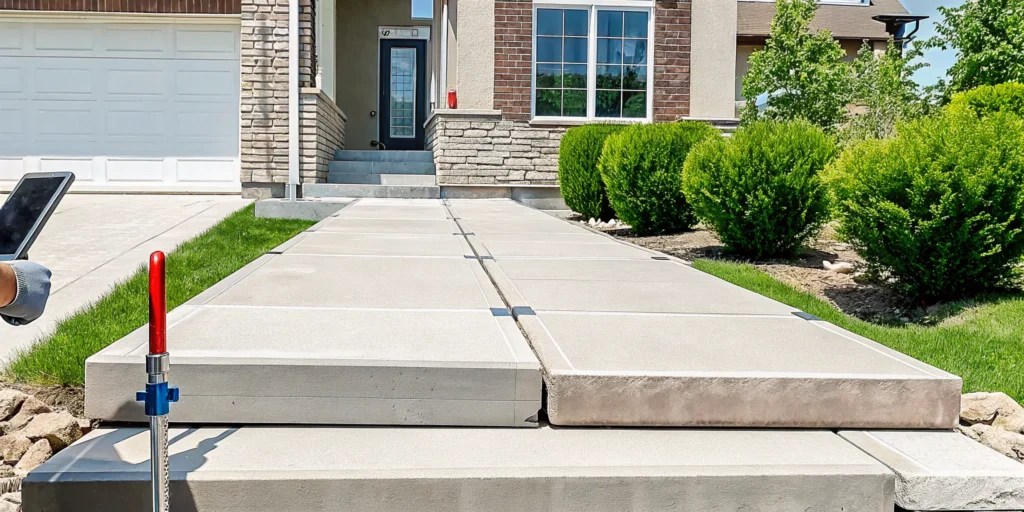
That sinking feeling you get when you see a cracked patio or an uneven driveway isn’t just in your head. Sunken concrete is a common problem for homeowners, creating trip hazards and detracting from your home’s curb appeal. While your first thought might be to tear it all out and start over, there’s a smarter, more affordable solution. Concrete leveling lifts and restores your existing slabs, saving you time, money, and a major mess. This guide will walk you through everything you need to know about the process, from spotting the early warning signs to understanding the factors that influence cost. Before you get a quote for concrete leveling, let’s cover the essentials so you can make a confident choice for your home.
Key Takeaways
- Choose leveling to save time and money: Repairing uneven concrete is often much faster and more affordable than tearing it out and replacing it, potentially cutting your project costs by more than half.
- Hire with confidence by doing your homework: Always verify that a contractor is licensed and insured, check their customer reviews, and ask for a detailed written quote to ensure you’re working with a qualified professional.
- Look beyond the surface area to understand costs: The price of leveling depends on the size of the empty space beneath the slab and the repair method used, not just the square footage, so getting several itemized quotes is key to finding the best value.
What Is Concrete Leveling (and Do You Need It)?
Have you noticed your driveway, patio, or sidewalk isn’t as smooth as it used to be? Over time, the soil underneath can shift, causing concrete slabs to sink and become uneven. Concrete leveling is a process that fixes this problem by raising the concrete back to its original position. Think of it as a lift, not a replacement. It’s an effective method of concrete repair that restores both the function and appearance of your surfaces without the major disruption of tearing everything out and starting over. It’s a common issue for homeowners, but thankfully, it has a straightforward solution.
Signs Your Concrete Needs Attention
You don’t need to be an expert to spot the warning signs. The most obvious clues are often right under your feet. Look for visible cracks spreading across the surface or sections of your sidewalk that have become trip hazards. Another big indicator is pooling water. If you notice puddles forming on your patio or driveway after it rains instead of draining away, it’s a sign the slab has settled unevenly. These issues aren’t just cosmetic; they can point to bigger problems with the soil and stability beneath the concrete.
Why Leveling Is Often Better Than Replacing
When faced with uneven concrete, many homeowners assume they have to tear it all out and start from scratch. But that’s not always the case. Choosing to level your concrete is often a much smarter and more cost-effective solution. In fact, it can save you 50% to 70% compared to the cost of a full replacement. Beyond the savings, the process is also much faster and less disruptive. You can get your driveway or patio back in a fraction of the time, without turning your yard into a major construction zone. It’s a practical fix that preserves your property, and with flexible financing, it’s an accessible one, too.
What Factors Into Concrete Leveling Costs?
When you get a quote for concrete leveling, you’ll notice it’s not a simple price-per-square-foot calculation. Several key factors influence the final cost because every job is unique. A professional contractor will assess your specific situation to determine the right approach, materials, and labor needed to get the job done correctly. Understanding these variables will help you make sense of your estimate and feel confident in your decision.
From the size of the sunken slab to how difficult it is to access the area, each detail plays a role. Let’s break down the main components that determine the price of a professional concrete repair project.
The Size and Scope of Your Project
You might think a larger slab automatically means a higher cost, but it’s more about what’s happening underneath. The most significant factor is the size of the void, or empty space, that has formed below your concrete. A small patio with a deep void could cost more to level than a large driveway with a shallow one. The amount the slab needs to be lifted also matters. A bigger lift requires more material and time, which will be reflected in the quote. It’s less about the surface area and more about the volume of material needed to make the surface stable and even again.
The Leveling Method Used
Contractors use different methods for leveling concrete, and the technique chosen will affect the price. Polyurethane foam injection, for example, often costs more than traditional mudjacking because the foam material itself is more expensive. However, it’s also lighter, cures faster, and requires smaller injection holes. A professional will recommend the best method based on your specific problem, soil conditions, and the weight of the concrete slab. The right solution ensures a lasting repair, and you can often see examples of these different outcomes in a contractor’s portfolio of past work.
The Severity of the Damage
The condition of your concrete slab is another important cost factor. If the slab has numerous large cracks, they may need to be sealed and stabilized as part of the leveling process, which can add to the cost. Accessibility also plays a big role. If your sunken sidewalk is in an open, easy-to-reach part of your yard, the job will be more straightforward. However, if the damaged area is in a tight space, behind a fence, or surrounded by delicate landscaping, the crew will need more time and care to complete the work, increasing labor costs.
Potential Hidden Costs to Watch For
To avoid surprises, it’s good to know about costs that might not be immediately obvious. Most professional companies have a minimum service charge. This fee covers the essential costs of doing business, like sending a fully equipped truck and crew to your home, even for a small job. This is standard practice and ensures the company can provide high-quality service. Also, remember to discuss accessibility with your contractor. If they need to remove a section of a fence or take extra precautions around your garden, it could add to the final bill. A transparent quote will always account for these details upfront.
How to Find a Qualified Concrete Leveling Contractor
Finding the right person for the job can feel like the hardest part of any home project. When it comes to something as important as your concrete, you want to be sure you’re hiring a true professional, not just a handyman with a truck. A qualified contractor will not only do the job right but also provide peace of mind. Taking a little time to vet your options before signing a contract can save you from major headaches, extra costs, and shoddy work down the road. Think of it as a small investment to protect a much larger one: your home. The right team will have the experience, equipment, and professionalism to handle your concrete repair safely and effectively, leaving you with a stable, level surface you can count on for years.
But with so many options out there, how do you sort the experts from the amateurs? It comes down to asking the right questions and looking for a few key qualifications. A great contractor is more than just skilled; they are also transparent, communicative, and reliable. They should be able to explain the process clearly, provide a detailed quote, and stand behind their work with a solid warranty. Before you make a decision, it’s essential to do your homework. We’ll walk you through exactly what to look for so you can hire with confidence and know your property is in good hands.
Check Their Credentials and Licensing
First things first, let’s talk about the basics. Before you even get to pricing, you need to confirm that any contractor you’re considering is properly licensed to work in your area. A license isn’t just a piece of paper; it’s proof that the contractor has met local and state requirements, which often include having a certain level of training and knowledge. Don’t be shy about asking directly, “Are you licensed for this type of work?” A reputable company will be happy to provide this information. It’s a simple step that helps filter out unqualified individuals and ensures you’re working with a legitimate business that follows industry standards.
Read Reviews and Ask for References
Online reviews are your best friend when vetting a contractor. See what previous customers have to say about their experience. Were they on time? Was the crew professional? Most importantly, were they happy with the final result? While a few negative reviews aren’t always a dealbreaker, a pattern of unhappy customers is a major red flag. Beyond online testimonials, ask the contractor for a few references you can call. Speaking directly with a past client can give you invaluable insight. You can also ask to see a portfolio of their past projects to get a feel for the quality of their work and the types of jobs they’ve handled.
Make Sure They’re Insured
This one is non-negotiable. Any contractor working on your property must have adequate insurance, including both general liability and workers’ compensation. General liability protects your home from any accidental damage that might occur during the project, while workers’ compensation covers the contractor’s employees if they get injured on the job. Without this coverage, you could be held financially responsible for accidents or damages. Simply ask, “Can you provide proof of insurance?” A professional company will have no problem sharing their certificate of insurance with you. This step is all about protecting yourself and your investment, giving you complete peace of mind while the work is being done.
How to Get an Accurate Quote
Getting a quote for concrete leveling is your first step toward a solution. To make the process smooth and ensure the estimate you receive is as accurate as possible, it helps to come prepared. Think of it as a conversation. The more information you can share with a contractor upfront, the better they can understand your needs and provide a realistic price. This simple preparation saves you time, prevents surprises down the road, and helps you find the right team for the job. A clear, detailed request sets the stage for a successful project from the very beginning.
Key Project Details to Share
When you reach out for an estimate, be ready to describe the problem clearly. Note where the issue is located (e.g., driveway, sidewalk, patio, or garage floor) and the type of problem you’re seeing, like cracking, sinking, or heaving. It’s smart to get a few estimates from different companies. This allows you to compare not just the prices but also the proposed repair methods. Your goal is to find a contractor who offers a lasting fix, and having multiple perspectives helps you make a confident decision for your home.
Why Photos and Measurements Help
A picture really is worth a thousand words, especially in concrete repair. Snapping a few photos of the damaged area from different angles can give a contractor a huge head start. If you can, take some rough measurements of the slab’s dimensions. This visual and dimensional information helps the team assess the scope of the work before they even visit your property. Providing these details allows for a more productive initial conversation and a much more accurate preliminary quote, which you can see in examples of our work.
Your Timeline and Other Considerations
Let the contractor know about your ideal timeline. Are you hoping to get the work done as soon as possible, or are you planning a few months ahead? This helps them check their schedule and availability. It’s also good to ask about minimum service charges. Most companies have a minimum fee to cover the basic costs of mobilizing a crew and equipment for a project, no matter how small. Understanding this upfront helps you budget effectively. If cost is a concern, ask about available financing options, as many companies offer plans to make the repair more manageable.
What to Look For in a Concrete Leveling Quote
Once you have a few quotes in hand, it’s time to compare them. But it’s not just about finding the lowest price. A quote is your window into how a company operates. A professional, detailed estimate shows that a contractor is thorough and transparent, while a vague, one-line price can be a red flag. You’re looking for a partner who can provide a lasting fix for your concrete issues, not just a quick, cheap patch job.
Think of the quote as the blueprint for your project. It should clearly outline the scope of the work, the materials involved, and the total cost, leaving no room for surprises down the line. Taking the time to carefully review each estimate will help you choose a company that you can trust to get the job done right.
The Anatomy of a Good Quote
When you start comparing quotes, always aim to get at least two or three different estimates. This allows you to see the range of prices and methods available for your specific problem. A good quote is more than just a number; it’s a detailed document. It should provide a clear breakdown of costs, including labor, materials, and the specific concrete repair method they plan to use, like poly-leveling or mudjacking.
Look for specifics. Does it detail the area to be treated in square feet? Does it explain the process from start to finish? If a quote is vague or confusing, don’t hesitate to ask for clarification. A reputable company will be happy to walk you through their estimate and answer any questions you have.
Understanding the Warranty
A warranty is a company’s promise to stand behind their work, and it’s a critical part of any concrete leveling quote. If a contractor doesn’t offer a warranty, you should ask why. A solid guarantee shows that the company is confident in the durability and quality of their repair. It gives you peace of mind knowing that if something goes wrong, you’re covered.
Before you sign anything, make sure you understand the terms. Ask how long the warranty lasts, what exactly it covers (materials, labor, or both), and if there are any conditions that could void it. A trustworthy contractor will have a straightforward warranty that protects your investment. You can learn more about a company’s commitment to quality by checking out their story and credentials.
Payment and Financing Options
Finally, let’s talk about the bottom line. Most concrete leveling companies have a minimum service charge to cover their basic operational costs like travel, equipment, and materials, even for smaller jobs. Your quote should clearly outline the total cost and the payment schedule. Typically, this involves a deposit to start the work and a final payment upon completion.
Be sure you understand when payments are due and what methods are accepted. If the total cost is a concern, don’t be afraid to ask about your options. Many companies understand that this can be a significant expense for homeowners and offer flexible financing to help make the project more manageable. A good contractor will be upfront about all costs and payment terms.
Key Questions to Ask Before You Hire
Once you have a few quotes in hand, it’s time to interview your top contenders. This step is about more than just the price; it’s about finding a team you can trust to work on your home. Going into these conversations prepared with a list of questions will help you compare companies fairly and choose a contractor who is experienced, transparent, and professional. A reputable company will be happy to answer your questions and provide the information you need to feel confident in your decision.
Questions About Their Experience and Methods
Start by digging into their background and how they approach their work. You want to be sure they have the right skills for your specific project. Ask if they are licensed and insured in your area; this is non-negotiable, as it protects you from liability if anything goes wrong. Inquire about their experience with projects similar to yours and the concrete repair methods they use. A good contractor can clearly explain their process and why they choose certain materials. Don’t hesitate to ask for references or to see a portfolio of their past projects. Seeing is believing, and it gives you a real sense of their quality.
Questions About the Timeline and Process
Understanding the logistics is key to a smooth project with minimal disruption to your daily life. Ask for a clear, estimated timeline from start to finish. Find out what the day-to-day process will look like. What kind of site preparation is needed, and what does cleanup involve? A crucial question is about curing time: how long will you need to wait before you can walk or drive on the newly leveled surface? Getting these details upfront helps you plan accordingly and sets clear expectations for everyone involved. It also shows that the contractor has a well-organized process and respects your time and property.
Red Flags to Watch Out For
While you’re asking questions, also pay attention to how the contractor responds. Certain behaviors can be warning signs. Be cautious if a contractor is hesitant to provide a written, itemized quote or pressures you to sign a contract on the spot. An unusually low bid might seem tempting, but it can signal cheap materials or inexperienced labor. Another red flag is a lack of a physical business address or a professional online presence. Trust your gut. If a contractor is evasive, unprofessional, or makes you feel uncomfortable, it’s best to walk away. The right partner will be transparent, patient, and professional from the very first conversation.
So, How Much Should Concrete Leveling Cost?
Alright, let’s talk numbers. The cost of concrete leveling is an investment in your home’s safety and curb appeal, and it’s almost always more affordable than a full replacement. While the final price tag depends on your specific situation, understanding the general costs can help you budget and plan. Most residential concrete leveling projects fall somewhere between $750 and $6,000, but several factors, including the method used, will influence your final quote.
Average Costs by Leveling Method
The technique your contractor uses is a major factor in the overall cost. Polyurethane foam lifting, or polyjacking, is a modern, durable method that tends to be on the higher end, with jobs typically ranging from $875 to over $8,000. On the other hand, mudjacking, a more traditional method using a slurry mixture, is often the most affordable upfront option, with costs usually falling between $585 and $5,400. The best concrete repair method for your home depends on the extent of the damage and your long-term goals, so it’s important to discuss the pros and cons of each with a professional.
How to Compare Your Quotes
To make sure you’re getting a fair price and the right solution, a great rule of thumb is to get at least three different estimates. This isn’t just about finding the cheapest option. It’s about understanding what each company offers. When you review your quotes, look closely at the details. Does the price include site cleanup? What kind of warranty is offered? A thorough quote will break down the scope of work clearly, so you can compare apples to apples. Getting a free estimate is the first step toward making an informed decision and finding a contractor you can trust to do the job right.
Making the Right Choice for Your Home
Choosing to level your concrete instead of replacing it can save you a significant amount of money, often between 50% and 70%. Solid Base serves local homeowners looking for Dallas concrete leveling, Frisco concrete leveling, and McKinney concrete leveling help. It’s a smart, effective fix for sunken driveways, patios, and sidewalks. The best choice for your home is one that provides a lasting solution from a reputable company. Don’t just focus on the initial price; consider the long-term value of the repair and the quality of the materials being used. If the cost feels like a stretch, ask about financing options, as many companies offer plans to make the project more manageable for your budget.
Related Articles
- PolyLevel – Solid Base
- Concrete Repair – Solid Base
- A Homeowner’s Guide to Foundation Repair Services
Frequently Asked Questions
Why did my concrete sink in the first place? Most of the time, sinking concrete is caused by changes in the soil underneath it. Over time, soil can wash away due to poor drainage, settle under the weight of the slab, or shrink and swell with the changing moisture levels common in our area. This creates empty spaces, or voids, and the heavy concrete slab eventually settles into them, causing it to become uneven.
How long does the concrete leveling process actually take? One of the biggest benefits of leveling is how quickly it can be done. Most residential projects, like a driveway or patio, are completed in just a few hours. You can often walk on the surface the same day. This is a huge difference compared to a full replacement, which can take several days and leave your property looking like a construction zone.
Is concrete leveling a permanent solution? When done by a professional, concrete leveling is a durable, long-term fix. The process doesn’t just lift the slab; it also stabilizes the soil beneath it by filling the voids with a solid material. This addresses the root of the problem, not just the symptom. A quality repair from a reputable company should last for many years.
Can any uneven concrete slab be leveled? Leveling is a fantastic solution for most sunken or tilted concrete slabs. However, it may not be the right choice if the concrete is severely damaged, crumbled, or broken into many small pieces. In those cases, the slab might not be structurally sound enough to lift. A professional can assess the condition of your concrete and tell you the best course of action.
Will the repair match my existing concrete? The leveling process lifts your original concrete slab, so the color and texture of the surface remain exactly the same. The only visible signs of the repair are the small, dime-sized holes drilled for the injection process. These holes are carefully patched with cement to blend in as seamlessly as possible with the surrounding surface.