
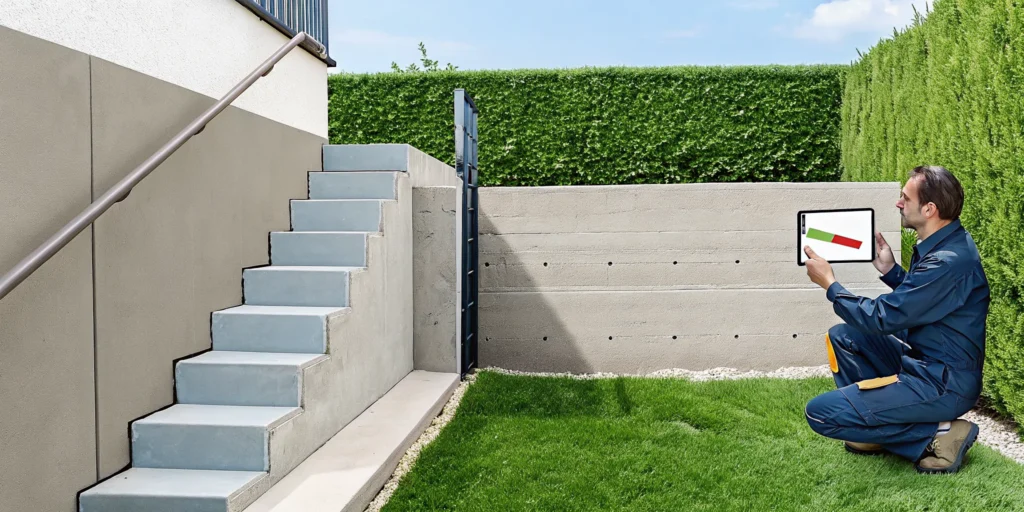
Here in North Texas, our homes face a unique challenge: expansive clay soil. This soil swells with moisture and shrinks dramatically when it’s dry, putting constant stress on our foundations. This is why a generic solution just won’t cut it. The repair method and its cost are directly tied to these local conditions. A professional quote from a local expert will account for the specific pressures your home is under. It’s about finding a permanent solution designed for our region, not a temporary patch. When you get a quote for foundation wall repair in the Dallas area, it should reflect a deep understanding of these environmental factors.
Key Takeaways
- Understand What Drives Your Repair Cost: Your final quote is a custom calculation based on key factors like the severity of the damage, the specific repair method required, and even our unique North Texas soil conditions.
- Look Beyond the Price Tag When Choosing a Pro: The best value comes from a contractor who is licensed, insured, and transparent. Always ask for a detailed quote, check their local reputation, and confirm they offer a strong warranty for their work.
- Address Warning Signs Immediately to Save Money: Don’t wait for small cracks or sticking doors to become major issues. Getting a professional quote early is the best way to prevent more extensive damage, and most companies offer financing options to help manage the cost.
What Factors Into Your Foundation Repair Quote?
When you first spot a crack in your foundation, one of the first questions that comes to mind is, “How much will this cost to fix?” The truth is, there’s no simple, one-size-fits-all answer. The price of a foundation repair project depends on a unique combination of factors specific to your home. A professional quote is a detailed breakdown that considers everything from the type of damage you have to the soil sitting underneath your house. Understanding these variables will help you make sense of your estimate and feel confident in the proposed solution. Let’s walk through the main components that contractors evaluate when putting together your quote.
How Severe is the Damage?
The extent of the damage is the biggest factor influencing your final cost. A few hairline cracks in the concrete are a much simpler and less expensive fix than a foundation that has significantly settled or bowed. The accessibility of the damaged area also plays a role. If our team can easily bring in equipment and get to work, it requires less labor and time, which helps keep the cost down. Conversely, hard-to-reach areas or issues that require extensive excavation will naturally increase the price. We’ve handled a wide range of issues, which you can see in examples of our work.
What Kind of Repair Do You Need?
The specific repair method required to properly fix your foundation is another major cost driver. Different problems call for different solutions. For instance, sealing minor cracks with an epoxy injection is a relatively quick and affordable process. However, if your home is settling, it may require a more complex solution like underpinning with steel piers. Installing piers involves lifting and stabilizing the foundation, making it a more intensive and costly repair. A thorough inspection will determine the right technique to provide a permanent solution for your home, ensuring you only pay for the work you truly need.
How Does Your Location Affect the Price?
Where you live can also influence the cost of foundation repair. This is due to regional differences in the cost of labor, materials, and even local permitting requirements. In a major metropolitan area like Dallas-Fort Worth, prices might differ from those in more rural parts of Texas. The availability of skilled contractors and the local cost of living are practical realities that get factored into any project estimate. At Solid Base, we are proud to serve homeowners throughout the Greater Dallas area and provide transparent pricing based on our local expertise.
Do Soil and Climate Play a Role?
Here in North Texas, our soil and climate are significant contributors to foundation problems. The expansive clay soil common in the Dallas area swells dramatically when it’s wet and shrinks when it’s dry. This constant movement puts immense pressure on your foundation, leading to cracks and settling over time. The type of soil under your home often dictates the best repair method. Because these local conditions are so predictable, a local expert can recommend a solution designed to withstand our region’s unique challenges, which directly impacts the scope and cost of the repair. Ready to find out what your repair might cost? You can contact us for a free, no-obligation estimate.
How to Prepare for a Foundation Repair Quote
Getting an accurate quote for foundation repair starts before an expert even arrives at your door. A little bit of prep work on your end can make the entire process smoother and help ensure the assessment is as thorough as possible. When a professional comes to inspect your home, they are looking for the root cause of the problem, not just the surface-level symptoms. By preparing ahead of time, you help them connect the dots faster, which leads to a more precise repair plan and a quote you can trust.
Think of it as getting ready for a doctor’s appointment. You would probably make a list of your symptoms and be ready to point out exactly where it hurts. The same logic applies here. Taking a few simple steps to document the issues, clear the way for a proper inspection, and gather relevant documents will make your consultation much more productive. This preparation helps our team give you the most accurate and comprehensive foundation repair plan tailored specifically to your home’s needs. It’s all about creating a clear picture so we can find the right solution for you and your family, giving you peace of mind from the very start.
Document the Visible Damage
Before we arrive, take a walk around your property and play detective. Make a list of every sign of trouble you’ve noticed, no matter how small it seems. Note any cracks in your interior walls, especially around door and window frames. Are there any doors that stick or windows that are suddenly difficult to open? Check your exterior brickwork and the foundation itself for cracks. Don’t forget to look at your floors for any sloping or uneven spots. Taking photos or videos with your phone is a fantastic way to document these issues. This list gives our inspector a head start and ensures all your concerns are addressed during the evaluation.
Clear the Area for Inspection
To give you an accurate assessment, our specialists need a clear view of your foundation. This means they’ll need access to the areas inside and outside your home where the foundation is visible. If you have a basement or crawl space, please try to move any storage boxes, furniture, or other items that might be blocking the walls. On the outside, trimming back shrubs or clearing away landscaping that’s right up against the house can be a huge help. A clear path allows for a complete and thorough inspection, which is essential for diagnosing the problem correctly. This simple step helps us do our job effectively and get you a reliable quote.
Gather Your Property’s Paperwork
While not always required, having certain documents on hand can be very helpful. If you have access to your home’s original blueprints, property survey, or records of any previous foundation work, please have them ready. This information provides valuable context about your home’s construction and history. It can help our team understand the original structure and any modifications that have been made over the years. Knowing the full story of your property helps us create the most effective and lasting repair plan. Our goal is to provide a solution based on a complete understanding of your home, and this paperwork can be a key part of that process.
What to Expect During a Foundation Inspection
Scheduling a foundation inspection is the first concrete step toward fixing the problem, and knowing what happens during the visit can help ease any anxiety. Think of it as a health checkup for your home. A trained professional will visit your property to conduct a thorough evaluation of your foundation, looking for signs of stress and damage. They will examine both the interior and exterior of your home, taking measurements and assessing the extent of any issues. This isn’t just a quick glance; it’s a detailed analysis to understand the root cause of the problem. The goal is to gather all the necessary information to create a precise and effective repair plan tailored specifically to your home’s needs. This process ensures that the solution addresses the actual problem, giving you a lasting fix instead of a temporary patch.
The Professional Assessment Process
During the assessment, a specialist will carefully examine your home from top to bottom. They’ll start by looking at the outside, checking for cracks in the brick or concrete, gaps around windows and doors, and any signs of soil separation from the foundation. Inside, they will look for similar clues, like cracks in your drywall, uneven floors, or doors that no longer close properly. They may use specialized tools, like a laser level, to measure the elevation of your foundation and determine how much, if any, settling has occurred. This comprehensive evaluation helps them diagnose the specific issues affecting your home and determine the best course for foundation repair.
What Questions Will the Contractor Ask?
The inspector will also have a conversation with you to get a better sense of the property’s history. Be ready to share any issues you’ve noticed and when they first appeared. It’s helpful to have a list prepared ahead of time. Have you seen new cracks form after a heavy rain? Do certain doors only stick during specific seasons? This information provides valuable context that can help pinpoint the cause of the problem. They might also ask about the age of your home and any past repairs or renovations. The more details you can provide, the more accurate their assessment will be. Our team of professionals is there to listen and combine your observations with their expert findings.
How Long Until You Get Your Quote?
After the physical inspection is complete, the specialist will analyze their findings to develop a detailed repair plan and quote. You typically won’t receive a price on the spot, as they need time to calculate the right materials, labor, and scope of work required for a permanent solution. Most homeowners receive their comprehensive quote within a few days of the inspection. This document should clearly outline the proposed repairs, the methods they plan to use, and a full breakdown of the costs. A trustworthy contractor will walk you through the quote, answer all your questions, and ensure you understand every aspect of the plan before moving forward. When you’re ready to get started, you can contact us to schedule your free estimate.
How Different Repair Methods Impact Your Quote
The specific solution your home needs is one of the biggest factors determining the final cost of your foundation repair. A hairline crack requires a very different approach than a severely bowing wall, and the price tag will reflect that. A professional contractor won’t just patch up the visible symptoms; they’ll identify the root cause of the problem to recommend a lasting fix. This is why a thorough inspection is so important before any quote is written.
The type of foundation you have, the soil conditions around your property, and the extent of the damage all play a role in choosing the right repair method. Some solutions are less invasive and more affordable, while others involve significant excavation and materials to secure your home’s structural integrity. Understanding the most common foundation repair techniques will help you make sense of your quote and feel confident in the proposed plan. Below, we’ll break down several key repair methods and how they typically affect the overall cost.
Wall Anchor Systems
If your basement walls are bowing, leaning, or cracking, a wall anchor system might be the recommended solution. This method works by placing a metal plate on the inside of the bowing wall and another anchor in the stable soil outside your home. A long, high-strength steel rod connects the two, and it can be tightened over time to straighten the wall and permanently stabilize it. The cost of this repair is largely based on the number of anchors required to secure the wall, which depends on the wall’s length and the severity of the bowing.
Carbon Fiber Reinforcement
For walls with minor to moderate bowing or cracking, carbon fiber reinforcement is a modern and less invasive option. This technique involves applying incredibly strong carbon fiber straps directly to the interior of the foundation wall. These straps bond with the concrete, distributing the external pressure and preventing any further movement. Because it doesn’t require any exterior excavation, carbon fiber reinforcement is often a more cost-effective and quicker solution than wall anchors or other more intensive methods. It’s an excellent way to address problems before they become more severe.
Foundation Piering
When your foundation is sinking or settling, the solution often involves underpinning it with piers. Foundation piering is a process where steel or helical piers are driven deep into the ground beneath your foundation until they hit stable soil or bedrock. Hydraulic jacks then lift the foundation back toward its original position, and the structure’s weight is transferred onto the piers. This is a highly effective but more intensive repair. The cost can range from $1,000 to $3,000 per pier, so the total price depends heavily on how many piers are needed to properly support your home.
Epoxy Crack Injections
For non-structural cracks in your foundation walls or slab, epoxy crack injections are a common and affordable fix. A technician injects a high-strength epoxy or polyurethane foam into the crack, which seals it completely. This prevents water from seeping through and protects the home from moisture damage, mold, and pests. While this method is great for waterproofing and minor concrete repair, it’s important to remember that it doesn’t address the underlying structural issue that may have caused the crack in the first place.
Waterproofing and Drainage
Often, foundation problems are caused by excess water and poor drainage around your home. Hydrostatic pressure from saturated soil can cause walls to bow, and shifting soil can lead to settlement. To provide a permanent solution, your repair quote might include exterior waterproofing or the installation of a drainage system, like a French drain. While this adds to the initial cost, addressing the root water problem is crucial for preventing future damage. Think of it as an investment in protecting the more extensive repairs and the long-term health of your foundation.
How to Choose the Right Foundation Repair Contractor
Finding the right contractor is just as critical as the repair method itself. You’re not just hiring someone to fix a problem; you’re trusting them with the structural integrity of your home. The right partner will be transparent, experienced, and committed to providing a lasting solution. A great contractor communicates clearly, answers your questions without hesitation, and makes you feel confident in the process. This decision will impact your home for years to come, so it’s worth taking the time to find a team that has the right skills and values.
Think of it as building a partnership. You want someone who respects your property, understands the local soil conditions, and uses proven methods. A company with a solid reputation in the Dallas area will have a deep understanding of the unique challenges our homes face. They should be able to walk you through their plan, explain why they’ve chosen a specific foundation repair technique, and provide a clear, detailed quote. Don’t settle for anyone who makes you feel rushed or confused. Your peace of mind is paramount. A good contractor knows that this is a significant investment for you, and they should treat it with the seriousness it deserves. They will take the time to inspect your property thoroughly, listen to your concerns, and offer solutions tailored to your specific situation, not a one-size-fits-all fix.
Check for Licensing and Insurance
Before you even think about signing a contract, make sure the contractor is properly licensed and insured. This isn’t just a formality; it’s your primary layer of protection. A valid license shows they meet state and local requirements to perform the work. More importantly, ask for proof of general liability insurance and workers’ compensation. General liability covers any accidental damage to your property during the repair, while workers’ comp protects you from being held liable if a crew member gets injured on your property. A professional company will gladly provide these documents.
Look Into Their Experience and Reputation
A contractor’s history speaks volumes. Look for a company that has been serving the Dallas area for a while and has a portfolio of successful projects. You can start by checking online reviews, but don’t stop there. Ask for references from past clients and take a look at examples of their work. Be wary of quotes that seem too good to be true, as they often hide shortcuts in materials or labor. An experienced team will have a transparent process and a reputation built on quality, not just low prices.
Ask About Warranties and Follow-Up Care
A strong warranty is a sign that a contractor stands behind their work. Before agreeing to anything, get the full details on the warranty they offer. What exactly does it cover? How long does it last? Is it transferable to the next homeowner if you decide to sell? A reputable company will offer a comprehensive, long-term warranty on their repairs because they use high-quality materials and proven techniques. This guarantee gives you long-term assurance that the fix is built to last, protecting your investment for years to come.
Spot the Red Flags
Trust your intuition during the hiring process. There are several red flags that can signal an unreliable contractor. Be cautious if you encounter high-pressure sales tactics urging you to sign a contract on the spot. Vague or incomplete quotes that don’t break down costs are another warning sign. A professional should be able to explain every line item. Also, pay attention to communication. If they are difficult to reach or avoid answering your questions directly, it might be best to walk away and contact another professional.
How to Compare Foundation Repair Quotes
Once you have a few foundation repair quotes in hand, it’s time to sit down and compare them. This isn’t just about finding the cheapest option. You’re looking for the best value, which means getting a durable, high-quality repair from a trustworthy team. A lower price can sometimes mean cut corners, so it’s important to look closely at what each estimate includes.
Getting quotes from several different companies is a smart first step. It gives you a clearer picture of the scope of work required and the typical costs for your area. When you review each proposal, you’ll want to break it down piece by piece to make sure you’re comparing apples to apples. A detailed quote is a sign of a thorough and transparent contractor. Let’s walk through what to look for.
Understand Each Line Item
A clear, comprehensive quote should break down every aspect of the job. Don’t just look at the final number; examine each line item to see exactly what you’re paying for. This includes the specific materials being used, the amount of labor required, any necessary permits, and cleanup services. If a quote is vague or lumps everything into one single cost, ask for a more detailed breakdown. A professional contractor should be able to explain the purpose and price of every part of the foundation repair process. Understanding these details helps you see where your money is going and ensures there are no surprises.
Evaluate Material and Labor Costs
The two biggest factors in any foundation repair quote are materials and labor. The type of materials proposed will depend on the repair method, and their quality can vary significantly. One company might suggest a solution that costs less upfront but uses materials that won’t last as long. Labor costs are also a major component, reflecting the skill and experience of the crew. While higher labor rates can increase the total price, they often correspond with a more experienced team that can do the job right the first time. Our team of skilled professionals uses proven products to ensure your repair is built to last, giving you peace of mind.
Watch Out for Hidden Fees
If a quote seems too good to be true, it probably is. Some contractors offer an attractively low price that doesn’t include essential costs like pulling permits, soil testing, or post-project cleanup. These can be added to your bill later, leading to a much higher final cost than you anticipated. Before you sign anything, confirm that the quote is all-inclusive. Ask directly if there are any other potential charges you should be aware of. A trustworthy company will provide a transparent and complete estimate from the start. If you’re ready for a straightforward quote with no hidden surprises, feel free to contact us for a free estimate.
Key Questions to Ask Before You Hire
Once you have a few quotes in hand, it’s time to dig a little deeper. Choosing the right contractor is about more than just the price tag; it’s about finding a partner you can trust with the structural integrity of your home. Asking the right questions can help you feel confident in your decision and ensure there are no surprises down the road. Think of this as your final interview before you award someone the job. A professional team will be happy to provide clear, detailed answers.
About the Repair Process
First things first, you’ll want to understand exactly what the contractor plans to do. While it might be tempting to look for a DIY solution, most foundation issues are far too complex and require professional equipment and expertise. Ask for a clear, written proposal that details the work they will perform. Don’t be shy about asking them to walk you through their proposed foundation repair methods. Why did they choose that specific solution for your home? What are the steps involved? A great contractor will explain the process in a way that makes sense to you, ensuring you’re comfortable with the plan before any work begins.
About the Project Timeline
Knowing how long your home will be a work zone is essential for your peace of mind. Ask for an estimated timeline from start to finish. Most foundation repairs take between one and five days, but more extensive projects can certainly take longer. Find out what factors might cause delays, like weather, and how the company communicates updates. Getting a professional assessment as soon as you spot trouble can often prevent the kind of damage that leads to longer, more expensive fixes. If you’re ready to get an expert opinion, you can contact us to schedule an inspection and get a clear idea of the timeline for your specific situation.
About Warranties and Long-Term Results
A foundation repair is a significant investment, so you want to be sure it’s going to last. A reputable company will always offer a warranty on their work, which is a good sign they stand behind their solutions. Ask for the warranty details in writing. What exactly does it cover, how long does it last, and is it transferable to a new owner if you decide to sell your home? You should also feel confident that the company is recommending a permanent solution, not just a temporary patch. Learning about a company and its history can give you a sense of its commitment to providing effective, long-lasting results for homeowners.
What Are Your Financing Options for Foundation Repair?
Seeing a significant number on a foundation repair quote can feel overwhelming. It’s a major investment in your home’s safety and value, and it’s completely normal to wonder how you’ll manage the cost. The good news is that you don’t have to face it alone or put off essential repairs that could worsen over time. Most homeowners find a path forward by exploring a couple of key financial avenues. The most direct route is often through payment plans offered by the repair company itself, which are designed to make the expense more manageable by spreading it out. This allows you to address critical structural issues immediately without needing the full amount upfront. Another possibility, though it applies in more specific circumstances, is coverage from your homeowners insurance policy. The key is knowing which option applies to your specific situation and understanding the fine print. We’ll break down how financing options work and what you need to know about insurance claims. This will help you create a solid plan to get the necessary foundation repair work done with financial peace of mind, ensuring your home remains a safe and stable place for years to come.
Exploring Payment Plans and Financing
You shouldn’t have to delay crucial repairs while you save up the full amount. That’s why many foundation repair companies offer financing to help. These plans allow you to break down the total cost into a series of smaller, more manageable monthly payments. It’s a straightforward way to get the work done now and pay for it over time, protecting your home from further damage. At Solid Base, we provide flexible financing solutions to fit different budgets because we believe every homeowner deserves a secure foundation. When you get your quote, always ask about the available payment plans, interest rates, and term lengths to find a solution that works for you.
Will Your Insurance Cover It?
This is one of the first questions homeowners ask, and the answer is: it depends. Homeowners insurance may cover foundation repairs, but only if the damage was caused by a specific “covered peril” listed in your policy. These are typically sudden and accidental events, like a burst plumbing line under your slab or damage from an explosion. Unfortunately, most foundation problems, such as settling and cracking that happen gradually over time, are considered maintenance issues and are generally not covered. Your best first step is to pull out your policy and read it carefully. Then, call your insurance agent to discuss your specific situation and confirm what your plan does and does not cover.
When Should You Get a Foundation Repair Quote?
Knowing when to call for a professional opinion on your foundation can feel like a guessing game, but it doesn’t have to be. The key is to act as soon as you suspect something is off. Waiting can turn a small, manageable issue into a much larger and more expensive project. Think of it as a health checkup for your home; addressing symptoms early is always the best approach. Many homeowners hesitate, worried about the cost or the disruption, but ignoring the signs only leads to more significant structural damage down the road.
Getting a quote is the first step toward understanding the problem and finding a solution. It’s a no-obligation way to get an expert assessment of your home’s condition. A professional will inspect the property, identify the root cause of the issue, and explain the necessary repairs. This process gives you a clear picture of what’s happening beneath your home and what it will take to make it right. With a detailed quote in hand, you can make an informed decision, ensuring your property remains a safe and stable place for years to come. It’s about taking control of the situation before it gets worse.
Warning Signs That Need a Professional Eye
Your home often gives you subtle (and sometimes not-so-subtle) clues when there are foundation problems. If you spot any of these signs, it’s time to call in an expert. Take a walk around your property and look for cracks in the foundation walls or floors. Inside, check if your floors seem to be sagging or uneven. Are your doors and windows suddenly sticking or refusing to close properly? This can happen when the frame is warped by a shifting foundation. Any dampness or water pooling in your basement or crawl space is another major red flag that shouldn’t be ignored. These are all indicators that your foundation needs a professional assessment.
The Best Time to Request a Quote
The absolute best time to get a quote is the moment you notice one of the warning signs we just covered. Early intervention is crucial for preventing further damage. What starts as a hairline crack can expand over time, compromising your home’s structural integrity. While you should never delay, some seasons can be more advantageous for repairs. In the Dallas area, the drier, cooler winter months can provide more stable soil conditions, which sometimes makes the assessment and repair process more straightforward. No matter the time of year, don’t hesitate to request a free estimate if you have any concerns. A professional inspection will give you peace of mind and a clear path forward.
Related Articles
- A Homeowner’s Guide to Foundation Repair Services
- Foundation Repair Cost: The Ultimate 2026 Guide
- Ultimate Guide to Foundation Repair Options
Frequently Asked Questions
Why can’t I get a foundation repair quote over the phone? A reliable quote requires a hands-on inspection of your property. Every home is unique, and a true professional needs to see the extent of the damage, assess the soil conditions around your house, and determine the best repair method for your specific situation. An over-the-phone estimate would just be a guess, and we believe in providing an accurate, detailed plan you can trust from the start.
Is the cheapest quote always the best option? It’s tempting to go with the lowest price, but a foundation repair quote is about long-term value, not just the initial cost. A suspiciously low bid might mean the contractor is using lower-quality materials, has an inexperienced crew, or isn’t fully insured. It’s better to compare the proposed repair methods, the quality of materials, and the strength of the warranty to ensure you’re getting a permanent solution from a reputable company.
What happens if I ignore the problem and don’t get the repairs done? Putting off foundation repairs almost always leads to more significant and expensive problems later. A small crack can widen, allowing water to seep in, while minor settling can worsen and cause serious structural damage throughout your home. Addressing the issue early not only protects your property’s value but also prevents a manageable repair from turning into a major, costly project.
How long is a foundation repair quote typically valid? Most quotes are valid for a specific period, often between 30 and 90 days. This is because the cost of materials can fluctuate, and the condition of your foundation could change, potentially requiring a different repair plan. The expiration date should be clearly stated on your estimate. It’s a good idea to make a decision within that timeframe to lock in the proposed price and plan.
Does the quote include fixing cosmetic issues like drywall cracks? Generally, a foundation repair quote covers the structural work needed to stabilize your home. This includes things like installing piers or reinforcing walls. Cosmetic fixes, such as repairing cracked drywall, fixing sticky doors, or touching up paint, are usually not included unless specified. Be sure to ask the contractor to clarify what is and isn’t covered in their proposal so you know exactly what to expect.