
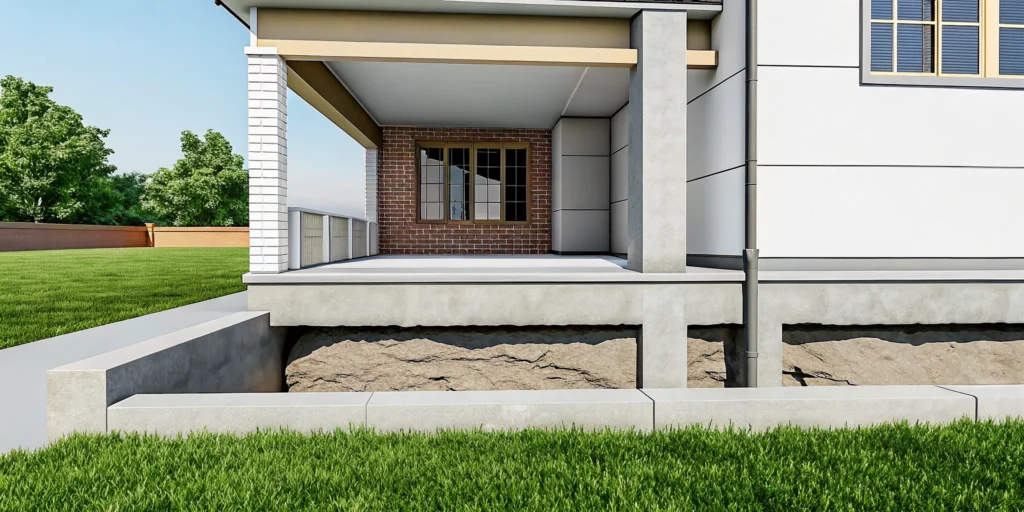
Not all cracks are created equal. A faint, thin line in your garage floor tells a very different story than a horizontal split across your foundation wall. Learning to read these signs is the key to protecting your home. Think of yourself as a detective; the location, size, and direction of a crack are all clues that point to the underlying cause. This guide is designed to be your field manual, helping you distinguish between a minor cosmetic issue and a serious red flag that requires an expert’s eye. We’ll explore what causes cracks in foundation walls in Dallas and teach you how to spot the related warning signs, like sticking doors and sloping floors, so you can act with confidence.
Key Takeaways
- Blame the Soil, Not the Builder: In the Dallas area, foundation problems are rarely caused by poor construction. The real issue is our expansive clay soil, which swells with rain and shrinks during drought, putting immense, constant pressure on your home.
- Not All Cracks Are Equal: Learn to tell the difference between minor and major issues. While thin hairline cracks are usually cosmetic, wide horizontal or diagonal stair-step cracks are serious warnings that your foundation is under stress and needs a professional evaluation.
- Control Water to Protect Your Foundation: You can prevent many issues by managing the moisture around your home. Ensure your yard has proper drainage to guide water away, and lightly water your foundation during dry spells to keep the soil from shrinking excessively.
What’s Causing Cracks in Your Dallas Foundation?
If you’ve spotted cracks in your foundation, walls, or ceilings, I know how unsettling that can be. Your home is your biggest investment, and signs of trouble can feel overwhelming. But before you panic, let’s talk about what’s likely happening beneath your house. Here in the Dallas area, the ground itself is usually the main reason for these issues. Our unique soil and dramatic weather patterns create a challenging environment for home foundations. Understanding these local factors is the first step to finding the right solution.
How Dallas Clay Soil Expands and Contracts
The biggest challenge for foundations across North Texas is our soil. Much of the ground here is made of expansive clay, which acts a lot like a sponge. When it rains, this clay soil soaks up a massive amount of water and swells up. Then, during our hot, dry spells, it loses that moisture and shrinks significantly. This constant change in volume creates powerful forces that push and pull on your home’s foundation. It’s a natural process, but one that can cause real problems for the structure of your house. This is a common issue for homeowners throughout our Dallas service area.
What Is the Shrink-Swell Cycle?
This constant expansion and contraction of the soil is known as the “shrink-swell cycle.” When heavy rains saturate the ground, the soil swells and pushes upward on the edges of your foundation. This can cause the slab to bend, leading to cracks near the bottom of your walls. Conversely, when drought and heat dry the soil out, it shrinks and pulls away from the foundation, causing the edges to sink. This settling movement often results in cracks appearing near your ceilings or roofline. This relentless cycle puts your foundation under constant stress, making professional foundation repair a necessity for many local properties.
How Drought and Heavy Rain Affect Your Foundation
Our Texas weather is anything but moderate, and these extremes have a direct impact on your home. During periods of intense rain, the soil can become oversaturated very quickly, causing it to expand and exert immense upward pressure on your foundation. On the flip side, the long, hot droughts that are common in our region bake the moisture out of the ground. This causes the soil to shrink and pull away, leaving parts of your foundation unsupported. This lack of support leads to settling and cracking. These dramatic shifts from one extreme to another are what make foundations here so vulnerable.
The Impact of Extreme Temperature Swings
On top of the rain and drought cycles, our intense temperature swings add another layer of stress. The scorching Texas sun can heat the ground and accelerate moisture evaporation, causing the clay soil to shrink even faster. These temperature changes contribute to the severity of the shrink-swell cycle. As local experts, the team at Solid Base understands how this combination of expansive soil and extreme weather affects homes in our community. We’ve seen firsthand how these environmental factors are the root cause of most foundation issues in the Dallas area, and we have the experience to address them correctly.
More Than Just Soil: Other Causes of Foundation Cracks
While our infamous Dallas clay soil gets most of the blame for foundation problems, it’s not always the only culprit. Several other factors can put a surprising amount of stress on your home’s foundation, leading to cracks and other damage. Sometimes, these issues work together with the soil to create the perfect storm for structural problems. Understanding these other potential causes can help you spot trouble early and protect your home from more significant issues down the road. From your plumbing to your landscaping, what happens around your home has a direct impact on what happens underneath it.
Poor Drainage and Water Issues
If water doesn’t have a clear path away from your house, it will find the path of least resistance, which is often straight down into the soil around your foundation. Poor drainage, clogged gutters, or improper grading can cause water to pool against your home. This saturates the clay soil, causing it to expand and push against the foundation walls with immense force. This is known as hydrostatic pressure. Over time, this constant pressure can cause the foundation to crack or even bow inward. Proper drainage is one of the most critical elements of a healthy foundation, especially in our rainy seasons.
Invasive Tree Roots
Those beautiful, mature trees that provide so much shade can also be a secret source of foundation trouble. Large tree roots are naturally drawn to sources of moisture, and the soil under your foundation is often a prime target. As these roots grow and absorb water, they can cause the soil in that specific area to dry out and shrink. This creates uneven support beneath your home, causing one part of the foundation to settle more than another. As a general rule, it’s wise to keep large trees at least 20 feet away from your house to prevent their root systems from causing this kind of damage.
Problems from Construction and Settling
A home’s foundation is only as good as the ground it was built on and the quality of the initial construction. If the soil wasn’t properly compacted before the concrete was poured, it can settle unevenly over time, putting stress on the structure above. Likewise, poor construction practices or using a subpar concrete mix can create a foundation that is weak from day one. While all new homes experience some minor, uniform settling, issues from the construction phase can lead to significant and costly foundation repair needs years later.
Hidden Plumbing Leaks
One of the most destructive and difficult-to-detect causes of foundation problems is a hidden plumbing leak. A small leak in a pipe running under your slab can go unnoticed for months or even years, slowly releasing water into the soil. This constant saturation erodes the soil, washing away the support from beneath your foundation. It also creates the same kind of soil expansion and pressure that poor drainage does, but it’s concentrated in one area. If you notice a sudden spike in your water bill or find a warm spot on your floor, it could be a sign of a leak that needs immediate attention before it causes major structural damage.
Decode Your Foundation Cracks
Finding a crack in your foundation can feel alarming, but not all cracks signal a disaster. The key is to understand what you’re looking at. The direction, size, and location of a crack tell a story about what’s happening with your home’s foundation. Learning to identify the different types is the first step in figuring out your next move, whether that’s simply keeping an eye on it or calling in a professional for a closer look. Think of this as your field guide to foundation cracks, helping you distinguish between a minor imperfection and a sign that you need expert foundation repair.
Hairline Cracks
Seeing a crack, any crack, can be unsettling. But those super-thin ones, about the width of a credit card or smaller? We call those hairline cracks. They often show up as concrete cures or as your home goes through its normal, minor settling process. Think of them as skin-deep. While they can be an eyesore, they typically don’t point to a deeper structural problem. For the most part, you can breathe a sigh of relief when you spot one of these. If you’re concerned about the look of them on your patio or garage floor, a simple concrete repair can often seal them up and restore a smooth finish.
Vertical Cracks
Vertical cracks run straight up and down your foundation wall. The good news is that these are usually less concerning than cracks running in other directions. They often form during the concrete curing process, much like hairline cracks. However, you’ll want to keep an eye on them. If you notice a vertical crack is wider at the top or bottom, or if several appear in one area, it could suggest some settling. Monitoring these cracks for any changes is a smart move. If you see them growing over time, it’s a good idea to have a professional take a look. You can always contact us for a free, no-obligation estimate to get peace of mind.
Horizontal Cracks
This is the one to take seriously. A horizontal crack running across your foundation wall is a major red flag. Unlike other cracks that can result from simple settling, a horizontal crack is almost always caused by intense external pressure. In North Texas, this is often due to the expansive clay soil pushing against your foundation. This pressure can cause your foundation walls to bow inward, compromising the structural integrity of your home. If you see a horizontal crack, especially if the wall appears to be bulging, don’t wait. It’s crucial to call for a professional foundation repair inspection immediately to prevent further damage.
Diagonal or Stair-Step Cracks
Diagonal cracks, which run at an angle, often point to a specific problem: differential settlement. This means one part of your foundation is sinking or moving at a different rate than the rest. In homes with brick or concrete block exteriors, these cracks often appear in a stair-step pattern, following the mortar joints. You might also notice other related symptoms, like doors that stick or gaps appearing around your window frames. These cracks are a clear sign that your foundation is shifting unevenly and needs to be evaluated by an expert. You can see examples of how we address these issues in our work for other Dallas-area homeowners.
Is This Crack a Big Deal? How to Tell
Finding a crack in your foundation can be unsettling, but not every crack spells disaster. It’s important to know the difference between a minor cosmetic issue and a sign of a serious structural problem, especially with the tricky soil here in Dallas. A little bit of detective work can help you figure out if you’re dealing with a harmless hairline crack or something that needs a professional’s attention.
By looking at a crack’s size, shape, and direction, you can get a much better idea of what’s happening with your foundation. Think of it as gathering clues. Is the crack getting bigger? Is it letting water in? Answering these questions will help you decide on your next steps and give you the confidence to know when it’s time to call for backup.
What to Look For: Width, Depth, and Direction
First, take a close look at the crack itself. As a general rule, cracks wider than a quarter of an inch are cause for concern. While thin, hairline cracks are often just a result of concrete curing, wider gaps can signal more significant movement. The direction of the crack is also a major clue. Horizontal cracks are the most serious, as they often mean there’s intense pressure pushing against your foundation walls. Diagonal, or stair-step, cracks in brick or concrete block walls can indicate that your foundation is settling unevenly. If you spot these, especially if they are widening, it’s a sign you may need professional foundation repair to prevent further damage.
How to Monitor a Growing Crack
If you’ve found a crack that doesn’t seem urgent but still has you worried, monitoring it is a great next step. This helps you determine if it’s stable or actively getting worse. Take a pencil and mark the date at both ends of the crack. Then, periodically measure its width and length to see if it’s growing. You can even take photos with a ruler next to the crack for a clear visual record. Also, check the area after it rains to see if any water is seeping through. If you confirm the crack is getting longer, wider, or letting in moisture, that’s your cue to stop watching and start acting. When a crack is changing, it’s time to contact a professional for an expert assessment.
3 Foundation Crack Myths, Busted
Finding a crack in your home’s foundation can feel like a major disaster. It’s easy to let your mind race to worst-case scenarios. But before you panic, let’s take a breath and separate fact from fiction. A lot of the common “knowledge” about foundation cracks just isn’t true, especially here in the Dallas area. Understanding what’s really going on is the first step to finding a real solution. Let’s clear up a few of the biggest myths I hear from homeowners.
Myth #1: Every Crack Is a Catastrophe
Seeing a crack doesn’t automatically mean your home is in danger. In North Texas, it’s common to see small, hairline cracks appear, especially in newer homes. Often, these are just cosmetic issues in the drywall, paint, or caulk, not signs of a structural failure. A house naturally settles over time, and minor cracks can be a part of that process. The key is to know the difference between a harmless settling crack and one that signals a deeper problem. If a crack is growing, wider than a quarter-inch, or you see other warning signs, it’s time to get a professional opinion on your foundation repair options.
Myth #2: New Homes Don’t Get Cracks
It’s a common belief that a brand-new home should be perfect, but that doesn’t make it immune to foundation issues. All new houses go through a “settling” period as the structure settles into the ground beneath it. This process alone can cause small cracks to appear. Here in North Texas, the situation is made more complex by our expansive clay soil. This soil moves so much that foundation shifts are a frequent issue for homeowners, regardless of the age of their house. As a company with deep roots in the Dallas area, we understand these unique local challenges and how to address them effectively.
Myth #3: Cracks Always Mean Bad Construction
While poor construction can certainly cause problems, it’s not the usual suspect for foundation cracks in Dallas. The number one cause is our region’s expansive clay soil. This type of soil acts like a sponge; it swells dramatically when it gets wet and shrinks just as much when it dries out. Your home’s foundation is built with rigid materials like concrete and brick that can’t flex with this constant ground movement. When the soil shifts, it puts immense pressure on the foundation, causing it to crack. It’s not bad construction; it’s a battle with nature. If you’re seeing these kinds of cracks, it’s wise to contact us for a free, expert assessment.
Warning Signs Beyond the Cracks
Foundation problems aren’t always obvious. While a crack in the wall is a clear sign, sometimes your house sends more subtle signals that something is wrong with its base. The key is to pay attention to how these issues show up together. A single sticky door might just be a result of humidity, but a sticky door combined with a sloping floor and a new crack in the drywall tells a much more serious story. Learning to spot these other warning signs can help you catch foundation issues early, before they become bigger, more expensive problems. Think of yourself as a detective in your own home; these clues can help you solve the mystery of your foundation’s health.
Uneven or Sloping Floors
Have you ever dropped a marble and watched it roll to one corner of the room? While fun for kids, it can be a sign of uneven or sloping floors. When your foundation shifts, it can cause the entire structure above it to tilt, leading to floors that are no longer level. You might notice a slight slope when you walk, or see gaps appearing between the floor and the wall. This is more than just a quirky feature of an old house; it’s an indication that the structural support is compromised. If your floors are starting to feel like a funhouse, it’s a strong signal that you may need a professional foundation repair.
Doors and Windows That Stick
That one door that you have to shove to close isn’t just an annoyance; it could be a cry for help from your foundation. When a foundation settles or heaves, it distorts the frame of your house. This warping action puts pressure on door and window frames, causing them to become misaligned. Suddenly, doors won’t latch properly, and windows are a struggle to open or close. While it’s tempting to just sand down the edge of a sticky door, you might only be treating a symptom. If you notice multiple doors and windows acting up, especially along with other signs, your foundation is likely the root cause.
Gaps Around Window and Door Frames
Take a close look at the frames around your interior and exterior doors and windows. Do you see any gaps opening up between the frame and the wall? Unlike a sticky door, which is caused by the frame warping, these gaps indicate that the wall itself is pulling away. As the foundation moves, it can cause separation in the structure. You might even be able to see daylight peeking through. Don’t dismiss these gaps as a simple cosmetic issue that some caulk can fix. They point to significant movement that needs to be evaluated by a professional.
Bowing or Bulging Walls
Of all the warning signs, this is one you should never ignore. Walls that appear to be bowing inward or bulging outward are under extreme stress. This is often caused by intense pressure from the soil outside your foundation, a common problem with Dallas’s expansive clay. You’ll typically see this in basement walls or the lowest level of your home. If you spot a bowing wall, look for horizontal cracks running along it, as these are particularly serious. This isn’t a wait-and-see situation. Bowing walls signal a risk of structural failure, and you should contact an expert for an inspection immediately.
How to Protect Your Foundation
Taking care of your foundation might sound like a huge undertaking, but it’s really about managing the environment right around your house. Since we can’t change the expansive clay soil here in Dallas, the next best thing is to control the conditions that cause it to shift so dramatically. Think of it less as a massive project and more as a simple home health routine. A little proactive maintenance can go a long way in preventing small issues from turning into major structural problems that are expensive and stressful to fix. By paying attention to soil moisture, drainage, and even your landscaping, you can create a more stable environment for your home’s foundation and protect one of your biggest investments.
These preventative steps help minimize the stress on your foundation from the constant shrink-swell cycle our soil is famous for. Keeping things balanced is the key to avoiding the uneven movement that leads to cracks, sticking doors, and sloping floors. And if you ever feel like you’re seeing signs of trouble, knowing you have a plan makes all the difference. A professional foundation repair expert can help you create a long-term care plan for your property, giving you confidence that your home is on solid ground.
Maintain Consistent Soil Moisture
One of the most effective things you can do for your foundation is to keep the soil moisture around it as consistent as possible. During our hot, dry Texas summers, the clay soil shrinks as it loses moisture. This shrinking can cause the soil to pull away from your foundation, leading to settling and cracks.
To combat this, you can water your foundation. The goal isn’t to soak the ground, but to keep it lightly and evenly damp. A soaker hose placed about 18 to 24 inches away from your foundation is a great tool for this. Run it for about 15 to 20 minutes a few times a week during dry spells to help prevent the soil from cracking and creating gaps. Our team of experts understands the unique challenges of Dallas soil and can offer guidance tailored to your home.
Improve Your Yard’s Drainage
Just as too little water is a problem, so is too much. When heavy rains hit, you want that water to move away from your house, not pool against it. Poor drainage can oversaturate the soil, causing it to swell and push against your foundation, a process called upheaval. This pressure can be just as damaging as settling.
Start with the basics: make sure your gutters are clean and your downspouts extend at least four to six feet away from your home. The ground immediately around your foundation should also have a gentle slope away from the walls. If you notice water consistently pooling near your house after it rains, you may need a more advanced drainage solution. Addressing these issues not only protects your foundation but also prevents damage to your walkways and patios, which may require concrete repair if left unchecked.
Manage Trees and Shrubs Near Your Home
Large trees and shrubs can add a lot of beauty to your property, but their roots can also cause foundation trouble. A mature tree can absorb hundreds of gallons of water from the soil on a hot day, creating significant dry spots. If a large tree is too close to one side of your house, it can cause that part of the foundation to settle more than the rest, leading to uneven stress and diagonal cracks.
As a general rule, try to plant large trees a distance away from your home equal to their mature height. If you already have large trees nearby, you can install a root barrier to prevent the roots from growing under your foundation. Regular, deep watering near the tree can also help replenish the moisture it draws from the soil, keeping the ground more stable. You can see examples of how we’ve addressed complex foundation issues in our work across the Dallas area.
Schedule a Regular Foundation Check-Up
Even with diligent maintenance, it’s smart to have a professional look at your foundation every few years. An expert can spot the subtle, early warning signs of a problem that you might not notice. They can tell the difference between a harmless hairline crack and one that indicates a more serious structural issue is developing.
Think of it as a preventative health screening for your home. A professional inspection gives you peace of mind and a clear understanding of your foundation’s condition. If you’ve noticed any new cracks or other warning signs like sticking doors, don’t wait for them to get worse. You can contact us to schedule a free, no-obligation estimate. An expert will assess your property and let you know if any action is needed.
When to Call a Foundation Repair Pro
Seeing a crack in your foundation can be unsettling, but it’s important to know that not every crack signals a disaster. The real challenge is learning to distinguish between a minor cosmetic issue and a sign of a deeper structural problem. While some small cracks are a normal part of a house settling, certain red flags are your home’s way of telling you it’s time to call for a professional opinion. Paying attention to these warning signs and acting quickly can save you from more extensive and costly repairs down the road.
Red Flags That Need an Expert’s Eye
Think of yourself as a detective looking for clues. A single crack might not be alarming, but a pattern of issues often points to a problem. You should call an expert if you notice doors that stick in their frames or won’t latch properly, as this can mean your foundation has shifted. The same goes for floors that have started to slope or feel spongy underfoot. The biggest red flag is a combination of problems. If you see cracks along with sticking doors, gaps around window frames, or bulging brick outside, it’s a clear sign that you need a professional foundation repair assessment. These symptoms together suggest the problem is more than just surface-level.
What to Expect During a Professional Inspection
If you’ve spotted any of the red flags, scheduling a professional inspection is the right next step. A foundation expert will evaluate the signs you’ve noticed to determine if they are typical for a North Texas home or indicative of a more serious issue. For added clarity, some homeowners hire a structural engineer for a detailed report, which can provide an unbiased, in-depth look at your home’s structural health. During our visit, we’ll assess your property, explain what’s happening, and outline a clear course of action if repairs are needed. Getting a professional evaluation is the best way to get peace of mind and a solid plan. We offer free estimates to help you understand your options without any commitment.
Related Articles
- Ultimate Guide to Foundation Repair Options
- Foundation Crack Repair: A DIY vs. Pro Guide
- How to Fill Large Cracks in Concrete Like a Pro
- A Homeowner’s Guide to Foundation Repair Services
- Pier & Beam Foundation Repair: Signs, Costs & Fixes
Frequently Asked Questions
I just found a crack. Should I panic? Take a deep breath. Finding a crack is rarely a reason to panic, but it is a reason to pay attention. Many small, thin cracks are just cosmetic and a normal part of a house settling. The first step is to look closer. If the crack is wider than a quarter of an inch, runs horizontally, or seems to be growing, it’s a signal to call a professional for an assessment. Otherwise, you can simply monitor it for any changes.
My house is brand new. Why am I already seeing cracks? This is a really common concern, and it’s understandable to feel frustrated. All new homes go through a natural settling period, which can cause small cracks to appear. When you add our unique North Texas clay soil into the mix, which expands and shrinks constantly, even new construction is put under stress. It’s less about the age of your home and more about the powerful forces of the ground it’s built on.
What’s the most dangerous type of crack I should look for? If you see a horizontal crack in your foundation wall, that’s the one to take most seriously. Unlike other cracks that can be caused by simple settling, a horizontal crack is almost always a sign of intense pressure pushing against your foundation from the outside. This can cause the wall to bow and compromise your home’s structure, so it’s a red flag that requires an immediate professional inspection.
Besides cracks, what are some other signs my foundation is in trouble? Your house can give you clues in other ways. Pay attention to doors and windows that suddenly start to stick or won’t latch properly. You might also notice floors that begin to slope or feel uneven when you walk on them. Gaps appearing between your walls and your window or door frames are another key indicator. One of these signs alone might not be a big deal, but if you notice several of them happening together, it’s a strong hint that your foundation is shifting.
Is there anything I can actually do to prevent foundation problems? Yes, absolutely. The best defense is to manage the moisture in the soil around your home. During dry spells, use a soaker hose to keep the ground lightly and consistently damp to prevent it from shrinking away from your foundation. Also, make sure your gutters are clean and your downspouts direct water several feet away from your house. These simple habits help create a more stable environment for your foundation and can prevent many issues from starting.