
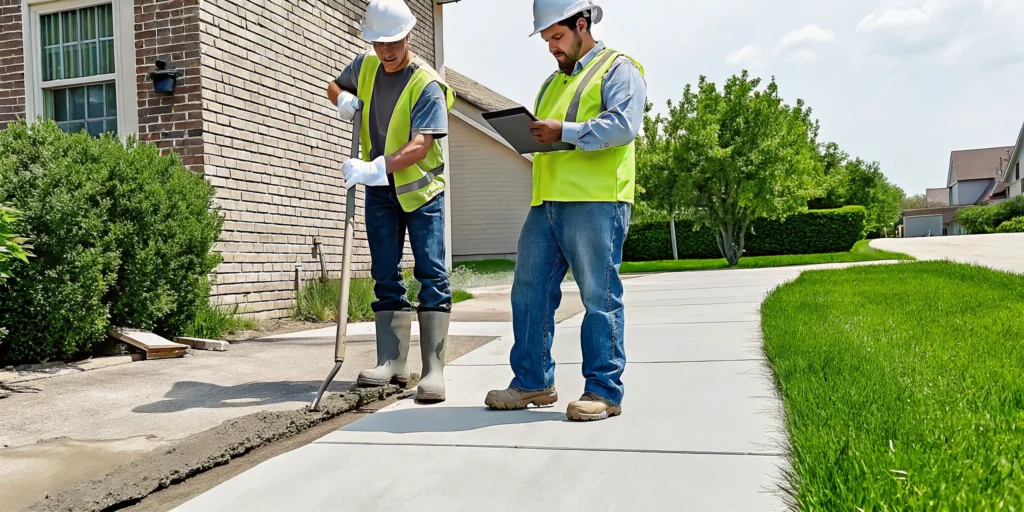
That uneven section of your walkway that’s become a tripping hazard, or the network of cracks marring your once-perfect driveway, are more than just minor annoyances. They are clear signals that the soil beneath your concrete is unstable. In our area, this is often due to soil erosion or the constant shrink-swell cycle of our clay soil. Catching these issues early is the best way to prevent a small problem from turning into a costly structural failure. A thorough inspection from a professional is the first step toward a real solution. An experienced concrete repair contractor Denton TX can assess the damage, identify the underlying cause, and recommend the most effective technique to restore your concrete’s safety and appearance.
Key Takeaways
- Be your home’s first line of defense: Regularly checking your property for small cracks, uneven spots, or water pooling is the easiest way to catch concrete issues early and avoid major, expensive repairs.
- Look beyond the surface cracks: Remember that concrete damage in Denton is often caused by our expansive clay soil, so a lasting repair must address the underlying ground issues, not just patch the visible problem.
- Vet contractors for local expertise and quality: When comparing professionals, prioritize their experience with Denton’s soil, the quality of their products, and clear communication over simply choosing the lowest price to ensure a durable, long-term solution.
What Does a Concrete Repair Contractor in Denton Do?
When you picture concrete repair, you might just think of someone patching a few cracks. But a professional concrete repair contractor in Denton does so much more. Their job is to diagnose the root cause of the damage and provide a lasting solution that restores the safety, function, and appearance of your property. From your driveway and patio to the very foundation of your home, these experts have a range of techniques to handle different types of concrete problems. Understanding what they do can help you know when it’s time to call for help and what to expect when they arrive. Let’s walk through the main services you’ll find.
Filling and Sealing Cracks
Seeing cracks in your concrete can be unsettling, but a contractor can address them effectively. The process of concrete repair involves more than just filling a gap; it’s about protecting your property. When cracks are properly filled and sealed, it prevents water from seeping in and causing more damage, especially during Texas freezes and thaws. As local pros point out, professional repair services can fix cracks and wear to make concrete surfaces look new. This not only improves your home’s curb appeal but also stops small issues from turning into major, expensive problems down the road.
Lifting and Leveling Uneven Concrete
A sunken driveway or a tilted patio isn’t just an eyesore; it’s a serious tripping hazard. Concrete repair contractors specialize in lifting and leveling uneven slabs. Many professionals use a modern method called polyurethane foam lifting (or polyjacking). This technique involves injecting a structural foam beneath the slab to gently raise it back into its original position. It’s a fast, effective, and less invasive solution than a total replacement. Companies in the area help residents fix sinking or uneven concrete on everything from sidewalks to pool decks, restoring safety and stability to your outdoor spaces.
Resurfacing and Restoring Damaged Surfaces
Over time, concrete can become pitted, stained, or flaky, a condition known as spalling. Instead of tearing it all out, a contractor can give it a fresh start through resurfacing. This process involves applying a thin, durable layer of a cement-based overlay to the existing surface. It covers up imperfections, strengthens the slab, and gives you a chance to even add color or texture for a new look. Many local businesses in Denton offer services for installing or repairing concrete, which includes these kinds of restorative options for worn-out surfaces.
Fixing Foundation and Drainage Issues
Sometimes, a crack in your concrete is a sign of a deeper problem. Issues with your home’s foundation or poor drainage can put stress on your concrete slabs, causing them to crack and shift. A thorough contractor will investigate these underlying causes. At Solid Base, we know that effective foundation repair is often the key to a permanent concrete solution. By addressing the source of the problem, whether it’s soil movement or water issues, we can ensure your home remains stable and secure. Our team has been using patented repair systems to protect homes across the Dallas-Fort Worth area for years.
Why Denton’s Climate Is Tough on Your Concrete
If you’ve noticed cracks in your driveway or an uneven patio, you’re not alone. The unique combination of soil and weather in Denton puts constant stress on concrete surfaces. Understanding these environmental factors is the first step to protecting your property from long-term damage. It’s not just about wear and tear; it’s about the ground literally shifting beneath your feet.
How Expansive Clay Soil Causes Damage
Many of us don’t think about what’s under our homes, but in Denton, it’s a big deal. Much of the area sits on what’s called Blackland Prairie clay, one of the most challenging soils for foundations. This expansive clay acts like a sponge. It swells up dramatically after heavy rain and then shrinks and cracks during our hot, dry summers. This constant movement puts a huge amount of pressure on your concrete driveway, patio, and even your home’s foundation. Over time, this relentless cycle is a leading cause of foundation settlement, cracked slabs, and those annoying sticking doors you might have noticed around the house.
The Impact of Texas Weather on Concrete
Now, let’s add our wild Texas weather to the mix. The expansive clay soil is the main issue, but Denton’s climate is what really activates the problem. We all know the pattern: long stretches of intense summer heat that bake the ground dry, followed by sudden, heavy downpours. This cycle of drought and deluge forces the clay soil through its shrink-and-swell routine year after year. This constant shifting is what causes the damage. When you see those first hairline cracks, it’s a sign that this process is affecting your property. It’s tempting to ignore them, but when your concrete starts to crack, every day you wait can turn a manageable repair into a major expense.
How to Spot Concrete Problems Early
Being a homeowner means you get pretty good at playing detective, especially when it comes to your property. Your concrete driveway, patio, and sidewalks are more than just functional surfaces; they’re also early warning systems for potential structural issues. Catching problems early can save you from bigger headaches and more expensive repairs down the road.
The good news is you don’t need special equipment to do a basic inspection. A keen eye is your best tool. By regularly checking your property, you can spot the telltale signs that your concrete needs a little professional attention. It’s all about knowing what to look for. Pay close attention to three key areas: visible cracks, uneven surfaces, and how water behaves around your home. These clues will tell you a lot about the health of your concrete and the soil beneath it. In a place like Denton, where the clay soil expands and contracts with moisture, these visual checks are even more important. Ignoring a small crack or a slightly sunken slab can allow problems to grow, potentially leading to more complex and costly foundation issues. Think of it as a regular health checkup for your home’s exterior. A few minutes spent looking around every few months can make all the difference.
Look for Cracks and Surface Flaws
Cracks are often the first and most obvious clues that something is amiss. While a few tiny hairline cracks might just be a cosmetic issue, you should never ignore them. Take a walk around your property and pay close attention to your driveway, sidewalks, and patio. Look for cracks that are wider than a credit card, or a network of cracks spreading out like a spiderweb. Also, notice if one side of the crack is higher than the other, as this indicates the ground beneath is shifting. These aren’t just surface-level imperfections; they can be a sign of a deeper foundation repair issue, especially if you see similar cracks on your interior walls or floors. Addressing them early prevents water from seeping in, freezing, and making the damage much worse.
Check for Uneven or Sunken Slabs
Have you ever tripped on a section of your sidewalk that’s suddenly higher than the rest? Or noticed a patio where one corner is lower than the rest? This is sunken or settled concrete, and it’s more than just an eyesore; it’s a serious tripping hazard. Uneven slabs are a clear sign that the soil underneath has washed away or compacted, leaving the concrete without the support it needs. Look for areas where your concrete has pulled away from your garage floor or the base of your house. This is a clear sign that you need professional concrete repair to lift and level the slab before the problem gets worse. Addressing it promptly restores safety and prevents water from pooling against your foundation.
Notice Water Pooling or Drainage Problems
Water is one of the biggest culprits when it comes to concrete and foundation damage. The next time it rains, watch where the water goes. Do you see large puddles forming on your driveway or patio that take hours to disappear? Does water pool up against the side of your house? This is a major red flag for poor drainage. This standing water can soften the soil underneath, leading to erosion and causing slabs to sink or crack. It also puts immense pressure on your foundation. Proper drainage should guide water away from your home, not toward it. If you see persistent pooling, it’s a sign that the ground is no longer graded correctly, and it’s time to call in a professional. You can see examples of how we’ve solved these types of problems in our work gallery.
What Does Concrete Repair Cost in Denton?
Figuring out the budget for a home repair project is always the first question on a homeowner’s mind, and concrete repair is no different. The truth is, there’s no single price tag. The cost to fix your driveway, patio, or sidewalk in Denton can vary quite a bit because every project is unique. The final price depends on the type of damage, the size of the area, and the specific repair method needed to get the job done right.
Think of it this way: filling a few small cracks is a much different job than lifting an entire sunken slab of your driveway. While it’s an investment, addressing concrete repair issues sooner rather than later can prevent them from turning into bigger, more expensive structural problems down the road. Understanding the factors that influence cost will help you set a realistic budget and make an informed decision when you’re ready to hire a contractor.
What Factors Affect the Price?
Several key factors determine the final cost of your concrete repair project. The most significant is the extent of the damage. A few hairline cracks will naturally cost less to fix than a large, uneven section of concrete that has sunk due to soil settlement. The specific repair technique also plays a huge role. Simple crack filling is on the lower end of the cost spectrum, while lifting and leveling a slab with polyurethane foam or resurfacing a large area will be more involved and, therefore, more expensive.
The total square footage of the repair area is another major consideration. Finally, the contractor you choose will impact the price. An experienced team that uses high-quality, patented products may have a higher initial cost, but their work is more likely to last. That’s why it’s always a good idea to look at a contractor’s past projects to see the quality for yourself.
Typical Cost Ranges for Concrete Repair
While a custom quote is the only way to get a precise number, looking at typical cost ranges can give you a general idea of what to expect. Nationally, homeowners might spend around $2,750 on average for concrete work, but this can shift based on local pricing and the job’s complexity. For a common project like resurfacing a driveway, you might see costs between $3 and $10 per square foot. That means a standard 500-square-foot driveway could cost anywhere from $2,000 to $5,000 to restore.
Smaller jobs, like sealing cracks, will be much less. The cost of the sealant itself can range from $20 to $80 per gallon, plus labor. Because these costs can add up, it’s helpful to know that many companies offer flexible financing options to make the project more manageable for your budget.
Why You Should Always Get a Free Estimate
A free, no-obligation estimate is the single most important tool you have when planning a concrete repair. It’s the only way to get an accurate price tailored to your home’s specific needs. During an estimate, a professional will assess the damage firsthand, identify the underlying cause, and recommend the most effective solution. This process removes all the guesswork and provides you with a clear, detailed breakdown of the expected costs.
Getting an estimate is also a great opportunity to vet the contractor. You can ask questions, understand their process, and get a feel for their professionalism. Reputable companies are happy to provide a free quote because they are confident in their work and their pricing. It’s a risk-free first step that empowers you to compare your options and move forward with confidence. When you’re ready, you can schedule an estimate to get a clear picture of your project.
How to Find a Great Concrete Repair Contractor in Denton
Finding the right person to fix your concrete can feel like a big task, but it doesn’t have to be overwhelming. With so many options out there, how do you know who to trust with your home? A little bit of research upfront can save you a lot of headaches and money down the road. The goal isn’t just to find any contractor; it’s to find a reliable partner who understands Denton’s unique soil and climate challenges. A great contractor will not only fix the visible problem but will also ensure the solution is built to last. Taking the time to vet your options properly is the most important step you can take toward protecting your home’s value and safety. Think of it as hiring a specialist for a critical part of your home’s health. You’ll want to look at their track record, confirm their credentials, and make sure their plan for your property makes sense. This process helps you move beyond a simple price comparison and into a real evaluation of quality and expertise. By focusing on these key areas, you can confidently choose a professional who will get the job done right the first time.
Read Reviews and Look at Past Work
Start by seeing what other homeowners are saying. Online reviews are a good starting point, but look for detailed testimonials that describe the entire experience, from the initial call to the final cleanup. Beyond star ratings, you want to see a company’s finished product. A reputable contractor will be proud to show you examples of their past projects. Look for before-and-after photos of jobs similar to yours. Does the repair look clean and professional? Do they have experience with the specific type of concrete damage you’re dealing with? Seeing their work with your own eyes gives you a clear picture of the quality you can expect for your own home.
Verify Their Licensing, Insurance, and Warranties
This step is non-negotiable. Before you let anyone start work on your property, confirm they are properly licensed and fully insured. This protects you from liability if an accident happens on your property. Ask for proof of general liability insurance and workers’ compensation. Beyond that, ask about their warranties. A contractor who stands behind their work will offer a solid warranty on both materials and labor. Some companies are even certified to install specialized systems backed by national networks, which adds another layer of confidence. Don’t be shy about asking for these documents; a professional company will have them ready and will be happy to provide them.
Get a Few Quotes Before You Decide
It’s wise to get at least three quotes before making a final decision, but remember that the lowest price isn’t always the best value. Each contractor should visit your property to perform a thorough inspection before giving you a written estimate. Be wary of anyone who tries to give you a price over the phone. A detailed quote should clearly outline the proposed repair method, the materials to be used, the project timeline, and a full breakdown of costs. This allows you to compare apples to apples and understand exactly what you’re paying for. When you’re ready, you can get a free, no-obligation estimate to start the process and get a baseline for your project.
What to Look for When Comparing Contractors
Once you have a few estimates in hand, it’s time to look beyond the bottom line. While price is certainly a factor, choosing a concrete repair contractor based on cost alone can be a risky move. This repair is a direct investment in your home’s safety and value, so you want to be sure you’re hiring a team that will do the job right the first time. A cheap, quick fix often ends up costing more down the road when the underlying issue resurfaces. Instead, think of this as hiring a partner who will help you protect your property for years to come.
When you compare contractors, consider the whole package. How long have they been in business? What does their training and certification process look like? Do they stand behind their work with a solid warranty? A reputable company will be transparent about their history, their methods, and what you can expect from them. You should feel confident that they not only have the skills to fix the problem but also that they will be there for you if any issues arise later. Learning about a company and its values can tell you a lot about the service you’ll receive. The right contractor for your Denton home will have a deep understanding of the local soil and climate, offering solutions designed to last in our unique environment.
Experience with Proven Repair Methods
Experience isn’t just a number; it’s a library of solved problems. A contractor with years of experience in the Denton area has seen firsthand how our expansive clay soil and weather cycles affect concrete. They know the difference between a simple surface crack and a sign of a deeper foundation issue. Look for a team that has a long track record of successful foundation repair and concrete work. An experienced professional can accurately diagnose the root cause of the damage, ensuring the solution they propose is a permanent one, not just a temporary patch. This expertise is what protects your home from recurring problems and gives you true peace of mind.
Ask About Their Products and Techniques
Don’t be shy about asking detailed questions about the materials and methods a contractor plans to use. A confident, knowledgeable professional will be happy to explain their process. Inquire about the specific products they use and why those are the best choice for your situation and for Denton’s challenging soil. For example, some contractors use advanced, engineered solutions like PolyLevel® for lifting and leveling concrete. This is a specialized technique that is much more durable and precise than traditional mudjacking. Choosing a contractor who invests in proven, high-quality concrete repair products shows they are committed to providing a superior and long-lasting result for your property.
Prioritize Clear Communication and Local Knowledge
Dealing with home repairs can be stressful, and poor communication from your contractor only makes it worse. From the very first phone call, pay attention to how a company treats you. Do they listen to your concerns? Do they explain their proposed solutions in a way that you can understand, without overly technical jargon? A great contractor acts as a guide, keeping you informed every step of the way. This, combined with specific local knowledge, is a winning combination. A team that understands Denton’s unique challenges is better equipped to create a tailored plan that effectively stabilizes your concrete for the long haul. When you’re ready to start the conversation, contact us for a clear, no-pressure consultation.
Can You Get Financing for Concrete Repair?
Let’s be honest: a major home repair project can feel financially overwhelming. If you’re worried about the cost of fixing your concrete, you’re not alone. The good news is that you have options, and you don’t have to put off essential repairs because of the price tag. Many homeowners are surprised to learn that financing is a common and accessible solution for managing the cost of concrete work. By exploring your options, you can address structural issues promptly without draining your savings, protecting your property’s value and safety.
Ask About Flexible Financing Plans
When you start talking to contractors, don’t be shy about asking what kind of payment options they have. A reputable company understands that concrete repair is a significant investment for a homeowner and should be ready to discuss solutions. They may partner with lenders or have in-house plans to make the payments more manageable. At Solid Base, we work with homeowners to find financing solutions that fit their budget. Our goal is to help you get the necessary repairs done with a payment plan that doesn’t add extra stress to your life.
Look for Seasonal or New Customer Discounts
Another smart way to manage costs is to keep an eye out for special offers. Some companies run seasonal promotions, especially during slower times of the year, or provide discounts for new customers to earn their business. It never hurts to ask a potential contractor if they have any current deals you can take advantage of. While you shouldn’t choose a contractor based on price alone, finding a trustworthy company that also offers a discount can certainly make the decision a little easier and your project more affordable.
Start with a Free, No-Obligation Estimate
Before you sign any contracts or even think about payment, your first step should always be getting a free, no-obligation estimate. This is your chance to have a professional assess the damage, explain the necessary repairs, and give you a clear breakdown of the costs involved. It’s a crucial part of the process that lets you plan your budget and compare your options without any pressure. We believe in transparency from the very beginning, which is why we offer a free estimate for all our concrete and foundation work.
How to Maintain Your Concrete and Prevent Future Repairs
After you’ve invested in professional concrete repair, the last thing you want is to face the same problems again in a few years. The good news is that a little proactive maintenance goes a long way in protecting your driveway, patio, and walkways. By staying on top of a few simple tasks, you can extend the life of your concrete and prevent small issues from turning into major headaches. Think of it as protecting your investment and keeping your property looking its best. It’s a much better feeling to spend a Saturday afternoon on light upkeep than to discover a crack that’s tripled in size.
Taking care of your concrete doesn’t have to be complicated. It mostly comes down to three key areas: keeping it clean and sealed, addressing damage quickly, and performing some light seasonal maintenance tailored to our Texas climate. These simple habits will help you keep your concrete surfaces stable and strong for years to come, ensuring your home’s curb appeal stays high and your repair bills stay low. We’ll walk through exactly what you need to do to get ahead of any potential issues.
Clean and Seal Your Concrete Regularly
One of the simplest and most effective ways to maintain your concrete is to clean it regularly. Dirt, oil, and grime aren’t just an eyesore; they can break down the surface of your concrete over time. For most messes, a simple wash with a mild detergent and water is all you need. If you have more stubborn stains, a stiff brush or a pressure washer can do the trick.
After cleaning, consider applying a quality concrete sealer every few years. A good sealer acts like a shield, preventing water from seeping into the pores of the concrete and protecting it from stains and weather damage. This simple weekend project can dramatically extend the life of your concrete and keep it looking fresh.
Address Cracks and Drainage Issues Quickly
It’s tempting to ignore a tiny crack in your driveway, but even small flaws can lead to big problems. Water is the main culprit. When it gets into a crack, it can wash away the soil underneath, causing the slab to sink and the crack to widen. This is especially true in Denton, where our clay soil is prone to shifting.
If you notice new cracks forming or see water pooling on your concrete after it rains, it’s time to take action. Cleaning out debris and filling small cracks can stop the damage from spreading. If the problem seems to be getting worse or is related to a larger drainage issue, it might be a sign of a deeper problem with the soil or even your home’s foundation.
Seasonal Maintenance Tips for the Denton Climate
Living in North Texas means your concrete has to endure a lot, from scorching summer heat to the occasional winter freeze. A little seasonal care can make a big difference. In the fall, make sure to sweep away leaves and debris. A pile of damp leaves can trap moisture against the concrete, leading to discoloration and mildew.
After a heavy rain, take a walk around your property to see where water is going. If it’s pooling on your concrete, it could be a sign that your drainage needs adjustment. While we don’t get a lot of snow, it’s wise to clear any ice or snow from your concrete during a freeze, as the freeze-thaw cycle is particularly tough on concrete. Being aware of these local climate challenges is key for any homeowner in our Denton service area.
Why Choose Solid Base for Your Denton Concrete Repair
Choosing the right contractor for your home is a big deal. You need a team you can trust to do the job right, using materials that last. At Solid Base, we combine local expertise with industry-leading solutions to give Denton homeowners peace of mind. We understand the unique challenges of North Texas soil and have the tools and training to protect your property for the long haul. Here’s what sets us apart.
Our Patented Systems and Certified Team
When you’re dealing with something as important as your home’s foundation or concrete, you want proven solutions, not guesswork. Our team has served homeowners across the Dallas-Fort Worth area for over 18 years, using patented repair systems designed for lasting results. We don’t just patch problems; we solve them from the ground up. Our technicians are highly trained and certified to install these advanced systems, ensuring every repair meets the highest standards of quality and durability. You can see the quality of our work and how we’ve helped homeowners just like you restore their property’s value and safety.
Local Experts with National Support
We live and work right here in North Texas, so we know firsthand how Denton’s expansive clay soil can wreak havoc on concrete. This local knowledge is critical, but we don’t stop there. Solid Base is one of the few contractors in the region certified to install SupportWorks® and PolyLevel® systems. This means we’re backed by a national network of engineers and experts, giving us access to the industry’s most reliable products. You get the personalized attention of a local company with the resources and warranties of a national leader. You can learn more about our team and our commitment to excellence.
Complete Concrete Solutions for Your Property
Concrete problems come in all shapes and sizes, from a cracked driveway to a settling slab foundation. Instead of juggling multiple contractors, you can rely on us for comprehensive concrete repair services. We handle everything from lifting uneven patios and sidewalks to addressing more complex pier and beam issues. Our goal is always to find the most effective and least disruptive solution for your home. We use modern techniques that are often faster and cleaner than traditional methods, so you can get back to enjoying your space without a lengthy, messy construction project.
Related Articles
- Concrete Repair – Solid Base
- How to Fill Large Cracks in Concrete Like a Pro
- Ultimate Guide to Foundation Repair Options
- Foundation Repair – Solid Base
- Foundation Repair Cost: The Ultimate 2026 Guide
Frequently Asked Questions
How do I know if a crack is a simple concrete issue or a sign of a bigger foundation problem? That’s a great question, and it’s smart to ask. A good rule of thumb is to look for related symptoms. If you see a crack on your patio, check for other signs like sticking doors or windows inside the house, or similar cracks appearing on interior walls or floors. Also, if one side of the crack is higher than the other, it suggests the ground is shifting. While a professional inspection is the only way to know for sure, these clues often point to a deeper issue with the soil or foundation that needs to be addressed.
Is it better to repair my concrete or just replace it entirely? Many homeowners assume replacement is the only real fix, but that’s often not the case. Modern repair techniques, like polyurethane foam lifting, can restore your concrete to its original position for a fraction of the cost and time of a full replacement. More importantly, a good repair addresses the underlying soil issue that caused the damage in the first place. Simply pouring a new slab without fixing the soil problem means you could face the same cracks and sinking in a few years.
How long does a typical concrete lifting repair take? You might be surprised by how fast modern concrete repair can be. A project like lifting a sunken sidewalk or patio slab using polyurethane foam injection can often be completed in just a few hours. The process is efficient, and the foam cures quickly, meaning you can usually walk or even drive on the repaired surface the very same day. It’s a much less disruptive process than a total replacement, which can take days.
Why can’t I just fill the cracks myself with a product from the hardware store? While it can be tempting to try a quick DIY fix, those products are usually just a temporary cosmetic patch. They might cover the crack for a little while, but they don’t solve the root cause, which is often the shifting clay soil beneath the slab. A professional repair involves stabilizing the concrete and using specialized, flexible sealants that prevent water intrusion and stop the crack from coming back, addressing the problem for the long term.
Will the repair process damage my lawn or landscaping? This is a common and valid concern. We all work hard on our yards. Fortunately, modern repair methods are designed to be as minimally invasive as possible. Techniques like polyjacking, for example, only require a few small, dime-sized holes to be drilled into the concrete. There is no need for heavy equipment or major excavation, so your lawn, flower beds, and surrounding landscape remain undisturbed.