
That nagging feeling when you notice a crack in the wall or a door that suddenly sticks can be unsettling. For homeowners in North Texas, these aren’t just quirks of an old house; they are often the first signs of foundation trouble caused by our infamous expansive clay soil. This soil swells and shrinks with the weather, putting constant stress on your home’s structure. This article will walk you through a powerful and permanent solution: push piers. We’ll explain what they are, how they work, and why this specific method of push pier foundation repair Dallas TX is the most reliable way to secure your home and give you lasting peace of mind.
Key Takeaways
- Know the Warning Signs in Dallas: The shifting clay soil in our area puts constant stress on foundations, leading to common issues like wall cracks, sticking doors, and uneven floors. Catching these problems early is the best way to prevent more extensive damage.
- Push Piers Provide a Permanent Fix: This repair method works by bypassing the unstable clay soil and anchoring your home to solid ground deep below. It is a lasting solution that is less invasive to your property and often includes a lifetime transferable warranty.
- Choose Your Repair Expert Wisely: Do not just focus on price; select a foundation repair company by verifying their experience and insurance, asking for a detailed written estimate, and making sure you understand the terms of their lifetime transferable warranty.
What Are Push Piers?
If you’ve noticed signs of foundation trouble, you’ve likely heard about different repair methods. One of the most reliable and common solutions, especially here in the Dallas area, is using push piers. Think of them as stilts for your house, but underground. They are a type of steel pier system designed to support your home’s foundation by reaching deep into the ground. The goal is simple: to stabilize your foundation and, in many cases, lift it back toward its original position, correcting issues like sloping floors and sticking doors. This method is a go-to for our team because it provides a strong, lasting fix for settling foundations.
How Do Push Piers Work?
The concept behind push piers is straightforward but powerful. They work by transferring the immense weight of your house off the unstable soil near the surface and onto solid, load-bearing soil or bedrock far below. Our crew drives sections of heavy-duty steel pipe into the ground one by one using a hydraulic ram. We continue pushing them deeper until they hit a layer of ground that is firm enough to support your home, a point we verify with pressure readings. This process creates an incredibly stable base, effectively stopping your foundation from sinking any further and providing the support needed for a secure lift.
What Makes Up a Push Pier System?
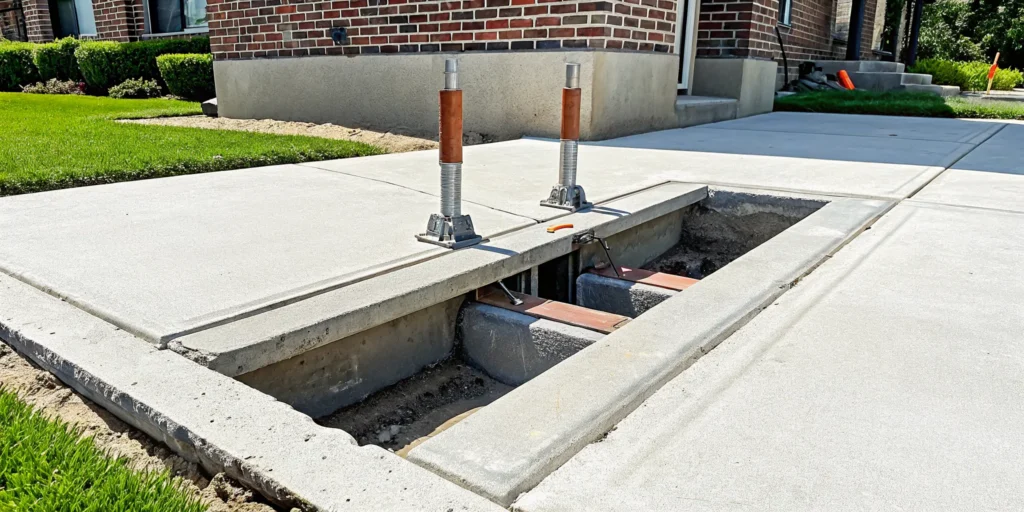
A push pier system is an engineered solution with a few key components working together. First, you have the steel piers themselves, which are strong, hollow pipes driven into the ground. Next are the foundation brackets. These heavy-duty steel brackets are secured to the footing of your home’s foundation. They act as the connection point between your house and the piers. Finally, hydraulic jacks are temporarily used during installation. They fit onto the brackets and use the piers as a stable point to carefully and evenly lift the foundation, relieving the stress on your home’s structure.
How Do Push Piers Compare to Other Methods?
When you explore foundation repair, you’ll find several options, like helical piers or concrete piers. Push piers stand out for a few reasons. They excel in situations where we need to reach very deep to find stable soil, which is often the case with the expansive clay soils in Texas. Because they are driven until they hit a solid layer, they are exceptionally effective for heavier structures. While other methods have their place, push piers are often the preferred solution for providing the most stable, long-term support when dealing with significant foundation settlement.
How Long Do Push Piers Last?
Investing in foundation repair is a big decision, so you want a solution that lasts. The great news is that push piers are designed for permanence. Studies on galvanized steel show that these systems are incredibly durable, with a typical lifespan of 70 to over 100 years. They are resistant to the elements and won’t degrade in the soil over time. When we install a push pier system, we’re not just putting a temporary patch on the problem. We are providing a long-term solution that secures your home’s foundation for generations, protecting your most valuable asset.
Warning Signs Your Dallas Home Needs Help
Your home communicates in its own way, and sometimes it’s trying to tell you that something is wrong under the surface. Foundation issues can start small, but they rarely stay that way, especially with the challenging clay soil here in the Dallas area. Paying attention to the early warning signs is the best thing you can do to protect your home and avoid more complicated repairs later. Let’s walk through some of the most common red flags that mean it’s time to call a professional.
Cracks in Walls, Ceilings, or Floors
It’s easy to dismiss a small crack in the drywall, but it’s often one of the first and most visible signs of foundation movement. Look for jagged, diagonal cracks extending from the corners of doors and windows, or horizontal cracks in your brick exterior. While thin, vertical cracks can sometimes be from normal settling, more significant fractures are your home’s way of signaling distress. These cracks indicate that the structure is under strain, and a professional foundation repair may be necessary to address the root cause and prevent the damage from getting worse.
Doors and Windows That Stick
Do you have a door that you have to force shut or a window that refuses to open smoothly? This common frustration might be more than just an old house quirk. When a foundation shifts, it can warp the frames of your doors and windows, causing them to stick, jam, or not latch properly. You might notice uneven gaps around your doors when they are closed. This misalignment is a classic symptom of foundation settlement. If you’re suddenly struggling with multiple sticky doors or windows, it’s a strong indicator that your home’s foundation is no longer level and needs to be evaluated.
Sloping or Uneven Floors
Have you ever dropped a marble and watched it roll to the same spot in the room every time? That’s a simple test for sloping floors. You might also feel a soft or bouncy sensation when you walk across certain areas. These uneven surfaces are a serious warning sign that your foundation is settling unevenly. One part of your home may be sinking while another remains stable, creating a slope. You can see examples of how we correct these issues by looking at our work on other Dallas homes. Ignoring sloping floors can lead to more severe structural problems over time.
Gaps Forming Between Walls and Ceilings
Take a moment to look where your walls meet the ceiling or floor. Do you see any separation where the trim or crown molding is pulling away? These gaps are a clear sign that your home’s frame is shifting due to foundation problems. You might also spot gaps forming around window and door frames. As the foundation settles, it pulls parts of your home down with it, creating these noticeable separations. If you see these kinds of gaps, it’s a good idea to get a professional opinion. You can contact us for a free, no-obligation estimate to understand what’s happening with your home.
Why Dallas Soil Is Tough on Foundations
If you’ve noticed some of the warning signs we just covered, you might be wondering, “Why is this happening to my house?” The answer often lies right beneath your feet. The unique geology and climate in the Dallas area create a perfect storm for foundation problems. It’s not about poor construction or bad luck; it’s about the very ground your home is built on.
Understanding these local challenges is the first step toward a lasting solution. The combination of our specific soil type and weather patterns puts constant stress on foundations. Let’s look at exactly what makes our local environment so tough on homes and why proactive foundation repair is so important in North Texas.
The Challenge of Expansive Clay Soil
Much of the Dallas area is built on expansive clay soil. Think of this soil like a sponge: it swells up dramatically when it absorbs water during our rainy seasons and shrinks just as much when it dries out in the summer heat. This constant cycle of expansion and contraction causes the ground to shift and move. Your home’s foundation, which needs a stable base, is subjected to this relentless push and pull. Over time, this movement can cause parts of your foundation to sink or heave, leading to cracks, sticking doors, and the other issues that signal a need for professional help.
How Poor Drainage Affects Your Foundation
Now, add water to the equation. When your property has poor drainage, rainwater doesn’t flow away from your home. Instead, it pools around and underneath your foundation. This saturates the expansive clay soil in some areas while other spots remain dry, creating uneven pressure against your foundation. This imbalance can accelerate soil shifting and significantly worsen foundation settlement. That’s why effective drainage is a critical part of protecting your home’s structural integrity and can prevent damage to your concrete slabs and walkways. You can see examples of how we address these interconnected issues in our work.
The High Cost of Waiting for Repairs
It’s tempting to watch a small crack and hope it doesn’t get worse, but ignoring foundation issues is one of the most expensive mistakes a homeowner can make. A problem that could be fixed with a straightforward repair today can spiral into a major structural crisis that affects your entire home, from your plumbing to your interior walls. Acting quickly not only protects your home’s safety and value but also saves you from more extensive and costly repairs down the road. If you’re concerned about the cost, remember that many companies offer financing options to make immediate repairs more manageable.
What to Expect: The Push Pier Installation Process
Thinking about foundation repair can feel overwhelming, but the actual process is more straightforward than you might imagine. When you work with our team at Solid Base, we make sure you know exactly what’s happening every step of the way. We use a proven, systematic approach to install push piers and secure your home for the long haul. Here’s a simple breakdown of what you can expect from start to finish.
Step 1: The Initial Foundation Assessment
Everything starts with a clear understanding of the problem. Before we do any work, one of our specialists will conduct a thorough evaluation of your property to pinpoint the exact cause and extent of the foundation issues. This isn’t just a quick glance; it’s a detailed assessment. We believe you should have all the information you need without any pressure, which is why we provide a free estimate that outlines our findings and a clear plan of action. This initial step ensures that the repair strategy is tailored specifically to your home’s needs, giving you a solid foundation for making an informed decision.
Step 2: Installing the Steel Piers
Once we have a plan, our crew gets to work installing the push piers. We use hydraulic equipment to drive high-strength steel tubes deep into the ground, section by section. We continue driving them until they hit stable, load-bearing soil or bedrock, completely bypassing the volatile clay soil near the surface. Think of it as giving your home its own underground stilts. This process creates an incredibly strong and stable support system directly beneath your foundation. You can see examples of how we carefully manage this process by looking at our work on other Dallas-area homes.
Step 3: Lifting and Stabilizing Your Home
With the piers firmly in place, the next step is to gently and precisely lift your home. Using a synchronized hydraulic lifting system, we carefully raise the affected areas of the foundation, aiming to return them as close as possible to their original level. This is a delicate operation that our experienced team manages with expert control, ensuring the structural integrity of your home is protected throughout the process. Stabilizing your home this way permanently addresses the settlement issues that cause problems like sticking doors and wall cracks. This is the core of our professional foundation repair service and where you really see the results.
Life During and After Installation
We know that having work done on your home can be disruptive, and we do everything we can to minimize the impact on your daily life. The installation process is typically faster and less invasive than people expect. The most important thing is to address foundation issues as soon as you spot them, since waiting allows small problems to become bigger, more expensive ones. After the installation is complete, you can relax knowing your home is on solid ground. Our team is built on experience and a commitment to lasting solutions, giving you permanent peace of mind. You can learn more about the professionals who will be securing your home on our about page.
How Much Does Push Pier Repair Cost in Dallas?
Let’s talk about the number one question on every homeowner’s mind: the cost. Foundation repair is a significant investment in your home’s safety and value, so it’s important to have a clear picture of the potential expenses. In the Dallas-Fort Worth area, a typical foundation repair project can range from $5,000 to $8,500. However, this is just a ballpark figure. The final price for your home will depend entirely on the extent of the damage and the specific solution required.
When it comes to push pier systems, the cost is primarily calculated based on the number of piers needed to properly support and stabilize your foundation. Because every home and soil situation is unique, there’s no one-size-fits-all price tag. The only way to get an accurate number is to have a professional come out and assess your property. That’s why we offer a free, no-obligation estimate. An expert can inspect your foundation, identify the root cause of the problem, and determine exactly how many piers are needed to secure your home for the long term. This detailed assessment ensures you get a precise quote with no surprises.
What Determines the Final Cost?
Several key factors influence the final price of your push pier repair. The most significant is the number of piers required to lift and stabilize your home. Each steel pier has a material and installation cost, so the more piers you need, the higher the total. The severity of the damage also plays a big role; a home with minor settling will need fewer piers than one with major cracks and uneven floors. The size of your home and the accessibility of the foundation are also considerations. If we have to work around extensive landscaping, decks, or concrete patios, it can add to the labor involved. Our goal is always to provide a clear, detailed quote that breaks down these factors for you.
Your Financing Options for Foundation Repair
We understand that foundation repair is often an unexpected expense, and we believe that financial concerns shouldn’t stop you from protecting your home. Putting off repairs can lead to more severe structural damage and even higher costs down the road. To help you move forward with confidence, we offer flexible financing options. These plans are designed to fit your budget, allowing you to address critical foundation issues right away. During your free estimate, we can walk you through the available financing plans and help you find a solution that works for your family. Taking care of your home’s foundation is one of the most important investments you can make, and we’re here to make it manageable.
Does Homeowner’s Insurance Cover Foundation Repair?
This is a question we hear all the time, and the answer can be complicated. In Texas, most standard homeowner’s insurance policies do not cover foundation repair caused by soil movement, settling, or drought, which are the most common culprits in our area. Insurance typically only covers foundation damage resulting from a specific, sudden event, like a plumbing leak that floods the foundation or a fire. Because coverage varies so much, the best thing you can do is pull out your policy documents and read them carefully. If you’re still unsure, a quick call to your insurance agent can give you a definitive answer about what your specific plan covers.
The Advantages of Choosing Push Piers
When you discover your foundation needs work, the thought of major construction can be overwhelming. You might picture your yard being torn up for weeks, with endless noise and disruption. Fortunately, modern foundation repair doesn’t have to be that way. Push piers offer a powerful and surprisingly low-impact method for stabilizing your home, making them a top choice for many Dallas homeowners. This engineered solution gets straight to the root of the problem without turning your property into a massive construction zone.
The core idea behind push piers is to bypass the unstable soil near the surface and anchor your home to a solid, load-bearing stratum deep underground. This approach provides a lasting fix rather than a temporary patch. It’s a method that not only restores your home’s structural integrity but also gives you peace of mind. From the minimal disruption to your daily life to the long-term stability they provide, the benefits are clear. When you invest in a push pier system, you’re not just fixing a problem; you’re making a smart, permanent investment in the safety and value of your property. We’ve seen firsthand how effective this solution can be on all types of homes in the Dallas area.
A Less Invasive Repair for Your Property
One of the biggest reliefs for homeowners is learning how little disruption push pier installation actually causes. Unlike more traditional methods that require extensive excavation, push piers are installed using small, strategically placed access points around your foundation. Our team can install these powerful steel piers without heavy machinery tearing up your lawn or landscaping. This means your flower beds, walkways, and patios are largely left undisturbed. The process is efficient and contained, allowing you to carry on with your life with minimal interruption. You can see examples of our clean and professional job sites by looking at our work.
A Permanent Solution That Reaches Stable Soil
The reason so many Dallas homes have foundation trouble is our infamous expansive clay soil, which shifts dramatically with moisture changes. Push piers solve this problem by completely bypassing that volatile soil layer. The steel piers are hydraulically driven deep into the ground until they reach solid bedrock or a stable soil layer that won’t move. This effectively anchors your home to unshakeable ground, providing a permanent foundation. Research shows that steel push piers can last for over 100 years, so you can be confident this is a long-term fix, not a temporary patch. This method is a core part of our foundation repair services because it delivers results that last.
Protect Your Investment with a Transferable Warranty
A foundation repair is a significant investment in your home, and you deserve to know that work is guaranteed. We stand behind our push pier systems with a comprehensive, transferable lifetime warranty. This means that if you ever sell your home, the warranty protection passes on to the new owners, which is a major selling point and a testament to the quality of the repair. A strong warranty shows that a company is confident in its materials, its process, and its team. It’s a promise that we’re not just fixing your foundation for now; we’re securing it for the future. You can learn more about our commitment to quality and customer satisfaction.
A Versatile Solution for Homes and Businesses
Push piers are an incredibly versatile solution suitable for a wide range of structures, from single-family homes to commercial buildings. Their effectiveness isn’t limited by the size or style of the property. Because our team is experienced with this method, we can adapt the installation to meet the specific needs of your foundation. Furthermore, a company that excels at push pier installation typically has a deep understanding of all structural issues. Whether you also need concrete repair for a cracked driveway, pier and beam adjustments, or improved drainage, we can identify and address all related problems to ensure your entire property is on solid ground.
How to Choose the Right Dallas Foundation Repair Expert
Finding the right company to handle your foundation repair can feel like a huge task, but it’s one of the most important decisions you’ll make as a homeowner. This isn’t just another home improvement project; it’s a critical repair that protects the structural integrity and value of your property. In a market like Dallas-Fort Worth, you have plenty of options, but the quality of work, the materials used, and the level of customer service can vary dramatically from one company to the next.
Your goal is to find a true partner who will treat your home with respect and provide a lasting solution. This means looking beyond a low price and focusing on expertise, transparency, and reliability. A trustworthy expert will take the time to explain the problem, walk you through the proposed solution, and stand behind their work for years to come. To ensure you’re hiring the best team for the job, you’ll need to do a little homework. By verifying their credentials, understanding their warranty, and asking the right questions upfront, you can move forward with confidence.
Verify Credentials, Licensing, and Experience
Before you let anyone near your home’s foundation, it’s essential to confirm they are qualified for the job. Start by looking for a company with a long, proven track record in the Dallas area. Check online reviews and ask for references to get a sense of their reputation. A company that consistently delivers quality results will have a portfolio of successful projects and happy customers.
Beyond reviews, make sure the company is fully licensed and insured to perform foundation work in Texas. This protects you from liability in case of accidents on your property. You should also look for a team of experienced, skilled professionals who understand the specific challenges of our local soil. A reputable company will be transparent about their credentials and happy to provide proof of their qualifications.
Understand the Warranty Details
A foundation repair warranty is your assurance that the company stands behind its work. It’s a promise that if the repair fails within a certain period, they will fix it. When comparing companies, don’t just ask if they offer a warranty; ask for the specifics. The best foundation repair companies provide a lifetime transferable warranty. This means the repair is covered for the life of your home, and the warranty can be transferred to the next owner, which is a fantastic selling point.
Make sure you get a copy of the warranty in writing and read it carefully. Understand what is covered, what isn’t, and what actions might void it. A clear and comprehensive warranty shows that a company is confident in its methods and materials. It also gives you peace of mind knowing your investment is protected for the long haul.
Key Questions to Ask Before You Hire
Once you’ve narrowed down your options, it’s time to interview your top contenders. Being prepared with a list of questions will help you compare companies and spot any red flags. Don’t hesitate to ask for details, as a professional contractor will welcome the opportunity to demonstrate their expertise.
Here are a few key questions to ask:
- Do you use an independent engineer to create or review the repair plan? An unbiased assessment ensures the solution is based purely on your home’s needs.
- Can you provide a detailed, itemized estimate? This helps you understand exactly what you’re paying for and avoids surprise costs later.
- What are the specific terms of your warranty?
- What is your rating with the Better Business Bureau (BBB)?
- Can you explain your exact plan for installing the piers?
The way a company answers these questions says a lot. Look for clear, confident responses. When you’re ready to start the conversation, you can get a free, no-obligation estimate to have your property evaluated.
Secure Your Home with a Free Estimate
Thinking about foundation repair can feel overwhelming, but finding out what’s really going on with your home doesn’t have to be. The best first step you can take is to get a professional opinion. In the Dallas area, trustworthy foundation repair companies understand that you need clear information without any financial pressure upfront. That’s why a free, no-obligation estimate is a standard part of the process. It’s your chance to have an expert assess the situation and give you a straightforward diagnosis, so you can move forward with confidence instead of worry.
A free estimate is much more than just a price quote; it’s a comprehensive evaluation of your home’s structural health. During the assessment, a specialist will conduct a thorough inspection, looking for all the signs we’ve discussed, from wall cracks to sloping floors. They’ll explain what they find, answer your questions, and outline the most effective repair plan for your specific situation. This process is designed to give you a complete picture of the necessary repairs and what the finished work will look like, empowering you to make the best decision for your property.
At Solid Base, we believe you deserve clarity and peace of mind. Our experienced team is here to provide a detailed and honest assessment of your foundation, completely free of charge. We’ll walk you through our findings and explain how our proven push pier solutions can permanently stabilize your home. There’s no pressure and no obligation, just expert advice to help you protect your biggest investment. When you’re ready to take the next step, you can schedule your free estimate with our team and get the answers you need.
Related Articles
- Foundation Repair Cost: The Ultimate 2026 Guide
- Ultimate Guide to Foundation Repair Options
- Pier & Beam Foundation Repair: Signs, Costs & Fixes
- What Are Helical Piles? The Ultimate Guide
- A Homeowner’s Guide to Foundation Repair Services
Frequently Asked Questions
How long does a typical push pier installation take? The exact timeline depends on the number of piers your home needs, but most of our projects are completed in just a few days. We work efficiently to minimize the disruption to your life. During your free assessment, we will be able to give you a much more specific timeline based on the unique requirements of your home’s repair plan.
Will this repair actually fix the cracks in my walls and make my doors close properly? In many cases, yes. The process of lifting and stabilizing your foundation often closes up cracks and realigns door and window frames, restoring them to their proper function. While the primary goal is to secure the structure, these cosmetic improvements are a very common and welcome result. You may still need minor cosmetic touch-ups afterward, but the root cause of the problem will be solved.
How much of my yard will be dug up for this? You can relax, we won’t be bringing in a fleet of bulldozers. Push pier installation is a surprisingly tidy process. We only need to excavate small, manageable areas directly next to your foundation where each pier will be installed. This targeted approach allows us to preserve your landscaping, patios, and walkways as much as possible.
What happens if I wait to get my foundation fixed? It’s tempting to watch and wait, but foundation problems never get better on their own; they only get more serious and more expensive to fix. A small crack can grow, and a slightly sloping floor can become a major structural hazard that affects your home’s plumbing and overall safety. Addressing the issue early is the smartest and most cost-effective way to protect your home.
Is a push pier system better than other repair methods? While several methods exist, push piers are often the superior choice for the expansive clay soil we have here in Dallas. They are driven deep into the ground until they hit solid bedrock or a stable soil layer, completely bypassing the shifting soil near the surface. This provides a permanent anchor that is exceptionally effective for supporting the weight of a home and preventing future settlement.