
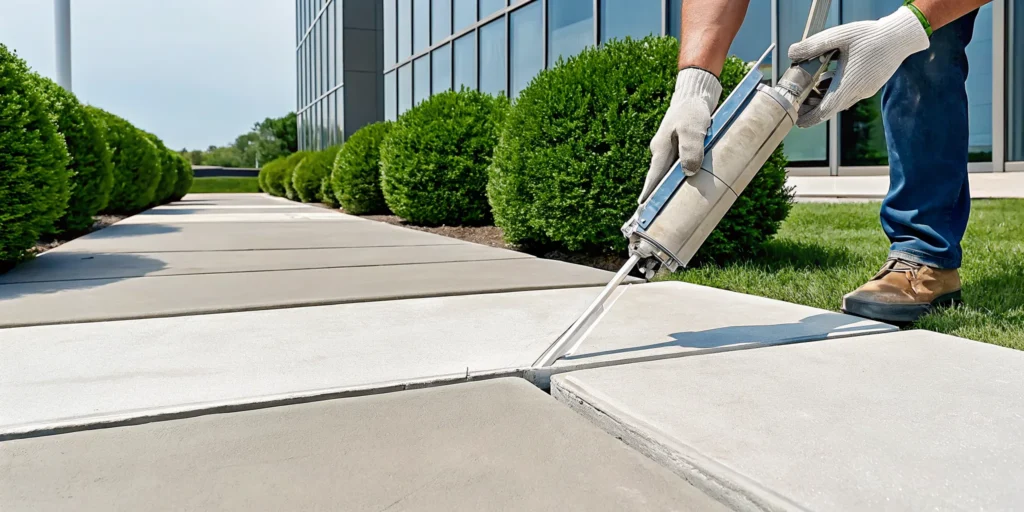
A crack in your concrete can be more than just an ugly flaw; it can be a symptom of a much larger issue. While it’s tempting to view it as a simple repair job, that crack could be a red flag for foundation settlement, soil erosion, or improper water drainage. Simply covering it up with a generic filler is like putting a bandage on a broken bone. So, can cracked concrete be sealed permanently? Yes, but only if you address the root cause of the problem, not just the visible symptom. This guide will help you determine if you’re dealing with a simple surface crack or a sign of a more serious foundation issue, and explain the right steps to take for a truly permanent repair.
Key Takeaways
- Identify the Crack Type for a Lasting Fix: Before you repair, determine if a crack is structural or cosmetic, active or dormant. This diagnosis dictates the correct repair method, preventing you from applying a temporary patch to a long-term problem.
- Match the Sealer to the Job: For a permanent solution, use professional-grade materials. Strong epoxy is best for restoring strength to stable cracks, while flexible polyurethane is ideal for creating a waterproof seal in active cracks that move with temperature changes.
- Know When Sealing Isn’t the Answer: A crack is often a symptom of a deeper issue. If you see wide, uneven cracks alongside other signs like sloping floors or sticking doors, you likely have a foundation problem that sealing alone cannot solve.
Can You Permanently Seal Cracked Concrete?
Yes, you absolutely can seal cracked concrete for good, but it’s not as simple as grabbing any old patching compound from the hardware store. The key to a lasting fix lies in using the right materials and methods that go beyond a simple surface patch. Many common DIY products, like hydraulic cement, often act like a temporary bandage. They might look fine at first, but they don’t bond well deep inside the crack, leading to failure down the road and leaving you right back where you started.
A truly permanent solution involves filling the entire depth of the crack. Modern techniques use specialized materials like strong epoxy or flexible polyurethane resins that are injected deep into the concrete. This process doesn’t just cover the problem; it fills the entire void, bonding with the surrounding concrete to create a solid, waterproof barrier. This is the most effective way to stop water leaks and prevent moisture from seeping in and causing further damage, like rebar corrosion or foundation issues.
For narrower cracks, specialized healer-sealers can penetrate deep into the concrete, effectively blocking out water and salt. The goal of any permanent concrete repair is to address the crack through its full depth, not just at the surface. By choosing a method that bonds with the concrete and stops water intrusion completely, you can be confident that your repair will stand the test of time.
Why the Type of Crack Matters
When you spot a crack in your concrete, your first instinct might be to just seal it and forget it. But before you grab the first product you see at the hardware store, it’s important to understand that not all cracks are the same. The type of crack you have tells a story about what’s happening beneath the surface. Identifying its characteristics is the first step to a successful, long-lasting repair. Getting this part right ensures you choose the correct solution instead of a temporary fix that could hide a bigger problem.
Structural vs. Non-Structural Cracks
First, you need to figure out if the crack is a simple cosmetic issue or a sign of something more serious. Non-structural cracks are common and usually just an eyesore, like the small fissures you might see on a patio. Structural cracks, however, are a different beast. These can compromise the stability of your home and are often found in load-bearing walls or your foundation. If a crack is wider than a quarter-inch, runs along joints, or seems to be getting bigger, it could be structural. Using the wrong material here can lead to bigger safety issues, which is why a professional assessment for potential foundation repair is so critical.
Active vs. Dormant Cracks
Next, consider if the crack is still moving. An active crack changes over time, growing wider or longer, while a dormant crack is stable. This is a key distinction because it determines what kind of sealant to use. Active cracks, which often leak water, need a flexible material like polyurethane that can expand and contract with the concrete’s movement. Using a rigid filler on an active crack is a recipe for failure, as the crack will simply reappear. A dormant crack, on the other hand, can be filled with a strong, rigid epoxy to restore the concrete’s strength. Monitoring a crack over a few seasons can help you determine if it’s active.
Hairline, Wide, and Deep Cracks
The size of the crack also dictates the best repair method. Hairline cracks are tiny, often less than 1/8th of an inch wide. While they may not seem like a big deal, they can let water in, which leads to more damage over time, especially during freeze-thaw cycles. Wider, deeper cracks require a more robust approach. A dense, strong filler like epoxy is great for filling medium-sized cracks and bonding the concrete back together. For very large gaps, a simple sealant won’t be enough. You may need a more comprehensive concrete repair strategy to ensure a permanent fix and prevent future problems.
Why Some Sealing Methods Fail
If you’ve tried to fix a crack in your concrete only to see it reappear a few months later, you’re not alone. The problem often isn’t your effort, but the method you used. Many common DIY products and quick-fix solutions simply aren’t designed to provide a permanent seal. They act more like a bandage on a deeper issue, failing to account for the natural movement of concrete or the forces that caused the crack in the first place.
Concrete expands and contracts with temperature changes, and the ground beneath it can shift. A successful repair must be able to move with the concrete, not fight against it. Unfortunately, many widely available sealers are too rigid or only cover the surface, leading to a cycle of cracking, patching, and frustration. Understanding why these methods fail is the first step toward finding a solution that actually lasts. A permanent fix requires a product that bonds deeply and remains flexible, addressing the crack from the inside out.
The Problem with Hydraulic Cement
You can find hydraulic cement at almost any hardware store, and it’s often marketed as a quick way to stop leaks and fill cracks. While it can work for certain applications, it’s rarely a good long-term solution for sealing cracked concrete. The main issue is that hydraulic cement is extremely rigid. It dries into a hard, brittle patch that doesn’t bend or flex. When your concrete naturally expands and contracts with temperature shifts, the inflexible patch can’t move with it, causing it to crack or break away from the original slab.
On top of that, hydraulic cement doesn’t form a strong, lasting bond with the old concrete. This weak connection can create tiny gaps that allow water to seep in, leading to further damage from freeze-thaw cycles. For a truly durable fix, you need a professional concrete repair that uses materials designed to integrate with your existing slab.
Why Surface-Only Sealers Fall Short
Protective coatings and surface-level sealers can seem like an easy fix. They are often flexible and do a great job of covering up hairline cracks, giving your concrete a fresh, uniform appearance. However, these products are a cosmetic solution, not a structural one. They create a thin film over the crack instead of filling its depth and bonding the concrete together. This means the crack is still there, just hidden from view.
Because these coatings only sit on the surface, they wear down over time, especially in high-traffic areas like driveways, patios, and walkways. Exposure to weather, UV rays, and foot traffic will eventually cause the sealer to peel, chip, or wear away, revealing the original crack. While they might be suitable for vertical walls with minimal exposure, they fall short for most horizontal surfaces. You can see what durable, penetrating repairs look like by viewing examples of our work.
Long-Term Solutions for Sealing Cracked Concrete
So, you’ve identified the type of crack you’re dealing with. Now what? Forget the temporary patches that wash away after a few storms. For a fix that lasts, you need to use a solution designed for the specific problem at hand. The best long-term methods involve professional-grade materials that bond with your concrete, block out water, and even restore structural strength. The three heavy hitters in the world of permanent concrete repair are epoxy injections, polyurethane sealants, and penetrating sealers. Each one serves a different purpose, and choosing the right one is the key to saying goodbye to that crack for good. Let’s break down which solution is right for your situation.
Using Epoxy for Stable Cracks
If you’re dealing with a crack in a foundation wall or a load-bearing column, epoxy is your best friend. Think of it less like a filler and more like a super-strong structural glue. When injected into a stable, non-moving crack, epoxy resin bonds with the concrete on a molecular level, effectively welding the two sides back together. This process restores the original strength and integrity of the concrete. According to experts in concrete masonry restoration, epoxy is the top choice when a crack affects the structural stability of the concrete. It’s the go-to solution for serious, dormant cracks that need more than just a surface-level fix.
Using Polyurethane for Moving Cracks
What if your crack is active, meaning it expands and contracts with Dallas’s temperature swings? That’s where polyurethane comes in. Unlike rigid epoxy, polyurethane is a flexible resin that can move with the concrete. Its primary job is to create a waterproof barrier, stopping leaks in their tracks. It’s incredibly effective, capable of sealing even wet, leaking cracks that are paper-thin. This flexibility is crucial for driveways, patios, and basement walls where slight shifting is expected. Because it remains pliable, it won’t crack or pull away, ensuring water stays out for good. This makes it a leading concrete crack repair option for preventing moisture damage.
Using Penetrating Sealers for Surface Protection
For hairline cracks or as a preventative measure, penetrating sealers are a fantastic long-term solution. These sealers, which often contain silane or siloxane, don’t just coat the surface. Instead, they soak deep into the concrete’s pores to create an invisible, water-repellent barrier from within. As described by chemists at Euclid Chemical, this internal barrier makes water bead up and run off, preventing it from seeping into the concrete and causing future cracks or freeze-thaw damage. While not a fix for wide, structural gaps, applying a penetrating sealer is an excellent way to protect your concrete surfaces and stop tiny cracks from becoming big problems.
Comparing Sealers: Durability vs. Cost
When you’re staring at a crack in your concrete, it’s tempting to reach for the cheapest fix on the hardware store shelf. But when it comes to sealing concrete, the choice often boils down to a trade-off between the initial price and how long the repair will actually last. Think of it as an investment in your property’s future.
Less expensive materials like hydraulic cement might seem like a budget-friendly win, but they often fail to provide a lasting solution. These surface-level patches don’t bond deeply with the concrete and can’t handle the natural movement of the slab. As a result, they tend to crack again, especially when exposed to heavy use or temperature swings, forcing you to repeat the repair process and spend more money over time.
This is where professional-grade materials like epoxy and polyurethane prove their worth. While they have a higher upfront cost, they offer a much more durable, long-term solution. For instance, when comparing polyurethane vs. epoxy, each has unique strengths. Polyurethane is flexible and fantastic for stopping active water leaks, which can prevent the kind of extensive water damage that leads to much costlier problems. Epoxy creates an incredibly strong, rigid bond, making it ideal for structural cracks that need to be held together permanently. Investing in a higher-quality sealer means you’re not just patching a problem; you’re solving it for good with a proper concrete repair.
How to Seal Cracked Concrete Step-by-Step
Seeing a crack in your concrete can be unsettling, but sealing it is often a straightforward process. Following the right steps is key to ensuring the repair lasts. Think of it like baking: you need the right ingredients and you have to follow the recipe exactly. While this guide covers the basic steps for a DIY repair on minor cracks, remember that deep, wide, or structural cracks are a different story. Those often point to underlying issues with your foundation and are best left to professionals. For complex problems, getting an expert opinion can save you time, money, and a lot of future headaches.
Step 1: Clean and Prep the Crack
You wouldn’t put a bandage on a dirty wound, and the same logic applies here. For a sealer to bond properly, the crack needs to be completely clean. Start by clearing out any loose debris, dirt, or old sealant with a wire brush or a screwdriver. For a deeper clean, a pressure washer can work wonders. Your goal is to get back to a solid, clean concrete surface. If you use any chemical cleaners to remove oil or grease stains, make sure you rinse the area thoroughly to neutralize the surface. A clean slate is the foundation of a lasting concrete repair, so don’t rush this part.
Step 2: Choose the Right Product
Walking into a hardware store can be overwhelming with all the product choices. The most important thing is to match the sealer to the type of crack you have. If you’re dealing with a stable, non-moving crack in a floor or wall that needs its strength back, an epoxy-based filler is your best bet. Epoxies create an incredibly strong, rigid bond. However, if the crack is in an area that might experience movement or is actively leaking, a polyurethane sealant is the way to go. Polyurethane is flexible and can expand and contract with the concrete, which is crucial for preventing future leaks. Choosing the right product is critical, especially if the crack is related to your home’s foundation.
Step 3: Apply the Sealer
Once your crack is clean and you have the right product, it’s time for application. Always start by reading the manufacturer’s instructions, especially for mixing two-part epoxies. Getting the ratio right is essential for the product to cure correctly. For very fine cracks, you might use a cartridge gun to inject the sealer. For wider cracks, you can often pour the material directly in. After filling the crack, you may want to apply a “flood coat” over the entire area with a roller or squeegee to ensure a uniform, protected surface. Take a look at some examples of professionally finished work to see what a seamless, durable repair looks like.
Step 4: Let It Cure and Inspect
This last step is all about patience. Your newly sealed crack needs time to cure, which means hardening to its full strength. Most products require at least 24 to 48 hours before you can walk or drive on the surface, but this can change depending on the weather. Humidity and cold temperatures can slow down curing time, so always check the product label for specific guidance. Once it’s fully cured, give it a good look. The seal should be solid and fully bonded to the concrete. If you see any gaps or the repair feels soft, it might not have set correctly. If you’re not confident in the result, it’s always a good idea to contact a professional for an assessment.
How Weather Affects Concrete Sealing
If you live in the Dallas area, you know our weather can be a real drama queen, swinging from scorching heat to sudden downpours. This has a huge impact on your home’s concrete, both in causing the initial cracks and in affecting how well any repairs will hold up. Timing your sealing project with the weather isn’t just a good idea; it’s essential for a lasting fix. Applying a sealer under the wrong conditions can lead to a weak bond, a messy finish, or even cause new cracks to form.
Think of it like this: the sealer needs a calm, stable environment to cure properly and form a strong, protective barrier. Extreme temperatures, high humidity, and moisture are the enemies of a successful sealing job. When the weather is too hot, too cold, or too wet, the chemical reaction that allows the sealer to bond with the concrete is disrupted. This can leave you with a repair that looks good for a week but starts to fail as soon as it’s put to the test. Before you even think about starting your concrete repair, you need to play meteorologist for a few days and find that perfect window of opportunity. Planning around the forecast is one of the most important steps you can take to ensure your hard work pays off and your concrete stays protected for years to come.
Temperature and Humidity
Here in Texas, the heat is no joke, and it’s a major factor when sealing concrete. Applying a sealer in the blazing midday sun is a recipe for failure. High temperatures, especially when combined with low humidity and wind, can cause the sealer to dry too quickly on the surface. This prevents it from properly penetrating and bonding with the concrete, leading to a weak seal that can easily peel or flake off. This rapid drying process can also cause the concrete itself to lose workability and set too quickly, which can create new surface-level cracks. For the best results, plan to apply your sealer during cooler parts of the day, like the early morning or evening, and always avoid working in direct sunlight.
Rain and Surface Moisture
Water and fresh concrete sealer do not mix. It might seem obvious not to work in the rain, but even lingering moisture in the concrete from a recent storm or high humidity can ruin your project. Most sealers need a completely dry surface to adhere correctly. If you try to seal a damp crack, the sealer won’t be able to bond properly, and you risk trapping moisture inside the concrete. This trapped water can cause the sealer to bubble or peel off, and over time, it can lead to further damage. As a general rule, water is a persistent contributor to concrete deterioration, so ensuring the area is bone-dry before you start is critical for a successful, long-lasting repair.
What to Look for in a Concrete Sealer
Choosing the right concrete sealer can feel a bit like standing in the hardware store aisle, completely overwhelmed. But it doesn’t have to be complicated. The best sealer for your project depends entirely on the type of crack you have, where it’s located, and what you need it to do. Think of it less as a one-size-fits-all solution and more like picking the right tool for a specific job. A sealer that works wonders on a hairline crack in your patio might not be the right choice for a deeper crack in your garage floor that needs to support a vehicle.
Before you buy, it’s helpful to understand the three main qualities that differentiate sealers: their ability to block water, their flexibility, and their strength. Some are designed to create an impenetrable waterproof barrier, while others are made to stretch and move with your concrete. Others still are formulated to add structural strength back to the concrete itself. Understanding these key characteristics will help you select a product that provides a lasting fix instead of a temporary patch. Getting this choice right is the key to a successful and durable concrete repair that protects your property for years to come.
Waterproofing and Weather Resistance
One of the most important jobs of a sealer is to provide effective waterproofing. When water seeps into cracks, it can cause a whole host of problems, from widening the crack during freeze-thaw cycles to eroding the soil beneath your slab. A quality sealer creates a barrier that stops water from penetrating the surface. This is especially important for outdoor concrete like driveways, patios, and walkways that are constantly exposed to Dallas’s unpredictable weather. By keeping moisture out, you’re not just hiding a crack; you’re actively preventing further damage and protecting the longevity of your concrete surfaces.
Elasticity and Flexibility
Concrete isn’t as static as it looks; it naturally expands and contracts with temperature changes. If a crack is still active or moving, you need a sealer that can move with it. This is where elasticity comes in. Flexible sealers, like those made from polyurethane, are designed to accommodate this movement without breaking their seal. More rigid materials, like epoxy, are incredibly strong but don’t stretch. They are best suited for dormant cracks that are no longer shifting. Choosing a sealer with the right amount of flexibility is critical for a repair that holds up against seasonal changes and prevents the crack from reappearing. This is especially true if movement is related to underlying foundation repair needs.
Surface Compatibility and Load-Bearing Needs
Finally, consider what the concrete surface is used for. A sealer for a basement wall has different demands than one for a driveway that supports the weight of a car. For cracks that affect the structural integrity of your home, like those in load-bearing walls or the foundation itself, you need a high-strength solution. Epoxy is often the best choice here because it bonds with the concrete to restore its original strength and durability. For cosmetic cracks on non-structural surfaces, other types of sealers may be perfectly fine. Matching the sealer’s strength to the job’s demands ensures the repair is both safe and effective, which is why our team documents the specific solutions used in our work.
When Is Sealing Not the Answer?
While sealing is an effective fix for many concrete cracks, it’s not a one-size-fits-all solution. Think of it this way: you wouldn’t put a bandage on a broken arm and expect it to heal. Sealing a crack without addressing the root cause is a similar mistake. The crack is often just a symptom, and if the underlying issue isn’t resolved, that crack will almost certainly return, sometimes worse than before. It’s tempting to grab a tube of sealant from the hardware store for a quick fix, but that can be a waste of time and money if the problem runs deeper. Before you start any DIY project, it’s important to play detective and determine if you’re dealing with a simple surface flaw or a sign of a much larger problem that requires a different approach. Ignoring these signs can lead to more extensive and costly repairs down the road. In some situations, sealing is simply the wrong tool for the job, and knowing when to call in a professional for a deeper look is key to protecting your property’s value and safety.
When the Foundation Is the Problem
If a crack in your concrete slab is wide, uneven from one side to the other, or seems to be growing, it’s a major red flag. Combine that with other warning signs like sloping floors, doors that stick, or cracks in your drywall, and you’re likely looking at a foundation issue. In this case, sealing the crack is a purely cosmetic, temporary fix. The ground beneath your home is shifting, and your foundation is settling along with it. Until that movement is stopped, the pressure will continue to crack your concrete. A professional foundation repair is the only real solution. We stabilize the foundation first to prevent further movement, and only then do we address the cosmetic crack.
When the Concrete Itself Is Failing
A sealer needs a solid, stable surface to bond to. If the concrete around the crack is crumbling, flaking, or showing a web of tiny fractures (a condition called crazing), the material itself is compromised. This can happen due to a poor initial mix, damage from the freeze-thaw cycle, or chemical exposure. Trying to apply a sealant over this weak surface is like painting over rust; it won’t stick for long and will peel away as the underlying concrete continues to degrade. For this kind of widespread damage, a more intensive concrete repair is necessary. This might involve removing the deteriorated section and pouring new concrete or using specialized resurfacing products.
When Environmental Factors Are Too Harsh
Even the best sealer can fail if it’s applied in the wrong conditions. Concrete work is sensitive to the weather. Applying a sealer in the Texas summer heat can cause it to cure too quickly, creating a weak bond. On the other hand, applying it when it’s too cold can dramatically slow the curing process, which also compromises the strength of the repair. Moisture is another factor; sealing a crack that is damp or wet will almost always lead to failure. If the area is subject to heavy vehicle traffic or constant water exposure, a simple DIY sealer may also wear away quickly. In these situations, professional application with commercial-grade products is essential to ensure the repair can withstand the stress.
Related Articles
- How to Fill Large Cracks in Concrete Like a Pro
- Foundation Crack Repair: A DIY vs. Pro Guide
- Concrete Repair – Solid Base
- Ultimate Guide to Foundation Repair Options
- Foundation Repair – Solid Base
Frequently Asked Questions
When should I stop trying to DIY and just call a professional? You should call a professional the moment you suspect the crack is a symptom of a bigger issue. If the crack is wider than a quarter-inch, if one side is higher than the other, or if it seems to be getting longer or wider over time, it’s time to get an expert opinion. Also, look for other signs around your home like sticking doors, sloping floors, or new cracks appearing in your interior walls. These are classic indicators of foundation movement, and simply sealing the crack won’t solve the underlying problem.
I used a patch from the hardware store and the crack came back. Why did it fail? This is a really common frustration, and it usually comes down to the material you used. Many DIY patching compounds, like hydraulic cement, are very rigid. Concrete naturally expands and contracts with temperature changes, and if the patch can’t flex along with it, it will eventually crack or break away. These products also tend to create a surface-level fix rather than bonding deep within the crack, which allows water to eventually work its way in and cause the repair to fail.
My basement crack is actively leaking water. What’s the best way to stop it? For an active, leaking crack, you need a solution that is both waterproof and flexible. This is the perfect job for a polyurethane injection. Unlike rigid fillers, polyurethane resin can be injected into a wet crack and chemically reacts with the water to form a durable, flexible seal. It expands to fill the entire depth of the crack and remains pliable, so it can move with your foundation as it shifts slightly, ensuring the leak is stopped for good.
Is it really worth paying more for professional materials like epoxy or polyurethane? Absolutely. While the upfront cost is higher than a simple patching compound, think of it as an investment in a permanent solution versus a temporary fix. Professional-grade materials are engineered to solve specific problems. Epoxy restores structural strength to dormant cracks, essentially welding the concrete back together. Polyurethane provides a flexible, waterproof seal for moving cracks. Paying for the right material and professional application means you solve the problem once, saving you the cost and headache of redoing the repair every year.
What’s the most important step for making sure my concrete repair actually lasts? If I had to pick just one, it would be preparation. A sealer can’t bond to a dirty, dusty, or crumbling surface. Taking the time to thoroughly clean the crack of all loose debris, dirt, and old sealant is the single most critical step. This ensures the new material can get a solid grip on the concrete and create a bond that will stand the test of time. Rushing the prep work is the fastest way to guarantee your repair will fail.