
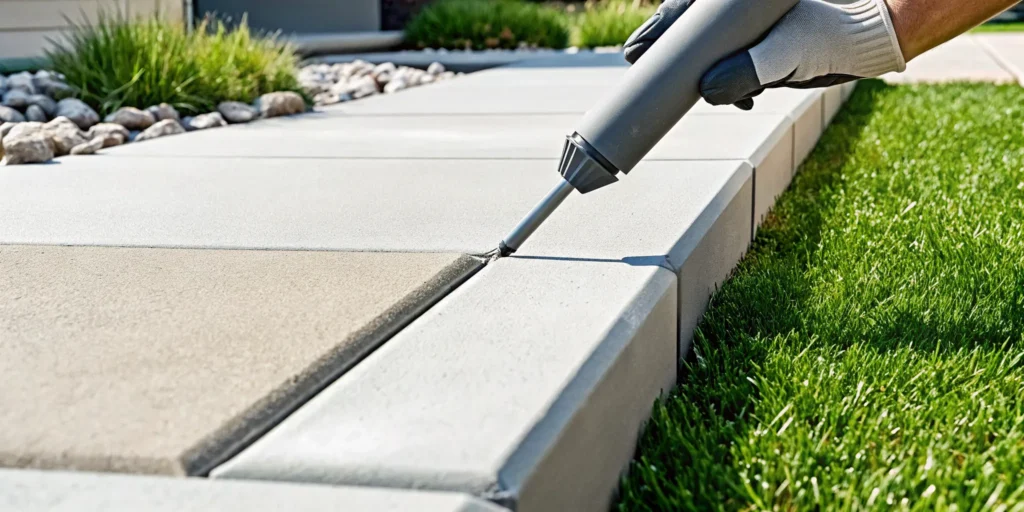
It’s easy to put off small home repairs, but some fixes offer a huge return on investment. When you see a crack in your concrete, you’re at a financial crossroads. You can either make a small, preventative repair now or risk a much larger, more expensive one later. This is why so many homeowners ask, should I seal concrete cracks before they get worse? The answer is almost always yes, from a financial standpoint. That small crack is an open door for water, which can lead to soil erosion and costly structural damage. We’ll explain how sealing cracks protects not just your concrete, but your property value and your wallet.
Key Takeaways
- Understand what your cracks mean: Not all cracks are created equal. Thin, level hairline cracks are often cosmetic, while wide gaps or uneven concrete signal deeper problems with the soil or foundation.
- Seal small cracks to prevent big problems: Sealing minor, non-structural cracks is crucial preventative maintenance. It creates a waterproof barrier that stops water from getting in, freezing, and turning a small issue into a major expense.
- Recognize the red flags for professional help: A simple sealant is not a cure-all. If you have cracks wider than a quarter, uneven surfaces, or cracks that keep returning, it’s a clear sign to call a specialist to fix the underlying cause.
Why Does Concrete Crack?
Seeing a crack in your driveway, patio, or foundation can be alarming, but it’s a very common occurrence. Concrete is a durable material, but it’s not indestructible. Several factors, from the weather in Dallas to the soil beneath your home, can cause it to crack over time. Understanding why these cracks appear is the first step in knowing how to handle them. Most cracks start for a few key reasons, and identifying the cause can help you decide on the right solution.
The Effects of Shrinkage and Water
When new concrete is poured, it contains more water than is needed for the chemical reaction that hardens it. As this excess water evaporates, the concrete shrinks, a process called drying shrinkage. This is a completely normal part of curing, but it can create stress within the slab that leads to small, hairline cracks. While these initial cracks might seem minor, they create an opening for water. Water intrusion is the real problem, as it can seep into the crack, erode the soil underneath, and lead to wider, more significant damage over time.
How Temperature Changes Impact Concrete
Here in Texas, we know all about extreme temperatures. Your concrete feels it, too. When it gets hot, concrete expands; when it cools down, it shrinks. This cycle of thermal expansion and contraction happens daily and seasonally. If a concrete slab doesn’t have enough room to move freely, this constant push and pull creates internal stress. Eventually, that stress has to go somewhere, and it often releases by forming a crack. This is why control joints are cut into large slabs, but cracks can still form anywhere stress accumulates.
When Shifting Soil Causes Problems
The ground beneath your concrete plays a huge role in its stability. The clay soils common in the Dallas area are notorious for expanding when wet and shrinking when dry. This constant movement can cause the soil to shift or settle unevenly, creating voids beneath the concrete slab. When the ground no longer provides a solid, uniform base, the rigid concrete can’t handle the lack of support. It will bend under the stress and eventually crack. This is often a sign of deeper issues that may require professional foundation repair to stabilize the ground.
Damage from Age and Moisture
Even if a crack isn’t caused by a serious structural issue, ignoring it is never a good idea. Over time, a small, non-structural crack can become a major problem. Moisture is the primary enemy. Every time it rains, water can enter the crack, carrying dirt and debris with it. In colder months, this water can freeze and expand, making the crack wider. This ongoing process can weaken the concrete and the soil below it, turning a simple cosmetic issue into a costly concrete repair job. Sealing cracks early is your best defense against this cycle of decay.
Decoding Your Concrete Cracks
Staring at a crack in your concrete can feel a little unsettling. Is it a sign of a huge problem, or just a minor flaw? The good news is that not all cracks are created equal. Learning to read the signs your concrete is giving you is the first step toward a solution. The size, shape, and location of a crack can tell you a lot about what’s happening beneath the surface. By understanding the difference between a minor surface crack and a serious structural issue, you can decide on the right course of action, whether it’s a simple seal or a call to a professional.
Hairline and Surface-Level Cracks
Have you noticed tiny, web-like cracks on your patio or in your garage? These are often hairline cracks. They are very thin, usually less than 1/8 inch wide, and are a normal part of the concrete’s life. As new concrete cures and dries, it shrinks slightly, which can cause these small cracks to appear. For the most part, they are cosmetic and don’t point to any underlying structural problems. While they are generally harmless, it’s wise to keep an eye on them. Even a tiny opening can allow moisture to seep in, which could eventually make the crack worse.
Wider Gaps (1/8 Inch and Beyond)
If you can fit a nickel or a quarter into a crack, it’s time to pay closer attention. Gaps of this size are more than just a cosmetic issue; they are an open invitation for water. When water gets into these wider cracks, it can erode the soil underneath your concrete slab, leading to more settling and even bigger problems. These cracks won’t fix themselves and will likely continue to grow wider and longer over time. Sealing them is a crucial step to prevent further damage. A proper seal will keep water out and help stabilize the slab, extending the life of your concrete. This is often the point where a professional concrete repair can save you from more expensive issues down the road.
Serious Structural Cracks
Some cracks are immediate red flags that signal a deeper problem. A structural crack is typically wider than a quarter, runs deep into the slab, and often has vertical displacement, meaning one side of the crack is higher than the other. You might also see stair-step cracks in foundation walls or cracks that span the entire length of a slab. These are not surface-level issues; they indicate that the ground beneath your home is shifting or that your foundation itself is compromised. Ignoring these cracks can lead to significant structural damage to your entire home. This is not a DIY project, and you should have them inspected by a professional right away.
How to Spot the Difference: A Quick Guide
Feeling a bit overwhelmed? Here’s a quick way to tell what you might be dealing with. If a crack is thinner than a credit card and the concrete on both sides is perfectly level, it’s likely a hairline crack. You can monitor it by marking the ends with a pencil and checking back in a few months to see if it has grown. If the crack is wide enough to drop a coin into, it needs to be sealed to keep water out. But if you see a crack where one side is sinking or rising above the other, or if you have cracks appearing on interior walls, it’s a clear sign to get a professional opinion. When in doubt, a free estimate can give you peace of mind and a clear path forward.
The Risks of Ignoring Concrete Cracks
It’s easy to look at a small crack in your driveway or patio and think, “I’ll get to that later.” We’ve all been there. But what starts as a tiny, seemingly harmless line can quickly become a serious problem for your property. Ignoring concrete cracks is like ignoring a small leak under your sink; it’s a gamble that rarely pays off. The longer you wait, the more you open your home to potential water damage, create unnecessary safety risks for your family, and set yourself up for much more expensive repairs down the road.
Think of a crack as an open invitation for trouble. Water, dirt, and weeds will find their way in, widening the gap and weakening the concrete from the inside out. This can compromise the stability of everything from your walkway to your home’s foundation. In some cases, what appears to be a simple surface crack could be a symptom of a deeper issue, like shifting soil beneath the slab. Addressing these issues early not only saves you money but also gives you peace of mind. Let’s walk through the specific risks you take when you put off dealing with cracked concrete, so you can make an informed decision for your home.
Inviting Water Damage and Decay
Even a hairline crack is an entry point for moisture. When water seeps into concrete, it can start a slow but steady process of decay. Over time, this can lead to the concrete chipping, crumbling, or spalling (flaking off at the surface). In the Dallas area, we also have to consider the freeze-thaw cycle. When water inside a crack freezes, it expands, forcing the crack to become wider and deeper. This cycle of thawing and refreezing can turn a minor issue into a major one in just a season or two.
This water intrusion doesn’t just damage the concrete itself. If the cracks are in your foundation slab, moisture can lead to mold, mildew, and damage to your home’s flooring and structure. A simple crack can eventually compromise the integrity of the entire slab, requiring extensive concrete repair to fix.
Creating Tripping and Safety Hazards
Cracked and uneven concrete is more than just an eyesore; it’s a genuine safety hazard. A raised edge on a walkway or a crack in the patio can easily catch a foot, leading to trips and falls. This is a major concern if you have children playing in the yard or older family members and guests visiting your home. You want your property to be a safe, welcoming space, not an obstacle course.
Beyond pedestrians, cracks in your driveway can cause uneven wear on your vehicle’s tires and suspension. What starts as a nuisance can eventually lead to costly car repairs. Taking care of these hazards protects not only your loved ones but also your other major investments. You can see examples of how we’ve transformed hazardous surfaces into safe, stable ones in Our Work gallery.
Facing Higher Repair Costs and Lower Property Value
From a financial perspective, ignoring concrete cracks is one of the worst things you can do. A small crack that might have been an easy, inexpensive sealing job can grow into a problem that requires a much larger and more complex repair. The longer you wait, the more the damage spreads, leading to a higher final bill. Acting quickly is the most effective way to control costs.
Furthermore, the condition of your concrete has a direct impact on your property’s curb appeal and overall value. When potential buyers see cracked driveways, sinking patios, or uneven walkways, they see red flags and future expenses. It can make your property look neglected and may even suggest deeper structural problems. Protecting your concrete is a simple way to preserve your home’s value and ensure it makes a great first impression. If a larger repair is needed, options like financing can make it manageable.
Should You Seal Concrete Cracks?
Deciding whether to seal a concrete crack isn’t always straightforward. While sealing can prevent further damage, it’s not a one-size-fits-all solution. The right approach depends entirely on the type and severity of the crack you’re dealing with. For some cracks, a simple sealant is all you need. For others, sealing is just a temporary fix that masks a much deeper problem. Let’s walk through how to tell the difference so you can make the best choice for your property.
When Sealing Is the Right Solution
Sealing is a great move for small, non-structural cracks. Think of those thin, web-like cracks that haven’t caused the concrete to become uneven. Leaving them open makes them a tripping hazard and allows them to collect dirt and water, which only makes things worse over time. A good rule of thumb: if a crack is narrower than the width of two quarters stacked together, sealing it is a smart preventative step. This simple action can stop water from seeping in, freezing, and expanding the crack, saving you from a bigger headache down the road.
When You Need a Professional Repair
If you notice one side of the crack is higher than the other, put down the caulk gun and pick up the phone. Uneven or “lipped” cracks are a red flag for a bigger issue, like a sinking slab caused by unstable soil underneath. Sealing a crack like this won’t solve the root problem; the concrete will likely just crack again. This is where you need a professional concrete repair that addresses the cause, not just the symptom. An expert can level the concrete and stabilize the ground beneath it, providing a permanent solution instead of a temporary patch.
Identifying Deeper Issues like Poor Drainage
Cracks are often just the visible symptom of a hidden problem. Persistent water issues are a common culprit. When water repeatedly gets under a concrete slab, it can wash away the soil that supports it. This erosion creates empty spaces, or voids, causing the heavy concrete to sink and crack under its own weight. Even small cracks can let in enough moisture to start this process. If you see cracks reappearing or notice signs of soil washout near your concrete, it’s a strong indicator that you need a deeper foundation repair to manage water and stabilize the soil for good.
Common Myths About Sealing Concrete
When it comes to concrete cracks, a lot of misinformation floats around. These common myths can make you feel like you can put off repairs, but that delay often leads to more significant damage and higher costs. Let’s clear up some of the biggest misconceptions so you can make an informed decision about your property. Understanding the truth behind these myths is the first step toward protecting your home’s foundation and concrete surfaces from long-term problems.
Myth: “Small cracks are harmless.”
It’s easy to look at a tiny crack in your driveway or patio and think it’s no big deal. After all, how much trouble can a little line cause? Unfortunately, even hairline cracks are entry points for water. Once moisture gets in, it can freeze and thaw, gradually forcing the crack wider. Over time, that small crack can become a large gap. Beyond water damage, these seemingly minor cracks can also create uneven surfaces, posing a tripping hazard for your family and guests. Addressing them early is a simple way to prevent bigger headaches and ensure your concrete surfaces remain safe and stable.
Myth: “Sealing fixes the root cause.”
Applying a sealant to a crack can feel like a permanent fix, but it’s often just a temporary patch. Sealing a crack without understanding why it appeared in the first place is like taking a cough drop for pneumonia; it might soothe the symptom, but it doesn’t treat the underlying illness. Concrete cracks are usually a sign of a deeper problem, such as shifting soil, poor drainage, or issues with the initial installation. Simply filling the gap won’t stop the ground from continuing to settle. A true foundation repair addresses the source of the problem to prevent new cracks from forming.
Myth: “Any sealant will work just fine.”
Walking down the aisle at a hardware store, you’ll see dozens of tubes labeled “concrete sealant.” It’s tempting to just grab one and go, but not all sealants are created equal. A basic acrylic caulk might fill a tiny, non-moving crack on a vertical wall, but it won’t hold up in a driveway crack that expands and contracts with temperature changes. For active cracks, you need a flexible polyurethane sealant. For structural issues, a high-strength epoxy is often required. Using the wrong product can lead to a failed repair, meaning you’ll be redoing the work sooner than you think. Choosing the right material is crucial for a lasting concrete repair.
Myth: “It’s only a cosmetic problem.”
A crack in your concrete is definitely not pretty, and it can quickly become a perfect spot for weeds to sprout. But dismissing it as just an eyesore is a major mistake. That crack is a visual cue that something is wrong. It’s an open invitation for water to seep beneath the slab, which can erode the soil and lead to even more cracking and settling. What starts as a cosmetic flaw can evolve into a structural liability that affects your property’s safety and value. Looking at examples of our work shows how addressing these issues properly restores both the look and integrity of the concrete.
Your Guide to Sealing Concrete Cracks
Once you’ve decided that sealing is the right move, the next step is choosing the right product. Walking down the hardware store aisle can be overwhelming, with tubes and tubs all promising the best results. The truth is, the best sealant depends entirely on the type of crack you’re dealing with. Let’s break down the most common options so you can pick the perfect one for your project and get the job done right the first time.
Polyurethane Sealants for Flexibility
Think of polyurethane sealants as the yoga instructors of the concrete world. Their main superpower is flexibility. Because concrete naturally expands and contracts with temperature changes (a big factor here in Texas), you need a sealant that can move with it. Polyurethane is perfect for active cracks in driveways, patios, and walkways because it creates a durable, waterproof barrier that won’t crack again under pressure. This elasticity is key to preventing water from seeping in and causing more damage, especially during freeze-thaw cycles. It’s a modern solution for a timeless problem, ensuring the repair lasts.
Epoxy Fillers for Strength
If polyurethane is flexible, epoxy is all about brute strength. When you have wider, more concerning cracks that might affect the concrete’s structural integrity, epoxy fillers are your best bet. Unlike flexible sealants, epoxy creates a rigid, high-strength bond that is often stronger than the concrete itself. It essentially glues the cracked pieces back together, restoring load-bearing capacity. This makes it an excellent choice for garage floors, basement walls, and foundation cracks. For these more serious issues, a professional concrete repair can ensure the epoxy is applied correctly for a permanent structural fix.
Simple Caulks for Minor Gaps
For those tiny, hairline cracks that are more of an eyesore than a structural threat, a simple concrete caulk is often all you need. These products are easy to apply and are designed to fill small gaps on horizontal or vertical surfaces. While not as heavy-duty as epoxy or polyurethane, a good quality, flexible concrete caulk provides a waterproof seal that stops moisture from getting in and making a small problem bigger. It’s a straightforward and effective solution for routine maintenance, helping you keep your concrete surfaces looking clean and well-maintained without a major production.
The Essential Toolkit for the Job
Having the right tools on hand makes any job easier, and sealing concrete is no exception. Before you start, gather a few key items to ensure a smooth and professional-looking repair. You’ll definitely need a caulk gun for applying the sealant, a wire brush to clean all debris and loose concrete from the crack, and a utility knife to trim the nozzle. For deeper cracks, a backer rod (a flexible foam rope) is essential to fill the space so you use less sealant. Finally, don’t forget safety glasses and gloves to protect yourself. Gathering these tools beforehand will save you time and frustration.
How Sealing Cracks Protects Your Concrete
Sealing a crack in your driveway or patio might seem like a small task, but it’s one of the most effective preventative measures you can take for your property. It’s not just about making the surface look better; it’s about actively defending your concrete against the elements that seek to break it down. By taking this simple step, you’re stopping water intrusion, preventing small problems from escalating, and ultimately protecting the value and safety of your home. Think of it as an investment that pays off by helping you avoid much larger, more expensive repairs in the future.
Block Water and Prevent Freeze-Thaw Damage
Water is the primary culprit when it comes to concrete degradation. When a crack forms, it creates a direct channel for rain and moisture to seep beneath the slab. This water can erode the soil that supports the concrete, leading to hollow spots and causing the slab to sink or crack further. In areas like Dallas that experience freezing temperatures, this problem gets worse. Water trapped inside a crack will expand when it freezes, forcing the crack wider. This freeze-thaw cycle acts like a wedge, turning a tiny fissure into a significant gap over just a few seasons. Sealing the crack creates a waterproof barrier, stopping water in its tracks and halting this destructive cycle.
Stop Small Cracks from Becoming Big Headaches
It’s easy to overlook a small crack, but ignoring it is a recipe for a bigger headache later on. A good rule of thumb is if a crack is wider than two quarters placed side-by-side, it’s time to seal it. Procrastination gives water, dirt, and weeds an opportunity to settle in, which will only widen the crack over time. What starts as a simple sealing job can quickly become a complex and costly concrete repair project. Addressing cracks while they are small and manageable is the most cost-effective way to maintain your concrete surfaces and prevent the underlying cause from creating more widespread damage.
Preserve Your Property’s Value
Cracked and uneven concrete doesn’t just look neglected; it can also impact your home’s value and create safety risks. A web of cracks in the driveway detracts from your home’s curb appeal, and uneven slabs on a walkway or patio are serious tripping hazards for your family and guests. By sealing cracks, you maintain the structural integrity and appearance of your concrete, showing that your property is well-cared-for. This simple maintenance task helps preserve your home’s value and ensures your outdoor spaces remain safe and functional. It’s a small effort that contributes to the overall health and stability of your foundation.
DIY vs. Pro: How to Make the Call
Seeing a crack in your concrete can be unsettling, and it’s not always clear what to do next. Do you head to the hardware store for a tube of sealant, or do you call in a professional? The answer depends entirely on the type and severity of the crack. While some minor fixes are perfect for a weekend project, others are clear signals of deeper issues that require an expert eye. Making the right call isn’t just about getting the job done; it’s about protecting your property’s value and safety for the long haul. Let’s walk through the signs that can help you decide whether to DIY or call a pro.
Signs You Can Handle the Repair Yourself
If you’ve spotted a very thin crack in your concrete, don’t panic. It’s normal for concrete to develop tiny, hairline cracks as it cures and settles over time. These small fissures are usually just on the surface and don’t indicate a structural problem. If the crack is narrower than a credit card and the concrete on both sides is perfectly level, you can likely handle the repair yourself. Sealing these minor gaps with a flexible concrete caulk or sealant is a straightforward task that can prevent water from getting in and making the crack worse. It’s a simple, preventative measure you can take to keep your concrete in good shape.
When to Call a Concrete Repair Specialist
It’s time to call for backup when you see more serious symptoms. If a crack is wide enough to fit two quarters side-by-side, it needs professional attention. Other major red flags include cracks that are getting longer or wider, or when one side of the crack is higher than the other. This unevenness, known as heaving or settling, suggests a problem with the soil beneath the slab. These aren’t just surface-level issues; they are signs of an unstable base that a simple sealant can’t fix. A concrete repair specialist can diagnose the root cause and provide a lasting solution.
Why Acting Sooner Is Always the Smart Move
Ignoring a concrete crack is one of the worst things you can do. What starts as a small issue can quickly become a big, expensive problem. Cracked and uneven concrete is a serious tripping hazard for your family and guests. Furthermore, those cracks are open invitations for water to seep underneath the slab. Here in Texas, that moisture can erode the soil, causing even more settling. While our winters are mild, any water that freezes and expands will widen the cracks. Addressing the problem early not only keeps your property safe but also prevents minor damage from turning into a major foundation repair.
Related Articles
- How to Fill Large Cracks in Concrete Like a Pro
- Foundation Crack Repair: A DIY vs. Pro Guide
- Ultimate Guide to Foundation Repair Options
- Concrete Repair – Solid Base
- A Homeowner’s Guide to Foundation Repair Services
Frequently Asked Questions
My crack is really small. Do I actually need to do anything about it? Yes, it’s a good idea to take action. Even a tiny hairline crack is an open door for water. Once moisture gets in, it can erode the soil underneath or freeze and expand, forcing the crack to get wider over time. Sealing a small crack is a simple, preventative step that can save you from a much bigger and more expensive repair job in the future.
What are the biggest red flags that tell me I need a professional? You should call a specialist if you see a few key warning signs. The most obvious is a crack where one side is higher or lower than the other, which points to a problem with the ground underneath. Other red flags include cracks that are wide enough to fit a quarter into, cracks that are actively growing longer, or stair-step cracks appearing in your foundation walls. These are symptoms of a deeper issue that a simple sealant won’t fix.
If I seal a crack, will it just come back later? It might, especially if you don’t address the root cause. Sealing a crack is like putting a bandage on it; it protects the surface but doesn’t fix what caused the injury. If the crack appeared because of shifting soil or poor drainage, the ground will likely continue to move, and a new crack could form nearby. A professional repair is designed to stabilize the ground, providing a permanent solution instead of a temporary patch.
Is it normal for my new driveway or patio to have tiny cracks? It can be. As new concrete hardens and dries, it shrinks, which can create small, web-like surface cracks. These are often called shrinkage cracks and are usually just a cosmetic issue, not a sign of a structural problem. As long as the cracks remain very thin and the concrete on both sides is level, you can simply monitor them. However, if they start to widen, it’s best to get them checked out.
Can’t I just use any concrete sealant from the hardware store? Using the right product is crucial for a lasting repair. A general-purpose caulk won’t hold up in a driveway crack that needs to flex with temperature changes; for that, you need a flexible polyurethane sealant. For a structural gap in a foundation or garage floor, you would need a rigid, high-strength epoxy. Choosing the wrong material often means the repair will fail, and you’ll have to do the work all over again.