
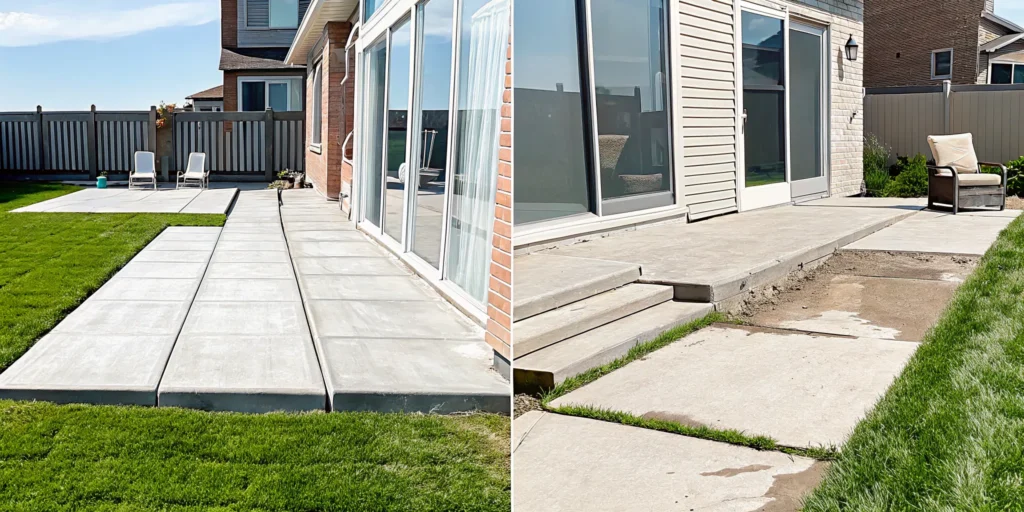
Have you ever wondered how a solid slab of concrete can start to sink and crack? The problem usually isn’t with the concrete itself, but with the ground underneath it. Here in the Dallas area, our expansive clay soil is constantly shifting, shrinking in the heat and swelling with rain. This movement, along with soil erosion, creates empty pockets beneath your patio. Without a stable base, the heavy slab has nowhere to go but down. Understanding what’s happening beneath the surface is the key to a lasting fix. A professional concrete patio lifting service doesn’t just patch the cracks; it stabilizes the soil for a permanent solution.
Key Takeaways
- Address the real problem, not just the symptom: A sinking patio almost always points to issues with the soil underneath it. Concrete lifting solves this root cause by stabilizing the ground, creating a solid, long-lasting base for your existing slab.
- Choose lifting for significant savings in time and money: Lifting your patio is much more affordable than a full replacement and is typically completed in just a few hours. You can use your patio the same day without the mess and disruption of a major construction project.
- Ensure a lasting repair with the right team and simple upkeep: The success of your project starts with hiring a qualified, insured professional. Afterward, you can protect your investment by managing water drainage and performing regular visual inspections to catch any new issues early.
What Is Concrete Patio Lifting?
When you notice your concrete patio has become uneven or sunken, it can be a real headache. The good news is you probably don’t need to tear it all out and start over. Concrete lifting, sometimes called slab jacking, is a technique used to raise sunken concrete surfaces back to their original, level position. Instead of a costly and messy replacement, this process fixes the problem from underneath.
The core idea is simple: a professional team drills small, strategic holes into the sunken slab and pumps a specialized material underneath it. This material fills the empty spaces or voids that formed when the soil below shifted or washed away. As the material fills the void, it creates pressure that lifts the concrete slab back into place. It’s an effective and efficient way to handle concrete repair for patios, driveways, and sidewalks, restoring both their appearance and safety.
How Polyurethane Foam Injection Works
One of the most advanced methods for lifting concrete is polyurethane foam injection. This technique uses a high-density, structural-grade polymer foam that’s both incredibly strong and lightweight. A technician drills penny-sized holes into the sunken slab and injects the two-part liquid foam. As the liquids mix, they create a chemical reaction, causing the foam to expand and gently lift the concrete.
The process is impressively fast. The foam can cure and harden in as little as 15 minutes, meaning you can walk on your patio almost immediately after the job is done. Because the foam is so light, it doesn’t add significant weight to the already unstable soil below. It’s also waterproof, which helps prevent future erosion issues under the slab.
The Mudjacking Method Explained
Mudjacking is the more traditional method of concrete lifting, and it’s been used successfully for decades. This process involves pumping a specific mixture, or slurry, under the sunken concrete to raise it. The slurry is typically made from a blend of cement, sand, and other organic materials. Like with foam injection, a team drills small holes into the concrete slab to pump the material into the voids below.
The pressure from the pumped slurry is what lifts the slab back to its proper height. While the materials are different from polyurethane foam, the concept is the same. Mudjacking is often a reliable and cost-effective solution for leveling out uneven concrete, and it’s much quicker and less disruptive than a full replacement.
Is Concrete Lifting Right for Your Patio?
So, how do you know if concrete lifting is the right solution for you? Start by taking a close look at your patio. If you see cracks, uneven sections where one slab is higher than another, or areas where water pools after it rains, these are all strong signs of a problem. These issues usually mean the soil underneath your patio has shifted, settled, or eroded, leaving empty pockets.
Ignoring these signs can lead to more significant damage over time, not to mention creating tripping hazards. Raising and leveling the concrete can repair the existing damage and prevent it from getting worse. If you see any of these warning signs, it’s a good idea to have a professional take a look. A specialist can assess the situation and confirm if lifting is the best approach for your home.
Why Do Concrete Patios Sink?
If you’ve noticed your concrete patio starting to sink or slope, your first thought might be that the concrete itself is failing. In reality, the problem almost always lies with the ground underneath. Concrete is incredibly heavy, and it relies on a stable base of soil for support. When that soil shifts, erodes, or compresses, it creates empty spaces. Without a solid foundation, the concrete slab will inevitably sink into these voids, leading to cracks and uneven surfaces. Understanding what’s happening beneath your patio is the first step to finding the right fix.
Soil Erosion and Washouts
One of the most common reasons for a sinking patio is soil erosion. The soil that supports your concrete slab can be washed away by heavy rains or shift during periods of drought, which is a frequent cycle here in Texas. When heavy rain floods the area around your patio, it can carry away the soil, leaving behind air gaps. Similarly, during a drought, the clay soil common in our region can shrink significantly, pulling away from the slab. Once that support is gone, the weight of the concrete is too much, and it begins to crack and settle into the newly formed voids. This process can cause significant damage that often requires professional foundation repair.
Poor Drainage and Water Damage
Water is often the main culprit behind a sinking patio. If your property has poor drainage, water can pool around and under the concrete slab. This might be caused by clogged gutters, downspouts that empty too close to the patio, or improper yard grading that directs water toward your home. Over time, this constant saturation weakens the soil, causing it to soften and compress under the weight of the concrete. You might notice puddles forming on your patio after it rains; this is a clear sign that the slab has already shifted. Addressing the underlying soil problem is key to a lasting concrete repair.
Natural Soil Settling and Compaction
Sometimes, a sinking patio is simply the result of time and gravity. The soil used as backfill during construction may not have been properly compacted. Over the years, the immense weight of the concrete slab will gradually compress this loose soil, causing the patio to settle. This is especially true in the Greater Dallas area, where expansive clay soil is prevalent. This type of soil swells when it’s wet and shrinks when it’s dry, creating constant movement beneath your patio. This ongoing cycle of expansion and contraction weakens the soil’s ability to support the slab, leading to uneven sinking and cracking. It’s a common issue for homeowners throughout our service area.
Does Your Patio Need Lifting?
It’s easy to overlook the subtle changes in your patio over time, but that sinking feeling you get when you see a new crack might be your intuition telling you something’s up. Concrete patios settle for a reason, usually because the soil underneath them has shifted. Spotting the warning signs early can mean the difference between a simple lift and a full-blown replacement project. So, how do you know if your patio is just showing its age or signaling a deeper problem? Let’s walk through the key indicators that your concrete needs professional attention.
Signs of Trouble: Cracks and Surface Damage
A few hairline cracks might not seem like a big deal, but they are often the first visible clue that something is wrong beneath the surface. When you see cracks spreading across your patio, it’s a strong sign that the soil underneath has moved, settled, or washed away, leaving the concrete slab without proper support. This lack of support puts stress on the slab, causing it to crack. Ignoring these cracks allows water to seep in, which can worsen the problem, especially with the shifting clay soils here in Texas. Addressing the root cause with a professional concrete repair is the best way to prevent minor cracks from turning into major structural issues.
Spotting Uneven Surfaces and Puddles
Have you noticed that your patio furniture wobbles in a spot where it used to be steady? Or maybe you’ve seen puddles forming after it rains where the water used to drain away. These are classic signs that your patio is no longer level. A visible change in elevation, where one section of the slab is noticeably lower than the others, is a clear indicator that your patio has sunk. This creates an uneven surface that isn’t just an eyesore; it’s a serious tripping hazard for your family and guests. Water pooling is another red flag, as it can accelerate the deterioration of the concrete and further destabilize the soil below.
When to Call a Pro for Safety Hazards
If you’re seeing any of the signs we’ve discussed, like spreading cracks, uneven slabs, or water pooling, it’s time to call in a professional. These issues rarely get better on their own and often point to underlying problems with soil stability or drainage. An uneven patio is a significant safety hazard, and waiting too long can lead to more extensive and costly damage. A trained expert can assess the situation, determine the cause of the sinking, and recommend the right solution. Don’t guess when it comes to the safety and stability of your home. You can contact us for a free, no-obligation estimate to understand exactly what’s going on with your patio.
Why Lift Your Patio Instead of Replacing It?
When you see your concrete patio starting to sink or crack, your first thought might be to tear it all out and start fresh. While a full replacement is sometimes necessary, it’s often not the best solution. Concrete lifting is a modern approach that addresses the root of the problem by stabilizing the soil beneath your slab and raising it back to its original position. This method offers some serious advantages over a total do-over.
Choosing to lift your patio isn’t just a quick fix; it’s a smart, strategic repair that saves you time, money, and hassle. Instead of dealing with a messy demolition project, you can have a stable, level surface again with minimal disruption. Let’s look at why lifting your concrete is often a much better choice than replacing it.
Save Money and Stay on Budget
Let’s talk about the bottom line. One of the biggest reasons homeowners choose lifting over replacement is the significant cost savings. A full patio replacement involves demolition, hauling away old concrete, preparing the ground, and pouring a brand-new slab. All that labor and material adds up quickly. In contrast, concrete lifting can save you up to 70% of the cost of a full replacement. By working with your existing slab, our concrete repair process uses fewer materials and takes far less time, which translates directly into savings for you. It’s a budget-friendly way to get a beautiful, functional patio without the hefty price tag of a total overhaul.
A Greener, Less Wasteful Option
If you’re looking for a more environmentally conscious solution, concrete lifting is the clear winner. Tearing out an old patio sends tons of concrete debris straight to the landfill, where it will sit for centuries. The process of producing and transporting new cement also has a considerable carbon footprint. Concrete lifting, however, preserves your existing slab. By reusing what’s already there, you prevent unnecessary waste and reduce the demand for new materials. It’s a sustainable choice that restores your patio while being kinder to the planet. This approach aligns with a responsible method of home maintenance that minimizes environmental impact.
Get Your Patio Back Faster
A patio replacement can turn your backyard into a construction zone for days, or even weeks. Between the demolition, framing, pouring, and waiting for the new concrete to cure, you could lose access to your outdoor space for a significant amount of time. Concrete lifting is a much faster process. Most lifting jobs can be completed in just a few hours, and the patio is often ready for use almost immediately. The polyurethane foam we use cures in about 15 minutes, meaning you can have your furniture back in place and enjoy your patio the very same day. You can see examples of our efficient work on our Our Work page.
How Much Does Concrete Patio Lifting Cost?
Let’s talk numbers. While every patio has its own unique challenges, the good news is that lifting your concrete is almost always more affordable than replacing it entirely. The final price tag for a concrete repair project like this depends on a few key factors, including the size of the area, the extent of the sinking, and the specific method used to lift it back into place. It’s a common question we get, and for good reason. You want to know what you’re getting into before committing to a project.
Think of it this way: you’re paying for a precise, technical repair, not a massive demolition and construction project that involves tearing everything out and starting from scratch. This distinction is what makes lifting such a cost-effective solution for sunken patios. It addresses the root cause of the problem, the unstable soil beneath, without the mess and expense of a total replacement. Getting a professional estimate is the only way to know the exact cost for your home, but understanding the general pricing and what influences it will help you make an informed decision. We can break down the typical costs so you know what to expect when you get a quote.
Pricing for Different Lifting Methods
Generally, you can expect concrete lifting to cost somewhere between $2 and $5 per square foot. This range covers the most common methods, including polyurethane foam injection and mudjacking. The price reflects the cost of materials, equipment, and the skilled labor required to get the job done right. A simple lift for a small, straightforward slab will naturally be on the lower end of that scale. For a more accurate idea of what your specific patio needs, the best first step is to have a professional take a look and provide a detailed quote.
What Factors Influence the Final Cost?
The biggest variable in pricing is often what’s happening underneath the slab. The final cost depends heavily on how much material is needed to lift and stabilize the concrete. If there’s a large, empty space, or void, under your patio from soil washout, it will require more foam or slurry to fill it securely. Other factors include the total square footage of the patio you need lifted and how easily accessible the area is for our team and equipment. The more significant the sinking, the more work is involved, which can also affect the price.
Lifting vs. Replacement: A Cost Breakdown
Here’s where you’ll really see the savings. Choosing to lift your patio can save you up to 70% compared to the cost of a full replacement. On average, homeowners find that our lifting service costs about half as much as tearing out the old concrete and pouring a brand-new slab. This significant price difference makes a professional repair an accessible option for many budgets. Plus, with straightforward financing options, you can get your patio fixed now without having to wait. It’s a smart investment that restores your patio’s safety and appearance for a fraction of the cost.
How to Choose the Right Concrete Lifting Company
Finding the right partner for your patio project is just as important as choosing the right repair method. The quality of the work depends entirely on the skill of the team doing it, so you want a company you can trust. A little research now can save you from stress and extra costs later. When you start looking for a contractor, focus on three key areas: their experience, their credentials, and what past customers have to say. These factors will help you find a reliable professional who will get the job done right.
Look for Experience and Specialization
When it comes to your home, experience matters. A company that has been lifting concrete for years will have seen it all and knows how to handle the unique challenges of your property. Look for a team that specializes in residential concrete repair, not a general contractor who does it as a side job. Specialists understand the specific soil conditions in the Dallas area and use proven techniques for a lasting fix. Don’t be shy about learning more about their team of professionals. A seasoned crew is your best bet for a successful project.
Check for Licenses, Insurance, and Warranties
This step is all about protecting yourself. A professional concrete lifting company should be fully licensed and insured. This isn’t just a formality; it protects you from liability if an accident happens on your property. Before hiring anyone, ask to see their credentials. Reputable companies will be happy to provide them. You should also ask about warranties. A company that stands behind its work will offer a solid guarantee on their repairs. This shows they are confident in the quality of their service and gives you peace of mind that your investment is protected.
Read Reviews and Ask About Guarantees
Hearing from past customers is one of the best ways to gauge a company’s quality. Check online reviews to get a feel for what people are saying. A few negative reviews aren’t always a dealbreaker, but look for consistent themes. You can also ask the company for a portfolio of their past projects to see the quality of their work for yourself. Finally, when you request a free estimate, pay attention to how they treat you. Good customer service is a sign you’re in capable hands.
Common Myths About Concrete Patio Lifting
When you first hear about lifting a sunken concrete patio, it might sound too good to be true. Many homeowners have questions and, frankly, a few misconceptions about how it all works. Is it really a permanent fix? Will it make a huge mess of my backyard? These are valid concerns, and it’s smart to do your homework before committing to a repair.
Let’s clear the air and tackle some of the most common myths surrounding concrete patio lifting. Understanding the facts can help you see why this method is such a popular and effective solution for homeowners dealing with uneven or cracked patios. We’ll look at the durability of the repair, how long you can expect it to last, and what the process actually looks like for your property. By separating fact from fiction, you can make a confident decision about the best way to restore your outdoor space.
Myth vs. Fact: Durability and Effectiveness
A big worry for many is that lifting a concrete slab is just a flimsy patch-up job that won’t hold up over time. The reality is that modern concrete lifting techniques are incredibly durable and effective. Methods like polyurethane foam injection use a high-density, structural-grade polymer that is waterproof, stable, and extremely strong. Once injected beneath the slab, the foam expands and hardens, creating a solid base that can easily support the weight of your patio. This isn’t just a temporary prop; it’s a long-lasting concrete repair that addresses the instability beneath the slab.
How Long Does Concrete Lifting Last?
Another common myth is that concrete lifting is a short-term fix that you’ll just have to repeat in a few years. In truth, a professionally lifted patio can last for many years, often for the remaining life of the concrete itself. The key is that the repair addresses the underlying problem. The polyurethane foam is inert and won’t break down or wash away. As long as the root cause of the sinking, like a drainage issue, is also managed, the repair will remain stable. This makes it a fantastic investment, especially when you consider that concrete leveling can save you a significant amount compared to the cost of a full replacement.
Will the Process Damage My Property?
Many people picture a major construction zone when they think about concrete work, but patio lifting is surprisingly low-impact. Unlike a full replacement that involves loud demolition and heavy equipment tearing up your yard, the lifting process is much cleaner. We drill a few small, dime-sized holes in the concrete, inject the foam, and then patch the holes when we’re done. The equipment is minimal, and the entire job is often completed in just a few hours. This means you can avoid damage to your lawn and landscaping, and your patio is ready to use almost immediately after the work is finished. The impact on your property is minimal compared to the benefits.
Keep Your Lifted Patio in Great Shape
Now that your patio is level and looking great, a little preventative care will go a long way. Taking a few simple steps can protect your investment and help prevent the same issues from happening again. Think of it as routine maintenance, just like you’d do for any other part of your home. By staying on top of a few key areas, you can ensure your patio remains stable, safe, and beautiful for years to come.
Manage Drainage and Water Flow
The root cause of many sinking patios is water. When water pools around or under the concrete slab, it can erode the soil and cause it to wash away, leaving your patio without the support it needs. To prevent this, make sure your property has proper drainage. Check that your gutters are clean and that downspouts direct water at least five to ten feet away from your home’s foundation and patio. If you notice water pooling after it rains, you may need to adjust the grading of the surrounding landscape to encourage water to flow away from the area. Managing water effectively is the single best thing you can do to support your home’s entire foundation.
Inspect Your Patio Regularly
You don’t need to be an expert to spot potential problems. Get into the habit of giving your patio a quick look-over a few times a year, especially after heavy rains or seasonal changes. Look for any new cracks forming or old ones that seem to be widening. Check if the joints between the slabs are still even and sealed. A primary indicator of a problem is a visible change in elevation, so keep an eye out for any new sinking or tilting. Catching these signs early allows you to address them before they become bigger issues. If you spot something concerning, it’s always best to get a professional opinion on the necessary concrete repair.
Simple Tips for Long-Term Protection
Beyond managing water and regular inspections, a few other habits can help maintain your patio’s stability. Sealing the concrete every few years can protect it from moisture penetration and surface damage from the elements. Be mindful of the weight you place on the edges of the slabs, as heavy planters or structures can cause stress. Most importantly, don’t ignore new problems. If you see a section starting to sink again, even slightly, it’s better to address it right away. Timely maintenance is always more affordable than a major repair down the road. If you have any questions or notice changes, don’t hesitate to contact us for an assessment.
Related Articles
- Concrete Repair – Solid Base
- PolyLevel – Solid Base
- Polyurethane Slab Jacking: A Homeowner’s Guide
- Our Work – Solid Base
Frequently Asked Questions
How long does the actual patio lifting process take? Most concrete lifting projects are completed in just a few hours. Because the polyurethane foam we use cures so quickly, your patio is typically ready for you to walk on and place furniture on within about 15 to 30 minutes after the job is finished. You can get back to enjoying your outdoor space the very same day.
Is polyurethane foam a better choice than mudjacking? While both methods can successfully lift concrete, polyurethane foam offers several key advantages. The foam is incredibly lightweight, so it doesn’t add extra stress to the unstable soil beneath your patio. It’s also waterproof, which helps prevent future soil erosion. The injection holes are smaller and the process is generally cleaner and faster, making it the preferred modern solution for most residential projects.
Will the patched holes in my patio be very noticeable? Our team takes great care to make the repair as discreet as possible. We drill small, dime-sized holes to inject the material. After the slab is lifted and stabilized, we patch these holes with a cement grout that is carefully blended to match the color and texture of your existing concrete. While the patches are not completely invisible, they are small and blend in well with the surface.
Can you still lift my patio if it’s already badly cracked? It really depends on the condition of the slab. If your patio has cracks but is still in large, intact sections, lifting is usually a great option. The process can stabilize these pieces and bring them back to a level position. However, if the concrete is shattered into many small, crumbling pieces, it may have lost its structural integrity, and a replacement might be the better long-term solution.
What’s the first step if I think my patio needs to be repaired? The best first step is to schedule a free concrete leveling estimate with a professional. A trained specialist can visit your home to assess the extent of the sinking, identify the underlying cause of the problem, and determine if concrete lifting is the right solution for you. This gives you a clear understanding of what needs to be done and what the cost will be. Collin County homeowners can also review local concrete leveling in Frisco options.